Rodent Control in Lyman, SC
Roof Rat, Norway Rat, House Mouse & Hispid Cotton Rat Experts
Lyman is 91.7% owner-occupied, the highest share in this part of Spartanburg County, and that changes rodent work for the better: exclusion is a decision the householder can actually make, rather than one that falls between a tenant and a landlord. What it does not change is the building stock — an eighth of Lyman predates 1940, nearly all of it the Pacific Mills village, where a century of settlement has opened gaps no bait station addresses. Vinx seals the structure first.
Get Started in 60 Seconds
Choose what’s easiest for you
Request a Quote
We usually respond in 2 minutes
Call 855-800-8469
Get a Live Person (no AI agents here!)
Sign Up Online
Get pricing and schedule now




Welcome to Vinx Pest Control
A Company That Actually Backs What It Says
At Vinx, we pair professional-grade treatment with a level of follow-through most pest control companies skip. Local technicians, fast response, and a guarantee that holds up after the invoice is paid.
Get a Free Quote“I’m not passionate about killing bugs. I’m passionate about customer service. At Vinx, you get experts who show up, do the job right, and stand behind every visit. No runaround, no fine print.”
PROTECTION PLANS
Rodent Control Plans for Lyman Homeowners
100% money-back guarantee on every plan.
Standard Residential Protection
- 4 Seasonal Treatments Per Year
- 50+ Covered Pests
- Interior, Exterior & Yard Treatment
- Unlimited Free Re-Services
- 100% Money-Back Guarantee
- Fire Ant Yard Guarantee
- Flea & Tick Coverage
- Mosquito Treatments

Upgraded Yard Protection
- 6 Home & Yard Treatments Per Year
- 50+ Covered Pests
- Interior, Exterior & Yard Treatment
- Unlimited Free Re-Services
- 100% Money-Back Guarantee
- Fire Ant Yard Elimination Guarantee
- Flea & Tick Elimination Guarantee
- Mosquito Treatments

Most Comprehensive Protection
- 9 Treatments Per Year
- 50+ Covered Pests
- Interior, Exterior & Yard Treatment
- Unlimited Free Re-Services
- 100% Money-Back Guarantee
- Fire Ant Yard Elimination Guarantee
- Interior Flea & Tick Coverage
- 8 Mosquito Treatments (Mar–Nov)
- Free Bed Bug Treatments if Needed*
Targeted rodent removal — full inspection, entry point sealing (exclusion), trapping, and a follow-up visit to confirm elimination — is quoted separately after a free inspection. Managing a property out on the rural Spartanburg County fringe or rental units in the Pacific Mills village? Ask about our expanded rodent exclusion options. *Starting rates vary by home size and area. All plans billed monthly.
Get Your Free Lyman Rodent Inspection
Fill out the form below and a Vinx team member will reach out within 2 minutes during business hours.
Prefer to talk? Call 855-800-8469 for a live person, no AI agents.
How It Works
How Vinx Controls Rodents in Lyman

Inspection & Species Identification
Your technician inspects attics, foundations, grassy fencerows and field edges, the 1927 Pacific Mills village foundations and the cinder-filled alleys behind them, the grounds of the Lyman Printing and Finishing works that ran from 1924 until the last mill closed in 2005, and commercial buildings along the I-85 corridor, and identifies whether roof rats, Norway rats, house mice, or hispid cotton rats are present.
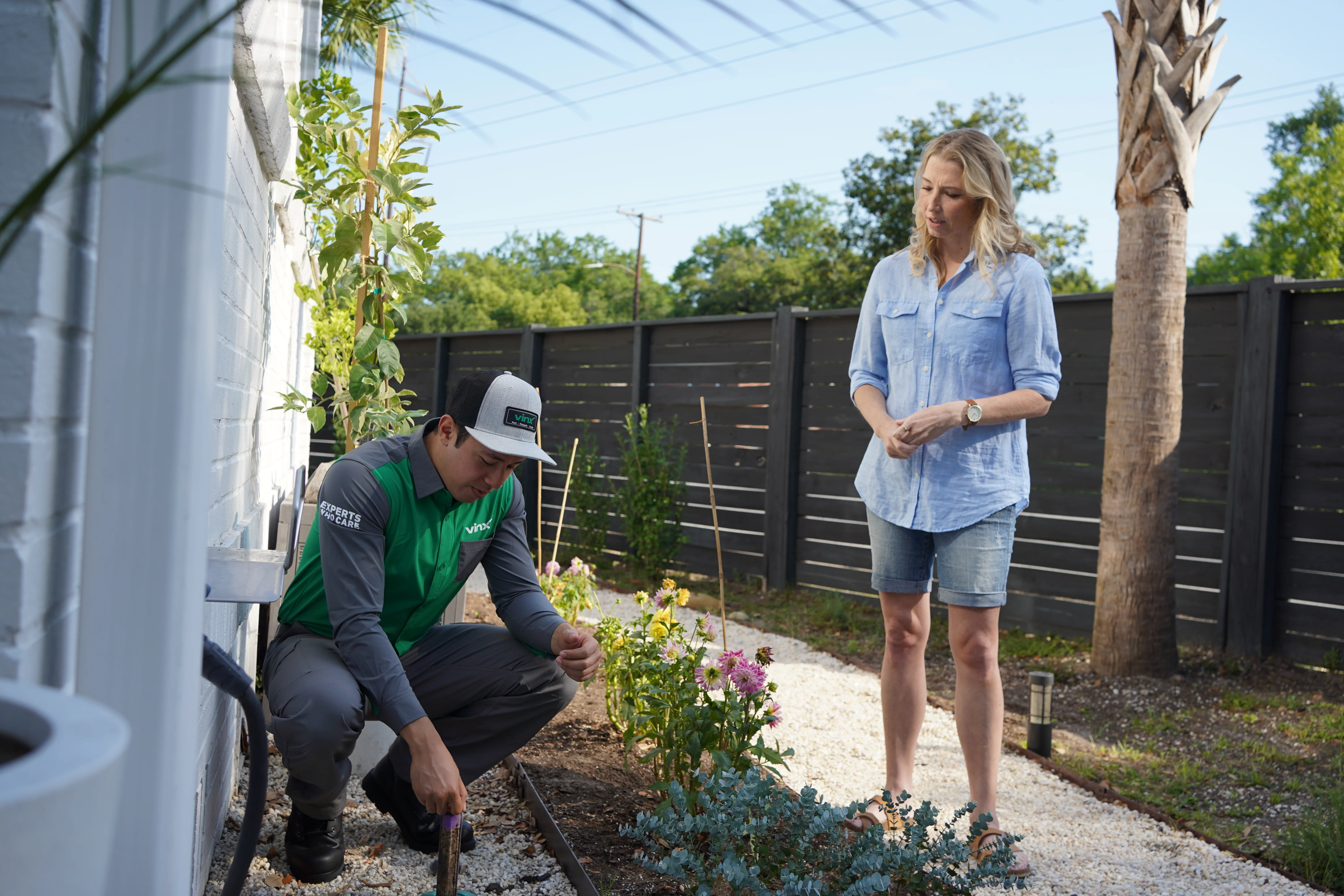
Exclusion & Entry Point Sealing
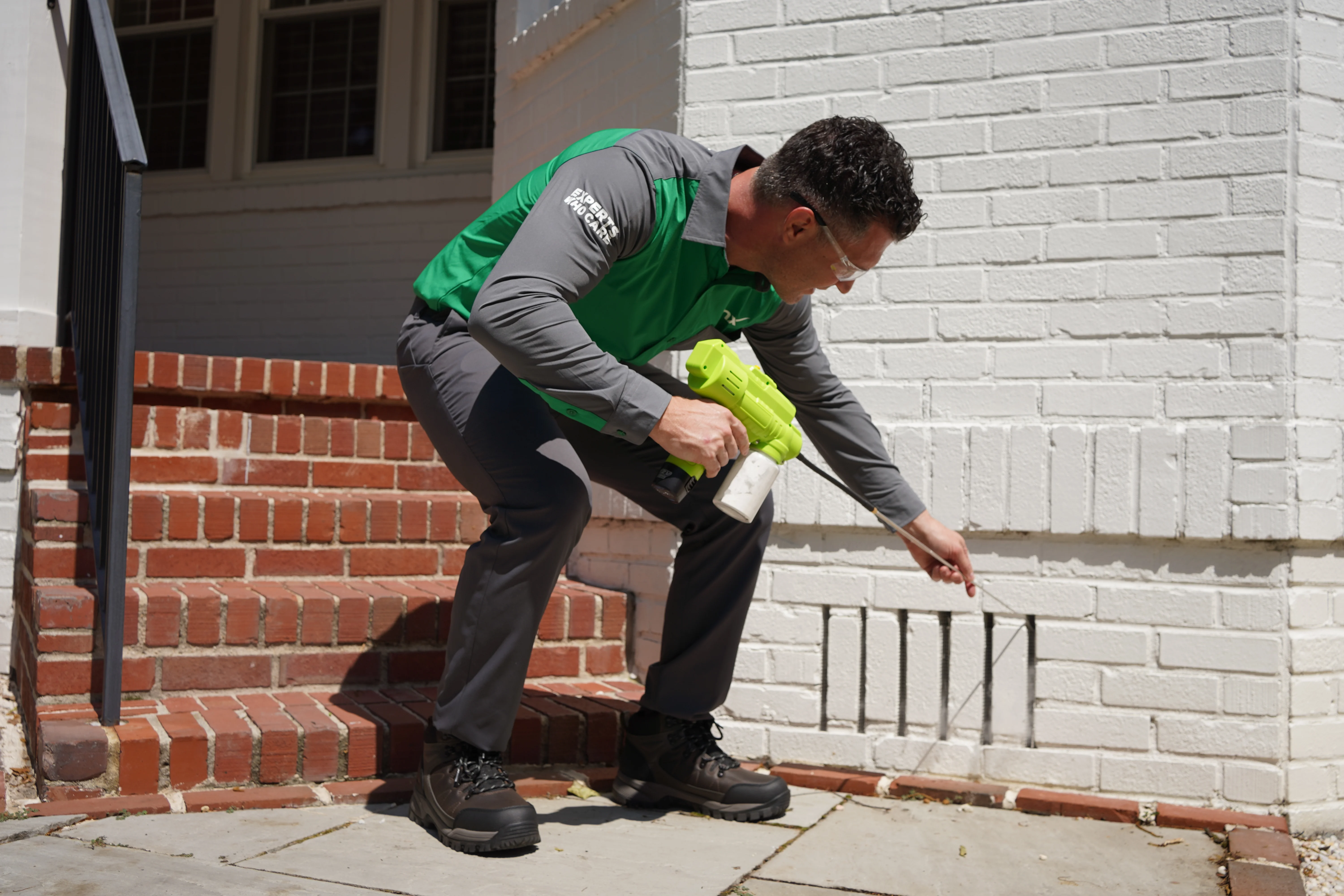
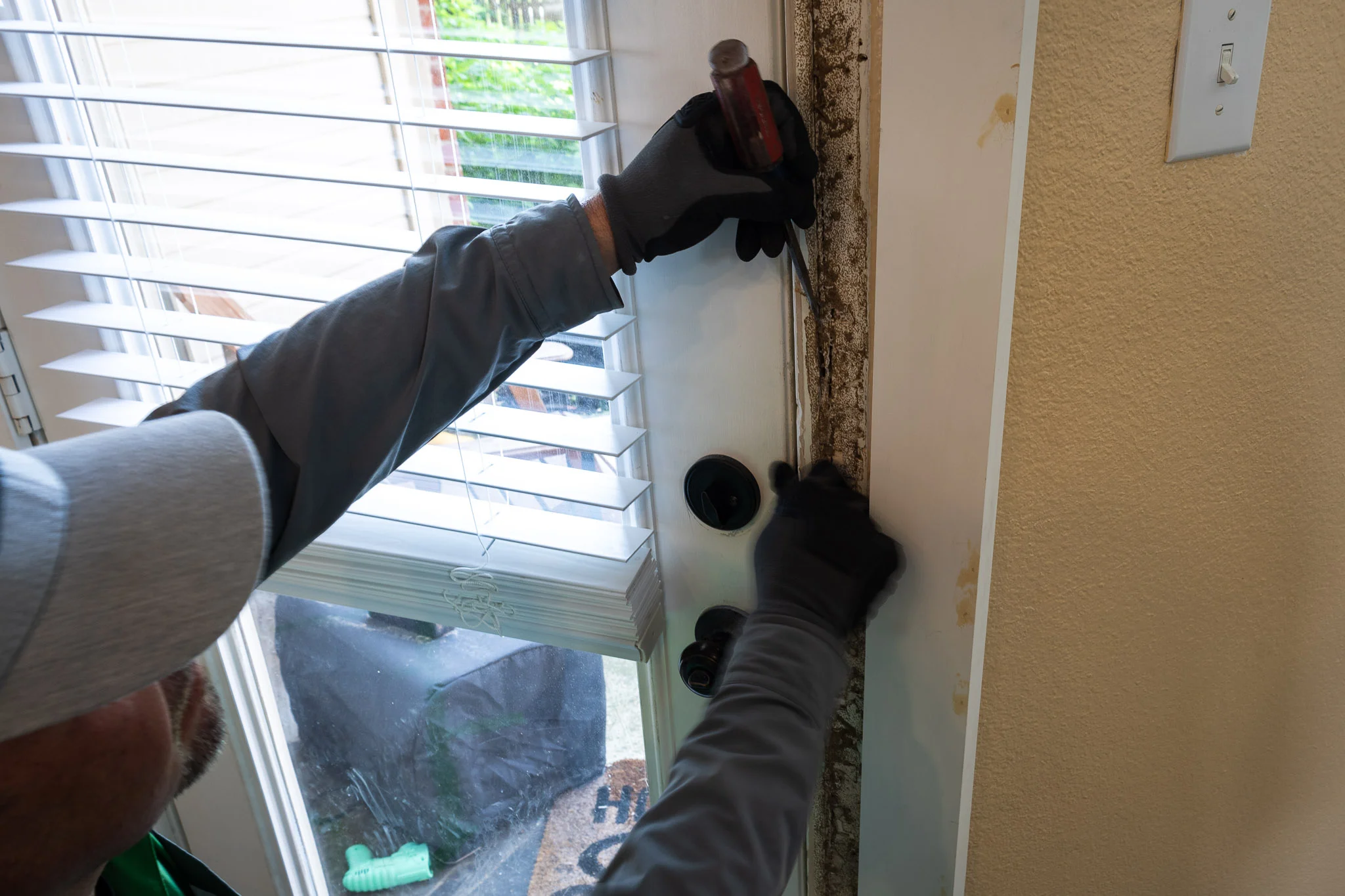
Gaps, gnaw points, and foundation entry points are identified and sealed, cutting off access before treatment begins — particularly important in the Pacific Mills village and throughout the commercial buildings along the I-85 corridor.
Targeted Trapping & Bait Placement
Trapping and tamper-resistant bait stations are placed based on the species and site conditions, whether that’s a commercial building along the interstate corridor, a grassy fencerow out on the rural Spartanburg County fringe, or an attic void under mature tree cover near historic downtown.
Ongoing Monitoring & Prevention
Follow-up visits maintain protection through the Upstate’s active rodent season, with free re-service between visits if activity returns — worth having in a town whose population grew 90.3% between 2010 and 2020, from 3,243 residents to 6,173, because each new phase of clearing and grading evicts rodents from established burrows toward the nearest standing structure.
What Customers Say
Real Reviews from Lyman Customers
Our tech Mike from Vinx is amazing. He I s very knowledgeable, friendly, helpful, and professional. He is really an asset to your company. Our bug problem is always taken care of.
Verified Google ReviewThank you John for always being so polite and on time every time! Also, thanks for taking care of our litany of problems.
Verified Google ReviewDid a really good job. However, I have gas station in my house and they saw a small mouse in the house Can someone come back to take care of this? Thank you.
Verified Google ReviewTony came out to assess a rodent (squirrel) issue for us on behalf of our property management company. He was personable, thorough, and very knowledgeable. I would definitely recommend him in the future.
Verified Google ReviewTony from Vinx Pest Control came out and identified our rodent problem and explained the process to correct the situation...an excellent technician!
Verified Google ReviewKyngstyn was great and did a thorough job.
Verified Google ReviewLyman Rodent Pressure
Why Rodent Control in Lyman Isn’t One-Size-Fits-All
A lot of pest control companies set the same generic traps everywhere, regardless of which species is actually present or why. That’s a mistake in a town like Lyman, which mixes a historic downtown predating the mill town, a century-old cotton mill village, an executive housing enclave on Ridge Road, an interstate corridor, and a rural fringe. It is also a town where the single most useful fact about rat pressure is buried: when Pacific Mills laid out the village in 1923 it put water mains and sewer pipes under the streets and plumbed every house to them, running the sewage down to a concrete holding tank beside the river across from where the library stands today. That network is now a century old, and a buried line with a cracked joint or a failed lateral is the most reliable Norway rat highway there is — which is why village rat problems so often start in the yard rather than at the door.
4 Rodent Species Common to Lyman
Norway Rat (Rattus norvegicus)
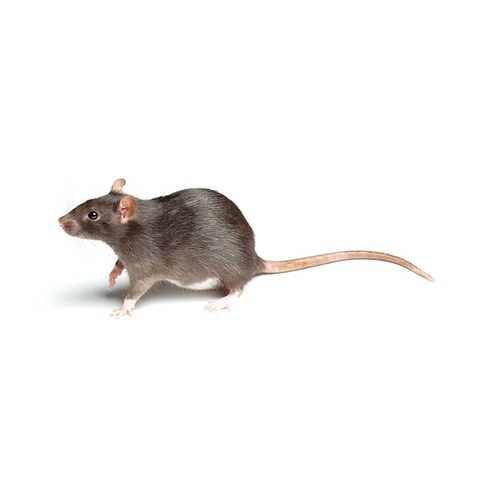
A strong burrower that nests at ground level near damp, low-lying ground and reliable food sources. This makes the century-old Pacific Mills village foundation, close to the river and sitting over the 1923 water and sewer network, a genuine concern for this species. The cinder-filled back alleys the mill crews laid behind the houses are loose, easy digging and still run the length of the village.
Roof Rat (Rattus rattus)
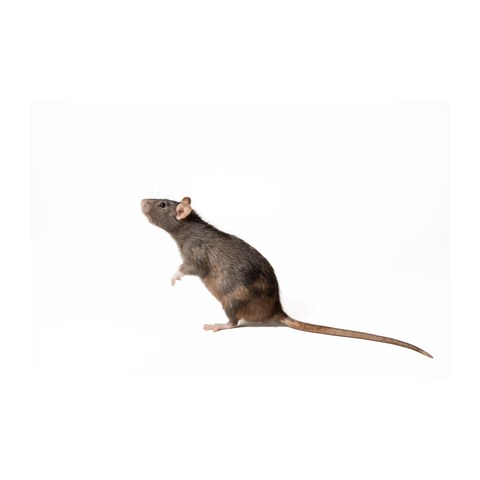
An excellent climber that prefers attics, upper floors, and tree cover over ground-level burrows. The mature tree canopy and older, established construction near historic downtown Lyman and along Ridge Road give this species a genuine foothold, and on the shaded village streets — Lawrence, Little, Groce Road — a limb touching the roofline is usually the way in.
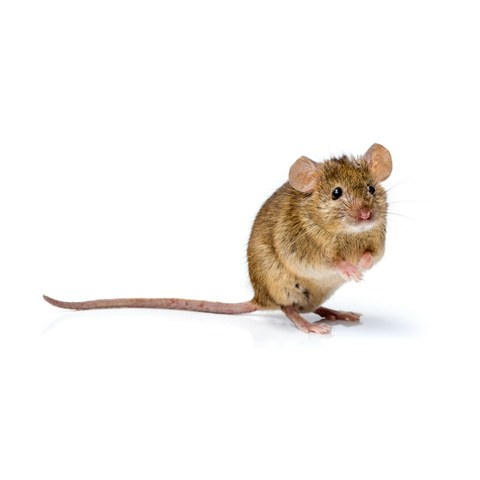
House Mouse (Mus musculus)
The rodent most likely to invade a home or building regardless of season, capable of squeezing through gaps as small as a dime — about a quarter of an inch, where a rat needs half an inch. One female raises several litters a year, so two mice in October can be a working colony by January. Common throughout the commercial buildings along the I-85 corridor.
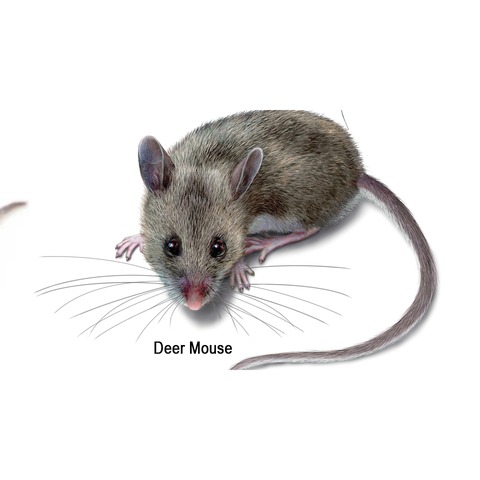
Hispid Cotton Rat (Sigmodon hispidus)
A species documented throughout South Carolina that favors grassy old fields, fencerows, unmowed rights-of-way, and broomsedge-covered agricultural edges. This makes the open farmland surrounding Lyman a genuine, direct match for this species.
Near historic downtown Lyman and along Ridge Road, roof rats, excellent climbers that favor attics and tree cover over ground-level burrows, take advantage of the mature tree canopy and older, established construction common to these parts of town. In the Pacific Mills village, Norway rats, strong burrowers that nest at ground level near damp, low-lying ground and reliable food sources, take advantage of the century-old foundation conditions and the persistent ground moisture near the river. The underpinning matters as much as the ground does: these houses were originally closed in with cypress and lattice-work, and the company swapped that for brick in the late 1940s, so the skirting most owners are relying on to keep animals out of the crawl space is around eighty years old and holding on failing mortar joints. Along the I-85 corridor, the house mouse, the rodent most likely to invade a building regardless of season, takes advantage of small gaps in commercial construction and steady food access. And out on the rural Spartanburg County fringe, hispid cotton rats, a species documented throughout South Carolina and especially common in grassy old fields, fencerows, and broomsedge-covered agricultural edges, take advantage of the open farmland surrounding Lyman.
By Neighborhood
Rodent Risk Across Lyman
Historic Downtown Lyman — the Pacific Mills core: Roof Rat Risk
Mature tree canopy and older, established construction near historic downtown Lyman give the roof rat the climbing access and shelter it favors.
Pacific Mills Village: Norway Rat Risk
The century-old mill housing’s foundation, sitting close to the river and over the 1923 water and sewer lines, gives the Norway rat the ground-level burrowing conditions and moisture this species favors. The brick underpinning that replaced the original cypress and lattice in the late 1940s is the part we check first.
Ridge Road: Roof Rat Risk
The larger, older homes Pacific Mills built for its executive staff carry the same mature-tree climbing access risk found in historic downtown; keeping limbs at least four feet off the roof closes the route most roof rats use.
I-85 Corridor: House Mouse Risk
Commercial buildings along Lyman’s interstate access points carry steady house mouse entry risk tied to small gaps common in commercial construction.
Rural Spartanburg County Fringe: Hispid Cotton Rat Risk
Grassy fields, fencerows, and open farmland surrounding Lyman give the hispid cotton rat exactly the habitat this species is documented to favor — and a continuous unmowed strip of cover is the easiest way for it to reach a house.
Complete Coverage
What Vinx Treats in Your Lyman Home
Every common Lyman pest covered under one quarterly service plan

Ants
Ants, Argentine ants, carpenter ants, and odorous house ants. Perimeter bait, mound treatment, crack and crevice application.
All Plans
Cockroaches
American, Asian, and German cockroaches. Gel bait in harborage areas, exterior perimeter spray, drain treatment.
All Plans
Spiders
Web removal from eaves, exterior perimeter targeting harborage. Black widow identification and targeted treatment.
All Plans
Wasps & Hornets
Nest removal from eaves, soffits, structural voids. Preventative treatment of common nesting sites on each quarterly visit.
All Plans
Fleas & Ticks
Yard treatment targeting grassy and shaded areas. Interior treatment of active infestation areas.
Plus & Platinum
Bed Bugs
Inspection, heat treatment assessment, and targeted chemical treatment.
Platinum (12mo)
Rodents
Exterior bait station monitoring included in Plus and Platinum. Active infestation and full exclusion quoted separately after inspection.
Plus & Platinum
Mosquitoes
Monthly barrier spray and larvicide. Year-round service adjusted seasonally. Up to 90% population reduction per visit.
Platinum Only
Occasional Invaders
Silverfish, earwigs, centipedes, stink bugs, ladybugs, pillbugs. Crack and crevice treatment, perimeter spray, entry point ID.
All PlansWarning Signs
Signs of Rodent Activity in Your Lyman Home or Business
Scratching Sounds in Walls, Attics, or Ceilings
Especially at night when rodents are most active.
Droppings Near Food Storage, Fencerows, or Attic Spaces
A key indicator of an active infestation, and the fastest species check there is: rice-grain droppings with pointed ends mean mice, capsule-shaped pellets up to three-quarters of an inch mean rats.
Gnaw Marks on Wood, Wiring, or Food Packaging
Rodents gnaw continuously to keep their teeth worn down.
Runways or Burrows in Tall Grass Near Field Edges
Often a sign of hispid cotton rat activity out on the rural Spartanburg County fringe.
Grease Marks Along Baseboards or Entry Points
Left behind as rodents repeatedly travel the same paths.
Because house mice can enter through gaps as small as a dime, sealing entry points is just as important as trapping, which matters most for commercial buildings along the I-85 corridor.
Homeowner Tips
6 Ways to Reduce Rodent Activity Around Your Lyman Home or Business
Common Questions
Rodent Control FAQ for Lyman Homeowners & Businesses
General pest plans take in rodent control: HomeGuard at $49/mo, Plus at $75/mo and Platinum at $109/mo, each with a $329 initial treatment and 12-month agreement. Call 855-800-8469 for a free quote.
Roof rats are excellent climbers that prefer attics and tree cover over ground-level burrows, and the mature tree canopy and older, established construction in these parts of Lyman give them easy access.
It’s a rodent species documented throughout South Carolina that favors grassy old fields, fencerows, and broomsedge-covered agricultural edges, and the open farmland surrounding Lyman gives it exactly the habitat it favors.
Yes. The Pacific Mills village sees more Norway rat activity tied to older foundations and ground-level moisture near the river, while commercial buildings along the I-85 corridor see more house mouse activity tied to entry points and construction gaps. With 91.7% of Lyman homes owner-occupied, against 53.9% in the city of Spartanburg, the exclusion work on the residential side is usually worth doing properly rather than deferring to a landlord.
That’s often Norway rat activity. This species is a strong burrower that nests at ground level near reliable food sources, which describes the 1927 mill village foundations well, particularly on the low ground near the river where the town’s original water and sewer lines were laid.
Yes. The CDC lists salmonellosis, leptospirosis, rat-bite fever and hantavirus among the diseases rodents spread directly — through contact with droppings, urine or saliva, through contaminated food, or by breathing dust stirred up from a nesting area. Norway rats, the species most common in the mill village, are the primary carrier of Seoul virus. Never sweep or vacuum droppings, which is exactly what puts that dust in the air: ventilate the space first, wet the droppings down with a disinfectant, wipe them up wearing gloves, and bag the waste.
Yes, we treat both. Exclusion, trapping, and bait placement address grassy field edges out on the rural Spartanburg County fringe as well as attics and foundations in homes across Lyman.
House mice can squeeze through gaps as small as a dime, so sealing small entry points around foundations and utility lines is a key part of treatment for commercial buildings along the I-85 corridor.
Yes. The products carry EPA registration and are applied at labeled rates by licensed South Carolina technicians; tamper-resistant stations keep bait secured.
Yes. We work with business operators along the I-85 corridor on recurring commercial rodent exclusion and treatment schedules.
Yes. Vinx Pest Control is licensed and insured to operate in South Carolina under Pest Control Operator license B3623, regulated by Clemson University’s Department of Pesticide Regulation, with technicians trained to identify and treat the specific rodent species found throughout Lyman and the greater Spartanburg County area.
Because of how it was built, not how it is kept. Pacific Mills laid water and sewer mains under the village streets in 1923 and ran the sewage to a holding tank by the river, so every one of those houses sits over a century-old buried utility network — and a cracked joint or a failed lateral is the most dependable Norway rat run a town can have. The back alleys were dirt, topped with cinders hauled from the mill boiler room, which is loose, easy digging. And the underpinning was changed from cypress and lattice to brick in the late 1940s, so the barrier between the crawl space and the yard is roughly eighty years old. A newer subdivision on the edge of town has none of that. It is also why exclusion work in the village pays off more than trapping alone.
Where We Serve
Rodent Control Across Lyman & the Greater Spartanburg County Area
Serving the Greater Spartanburg County Area