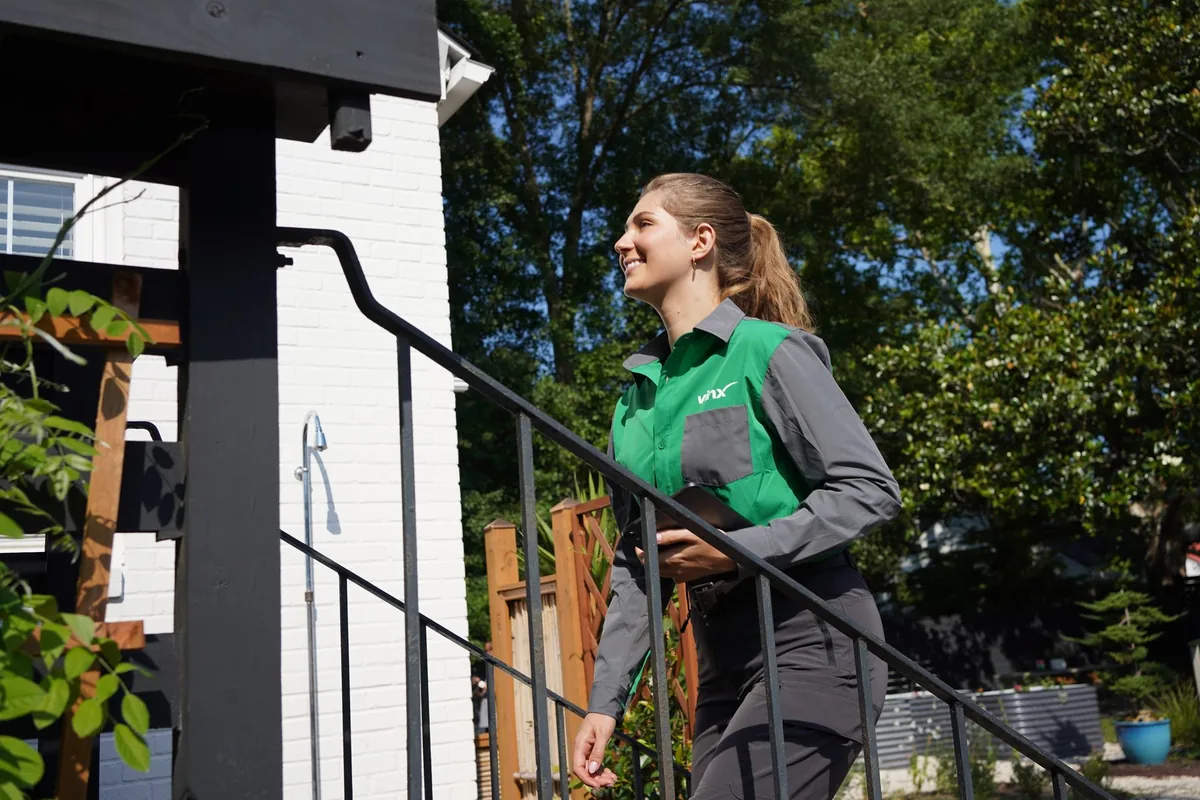
Rodent Control in Taylors, SC
Roof Rat, Marsh Rice Rat, Norway Rat & House Mouse Experts
Rodent pressure in Taylors follows food access and shelter more than any single part of the community. Roof rats favor the mature tree cover around Taylors Mill and the mill village that grew up beside the Southern Bleachery after it opened in May 1924, marsh rice rats work the wet, grassy edges of the Enoree River Corridor, Norway rats burrow near the dumpsters and drainage of Wade Hampton Boulevard and the Eastside/Pelham Road corridor, and house mice slip into the homes near Chick Springs, where the median house dates to 1983 and almost half the community’s housing predates 1980. Vinx treats the species that’s actually present, then seals the gaps that let it in.
Get Started in 60 Seconds
Choose what’s easiest for you
Request a Quote
We usually respond in 2 minutes
Call 855-800-8469
Get a Live Person (no AI agents here!)
Sign Up Online
Get pricing and schedule now





Welcome to Vinx Pest Control
A Company That Actually Backs What It Says
At Vinx, we pair professional-grade treatment with a level of follow-through most pest control companies skip. Local technicians, fast response, and a guarantee that holds up after the invoice is paid.
Get a Free Quote“I’m not passionate about killing bugs. I’m passionate about customer service. At Vinx, you get experts who show up, do the job right, and stand behind every visit. No runaround, no fine print.”
PROTECTION PLANS
Rodent Control Plans for Taylors Homeowners
100% money-back guarantee on every plan.

Standard Residential Protection
- 4 Seasonal Treatments Per Year
- 50+ Covered Pests
- Interior, Exterior & Yard Treatment
- Unlimited Free Re-Services
- 100% Money-Back Guarantee
- Fire Ant Yard Guarantee
- Flea & Tick Coverage
- Mosquito Treatments

Upgraded Yard Protection
- 6 Home & Yard Treatments Per Year
- 50+ Covered Pests
- Interior, Exterior & Yard Treatment
- Unlimited Free Re-Services
- 100% Money-Back Guarantee
- Fire Ant Yard Elimination Guarantee
- Flea & Tick Elimination Guarantee
- Mosquito Treatments

Most Comprehensive Protection
- 9 Treatments Per Year
- 50+ Covered Pests
- Interior, Exterior & Yard Treatment
- Unlimited Free Re-Services
- 100% Money-Back Guarantee
- Fire Ant Yard Elimination Guarantee
- Interior Flea & Tick Coverage
- 8 Mosquito Treatments (Mar–Nov)
- Free Bed Bug Treatments if Needed*
Targeted rodent removal — full inspection, entry point sealing (exclusion), trapping, and a follow-up visit to confirm elimination — is quoted separately after a free inspection, because the price depends on how many entry points we find. A mill-village cottage on brick piers or one of the 1960s and 1970s ranch homes that make up much of Taylors takes more sealing than a newer build. Managing a property near the Enoree River, a suite at the Mill, or a storefront along Wade Hampton Boulevard? Ask about our expanded rodent exclusion options. *Starting rates vary by home size and area. All plans billed monthly.
Get Your Free Taylors Rodent Inspection
Fill out the form below and a Vinx team member will reach out within 2 minutes during business hours.
Prefer to talk? Call 855-800-8469 for a live person, no AI agents.
How It Works
How Vinx Controls Rodents in Taylors

Inspection & Species Identification
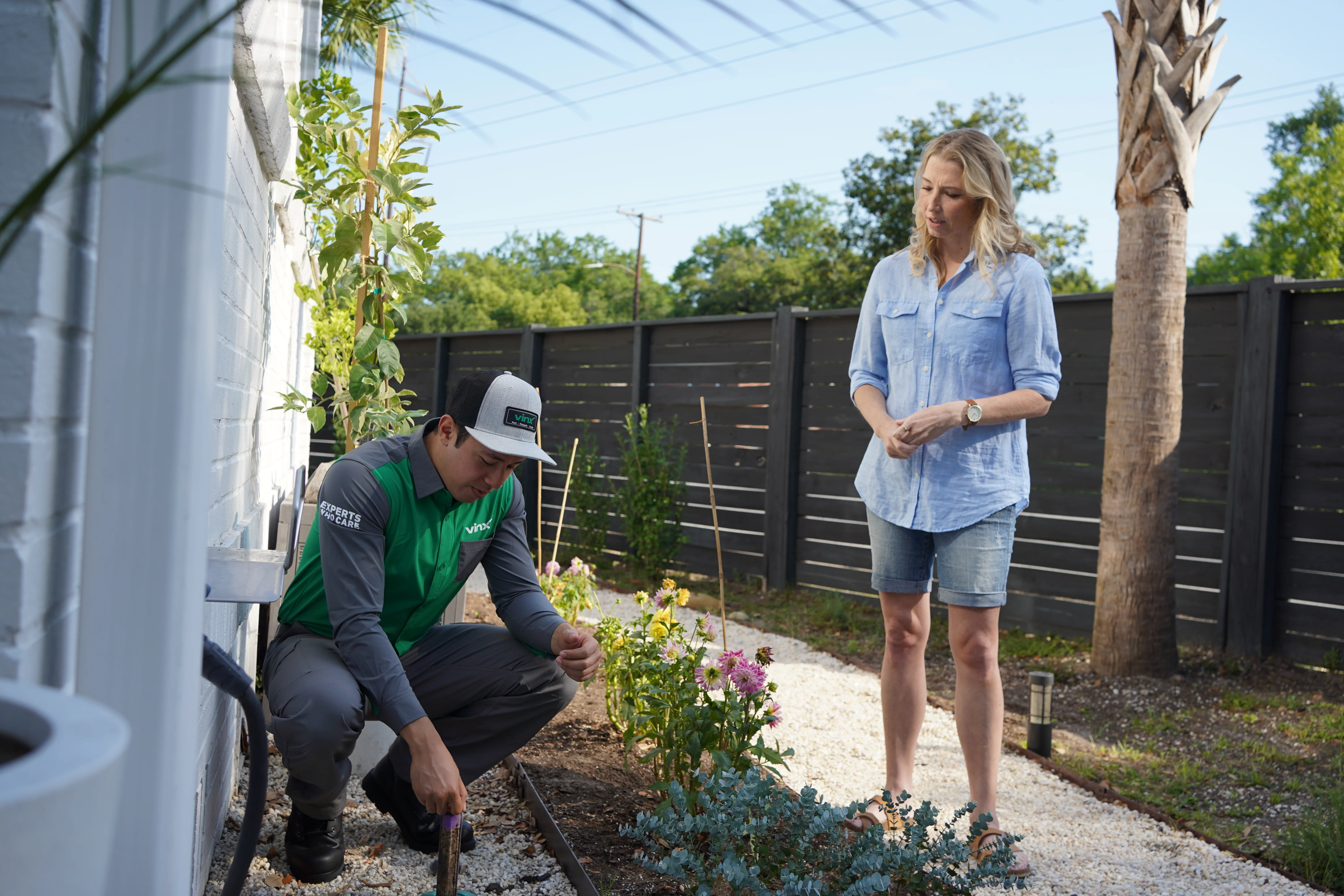
Your technician inspects attics, foundations, crawl spaces, riverbank-adjacent grass and ditch lines, dumpster and drainage areas, and outbuildings, and identifies whether roof rats, marsh rice rats, Norway rats, or house mice are present. Droppings tell most of the story: mouse droppings are rice-grain sized with pointed ends, rat droppings are capsule-shaped and up to three-quarters of an inch long, and rub marks and burrows fill in the rest.
Exclusion & Entry Point Sealing
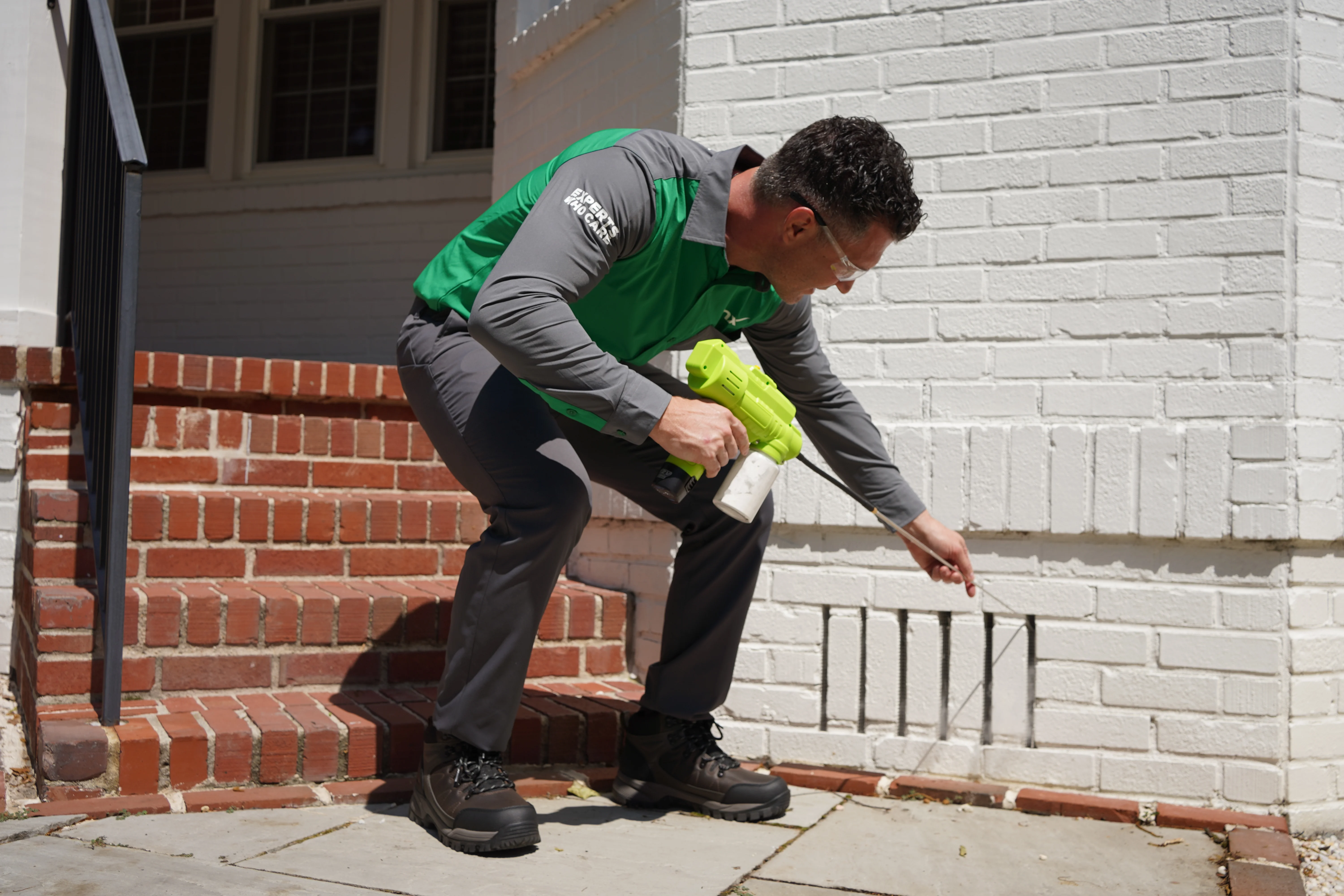
Gaps, gnaw points, and foundation entry points are identified and sealed with copper mesh, sealant, and hardware cloth, cutting off access before treatment begins. A mouse needs only a quarter-inch opening and a rat a half-inch, so crawl space vents, dryer vents, and utility penetrations get particular attention on the mid-century homes around Chick Springs and on the mill-village houses that still stand around the plant.
Targeted Trapping & Bait Placement
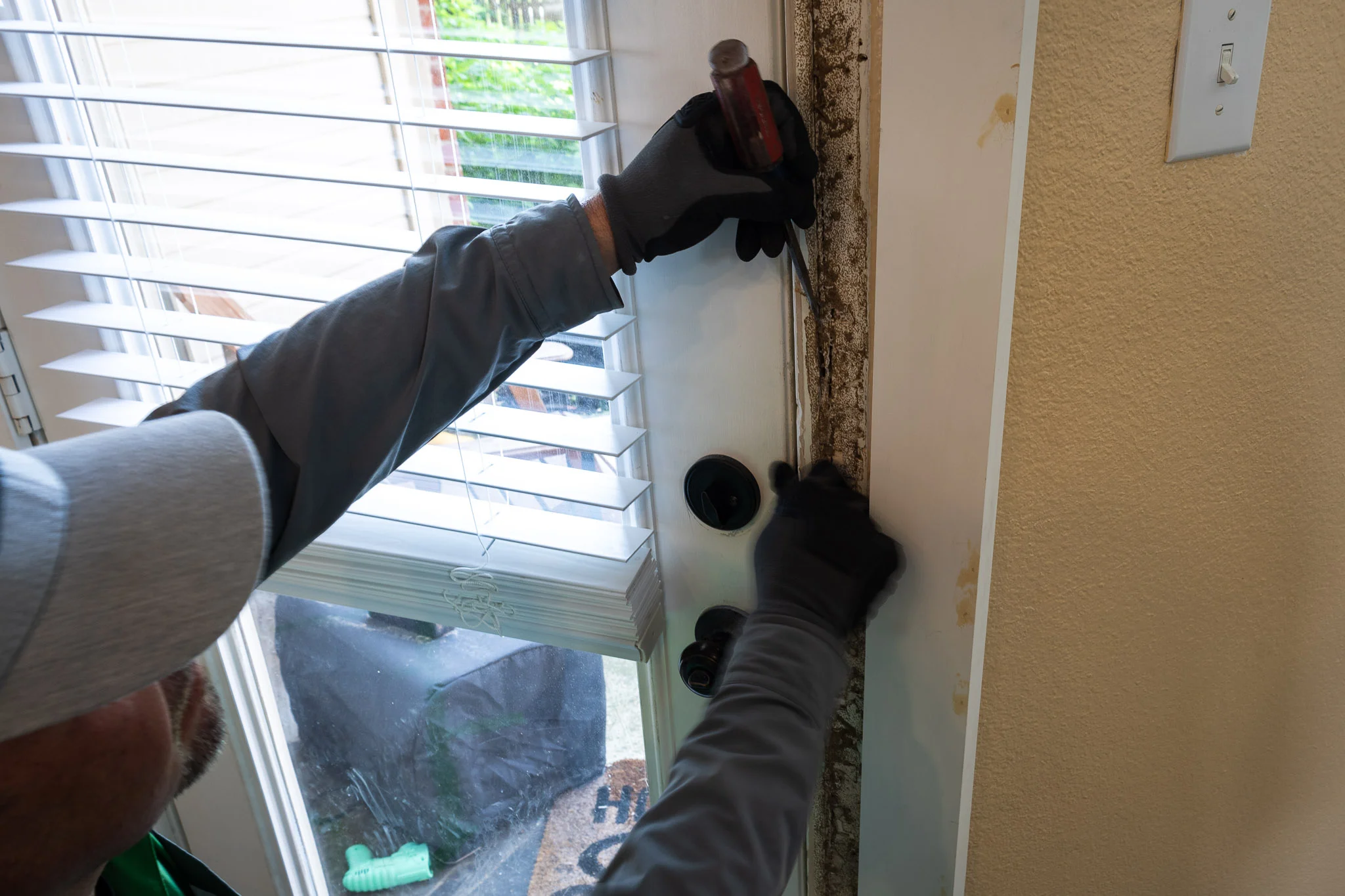
Trapping does the heavy lifting indoors, with traps set along walls and the active runways rodents actually use. Tamper-resistant bait stations are placed only where species and site conditions call for them, whether that’s a dumpster area along Wade Hampton Boulevard, a wet grassy edge near the Enoree River, or an attic void under mature tree cover at Taylors Mill, so children and pets never have contact with bait.
Ongoing Monitoring & Prevention
Follow-up visits maintain protection through the Upstate’s active rodent season. Rats and mice are a year-round problem in South Carolina, but pressure climbs every fall as cooling weather pushes them indoors, and the regional airport records only about 224 freeze-free days, so the indoor season here is longer than on the coast. Free re-service applies between visits if activity returns.
What Customers Say
Real Reviews from Taylors Customers
“Tony's inspection highlighted several issues. With a good explanation of solutions, he's getting my house back on track.”
Verified Google Review“Heard scratching in the attic for weeks under our big old oak trees near the mill. Vinx found the entry point where a limb overhung the roofline, sealed it, and set traps — problem solved within a week.”
Verified Google Review“Our property backs up to the wet, grassy edge of the river and we kept finding burrows near the ditch. Vinx explained it was a wetland-dwelling rat species and handled it without any guesswork.”
Verified Google ReviewGreat service every single visit. They always call ahead, show up on time, and the treatment works. My neighbors have seen me tell them to switch to Vinx — that says it all.
Verified Google ReviewI called at 1pm on a Friday and they squeezed me in the same day — amazing. Mike and Jonathan did a fantastic job explaining the treatment plan.
Verified Google ReviewVinx is the only pest company I've used that actually backs up what they promise. Had a callback issue and they came out within 48 hours at no charge. Outstanding.
Verified Google ReviewTaylors Rodent Pressure
Why Rodent Control in Taylors Isn’t One-Size-Fits-All
A lot of pest control companies set the same generic traps everywhere, regardless of which species is actually present or why. That’s a mistake in Taylors, an unincorporated community of about 23,000 that is more populous than the City of Easley yet has no municipal government of its own, where a genuinely varied mix of a converted textile mill, a historic mineral springs neighborhood, a wooded river corridor, and a fast-growing suburban edge near Greenville creates rodent pressure that varies zone by zone.
Around Taylors Mill and the historic mill village, roof rats, excellent climbers that favor attics and tree cover over ground-level burrows, take advantage of the mature tree canopy and older, wood-frame construction dating back to the mill’s 1924 founding, when a village of houses, churches, and ball fields went up around a plant that employed more than a thousand people; many of those houses still stand. Along the wooded Enoree River Corridor, marsh rice rats, a semiaquatic species first documented in South Carolina wetlands and typically found in swamps and grassy, sedge-covered wetland edges, take advantage of the low-lying, wet ground lining the river, the same 200-acre riverfront the Southern Bleachery was built on for its water supply. Near the retail and commercial development along Wade Hampton Boulevard and the growing Eastside and Pelham Road corridor, Norway rats, strong burrowers that nest at ground level near reliable food sources, take advantage of dumpsters, drainage areas, and steady commercial food waste. And around the residential homes near Chick Springs, where Burwell Chick opened a mineral-springs resort in 1840 and the neighborhood that replaced it now runs to mid-century houses on crawl spaces, the house mouse, the rodent most likely to invade a home regardless of season, takes advantage of small gaps in construction and steady food access. Upstate weather helps all four: the regional airport has no month averaging under 3.59 inches of rain and logs nearly 117 days of measurable rain a year, so crawl spaces and ditch lines stay damp instead of drying out between storms.
There is a practical lever here that most people do not know exists. Greenville County’s Litter Ends Here program, which absorbed Keep Greenville County Beautiful in late 2021, runs the county’s response to illegal dumping, and a mobile app lets residents report dumping and loose litter in real time. A dumped mattress or a pile of household waste on a back lot is rodent harborage and a food source in one, and in an unincorporated community reporting it is the fastest route to getting it gone — there is no town public works department to call instead.
4 Rodent Species Common to Taylors
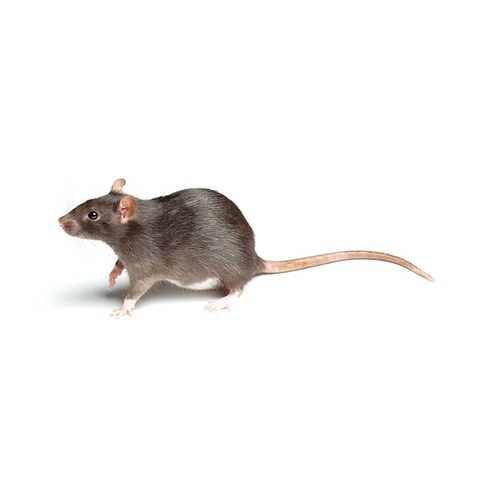
Norway Rat (Rattus norvegicus)
A strong burrower that nests at ground level near damp, low-lying ground and reliable food sources. This makes the dumpsters and drainage areas along Wade Hampton Boulevard and the Eastside/Pelham Road corridor’s commercial development a genuine concern for this species. It is also the primary carrier of Seoul virus, one reason the CDC treats rat waste behind a restaurant as a health matter and not just a nuisance.
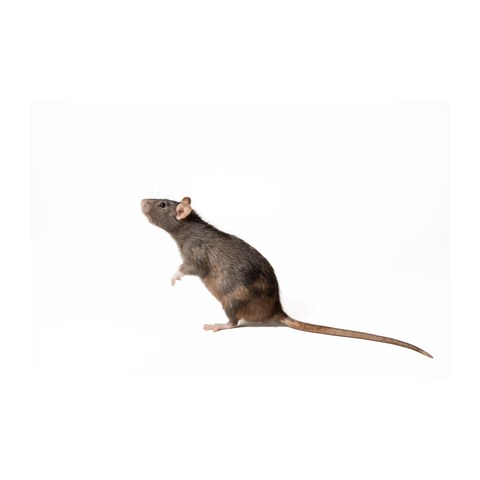
Roof Rat (Rattus rattus)
An excellent climber that prefers attics, upper floors, and tree cover over ground-level burrows. The mature tree canopy and older wood-frame construction throughout Taylors Mill and the historic mill village give this species a genuine foothold, and a limb touching the roofline is its preferred highway into an attic.
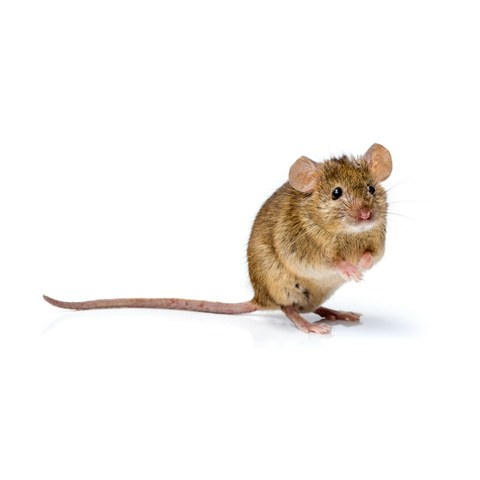
House Mouse (Mus musculus)
The rodent most likely to invade a home regardless of season, capable of squeezing through gaps as small as a dime. Common in the residential neighborhoods near Chick Springs, where the median home dates to 1983 and settled foundations, aging crawl space vents, and open utility penetrations give it a way in. A female raises several litters a year, so two mice in October can be a colony by January.
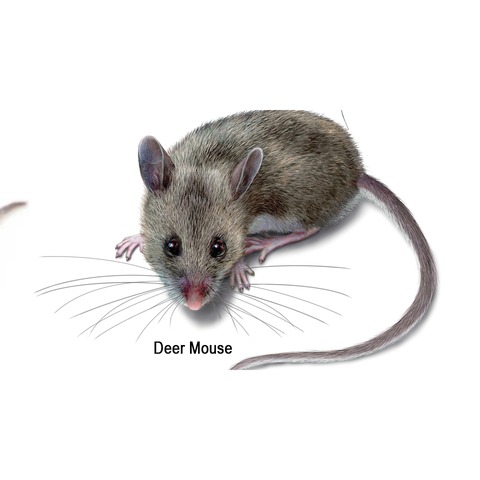
Marsh Rice Rat (Oryzomys palustris)
A semiaquatic species first documented in South Carolina wetlands, typically found in swamps and grassy, sedge-covered wetland edges. This makes the low-lying, wet ground lining the wooded Enoree River Corridor a genuine, direct match for this species. It rarely enters a home unless mowing stops or high water displaces it, which is exactly what the Enoree bottoms do after a heavy Upstate rain.
By Neighborhood
Rodent Risk Across Taylors
Taylors Mill & the Historic Mill Village: Roof Rat Risk
Mature tree canopy and older wood-frame construction throughout the historic mill village give the roof rat the climbing access and shelter it favors, and the Mill itself now runs to some 63 acres and more than 750,000 square feet of space shared by scores of small businesses, which means a lot of roofline, loading area, and stored inventory in one place.
Chick Springs: House Mouse Risk
Residential homes near the old spring site carry steady house mouse entry risk tied to small gaps in construction, with a housing stock whose median build year is 1983 and where nearly 45% of Taylors homes predate 1980.
Enoree River Corridor: Marsh Rice Rat Risk
Low-lying, wet grassy ground lining the wooded river corridor gives the marsh rice rat the semiaquatic habitat this species is documented to favor, and Piedmont clay subsoil, roughly half as porous as coastal sand, keeps that ground saturated long after the rain stops.
Eastside & Pelham Road Corridor: Norway Rat Risk
Dumpsters and drainage areas near this growing commercial corridor give the Norway rat the ground-level burrowing conditions and food access it favors, and restaurant and retail turnover along Pelham Road means a steady supply of both.
Wade Hampton Boulevard Corridor: Norway Rat Risk
Dumpsters and drainage areas along this retail and commercial strip carry the same Norway rat risk found in the Eastside/Pelham Road corridor, and because Taylors is unincorporated there is no city public works department here; sanitation and code questions run through Greenville County.
Complete Coverage
What Vinx Treats in Your Taylors Home
Every common Taylors pest covered under one quarterly service plan

Ants
Ants, Argentine ants, carpenter ants, and odorous house ants. Perimeter bait, mound treatment, crack and crevice application.
All Plans
Cockroaches
American, Asian, and German cockroaches. Gel bait in harborage areas, exterior perimeter spray, drain treatment.
All Plans
Spiders
Web removal from eaves, exterior perimeter targeting harborage. Black widow identification and targeted treatment.
All Plans
Wasps & Hornets
Nest removal from eaves, soffits, structural voids. Preventative treatment of common nesting sites on each quarterly visit.
All Plans
Fleas & Ticks
Yard treatment targeting grassy and shaded areas. Interior treatment of active infestation areas.
Plus & Platinum
Bed Bugs
Inspection, heat treatment assessment, and targeted chemical treatment.
Platinum (12mo)
Rodents
Exterior bait station monitoring included in Plus and Platinum. Active infestation and full exclusion quoted separately after inspection.
Plus & Platinum
Mosquitoes
Monthly barrier spray and larvicide. Year-round service adjusted seasonally. Up to 90% population reduction per visit.
Platinum Only
Occasional Invaders
Silverfish, earwigs, centipedes, stink bugs, ladybugs, pillbugs. Crack and crevice treatment, perimeter spray, entry point ID.
All PlansWarning Signs
Signs of Rodent Activity in Your Taylors Home or Business
Scratching Sounds in Walls, Attics, or Ceilings
Especially at night when rodents are most active; in a crawl-space or mill-village home the sound often carries along the joists.
Droppings Near Food Storage, Ditch Lines, or Attic Spaces
Rice-grain sized with pointed ends means mice; capsule-shaped pellets up to three-quarters of an inch mean rats.
Gnaw Marks on Wood, Wiring, or Food Packaging
Rodents gnaw continuously to keep their teeth worn down, and chewed wiring insulation is a real fire hazard in older wood-frame construction.
Grease Marks Along Baseboards or Entry Points
Left behind as rodents repeatedly travel the same paths.
Burrows or Runways in Grassy, Damp Ground Near the River
Often a sign of marsh rice rat activity near the Enoree River Corridor.
Musty, Ammonia-Like Odor in an Attic, Basement, or Crawl Space
Concentrated urine odor in an enclosed space points to an established population, not a stray visitor.
Because house mice can enter through gaps as small as a dime, sealing entry points is just as important as trapping, which matters most for residential homes near Chick Springs and for the mill-village houses whose foundations have had a century to settle.
Homeowner Tips
6 Ways to Reduce Rodent Activity Around Your Taylors Home or Business
Common Questions
Rodent Control FAQ for Taylors Homeowners & Businesses
Rodent control is included in Vinx’s general pest plans: HomeGuard at $49/mo, Plus at $75/mo, and Platinum at $109/mo, each with a $329 initial treatment and 12-month agreement. Full exclusion is quoted after the free inspection because the price depends on the number of entry points, and a mill-village cottage or a 1970s ranch on a crawl space usually needs more sealing than newer construction. Call 855-800-8469 for a free quote.
Roof rats are excellent climbers that prefer attics and tree cover over ground-level burrows, and the mature tree canopy and older wood-frame construction throughout Taylors Mill and the historic mill village give them easy access. Houses built for bleachery workers in the 1920s are now under a century-old canopy, which is the combination this species likes best.
It’s a semiaquatic rodent species first documented in South Carolina wetlands that typically lives in swamps and grassy, sedge-covered wetland edges, and the low-lying, wet ground lining the Enoree River Corridor gives it exactly the habitat it favors. The Enoree runs right through Taylors, and the Southern Bleachery was sited on 200 acres beside it for exactly that water.
Yes. The CDC lists salmonellosis, leptospirosis, rat-bite fever, and hantavirus among the diseases rodents spread directly, through contact with droppings, urine, or saliva, through contaminated food, or by breathing dust from nesting areas. Norway rats are the primary carrier of Seoul virus. Never sweep or vacuum droppings: ventilate the space, wet them down with a disinfectant, wipe them up with gloves, and bag the waste, which is the CDC’s recommended method.
Yes. The Enoree River Corridor sees more marsh rice rat activity tied to wet, grassy ground, while residential homes near Chick Springs see more house mouse activity tied to entry points and construction gaps. Both need exclusion, but the entry points differ: wet ground cover and crawl space vents in one case, utility penetrations and door sweeps in the other.
That’s often Norway rat activity. This species is a strong burrower that nests at ground level near reliable food sources, which describes dumpster and drainage areas along Wade Hampton Boulevard and the Eastside/Pelham Road corridor well. Burrows within a few feet of a dumpster pad, and gnawed bags after a delivery, are the two signs worth acting on immediately.
Yes, we treat both. Exclusion, trapping, and bait placement address wooded acreage along the Enoree River as well as attics and foundations in homes across Taylors.
House mice can squeeze through gaps as small as a dime, roughly a quarter of an inch, so sealing small entry points around foundations, crawl space vents, utility lines, and aging construction is a key part of treatment near Chick Springs and throughout Taylors, where the median home is more than forty years old.
Yes. We use EPA-registered products applied at labeled rates by licensed South Carolina technicians, with tamper-resistant bait stations that keep bait secured. Trapping and exclusion do most of the work, and stations are placed away from play areas, pet runs, and customer entrances.
Yes. We work with businesses and property owners throughout Taylors on recurring commercial rodent exclusion and treatment schedules, including restaurants and retail along Wade Hampton Boulevard and the studios, shops, and food tenants inside Taylors Mill, where dozens of separate businesses share one roofline and one set of loading areas.
Yes. Vinx Pest Control is licensed and insured to operate in South Carolina under Pest Control Operator license B3623, regulated by Clemson University’s Department of Pesticide Regulation, with technicians trained to identify and treat the specific rodent species found throughout Taylors and the greater Upstate area.
A house mouse problem is often resolved within one to two weeks once entry points are sealed and traps are working. An established rat population, especially Norway rats burrowed around a dumpster pad or roof rats in an old attic, usually takes several weeks and more than one follow-up visit. Exclusion is what keeps the timeline from starting over the next fall.
Where We Serve