Exterminator in North Charleston, SC
North Charleston sits on the coastal plain between the tidal Ashley and Cooper Rivers, with humidity above 70% year-round and roughly 51 inches of rain annually, conditions that push termite, roach, and mosquito pressure well past what inland homeowners see. Vinx treats by what the coastal climate and your part of town actually demand. 100% satisfaction guarantee.
Get Started in 60 Seconds
Choose what’s easiest for you
Request a Quote
We usually respond in 2 minutes
Call (843) 920-8469
Get a Live Person (no AI agents here!)
Sign Up Online
Get pricing and schedule now





Welcome to Vinx Pest Control
A Company That Actually Backs What It Says
At Vinx, we combine professional-grade treatments with a level of service most pest control companies don’t offer. Local technicians, fast response times, and a guarantee that actually means something.
“I’m not passionate about killing bugs. I’m passionate about customer service. At Vinx, you get experts who show up, do the job right, and stand behind every visit. No runaround, no fine print.”

Founder & Owner, Vinx Pest Control
PROTECTION PLANS
North Charleston Exterminator Pricing
100% money-back guarantee on every plan.

Standard Residential Protection
- 4 Seasonal Treatments Per Year
- 50+ Covered Pests
- Interior, Exterior & Yard Treatment
- Unlimited Free Re-Services
- 100% Money-Back Guarantee
- Fire Ant Yard Guarantee
- Flea & Tick Coverage
- Mosquito Treatments

Upgraded Yard Protection
- 6 Home & Yard Treatments Per Year
- 50+ Covered Pests
- Interior, Exterior & Yard Treatment
- Unlimited Free Re-Services
- 100% Money-Back Guarantee
- Fire Ant Yard Elimination Guarantee
- Flea & Tick Elimination Guarantee
- Mosquito Treatments

Most Comprehensive Protection
- 9 Treatments Per Year
- 50+ Covered Pests
- Interior, Exterior & Yard Treatment
- Unlimited Free Re-Services
- 100% Money-Back Guarantee
- Fire Ant Yard Elimination Guarantee
- Interior Flea & Tick Coverage
- 8 Mosquito Treatments (Mar–Nov)
- Free Bed Bug Treatments if Needed*
*Starting rates vary by home size and area. All plans billed monthly.
Request Your Free Pest Control Quote
Fill out the form below and a Vinx team member will reach out within 2 minutes during business hours.
Prefer to talk? Call (843) 920-8469 for a live person, no AI agents.
Our Process
How Vinx Exterminators Work a North Charleston Property: Step by Step

Inspection & Reporting
An extermination visit in North Charleston starts by sizing the inspection to the era of the house. On pre-war stock that means the crawl space, sill and pier line first; on newer builds it means the slab edge and expansion joints. You get a firm price before any work begins.
Exterior Foundation Treatment
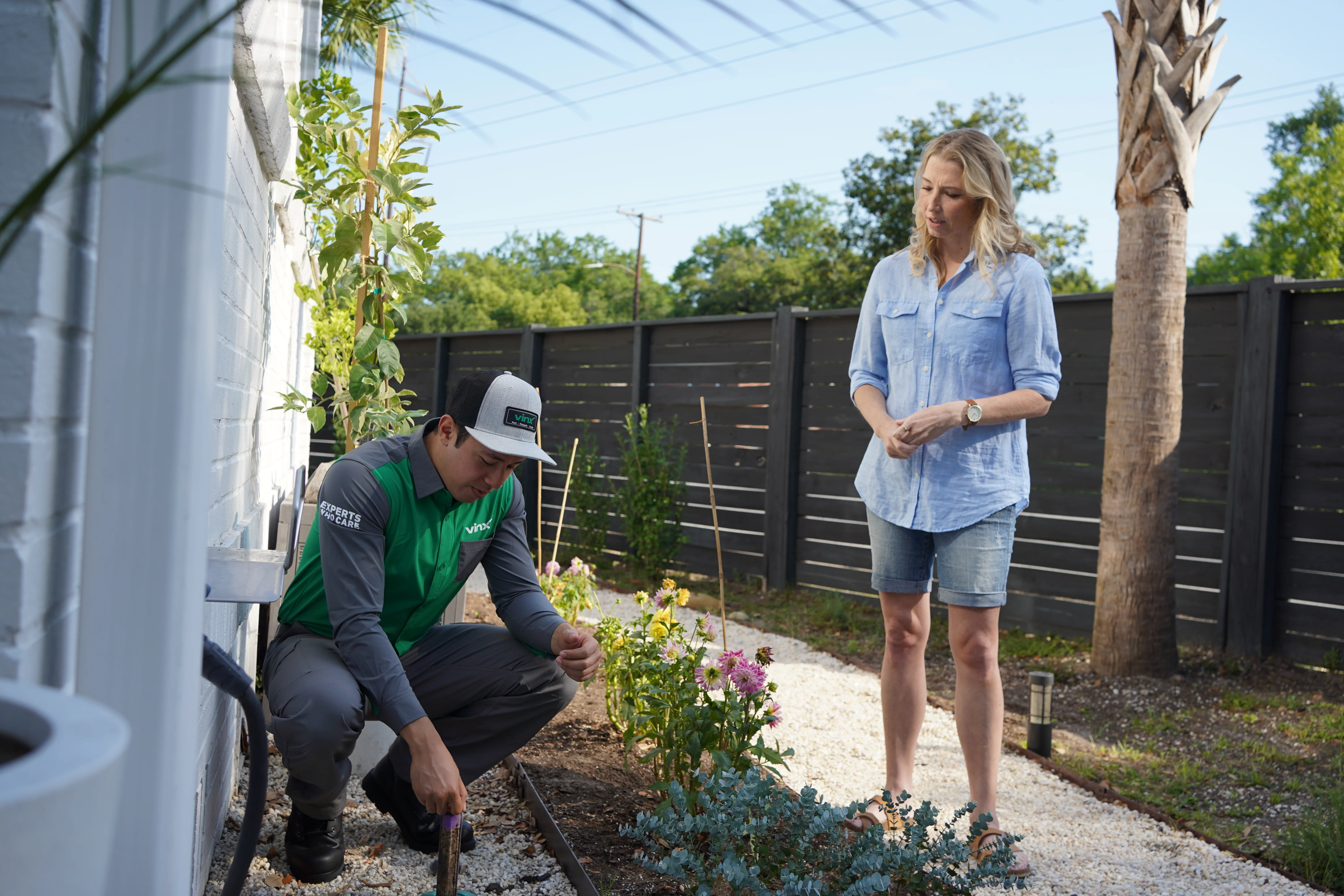
The exterior gets a micro-encapsulated barrier three feet up and three feet out, intercepting insects at the slab gaps and thresholds they actually use to get in. All three counties the city spans — Charleston, Berkeley and Dorchester — are on Clemson's Formosan list, so this line is treated as termite defense first regardless of neighborhood.
Yard Treatment
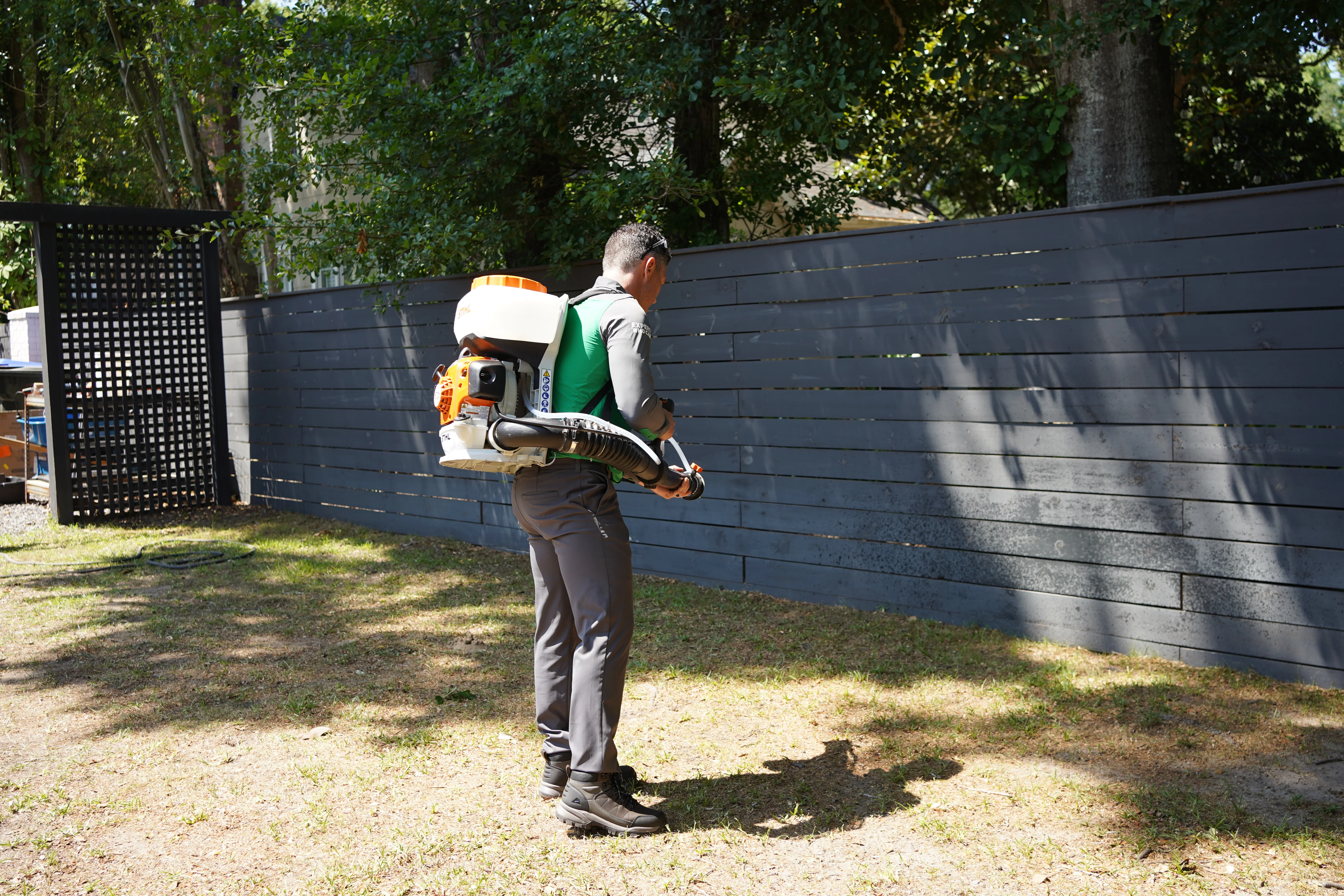
We treat the yard up to 30 feet out, clearing limbs off the roofline and correcting drainage under mature canopy that keeps siding and soil damp longer than newer, more open lots. On blocks adjoining industrial or warehouse parcels, this includes a treated boundary on the side pressure comes from.
Sweep & Treat Eaves
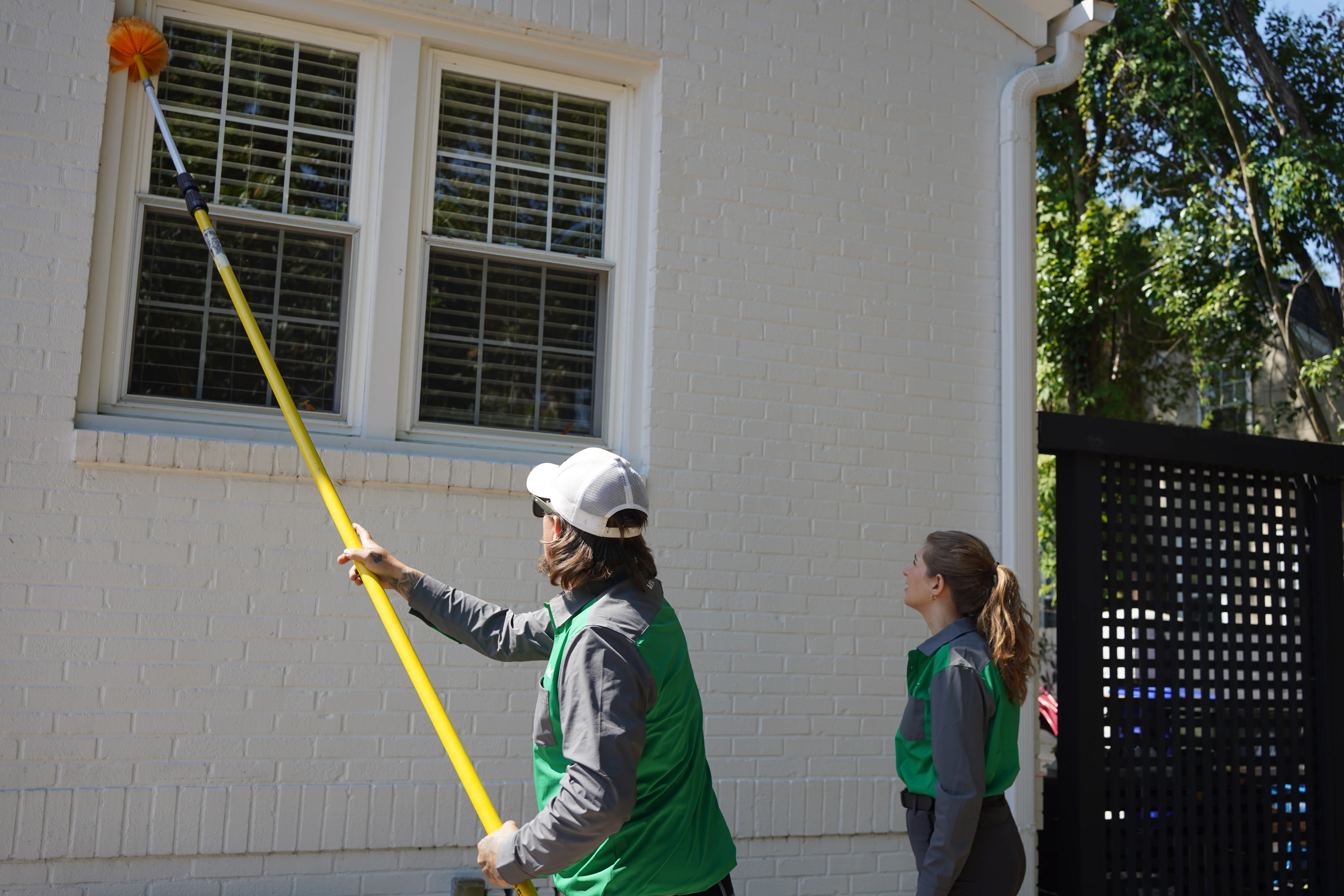
Rooflines are swept clear of webs and early wasp nests on every visit, then spot-treated with a residual product. Under the century-old canopy around Park Circle and the older avenues, this pass also checks for carpenter ant activity in limbs bridging onto the roof.
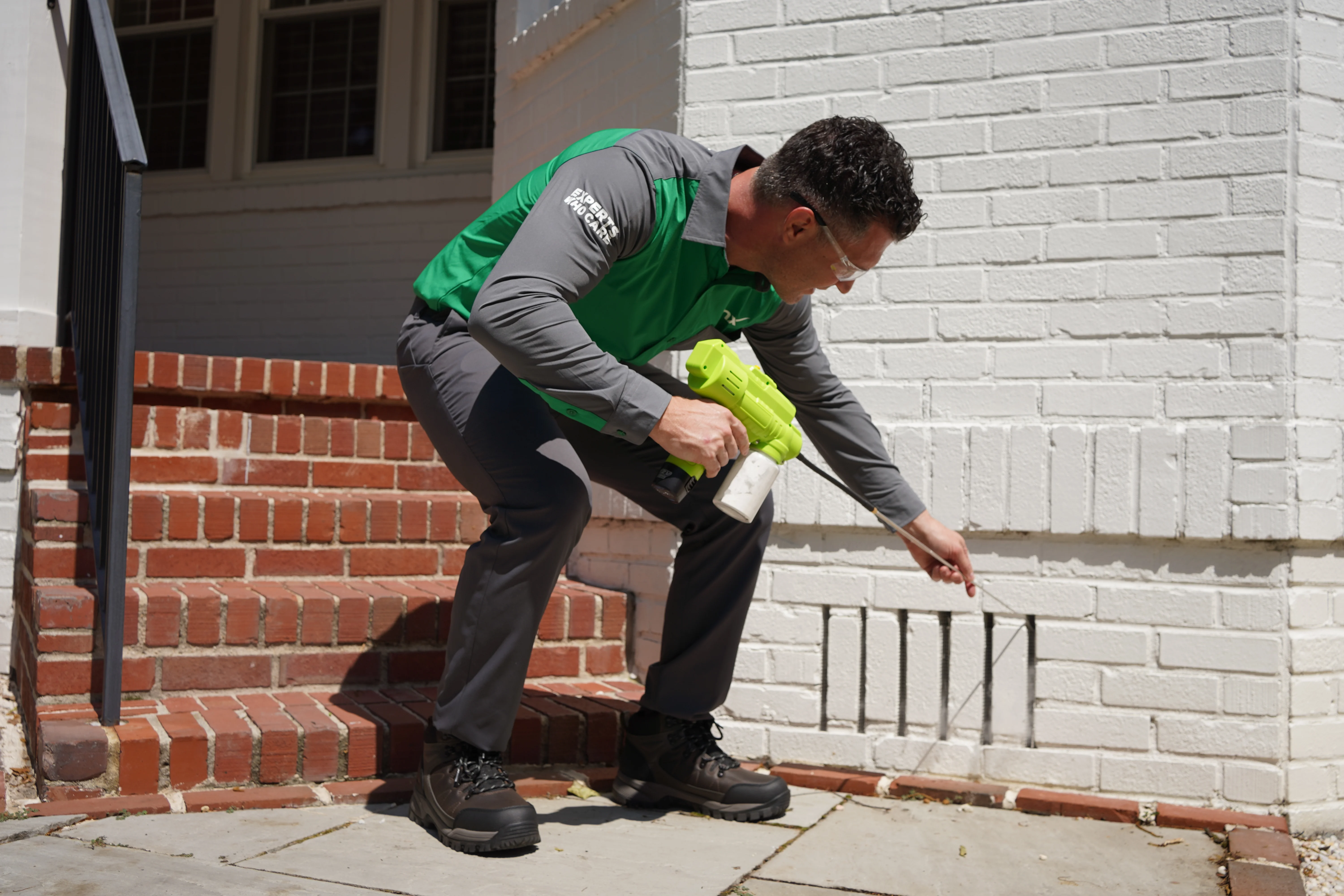
Power Dust Injection
Cracks, weep holes and expansion joints get a dust product driven in with a compressor tip, reaching wall voids a surface spray never touches. This matters most on pre-war wood-frame construction, where a century of settlement has opened more entry routes than any surface treatment can cover.
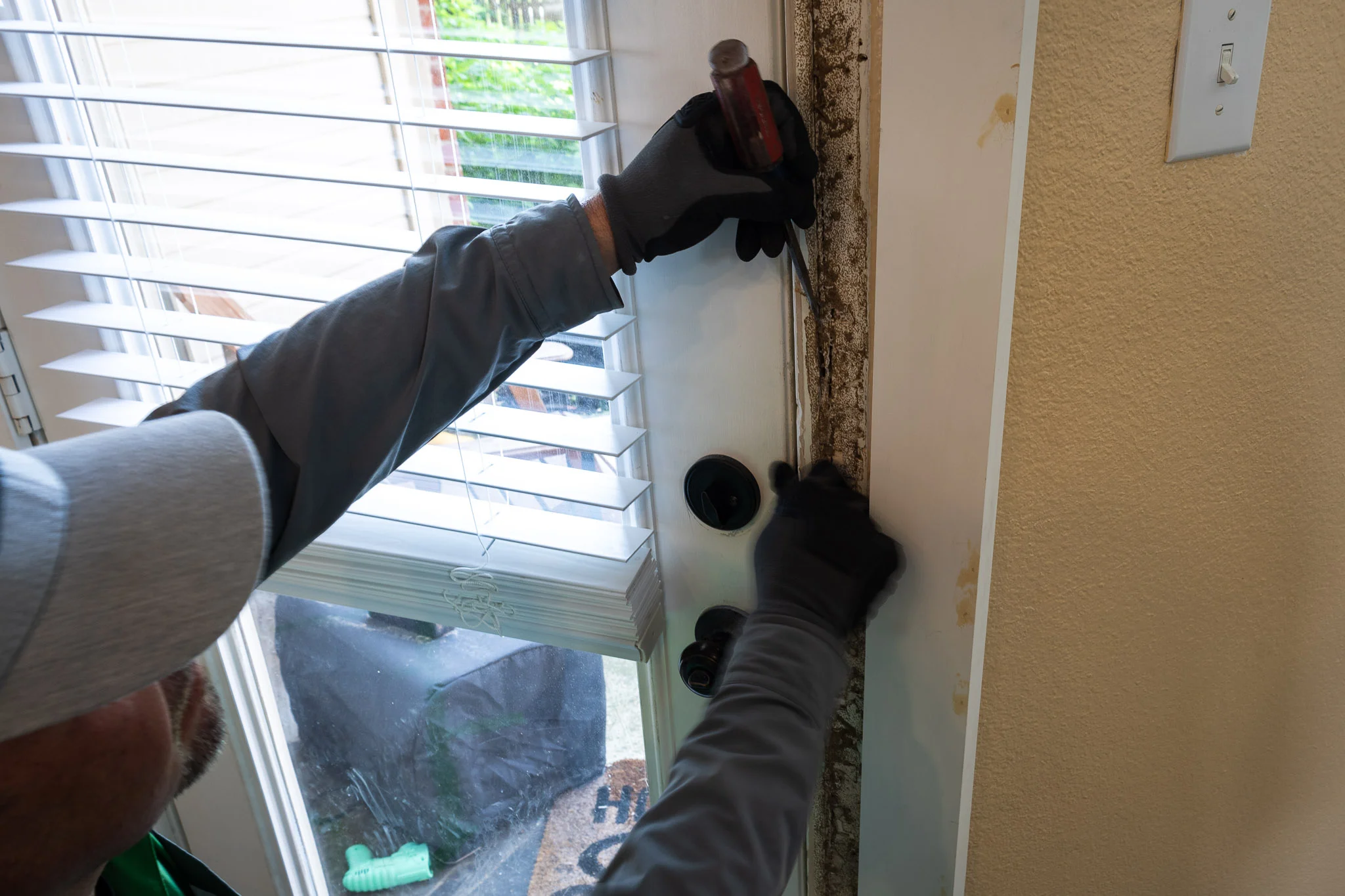
Interior Treatment (If Needed)
Where roaches, rodents or carpenter ants are already established indoors, we treat the harborage directly rather than misting a room and hoping. Interior work and unlimited free re-services between visits are covered on every plan, matched to whichever North Charleston you live in.
Conducive Condition Report
At the end of every visit, your technician documents any conditions increasing pest pressure, moisture entry points, foundation gaps, vegetation contact, clogged gutters, standing water near the foundation. North Charleston's coastal environment creates specific conducive conditions that most companies never flag. We do, every single time.
Customer Reviews
Trusted by North Charleston Families: 4.8 Stars on Google
thorough and quick! Have never been disappointed w any service tech! You guys are great!
Jack did a great job again today! Thank you. On time and most importantly communicated ahead of time so there were no surprises. Also, we have been pest free and our dogs have never had a problem with anything they have applied in the house or yard. This company is recommended.
Vinx does treatments for my yard and around the outside of my house. They always do a great job. The tech is always courteous and knowledgeable. I highly recommend Vinx.
Austin with Vinx is always great and goes above and beyond for us. Would highly recommend the company and him to service your home for pests.
Anthony called prior to service giving an accurate ETA. The service itself was well done. Anthony also honored my request of not knocking on the door due to a sleeping baby. Great job Anthony!
Austin took care of my service once again, always nice, professional and does an amazing job!
Three Cities in One
Why Pest Control in North Charleston Is a Year-Round Commitment
Last updated: September 5, 2026
6 Reasons North Charleston Calls an Exterminator
Palmetto Bugs
American cockroaches — palmetto bugs — work the utility areas of Park Circle's century-old wood-frame houses, where ventilated crawl spaces under heavy canopy stay damp longer. German cockroaches are the persistent problem in food service properties along the commercial corridors.
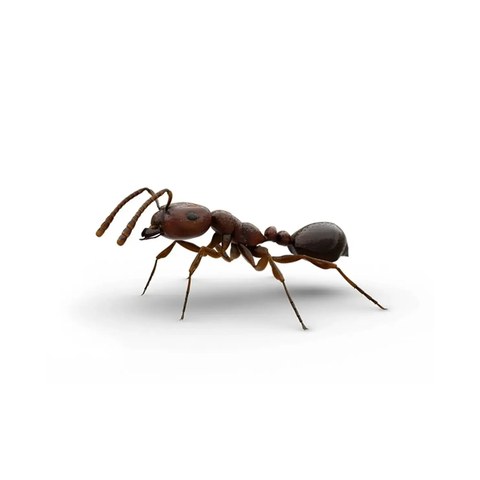
Fire & Argentine Ants
Fire ants establish on the disturbed, irrigated turf around newer construction toward Ashley Phosphate, while carpenter ants work the settling framing of Park Circle's older wood-frame stock. Both get identified to species before treatment, since the approach differs for each.

Termites
North Charleston spans Charleston, Berkeley and Dorchester counties, all three on Clemson's documented Formosan list. On pre-war crawl-space houses the inspection starts under the floor at the sill and pier line; on newer slab construction it starts at the expansion joints.

Mosquitoes
Roughly half the year's rain falls June through September, and under heavy mature canopy around the older avenues a crawl space vents more slowly, holding moisture longer. We target standing water and shaded harborage rather than fogging on a fixed schedule.

Rodents
Blocks adjoining industrial or warehouse parcels see rodent populations that spill outward, especially when a neighboring site is treated and the population relocates instead of dying. Exclusion on the structure plus a treated boundary on that side is the fix, not more indoor bait.

Spiders
A mature street oak overhanging a 1914 roofline is worth understanding both as a possible Formosan colony site and as a bridge for spiders following prey indoors. We treat the insect population and clear webbing at the eaves on every visit.
North Charleston is not one housing market, it is at least three, and a pest plan that ignores that is guessing. According to the City of North Charleston’s own history, the proposed town was designed by W. B. Marquis of the Olmsted Brothers engineering firm after investors organized the North Charleston Corporation and bought the Burton tract; the North Charleston Development Corporation was formed in 1914, and the first residents moved in that same year. What that history leaves behind is a specific kind of house: a hundred and ten years old, on a lot designed around a radial park, under a canopy that has had a century to mature. Wood-frame construction of that era sits over a ventilated crawl space, has been re-roofed and re-plumbed repeatedly, and has accumulated small structural changes that give pests a route in. Out toward Ashley Phosphate and Cane Bay the stock is newer than most of Mount Pleasant, with a modern envelope and a documented pre-construction soil treatment that now has some age on it.
North Charleston’s boundaries run across Charleston, Berkeley and Dorchester counties, and Clemson’s county tracking lists all three among the sixteen South Carolina counties with documented Formosan colonies — there is no side of the city that sits outside the documented range. Clemson HGIC dates the species’ introduction in Charleston to the mid-1950s, meaning Formosan pressure has been present here for roughly forty of Park Circle’s hundred and ten years. Clemson also records that ninety-four percent of infested buildings in a Charleston study were entered from ground-based colonies against six percent from aerial ones, so on a crawl-space house the inspection belongs under the floor, not in the attic.
The Olmsted layout gave Park Circle and the older avenues a continuous tree canopy, and a century on those trees are large. a USDA Forest Service co-authored survey around Charleston found thirty-seven percent of seventy-one surveyed forest patches carried Formosan infestations, with oaks and maples the most damaged genera, the insects hollowing living trunks from the heartwood outward. Living within a few blocks of working industrial and warehouse parcels changes rodent pressure too — large buildings with loading docks and bulk storage support populations that spill into adjacent residential blocks, especially when a neighboring site is treated and the population moves rather than dies.
The sheer size of this city is part of why generic advice fails here. The Census Bureau puts North Charleston at 81.06 square miles — 77.63 of land and 3.43 of water — which makes it larger than most of the municipalities around it put together, and it shares a border with five separate places: Charleston, Hanahan, Goose Creek, Ladson and Summerville. Add three counties underneath and the result is a city where the applicable ordinance, the responsible county and even the nearest public program can change within a few miles. Establishing which set applies to a specific address is genuinely part of the job here.
Pest Pressure by Neighborhood
Where North Charleston Exterminator Calls Come From
Park Circle: Crawl Space Under a Century-Old Canopy
Wood frame over a ventilated crawl space, a century of alterations, and heavy mature canopy holding moisture define this district. Inspection starts at the crawl space, sill and pier line, then moves to drainage and limb clearance off the roof.
1950s–70s Infill: Rebuilt Landscaping, New Entry Points
Slab and crawl construction mixed with original plumbing penetrations and landscaping rebuilt several times over defines this stock. We check wood-to-soil contact created by later beds and mulch, plus utility penetrations.
Ashley Phosphate: Modern Envelope, Aging Pre-Treatment
Newer construction here carries a modern envelope with a documented pre-construction soil treatment that now has age on it. Inspection concentrates on the slab edge and expansion joints, tracking how much service life that original treatment has left.
Industrial Neighbors: A Directional Rodent Reservoir
Blocks adjoining industrial or warehouse parcels face a neighboring rodent reservoir that repopulates regardless of what happens indoors. Exclusion on the structure and a treated boundary on the side the pressure comes from is what actually works.
Rivers Avenue: Commercial Density, Documented Schedules
Restaurants and retail along Rivers Avenue run on a documented commercial schedule with service records, which is what a health inspection expects to see. Rodent and cockroach pressure here tracks with commercial density.
Complete Coverage
What Our North Charleston Exterminators Treat
Every common Lowcountry pest covered under one recurring service plan
Palmetto Bugs
Year-round pressure. Drain lines, crawlspace vents, plumbing penetrations.
All Plans
Fire & Argentine Ants
Sandy coastal soil & new construction displacement. Requires Plus or Platinum.
Plus & PlatinumSpiders
Black widow, wolf spider. Cobweb removal included every visit.
All Plans
Wasps & Hornets
Nest removal from soffits and eaves. Persistent in warm coastal climate.
All Plans
Fleas & Ticks
Exterior flea/tick treatment. Interior flea covered in Platinum.
Plus & PlatinumMosquitoes
Monthly treatment Mar–Oct. Tidal proximity demands this level.
Platinum OnlyRodents
Roof rats, fence lines, power lines, roofline gaps. Exterior bait stations.
All PlansTermites
Formosan termite core range. Sentricon TotalDefense from $35/mo+.
Add-On
Bed Bugs
Covered after 12 months of Platinum service.
Platinum 12moKid & Pet Safe
Our Treatments Are Safe for Your Whole Family: Including the Furry Members
Every product we use is EPA-registered and applied strictly at labeled rates by licensed South Carolina technicians. We take the guesswork out of safety so you can feel confident letting kids and pets back into treated areas quickly.

EPA-Registered Products Only
All products we apply are EPA-registered and used strictly per label requirements. Our licensed technicians are trained to apply the right product in the right place at the right rate, every time.
Dry Time Before Re-Entry
Exterior spray treatments dry in 30–60 minutes. Once dry, treated surfaces are safe for children and pets to contact. Your technician will confirm the all-clear before leaving your property.
Interior Treatment On Request
We treat only what’s needed, where it’s needed. Gel baits and crack-and-crevice applications keep products away from areas pets and children frequent most.
Botanical Options Available
Have specific sensitivities? Ask your technician about our plant-derived treatment options. We offer botanical alternatives for households that prefer a more natural approach.
Have a concern about products used near your pets or children? Call (843) 920-8469 and we’ll walk you through exactly what we use and why it’s safe.
Explore More
More Pest Control Services in North Charleston
Termite Control North Charleston
Sentricon bait system
Mosquito Control North Charleston
Monthly barrier treatments
Ant Control North Charleston
Household ants & others
Spider Control North Charleston
All spider species covered
Cockroach Control North Charleston
Palmetto bugs & German roaches
Rodent Control North Charleston
All rodents covered
Bed Bug Treatment North Charleston
Heat & liquid treatments

Tick & Flea Control North Charleston
Yard & pet protection

Pest Control North Charleston
Year-round protection plans
Frequently Asked Questions
Exterminator North Charleston SC: Frequently Asked Questions
Recurring plans start at $49 a month and one-off treatment is priced by pest and property. On a 1914 Park Circle house with a full crawl space the work is different from a newer slab build off Ashley Phosphate, so the inspection comes first and the price is firm before anything starts. Call 855-800-8469.
Mostly the substructure and the canopy. A century-old wood frame over a ventilated crawl space has accumulated alterations and entry points, and heavy mature shade keeps the ground and siding damp for longer. It is an inspection-and-exclusion problem far more than a spraying problem.
Yes, across the whole city. It spans Charleston, Berkeley and Dorchester counties and Clemson’s county tracking lists all three among the sixteen with documented colonies. Clemson dates the Charleston introduction to the mid-1950s. Clemson also notes a listed county does not mean uniform presence, so the honest answer is that it is a real risk to inspect for, not a certainty.
Worth checking, not worrying. a USDA Forest Service co-authored survey around Charleston found oaks and maples were the most damaged genera in infested patches, and Formosans hollow living trunks from the inside, so a tree can look fine and be largely empty. A limb over the roof is also a direct route into the eaves.
Quarterly suits most properties. Roughly half the annual rainfall lands between June and September, and that is when ant, roach and mosquito pressure peak together, so we weight the schedule toward it rather than spreading visits evenly.
Because a warehouse or industrial parcel with loading docks and bulk storage supports a population that spills outward, and treatment on that site often moves it rather than ending it. Exclusion on your structure plus a treated boundary on that side works; more bait in the kitchen does not.
Yes, residential and commercial both, including restaurants and retail around Park Circle and along Rivers Avenue. Commercial work runs on a documented schedule with service records, which is what a health inspection expects to see.
We cover the whole city across all three counties, plus Hanahan, Ladson and Goose Creek next door. Most calls get a next-day appointment and an active infestation is moved up. Call 855-800-8469.
Service Coverage
Pest Control Across North Charleston & the Lowcountry
Serving every neighborhood in and around North Charleston