Exterminator in West Columbia, SC
West Columbia’s pest pressure shifts block by block. The historic Avenues and Mill Village carry older wood-frame homes, the State Street and Brookland corridor sees restaurant and retail-level pressure, and the riverfront neighborhoods along the Saluda stay consistently damp. Vinx treats each part of West Columbia according to what it actually needs.
Get Started in 60 Seconds
Choose what’s easiest for you
Request a Quote
We usually respond in 2 minutes
Call (855) 800-8469
Get a live person (no AI agents here!)
Sign Up Online
Get pricing and schedule now





Welcome to Vinx Pest Control
A Company That Actually Backs What It Says
At Vinx, we pair professional-grade treatment with a level of follow-through most pest control companies skip. Local technicians, fast response, and a guarantee that holds up after the invoice is paid.
Get a Free Quote"I'm not passionate about killing bugs. I'm passionate about customer service. At Vinx, you get experts who show up, do the job right, and stand behind every visit. No runaround, no fine print."
PROTECTION PLANS
West Columbia Exterminator Pricing
100% money-back guarantee on every plan.
Standard Residential Protection
- 4 Seasonal Treatments Per Year
- 50+ Covered Pests
- Interior, Exterior & Yard Treatment
- Unlimited Free Re-Services
- 100% Money-Back Guarantee
- Fire Ant Yard Guarantee
- Flea & Tick Coverage
- Mosquito Treatments

Upgraded Yard Protection
- 6 Home & Yard Treatments Per Year
- 50+ Covered Pests
- Interior, Exterior & Yard Treatment
- Unlimited Free Re-Services
- 100% Money-Back Guarantee
- Fire Ant Yard Elimination Guarantee
- Flea & Tick Elimination Guarantee
- Mosquito Treatments

Most Comprehensive Protection
- 9 Treatments Per Year
- 50+ Covered Pests
- Interior, Exterior & Yard Treatment
- Unlimited Free Re-Services
- 100% Money-Back Guarantee
- Fire Ant Yard Elimination Guarantee
- Interior Flea & Tick Coverage
- 8 Mosquito Treatments (Mar–Nov)
- Free Bed Bug Treatments if Needed*
All plans include a $329 initial treatment and a 12-month agreement. Termite protection (Termite TotalDefense, starting at $35/mo standalone) is quoted separately after a free inspection. *Starting rates vary by home size and area. All plans billed monthly.
Get Your Free West Columbia Pest Inspection
Fill out the form below and a Vinx team member will reach out within 2 minutes during business hours.
Prefer to talk? Call (855) 800-8469 for a live person, no AI agents.
Our Process
How Vinx Exterminators Work a West Columbia Property: Step by Step

Inspection & Reporting
West Columbia sits at the point where the Broad and the Saluda become the Congaree, and older housing close to a river confluence is a specific proposition, the ground holds moisture, the drain network is long-established, and in subdivided rentals the insects do not recognize the walls between units. A technician inspects the whole building where that applies, not just the unit you called about, before pricing anything.
Exterior Foundation Treatment
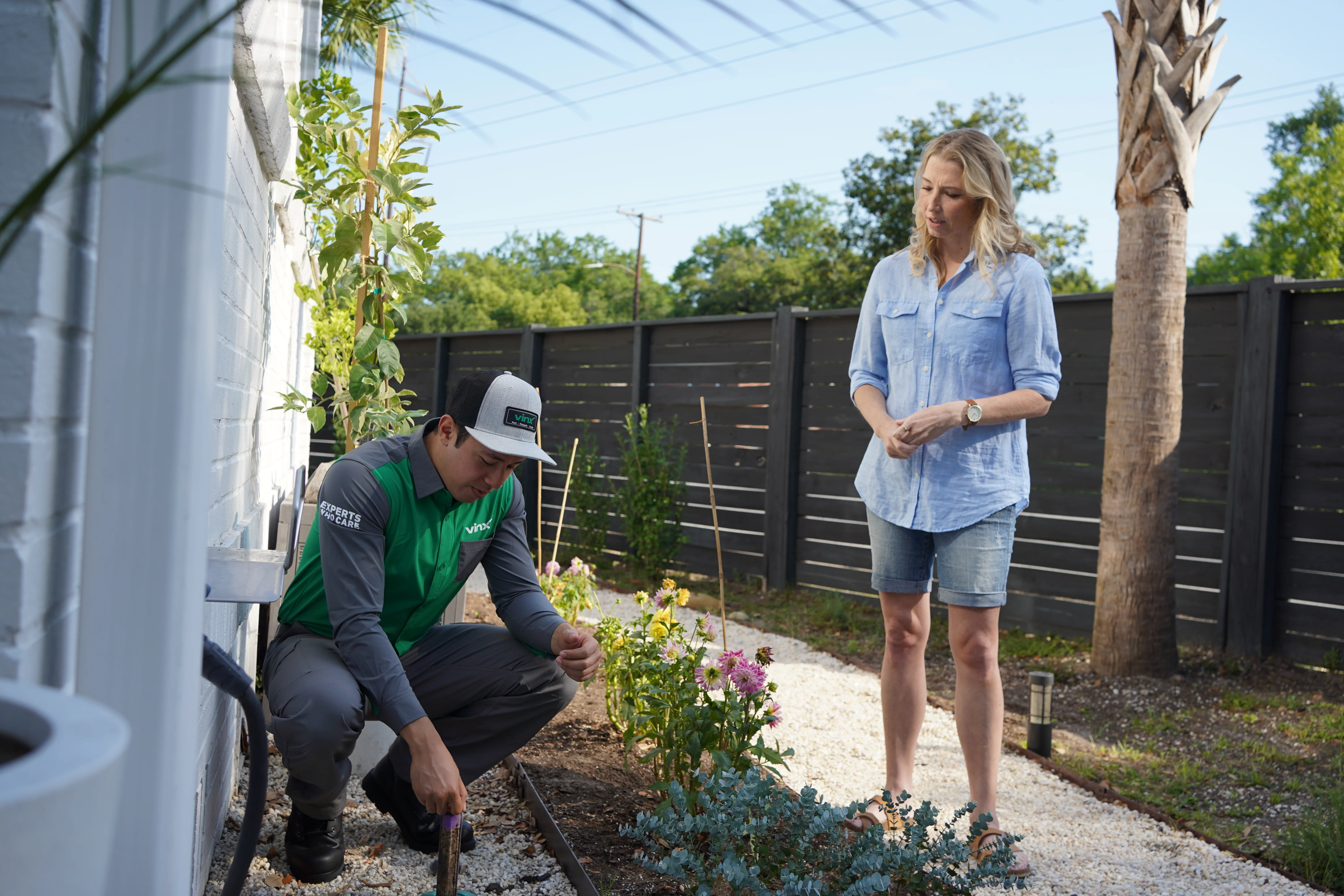
The foundation gets a micro-encapsulated barrier three feet up and three feet out, closing the slab gaps and thresholds that river-adjacent soil keeps testing, humidity this close to the confluence suits subterranean termites and moisture pests more than it would on higher, drier ground.
Yard Treatment
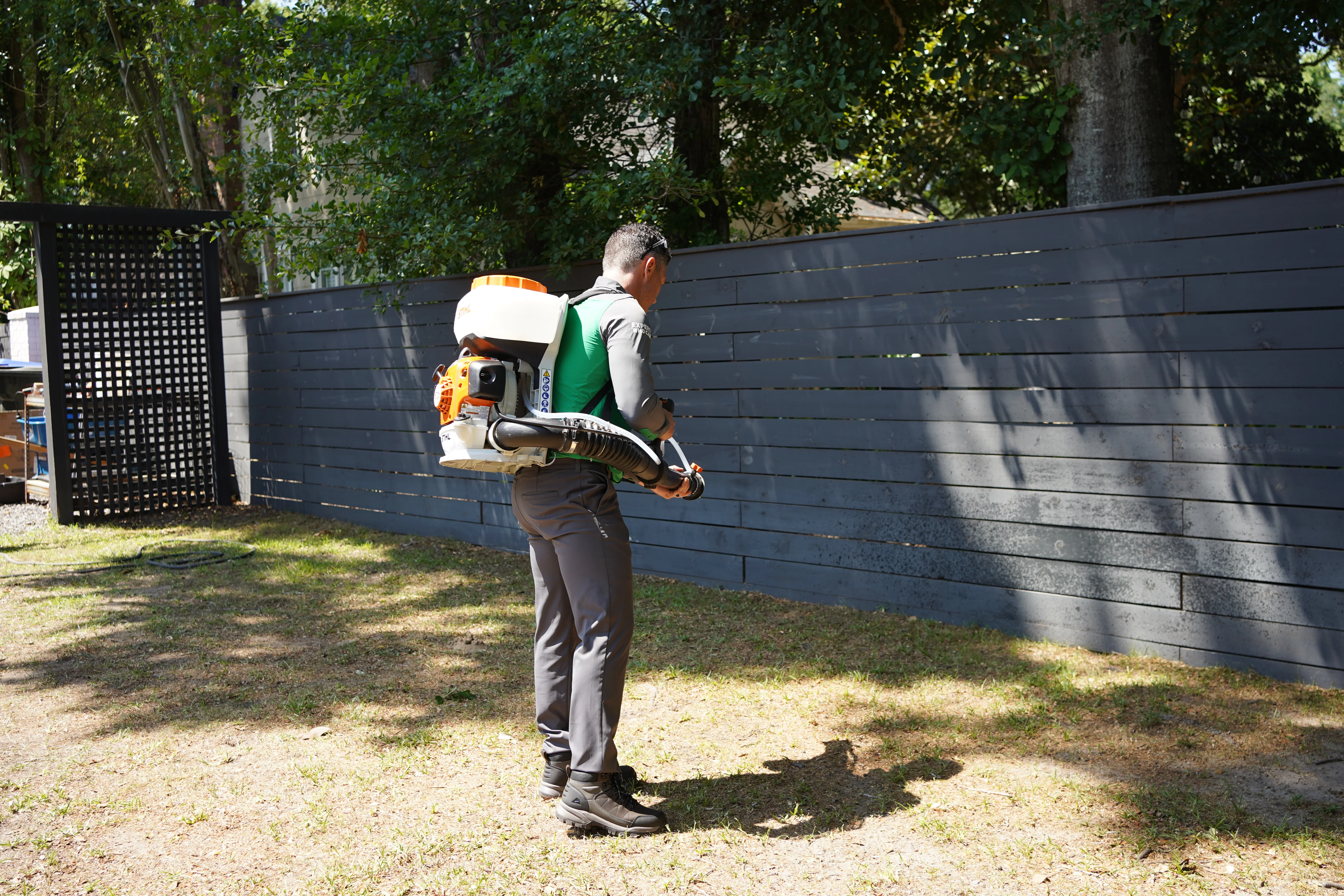
We treat up to 30 feet out, and on the newer outlying subdivisions that is mostly fire ants on open turf and a standard perimeter program; closer to the Riverwalk it is damp crawlspaces and mosquito pressure tied to the confluence itself.
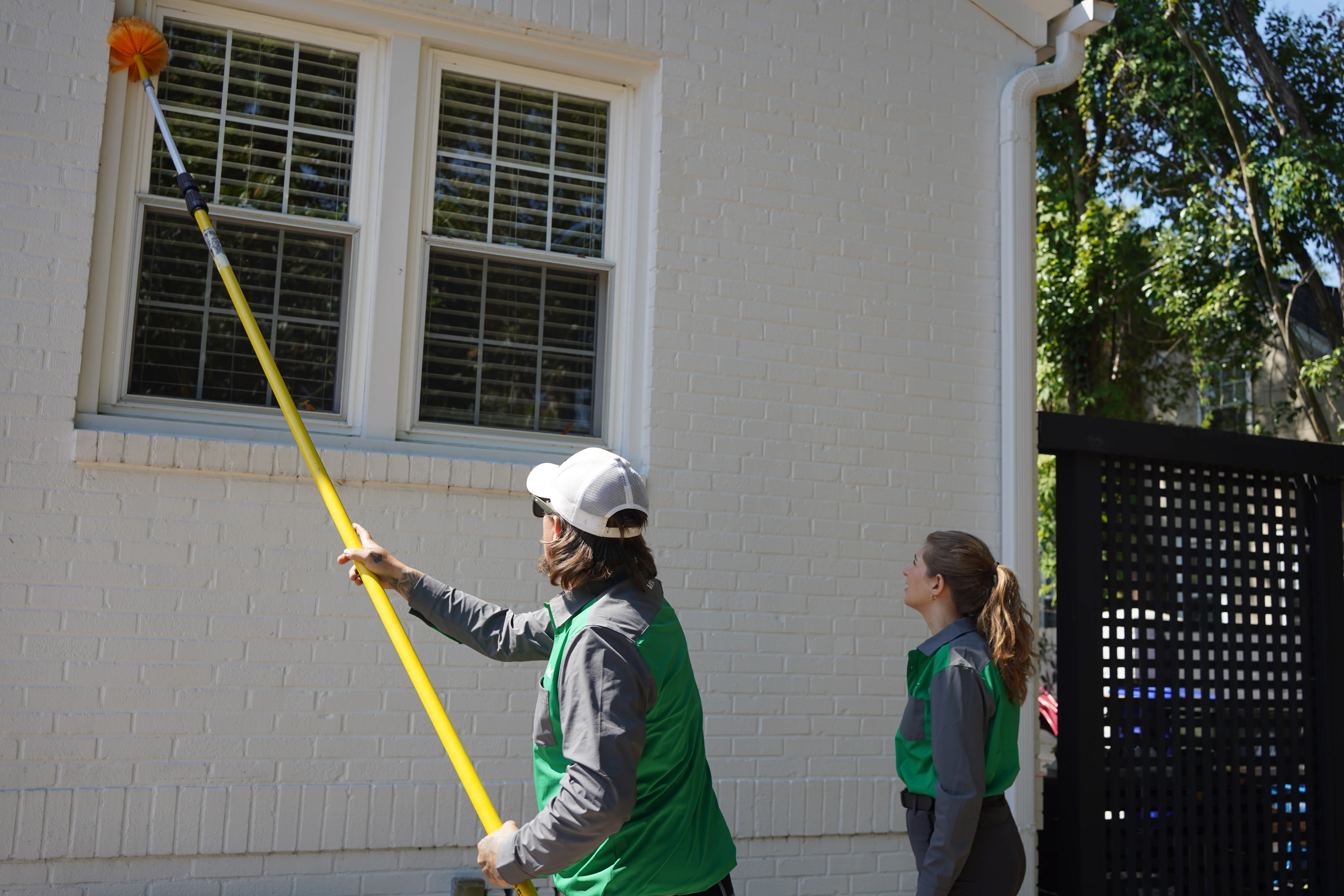
Sweep & Treat Eaves
Rooflines get swept clear of webs and early wasp activity on every visit, then spot-treated with a residual product, routine attention on the compact, close-set houses of New Brookland Mill Village as much as on newer construction further out.
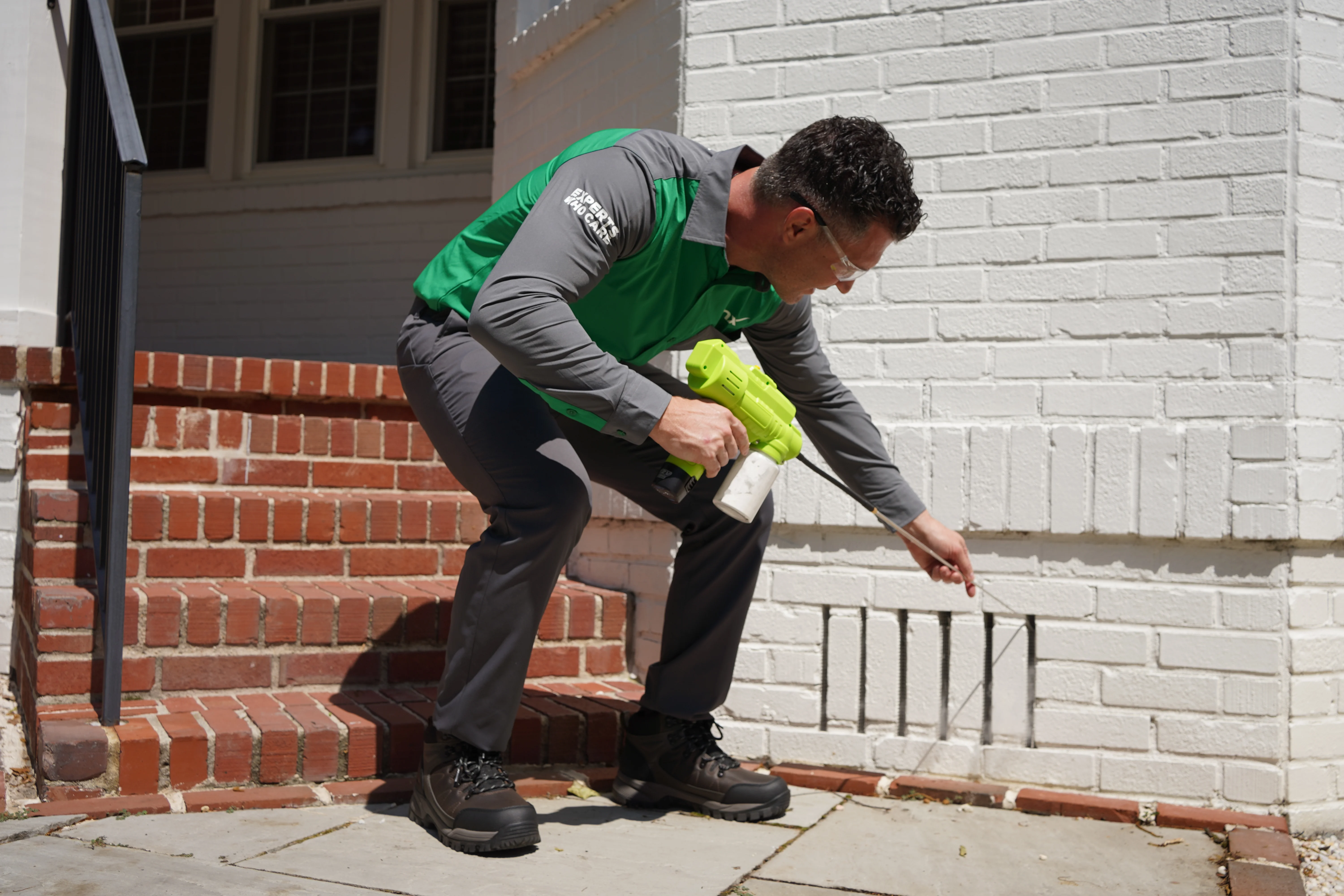
Power Dust Injection
Cracks, weep holes and pipe penetrations get a dust product driven in with a compressor tip, reaching wall voids in the aged drain-adjacent construction of New Brookland’s older core, where American roaches have used established routes for decades.
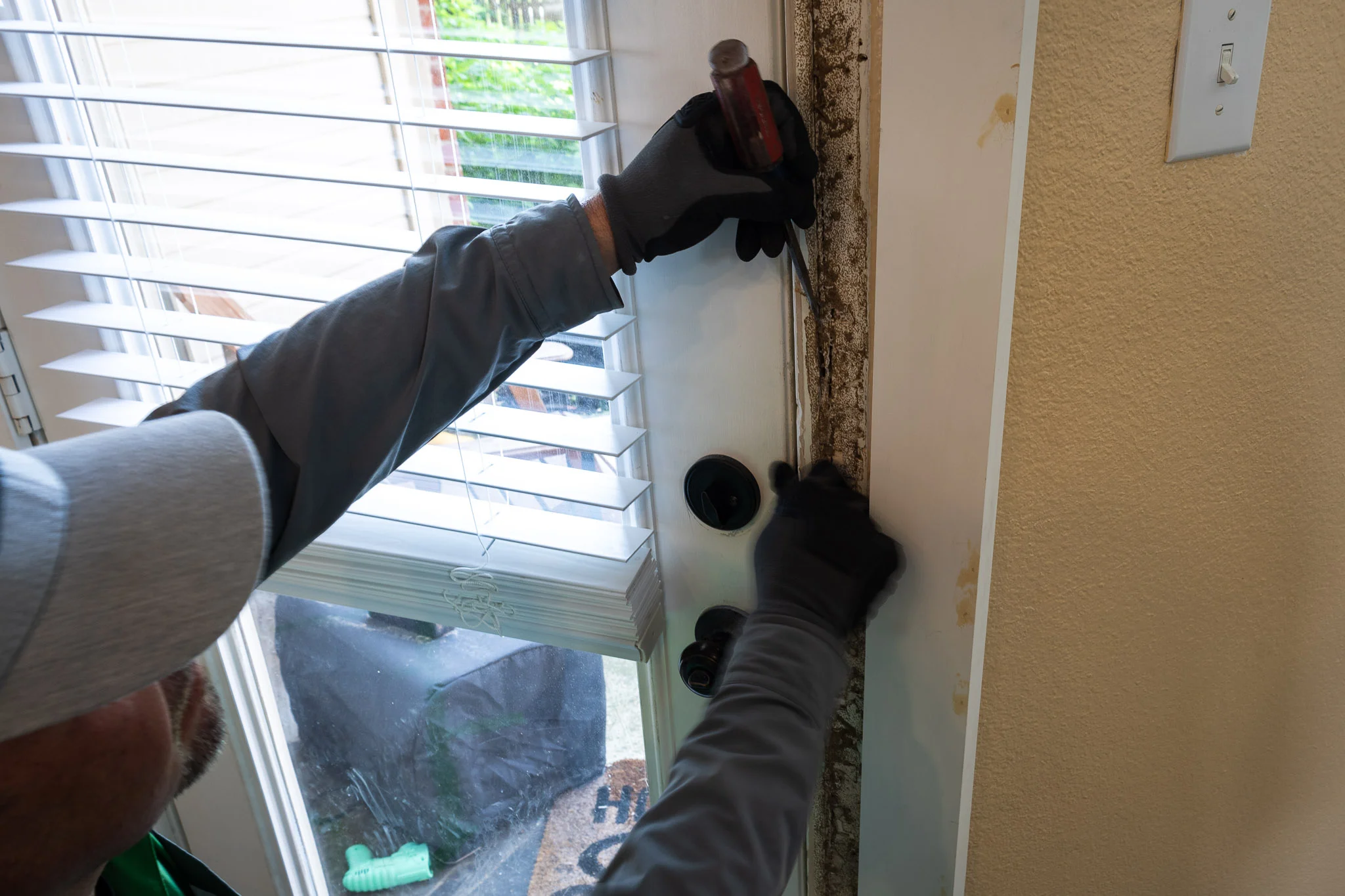
Interior Treatment (If Needed)
In a subdivided rental, treating one unit rarely holds, since German roaches use the shared plumbing and wall voids to repopulate from next door within weeks, so we inspect the shared basement and service runs alongside the apartment you called about, and treat the building as a whole rather than one unit at a time.
What Customers Say
Real Reviews from West Columbia Homeowners
Outstanding service come out on a regular regular basis does inside and outside of my house. They’re extremely professional I would highly recommend them.
Great services , wonderful Communication. Adrian’s perfomances are excellent, he very friendly, professional and detailing to every corner of indoor service. He takes time to work just to make sure every spot get the treatment. Vinx’s products are great so far, i can see the roaches’d activity reduced within the past monthly services. Definitely recomend Vinx to my family and friends.
Spencer, our Vinx technician, continues to do a great job with our yard. Always enjoy receiving the post-service videos explaining what was done on the service visit. Would highly recommend!
Best protection I have had with the best service. Our tech Adrian has been nothing but professional and personable.
Leon did an excellent job and was very professional and informative in regards to any questions that we had.
Jonathan is the man, keeps me informed, before, during and after. Excellent caring worker and individual 👏
Local Knowledge
Why the Whole Building Matters More Than the Unit in West Columbia
Last updated: September 5, 2026
West Columbia sits at the point where the Broad and the Saluda become the Congaree, with the Riverwalk running along the water. Older housing close to a river confluence is a specific proposition: the ground holds moisture, the drain network is long-established, and the pests that exploit both have been doing it for decades.
The community on this side of the river grew after the Columbia Duck Mill opened in 1890 and took the name Brookland in November 1894. What that history left is a compact older core, the New Brookland district, with small close-set houses, long-established drain runs and a good number of properties later subdivided into rentals.
6 Reasons West Columbia Calls an Exterminator
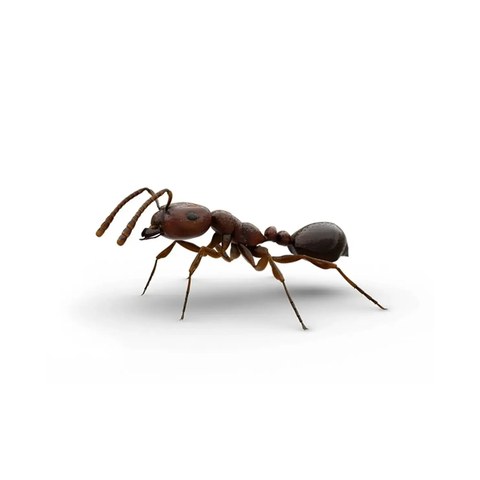
Ants
Fire ants stay a newer-subdivision problem on West Columbia’s outlying lots, where open turf gives them room to spread before landscaping fills in. In New Brookland’s older wood-frame houses, carpenter ants working damp, settling framing are the more frequent call, traced to the nest rather than sprayed at the trail.
Termites
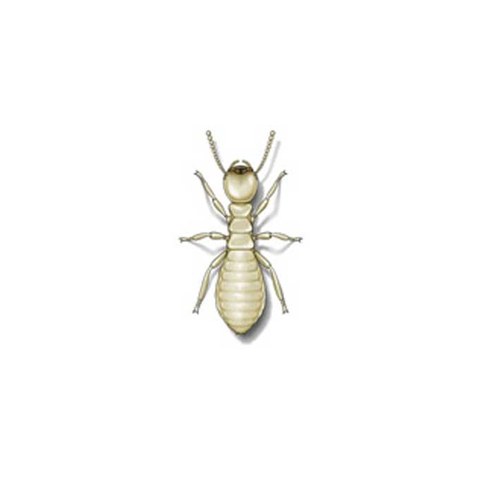
The eastern subterranean termite is active wherever river-adjacent soil keeps crawlspaces humid, and that describes a good share of West Columbia’s older housing stock. A soil barrier plus drying the crawlspace is the standard fix, Drywood termites remain a coastal concern here rather than a local risk, but Formosan is a different case: Lexington County does appear on Clemson’s list of counties with documented Formosan colonies, so identification is worth doing rather than assuming — concentration is still heaviest on the coast, and Clemson’s own caveat is that a county on the list does not mean the species is spread uniformly across it.
Mosquitoes
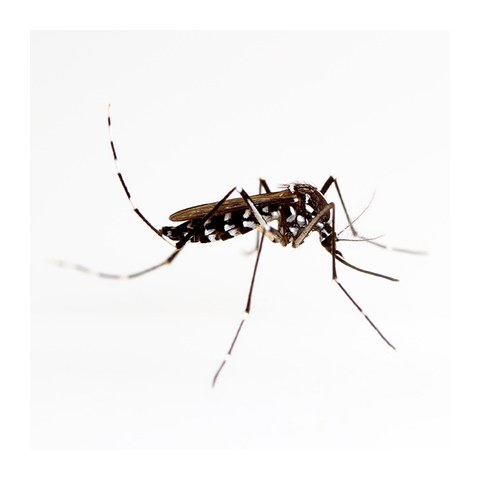
West Columbia’s position at the Broad-Saluda-Congaree confluence keeps crawlspaces and low ground damp enough to sustain mosquito breeding through the warm months, particularly along the Riverwalk. We larvicide standing water where we find it and put a barrier on the shaded resting cover nearby.
Rodents
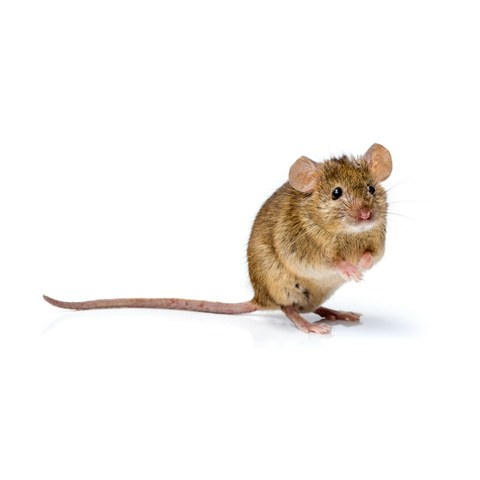
Norway rats work the riverbank cover, alleys and older cellars throughout West Columbia’s established core, entering through the same aging gaps that have let roaches in for decades. Exclusion comes first, then trapping and monitoring, since a population this established rarely clears with bait alone.
Spiders
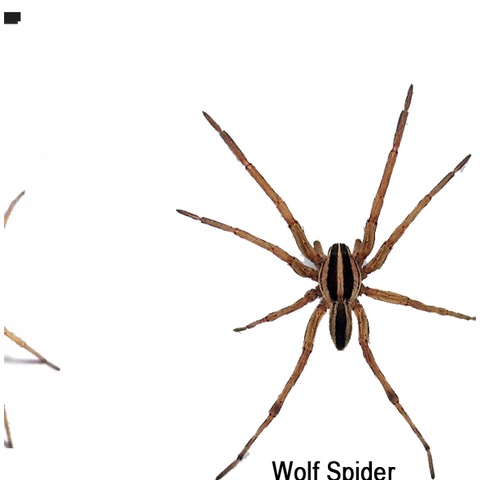
Black widows turn up in garages, sheds and storage areas throughout West Columbia, and wolf spiders are common in the mature landscaping of Westover Acres. Published South Carolina spider surveys have not confirmed brown recluse in the greater Columbia area, so professional identification matters before assuming the worst from a bite.
Cockroaches
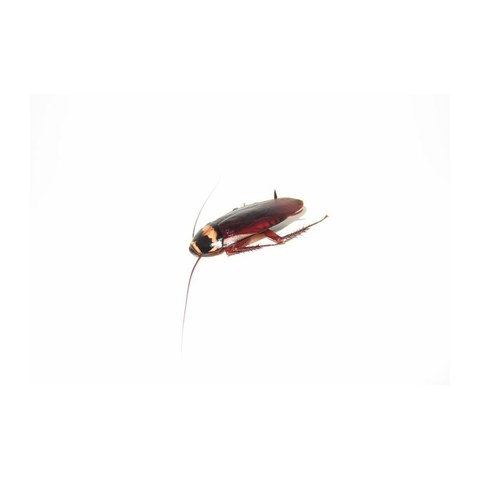
American cockroaches use West Columbia’s established drain and sewer network to get indoors, particularly after rain, while German cockroaches are the defining problem in subdivided rentals, moving between units through shared plumbing and wall voids. Whole-building treatment, not unit by unit, is what actually clears a German roach population here.
In a house that has been divided into flats, the insects do not recognize the division, German roaches use the shared plumbing and wall voids, so a population knocked back in one unit is repopulated from the next within weeks. Treating the building as a whole, including the shared basement and service runs, is generally cheaper across a year than treating one apartment four times.
It helps to know that the City itself does not treat this as one place. Its citywide redevelopment plan works through a series of distinct opportunity areas — the Riverfront District, the Meeting Street Corridor, Triangle City, the former Colite property, District 5, and the I-26 and Sunset Boulevard corridors — each with its own building stock, age and use. A pest plan that makes sense on a 1910 wood-frame house off Meeting Street is the wrong plan for a warehouse on the old industrial land or a motel on Sunset, and the difference is not subtle. Establishing which of those a property actually sits in comes before deciding what to do on it.
Pest Pressure by Neighborhood
Where West Columbia Exterminator Calls Come From
The Avenues: Older Wood, Crawlspace Pests
West Columbia’s oldest, most walkable residential district gives its older bungalows and cottages the aging wood and crawlspace conditions that carpenter ants, roaches and termites all look for.
Brookland & State Street: Commercial Rodents
This dense riverfront dining and retail district sees the same commercial-property rodent and roach pressure found in any active restaurant strip, tied to shared walls and constant food service.
Westover Acres: Mature Trees, General Residential Pressure
Built out decades ago with mature tree cover and larger lots, this established suburb deals with the general residential pest pressure that comes with settled landscaping, mostly ants and seasonal spiders.
River’s Edge: Consistent Dampness, Consistent Termite Pressure
Direct proximity to the Saluda keeps this riverfront corridor consistently damp, sustaining subterranean termite activity and mosquito breeding more than the drier stretches of town.
Mill Village: Dense, Older, Drain-Driven Roach Pressure
Built around the original early-1900s textile mill, this dense grid of smaller, older cottages carries the same aging wood-frame and long-established drain-line concerns as The Avenues, concentrated into tighter lots.
Prevention Tips
6 Ways to Reduce Pest Pressure Around Your West Columbia Home
Complete Coverage
What Our West Columbia Exterminators Treat
Every common West Columbia pest covered under one quarterly service plan

Ants
Ants, Argentine ants, carpenter ants, and odorous house ants. Perimeter bait, mound treatment, crack and crevice application.
All Plans
Cockroaches & Palmetto Bugs
American, Asian, and German cockroaches. Gel bait in harborage areas, exterior perimeter spray, drain treatment.
All Plans
Spiders
Web removal from eaves, exterior perimeter targeting harborage. Black widow identification and targeted treatment.
All Plans
Wasps & Hornets
Nest removal from eaves, soffits, structural voids. Preventative treatment of common nesting sites on each quarterly visit.
All Plans
Fleas & Ticks
Yard treatment targeting grassy and shaded areas. Interior treatment of active infestation areas.
Plus & Platinum
Bed Bugs
Inspection, heat treatment assessment, and targeted chemical treatment. The nearby university population and riverfront rentals create consistent exposure risk.
Platinum (12mo)
Rodents
Exterior bait station monitoring included in Plus and Platinum. Active infestation and full exclusion quoted separately after inspection.
Plus & Platinum
Mosquitoes
Monthly barrier spray and larvicide. Year-round service adjusted seasonally. Up to 90% population reduction per visit.
Platinum Only
Occasional Invaders
Silverfish, earwigs, centipedes, stink bugs, ladybugs, pillbugs. Crack and crevice treatment, perimeter spray, entry point ID.
All PlansWhat to Expect
West Columbia Pest Activity by Season
Most pest companies in West Columbia treat when you call. Vinx’s recurring plans keep your home protected through every seasonal shift, before the pressure peaks.
| Season | Active Pests | What to Watch For |
|---|---|---|
| Spring (Mar–May) | Termite swarmers, ants, mosquitoes, spiders | Termite swarmer wings on windowsills; ant mounds appearing after rain |
| Summer (Jun–Aug) | Mosquitoes, cockroaches, ants, stinging insects | Palmetto bug activity through drains; mosquito pressure near standing water |
| Fall (Sep–Nov) | Rodents, spiders, cockroaches, stink bugs | Brown recluse spiders moving indoors; mice entering through foundation gaps |
| Winter (Dec–Feb) | Rodents, German cockroaches, cockroaches | Rodent droppings in attics; roaches active near HVAC and water heaters |
Kid & Pet Safe
Our Treatments Are Safe for Your Whole Family: Including the Furry Members
Every product we use is EPA-registered and applied strictly at labeled rates by licensed SC technicians. We take the guesswork out of safety so you can feel confident letting kids and pets back into treated areas quickly.

EPA-Registered Products Only
All products are EPA-registered and applied per strict label requirements by our licensed South Carolina technicians on every visit.
Safe Re-Entry After Drying
Exterior spray treatments dry in 30–60 minutes. Once dry, treated surfaces are safe for children and pets. Your technician confirms before leaving.
Interior Treatment On Request
We treat only what’s needed, where it’s needed. Gel baits placed in areas inaccessible to pets and children for maximum safety.
Botanical Options Available
Ask your technician about our plant-derived treatment options for households that prefer a more natural approach to pest control.
Have a concern about products near your pets or children? Call (855) 800-8469 and we’ll walk you through exactly what we use and why it’s safe.
Explore More
More Pest Control Services in West Columbia

Termite Control West Columbia
Bait systems & liquid treatment
Ant Control West Columbia
Fire ants & all ant species
Mosquito Control West Columbia
Monthly barrier treatments
Tick & Flea Control West Columbia
Yard & interior treatments
Rodent Control West Columbia
All rodents covered
Cockroach Control West Columbia
American & German roaches
Bed Bug Control West Columbia
Heat & liquid treatments
Spider Control West Columbia
All spider species covered

Pest Control West Columbia
Year-round protection plans
Frequently Asked Questions
Exterminator West Columbia SC: Frequently Asked Questions
Usually the next day, and quicker for anything actively spreading.
Almost always because they are surviving somewhere you are not treating, either in the shared drain and sewer route or in the unit next door. Treating one apartment in a subdivided house is why it feels endless.
One-off work is priced by pest and property; plans begin at $49 a month behind a $329 first treatment. Call 855-800-8469.
Yes, and on a whole-building basis where it makes sense, which is usually cheaper across a year than repeatedly treating single units.
Yes. Most South Carolina lenders require the wood infestation report before closing, and river-adjacent crawlspaces are worth inspecting carefully.
Yes. EPA-registered products, licensed application, safe once dry.
Almost always because they are surviving somewhere that is not being treated, either in the shared drain and sewer runs or in the unit next door. In a subdivided house the building is the unit of treatment, not the apartment.
It does. River-adjacent ground keeps crawlspaces humid, which suits subterranean termites and moisture pests, and the older drain network gives American roaches a route indoors after rain.
Service Coverage
Pest Control Across West Columbia & the Greater Columbia Area
Serving every neighborhood in and around West Columbia.