




Chiggers are the tiny larvae of a mite, so small you'll almost never see one, and they're the reason for those fiercely itchy red bumps around your ankles, waistband and the backs of your knees after a day outside. Most of what people believe about them is wrong. Chiggers don't burrow into your skin, they don't drink blood, and nail polish doesn't "suffocate" them. This guide explains what chiggers are, what chigger bites look like, how long they itch, what actually helps, how to avoid them, and how to tell if your yard has them. It's based on guidance from extension entomologists at NC State, Clemson, Missouri and Mississippi State, plus Cleveland Clinic.
What are chiggers? The larvae of trombiculid mites, about 1/150 inch across. They live in tall grass, weeds and brushy edges, climb onto people and animals, and feed for a few days on dissolved skin cells. They don't burrow and don't suck blood.
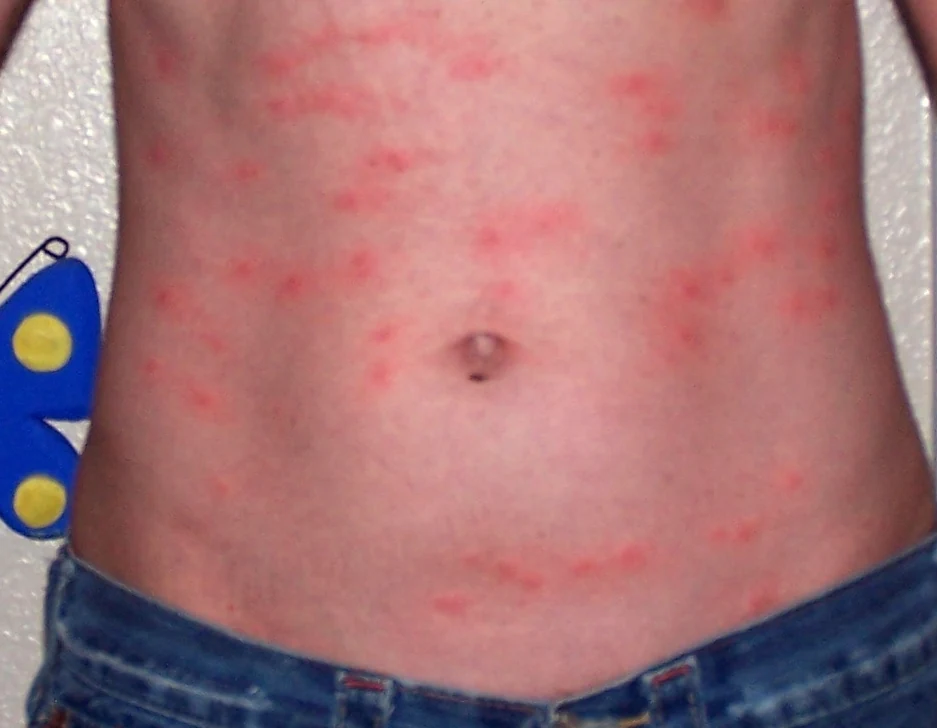
Chigger bites are red, very itchy bumps, usually where clothing is tight: sock tops, waistbands, bra bands and the backs of the knees. Cleveland Clinic says the itching is most intense for the first 24 to 48 hours and fades over about two weeks. Wash with soap as soon as you can, then use calamine, an anti-itch cream or an oral antihistamine.

What Are Chiggers?
A chigger is the larval stage of a mite. Only the larvae bite. Missouri Extension says they're about 1/150 inch across, which is barely visible, and that the adults, which are not parasitic, are bright red and often seen moving across lawns and pavement. That's why many people in the South call chiggers "red bugs." A 2022 NC State review counted 248 chigger species reported in the US.
Chiggers wait on grass and leaves for an animal to brush past. Their usual hosts are rodents, birds, snakes, toads and other wildlife. Missouri Extension notes humans are an accidental host.
How Chiggers Bite (and Why Nail Polish Doesn't Work)
Once a chigger climbs onto you, it wanders until it finds thin skin or a spot where clothing presses tight, then settles in. Clemson and Missouri Extension both say chiggers do not burrow into the skin and do not suck blood. Missouri describes what actually happens:
- The chigger pierces the skin and injects a digestive enzyme that dissolves skin cells.
- Within a few hours, the skin around the bite hardens into a tiny feeding tube called a stylostome.
- The chigger drinks dissolved tissue through it "like a person drinking through a straw," and can keep feeding for three or four days if it isn't disturbed.
- Most chiggers are scratched or washed off long before that, and they die quickly once dislodged. The itch continues until your body breaks down the saliva and the feeding tube.
That's why nail polish doesn't work the way people think. Chiggers are often scratched or washed off before the itch even peaks, so there's usually nothing under the polish to smother. Mississippi State Extension's advice is blunt: "Please don't put nail polish or other harsh chemicals on those red bumps." It also says nail polish and bleach are "more likely to irritate your skin than fix the problem."
Plenty of people swear by it anyway. A Reddit r/Alabama thread (via Google search excerpts) described how the polish "seems to smother the bite and stop the itching," and a YouTube commenter said a Georgia pharmacist sent them to the cosmetics counter for clear polish. A Reddit r/explainlikeimfive answer offers the likely reason it feels like it helps: it mostly stops you from scratching, "which makes it worse."
What Do Chigger Bites Look Like?
- Small red bumps, sometimes with a hard crust in the center. Missouri Extension notes that fluid oozing from a scratched bite hardens into a "cap," a feature not seen with mosquito bites.
- In clusters or lines where clothing is tight. Missouri lists the tops of shoes and socks, under waistbands and bra bands, the backs of the knees, the crotch and the armpits.
- Extremely itchy, often more than the size of the bump suggests.

Chiggers or seed ticks?
Larval ticks, often called seed ticks, also cause clusters of itchy bites after time in grass. The NC State review notes they are "nearly impossible for non-professionals to distinguish from chigger bites." Chiggers are barely visible, so if you can easily see dozens of tiny crawling specks on your legs, they are more likely seed ticks. Treat both the same way: shower, check yourself and wash your clothes hot.
How Long Do Chigger Bites Itch?
Missouri Extension says itching usually starts within hours. Cleveland Clinic says it is very intense for the first 24 to 48 hours, then slowly fades over the next two weeks. Many people notice it's worst at night. One of the most-liked comments under a popular chigger video, with 482 likes, put it exactly: "The worst of it is at bedtime, when you take off your socks." Scratching makes it last longer and can break the skin. One commenter said they had scratched until they left scars on their feet.
How to Treat Chigger Bites
- Shower right away with soap. Missouri Extension says a warm shower with a vigorous scrub within an hour or two of exposure "greatly reduces the number of irritating bites." Once itching has started, bathing won't help much, because the chiggers are mostly gone.
- Wash your clothes in hot water before wearing them again.
- Calm the itch. Mississippi State Extension recommends calamine lotion, an antihistamine cream, or an oral antihistamine.
- Don't scratch, and keep nails short. Broken skin can get infected.
- Skip nail polish and bleach. They irritate skin without doing anything to a chigger that's already gone.
- See a doctor if bites look infected (spreading redness, warmth, pus or fever), if you have a large number of bites, or if itching keeps you from sleeping.
Do Chiggers Carry Disease?
Not in the United States. Mississippi State Extension lists "chiggers carry diseases the way mosquitoes and ticks do" as a myth for American chiggers. In parts of Asia and the Pacific, certain chiggers spread a bacterial illness called scrub typhus, according to the CDC, but that isn't a risk from chiggers in the Carolinas or Virginia. The main health problem from a chigger bite here is the itch, and infection from scratching.
Where Do Chiggers Live?
The NC State review says chiggers prefer moist, overgrown vegetation such as tall grass and riverbanks, and are most abundant in early summer. In North Carolina they can produce three generations a year, compared with one or two in Ohio. Common hot spots:
- Unmowed grass, weeds and brushy field edges
- Woodland edges, trails and the strip between a lawn and the woods
- Berry patches. One commenter noted the worst chiggers they'd seen were on blackberry bushes once the berries ripened
- Damp, shaded spots where wildlife travels
Texas A&M says chiggers are less common in maintained, mowed lawns, because short grass is hotter and drier. In the Carolinas and Virginia, chigger season usually runs from late spring through summer. See how to get rid of chiggers in your yard for seasonal timing.
Can chiggers live in your house or bed?
No. Chiggers need wildlife hosts and outdoor vegetation to complete their life cycle, and Missouri Extension notes they quickly die once they're knocked off a host. They won't infest a house, bed or couch. If you keep getting new bites indoors, look for another cause, such as bed bugs or fleas. Washing the clothes you wore outside in hot water takes care of any chiggers still on them.
Can dogs get chiggers?
Chiggers bite many kinds of animals, so pets that run through tall grass can pick them up. If your dog is scratching or has red bumps after time in brush, check with your veterinarian before using any product on your pet.
How to Avoid Chigger Bites
The NC State review says "the best way to prevent chigger bites is to avoid them," because yard sprays work only so well. What helps:
- Use repellent on clothing. Missouri Extension says any repellent with DEET or picaridin works. Apply it from the feet up, especially on socks, shoe tops and pant cuffs, and reapply every two to three hours.
- Treat clothes with permethrin. Spray it on clothing and let it dry before wearing. It lasts through several washings, Texas A&M says. Don't apply it to skin.
- Try sulfur powder. Missouri Extension says powdered sulfur on clothing works but smells strongly. A YouTube commenter's version, with 421 likes, is an old sock filled with sulfur, patted on before walking into chigger areas.
- Cover up and tuck in. Tuck pants into socks and shirts into pants, and wear closed shoes.
- Don't sit or lie on the grass in chigger areas.
- Shower and wash your clothes soon after you come in.
How to Get Rid of Chiggers in Your Yard
To check your yard, Missouri Extension and NC State suggest laying a square of black cardboard or paper on the grass for about 10 minutes, then looking for tiny red specks moving on it. Check several spots.
Mowing and removing weeds and brush is the most effective way to reduce chiggers around a home, Missouri Extension says. Spraying the whole lawn is of little benefit, because chiggers avoid sun and well-kept grass. If you do treat, Missouri recommends a single application to the unkempt edges and hot spots between late April and mid-June, and Virginia Tech notes one early-spring treatment is often enough, with a repeat in June for heavy infestations. Our full guide covers products, timing, diatomaceous earth and nematodes: how to get rid of chiggers in your yard for good.
For ticks that cause similar bites, see can pest control get rid of ticks? Our tick control service treats yards across South Carolina, North Carolina and Virginia.
Key Takeaways
- Chiggers are tiny mite larvae about 1/150 inch across. Only the larvae bite.
- They don't burrow or suck blood, so nail polish has nothing to smother.
- Bites cluster where clothing is tight: sock tops, waistbands, bra bands and behind the knees.
- The itch peaks in the first 24 to 48 hours and fades over about two weeks.
- Shower with soap within an hour or two of being outdoors, then use calamine or an antihistamine.
- Prevention beats treatment: repellent on socks and cuffs, permethrin-treated clothes, and mowing back tall grass.
Frequently Asked Questions
Chiggers are the larvae of trombiculid mites, about 1/150 inch across and barely visible. They live in tall grass, weeds and brushy edges and attach to passing animals and people to feed. Only the larvae bite; the adult mites, which are red, don't bite people.
Small, very itchy red bumps, often in clusters or lines where clothing is tight: sock tops, waistbands, bra bands, the backs of the knees, the crotch and armpits. A scratched bite may develop a small hard crust in the center.
Itching usually starts within hours of the bite. Cleveland Clinic says it is very intense for the first 24 to 48 hours and slowly fades over the next two weeks. Scratching can make it last longer and lead to infection.
No. Clemson and Missouri Extension say chiggers don't burrow and don't suck blood. They pierce the skin, inject saliva that dissolves skin cells, and feed through a tiny tube that forms in the skin. Most are scratched or washed off within a day or so.
Not in the way people think. Because chiggers don't burrow, there is usually nothing under the bump to suffocate. Mississippi State Extension advises against putting nail polish or other harsh chemicals on bites. Calamine lotion, an antihistamine cream or an oral antihistamine are better choices for the itch.
Shower with soap and scrub within an hour or two of being outdoors to remove chiggers before most of them bite. Once bites itch, use calamine or an antihistamine, avoid scratching, and wash your clothes in hot water. The bumps usually heal on their own within about two weeks.
No. Chiggers need wildlife hosts and outdoor vegetation to survive and die quickly once they're knocked off a host. They don't infest beds, furniture or houses. Washing the clothes you wore outdoors takes care of any that are still on them.
Not in the United States. Mississippi State Extension calls the idea that chiggers spread disease like mosquitoes and ticks a myth for American chiggers. In parts of Asia and the Pacific, some chiggers spread scrub typhus, but that isn't a risk here.
In the Carolinas and Virginia, chiggers are active from late spring through summer and are most abundant in early summer, according to an NC State review. They can produce several generations a year in the South, so bites can continue into early fall.
Apply a DEET or picaridin repellent to socks, shoes and pant cuffs and reapply every two to three hours, wear permethrin-treated clothing, tuck pants into socks, avoid sitting on the grass, and shower and wash your clothes soon after coming inside.
Sources: R. Houseman, "Chiggers" (G7398), University of Missouri Extension; K. Chen, R. M. Roe & L. Ponnusamy, "Biology, Systematics, Microbiome, Pathogen Transmission and Control of Chiggers (Acari: Trombiculidae, Leeuwenhoekiidae) with Emphasis on the United States", International Journal of Environmental Research and Public Health 19 (2022), NC State University; Clemson Cooperative Extension HGIC, "Chiggers"; Mississippi State University Extension, "Chiggers: Step Away from the Nail Polish" and "Species Spotlight: Chiggers"; Texas A&M AgriLife Extension, "Chiggers" (E-365); Virginia Cooperative Extension, Pest Management Guide: Home Grounds and Animals (2026); Cleveland Clinic, "Chigger Bites"; Centers for Disease Control and Prevention, scrub typhus; Reddit r/Alabama and r/explainlikeimfive (via Google search excerpts); YouTube comments under chigger videos.
Photo credits: TimVickers, public domain; Slturis, CC BY-SA 3.0; N8foo, CC BY-SA 4.0; via Wikimedia Commons.