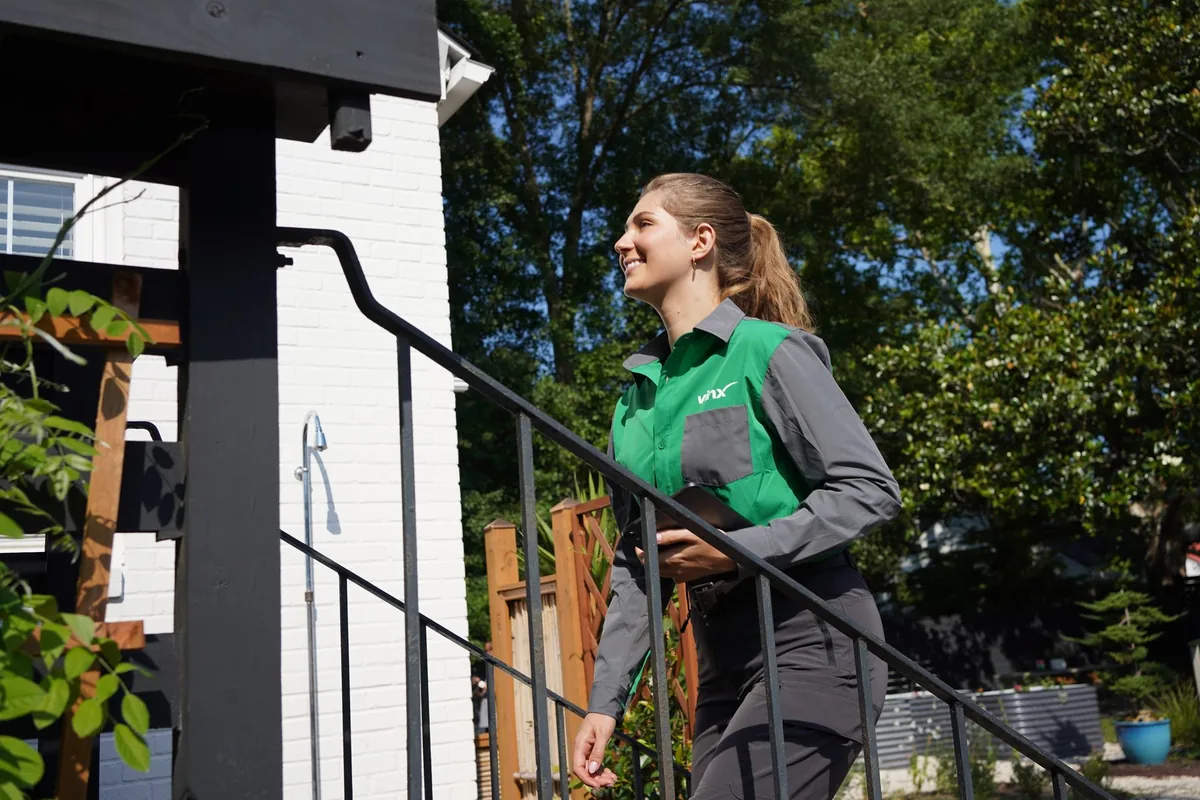
Exterminator in Wake Forest, NC
Wake Forest is really three towns in one, a historic downtown core with century-old foundations, the Falls Lake State Recreation Area corridor and its 12,000-acre lake, and a wave of fast-growing new-construction subdivisions. Each shapes pest pressure differently. Vinx provides recurring residential pest control across Wake Forest from $49/mo, backed by a free re-treatment guarantee and a 4.8-star rating across 3,600+ reviews.
Get Started in 60 Seconds
Choose what’s easiest for you
Request a Quote
We usually respond in 2 minutes
Call (984) 600-8469
Get a Live Person (no AI agents here!)
Sign Up Online
Get pricing and schedule now





Welcome to Vinx Pest Control
A Company That Actually Backs What It Says
At Vinx, we combine professional-grade treatments with a level of service most pest control companies don’t offer. Local technicians, fast response times, and a guarantee that actually means something.
“I’m not passionate about killing bugs. I’m passionate about customer service. At Vinx, you get experts who show up, do the job right, and stand behind every visit. No runaround, no fine print.”

Founder & Owner, Vinx Pest Control
PROTECTION PLANS
Wake Forest Exterminator Pricing
100% money-back guarantee on every plan.

Standard Residential Protection
- 4 Seasonal Treatments Per Year
- 50+ Covered Pests
- Interior, Exterior & Yard Treatment
- Unlimited Free Re-Services
- 100% Money-Back Guarantee
- Flea & Tick Coverage
- Mosquito Treatments

Upgraded Yard Protection
- 6 Home & Yard Treatments Per Year
- 50+ Covered Pests
- Interior, Exterior & Yard Treatment
- Unlimited Free Re-Services
- 100% Money-Back Guarantee
- Flea & Tick Elimination Guarantee
- Mosquito Treatments

Most Comprehensive Protection
- 9 Treatments Per Year
- 50+ Covered Pests
- Interior, Exterior & Yard Treatment
- Unlimited Free Re-Services
- 100% Money-Back Guarantee
- Interior Flea & Tick Coverage
- 8 Mosquito Treatments (Mar–Nov)
- Free Bed Bug Treatments if Needed*
*Starting rates vary by home size and area. All plans billed monthly.
Get Your Free Wake Forest Pest Inspection
Fill out the form below and a Vinx team member will reach out within 2 minutes during business hours.
Prefer to talk? Call (984) 600-8469 for a live person, no AI agents.
Our Process
How Vinx Exterminators Work a Wake Forest Property: Step by Step

Inspection & Reporting
A Wake Forest extermination job starts with identification, and on the older streets that means knowing what two centuries of timber attracts — the flour-fine dust of powderpost beetles under an antique floor is a different job from the mud tubes of a subterranean colony on a brick pier. Nothing is applied until a technician has identified the species, traced it to its harborage, and noted the conditions feeding it. You hear the findings in plain terms, with a firm price, before any work begins.
Exterior Foundation Treatment
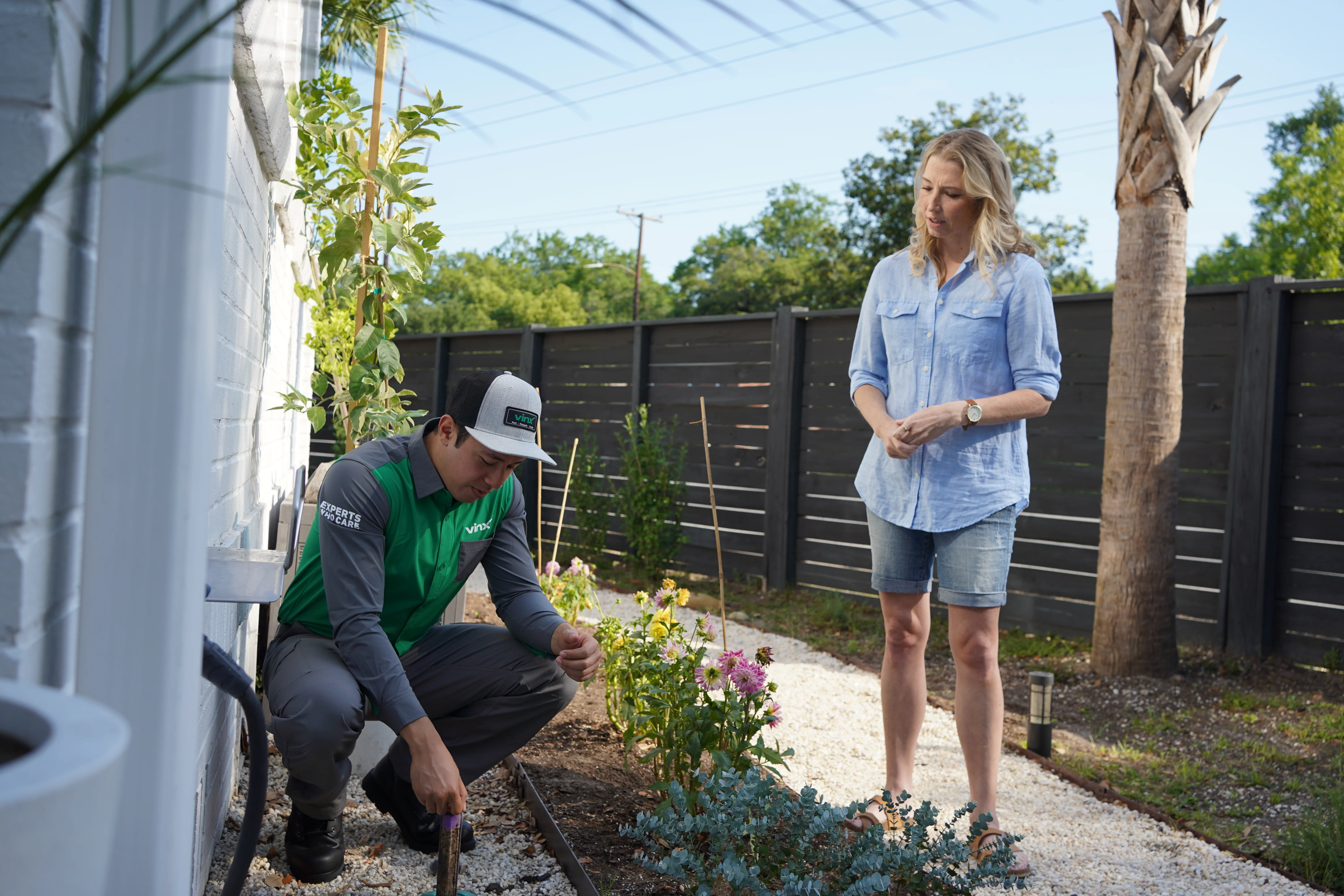
With the problem identified, the exterior gets its defensive line so the next wave never makes it inside. A micro-encapsulated barrier goes around the foundation, three feet up and three feet out, intercepting insects at the slab gaps, weep holes and thresholds they actually use to enter. Subterranean termites live in the soil, so the soil is what gets treated — on a historic house the liquid barrier goes into the ground at the footings, and nothing needs to be done to original paneling, trim or floors.
Yard Treatment
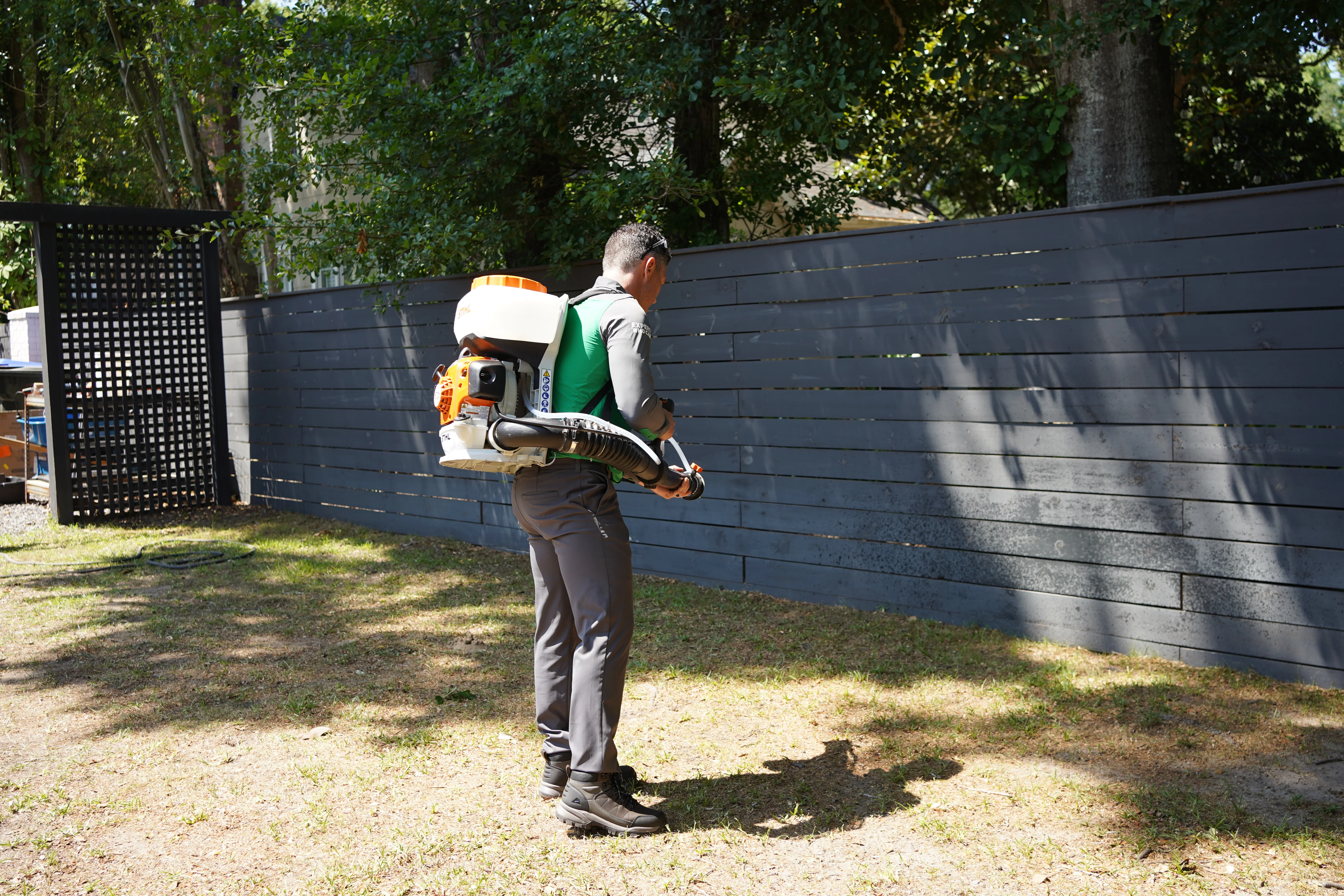
The yard gets treated up to 30 feet out, because most of what ends up indoors staged in the lawn first. On the newer streets north and east of the old campus that means fire ants on open, graded turf; on the historic blocks it means the mature planting that holds moisture against the wall and gives rodents cover right up to the foundation. Cutting that pressure back keeps the perimeter barrier from being tested constantly.
Sweep & Treat Eaves
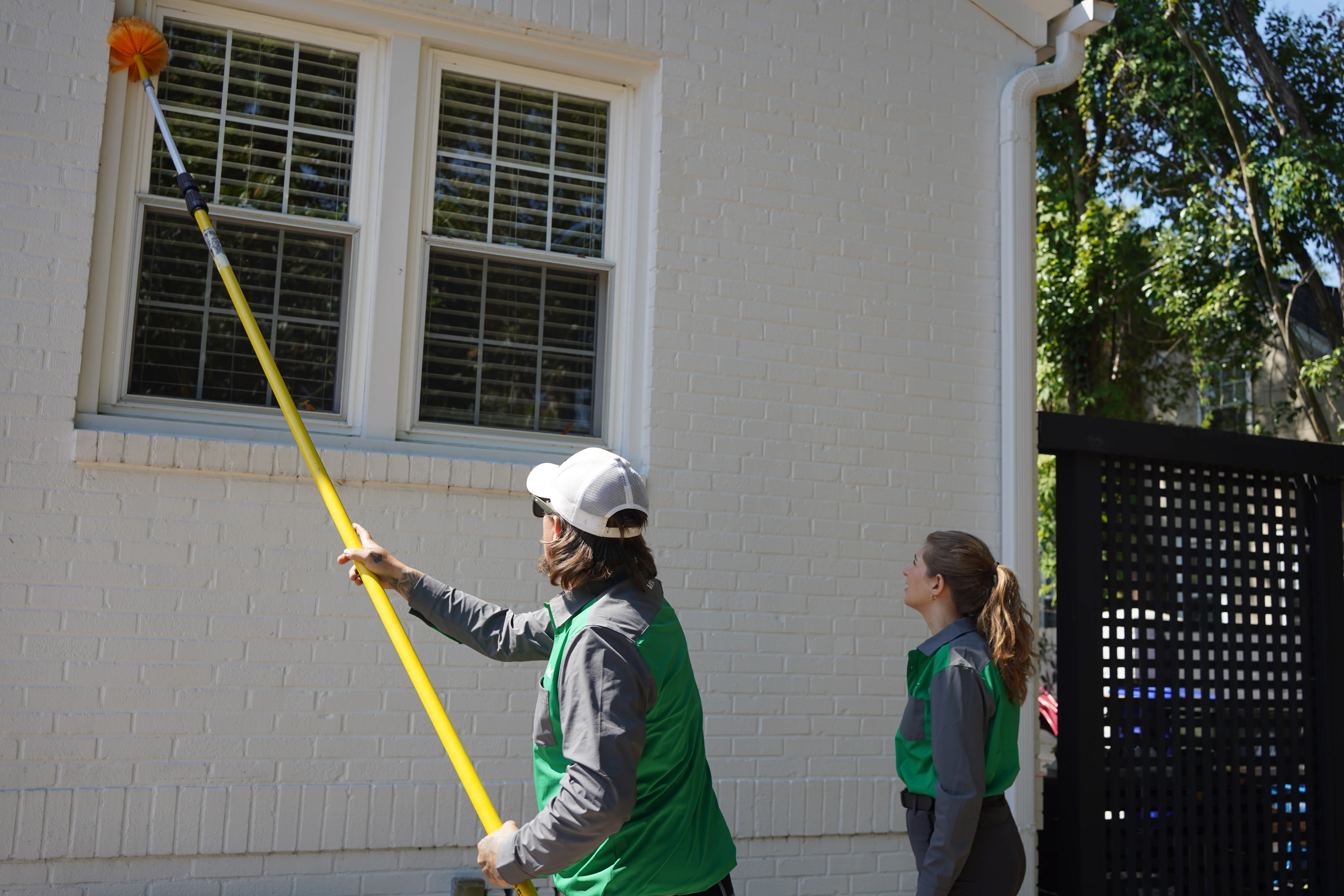
Rooflines are swept clear of webs and early wasp nests on every visit, then spot-treated with a residual product so returning insects contact the treatment instead of rebuilding. On Wake Forest’s period houses the eaves pass matters doubly, because carpenter bees bore the eaves and rails of old porches every spring, and on the newest streets wasps take the fresh exterior timber just as quickly.
Power Dust Injection
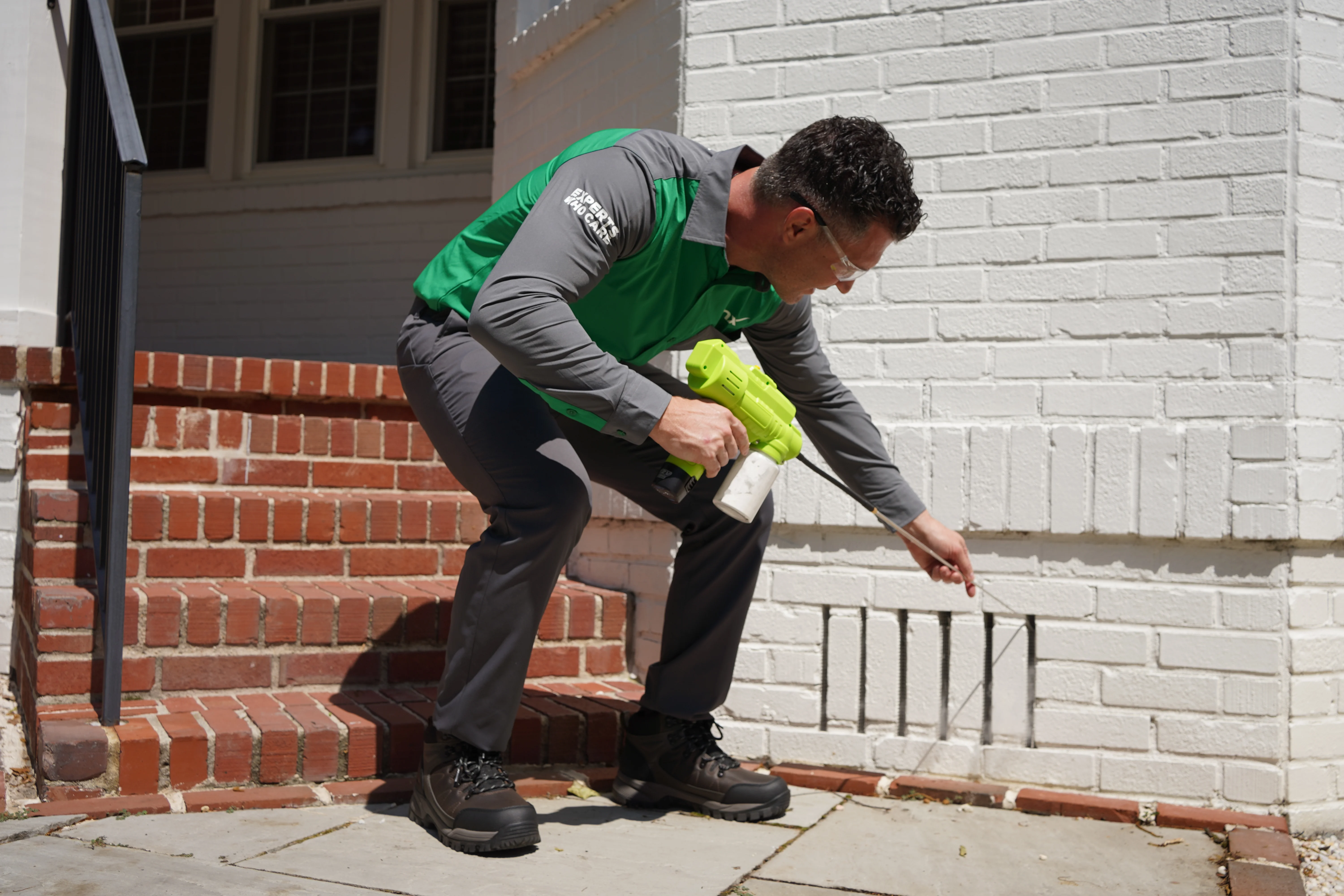
Cracks, weep holes, pipe penetrations and expansion joints get a dust product driven deep with a compressor tip. This is the treatment that reaches wall voids, which matters in a historic district whose buildings run from about 1820 to 1953 — generations of settling have opened more routes than any surface spray can cover. Because the dust sits protected from rain and heat, it keeps working long between visits.
Interior Treatment (If Needed)
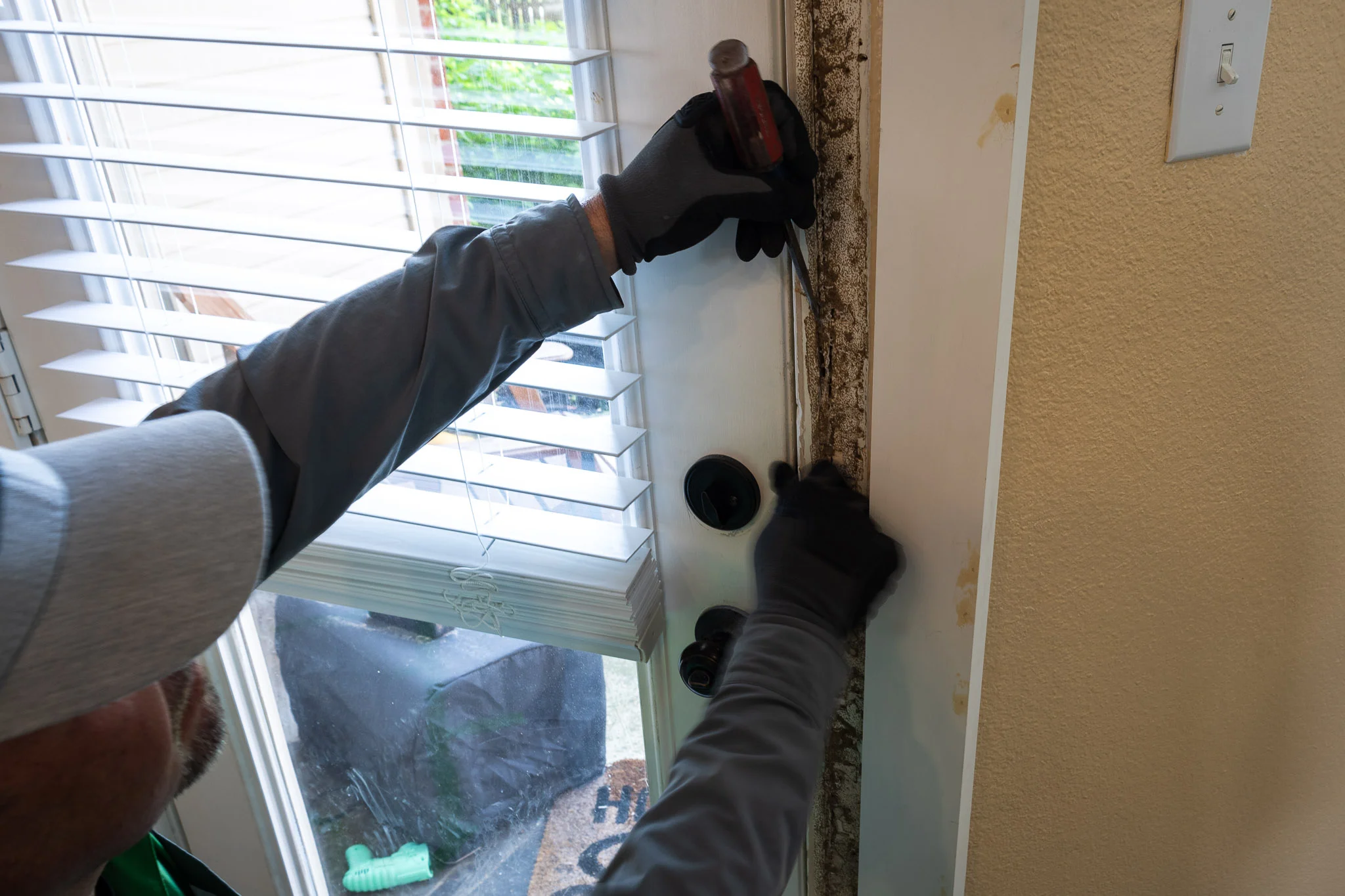
Where an infestation is already established indoors, we treat the harborage directly — gel bait and a growth regulator for roaches, exclusion first and then trapping for rodents — rather than misting a room and hoping. In a converted or subdivided building we treat the building, not the unit, since a population across a shared wall simply comes back. And where the real problem turns out to be a failed gutter or a bad grade, we say so rather than sell a treatment the water will defeat. Re-services are free on every plan.
Customer Reviews
Real Reviews from Wake Forest Homeowners
Austin came out this afternoon and was thorough and very professional.
Verified Google ReviewToday my property was treated by Miguel. He did a thorough job de-webbing around my house as well as treating my yard and exterior of my home. This was my initial service. He was here treating within minutes of signing up. Shout out to Matt for getting me signed up!
Verified Google ReviewMatt and Abbas were both great. Signed up and 1st service was done the following day. Fast and reliable.
Verified Google ReviewKyngstn was professional and very informative. He let me know if there were any issues to let him know.
Verified Google ReviewInteraction was great and straight forward. Pricing was really strong and would look at using them as my pest control.
Verified Google ReviewFrom the sign up process to first visit, it was very efficient. The tech was also very thorough, which you don’t always get with some pest control companies.
Verified Google ReviewThis man Dakari was all business. In and out finished. Worked as quick as a butterfly in the wind. Well done and with no problems at all.
Verified Google ReviewLinked up with Vinx and the service and communication is top tier. Scott was awesome
Verified Google ReviewTech was great and very polite. Fair prices.
Verified Google ReviewGreat job & so respectful and courteous. Keep up the great work!
Verified Google ReviewBrandon did a spectacular job treating our home!!! Very professional, friendly and takes pride in his work. Highly recommend Brandon!
Verified Google ReviewLocal Knowledge
Two Centuries of Timber Is a Specific Kind of Job
Last updated: September 4, 2026
Wake Forest is the old-wood town of northern Wake County. Its historic district, on the National Register since December 2003, runs from about 1820 to 1953 and is built around the original Wake Forest College campus — founded in 1834 on Dr. Calvin Jones’s plantation — together with the houses that went up around it for faculty, staff and students. The college left for Winston-Salem in 1956 and the Seminary has held the central campus since. Old buildings fail in predictable places: sills and floor joists sit closest to the damp and go first, porch posts take direct rain, and powderpost beetles riddle seasoned hardwood floors and trim, leaving a flour-fine dust rather than anything dramatic.
6 Reasons Wake Forest Calls an Exterminator
Ants
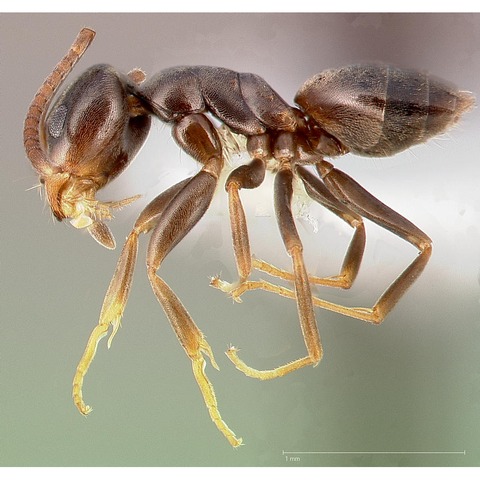
Argentine and odorous house ants flood into Wake Forest kitchens through foundation gaps after heavy rain saturates Wake County’s red clay, but the calls that take real work are carpenter ants, which excavate timber that has stayed damp — often a porch or window frame in the historic district, or the mature tree-lined lots of Heritage and Hasentree. On the newest streets the call is fire ants on open, graded turf instead. Each gets traced to the colony, not sprayed at the trail.
Cockroaches
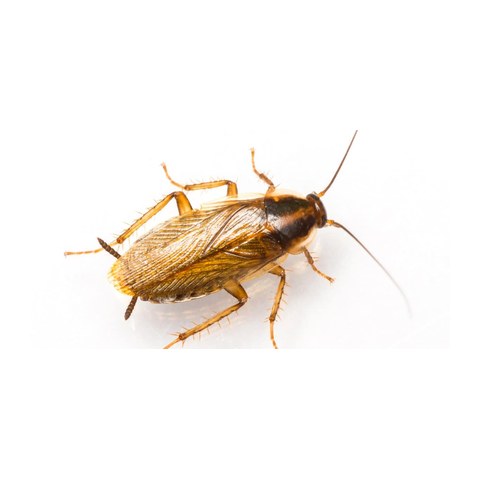
American cockroaches — palmetto bugs — use the aging storm and sewer lines near the downtown Historic District as a direct pathway into Wake Forest’s oldest homes, and summer heat drives them indoors looking for cooler conditions. German cockroaches spread through shared walls in apartments and townhomes, and they need a real protocol: gel bait and a growth regulator placed in the harborage itself, not a surface spray the population walks around.
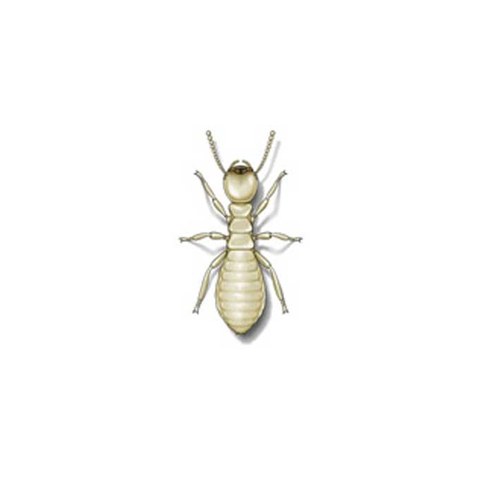
Termites
The eastern subterranean termite rises from the soil into sills and joists and is the main structural risk in Wake Forest — no Formosan termites, which NC State Extension confines to Brunswick and Rutherford counties. Swarm season runs February through April; pencil-thin mud tubes on brick piers and dropped wings on a spring windowsill are the signs worth acting on. Historic-district crawlspaces carry the highest risk, newer slabs in Holding Village and Traditions follow once the pre-treat ages, and treatment goes into the soil, never the original fabric.
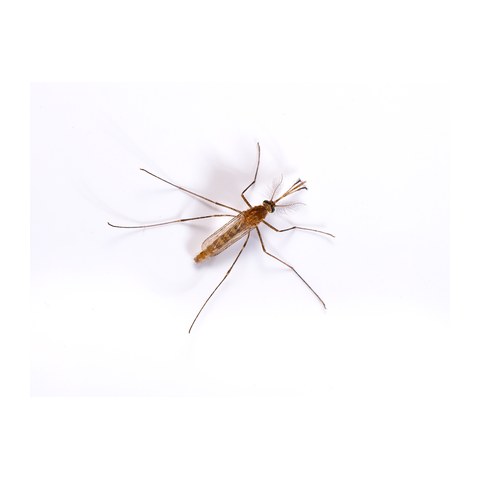
Mosquitoes
Falls Lake State Recreation Area’s 12,000-acre lake and 26,000 acres of surrounding woodland sit along the town’s southern and western edges, creating mosquito breeding pressure that container management on a single property cannot answer. Homes near the lake and the Wakefield corridor see Culex pressure through the April–October season, so we treat reachable standing water with larvicide and barrier-treat the resting vegetation where adults spend their daylight hours.
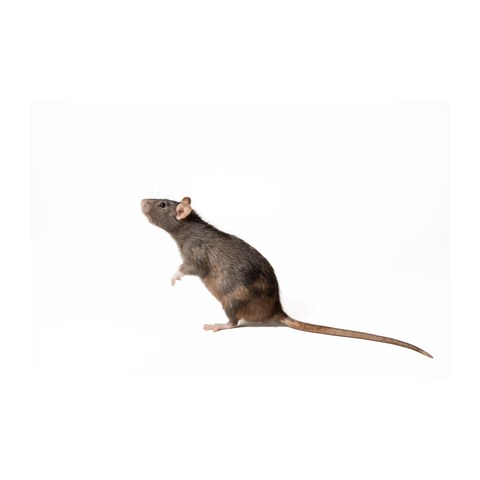
Rodents
Norway rats displaced from Wake Forest’s newer growth corridors relocate toward the nearest finished yard, while roof rats work the established, tree-lined neighborhoods of Heritage and Hasentree and the wooded lots near Falls Lake. Around a historic house, the mature planting holds moisture against the wall and gives rodents cover right up to the foundation. Lasting extermination starts with exclusion — sealing the routes in — then trapping and secured bait, ahead of the autumn migration.
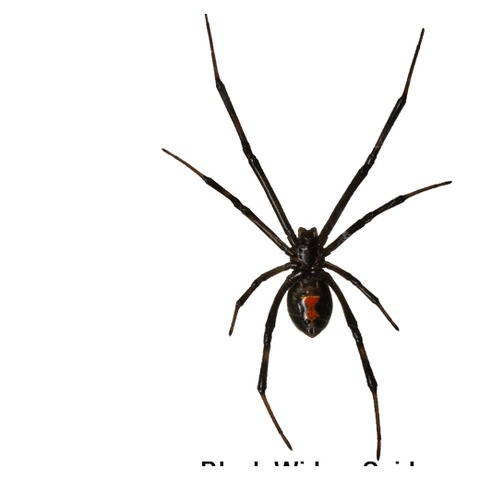
Spiders & Other Pests
Black widows keep to Wake Forest garages and undisturbed storage, wolf spiders wander in from the Falls Lake woodland edge, and orb weavers build at exterior lighting each fall under the mature canopy of Heritage and Hasentree. On period porches the spring call is carpenter bees, which bore the eaves and rails every year, alongside the wasps and hornets that nest in eaves spring through fall. We treat the prey insects and harborage together and clear webbing on every visit.
The important point about treating a historic house is that subterranean termites live in the soil, so the soil is what gets treated. A liquid termiticide barrier goes into the ground at the footings, and where the construction suits it we use in-ground bait stations that foraging workers empty back into the colony. Nothing needs to be done to original paneling, trim or floors. The threat here is the native eastern subterranean termite, not Formosan — NC State Extension confines those to Brunswick and Rutherford counties — and on two-hundred-year-old timber the native species is quite enough.
It would be misleading to present Wake Forest as only a historic district. The town has grown substantially north and east of the old campus, and those streets have the opposite profile: young slabs, thin landscaping, disturbed soil and fresh exterior timber, which means fire ants on open turf, wasps on new eaves, and the question of whether the pre-construction termite treatment survived the landscaping that followed. We treat both halves of the town, and they rarely need the same thing. Selling either kind of house? North Carolina closings use the state WDIR-100 report, and on older stock it is worth doing early.
The Town’s own landmark descriptions read almost as an inspection list. The Battle-Purnell House, built by Josiah Battle in 1802 and 1803 and designated a local landmark in 2002, is described as sitting on a high stone basement, clad in plain weatherboards, with flush eaves and nine-over-nine wood-sash windows. Every one of those is a known failure point: a stone basement holds damp against the sills, weatherboard joints open as they age, and flush eaves throw no water clear of the wall at all — so the wall takes every storm. That is the difference between inspecting a house of this era and inspecting one from 2015.
Year-Round Awareness
Wake Forest NC Pest Activity: What to Expect Every Season
| Season | Pest Activity in Wake Forest NC |
|---|---|
| Spring March–May |
Termite swarmers emerge as Wake County clay soil warms; odorous house ants establish new colonies; mosquitoes become active from March as temperatures hit 55°F+; stinging insects begin nest building on eaves and soffits. |
| Summer June–August |
Peak pressure across all species; mosquitoes at maximum activity near Falls Lake and the Wakefield corridor; cockroaches surge in the older storm drains near the downtown Historic District; 100°F+ days drive spiders and cockroaches indoors seeking cooler conditions. |
| Fall September–November |
Spiders, rodents, and cockroaches move indoors seeking warmth; stinging insects become aggressive before colony die-off; mosquitoes remain active through October in warm Wake Forest falls; termites continue feeding in heated crawlspaces beneath older homes throughout Wake County. |
| Winter December–February |
Rodents and cockroaches remain active indoors in heated structures; subterranean termites continue foraging in heated crawlspaces; Wake County clay soil retains moisture keeping termite conditions active; reduced outdoor activity but indoor pest pressure continues year-round. |
Pest Pressure by Neighborhood
Where Wake Forest Exterminator Calls Come From
The Historic District: Old Timber’s Predictable Failures
Homes near the Calvin Jones House and the original Wake Forest College campus carry the town’s oldest housing stock, much of it on crawl spaces with foundation grades that predate current code. Moisture collects underneath easily — driving the American cockroach calls — while sills, porch timber and seasoned hardwood floors draw termites, carpenter ants and powderpost beetles.
Falls Lake & Wakefield: Mosquitoes & Ticks
The 12,000-acre lake and 26,000 acres of surrounding woodland sustain mosquito breeding and tick activity well beyond what the drier, built-out parts of town experience, plus the wildlife traffic that comes with bordering a recreation area. Properties along this corridor see the heaviest seasonal mosquito and tick pressure in Wake Forest.
Heritage & Hasentree: Carpenter Ants & Mature-Landscape Pests
These established, tree-lined communities on the north side show the mature-landscaping pressure typical of golf-course neighborhoods — carpenter ants, spiders and the occasional rodent drawn to well-irrigated lawns, with shaded, moisture-retentive mulch beds giving subterranean termites cover to work undetected as well.
St. Ives & Stonewater: Established Ants & Construction Spillover
These mid-growth subdivisions combine settled landscaping with pockets of newer construction nearby, producing a mix of established ant colonies and the construction-driven issues — disturbed soil and buried debris drawing ants and termites — that come with ongoing development in the area.
Holding Village: New-Build Fire Ants, Termites & Rodents
Wake Forest’s newest growth corridors, alongside Richland Creek, show what fresh construction and disturbed soil reliably draw: fire ants on open graded turf, wasps on fresh timber, and rodents displaced from cleared woodland toward newly built homes — all before the landscaping has had time to settle. Checking the builder pre-treat is the key inspection here.
Kid & Pet Safe
Our Treatments Are Safe for Your Whole Family: Including the Furry Members
Every product we use is EPA-registered and applied strictly at labeled rates by licensed North Carolina pest control technicians. We take the guesswork out of safety so you can feel confident letting kids and pets back into treated areas quickly.

EPA-Registered Products Only
All products we apply are EPA-registered and used strictly per label requirements. Our licensed technicians are trained to apply the right product in the right place at the right rate, every time.
Dry Time Before Re-Entry
Exterior spray treatments dry in 30–60 minutes. Once dry, treated surfaces are safe for children and pets to contact. Your technician confirms the all-clear before leaving.
Interior Treatment On Request
We treat only what’s needed, where it’s needed. Gel baits and crack-and-crevice applications keep products away from areas pets and children frequent most.
Botanical Options Available
Ask your technician about our plant-derived treatment options. We offer botanical alternatives for households that prefer a more natural approach.
Have a concern about products used near your pets or children? Call (984) 600-8469 and we’ll walk you through exactly what we use and why it’s safe.
Wake Forest NC Pest Control Services
Pest Control Services in Wake Forest

Termite Control Wake Forest
Bait systems & liquid treatment

Mosquito Control Wake Forest
Monthly barrier treatments

Ant Control Wake Forest
Household ants & others

Spider Control Wake Forest
All spider species covered

Cockroach Control Wake Forest
American & German roaches

Rodent Control Wake Forest
All rodents covered

Bed Bug Treatment Wake Forest
Heat & liquid treatments

Pest Control Wake Forest
Year-round protection plans

Tick & Flea Control Wake Forest
Yard & pet protection
Frequently Asked Questions
Exterminator Wake Forest NC: Frequently Asked Questions
Most calls are given a next-day appointment, with active infestations prioritized.
One-off work is priced by the pest and the building; recurring plans begin at $49 a month with a $329 first visit. Call 855-800-8469.
No. The treatment goes into the soil at the footings rather than into the fabric of the building, so original trim, paneling and floors are untouched.
They are wood-boring beetles whose larvae tunnel seasoned hardwood, so they turn up in old floors and trim. The giveaway is a very fine, flour-like dust below small exit holes.
Yes, in practice. North Carolina closings use the state WDIR-100 report, and on a house of this age it is worth having done early rather than in the last two weeks.
No. NC State Extension confines them to Brunswick and Rutherford counties. The native eastern subterranean termite is what threatens buildings here, and on two-hundred-year-old timber that is quite enough.
On irreplaceable timber it is one of the better things you can hold. It means scheduled re-inspection and re-treatment, so nothing re-establishes quietly between visits.
Yes. EPA-registered products, licensed application, safe once dry.
Service Coverage
Pest Control Across Wake Forest & Northern Wake County
Serving every neighborhood in and around Wake Forest