Termite Control in Lexington, SC
Eastern Subterranean Termite Experts for the Saluda River Corridor
A correction worth making up front: Formosan and drywood termites, often listed as regional threats, are actually concentrated on the coast, per Clemson’s own research, not here. Lexington’s real, established risk is the native Eastern subterranean termite, and it’s genuinely widespread — elevated by the Old Mill’s historic moisture, the Saluda River’s shoreline dampness, and the wood-frame construction found in every corner of town. Vinx treats what’s actually here.
Get Started in 60 Seconds
Choose what’s easiest for you
Request a Quote
We usually respond in 2 minutes
Call 855-800-8469
Get a Live Person (no AI agents here!)
Sign Up Online
Get pricing and schedule now





Welcome to Vinx Pest Control
A Company That Actually Backs What It Says
At Vinx, we pair professional-grade treatment with a level of follow-through most pest control companies skip. Local technicians, fast response, and a guarantee that holds up after the invoice is paid.
Get a Free Quote"I'm not passionate about killing bugs. I'm passionate about customer service. At Vinx, you get experts who show up, do the job right, and stand behind every visit. No runaround, no fine print."
WELCOME TO VINX PEST CONTROL
Termite Protection Plans for Lexington Homeowners

Standard Residential Protection
- 4 Seasonal Treatments Per Year
- 50+ Covered Pests
- Interior, Exterior & Yard Treatment
- Unlimited Free Re-Services
- 100% Money-Back Guarantee

Upgraded Yard Protection
- 6 Home & Yard Treatments Per Year
- 50+ Covered Pests
- Yard Ant Elimination Guarantee
- Flea & Tick Elimination Guarantee
- 100% Money-Back Guarantee

Most Comprehensive Protection
- 9 Treatments Per Year
- 50+ Covered Pests
- 8 Mosquito Treatments (Mar–Nov)
- Flea, Tick & Ant Coverage
- Free Bed Bug Treatments if Needed*
Termite TotalDefense standalone protection starts at $35/mo with a free inspection, quarterly monitoring, and a renewable annual warranty — and can also be added to any Vinx plan above. Termite protection is quoted separately after a free inspection since pricing depends on foundation type, square footage, and any conducive conditions found on-site. *Starting rates vary by home size and area. All plans billed monthly.
Get Your Free Lexington Termite Inspection
Fill out the form below and a Vinx team member will reach out within 2 minutes during business hours.
Prefer to talk? Call 855-800-8469 for a live person, no AI agents.
Our Approach
How Vinx Protects Your Lexington Home from Termites

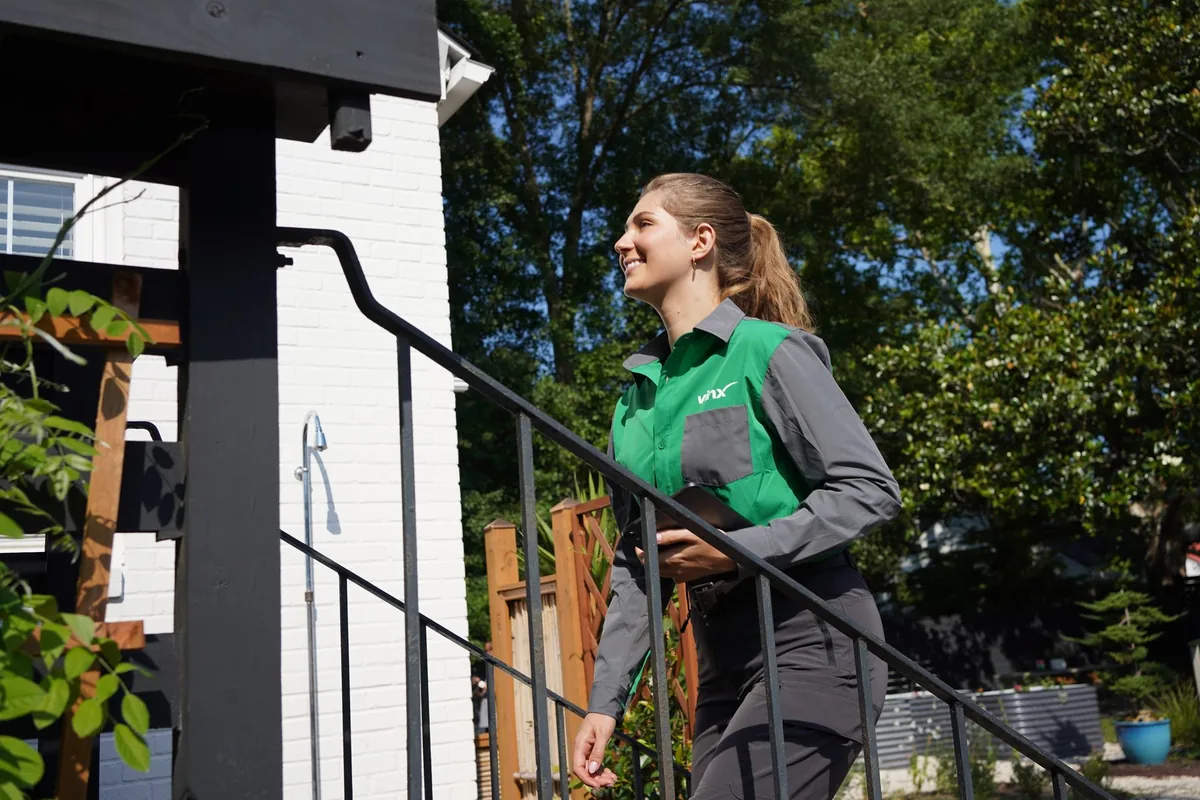
Full Inspection & Conducive Condition Assessment
Your technician inspects the foundation, crawl space, attic, exterior wood structures, and any wood-to-soil contact points for mud tubes, damaged wood, and moisture issues that attract Eastern subterranean termites.
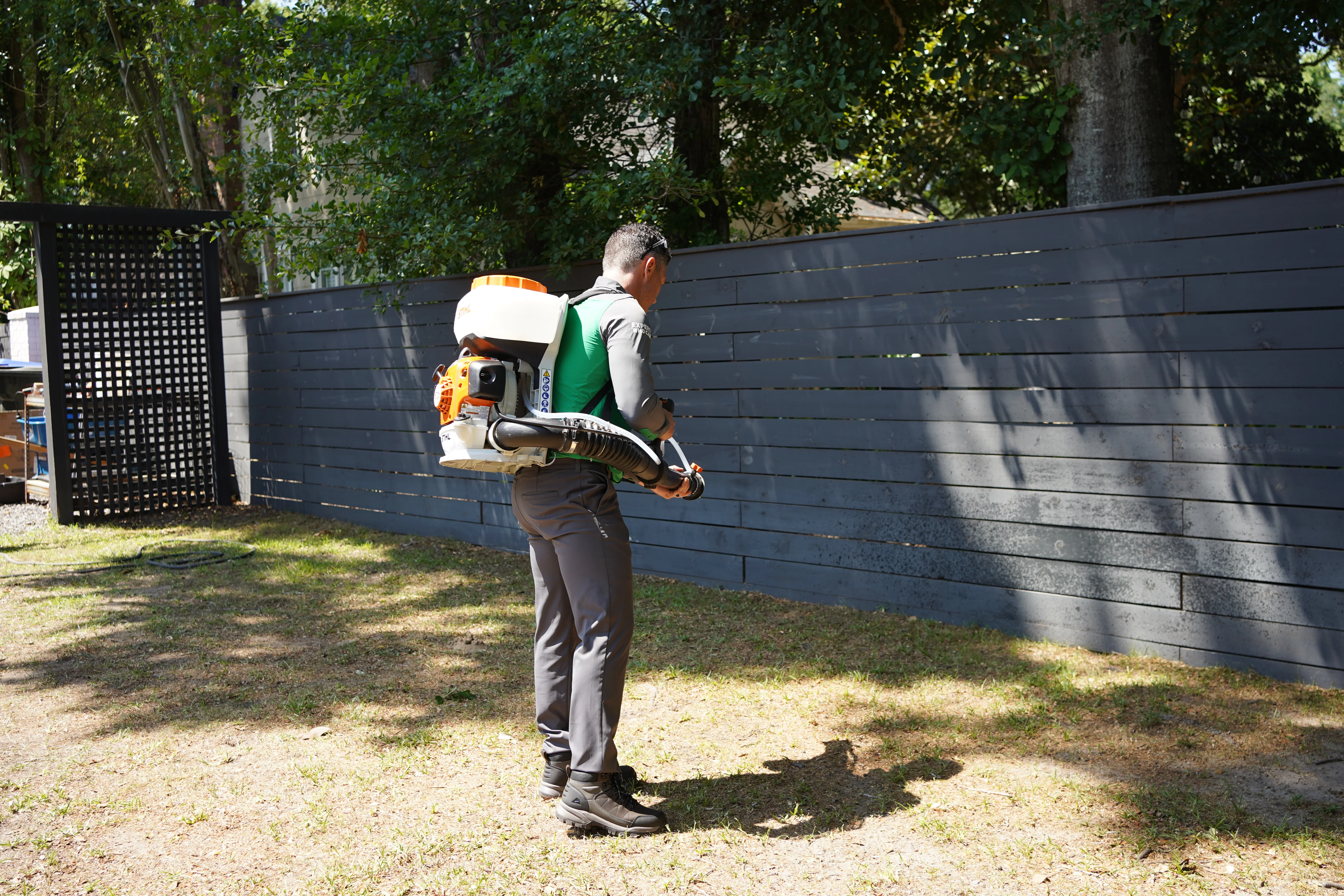
Bait Station Installation
Bait stations are installed in the ground around the full perimeter of the home, giving termites a preferred food source that carries a growth regulator back to the colony.
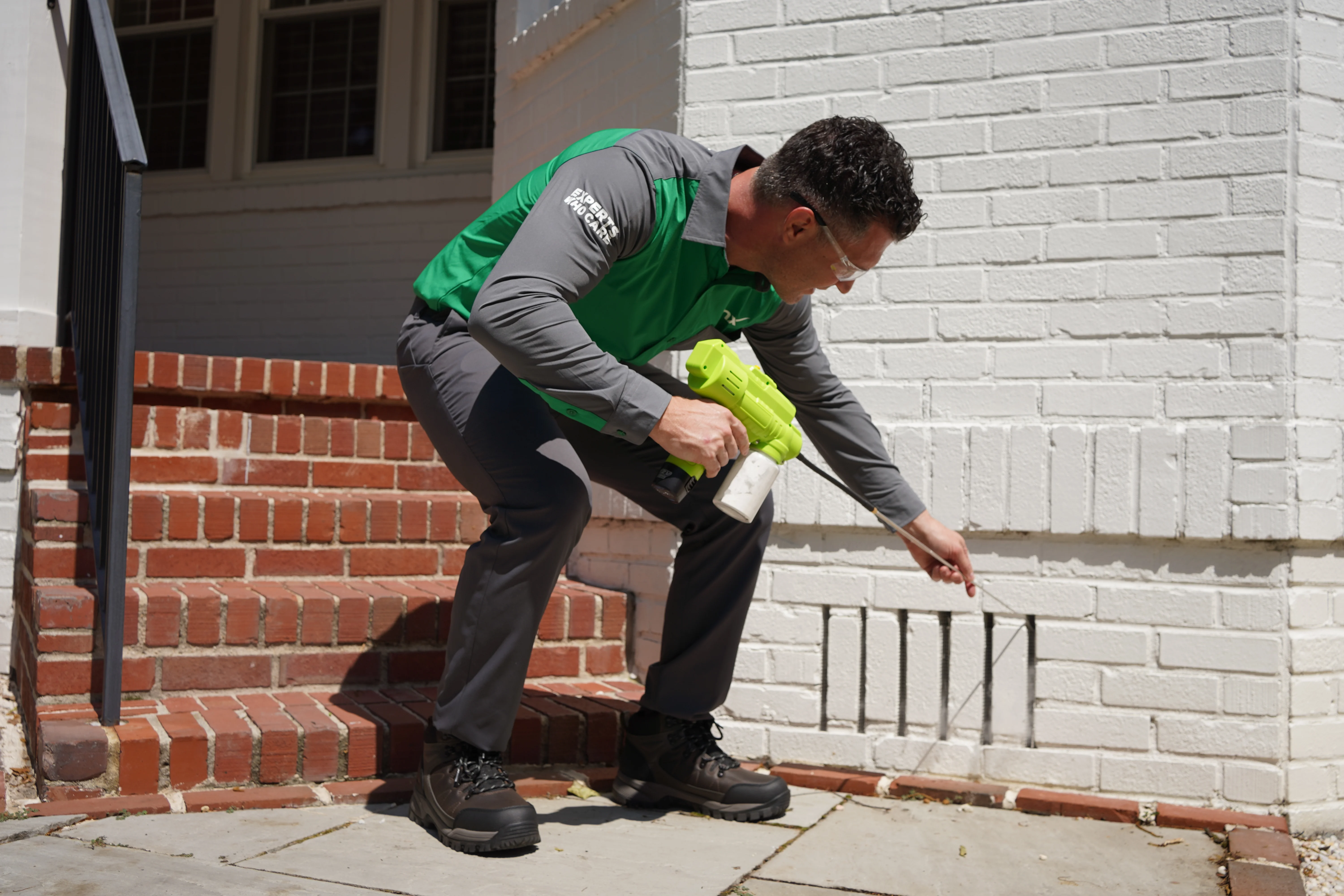
Colony Elimination
Worker termites share the bait throughout the colony, including with the queen, which halts reproduction and eliminates the colony at its source rather than just the visible activity.
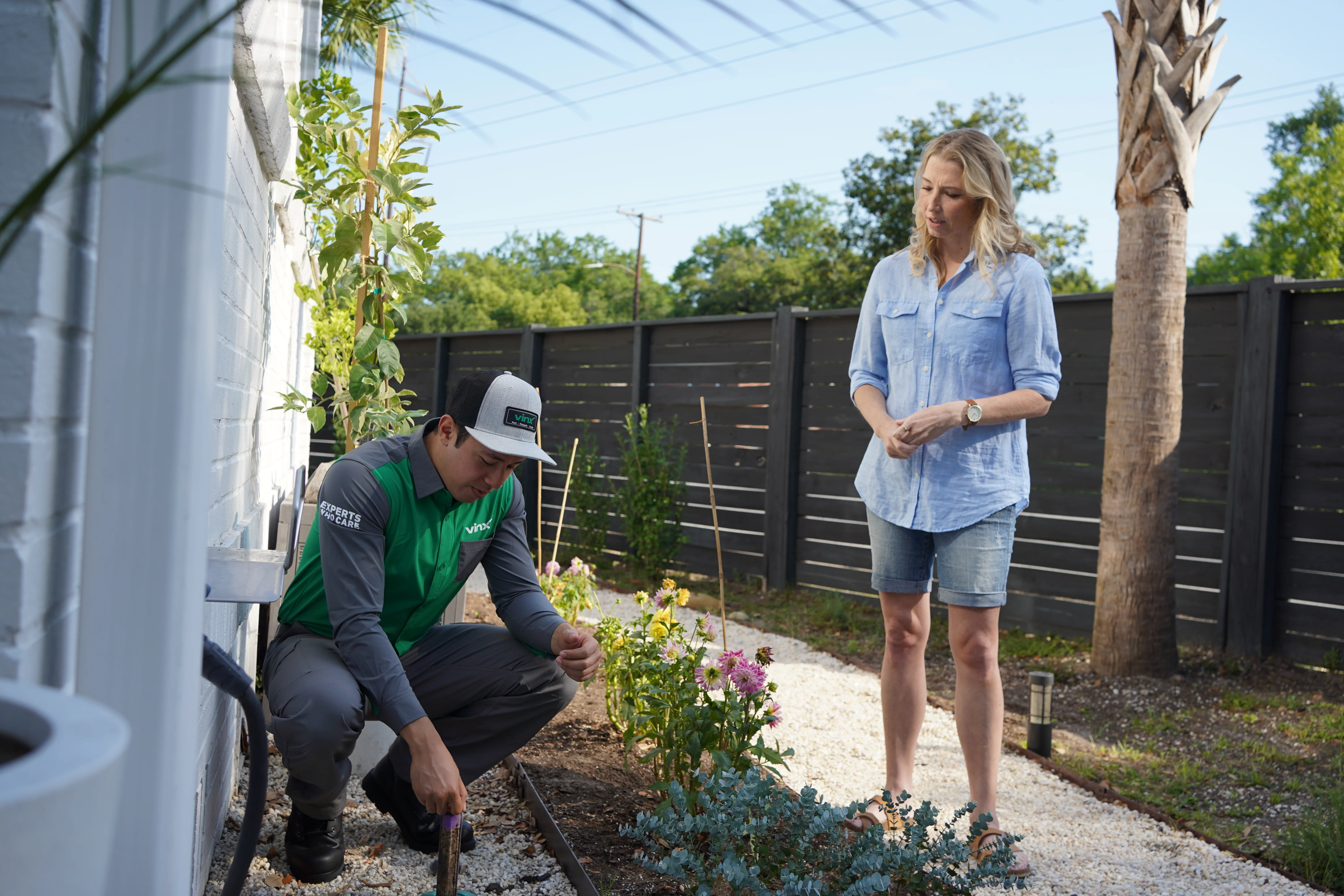
Quarterly Monitoring & Renewal
Bait stations are checked quarterly and refreshed as needed, with extra attention paid to riverfront properties near the Saluda River Club where soil moisture runs consistently higher. Your termite warranty renews annually as long as monitoring continues.
What Our Customers Say
Real Reviews from Lexington Homeowners
Service was great and did not take along time.
Thank you Vinx Pest Control for keeping the creepy crawlers in check. Zach did an amazing job, thank you for checking for spiders and other pests.
Vinx Pest Control sent Adrian out to treat my property on Friday and I noticed results first thing on Saturday, talk about fast results. Vinx also have a great employee in Adrian, he came out and got straight to the point of working and knew where and how to treat my property especially around my fruit 🌳s really appreciate this young man.
The technician (Spencer) was very detailed and answered every question that I had. He was patient with me and made sure that he took care of everything that was paid for. I appreciated his professionalism and the respect he showed to my company and me. I would love for him to be my technician each time. Thank you for being a great person and taking your job with utmost dedication.
Leon was a gem. He was pleasant, knowledgable, thorough and informative. At the end of the inspection I understood every aspect of my problem.
Mr. George was outstanding he was outstanding and very knowledgeable. I would recommend hin to our neighbors. Thank you dir your service
The Local Threat
Why Termite Control in Lexington Isn’t One-Size-Fits-All
A lot of pest control pages list every termite species found anywhere in the Southeast without checking which ones are actually established locally. Formosan termites, a genuinely serious threat along the South Carolina coast, are confirmed by Clemson’s Home & Garden Information Center to concentrate from Charleston south to Beaufort, well south of Lexington — though Lexington County is on Clemson’s list of counties with documented colonies. Drywood termites, which need no soil contact and nest directly in dry wood, were documented by Clemson’s own termite survey in only a handful of coastal counties. Drywood termites are not a genuine Lexington concern, and Formosan activity here would be an outlier rather than the norm — but because Lexington County is on Clemson’s list, that is a question for an inspector rather than a blanket assumption.
The native Eastern subterranean termite is the real, well-documented risk throughout the town, and the conditions driving it vary by zone. The historic Old Mill and downtown Main Street corridor, built around a mill pond, gives older wood-frame construction elevated moisture and established structural wood to exploit. Lexington’s proximity to the Saluda River gives properties near the Saluda River Club and Kingston Harbour corridor elevated soil moisture, and Clemson notes subterranean termites live in the soil and must maintain contact with the ground or another moisture source to survive, which is why consistently damp ground raises the risk. The Fourteenmile Creek and Gibson Pond corridor’s documented flood history keeps ground moisture elevated after heavy rain. The busy commercial buildings along Sunset Boulevard carry the wood-to-soil contact risk typical of any aging structure. And the newest homes along the Twelvemile Creek corridor sit close to undeveloped, wooded land, which can carry existing termite activity onto adjacent, newly built lots.
Lexington is unusual in the Midlands for sitting on the seam between two soil provinces, and the USDA survey shows both mapped inside the same town. On one side are the Piedmont soils — Cecil, Appling and Alamance, clay-subsoil loams running up to fifteen percent slopes. On the other are Sandhills and Coastal Plain soils: Blaney sand, the Blaney-Vaucluse complex, Alaga loamy sand classed somewhat excessively drained, and Dothan loamy sand. Congaree silt loam and the somewhat poorly drained Chenneby soils fill the bottoms. Clay holds water against a foundation for days; deep sand sheds it in hours and hides the surface signs entirely. Two Lexington houses a mile apart can therefore need genuinely different inspections.
Termite Species Relevant to Lexington
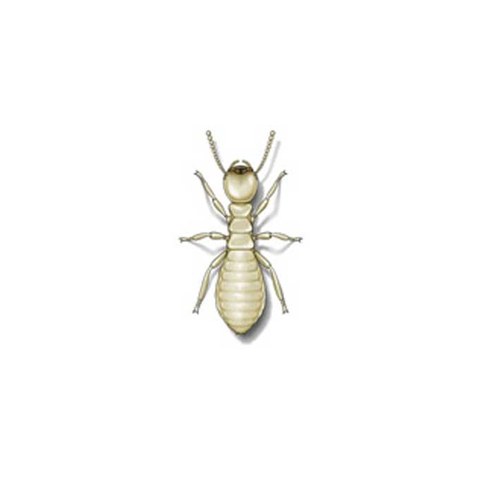
Eastern Subterranean Termite (Reticulitermes flavipes)
The most widespread and genuinely established termite threat throughout Lexington and the broader Midlands. Colonies stay underground and build mud tubes the width of a pencil to move from soil to wood out of light and dry air. A mature colony can number in the hundreds of thousands and cause serious structural damage over a period of years, often with no visible surface sign until the damage is extensive — a real risk across every part of town, from the historic Old Mill district to the newest homes along Twelvemile Creek.
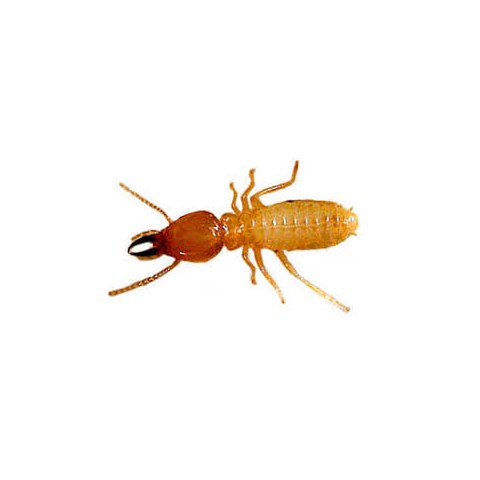
Formosan Subterranean Termite (Coptotermes formosanus)
Clemson’s Home & Garden Information Center confirms Formosan termite concentration runs heaviest in coastal South Carolina from Charleston south to Beaufort. Lexington County appears on Clemson’s list of counties with documented colonies, but the heaviest activity sits well to the south, so this is a species to confirm during an inspection rather than the default driver of a treatment plan. Clemson also cautions that a county appearing on that list “does not mean they are found uniformly throughout a county; it just means locations in some areas of that county have had established infestations.”
Drywood Termite (Incisitermes snyderi)
Clemson’s own termite survey of South Carolina found the eastern drywood termite limited to a handful of coastal counties. This species needs no soil contact and nests directly inside dry wood, but it isn’t established in the Lexington area, making it another species some generic pest control pages list without verification.
Termite Risk by Neighborhood
Termite Risk Across Lexington
Old Mill & Downtown Main Street Corridor: Eastern Subterranean Termite Risk
Older wood-frame construction and elevated moisture near the historic mill pond give termites established structural wood to exploit.
Sunset Boulevard Corridor: Eastern Subterranean Termite Risk
Commercial buildings along this busy corridor see the same structural wood-to-soil contact risk found in older residential construction.
Saluda River Club & Kingston Harbour Corridor: Eastern Subterranean Termite Risk
Proximity to the Saluda River keeps soil moisture elevated, favoring termite foraging activity more than a typical inland yard.
Fourteenmile Creek & Gibson Pond Corridor: Eastern Subterranean Termite Risk
This corridor’s documented flood history keeps ground moisture elevated after heavy rain, a condition termites actively seek out.
Twelvemile Creek Corridor: Eastern Subterranean Termite Risk
Newest homes built near undeveloped, wooded land can inherit existing termite activity from adjacent lots before treatment is established.
Warning Signs
Signs of Termite Activity in Your Lexington Home
Mud Tubes
Pencil-width tubes running up foundation walls, piers, or crawl space supports.
Discarded Wings
Small, uniform wings shed near windowsills or doors after a swarm.
Hollow-Sounding Wood
Wood that sounds papery or hollow when tapped, often damaged from the inside out.
Blistering or Sagging Paint
Can indicate moisture and damage occurring behind painted wood surfaces.
Visible Damage Near Foundation or Framing
Soft, damaged, or crumbling wood at ground-contact points, especially in older homes throughout the Old Mill and downtown corridor.
Persistently Damp Crawl Spaces Near the River
Worth checking on properties near the Saluda River Club and Fourteenmile Creek, where elevated soil moisture favors termite foraging.
Homeowner Tips
6 Ways to Reduce Termite Risk Around Your Lexington Home
Kid & Pet Safe
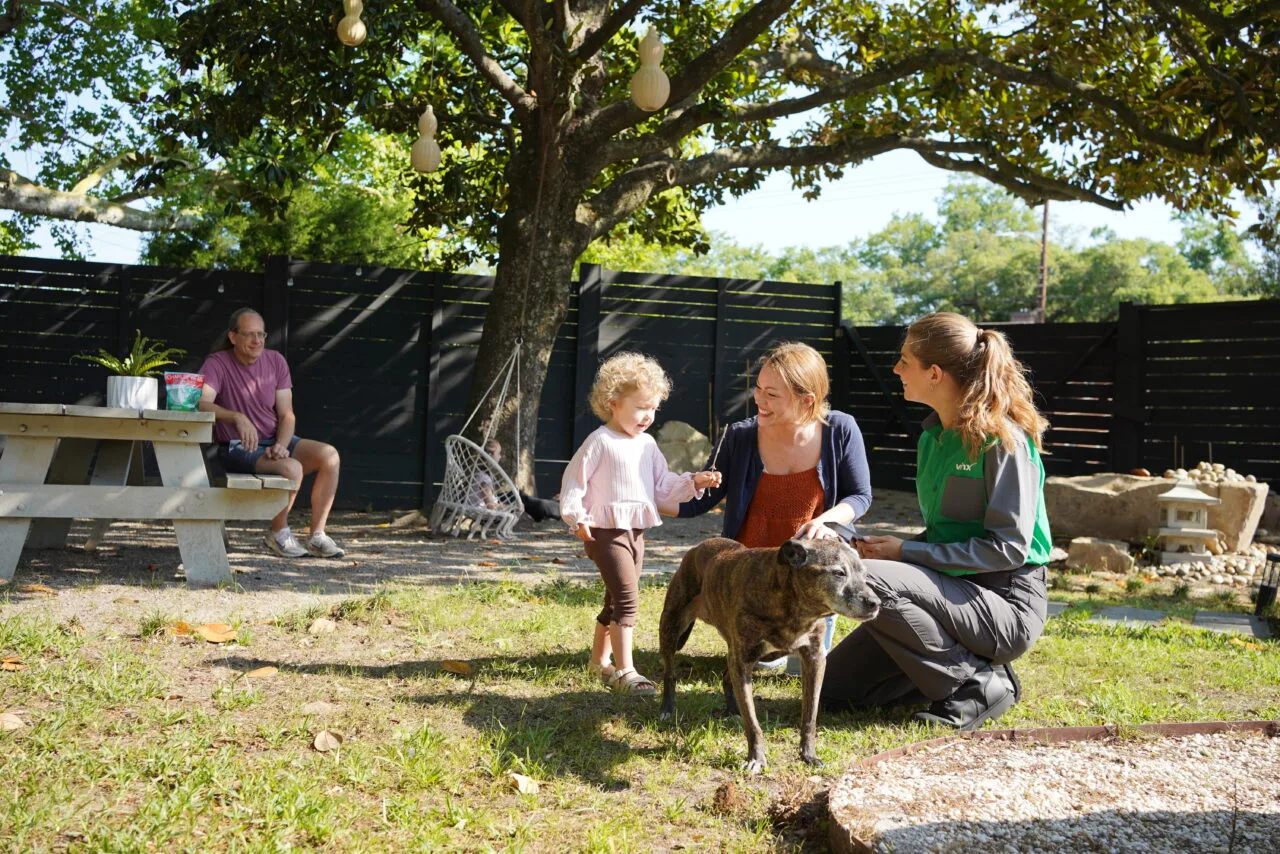
Our Treatments Are Safe for Your Whole Family: Including the Furry Members
Every product we use is EPA-registered and applied strictly at labeled rates by licensed technicians. We take the guesswork out of safety so you can feel confident letting kids and pets back into treated areas quickly.
EPA-Registered Products Only
Applied strictly at labeled rates by licensed South Carolina technicians trained to use the right product in the right place, every time.
In-Ground Bait Stations
TotalDefense stations are installed below ground and locked, with no chemical exposure risk to kids or pets playing in the yard.
No Widespread Interior Spraying
Bait-based treatment eliminates the need for extensive interior chemical application in most cases.
Licensed SC Technicians
Every treatment is performed by a licensed technician trained on termite biology and safe application practices.
Have a concern about products used near your pets or children? Call 855-800-8469 and we’ll walk you through exactly what we use and why it’s safe.
Explore More
More Pest Control Services in Lexington

Pest Control Lexington
Year-round protection plan

Ant Control Lexington
Fire ants & all ant species

Mosquito Control Lexington
Monthly barrier treatments
Tick & Flea Control Lexington
Yard & interior treatments

Rodent Control Lexington
All rodents covered

Cockroach Control Lexington
American & German roaches

Bed Bug Control Lexington
Heat & liquid treatments

Spider Control Lexington
All spider species covered
Exterminator Lexington
Same-day local exterminators
Frequently Asked Questions
Termite Control FAQ for Lexington Homeowners
Termite TotalDefense standalone protection opens at $35/mo with free inspection, quarterly monitoring and a renewable annual warranty. Final costs follow home size, foundation type and any conducive conditions identified at inspection. Call 855-800-8469 for a free quote.
Not to the level seen on the South Carolina coast. Clemson’s Home & Garden Information Center confirms Formosan termite concentration is heaviest from Charleston south to Beaufort, well south of Lexington — though Lexington County does appear on Clemson’s documented list, so an inspector should confirm rather than assume. The native eastern subterranean termite is the primary local concern instead.
No, not genuinely. Clemson’s own statewide termite survey found the eastern drywood termite limited to a handful of coastal counties, and Lexington’s inland location isn’t part of that documented range.
Yes. Proximity to the river keeps soil moisture elevated near the Saluda River Club and Kingston Harbour corridor, and Clemson notes subterranean termites live in the soil and must maintain contact with the ground or another moisture source to survive, which is why consistently damp ground raises the risk.
Yes, somewhat. Established, older wood-frame construction gives termites more structural wood to exploit compared to newer builds, which is why regular inspection matters for this corridor.
In-ground bait stations are placed around the perimeter, giving foraging termites a preferred food source that contains a growth regulator. Worker termites return it to the colony, queen and all, stopping reproduction and eliminating the colony at its source rather than the visible workers alone.
Signs to watch: pencil-width mud tubes on foundation walls, wings left near windowsills after a swarm, hollow-sounding wood and blistering paint. Damage from subterranean termites often is not visible until extensive, making a professional inspection the most reliable way to know for certain.
Typically not. Since termite damage is regarded as preventable maintenance rather than a covered peril, ongoing protection and early detection through annual inspections carry more weight than most homeowners appreciate.
Yes. Aging commercial construction carries the same wood-to-soil contact risk as older residential homes, and Vinx offers termite inspections and TotalDefense protection for commercial properties as well.
Yes. Vinx Pest Control is licensed and insured to operate in South Carolina, with technicians specifically trained to identify and treat the Eastern subterranean termite activity genuinely found throughout Lexington and the greater Columbia area.
Service Coverage
Termite Control Across Lexington & the Greater Columbia Area
Serving every neighborhood in and around Lexington.
Serving the Greater Columbia Area