
Termite Control in Irmo, SC
Eastern Subterranean Termite Experts for the Lake Murray Corridor
Termite control in Irmo addresses the species that is actually here: the native eastern subterranean termite. Irmo straddles Richland and Lexington counties — roughly three quarters of the town sits on the Richland side — and both appear on Clemson’s list of counties with documented Formosan colonies, so identification is worth doing rather than assuming — but drywood termites are a coastal-county problem, not a Midlands one. Vinx works with the Sentricon bait system. Free re-treatment guarantee.
Get Started in 60 Seconds
Choose what’s easiest for you
Request a Quote
We usually respond in 2 minutes
Call 803-925-8469
Get a Live Person (no AI agents here!)
Sign Up Online
Get pricing and schedule now





Welcome to Vinx Pest Control
A Company That Actually Backs What It Says
At Vinx, we combine professional-grade treatments with a level of service most pest control companies don't offer. Local technicians, fast response times, and a guarantee that actually means something.
Get a Free Quote"I'm not passionate about killing bugs. I'm passionate about customer service. At Vinx, you get experts who show up, do the job right, and stand behind every visit. No runaround, no fine print."
WELCOME TO VINX PEST CONTROL
Protection Plans for Irmo Homeowners

Standard Residential Protection
- 4 Seasonal Treatments Per Year
- 50+ Covered Pests
- Interior, Exterior & Yard Treatment
- Unlimited Free Re-Services
- 100% Money-Back Guarantee

Upgraded Yard Protection
- 6 Home & Yard Treatments Per Year
- 50+ Covered Pests
- Yard Ant Elimination Guarantee
- Flea & Tick Elimination Guarantee
- 100% Money-Back Guarantee

Most Comprehensive Protection
- 9 Treatments Per Year
- 50+ Covered Pests
- 8 Mosquito Treatments (Mar–Nov)
- Flea, Tick & Ant Coverage
- Free Bed Bug Treatments if Needed*
*Starting rates vary by home size and area. All plans billed monthly.
Request Your Free Termite Inspection
Fill out the form below and a Vinx team member will reach out within 2 minutes during business hours.
Prefer to talk? Call 803-925-8469 for a live person, no AI agents.
Our Approach
How Vinx Protects Your Irmo Home from Termites

Thorough Termite Inspection
Your technician inspects the full structure, foundation, crawlspace, attic, interior walls, window and door frames, and all wood-to-soil contact points. We look for mud tubes, frass, hollow-sounding wood, evidence of a swarm and conducive conditions such as moisture intrusion or poor drainage. Every finding goes into the inspection report, which then shapes your treatment plan.
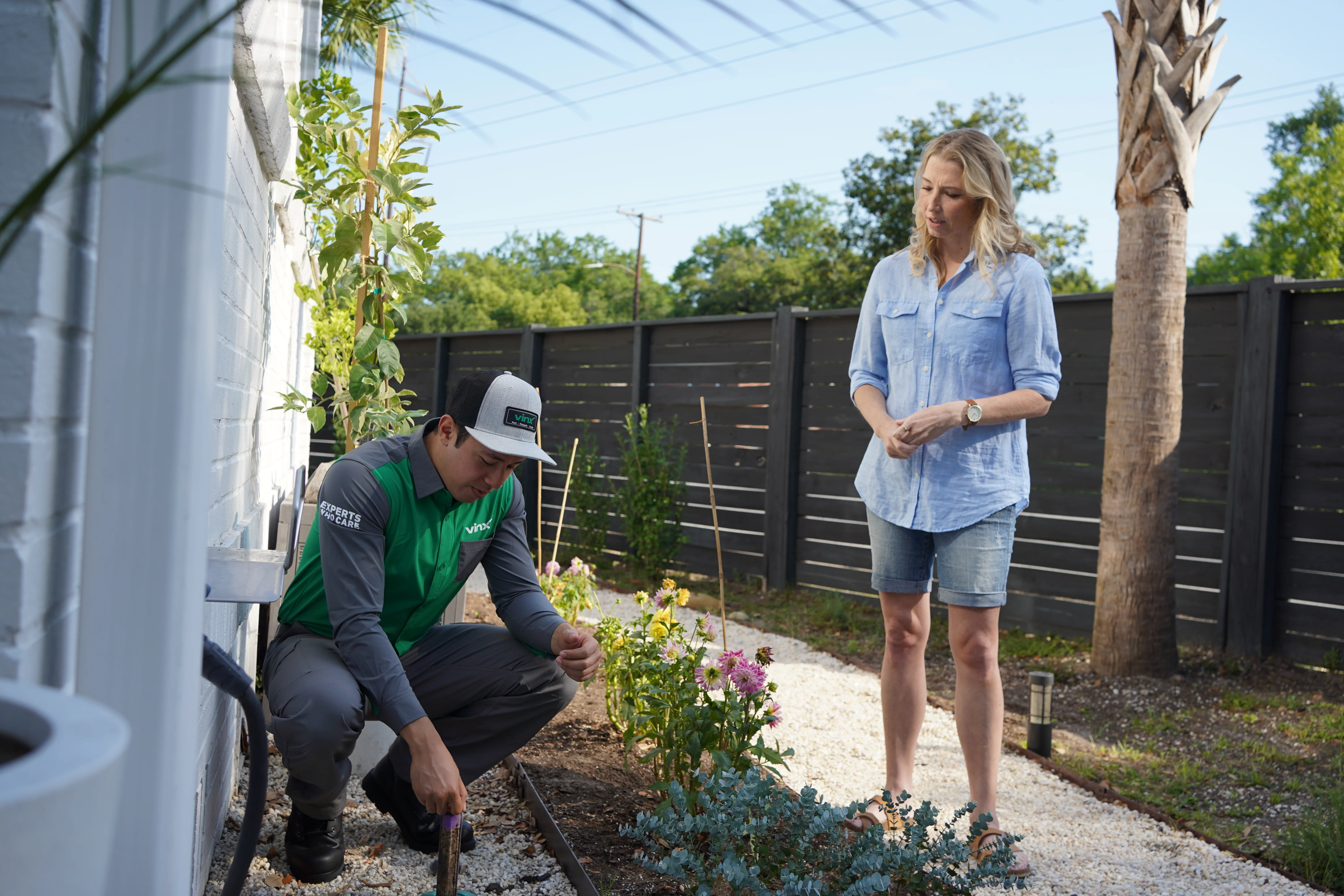
Foundation & Perimeter Treatment
A liquid termiticide barrier is applied around the full foundation perimeter, including beneath slabs and around utility penetrations. The result is an unbroken treated zone that kills termites on contact and keeps new colonies out. Both interior and exterior foundation walls are treated, which is what makes the protection complete.
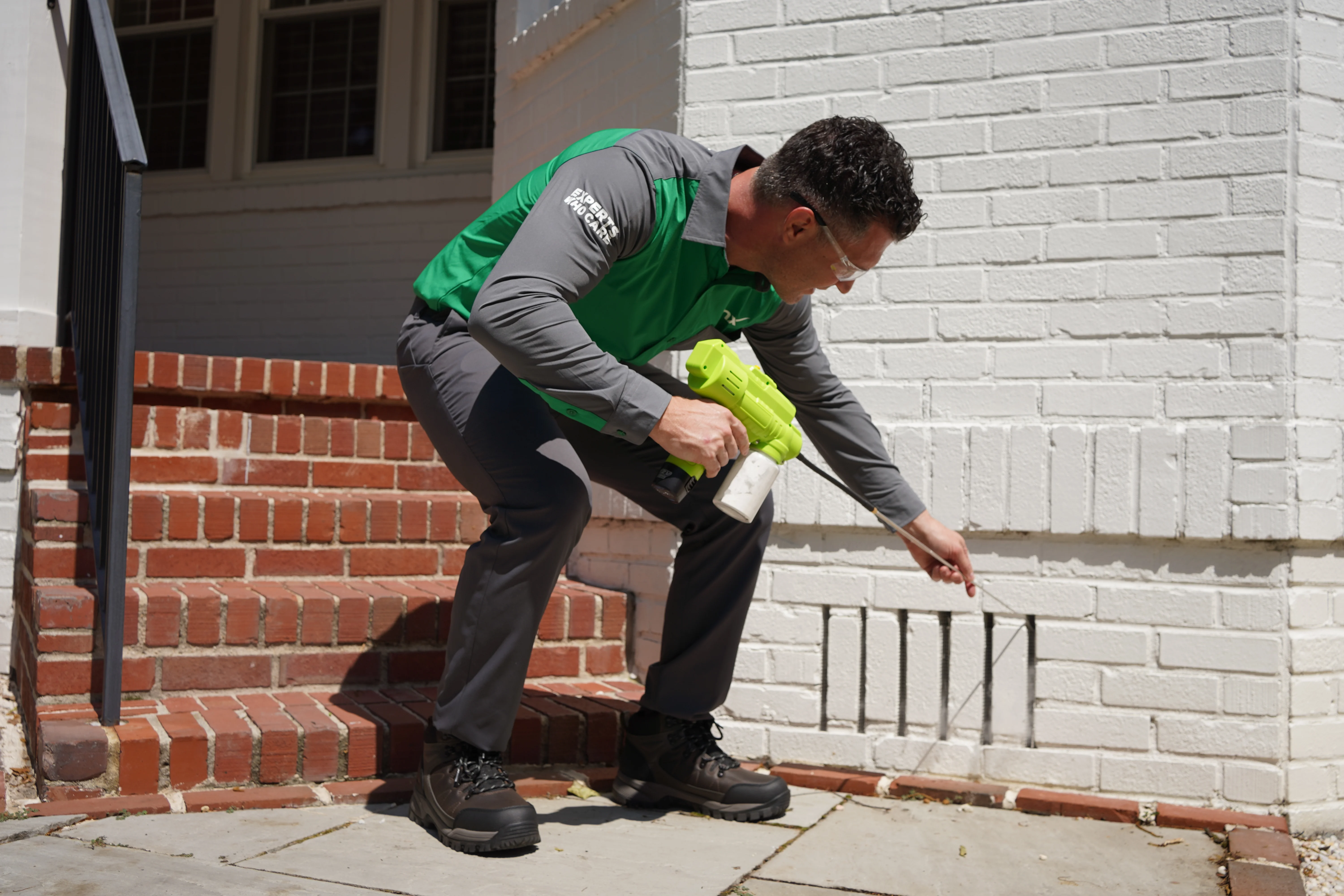
Direct Colony Treatment
Active termite galleries and mud tubes are treated directly with termiticide foam or dust, reaching deep into the colony tunneling network. Targeting it this way clears the existing colony fast while the perimeter barrier blocks re-infestation. Affected wood members are recorded, with repair recommendations supplied.
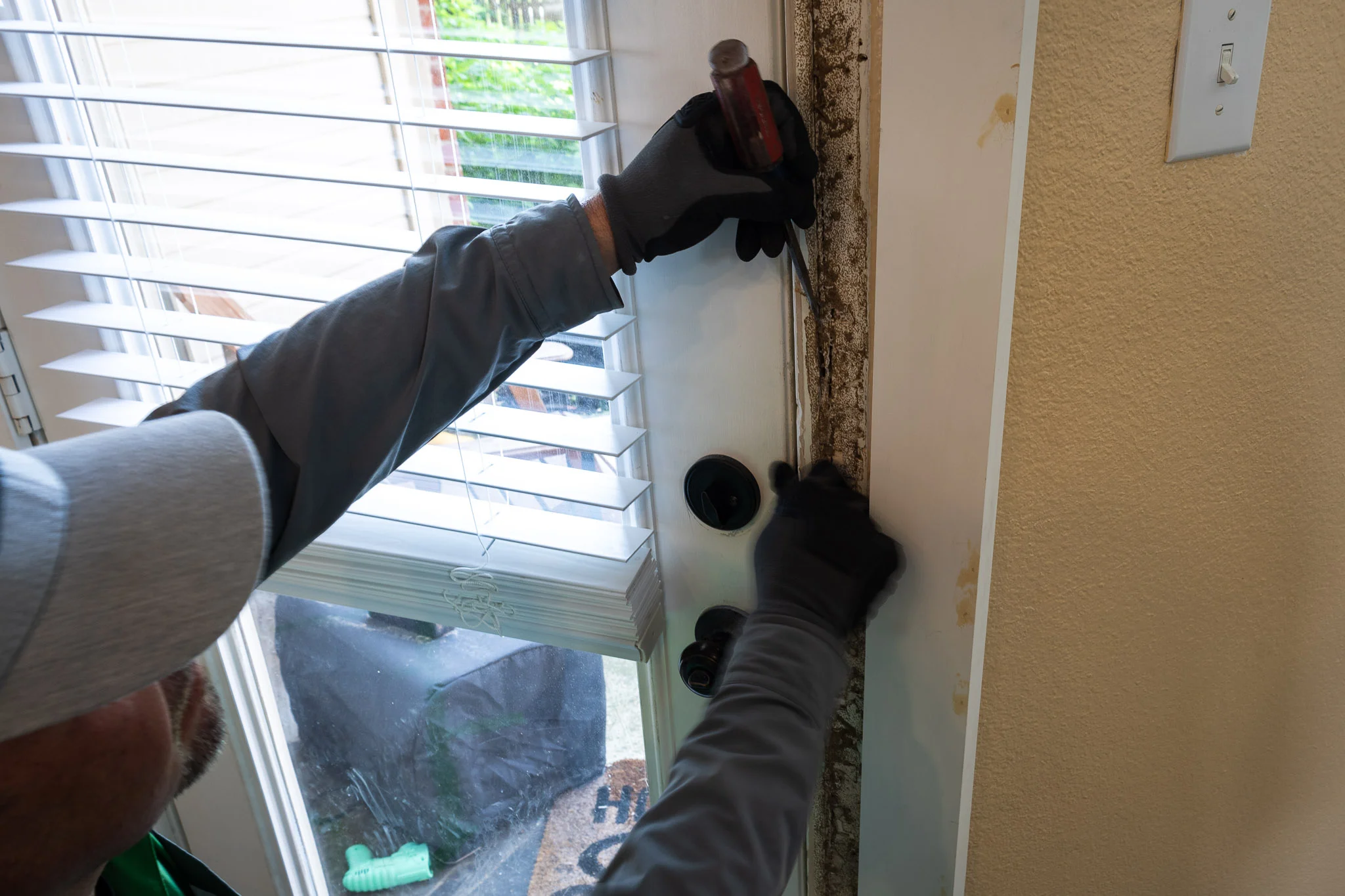
Annual Inspection & Re-Treatment Guarantee
Annual termite inspections keep your protection current and catch any new activity early. If termites return between scheduled visits, we re-treat at no additional charge, that is our guarantee. Your technician will also advise on moisture control, removing wood contact and the landscaping changes that bring long-term termite pressure down.
What Our Customers Say
What Irmo Homeowners Say About Vinx Termite Protection
We sold our house and had to have a final expectation. Leon was very good and answered all my questions he also completed and checked out the things that out home inspection ask about. Leon had been to my house couple other times he is very personal and professional
They have done a great job communicating when they come out for scheduled service and have done a good job with the general pest prevention.
Leon is a consummate professional and always punctual!
Utah Jordan was an awesome young man. He was transparent about their services and how he can help me . If your looking for a new pest, termite , or mosquito service I would recommend speaking to him
Great company, product compound keeps the mosquitos and other simple pests gone and will come to respray if necessary. Would definitely recommend!!
It was so good to see Leon again and as usual he did an excellent job going through my home’s annual termite inspection.
Best service in the industry. Really happy for having switched service to VINX! Leon ia a super 🌟!
Very professional knowledgeable personable great tech would recommend Leon to anyone
The Local Threat
Why Termite Control in Irmo Isn’t One-Size-Fits-All
A lot of pest control pages list every termite species found anywhere in the Southeast without checking which ones are actually established locally. Formosan termites, a genuinely serious threat along the South Carolina coast, are confirmed by Clemson’s Home & Garden Information Center to concentrate from Charleston south to Beaufort, concentrated well south of Irmo — though Lexington County is on Clemson’s list of counties with documented colonies. Drywood termites, documented by Clemson’s own termite survey in only a handful of coastal counties, aren’t established here. Building a plan around either species instead of the native eastern subterranean termite would misdirect a treatment plan away from the actual threat.
The native Eastern subterranean termite is the real, well-documented risk throughout Irmo, and the conditions driving it vary by zone. Irmo’s position directly on Lake Murray gives lakefront properties near Ballentine elevated soil moisture, and that matters for a specific reason: Clemson notes subterranean termites live in the soil and must keep contact with the ground or another moisture source to survive, and that they find moist or decayed wood more attractive than dry wood — which is why the worst damage usually shows up around structural or plumbing leaks rather than spread evenly through a house. The established wood-frame homes throughout Friarsgate and the wooded properties along Dutch Fork Road give termites established structural wood to exploit. Older commercial buildings along Harbison and the downtown corridor carry the wood-to-soil contact risk typical of aging construction.
The ground under Irmo is clay rather than sand, and that changes what a moisture problem looks like. The USDA soil survey maps the town on classic Piedmont soils — Cecil, Appling, Enon, Mecklenburg and Nanford — with Chewacla loam marked frequently flooded and Chenneby soils somewhat poorly drained through the low ground. Piedmont clay does not shed water the way the Sandhills sand east of Columbia does; it holds it near the surface and gives it up slowly, so a downspout discharging against a foundation stays a problem for days rather than hours. Clay also shrinks and swells as it wets and dries, opening the fine cracks a subterranean termite uses to reach a slab edge.
Termite Species & Irmo
Eastern Subterranean Termite
The most widespread and genuinely established termite threat throughout Irmo and the broader Midlands. Colonies live underground and build pencil-width mud tubes to reach structural wood while avoiding light and dry air. A mature colony can number in the hundreds of thousands and cause serious structural damage over years, often with no visible surface sign until the damage is extensive. A real risk across every part of the city, from lakefront properties near Ballentine to established homes throughout Friarsgate.
Formosan Subterranean Termite
Clemson’s Home & Garden Information Center confirms Formosan termite concentration runs heaviest in coastal South Carolina from Charleston south to Beaufort. Lexington County appears on Clemson’s list of counties with documented colonies, but the heaviest activity sits well to the south. The native eastern subterranean termite is the species actually established throughout Irmo and the one a treatment plan should be built around.
Eastern Drywood Termite
Clemson’s own statewide termite survey found the eastern drywood termite limited to a handful of coastal South Carolina counties. This species needs no soil contact and nests directly in dry wood, but it isn’t established in Irmo’s inland Midlands location. Another species some generic pest control pages list without local verification.
Termite Risk by Neighborhood
Know Your Irmo Neighborhood’s Termite Risk
Ballentine & Lake Murray Corridor: Elevated Moisture Risk
Proximity to Lake Murray keeps soil moisture elevated near Ballentine and the lake shoreline year-round. Pest control resources confirm that consistently damp soil increases termite risk since Eastern subterranean termites thrive in moist environments. Lakefront properties here warrant extra attention during quarterly monitoring, particularly after wet seasons when soil saturation runs highest.
Friarsgate Corridor: Established Wood-Frame Construction Risk
The established, older wood-frame homes throughout Friarsgate give Eastern subterranean termites ample structural wood to exploit. Pier-and-beam foundations and older crawl spaces in this corridor provide direct access to framing, the same structural factors that increase termite risk in older residential neighborhoods throughout the Midlands. Regular inspection is particularly worthwhile for homes in this corridor.
Dutch Fork Road Corridor: Wooded Property Risk
Wooded, historically rural properties along the Dutch Fork Road corridor combine soil moisture, downed wood, and tree root systems close to structures, exactly the conditions that support active Eastern subterranean termite colonies. Wood debris near foundations and wood-to-soil contact points throughout this corridor are the most common conducive conditions found during inspections here.
Harbison & St. Andrews Corridor: Commercial Construction Risk
Aging commercial buildings along this busy corridor carry the same wood-to-soil contact risk found in older residential construction. Structural wood in aging retail and commercial properties along Harbison can be exploited by Eastern subterranean termites without any visible sign at the surface, making professional inspection particularly important for building owners and managers.
Lake Murray Boulevard & Downtown Irmo Corridor: Aging Structure Risk
Older restaurants, retail buildings, and mixed-use construction throughout the downtown corridor carry the wood-to-soil contact risk typical of aging structures throughout the Midlands. Downtown buildings with crawl spaces, older framing, or utility areas with wood-to-soil contact are the most common termite activity sites in this corridor.
Warning Signs
Signs of Termite Activity in Your Irmo Home
Mud Tubes on Foundation
Pencil-width tunnels of soil along foundation walls or piers, the primary travel route for subterranean termites from soil to wood.
Hollow-Sounding Wood
Tap structural wood with a screwdriver handle. A hollow or papery sound means the interior has been eaten out behind a surface that still looks whole.
Sticking Doors & Windows
Termite damage and the moisture they introduce can warp door and window frames, making them difficult to open or close properly.
Bubbling or Peeling Paint
Paint that bubbles, blisters, or peels in unusual patterns, especially near baseboards or window frames, can indicate moisture from termite activity below the surface.
Frass Near Baseboards
Drywood termites push fecal pellets (frass) out of small kick-out holes. Those tiny sand-like piles gather along baseboards and window sills.
Discarded Wings Near Windows
Termite swarmers shed their wings after finding a new nesting site. Discarded wings heaped on window sills or by light fixtures are the classic early warning.
Soft Spots in Floors
Floors that feel spongy, bouncy, or soft underfoot, particularly in crawl space homes, can indicate termites have damaged the subfloor or floor joists below.
Pinholes in Drywall
Small, round entry or exit holes in drywall, sometimes accompanied by faint clicking or rustling sounds inside walls, can signal an active termite infestation.
Homeowner Tips
6 Ways to Reduce Termite Risk Around Your Irmo Home
Kid & Pet Safe
Our Treatments Are Safe for Your Whole Family: Including the Furry Members
Every product we use is EPA-registered and applied strictly at labeled rates by licensed technicians. We take the guesswork out of safety so you can feel confident letting kids and pets back into treated areas quickly.

EPA-Registered Products Only
Applied strictly at labeled rates by licensed South Carolina technicians trained to use the right product in the right place, every time.
In-Ground Bait Stations
TotalDefense stations are installed below ground and locked, with no chemical exposure risk to kids or pets playing in the yard.
No Widespread Interior Spraying
Bait-based treatment eliminates the need for extensive interior chemical application in most cases.
Licensed SC Technicians
Every treatment is performed by a licensed technician trained on termite biology and safe application practices.
Have a concern about products used near your pets or children? Call 855-800-8469 and we’ll walk you through exactly what we use and why it’s safe.
Explore More
More Pest Control Services in Irmo

Pest Control Irmo
Year-round protection plan

Ant Control Irmo
Household ants & others

Bed Bug Control Irmo
Heat & liquid treatments

Cockroach Control Irmo
American & German roaches

Mosquito Control Irmo
Monthly barrier treatments

Rodent Control Irmo
All rodents covered

Spider Control Irmo
All spider species covered

Tick & Flea Control Irmo
Yard & pet protection
Exterminator Irmo
Same-day local exterminators
Frequently Asked Questions
Termite Control FAQ for Irmo Homeowners
Standalone protection under Termite TotalDefense starts at $35/mo, covering a free inspection, quarterly monitoring and a renewable annual warranty. The final figure depends on the home's size, its foundation type and any conducive conditions found during inspection. Call 855-800-8469 for a free quote.
Not in the numbers found on the South Carolina coast. Clemson’s Home & Garden Information Center confirms Formosan termite concentration is heaviest from Charleston south to Beaufort, well south of Irmo — though Lexington County does appear on Clemson’s documented list, so an inspector should confirm rather than assume. Locally it is the native eastern subterranean termite that matters most.
No, not genuinely. Clemson’s own statewide termite survey found the eastern drywood termite limited to a handful of coastal counties, and Irmo’s inland location isn’t part of that documented range.
Yes. Proximity to the lake keeps soil moisture elevated near Ballentine and the Lake Murray shoreline. Clemson’s explanation of why is the useful part: subterranean termites live in the soil and must maintain contact with the ground or another moisture source to survive, and they find moist or decayed wood more attractive than dry wood. That is also why the most extensive damage tends to be found around structural or plumbing leaks, so a lakeside lot and a slow leak under a bathroom are the same problem from a colony’s point of view.
Yes, somewhat — and the reason is that most of Irmo was built at the same time. Census figures put the median year of construction here at 1985, with about 1,600 housing units dating from the 1970s and another 1,470 from the 1980s out of roughly 4,900 in total. Close to two thirds of the town went up inside one twenty-year window, and almost nothing predates 1960. That is unusual, and it matters for termites: established wood-frame construction gives a colony more structural wood to work with than a new build, but it also means the crawl spaces, the grade around the foundations, and any original soil pre-treatment across whole neighborhoods reached the same age at the same time. Friarsgate is the clearest example. Regular inspection matters more here than in a town where the housing stock is spread across a century.
In most cases yes. The CL-100 is the Official South Carolina Wood Infestation Report, and it comes up in the large majority of residential sales here because most lenders want one in hand before closing. Only a company whose inspector is certified in the Wood-Destroying Organism category can issue one, and that certification is regulated by Clemson University’s Department of Pesticide Regulation — Vinx holds South Carolina license B3623. Two points are worth being clear about, because they are commonly misunderstood. A CL-100 records what an inspector found on the day of the inspection; it is not a warranty that the house will stay clear afterward. And the report on its own does not require anyone to repair what it lists — any obligation to fix damage, and any deadline for producing the report, comes from your contract or your lender rather than from the state. In Irmo the practical issue is usually the crawl space. On a lakeside lot near Ballentine, or under a 1970s or 1980s home where the grading has settled over forty-odd years, it is often moisture readings rather than live termites that generate the findings, and that is far easier to deal with before you are working against a closing date.
Bait stations are installed in the ground around the home's perimeter, where foraging termites find a preferred food source holding a growth regulator. Workers carry it into the colony, reaching the queen, halting reproduction and taking out the colony at its source rather than just the workers on show.
Typical signs include pencil-width mud tubes on foundation walls, discarded wings at windowsills after a swarm, hollow-sounding wood and blistering paint. Subterranean termite damage tends to stay hidden until it is extensive, so a professional inspection is the most reliable way to find out.
Typically not. Termite damage is generally a preventable maintenance issue in the eyes of insurers, not a covered peril, which makes ongoing protection and annual inspections more important than most homeowners realize.
Yes. Aging commercial construction carries the same wood-to-soil contact risk as older residential homes, and Vinx offers termite inspections and TotalDefense protection for commercial properties as well.
Yes. Vinx Pest Control is licensed and insured to operate in South Carolina, with technicians specifically trained to identify and treat the Eastern subterranean termite activity genuinely found throughout Irmo and the greater Columbia area.
Yes, and Clemson recommends it directly: when building a new home, have a termite pre-treatment done by a licensed South Carolina pest control operator. It is normally carried out in two stages — a soil termiticide application after the foundation footings are constructed, and a second treatment shortly after the structure is completed — or with bait stations placed around the finished building. Two details from the same guidance save trouble later. Wood stakes used for foundations and porches should be pulled before the concrete is poured, because anything cellulose left buried beside a foundation is a food source with a direct path to the structure. And termites can tunnel into a building through foam board insulation that sits in contact with the ground, so that detail is worth raising with your builder rather than discovering afterward. This is relevant in Irmo because construction here has genuinely picked back up: roughly 960 of the town’s housing units have been built since 2010, after two decades of comparatively little building.
Service Coverage
Termite Control Across Irmo & the Midlands
Vinx technicians cover every neighborhood in Irmo and the surrounding Columbia metro area.
Serving the Greater Columbia Area