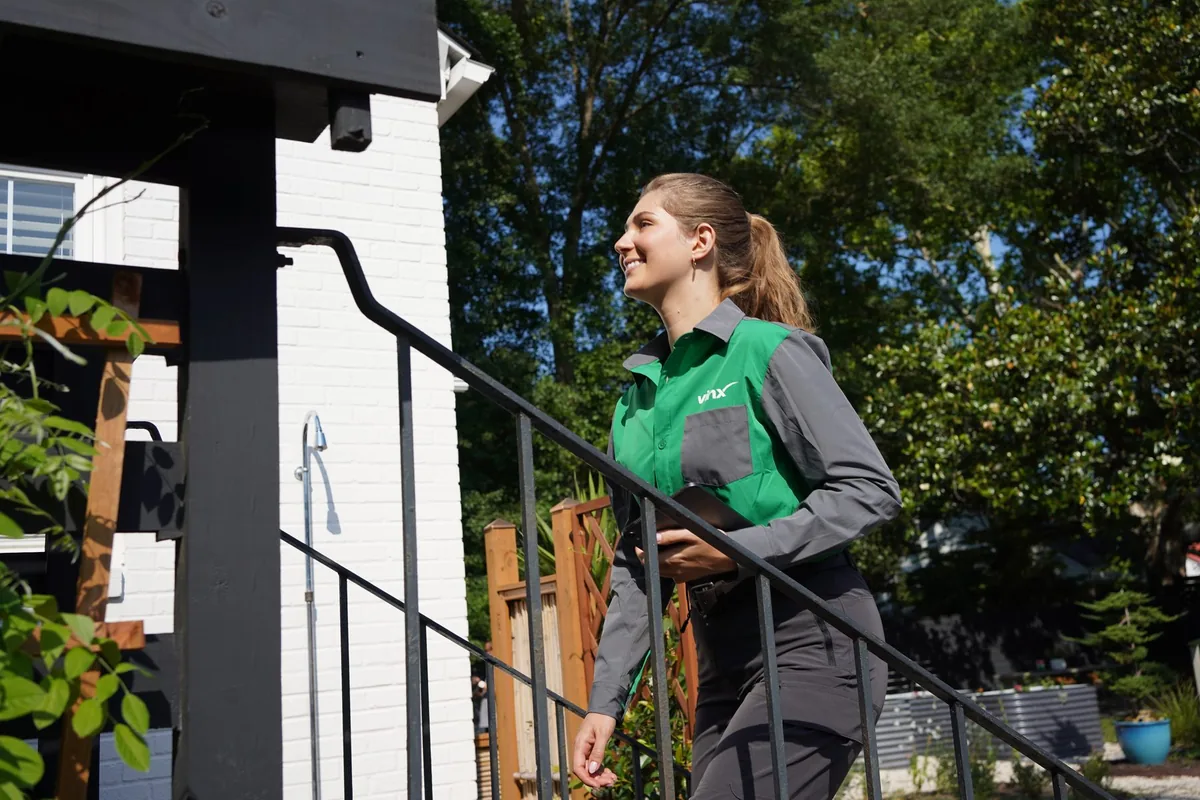
Termite Control in Blythewood, SC
Eastern Subterranean Termite Experts: Termite TotalDefense Bait System for Every Blythewood Property
Termite control in Blythewood addresses the species that is actually here: the native eastern subterranean termite. About nine-tenths of the town lies in Richland County, which is on Clemson’s list of counties with established Formosan colonies; the Fairfield County remainder is not, so identification is worth doing rather than assuming. Census Bureau survey estimates put the median Blythewood home at 2010, and on housing stock this new the first question is usually whether a soil pre-treat was ever done. Vinx uses the Sentricon bait system. Free termite inspection.
Get Started in 60 Seconds
Choose what’s easiest for you
Request a Quote
We usually respond in 2 minutes
Call 803-925-8469
Get a Live Person (no AI agents here!)
Sign Up Online
Get pricing and schedule now





Welcome to Vinx Pest Control
A Company That Actually Backs What It Says
At Vinx, we combine professional-grade treatments with a level of service most pest control companies don't offer. Local technicians, fast response times, and free re-services for covered pests between visits.
Get a Free Quote"I'm not passionate about killing bugs. I'm passionate about customer service. At Vinx, you get experts who show up, do the job right, and stand behind every visit. No runaround."
WELCOME TO VINX PEST CONTROL
Protection Plans for Blythewood Homeowners

Standard Residential Protection
- 4 Seasonal Treatments Per Year
- 40+ Covered Pests
- Interior, Exterior & Yard Treatment
- Unlimited Free Re-Services
- Guaranteed Coverage for Common Household Pests

Upgraded Yard Protection
- 6 Home & Yard Treatments Per Year
- 40+ Covered Pests
- Fire Ant Warranty
- Exterior Flea & Tick Warranty
- Guaranteed Coverage for Common Household Pests

Most Comprehensive Protection
- 9 Treatments Per Year
- 40+ Covered Pests
- 8 Mosquito Treatments (Apr–Nov)
- Flea, Tick & Ant Coverage
- Free Bed Bug Treatment After 12 Months on Platinum
*Starting rates vary by home size and area. All plans billed monthly.
Request Your Free Termite Inspection
Fill out the form below and a Vinx team member will reach out within 2 minutes during business hours.
Prefer to talk? Call 803-925-8469 for a live person, no AI agents.
Our Approach
How Vinx Protects Your Blythewood Home from Termites

Thorough Termite Inspection
Your technician inspects the full structure, foundation, crawlspace, attic, interior walls, window and door frames, and all wood-to-soil contact points. We identify mud tubes, frass, hollow-sounding wood, swarm evidence, and conducive conditions like moisture intrusion or improper drainage. The inspection report documents all findings and informs your treatment plan.
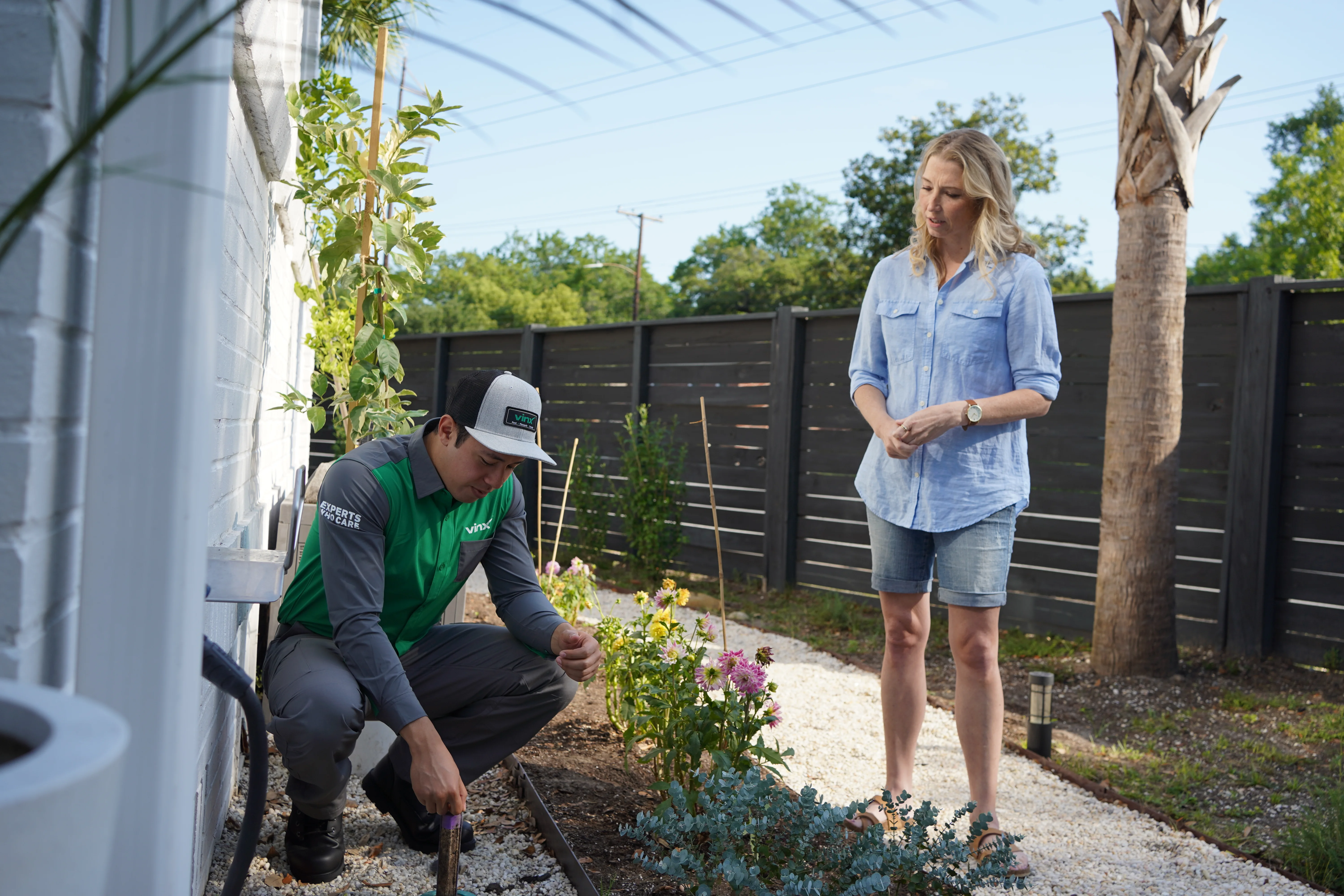
Foundation & Perimeter Treatment
A liquid termiticide barrier is applied around the full foundation perimeter, including beneath slabs and around utility penetrations. Clemson describes this as termiticide applied to the soil under and beside a building to form a barrier against termites tunneling up toward it.
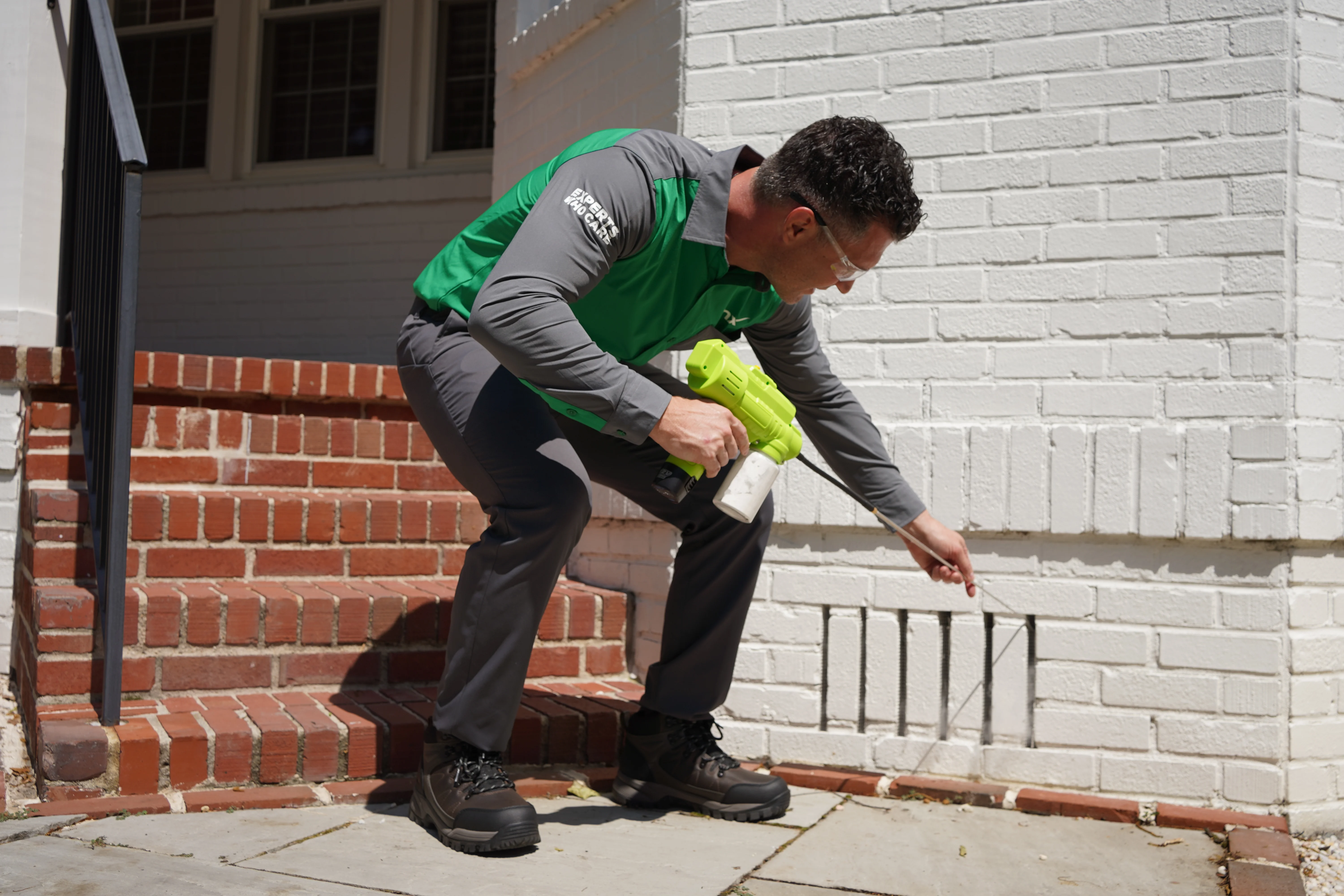
Direct Colony Treatment
Active termite galleries and mud tubes are treated directly with termiticide foam or dust, reaching deep into the colony tunneling network. This targets termites already feeding in the structure, while the soil barrier deals with workers tunneling in from outside. Affected wood members are documented and repair recommendations are provided.
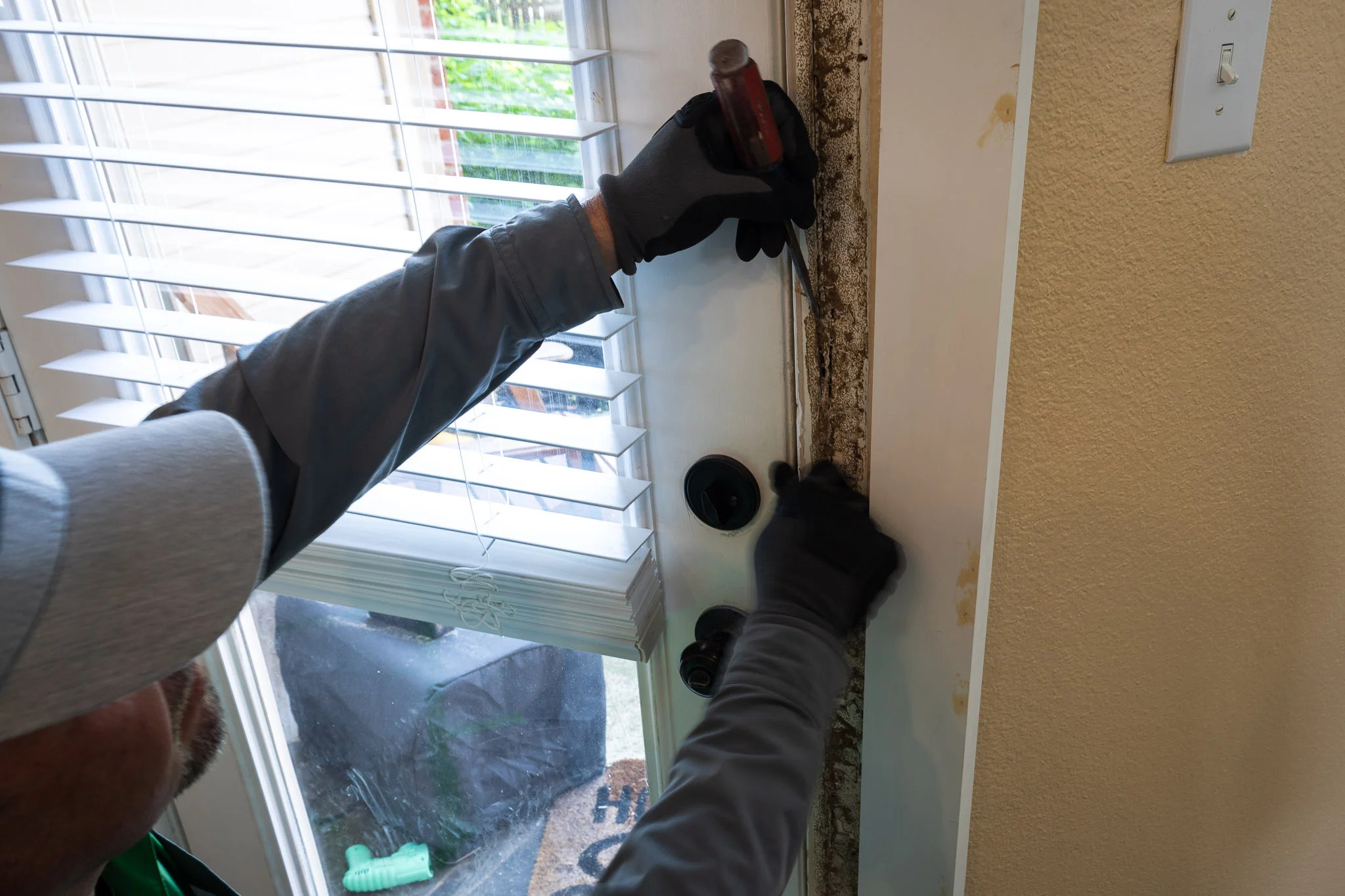
Annual Inspection & Monitoring
Annual termite inspections keep your protection current and catch any new activity early. If new activity turns up between scheduled visits, treatment follows under the terms of your termite service agreement. Your technician also advises on moisture control, wood contact elimination, and landscaping adjustments that reduce long-term termite pressure.
What Our Customers Say
What Blythewood Homeowners Say About Vinx Termite Control
Vinx Pest Control sent Adrian out to treat my property on Friday and I noticed results first thing on Saturday, talk about fast results. Vinx also have a great employee in Adrian, he came out and got straight to the point of working and knew where and how to treat my property especially around my fruit 🌳s really appreciate this young man.
The technician (Spencer) was very detailed and answered every question that I had. He was patient with me and made sure that he took care of everything that was paid for. I appreciated his professionalism and the respect he showed to my company and me. I would love for him to be my technician each time. Thank you for being a great person and taking your job with utmost dedication.
Leon was a gem. He was pleasant, knowledgable, thorough and informative. At the end of the inspection I understood every aspect of my problem.
Mr. George was outstanding he was outstanding and very knowledgeable. I would recommend hin to our neighbors. Thank you dir your service
I’ve been with Vince for over three years and I tell you I would recommend this company to anybody they respond promptly they care they never hesitated no matter how many times you call with a problem and Jonathan that guy is the best. The best. This company is the best company I’ve ever dealt with ever
Jonathan our technician did an awesome job, answered any questions I had and explained what he was doing. Thank you Johnathan & Vinx!! ***UPDATE- just had Darrell come out for a termite inspection. He was very thorough and explained everything to me and then sent me a follow up message regarding the service! Love Vinx professionalism!
Leon was great. He did the inspection showed me pictures & explained what to expect including the estimated cost. They returned as scheduled to complete the service. The in office customer service was courteous, too. The service experience was 10 out of 10 would recommend.
Jason is great! Jason is knowledgeable, very polite, & very thorough. He explained everything in perfect detail. HIGHLY RECOMMEND!!!
The Local Threat
Why Termite Control in Blythewood Isn’t One-Size-Fits-All
A lot of pest control pages list every termite species found anywhere in the Southeast without checking which ones are actually established locally. Clemson’s Home & Garden Information Center says Formosan termites are most concentrated from Charleston south to Beaufort, yet it also lists Richland County, home to most of Blythewood, among the 16 South Carolina counties with established colonies, adding that a listing does not mean they are found uniformly throughout a county. Clemson’s statewide termite survey found the eastern drywood termite in six coastal counties plus one Pickens County record, every sample taken from a structure or a light trap, so it is not a species to build a Blythewood plan around. Building a plan around either species instead of the native eastern subterranean termite misdirects it away from the actual threat.
The native Eastern subterranean termite is the real, well-documented risk throughout town. New construction around the Scout Motors site off I-77 creates fresh wood-to-soil contact before landscaping is established. The consistently irrigated turf throughout Cobblestone Park and Longcreek Plantation keeps soil moisture high, favoring foraging. The historic Blythewood Road corridor’s older wood-frame homes give termites established structural wood to exploit. And the wooded land near Kelly Mill Road sustains wild colonies in dead wood and stumps before they migrate toward nearby structures.
The oldest structural wood in town is worth naming. The George P. Hoffman House, built around 1855, was listed on the National Register of Historic Places in 1986, now serves as the town hall, and has long been considered the oldest building in Blythewood, though local research now points to a McNulty Road house as a possible rival. A house of that age is a different proposition from a slab poured last spring: the pre-treatment argument that governs new construction simply does not apply, and protection on fabric of that age rests on soil treatment and monitoring rather than anything done to the building itself.
Termite Species in Blythewood
Eastern Subterranean Termite
The most widespread and genuinely established termite threat throughout Blythewood and the broader Midlands. Colonies live below ground and run pencil-width mud tubes from soil to wood, keeping clear of light and dry air. A mature colony can number in the hundreds of thousands and cause serious structural damage over years, often with no visible surface sign until damage is extensive. Clemson’s termite factsheet notes a colony is normally three to four years old or more before it sends out winged swarmers, so the first wings you see usually belong to a colony that has been feeding for some time.
Formosan Subterranean Termite
Clemson says Formosan termites are most concentrated from Charleston south to Beaufort, but Richland County, which holds most of Blythewood, is one of the 16 counties where it records established colonies. A county listing does not mean they turn up everywhere in it. Clemson’s own swarm timing helps tell the two apart: native swarms come in early spring, often in the afternoon, while Formosan swarms run mid-May to July, often in the evening around lights.
Drywood Termite
Clemson’s statewide termite survey recorded the eastern drywood termite in six coastal counties and once in Pickens County, every sample from a structure or a light trap. This species needs no soil contact and nests directly inside dry wood; none of the records Clemson describes come from the Midlands, which is why some generic pest control pages list it without local verification.
Termite Risk by Neighborhood
Know Your Blythewood Neighborhood’s Termite Risk
Blythewood Road & Hoffman House Historic Corridor: Eastern Subterranean Termite Risk
Older, wood-frame homes near the historic downtown core give termites established structural wood to exploit. The combination of aging foundations, crawl space construction, and mature landscaping creates elevated risk compared to newer builds. Annual inspection is particularly important for historic-corridor properties.
Cobblestone Park Corridor: Eastern Subterranean Termite Risk
Consistently irrigated turf throughout this golf-course community keeps soil moisture levels high, which favors termite foraging activity more than a typical unirrigated yard. Irrigation-driven moisture is one of the most significant conducive conditions for Eastern subterranean termite activity in the Midlands.
Longcreek Plantation Corridor: Eastern Subterranean Termite Risk
Extensive irrigated landscaping across this large development creates the same moisture-favorable termite conditions found in Cobblestone Park. As the community matures and more structural wood ages in place, the termite risk profile gradually increases year over year.
Scout Motors & I-77 Corridor: Eastern Subterranean Termite Risk
New construction creates fresh wood-to-soil contact points before landscaping and grading are fully established, exactly what Eastern subterranean termites look for. New builds near active construction zones should be inspected and protected before the landscaping phase is complete.
Kelly Mill Road & Rural Fairfield County Line Corridor: Eastern Subterranean Termite Risk
Wooded, forested surroundings sustain wild termite colonies in dead wood, stumps, and fallen trees that can migrate toward nearby structures. Rural properties on larger lots with wooded buffers should prioritize perimeter bait station installation and dead wood removal.
Warning Signs
Signs of Termite Activity in Your Blythewood Home
Mud Tubes on Foundation
Pencil-width tunnels of soil along foundation walls or piers, the primary travel route for subterranean termites from soil to wood.
Hollow-Sounding Wood
Tap structural wood with a screwdriver handle. A hollow or papery sound indicates termites have consumed the interior while leaving the surface intact.
Sticking Doors & Windows
Termite damage and the moisture they introduce can warp door and window frames, making them difficult to open or close properly.
Bubbling or Peeling Paint
Paint that bubbles, blisters, or peels in unusual patterns, especially near baseboards or window frames, can indicate moisture from termite activity below the surface.
Mud Tubes Indoors
Clemson notes shelter tubes are often built on inside walls, porches or chimneys where they cannot be seen, so check the hidden spots as well as the outside of the foundation.
Discarded Wings Near Windows
Termite swarmers shed their wings after finding a new nesting site. Piles of discarded wings on window sills or near light fixtures are a classic early warning sign.
Soft Spots in Floors
Floors that feel spongy, bouncy, or soft underfoot, particularly in crawl space homes, can indicate termites have damaged the subfloor or floor joists below.
Pinholes in Drywall
Small, round entry or exit holes in drywall, sometimes accompanied by faint clicking or rustling sounds inside walls, can signal an active termite infestation.
Homeowner Tips
6 Ways to Reduce Termite Risk Around Your Blythewood Home
Kids & Pets
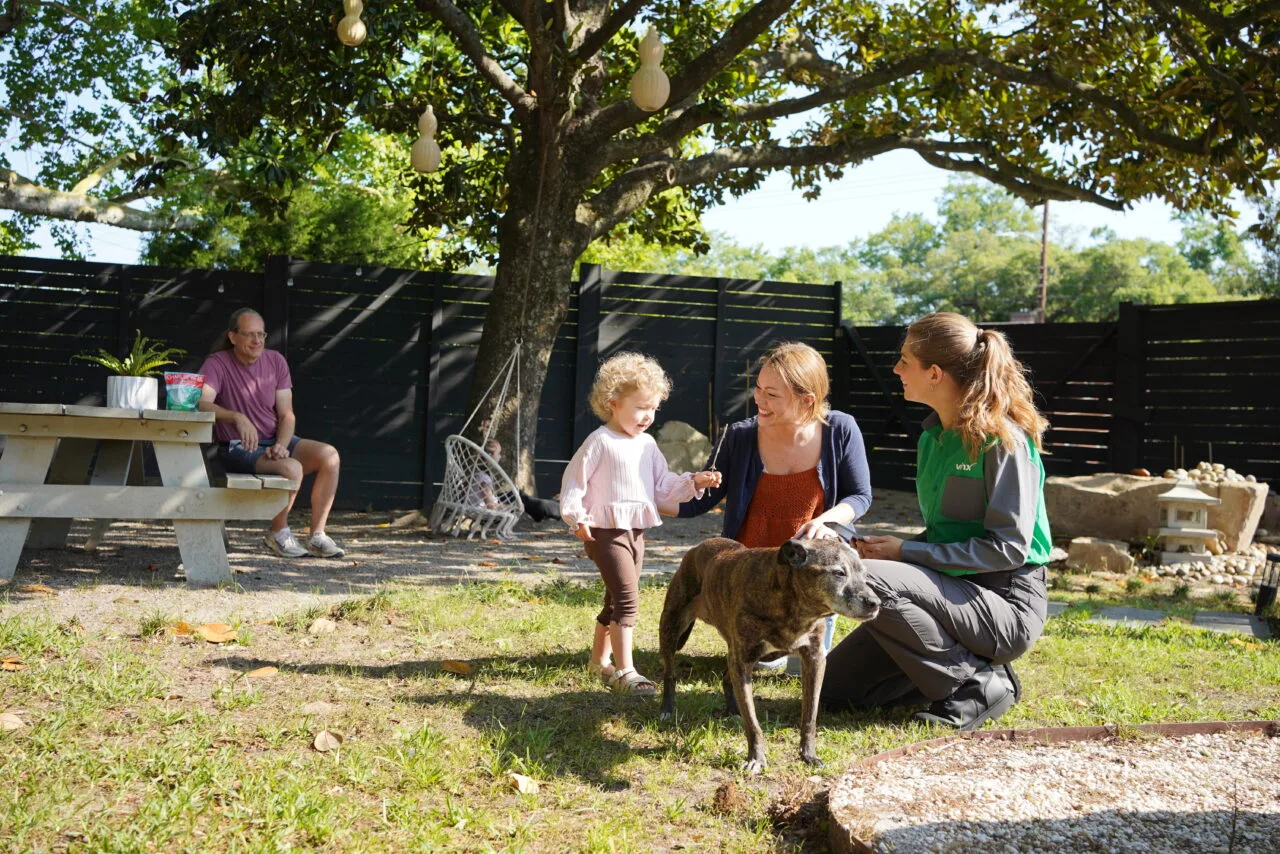
Treating Around Your Whole Family: Including the Furry Members
Every product we use is EPA-registered and applied strictly at labeled rates by licensed technicians. Your technician tells you exactly when kids and pets can go back into treated areas.
EPA-Registered Products Only
Applied strictly at labeled rates by licensed South Carolina technicians trained to use the right product in the right place, every time.
In-Ground Bait Stations
TotalDefense stations are installed below ground and locked, with no chemical exposure risk to kids or pets playing in the yard.
No Widespread Interior Spraying
Bait-based treatment eliminates the need for extensive interior chemical application in most cases.
Licensed SC Technicians
Every treatment is performed by a licensed technician trained on termite biology and label-directed application practices.
Have a concern about products used near your pets or children? Call 855-800-8469 and we’ll walk you through exactly what we use and when treated areas can be used again.
Explore More
More Pest Control Services in Blythewood

Pest Control Blythewood
Year-round protection plan
Ant Control Blythewood
Household ants & others
Bed Bug Control Blythewood
Heat & liquid treatments
Cockroach Control Blythewood
American & German roaches

Mosquito Control Blythewood
Monthly barrier treatments

Rodent Control Blythewood
Rats, mice & exclusion

Spider Control Blythewood
All spider species covered

Tick & Flea Control Blythewood
Yard & pet protection
Exterminator Blythewood
Same-day local exterminators
Frequently Asked Questions
Termite Control FAQ for Blythewood Homeowners
Termite TotalDefense standalone cover begins at $35/mo with a free inspection and quarterly monitoring, under a termite service agreement that sets out the warranty terms. Final price depends on the size of the home, the foundation type and any conducive conditions the inspection turns up. Call 855-800-8469 for a free quote.
Not to the extent they are along the coast, but they are not ruled out. Clemson says Formosans are most concentrated from Charleston south to Beaufort, and it also lists Richland County, where about nine-tenths of Blythewood sits, among the 16 counties with established colonies. Fairfield County, which holds the rest of the town, is not listed. An inspector should confirm rather than assume; the native eastern subterranean termite is the primary local concern.
They are not a species to plan around here. Clemson’s survey found the eastern drywood termite in six coastal counties and one Pickens County record, and none of its records describe a Midlands find. A professional inspection can rule them out for a specific house.
It can. New construction often creates fresh wood-to-soil contact points before landscaping and grading are fully established, which is exactly the kind of condition Eastern subterranean termites look for. New builds near active construction zones should be inspected and protected early.
Somewhat. The consistently irrigated turf and mature landscaping throughout these communities keep soil moisture levels high, which favors termite foraging activity more than a typical unirrigated yard.
In-ground bait stations go in around the home's perimeter, offering foraging termites a preferred food source laced with a growth regulator. Worker termites take it back to the colony and to the queen, stopping reproduction and clearing the colony at source rather than only the workers you can see.
The usual signs are pencil-width mud tubes on foundation walls, wings discarded by windowsills after a swarm, hollow-sounding wood and blistering paint. Since subterranean termite damage usually stays out of sight until it is extensive, a professional inspection is the most reliable way to know.
Typically not. Insurers treat termite damage as a preventable maintenance issue rather than a covered peril, which is exactly why ongoing protection and early detection through annual inspections matter more than most homeowners expect.
Yes. Older homes along the historic Blythewood Road corridor carry more risk from established structural wood termites have had years to find, while new construction near the Scout Motors corridor carries more risk from fresh wood-to-soil contact before landscaping is complete.
Yes. Vinx Pest Control holds South Carolina Pest Control Operator license B3623, issued through Clemson University’s Department of Pesticide Regulation, and its technicians are trained to identify the eastern subterranean termites found across Blythewood and the greater Columbia area.
Service Coverage
Termite Control Across Blythewood & the Midlands
Vinx technicians cover every neighborhood in Blythewood and the surrounding Columbia metro area.
Serving the Greater Columbia Area