Rodent Control in North Charleston, SC
Norway Rat, Roof Rat & House Mouse Experts, Exclusion + Trapping, Same-Day Appointments
Three rodents drive nearly every call in North Charleston: Norway rats burrowing along the tidal Ashley and Cooper Rivers and the Rivers Avenue dumpster corridors, roof rats climbing the tree canopy in Park Circle and Pepperhill, and house mice slipping into older bungalows and the new construction near Indigo Fields. Vinx inspects entry points, seals gaps, and traps, not just bait and hope. Free re-treatment guarantee.
Get Started in 60 Seconds
Choose what’s easiest for you
Request a Quote
We usually respond in 2 minutes
Call (843) 920-8469
Get a Live Person (no AI agents here!)
Sign Up Online
Get pricing and schedule now




Welcome to Vinx Pest Control
A Company That Actually Backs What It Says
At Vinx, we combine professional-grade treatments with a level of service most pest control companies don't offer. Local technicians, fast response times, and a guarantee that actually means something.
Get a Free Quote"I'm not passionate about killing bugs. I'm passionate about customer service. At Vinx, you get experts who show up, do the job right, and stand behind every visit. No runaround, no fine print."
WELCOME TO VINX PEST CONTROL
Protection Plans for North Charleston Homeowners
Standard Residential Protection
- 4 Seasonal Treatments Per Year
- 50+ Covered Pests
- Interior, Exterior & Yard Treatment
- Unlimited Free Re-Services
- 100% Money-Back Guarantee

Upgraded Yard Protection
- 6 Home & Yard Treatments Per Year
- 50+ Covered Pests
- Yard Ant Elimination Guarantee
- Flea & Tick Elimination Guarantee
- 100% Money-Back Guarantee

Most Comprehensive Protection
- 9 Treatments Per Year
- 50+ Covered Pests
- 8 Mosquito Treatments (Mar–Nov)
- Flea, Tick & Ant Coverage
- Free Bed Bug Treatments if Needed*
*Starting rates vary by home size and area. All plans billed monthly.
Request Your Free Rodent Control Quote
Fill out the form below and a Vinx team member will reach out within 2 minutes during business hours.
Prefer to talk? Call (843) 920-8469 for a live person, no AI agents.
Our Approach
How Vinx Eliminates Rodents in Your North Charleston Home

Rodent Inspection & Entry Point Identification
Your technician inspects the full structure, attic, crawl space or slab edge, garage and exterior, for runs, droppings, gnaw marks and nesting. In North Charleston the exterior walk asks what your lot faces: the Ashley or Cooper marsh, a Rivers Avenue commercial strip, the rail alignment, or freshly graded ground in Indigo Fields. Every gap over a quarter inch is documented.
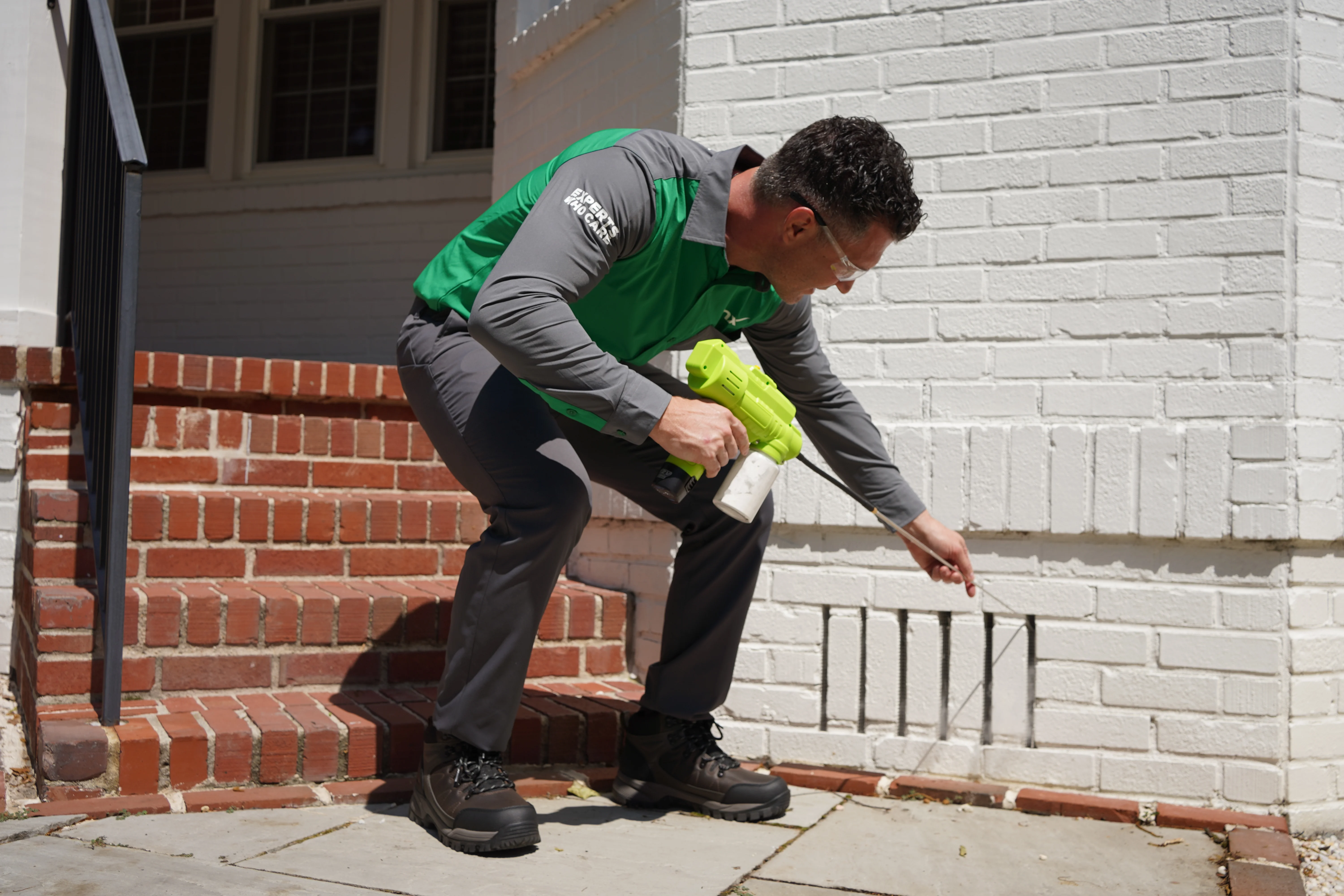
Exterior Bait Station Placement
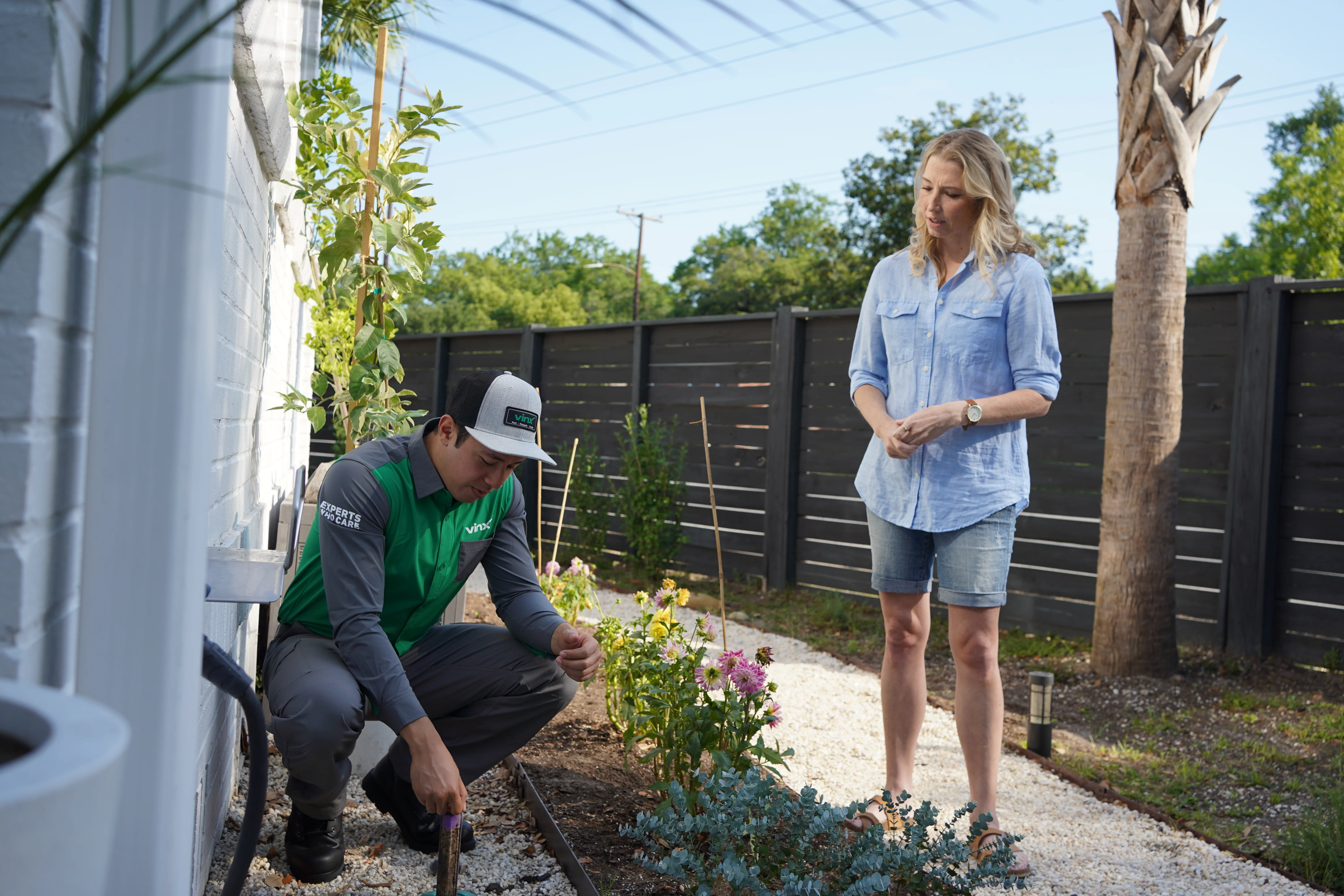
Tamper-resistant bait stations go along the foundation, garage walls and the runways the inspection found, with the river side, the dumpster side or the construction side of the lot as the priority. Stations are secured, labeled and mapped so follow-up visits can read what is feeding.
Interior Trapping
Snap traps and glue boards are placed on the interior runs the evidence points to: attic rafters under a Park Circle oak, the crawl-space sill of a 1940s cottage, kitchen walls in a Whitehall new build. Placement follows the evidence, and traps are checked and reset on every visit.
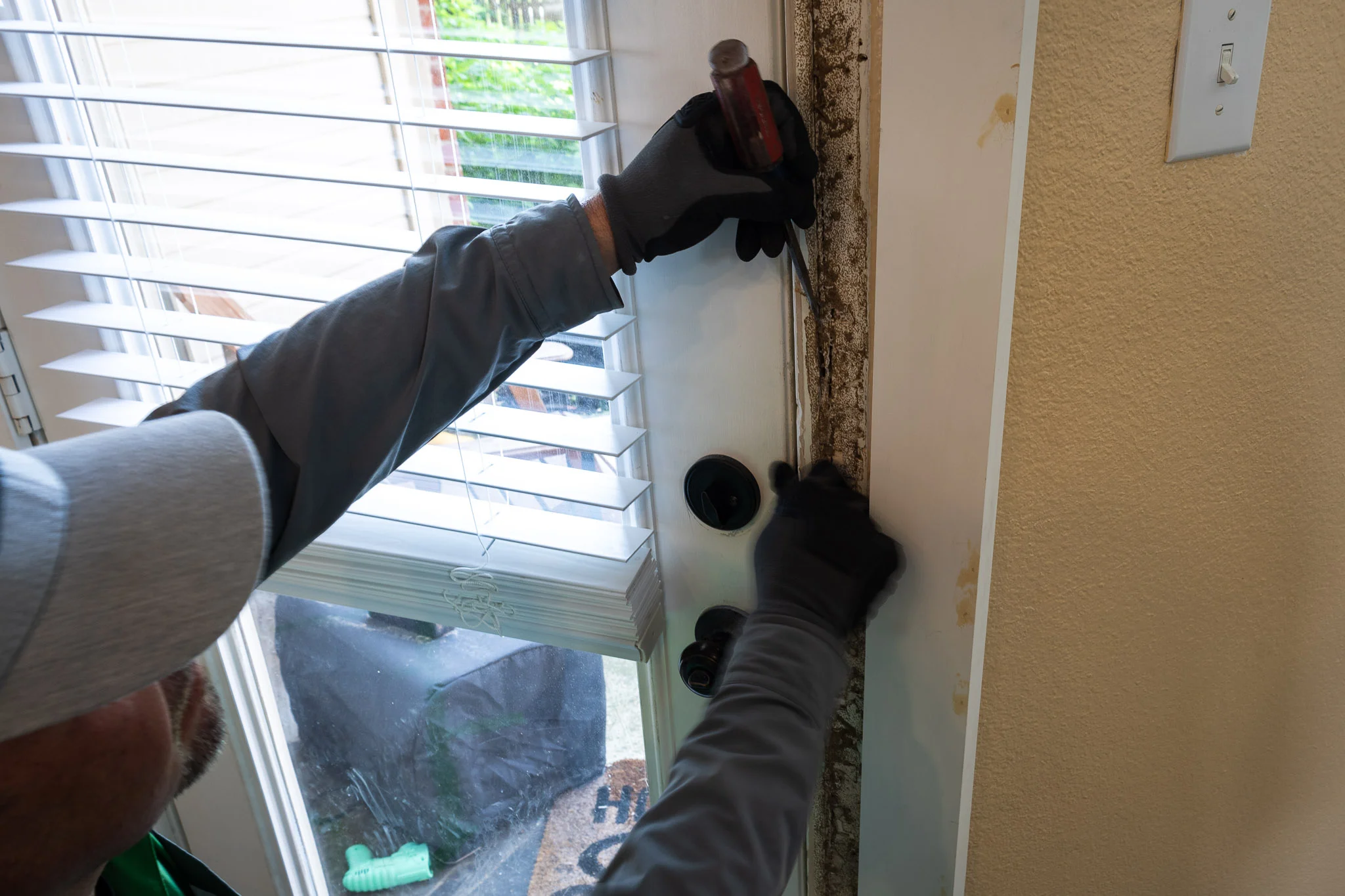
Exclusion & Follow-Up
Steel wool, hardware cloth and sealant close the entry points the inspection found. On a pre-1960 Park Circle house that is decades of settling gaps; on a new build off Dorchester Road it is still-curing foundation and utility penetrations. Follow-up confirms the population is gone and the exclusion is holding.
What Our Customers Say
What North Charleston Homeowners Say About Vinx Rodent Control
I am a Very satisfied customer of Vinx pest control. I have received top customer care and service since 2020. The technicians are always polite, friendly and accommodating. The technicians have been servicing my home so long that they are mindful not to show up too early as they are familiar with my work from home schedule. I appreciate the flexibility and consideration. I am a happy customer. 😊
Austin has been the only technical professional that I have at my home. I am sure they have tons others. However Austin has always pointed out others issues around my home that has nothing to do with Vinx. He saved me a water leak in sprinkler system….. He has great communication with homeowner even if they are not home…He checks in prior to arrival and when finished as well as checking in a day before to see what issues you might have. I highly recommend Vinx as well as your ability to have a technician you love always come to your home.
Devin from Vinx Pest Control is an absolute rockstar! He came to our home to handle a rodent problem and was fantastic from start to finish. He was so polite and professional, and his knowledge was immediately reassuring. What really blew me away was his dedication; it was pouring rain outside, and he was still incredibly thorough, checking every single spot with care. It's rare to see that level of commitment. We are so grateful for his hard work and expertise. Highly, highly recommend Devin and the team at Vinx!
Vinx, is an excellent company the man that I deal with by the name of Jack is professional polite gets the job done and it's always helpful. I've had a couple issues in the past that his company has dealt with quickly efficiently and to the best of their ability. I highly recommend this company
Jack was amazing came out quick and gave a great inspection. He gave honest and good recommendations on what to do. Will definitely be using Vinx Pest Control again and recommend you give them a shot.
Leon always does a great job! He is kind and helpful. He goes above and beyond to keep our home bug free.
Hearing Scratching in Your Walls?
A North Charleston rat problem has a rail line, two tidal rivers and Rivers Avenue behind it. Get a free inspection, same-day availability. We seal first, remove second.
The Local Threat
Why Rodent Control in North Charleston Isn’t One-Size-Fits-All
North Charleston began as a rail corridor and the corridor is still its spine. Charleston County’s historical survey records that in 1878 some nine miles of track were laid to connect the main line to a trestle across the Ashley River into what is now the city, and everything industrial grew along that alignment. Today the Rivers Avenue dumpster corridors and the tidal Ashley and Cooper edges feed Norway rats, the canopy over Park Circle and Pepperhill carries roof rats to rooflines, and the city’s housing splits between some 8,700 pre-1960 homes with settled gaps and new builds off Dorchester Road with fresh ones. House mice use both.
The tidal, brackish Ashley and Cooper Rivers give Norway rats damp burrowing conditions close to a real cluster of homes, while the retail corridors and dumpsters near Northwoods and Rivers Avenue sustain a second Norway rat population entirely.
The mature tree canopy across Park Circle, Waylyn, Chicora-Cherokee, and Pepperhill gives roof rats an elevated route straight to a roofline or attic vent that most other pests don’t have.
And the ongoing construction around Indigo Fields, Whitehall, and the Dorchester Road corridor disturbs existing rodent burrows on cleared lots, pushing displaced rodents toward the nearest standing structure, often a newly built home with fresh, still-settling gaps around its foundation and utility penetrations.
This city began as a rail corridor, and the corridor is still the spine of it. Charleston County’s historical survey records that in 1878 some nine miles of track were laid to connect the original main line to a trestle across the Ashley River into what is now North Charleston. Everything industrial here grew along that alignment, and rail corridors are continuous cover and continuous spillage — rodents use them to move between places that look unconnected on a map. A property near the freight alignment or the yards it feeds is working against a standing source, so exclusion has to be maintained rather than done once.
North Charleston Rodent Species
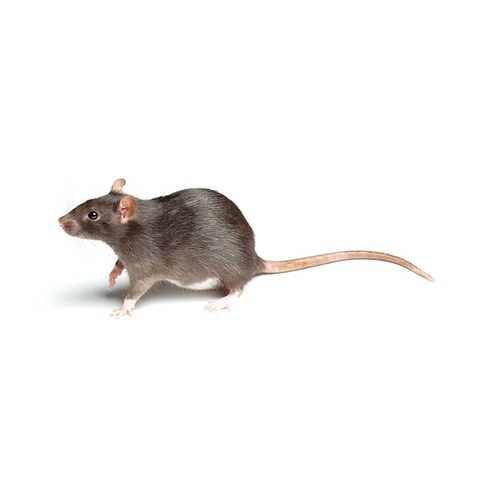
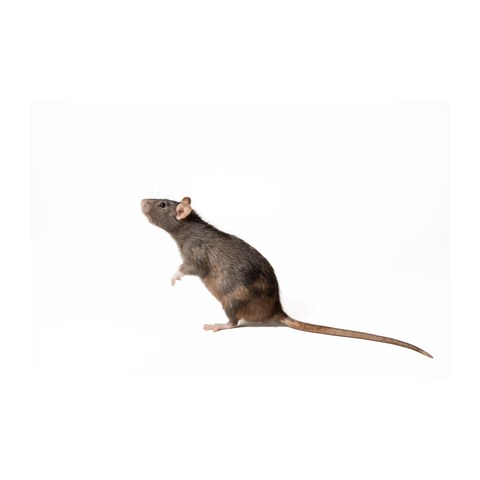
Norway Rats
They stay at ground level, burrowing along foundations and entering through sewer lines, gaps at grade and utility penetrations.
They flatten enough to get through a gap the size of a quarter.
Heaviest pressure along the tidal Ashley and Cooper River corridor and the retail dumpster zones near Northwoods and Rivers Avenue.
Good swimmers that gnaw wood and weak siding, so sealing the exterior is as important as trapping the interior.
Roof Rats
They climb and enter above the wall line, through roofline gaps, soft soffit and limbs touching the roof.
They get through openings as small as a nickel.
More common under the mature tree canopy of Park Circle, Waylyn, Chicora-Cherokee, and Pepperhill.
North Charleston's coastal humidity deteriorates soffit faster than inland climates, entry points invisible from the ground.
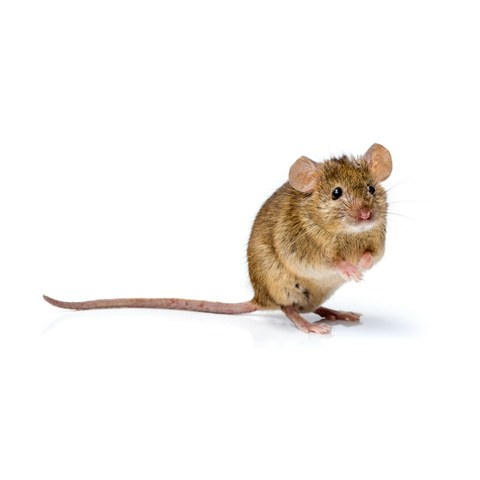
House Mice
The smallest interior rodent, and the one found most often, entering through a dime-sized gap.
Typically in kitchen wall voids, behind appliances and within attic insulation.
A population can persist for months before producing visible evidence.
Carry lymphocytic choriomeningitis along with salmonellosis and leptospirosis.
Know Your Risk
Rodent Pressure Across North Charleston
Park Circle & the Historic Naval Base District: House Mice & Roof Rats
- Older bungalows with settled foundation gaps and aging siding give house mice easy access points.
- The neighborhood’s mature tree canopy gives roof rats a direct, elevated route to the roofline.
- A century of settling means entry points a ground-level inspection alone would miss.
- Exclusion of both roofline and foundation gaps is the reliable fix here.
The Ashley & Cooper River Corridor: Norway Rats
- The damp, low-lying ground bordering the tidal rivers gives Norway rats ideal burrowing conditions.
- Close to a real concentration of homes, with fence lines offering cover as they move toward a house.
- Burrows along foundations, in mulch beds, and near water sources.
- Exterior bait stations combined with foundation sealing catch them before arrival.
Northwoods & the I-26 Corridor: Norway Rats
- Nearby retail corridors and commercial dumpsters along Rivers Avenue sustain a second Norway rat population.
- These populations periodically spread into adjacent residential areas.
- Utility penetrations and ground-level gaps are the primary entry points.
- Sealed trash and exterior stations reduce the pressure moving toward homes.
Waylyn, Chicora-Cherokee & Pepperhill: Roof Rats
- Mature tree canopy gives roof rats a direct, elevated route from the branches straight to a roofline or attic vent.
- Overhanging branches are the single most common roof rat entry pathway.
- Older soffit materials deteriorate rapidly in coastal humidity.
- Trimming branches off the roofline plus soffit-gap exclusion is the fix.
Indigo Fields, Whitehall & the Dorchester Road Corridor: House Mice
- Ongoing land clearing and construction disturbs existing rodent burrows.
- Displaced mice are pushed toward the nearest completed home.
- Newer homes often have fresh, still-settling gaps around foundations and utility penetrations.
- Sealing promptly stops a new house becoming an established rodent problem.
Warning Signs
Signs of Rodents in Your North Charleston Home
Droppings Along Baseboards
Small dark pellets near food, at the baseboard or in a cabinet. The most reliable early sign there is.
Gnaw Marks on Wood or Wiring
Recent marks are pale and darken with age. Chewed wiring is a leading cause of house fires, so this finding is urgent.
Scratching Overhead at Night
Roof rats that came in along a Park Circle or Pepperhill tree limb work the attic after dark.
Grease Marks Along Framing
They reuse the same route nightly, and oily fur leaves a dark smear where they press past framing.
Nesting in Attic Insulation
Shredded insulation, paper or fabric formed into a nest means a settled population rather than a stray.
Burrows Along the River Edge or a Dumpster Pad
Norway rats dig in the damp ground along the Ashley and Cooper and under the dumpster pads of Rivers Avenue; fresh holes have clean, packed edges.
Ammonia Smell in the Crawl Space
In an enclosed space the accumulated urine smells sharply of ammonia, generally the first sign registered.
Chewed Packaging in the Pantry
Holes in packaging and scattered debris across cabinet shelves are classic mouse or rat activity.
Homeowner Tips
6 Ways to Reduce Rodent Risk Right Now
Kid & Pet Safe
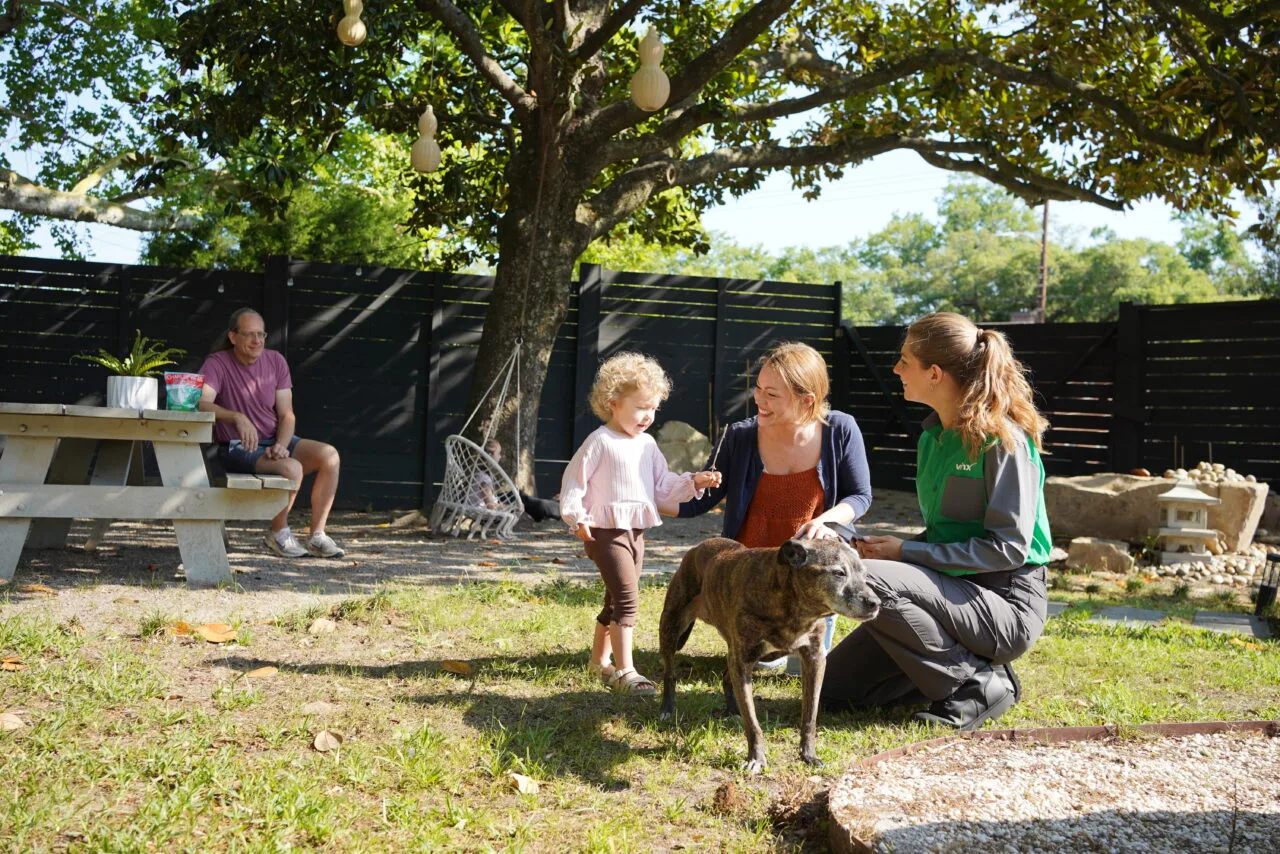
Our Treatments Are Safe for Your Whole Family: Including the Furry Members
Every product we use is EPA-registered and applied strictly at labeled rates by licensed technicians. We take the guesswork out of safety so you can feel confident letting kids and pets back into treated areas quickly.
EPA-Registered Products Only
All products we apply are EPA-registered and used strictly per label requirements. Our licensed technicians are trained to apply the right product in the right place at the right rate, every time.
Dry Time Before Re-Entry
Exterior spray treatments dry in 30–60 minutes. Once dry, treated surfaces are safe for children and pets to contact. Your technician will confirm the all-clear before leaving your property.
Interior Treatment On Request
We treat only what’s needed, where it’s needed. Gel baits in cabinets and crack-and-crevice applications keep products away from areas pets and children frequent most.
Botanical Options Available
Have specific sensitivities? Ask your technician about our plant-derived treatment options. We offer botanical alternatives for households that prefer a more natural approach.
Have a concern about products used near your pets or children? Call (843) 920-8469 and we’ll walk you through exactly what we use and why it’s safe.
Explore More
More Pest Control Services in North Charleston

Pest Control North Charleston
General pest protection

Termite Control North Charleston
Sentricon bait system

Mosquito Control North Charleston
Monthly barrier treatments

Ant Control North Charleston
Household ants & others

Spider Control North Charleston
All spider species covered

Cockroach Control North Charleston
Palmetto bug & roach removal

Bed Bug Treatment North Charleston
Heat & liquid treatments

Tick & Flea Control North Charleston
Yard & pet protection
Exterminator North Charleston
Same-day local exterminators
Frequently Asked Questions
Rodent Control FAQ for North Charleston Homeowners
Exterior mouse and rat monitoring is included in HomeGuard at $49/mo, or Plus at $75/mo for bi-monthly service and extended coverage. The sealing work is quoted after the free inspection identifies the entry points.
Yes. Exterior stations are tamper-resistant and out of reach of pets and children, and no rodenticide is used inside living areas. Interior placements are snap traps in attics, crawl spaces and wall voids.
Inspection takes 45–90 minutes. Exclusion on a North Charleston home runs 2–4 hours, longer on the pre-1960 cottages around Park Circle, which have more settled gaps. Removal begins after exclusion and is confirmed at a follow-up 7–14 days later.
A minimum of three: inspection, exclusion and treatment, then follow-up confirmation. Homes along the Ashley and Cooper edges or backing a Rivers Avenue commercial strip sometimes need a second follow-up because the outdoor supply is continuous.
Yes. Return of rodents after exclusion and treatment means we return free of charge. Within 30 days dissatisfaction earns another visit at no cost; past 30 days a continuing problem means a refund of your most recent payment.
No. A thorough manual inspection covers the attic, crawl space, kitchen walls and garage, with a 10-foot sweep outside. It produces the same findings a K9 team would.
Most North Charleston appointments run same-day or next-day. Call (855) 800-8469. If we cannot get to your home by the next business day, your initial service is free.
Yes, from two directions. The tidal, brackish Ashley and Cooper give them damp burrowing ground close to real clusters of homes, and the retail corridors and dumpsters around Northwoods and Rivers Avenue sustain a second population entirely. They move toward houses when temperatures drop in October and can flatten to fit a quarter-sized gap.
Roof rats. The mature canopy over Park Circle, Waylyn, Chicora-Cherokee and Pepperhill gives them a route to the roofline, and on a pre-1960 house coastal humidity has had decades to open soffit gaps and vents. Scratching in the ceiling at night is almost always roof rats.
Yes. Populations do not decline here the way they do in northern states, because the freeze never holds. Breeding runs all year, and the rail yards, loading docks and the Ashley Phosphate corridor keeps the supply steady.
Both are Norway rat territory. The rail alignment the city grew along is continuous cover with dropped freight, and the Ashley and Cooper edges are damp, easy digging. Rats work outward from either along fence lines toward the nearest house. Sealing crawl-space vents and setting exterior stations along that fence is the reliable fix.
Yes. Since squirrels follow the same limb-to-roofline paths as roof rats, exclusion is included in the same service with the same materials. Activity is identified at the inspection. Call (855) 800-8469.
Service Coverage
Rodent Control Across North Charleston & the Tri-County Area
Serving every neighborhood in and around North Charleston
Serving the Greater Charleston Area