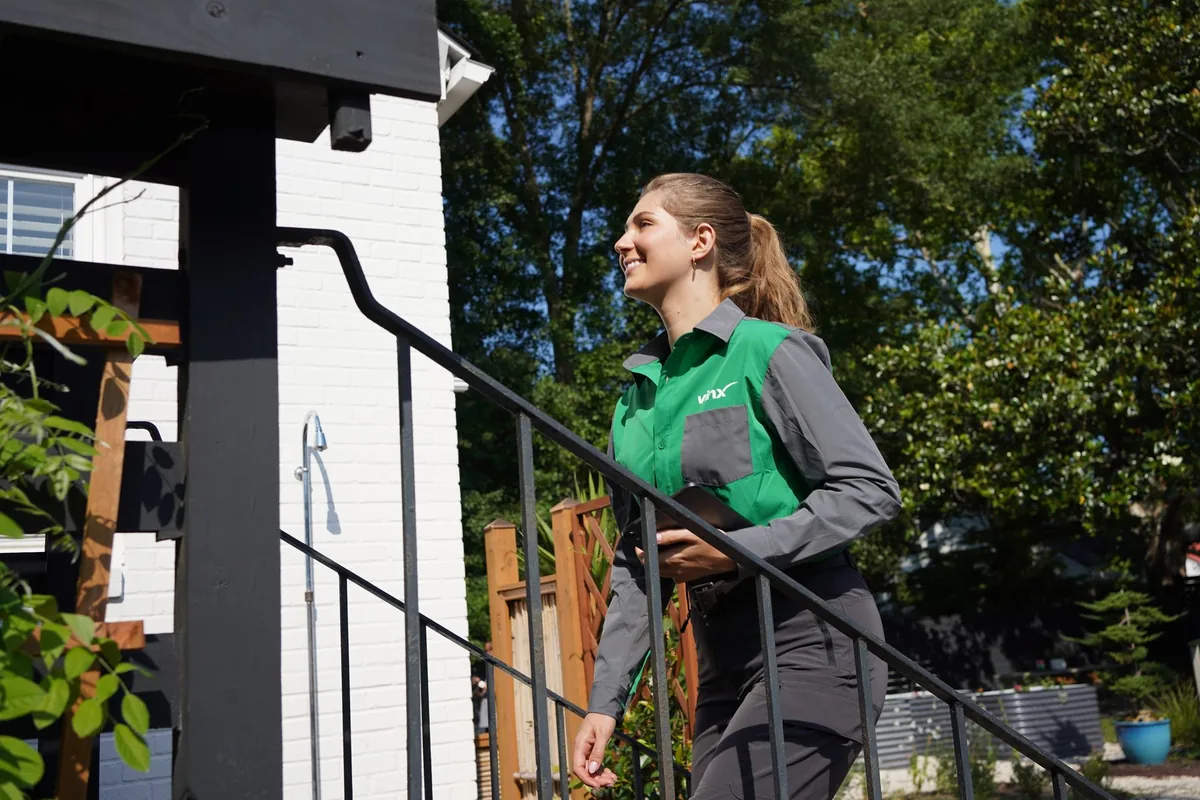
Exterminator in Inman, SC
Inman’s pest pressure shifts across a small Spartanburg County railroad town that grew up around the crossroads of Howard Gap Road and Blackstock Road, now the SC-292 and US-176 intersection. The historic crossroads carries the town’s oldest, most established construction, the old Inman Mills village just southwest of downtown carries the closely-built, older housing that grew up around the historic textile mill, the Lake Bowen vicinity to the south brings water-adjacent moisture conditions the rest of Inman doesn’t see, the I-26 and I-85 corridor brings commercial and through-traffic pressure, and the rural Spartanburg County fringe toward the North Carolina line carries a more agricultural set of pressures the denser parts of Inman don’t see. Vinx treats each part of Inman according to what it actually needs.
Get Started in 60 Seconds
Choose what’s easiest for you
Request a Quote
We usually respond in 2 minutes
Call (855) 800-8469
Get a live person (no AI agents here!)
Sign Up Online
Get pricing and schedule now





Welcome to Vinx Pest Control
A Company That Actually Backs What It Says
At Vinx, we pair professional-grade treatment with a level of follow-through most pest control companies skip. Local technicians, fast response, and a guarantee that holds up after the invoice is paid.
Get a Free Quote"I'm not passionate about killing bugs. I'm passionate about customer service. At Vinx, you get experts who show up, do the job right, and stand behind every visit. No runaround, no fine print."
PROTECTION PLANS
Inman Exterminator Pricing
100% money-back guarantee on every plan.

Standard Residential Protection
- 4 Seasonal Treatments Per Year
- 50+ Covered Pests
- Interior, Exterior & Yard Treatment
- Unlimited Free Re-Services
- 100% Money-Back Guarantee
- Fire Ant Yard Guarantee
- Flea & Tick Coverage
- Mosquito Treatments

Upgraded Yard Protection
- 6 Home & Yard Treatments Per Year
- 50+ Covered Pests
- Interior, Exterior & Yard Treatment
- Unlimited Free Re-Services
- 100% Money-Back Guarantee
- Fire Ant Yard Elimination Guarantee
- Flea & Tick Elimination Guarantee
- Mosquito Treatments

Most Comprehensive Protection
- 9 Treatments Per Year
- 50+ Covered Pests
- Interior, Exterior & Yard Treatment
- Unlimited Free Re-Services
- 100% Money-Back Guarantee
- Fire Ant Yard Elimination Guarantee
- Interior Flea & Tick Coverage
- 8 Mosquito Treatments (Mar–Nov)
- Free Bed Bug Treatments if Needed*
All plans include a $329 initial treatment and a 12-month agreement. Termite protection (Termite TotalDefense, starting at $35/mo standalone) is quoted separately after a free inspection. *Starting rates vary by home size and area. All plans billed monthly.
Get Your Free Inman Pest Inspection
Fill out the form below and a Vinx team member will reach out within 2 minutes during business hours.
Prefer to talk? Call (855) 800-8469 for a live person, no AI agents.
Our Process
How Vinx Exterminators Work a Inman Property: Step by Step

Inspection & Reporting
An Inman extermination job starts with identification — and on an agricultural edge, with the outbuildings, because the shed, barn or equipment storage usually holds the population that keeps re-entering the house. Nothing is applied until a technician has named the pest to species, traced it to its harborage, and noted the conditions feeding it: yellowjackets distinguished from paper wasps so nest work is targeted, the native eastern subterranean termite confirmed rather than a Formosan assumption. You get plain findings and a firm price before any work begins.
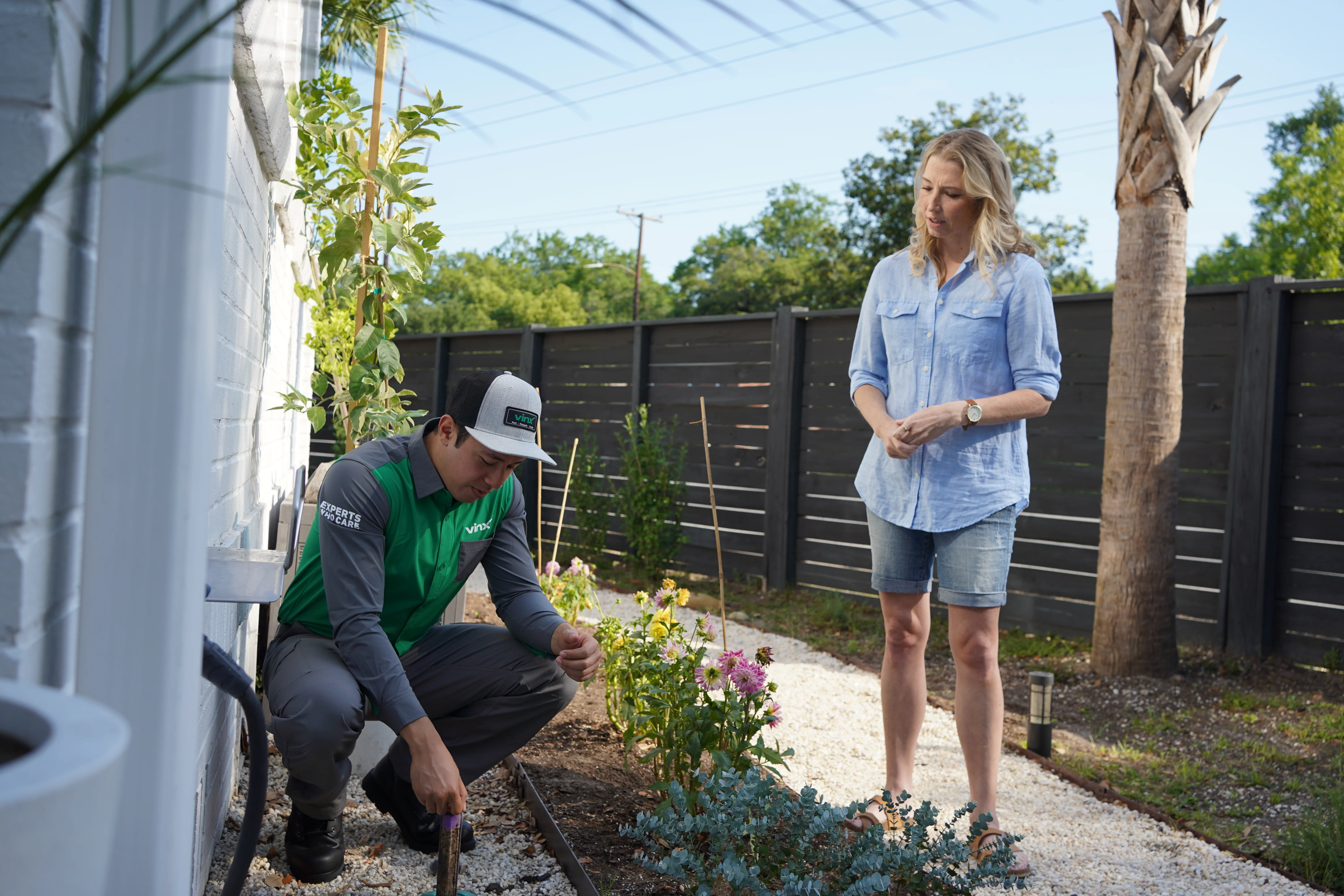
Exterior Foundation Treatment
The exterior then gets its defensive line: a micro-encapsulated barrier around the foundation, three feet up and three feet out, intercepting insects at the slab gaps, weep holes and thresholds they actually use to enter. On a property adjoining orchard land we weight the boundary on that side and time it to the harvest calendar, because the late-summer spike there is predictable rather than mysterious.
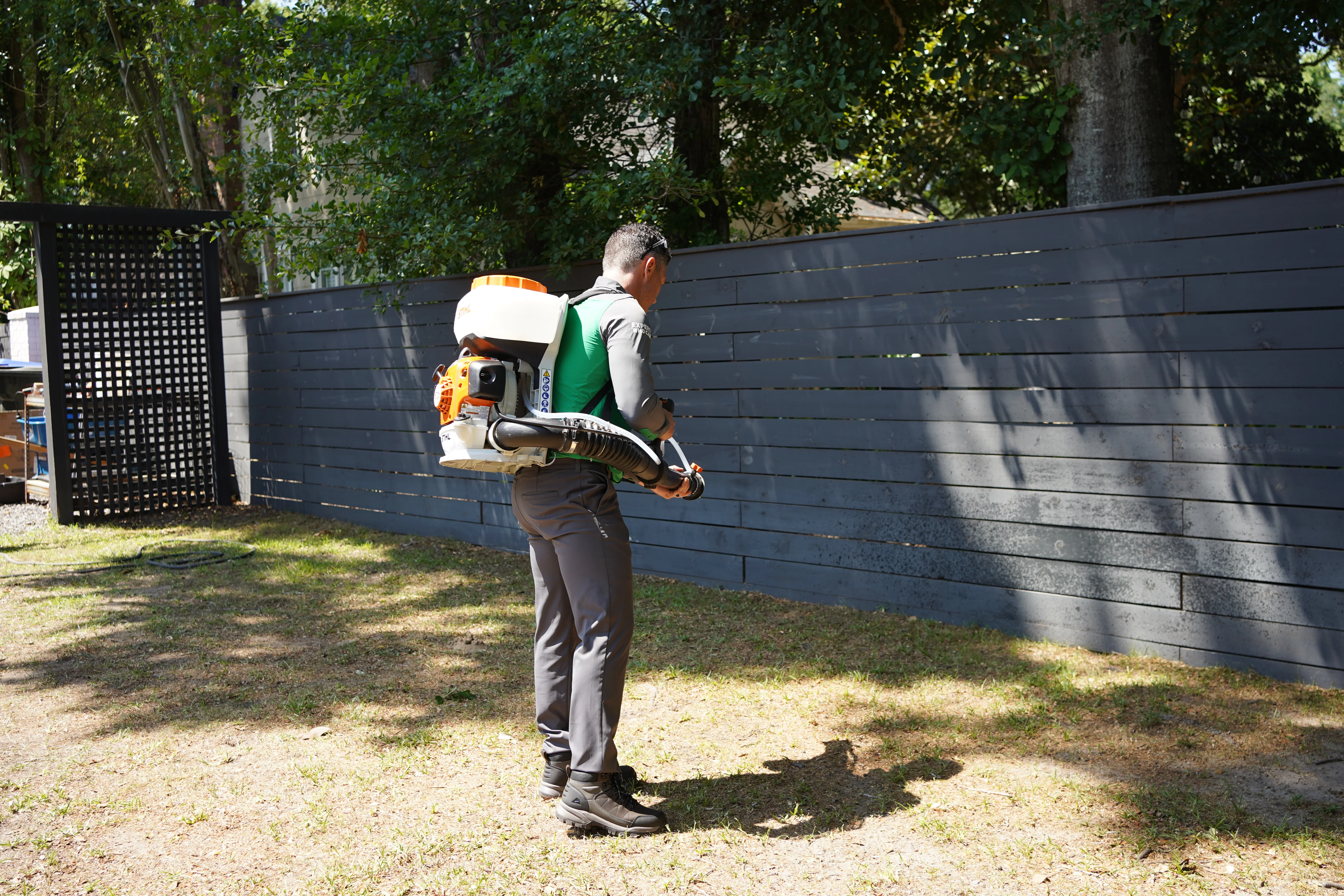
Yard Treatment
The yard is treated up to 30 feet out, because most of what ends up indoors staged in the lawn first. In Inman that means fire ant mounds toward the rural fringe at the North Carolina line, and mosquito habitat around the Lake Bowen shoreline, where water-adjacent breeding runs beyond what the rest of town sees. Knocking pressure down away from the house keeps the foundation barrier from being tested constantly.
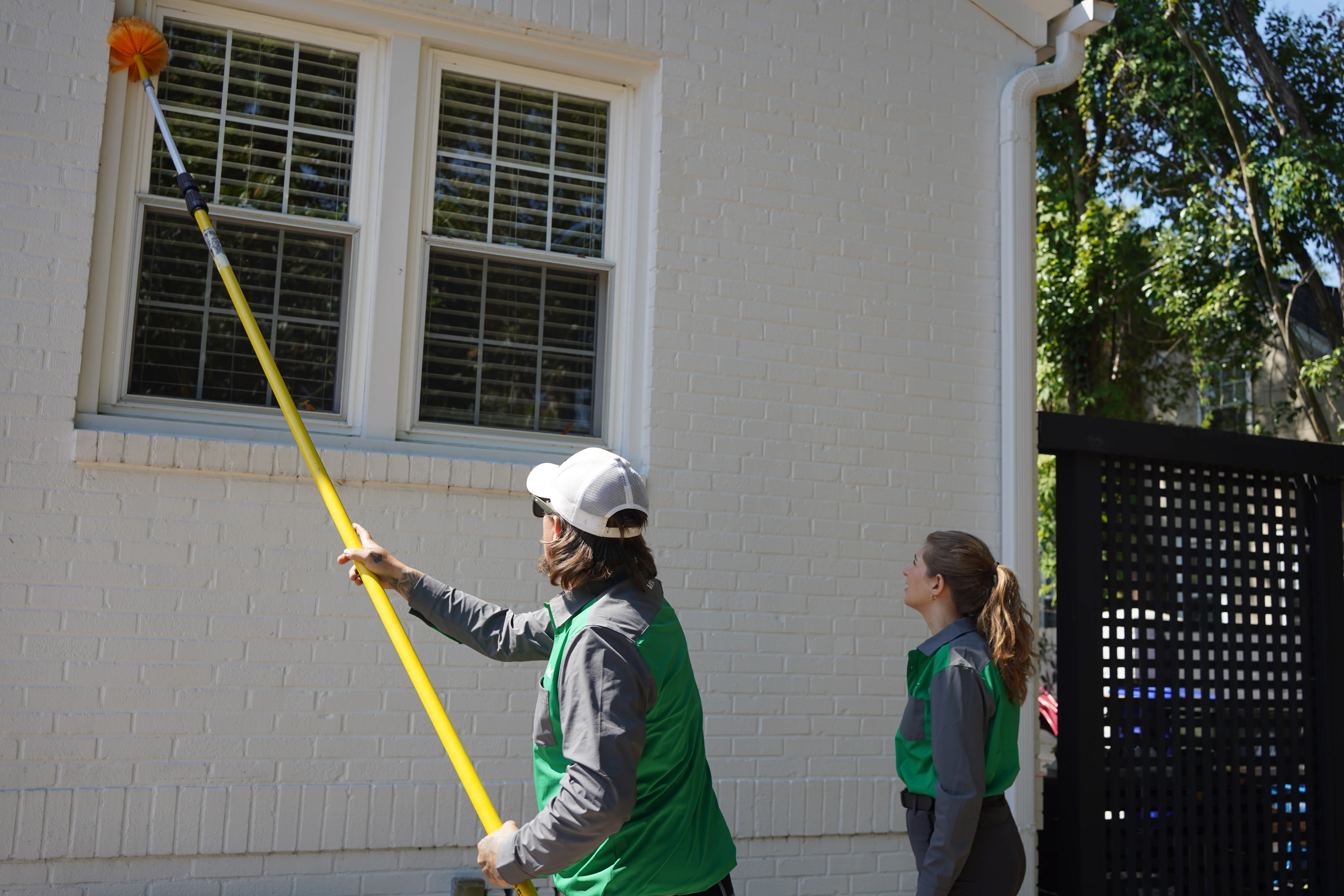
Sweep & Treat Eaves
Rooflines are swept clear of webbing and early wasp nests on every visit, then spot-treated with a residual so returning insects contact product instead of rebuilding. In the weeks before harvest this pass matters most, because paper wasps under eaves and deck rails are a straightforward job at the nest — while a ground yellowjacket colony needs its entrance located precisely and treated at the right time of day.
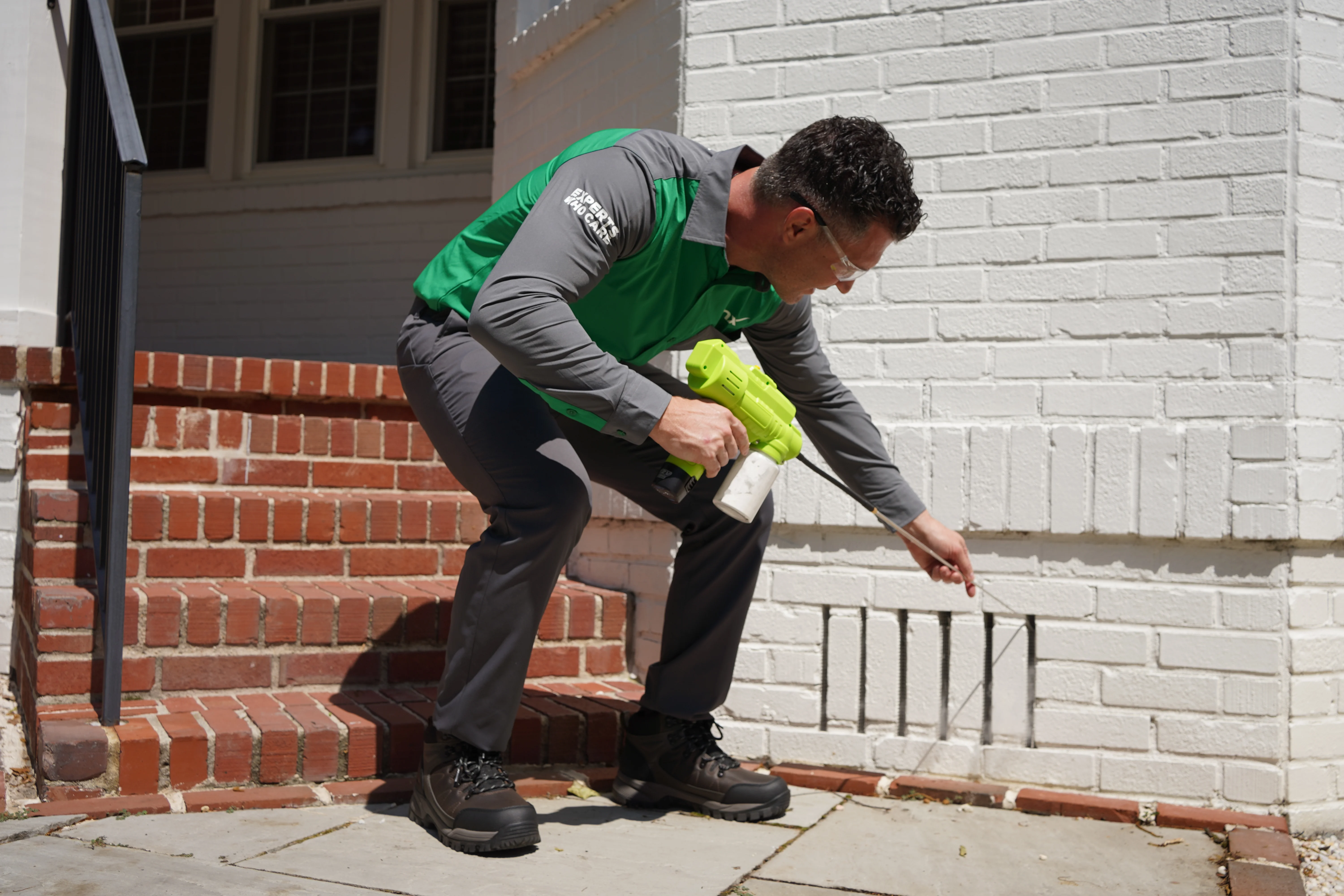
Power Dust Injection
Cracks, weep holes, pipe penetrations and expansion joints get a dust product driven deep with a compressor tip. That is the treatment that reaches wall voids, which matters in the century-old housing of the Inman Mills village and the older frame construction around the SC-292 and US-176 crossroads, where long occupancy has opened more routes than any surface spray covers. Protected from rain and heat, the dust keeps working between visits.
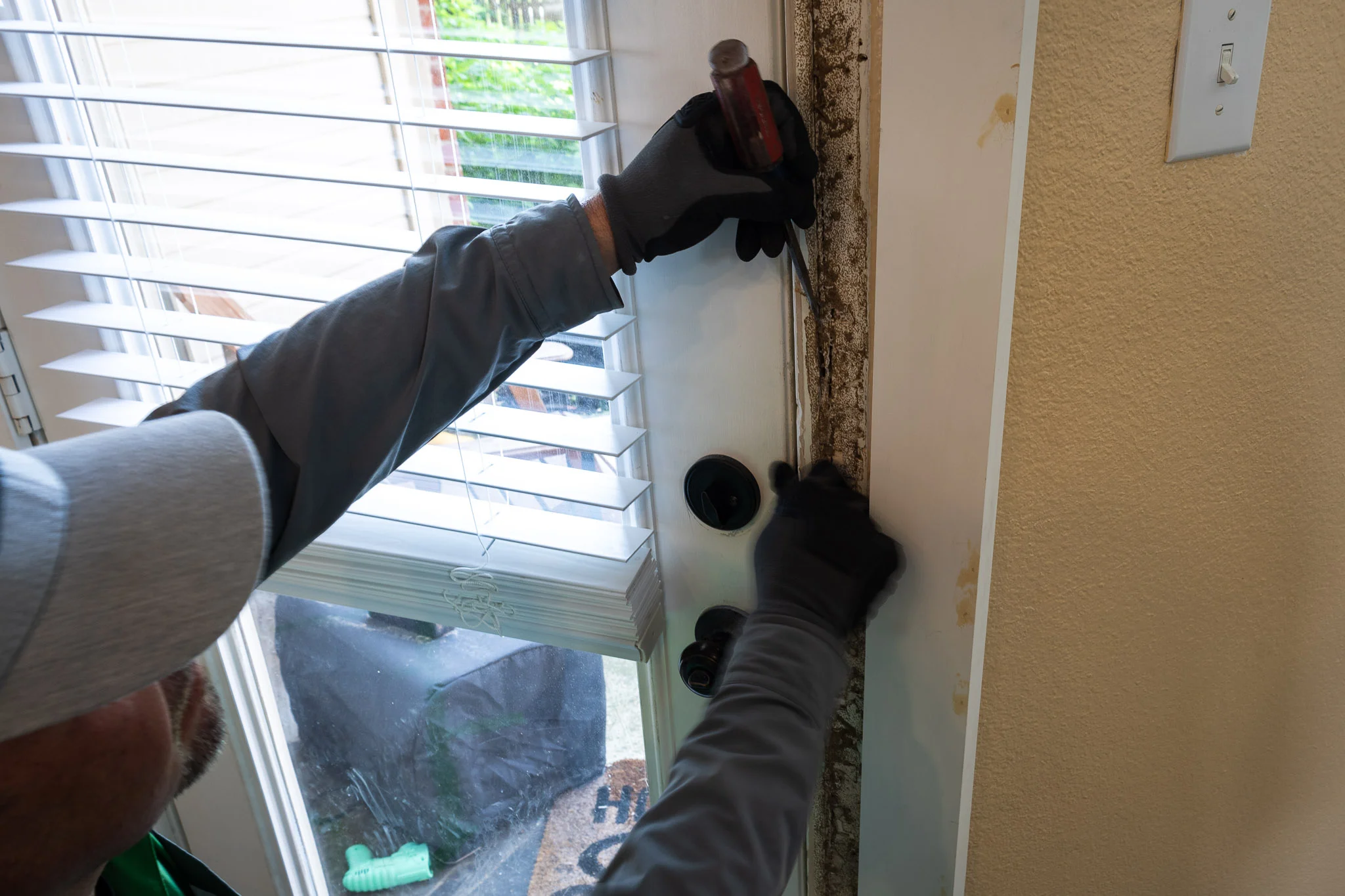
Interior Treatment (If Needed)
Where an infestation is established indoors, we treat the harborage directly — gel bait and a growth regulator for roaches, exclusion first and then trapping for rodents — rather than misting a room and hoping. On agricultural-edge properties the sheds and barns get the same treatment as the house, since displaced rodents head for the nearest refuge when orchard land is worked. Interior work and re-services between visits are covered at no extra charge on every plan.
What Customers Say
Real Reviews from Inman Homeowners
Vinx Pest Control always sends us technicians who are very quick, professional, and polite. They work hard to make sure your home stays bug free and we love that. Thank you Vinx, and Rebecca is amazing.
Kyngstyn Did an amazing job, love the video he send us to let us know what he did
Alfredo did a great job! Explained everything he did and let me know what else he could do for my ant problem.
Kyngstyn did a great job taking care of my pest control needs
From scheduling to completion of service, Vinx gets five stars. Technician Alec was prompt, friendly and did a very thorough job.
Local Knowledge
Real Peach Country, by the Federal Numbers — and What It Puts Next to Your House
Last updated: September 4, 2026
Inman sits in the middle of real peach country, and that is a federal statistic rather than local color. The USDA 2022 Census of Agriculture puts peaches at 2,555 acres in Spartanburg County — the third-largest crop by acreage after forage and hay at 16,160 acres and soybeans at 3,557 — while fruit, tree nut and berry sales of $16,109,000 rank the county 3rd of South Carolina’s 45 counties and 137th of 2,711 nationally. Clemson Extension adds that South Carolina grows more than 50 varieties and ranks second in fresh peach production. The “fresh peach capital of the world” title is local tradition; the numbers stand on their own.
6 Reasons Inman Calls an Exterminator
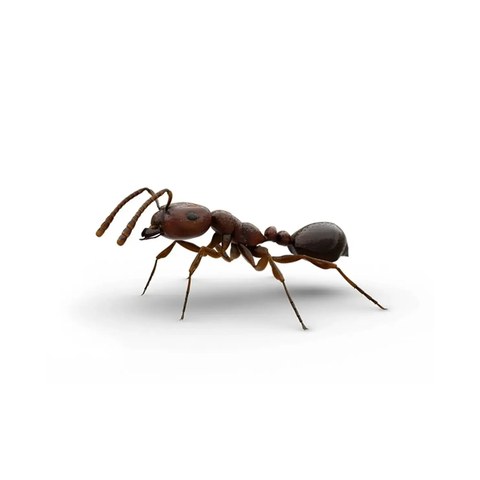
Ants
Fire ants hold the open farmland of the rural fringe toward the North Carolina line, and ripening or fallen fruit pulls ant activity toward orchard-edge properties in late summer — both handled with yard-wide baiting and a treated boundary rather than mound-at-a-time spraying. Carpenter ants and odorous house ants are the steadier structural call, favoring the older homes around the SC-292 and US-176 crossroads and the closely-built housing of the Inman Mills village.
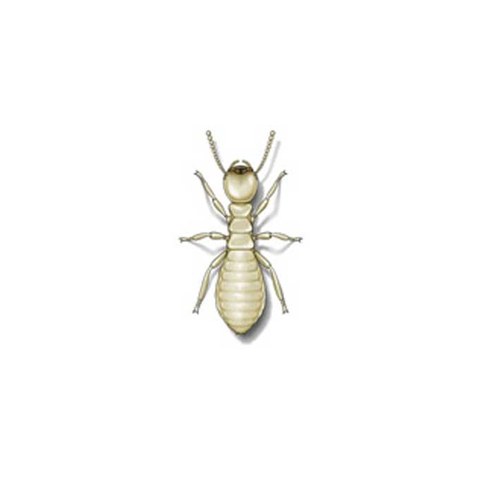
Termites
Inman termite calls begin with the species, and the answer should reduce the quote: Spartanburg County is not on Clemson’s list of sixteen counties with documented Formosan colonies. The native eastern subterranean termite is what matters — it works from soil, needs moisture, and enters wherever treated ground has been bridged. On the century-old mill housing southwest of downtown that means the crawl space and sill line; on newer building at the edges, the slab edge and the age of the pre-construction soil treatment.
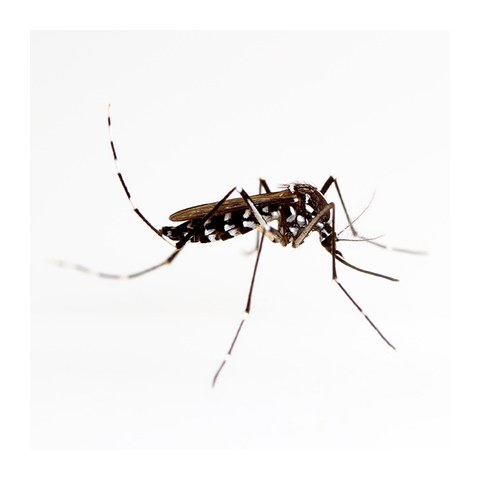
Mosquitoes
Mosquito work concentrates around the Lake Bowen shoreline, where water-adjacent breeding conditions run beyond what the rest of Inman sees, plus standing water from irrigation and drainage elsewhere. We treat larval habitat directly and run monthly barrier treatment March through October — and at Inman’s roughly 977 feet, the highest of the Spartanburg-area towns, shoulder-season timing shifts slightly, which is why the schedule is weighted rather than even.

Rodents
Rodent calls here follow the agricultural calendar: rotting windfall fruit after harvest is a concentrated food source, and once orchard land quiets in winter, rodents seek warmth in the nearest structure. The commercial buildings along Inman’s I-26 and I-85 access points and the closely-built older housing of the mill village supply harborage as fall temperatures drop. Lasting work starts with exclusion on the house and the outbuildings — usually the source — then trapping and secured bait.
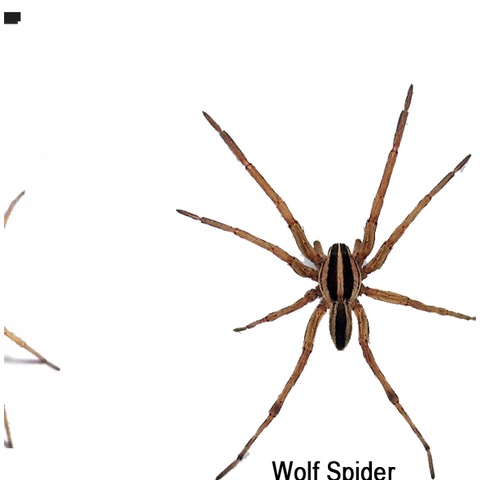
Spiders
Black widows turn up in garages, sheds and storage areas throughout Inman — and on agricultural-edge properties, in exactly the outbuildings that see seasonal use. Wolf spiders wander in from the open farmland of the rural fringe, and shoreline vegetation near Lake Bowen brings spiders right up to adjacent yards. We treat the prey population and the harborage together and clear webbing at the eaves on every visit.
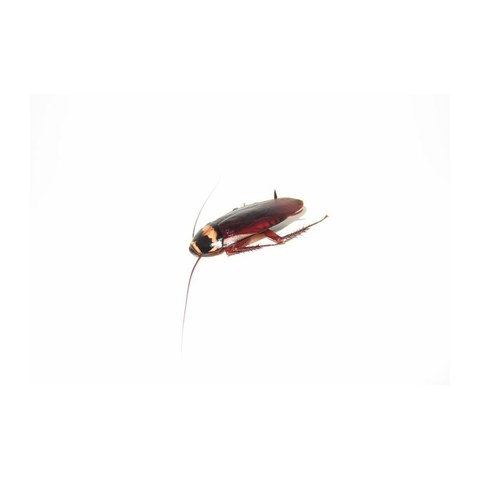
Cockroaches
American cockroaches — palmetto bugs — are the call from older buildings and utility areas around Inman’s historic crossroads and the former mill village, where a century of continuous occupancy has left routes into every void. German cockroaches persist in the restaurants and retail kitchens along the interstate corridor, and they need a genuine protocol: gel bait and a growth regulator placed in the harborage, dust in the wall voids, not a surface spray the population walks around.
Agriculture next door changes the pest calendar rather than simply increasing pests. Windfall and cull fruit draws yellowjackets, wasps, flies and ants in late summer, then rodents once it rots on the ground — so a property backing onto an orchard sees a pressure spike around harvest that has nothing to do with anything you did. Harvest also brings movement, with bins, pallets and equipment carrying stored-product pests and rodents between sites, and when orchard land is mowed or sprayed, whatever lives there relocates into the nearest structure. A treated boundary on the orchard side before harvest is worth more than three emergency visits in September.
Two more local facts shape the work. Inman sits at roughly 977 feet, the highest of the Spartanburg-area towns, which shifts the shoulder seasons slightly without changing the species. And on termites the answer should lower your costs: Clemson’s county tracking lists sixteen counties with documented Formosan colonies, and Spartanburg is not one of them — the native eastern subterranean termite is what we inspect for. Vinx works Inman as a licensed exterminator, with free inspections that include your outbuildings, firm prices and next-day appointments.
The Census adds a third. Inman’s housing is the oldest in this part of the county: more than half predates 1980 and about one home in seven predates 1940, with a pronounced bulge of 1950s building from the mill era. That is the opposite of Boiling Springs, where effectively nothing predates 1940, and it is why so much of the work here is structural rather than chemical — service voids, settled framing and the gaps a century of occupancy opens. The city has noticed the same thing from its side: it adopted a Vacant Building Code in April 2025, and an unoccupied building with the utilities still on is prime harborage for exactly the pests this page covers.
Pest Pressure by Neighborhood
Where Inman Exterminator Calls Come From
Historic Crossroads: Aging-Construction Pests
Inman’s oldest, most established construction sits around its downtown crossroads — an old travel route for generations before it became a highway intersection — and aging frame buildings give carpenter ants, palmetto bugs and rodents their entry points. Calls here start at the crawl space, sill line and wall voids rather than with a surface spray.
Mill Village: Termites & Close-Built Housing
The closely-built housing southwest of downtown, grown up around the mill founded in 1901 before it closed in 2001, carries a century of continuous occupancy — and the settled grading, altered porches and opened routes that come with it. Termite and roach calls here get substructure inspection and void treatment rather than surface spraying.
Lake Bowen: Mosquitoes & Shoreline Moisture
Shoreline vegetation around Spartanburg County’s largest lake brings water-adjacent moisture, mosquito breeding and wildlife-corridor conditions the rest of Inman does not share. Lake-side calls get larvicide on standing water, monthly barrier treatment through the season, and a look at drainage and crawl-space moisture in the same visit.
Orchard Edges: Harvest-Season Spikes
Properties backing onto peach orchards and the open farmland toward the North Carolina line see the harvest spike — yellowjackets and wasps on ripening fruit, then rodents as windfall rots, plus whatever relocates when orchard land is mowed or sprayed. A boundary treated before harvest and sealed outbuildings are what hold these lots.
Interstate Corridor: Commercial Roaches & Rodents
Commercial development along Inman’s interstate access points generates the steadiest German cockroach and rodent work in town, driven by food service, dumpsters and through-traffic. For a business a sighting is a compliance issue, so commercial jobs here run on exclusion, monitoring and documentation an auditor can see.
Prevention Tips
6 Ways to Reduce Pest Pressure Around Your Inman Home
Complete Coverage
What Our Inman Exterminators Treat
Every common Inman pest covered under one quarterly service plan

Ants
Ants, Argentine ants, carpenter ants, and odorous house ants. Perimeter bait, mound treatment, crack and crevice application.
All Plans
Cockroaches & Palmetto Bugs
American, Asian, and German cockroaches. Gel bait in harborage areas, exterior perimeter spray, drain treatment.
All Plans
Spiders
Web removal from eaves, exterior perimeter targeting harborage. Black widow identification and targeted treatment.
All Plans
Wasps & Hornets
Nest removal from eaves, soffits, structural voids. Preventative treatment of common nesting sites on each quarterly visit.
All Plans
Fleas & Ticks
Yard treatment targeting grassy and shaded areas. Interior treatment of active infestation areas.
Plus & Platinum
Bed Bugs
Inspection, heat treatment assessment, and targeted chemical treatment. Steady through-traffic along the I-26 and I-85 access points creates consistent exposure risk.
Platinum (12mo)
Rodents
Exterior bait station monitoring included in Plus and Platinum. Active infestation and full exclusion quoted separately after inspection.
Plus & Platinum
Mosquitoes
Monthly barrier spray and larvicide. Year-round service adjusted seasonally. Up to 90% population reduction per visit.
Platinum Only
Occasional Invaders
Silverfish, earwigs, centipedes, stink bugs, ladybugs, pillbugs. Crack and crevice treatment, perimeter spray, entry point ID.
All PlansWhat to Expect
Inman Pest Activity by Season
Most pest companies in Inman treat when you call. Vinx’s recurring plans keep your home protected through every seasonal shift, before the pressure peaks.
| Season | Active Pests | What to Watch For |
|---|---|---|
| Spring (Mar–May) | Termite swarmers, ants, mosquitoes, spiders | Termite swarmer wings on windowsills; ant mounds appearing after rain |
| Summer (Jun–Aug) | Mosquitoes, cockroaches, ants, stinging insects | Palmetto bug activity through drains; mosquito pressure near standing water |
| Fall (Sep–Nov) | Rodents, spiders, cockroaches, stink bugs | Brown recluse spiders moving indoors; mice entering through foundation gaps |
| Winter (Dec–Feb) | Rodents, German cockroaches, cockroaches | Rodent droppings in attics; roaches active near HVAC and water heaters |
Kid & Pet Safe
Our Treatments Are Safe for Your Whole Family: Including the Furry Members
Every product we use is EPA-registered and applied strictly at labeled rates by licensed SC technicians. We take the guesswork out of safety so you can feel confident letting kids and pets back into treated areas quickly.

EPA-Registered Products Only
All products are EPA-registered and applied per strict label requirements by our licensed South Carolina technicians on every visit.
Safe Re-Entry After Drying
Exterior spray treatments dry in 30–60 minutes. Once dry, treated surfaces are safe for children and pets. Your technician confirms before leaving.
Interior Treatment On Request
We treat only what’s needed, where it’s needed. Gel baits placed in areas inaccessible to pets and children for maximum safety.
Botanical Options Available
Ask your technician about our plant-derived treatment options for households that prefer a more natural approach to pest control.
Have a concern about products near your pets or children? Call (855) 800-8469 and we’ll walk you through exactly what we use and why it’s safe.
Explore More
More Pest Control Services in Inman

Termite Control Inman
Bait systems & liquid treatment
Ant Control Inman
Fire ants & all ant species
Mosquito Control Inman
Monthly barrier treatments
Tick & Flea Control Inman
Yard & interior treatments
Rodent Control Inman
All rodents covered
Cockroach Control Inman
American & German roaches
Bed Bug Control Inman
Heat & liquid treatments
Spider Control Inman
All spider species covered

Pest Control Inman
Year-round protection plans
Frequently Asked Questions
Exterminator Inman SC: Frequently Asked Questions
Recurring plans start at $49 a month and one-off treatment is priced by pest and property. On agricultural-edge properties outbuildings and boundary length matter more than house size. Inspection is free and the price is firm before work starts. Call 855-800-8469.
It changes the calendar more than the total. Ripening and fallen fruit is a concentrated food source, so wasp, fly, ant and then rodent pressure spikes around harvest, and orchard mowing or spraying pushes what lives there outward. Treating the boundary before the spike beats reacting to it.
By federal numbers, yes. the USDA 2022 Census of Agriculture profile for Spartanburg County records 2,555 acres of peaches in Spartanburg County, the third-largest crop by acreage, and $16.1 million in fruit, tree nut and berry sales — 3rd of the state’s 45 counties. Clemson Extension notes South Carolina grows more than 50 varieties and ranks second nationally in fresh peach production.
That is local tradition rather than a documented title, so we would not state it as fact. The verifiable figures are strong enough on their own.
No. Clemson’s county tracking lists sixteen South Carolina counties with documented Formosan colonies and Spartanburg is not among them. The native eastern subterranean termite is the species that matters, and it is worth inspecting for on its own account.
Because it is usually the source. Outbuildings and equipment storage are drier, quieter and better provisioned than the house, so they hold the population that keeps coming back indoors. Treating only the kitchen is how people end up on a permanent callout cycle.
Marginally, and at the edges of the year rather than in midsummer. At around 977 feet this is the highest of the Spartanburg-area towns, which means slightly cooler nights and a shorter frost-free window than the south of the county — so shoulder-season timing shifts a little.
We cover the whole city plus Inman Mills, Campobello, Chesnee, Boiling Springs and the Highway 176 corridor. Most calls get a next-day appointment. Call 855-800-8469.
Service Coverage
Pest Control Across Inman & the Greater Spartanburg County Area
Serving every neighborhood in and around Inman.