Ant Control in Inman, SC
Carpenter Ant, Odorous House Ant, Argentine Ant & Fire Ant Experts
Three unmown miles of the disused Norfolk Southern Saluda Grade line cross Inman’s downtown, and Clemson lists railroad ties among the first places the Asian needle ant nests — a species it calls very common in the Upstate and rarely identified. Inman sits at 977 feet in the Isothermal Belt as well, where a late, soft first freeze stretches the foraging year at both ends. Vinx identifies the species first, because the ants common here fail to different treatments.
Get Started in 60 Seconds
Choose what’s easiest for you
Request a Quote
We usually respond in 2 minutes
Call 855-800-8469
Get a Live Person (no AI agents here!)
Sign Up Online
Get pricing and schedule now





Welcome to Vinx Pest Control
A Company That Actually Backs What It Says
At Vinx, we pair professional-grade treatment with a level of follow-through most pest control companies skip. Local technicians, fast response, and a guarantee that holds up after the invoice is paid.
Get a Free Quote"I'm not passionate about killing bugs. I'm passionate about customer service. At Vinx, you get experts who show up, do the job right, and stand behind every visit. No runaround, no fine print."
WELCOME TO VINX PEST CONTROL
Ant Control Plans for Inman Homeowners

Standard Residential Protection
- 4 Seasonal Treatments Per Year
- Exterior Perimeter & Yard Ant Treatment
- 50+ Covered Pests
- Unlimited Free Re-Services
- $329 Initial Treatment · 12-Month Agreement

Upgraded Yard Protection
- Everything in HomeGuard
- Yard Ant Elimination Guarantee
- 6 Home & Yard Treatments Per Year
- Flea & Tick Elimination Guarantee
- $329 Initial Treatment · 12-Month Agreement

Most Comprehensive Protection
- Everything in Plus
- 9 Treatments Per Year
- Mosquito Reduction Treatment
- Priority Scheduling
- $329 Initial Treatment · 12-Month Agreement
Managing a property along the I-26/I-85 corridor or out on the rural Spartanburg County fringe? Ask about our expanded ant treatment options. Starting rates vary by home size and area. All plans billed monthly.
Get Your Free Inman Ant Inspection
Fill out the form below and a Vinx team member will reach out within 2 minutes during business hours.
Prefer to talk? Call 855-800-8469 for a live person, no AI agents.
Our Process
How Vinx Controls Ants in Inman

Inspection & Species Identification
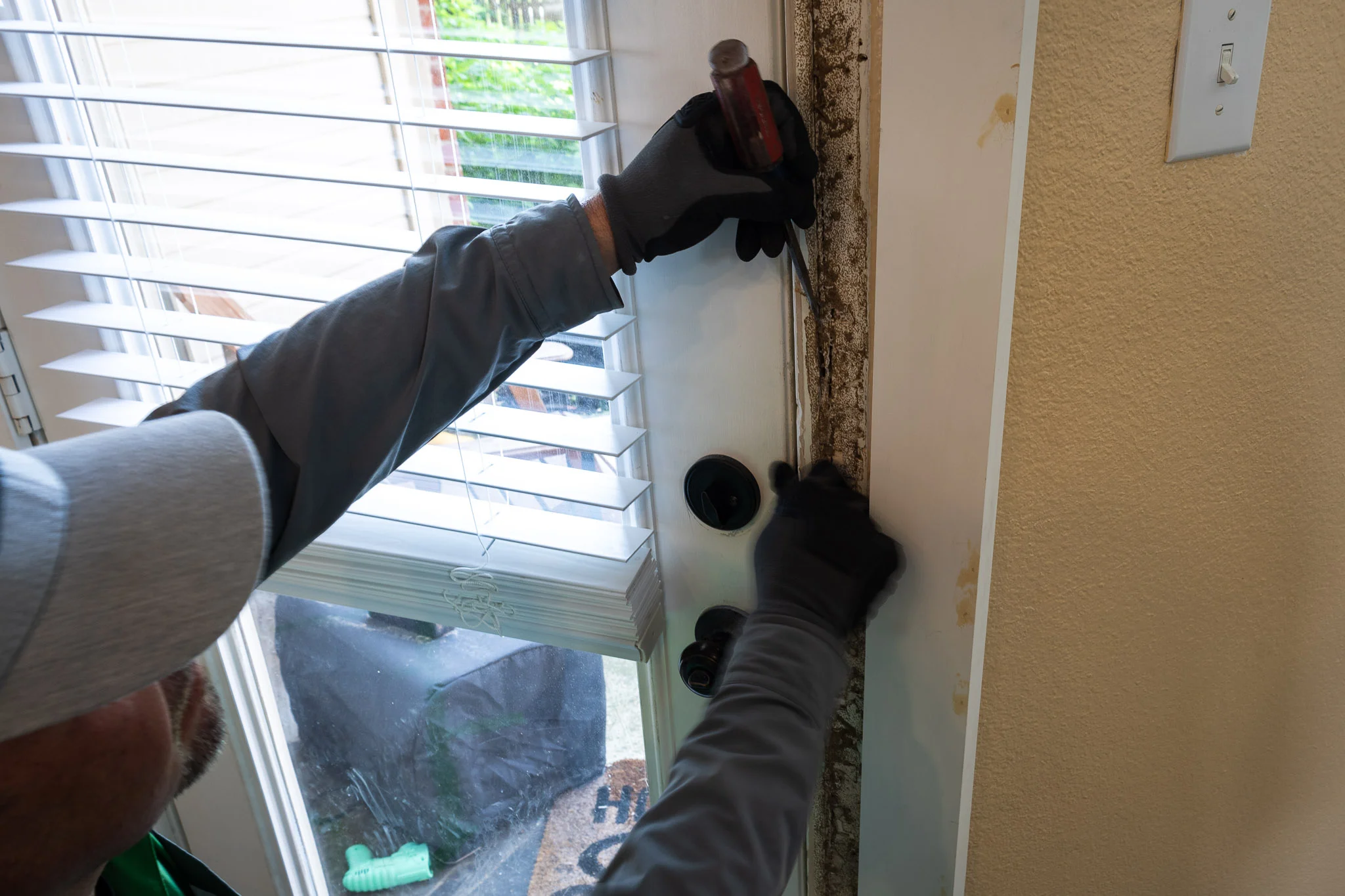
Your technician inspects wood-to-soil contact points, moisture-prone areas near Lake Bowen, commercial foundations along the interstate corridor, and open fields, and identifies whether carpenter ants, odorous house ants, Argentine ants, or fire ants are present.
Colony-Targeted Baiting
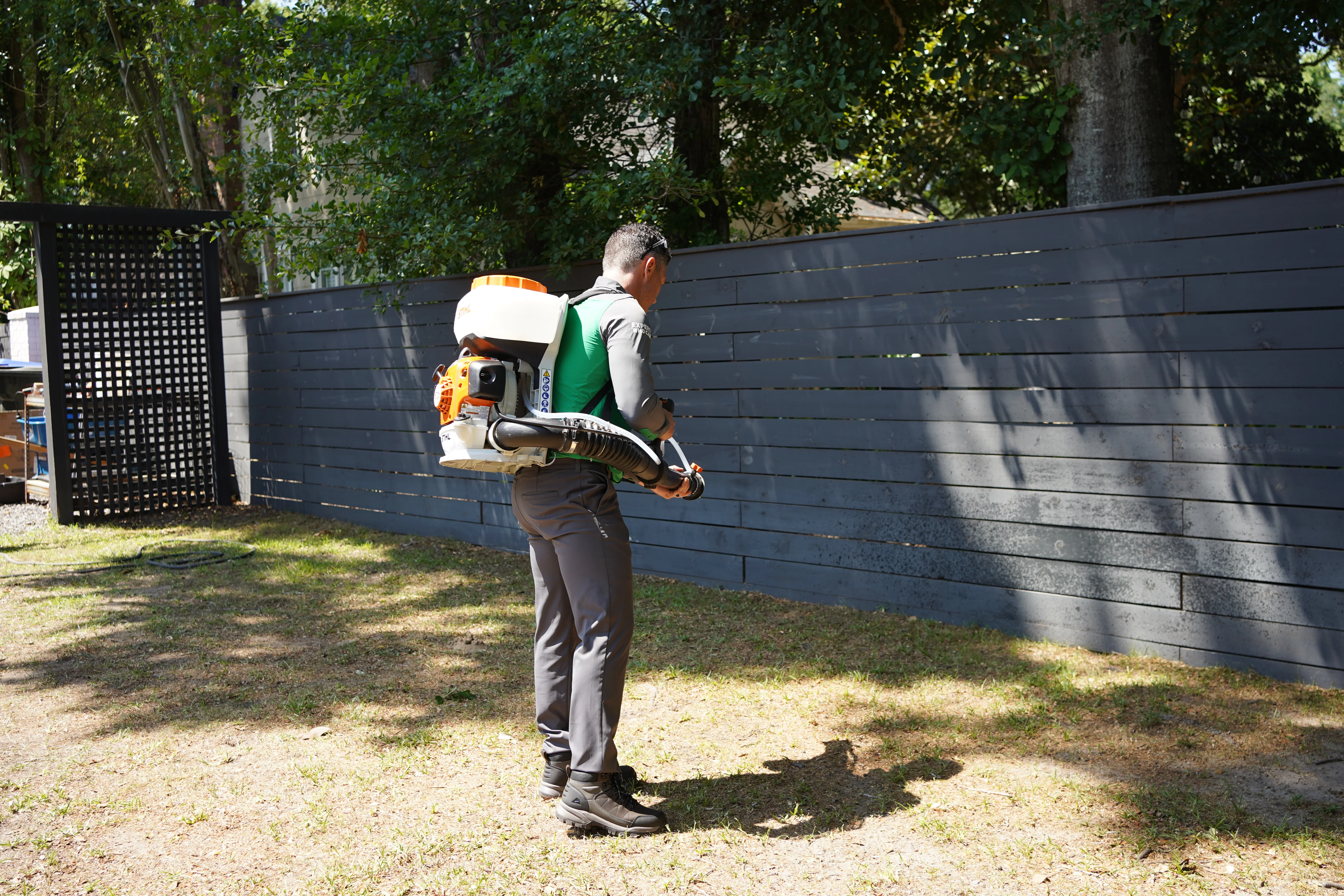
Bait formulated for the identified species is placed along trails and near suspected nest sites, allowing worker ants to carry it back to the colony rather than just killing what’s visible.
Targeted Perimeter & Structural Treatment
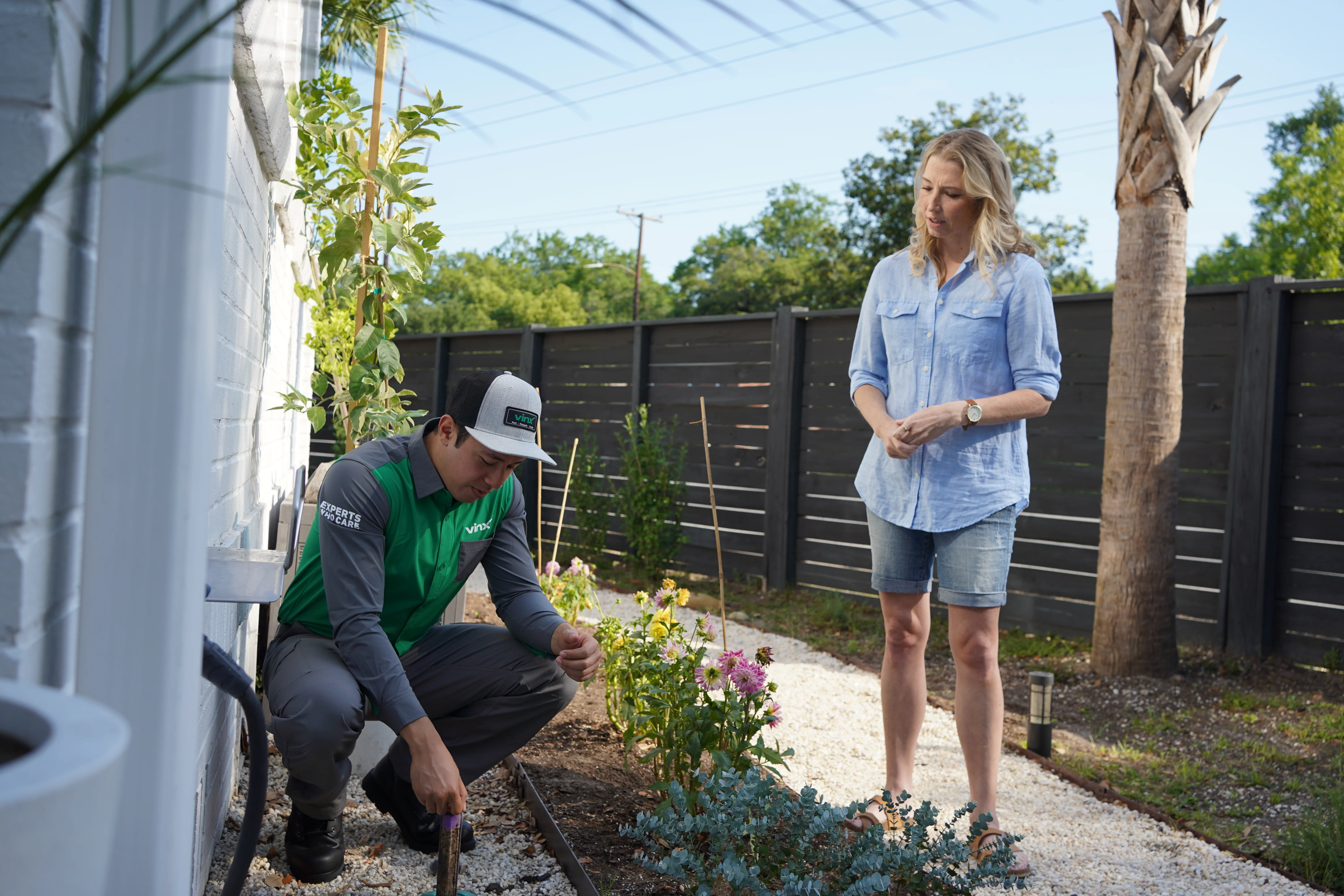
A barrier treatment is applied around the foundation and entry points, with wood-destroying carpenter ant colonies receiving direct structural treatment where activity is confirmed.
Ongoing Monitoring & Prevention
Follow-up visits maintain protection through Inman’s active ant season, with free re-service between visits if activity returns.
What Customers Say
Real Reviews from Inman Customers
From scheduling to completion of service, Vinx gets five stars. Technician Alec was prompt, friendly and did a very thorough job.
Alfredo is the best. Always polite and knows what he’s doing/talking about.
Zachari was very professional, I thought his explanations of what he was doing were great! He was also able to help me understand the sources of the ants
Alfredo was very cordial, self motivated and thorough, a real pleasure.
Hey I’m sorry I missed you! But thank so so much for stepping and looking over the mess Thanks again you guys are the best
Gave a very detailed review of his work, he clearly was attentive to what was needed.
Inman Ant Pressure
Why Ant Control in Inman Isn’t One-Size-Fits-All
The standard ant treatment is a perimeter spray, applied without asking which ant it is for. That is a problem in Inman, where the four common species want four different things. That’s a disservice in Inman, where a historic railroad crossroads, a century-old mill village, a popular recreational lake, an interstate corridor, and a rural fringe each create genuinely different ant pressure.
Two things set Inman apart. The first is the Isothermal Belt, whose inversions hold this higher ground warmer overnight and push the first hard freeze later, extending the season in which every one of these species forages. The second runs through the middle of town: three miles of disused Saluda Grade right-of-way, whose railroad ties are among the nesting sites Clemson lists first for the Asian needle ant. Around that, the habitats sort normally — carpenter ants in damp mill timber and old crossroads framing, odorous house ants in the shaded ground near Lake Bowen, Argentine ants in irrigated interstate landscaping, and fire ants in the open orchard and pasture land.
4 Ant Species Common to Inman
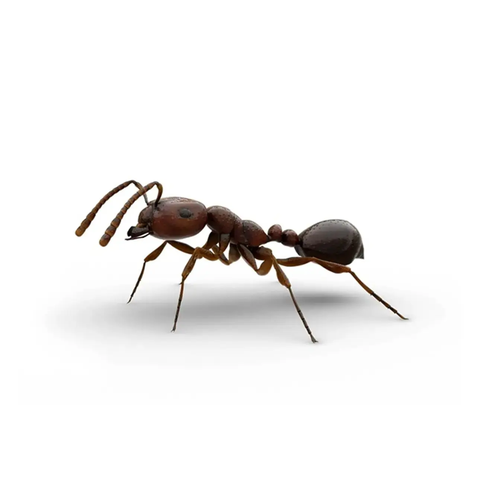
Fire Ant (Solenopsis invicta)
An aggressive, stinging ant that builds visible dome-shaped mounds in sunny, open areas. Common throughout the rural Spartanburg County fringe, where open fields and pastureland give it the ground it prefers. Clemson describes the founding flight that puts them there: mating happens between 70°F and 95°F, usually within 24 hours of rain, and a newly mated queen can fly two to three miles before landing, tearing off her wings and sealing herself into a chamber with a waterproof mix of soil and saliva. Nearly 99.9% never make it. The ones that do lay 100,000 to 300,000 eggs a year and can live six or seven, which is why a mound is a long-term neighbor rather than an event.
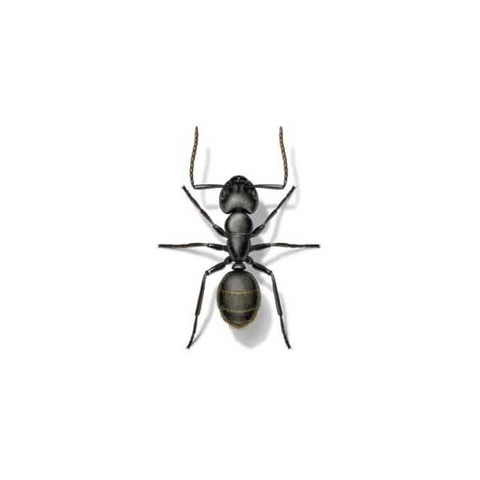
Carpenter Ant (Camponotus spp.)
A large black ant that tunnels through wood to build nests rather than eating it, causing structural damage over time. It favors moist or decaying wood, making the older, established construction near Inman’s historic crossroads and the century-old Inman Mills village a genuine concern.
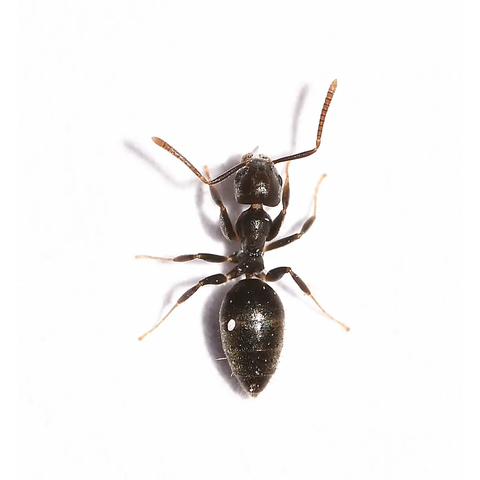
Odorous House Ant (Tapinoma sessile)
A small brown ant that emits a rotten-coconut smell when crushed, often nesting near moisture sources like leaky pipes or damp soil. Common near the shoreline vegetation and landscaping around Lake Bowen.
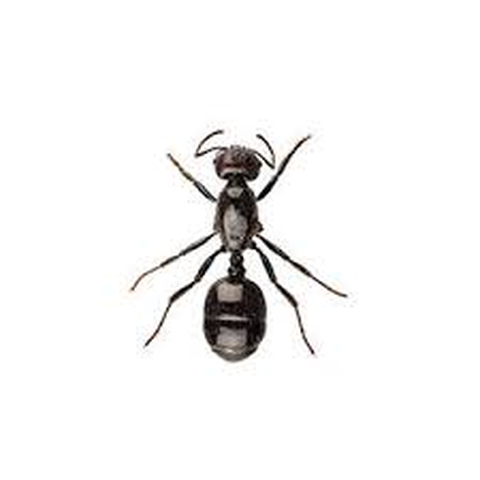
Argentine Ant (Linepithema humile)
An invasive species that forms multi-queen, interconnected colony networks rather than small individual nests, which is what makes spot treatment alone so unreliable against it. Irrigation is the lever that matters: three months of dry-season watering raised nest counts by 54% in a controlled study, so a timer left running feeds the problem. Common throughout the commercial and landscaped grounds along the I-26 and I-85 interstate corridor.
Ant Risk by Neighborhood
Ant Pressure Across Inman
Historic Inman Crossroads — SC-292 & US-176: Carpenter Ant Risk
Carpenter ants excavate wood that damp has already softened; they do not eat it and they do not attack sound timber. Housing at the 1882 Howard Gap and Blackstock crossing has had a century and a half to accumulate the leaks that make excavation possible.
Inman Mills Village: Carpenter Ant Risk
Inman Mills ran from 1901 to 2001 and its buildings are now apartments. Heavy mill timber that has taken on moisture is exactly the substrate carpenter ants exploit, and a satellite nest can sit in a wall void well away from the damaged wood itself.
Lake Bowen Vicinity: Odorous House Ant Risk
Odorous house ants track moisture and honeydew, and the shaded damp ground around Lake Bowen suits them all year. Their indoor moves follow heavy rain rather than drought, which is the reverse of the usual advice.
I-26 & I-85 Interstate Corridor: Argentine Ant Risk
Argentine ants are the species irrigation measurably drives, with dry-season watering raising nest counts by 54% in controlled work. Commercial frontage where I-26 and I-85 pass the town waters on a schedule regardless of season.
Rural Spartanburg County Fringe: Fire Ant Risk
Fire ants want open sun and disturbed soil rather than moisture, and the county’s remaining orchard and pasture land supplies both. Spartanburg County still keeps 2,555 acres in peaches, and cleared and replanted ground is colonised quickly.
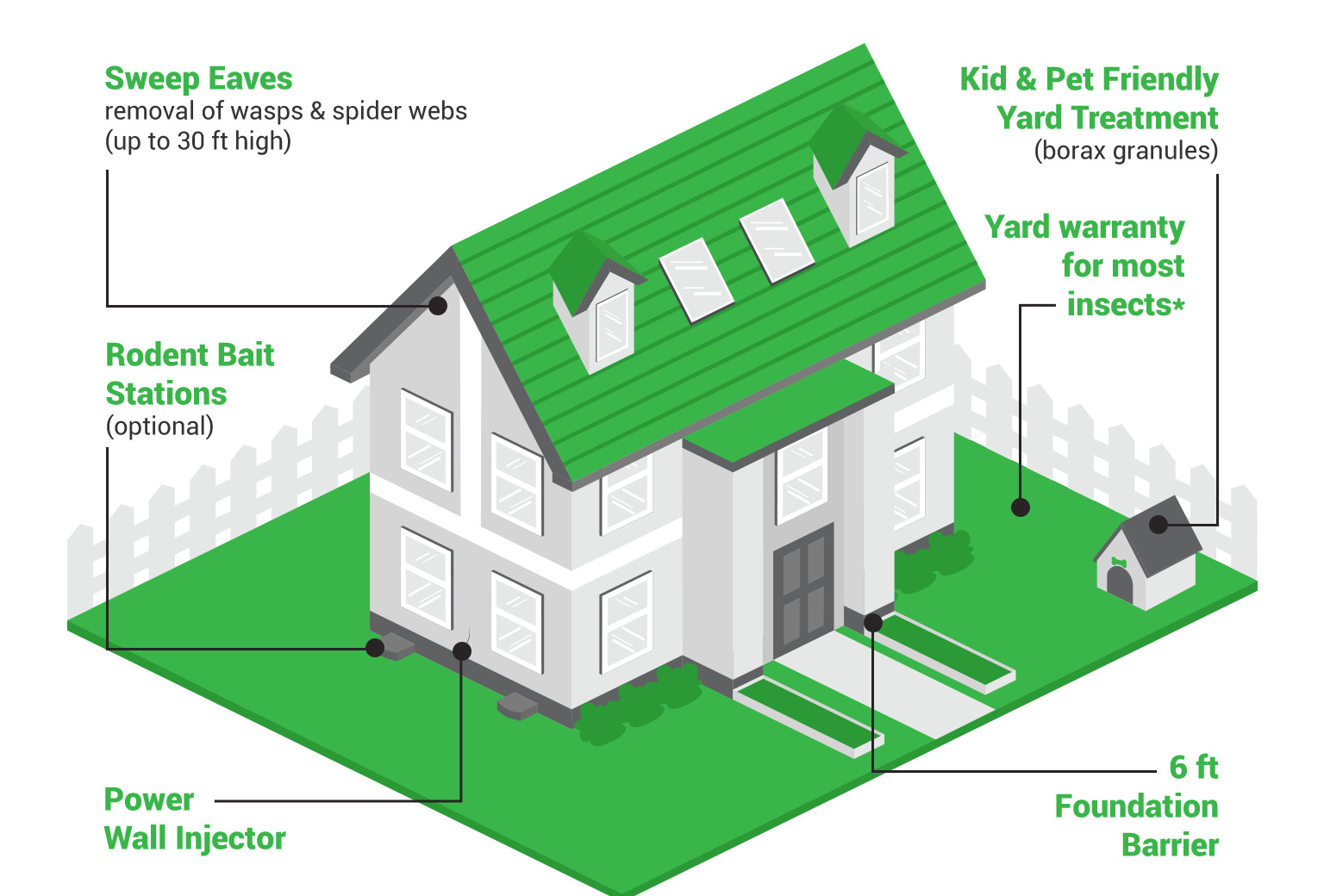
Vinx HomeGuard Plan
What Happens at Every Visit
Our technicians don't just spray and leave. Every quarterly service covers your full exterior and interior, done right, backed by a written guarantee.
- Sweep Eaves: Wasp nests & spider webs removed up to 30 ft
- Power Wall Injector: Treats wall voids where pests hide
- 6 ft Foundation Barrier: Full perimeter treatment every visit
- Yard Warranty: Free retreatment for most insects
- Kid & Pet Safe Yard Treatment: Borax granules, safe after dry
Complete Coverage
What Vinx Treats in Your Inman Home
Every common Inman pest covered under one quarterly service plan

Ants
Ants, Argentine ants, carpenter ants, and odorous house ants. Perimeter bait, mound treatment, crack and crevice application.
All Plans
Cockroaches & Palmetto Bugs
American, Asian, and German cockroaches. Gel bait in harborage areas, exterior perimeter spray, drain treatment.
All Plans
Spiders
Web removal from eaves, exterior perimeter targeting harborage. Black widow identification and targeted treatment.
All Plans
Wasps & Hornets
Nest removal from eaves, soffits, structural voids. Preventative treatment of common nesting sites on each quarterly visit.
All Plans
Fleas & Ticks
Yard treatment targeting grassy and shaded areas. Interior treatment of active infestation areas.
Plus & Platinum
Bed Bugs
Inspection, heat treatment assessment, and targeted chemical treatment. The nearby university population and riverfront rentals create consistent exposure risk.
Platinum (12mo)
Rodents
Exterior bait station monitoring included in Plus and Platinum. Active infestation and full exclusion quoted separately after inspection.
Plus & Platinum
Mosquitoes
Monthly barrier spray and larvicide. Year-round service adjusted seasonally. Up to 90% population reduction per visit.
Platinum Only
Occasional Invaders
Silverfish, earwigs, centipedes, stink bugs, ladybugs, pillbugs. Crack and crevice treatment, perimeter spray, entry point ID.
All PlansWhat to Look For
Signs of Ant Activity in Your Inman Home or Business
Small Piles of Wood Shavings Near Baseboards or Windowsills
A hallmark sign of carpenter ant activity, common near the historic crossroads and the Inman Mills village
Dome-Shaped Mounds in Open Yard or Field Areas
A hallmark sign of fire ants, common on the rural Spartanburg County fringe
Visible Ant Trails Near Doors, Windows, or the Kitchen
Often the first sign of an odorous house ant or Argentine ant problem
Ants Persisting Despite Store-Bought Sprays
Often a sign of a multi-queen Argentine ant colony network along the I-26/I-85 corridor, or of fire ants whose queen was never reached
A Rotten Coconut Smell When Ants Are Crushed
A telltale sign of odorous house ants, common near Lake Bowen
Fire ant stings can cause a painful, itchy welt and, in sensitive individuals, a more serious allergic reaction — reason enough to have mounds treated professionally rather than disturbed directly. If mounds seem to move around the yard after treatment, Clemson has a plainer explanation: individual mound treatments kill the mounds you actually found, and the ones you missed were there the whole time. Rain does not create mounds either; it collapses tunnels and the ants push the soil back out, so what changes is visibility, not population.
Kid & Pet Safe
Our Treatments Are Safe for Your Whole Family: Including the Furry Members
Every product we use is EPA-registered and applied strictly at labeled rates by licensed SC technicians.
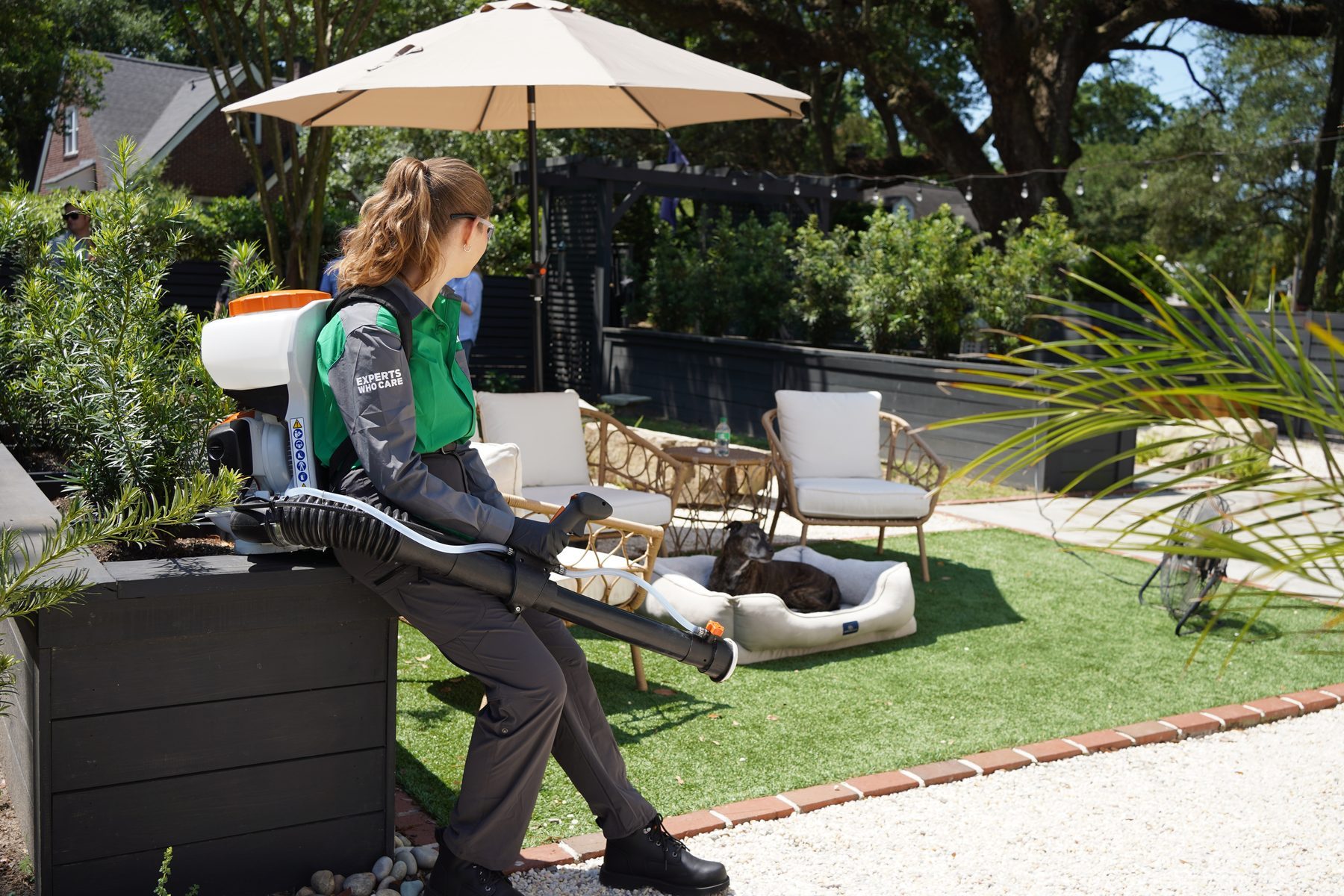
EPA-Registered Products Only
All products are EPA-registered and applied per strict label requirements by our licensed South Carolina technicians.
Safe Re-Entry After Drying
Exterior spray treatments dry in 30–60 minutes. Your technician confirms the all-clear before leaving your property.
Interior Treatment On Request
We treat only what’s needed, where it’s needed. Products placed away from areas pets and children frequent most.
Botanical Options Available
Ask your technician about plant-derived treatment options for households that prefer a more natural approach.
Questions about product safety near your family? Call (855) 800-8469 and we’ll walk you through exactly what we use.
Explore More
More Pest Control Services in Inman

Pest Control Inman
Year-round protection plan

Termite Control Inman
Bait systems & liquid treatment
Mosquito Control Inman
Monthly barrier treatments
Tick & Flea Control Inman
Yard & interior treatments
Rodent Control Inman
All rodents covered
Cockroach Control Inman
American & German roaches
Bed Bug Control Inman
Heat & liquid treatments
Spider Control Inman
All spider species covered
Exterminator Inman
Same-day local exterminators
Homeowner Tips
6 Ways to Reduce Ant Activity Around Your Inman Home or Business
Frequently Asked Questions
Ant Control FAQ for Inman Homeowners & Businesses
Vinx's general pest plans cover ant control: HomeGuard at $49/mo, Plus at $75/mo, Platinum at $109/mo, each carrying a $329 initial treatment and 12-month agreement. Call 855-800-8469 for a free quote.
Carpenter ants favor moist or decaying wood, and the century-old mill housing southwest of downtown gives them the wood-to-soil contact points they favor.
Likely yes. Fire ants build dome-shaped mounds in sunny, open ground, common throughout the rural Spartanburg County fringe. Do not disturb the mounds directly; fire ant stings can be painful.
Usually timing or freshness rather than the product. Clemson reports that fire ant baits cut populations by 85 to 95% in most research trials regardless of brand or active ingredient, so a failure is normally about how it was applied. Three things account for most of it. Bait only works while the ants are actively foraging — surface temperatures between 70°F and 95°F, which in an Inman summer usually means evening or night; you can test by putting a little out and checking whether ants find it inside thirty minutes. Bait also goes stale: it is an active ingredient on a soybean-oil carrier, and once the oil turns rancid the ants simply will not pick it up, so it should be bought in single-use quantities and kept away from gasoline, insecticides and cigarette smoke. And it needs about a twelve-hour dry window before rain or irrigation. One more thing worth knowing: fire ants feed each other liquid mouth to mouth, so the colony effectively has food tasters. Baits are deliberately slow so the queen is fed before anything goes wrong — which is exactly why a fast knockdown product feels better and works worse.
A store-bought spray generally kills only the ants it contacts; colony and queen are untouched. With bait, worker ants take the active ingredient back into the colony, which is how it actually reaches the queen. This counts most for multi-queen species like the Argentine ant, with colony networks running across several adjoining properties. True supercolonies belong to California and Europe. Sampling in the Carolinas and Georgia found colonies smaller than about two-thirds of an acre, with strong aggression between them, and that is why treatment here works property by property.
Yes. Everything we apply is EPA-registered, used at labeled rates by licensed South Carolina technicians, and concentrated outside so treatment stays clear of where your family and guests spend time.
Not automatically, but either can signal excess moisture or wood-to-soil contact. A professional inspection identifies which pest — or both — you have and addresses the conducive conditions underneath.
Argentine ants form multi-queen, interconnected colony networks rather than small individual nests, which is why they’re a genuine concern for the commercial landscaping along Inman’s I-26 and I-85 corridor.
Moisture retained in shoreline vegetation gives odorous house ants the damp conditions they favor, which is why activity is more common in that part of Inman than in drier areas.
In all probability, the Asian needle ant. Described by Clemson's Home & Garden Information Center as “very common in the upstate of South Carolina” yet “rarely identified”, its stings end up blamed on fire ants by default. It is a small dark ant that nests under stones, logs, mulch, railroad ties, ornamental stone and concrete pavers, which is ordinary landscaping in Inman. The three miles of disused Saluda Grade right-of-way through town are lined with exactly that material. Workers are on the move from March into late October, and it commonly enters houses. It does not turn out in numbers for the nest as a fire ant does, stinging only when trapped against skin or trodden on. It matters: two anaphylaxis cases were recorded in South Carolina in 2006, which makes a sting producing more than local pain worth taking seriously. If stings keep coming and no mound turns up, have your technician check under the hardscape instead of treating for fire ants.
The underlying species is often the same — carpenter ants are common in both areas — since both carry older, established construction with similar wood-to-soil contact.
Yes. Vinx Pest Control is licensed and insured to operate in South Carolina under Pest Control Operator license B3623, regulated by Clemson University’s Department of Pesticide Regulation, with technicians trained to identify and treat the specific ant species found throughout Inman and the greater Spartanburg County area.
Yes, with the method chosen for the water rather than against it. Fire ants forage up to a hundred yards from the mound, which means you do not have to put product at the water's edge to reach the colonies living there — Clemson specifically recommends broadcasting bait in a buffer roughly thirty feet back from a pond to treat mounds near it. That matters around Lake Bowen in particular, which is Spartanburg County's public drinking water supply, and it matters for farm ponds and livestock water out on the rural fringe. Individual mound drenches put considerably more pesticide into the ground and are better saved for a specific troublesome mound well away from water. Tell your technician where the water is and the plan is built around it.
Service Coverage
Ant Control Across Inman & the Greater Spartanburg County Area
Serving every neighborhood, farm, and business in and around Inman.
Serving the Greater Spartanburg County Area