Exterminator in Spartanburg, SC
Licensed exterminators for the Spartanburg area — next-day appointments, directional treatment where construction has moved pests toward you, and a guarantee behind the work.
Get Started in 60 Seconds
Choose what’s easiest for you
Request a Quote
We usually respond in 2 minutes
Call (864) 754-7155
Get a Live Person (no AI agents here!)
Sign Up Online
Get pricing and schedule now





Welcome to Vinx Pest Control
A Company That Actually Backs What It Says
At Vinx, we combine professional-grade treatments with a level of service most pest control companies don’t offer. Local technicians, fast response times, and a guarantee that actually means something.
Get a Free Quote“I’m not passionate about killing bugs. I’m passionate about customer service. At Vinx, you get experts who show up, do the job right, and stand behind every visit. No runaround, no fine print.”
PROTECTION PLANS
Spartanburg Exterminator Pricing
100% money-back guarantee on every plan.

Standard Residential Protection
- 4 Seasonal Treatments Per Year
- 50+ Covered Pests
- Interior, Exterior & Yard Treatment
- Unlimited Free Re-Services
- 100% Money-Back Guarantee
- Fire Ant Yard Guarantee
- Flea & Tick Coverage
- Mosquito Treatments

Upgraded Yard Protection
- 6 Home & Yard Treatments Per Year
- 50+ Covered Pests
- Interior, Exterior & Yard Treatment
- Unlimited Free Re-Services
- 100% Money-Back Guarantee
- Fire Ant Yard Elimination Guarantee
- Flea & Tick Elimination Guarantee
- Mosquito Treatments

Most Comprehensive Protection
- 9 Treatments Per Year
- 50+ Covered Pests
- Interior, Exterior & Yard Treatment
- Unlimited Free Re-Services
- 100% Money-Back Guarantee
- Fire Ant Yard Elimination Guarantee
- Interior Flea & Tick Coverage
- 8 Mosquito Treatments (Mar–Nov)
- Free Bed Bug Treatments if Needed*
*Starting rates vary by home size and area. All plans billed monthly.
Request Your Free Pest Control Quote
Fill out the form below and a Vinx team member will reach out within 2 minutes during business hours.
Prefer to talk? Call (864) 754-7155 for a live person, no AI agents.
Our Process
How Vinx Exterminators Work a Spartanburg Property: Step by Step

Inspection & Reporting
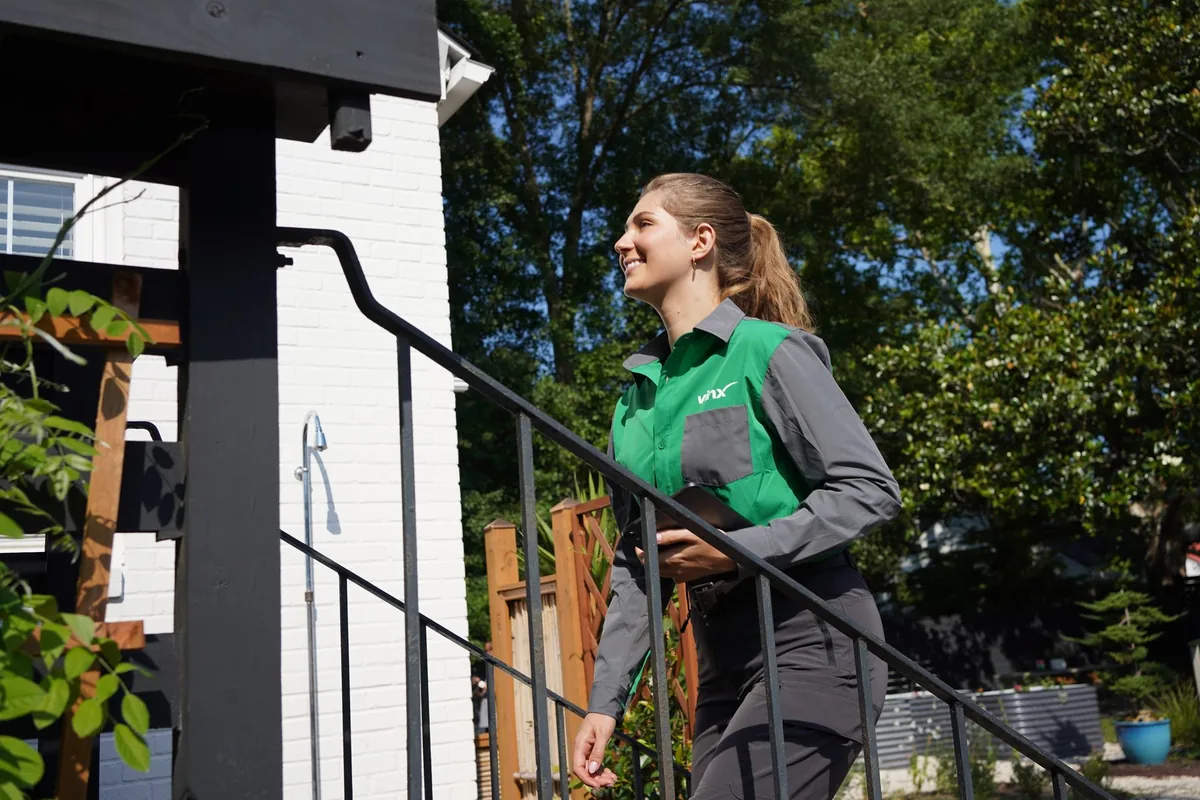
An exterminator visit in Spartanburg starts with figuring out what actually explains the timing. Spartanburg County is being rebuilt around its edges, and most calls in the outlying towns are not about a new pest arriving — they are about an existing one being displaced by nearby construction. Nothing gets applied until a technician has identified the pest and confirmed whether it is the native eastern subterranean termite rather than an assumed Formosan colony, since Spartanburg County is absent from Clemson’s documented Formosan list.
Exterior Foundation Treatment
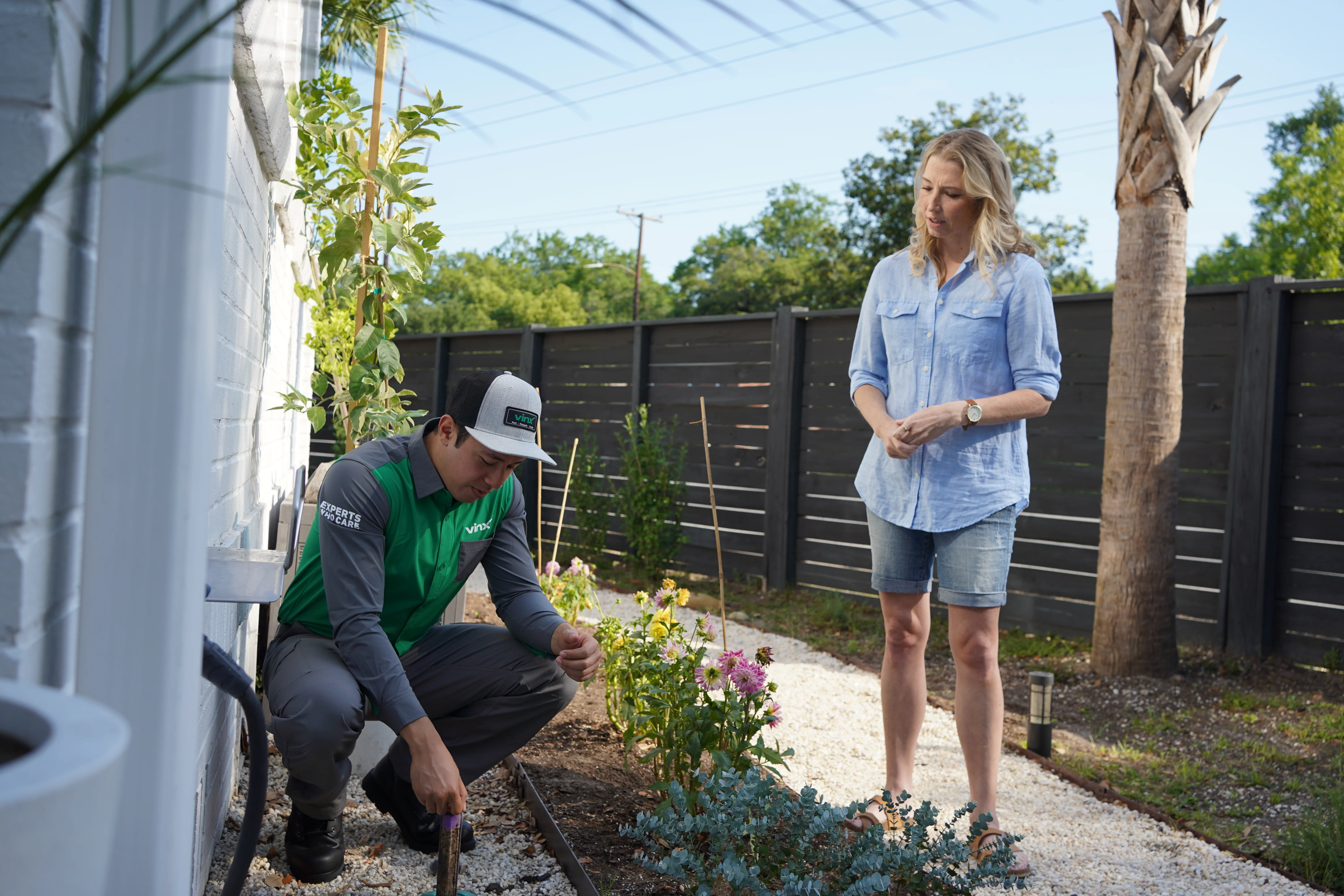
With the pest identified, the exterior gets a defensive line so it never establishes indoors. We apply a micro-encapsulated barrier around the foundation, three feet up and three feet out, at the slab gaps, weep holes and thresholds insects actually use to enter. Grading changes water flow more than people expect, so on lots downhill from new construction the foundation line is where standing water and pest pressure both concentrate.
Yard Treatment
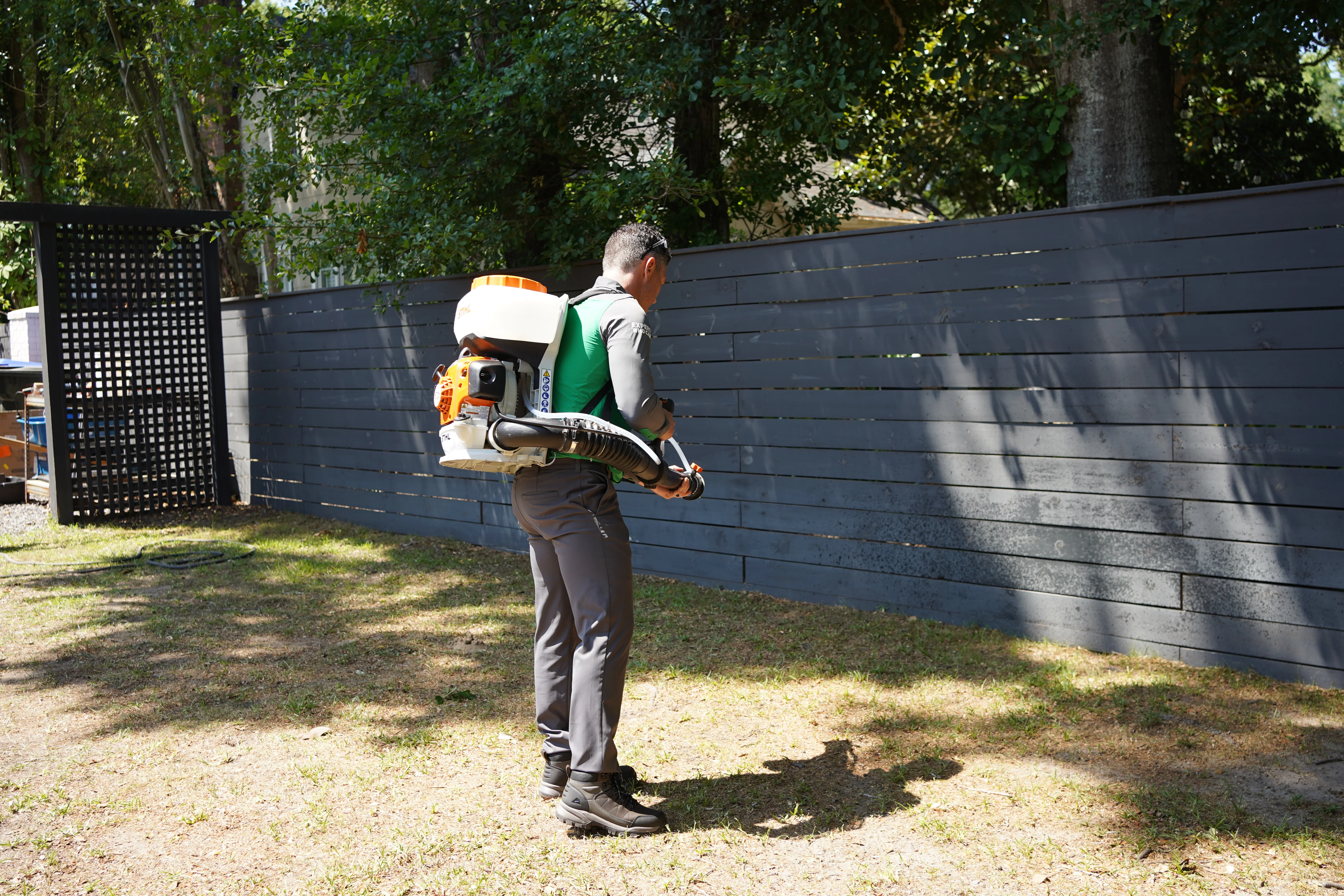
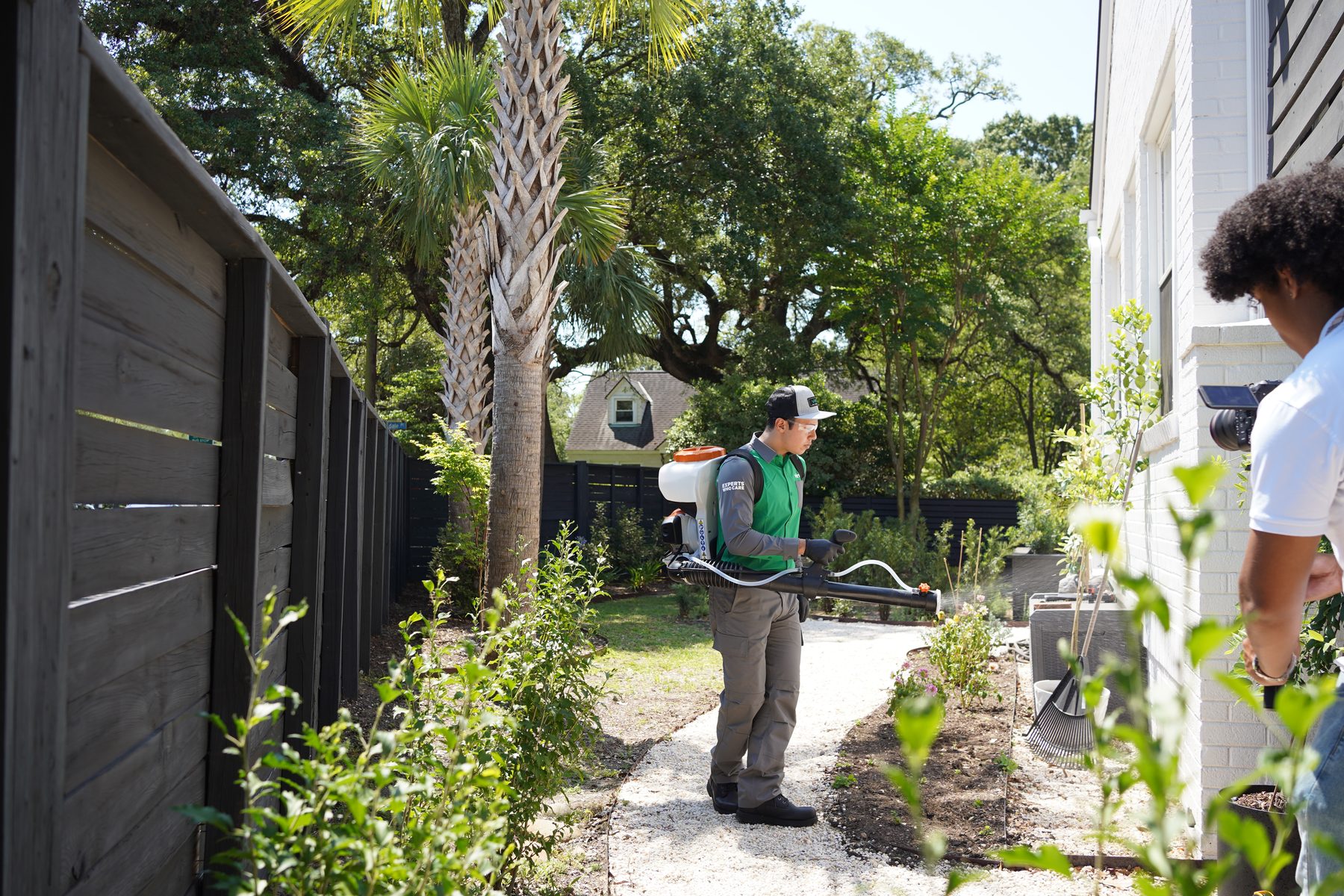
The yard gets treated up to thirty feet out, because most of what ends up indoors staged in the lawn first. Clearing a field does not kill the fire ant colonies living in it — it disturbs them, and disturbed colonies relocate and often split, so treatment here should be directional: product on the side pressure actually arrives from, not spread evenly around the house.
Sweep & Treat Eaves
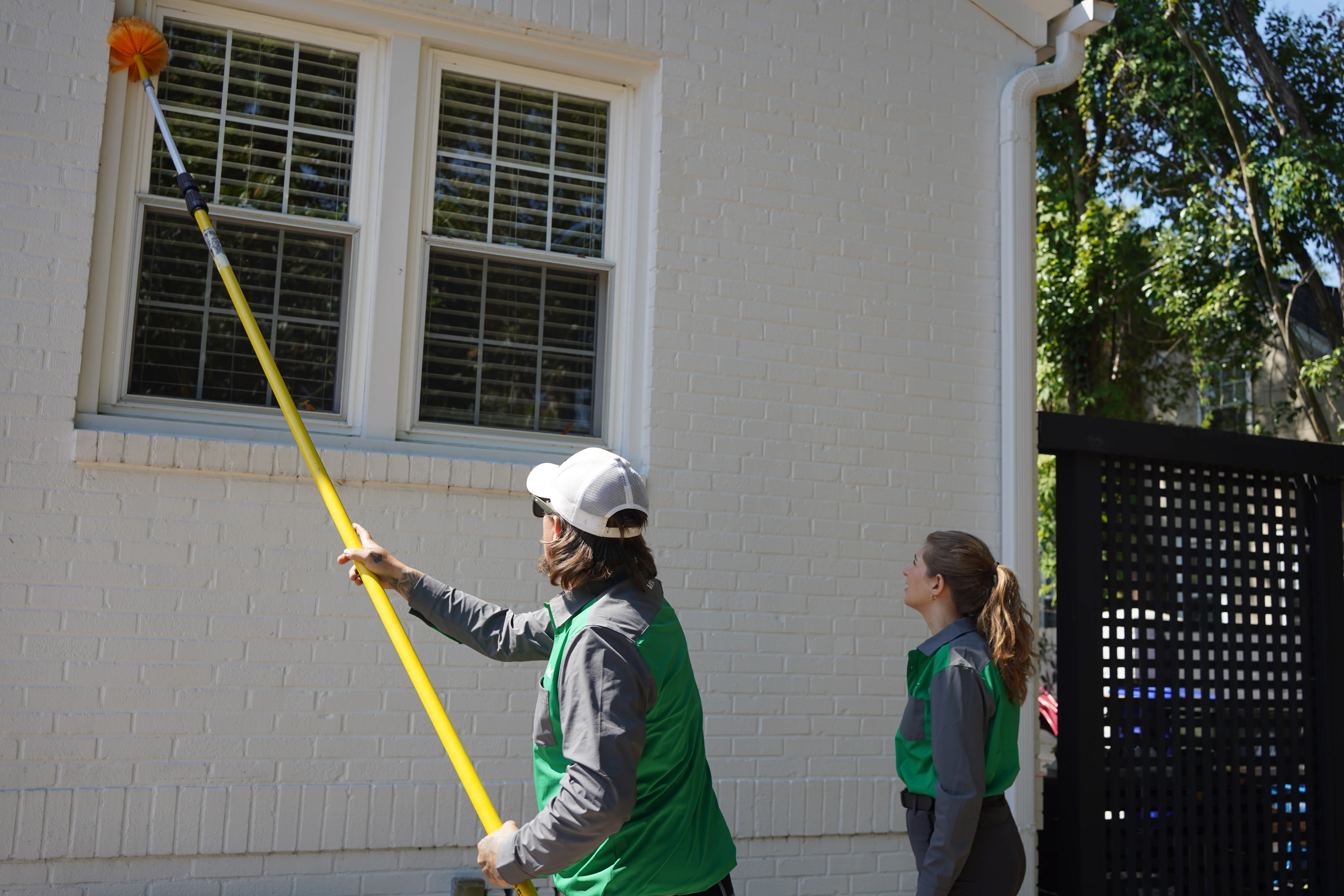
Rooflines are swept clear of webs and early wasp nests on every visit, then spot-treated with a residual product so returning insects contact the treatment instead of rebuilding. With around 206 freeze-free days at the Spartanburg station, the season runs well past summer, so the eaves pass matters into the fall shoulder season as much as in July.
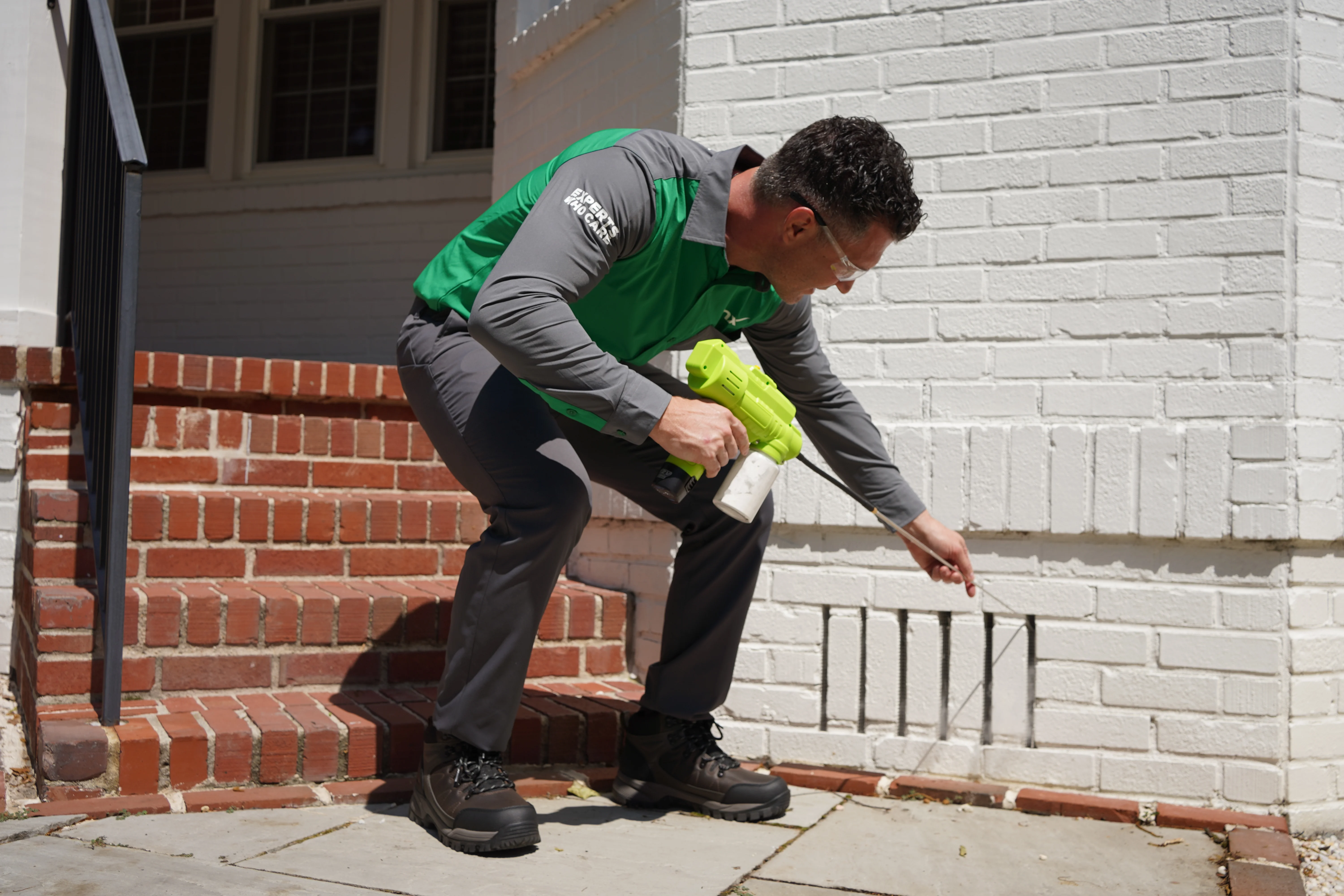
Power Dust Injection
Cracks, weep holes, pipe penetrations and expansion joints get a dust product driven deep with a compressor tip, reaching wall voids a surface spray cannot. Nothing gets quoted at termite or recluse rates until a specimen or physical evidence supports it — identification before pricing, especially in a county where both are commonly overstated.
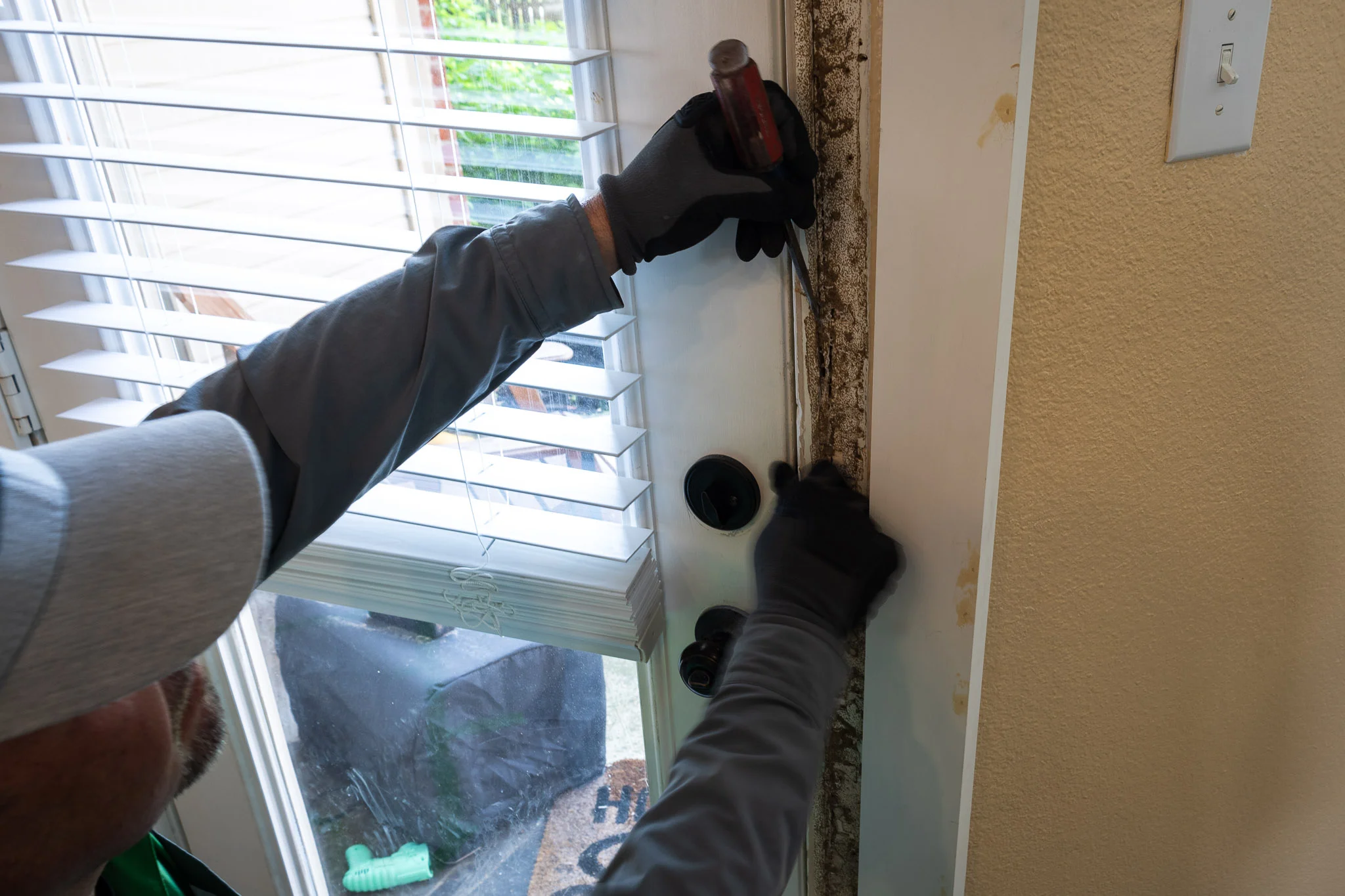
Interior Treatment (If Needed)
Where an infestation is already established indoors, we treat the interior directly and document every visit in writing. Drainage correction outlasts any spray schedule where earthworks nearby have redirected runoff, and we will say so at the inspection rather than just scheduling another visit.
Our Reviews
Real Reviews from Spartanburg Homeowners
Today call pest control early this morning and sent truck by end of lunchtime for guy to do pest control inside house & outside home for August $45 special offer so Thanks Vinx
Tony came out to assess a rodent (squirrel) issue for us on behalf of our property management company. He was personable, thorough, and very knowledgeable. I would definitely recommend him in the future.
Jonathan is awesome! He arrived on time. Let me know he was about to enter into the gated yard (I have dogs who can out run any human). He also let me know his findings prior to leaving. Polite and professional gentleman.
The Best Pest Control in Spartanburg Starts With a Free Inspection
Fire ants displaced by I-85 industrial construction. Mosquitoes from Lake Bowen and the Tyger River. Norway rats migrating in from Spartanburg County’s agricultural borders. The only approach that works in Upstate SC is consistent service backed by a guarantee that removes the risk from your side entirely.
Spartanburg Area Pest Facts
Why Spartanburg’s Geography Creates Distinct Pest Pressure
Last updated: September 5, 2026
Spartanburg County is being rebuilt around its edges, and that is the single most useful thing to understand about pest control here. Most of the calls we take in the outlying towns are not about a new pest arriving. They are about an existing one being displaced by construction — and that distinction changes what you should pay for. Clearing a field does not kill the imported fire ant colonies living in it, it disturbs them, and disturbed colonies relocate and often split. Rodents living along a fence line or in an outbuilding move to the nearest remaining cover when that cover goes, which is a shed or crawl space on the adjoining street. The practical consequence is that treatment here should be directional: if pressure arrives from the side facing cleared ground, that is where the product belongs.
Grading has a longer tail than the disturbance itself. Every new roof, driveway and road sheds water that used to soak into the ground, and it goes somewhere downhill — a low corner that used to drain overnight can start holding water for days. Clemson HGIC sets the threshold plainly: water standing five days or more can breed mosquitoes, and some species need no more than a tablespoon. A street that never had a mosquito problem can acquire one from drainage changes half a mile away.
Two line items are worth refusing on a quote in this county. Clemson’s county tracking lists sixteen South Carolina counties with documented Formosan subterranean termite colonies, and Spartanburg County is not among them — what is established is the native eastern subterranean termite, a serious and ordinary problem in its own right. The brown recluse is the second: the state’s own verified record counts forty-four confirmed specimens in all of South Carolina since 1953, none from natural habitat, and concludes the species is not established. If a spider is why you called, the useful next step is having it identified rather than treated.
6 Reasons the Spartanburg Area Calls an Exterminator
Fire & Needle Ants
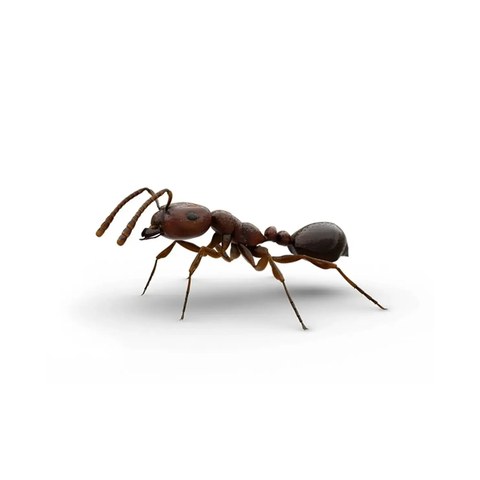
Fire ants are the clearest example of construction displacing pests rather than creating them — clearing a field disturbs the colony living in it, and disturbed colonies relocate and often split onto the nearest occupied lot. Directional boundary treatment on the side pressure arrives from works better than an even application around the house.
Not every sting in this county is a fire ant, though. Clemson says of the Asian needle ant: “although it is very common in the upstate of South Carolina, it is rarely identified,” and when people are stung they usually blame the imported fire ant instead. It nests in dark, damp places — under stones, logs, mulch, railroad ties, ornamental stones and concrete pavers — which is ordinary Upstate landscaping rather than open lawn, so it is missed by anyone treating for mounds. Workers run March to late October, swarmers late May to September peaking in July and August, and Clemson notes it “commonly enters homes.” The sting matters: two anaphylaxis cases were recorded in South Carolina in 2006. If you are being stung with no mound to point at, that is the identification worth making.
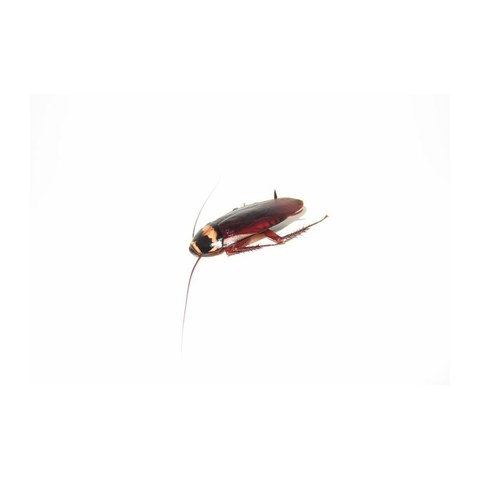
Ants & Cockroaches
Ants and cockroaches both work older building stock and newly disturbed ground alike across Spartanburg County. Treatment goes to the harborage with gel bait and growth regulator rather than chasing the insect on the wall, tracing trails back to the colony rather than just spraying the surface.
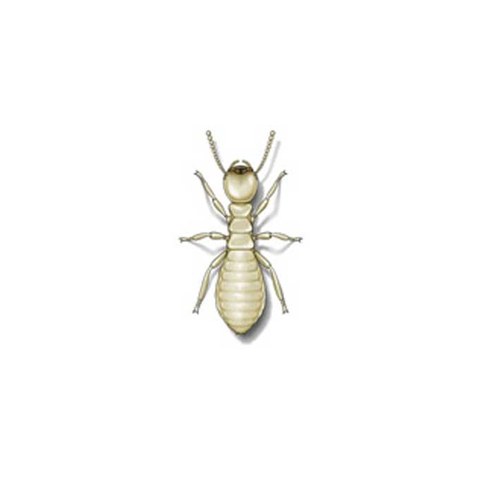
Termites
The native eastern subterranean termite is the species that actually damages houses here — Spartanburg County is not on Clemson’s documented Formosan list, so Formosan-priced work in this county deserves a specimen before you pay for it. It works from soil and needs moisture, entering wherever treated ground has been bridged.
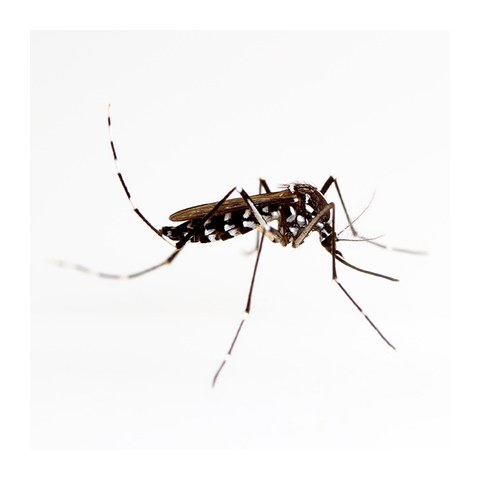
Mosquitoes
Grading from nearby construction redirects runoff that used to soak in, turning a low corner into standing water for days rather than overnight. Clemson HGIC’s threshold of five days is the trigger point, so larvicide on standing water and a barrier on shaded resting cover are the response, weighted into the long freeze-free season.
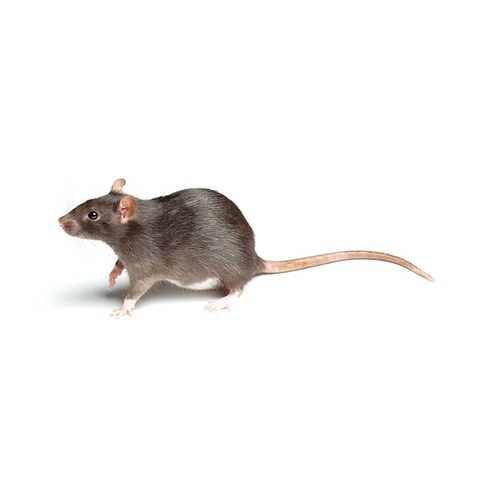
Rodents
Rodents lose cover when a nearby field or fence line gets cleared and move to the nearest remaining shed or crawl space, which is often on the next street over. Exclusion on your own structure plus a treated boundary facing the cleared ground is the productive response rather than more bait indoors.
Spiders & Other Pests
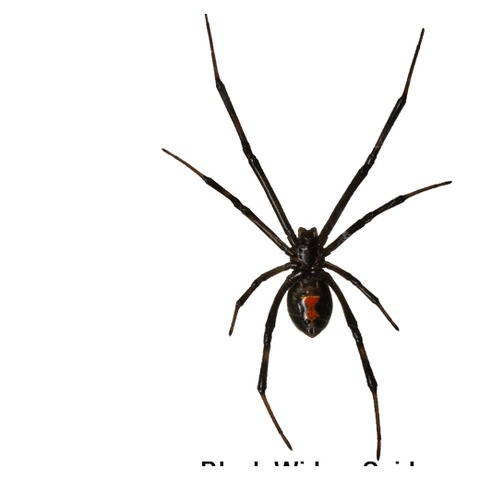
Spider calls here are usually widow spiders or common house species rather than brown recluse, which the state’s verified record does not support as established in South Carolina. Identification comes before pricing on anything unusual, and a suspected recluse should always be produced for confirmation.

Ticks
The tick most people worry about is not the one they are most likely to get. Clemson calls the lone star tick “the most collected species in SC,” while the black-legged tick — the Lyme vector — is “found across SC, but in low volume.” That matters because they carry different things: Clemson links the lone star to alpha-gal syndrome, the delayed red meat allergy that can follow a bite, along with ehrlichiosis and STARI. Rocky Mountain spotted fever belongs to the American dog tick and the brown dog tick, not the lone star, whatever you may have read. Treatment goes to the vegetation transition zones and shaded margins where ticks actually wait, not the open lawn.
Spartanburg County has written some of this down itself, which is unusual and useful. County Council’s own ordinance finds that junkyards “are a breeding ground for mosquitoes or other insects, snakes, rats and other pests,” and gives the County Health Department authority to inspect them; the same ordinance requires refuse at manufactured home parks to be handled “in such a manner as not to create a nuisance, vector attractant, breeding or harborage problem,” and requires camp and RV refuse containers to have “fly-tight covers.” If a neighboring property is accumulating scrap, that is not just an eyesore — the county names it as a pest source and there is a complaint route. Two other rules cut the other way and create harborage rather than removing it. Bufferyards screening industry or multi-family development from single-family homes must be planted with “only evergreen plants… to achieve an opaque screen,” up to 50 feet deep — permanent dense cover along a property line. And manufactured homes must be fully skirted around the entire home, with no ventilation specification attached to that requirement, which turns the perimeter into a sealed, unvented void over damp clay. Both are worth inspecting on a first visit; neither is optional for the owner. Note the scope: these are county rules and they apply in unincorporated Spartanburg County — which includes Boiling Springs, since it has no municipal government — but not inside the City of Spartanburg, Duncan, Inman, Lyman or Woodruff.
There is a real elevation gradient across this county, and it runs the opposite way from what people assume. Inman sits highest at roughly 977 feet, then Boiling Springs at 907, Duncan 861 and Lyman 851, while the city of Spartanburg sits near the low end at about 774 feet, and Woodruff lower still at 748. NOAA climate normals for the Spartanburg station record just over fifty inches of rain a year and about 206 freeze-free days in USDA zone 8a, with the northern, higher end of the county running around eleven fewer frost-free days. What that means practically is a slightly different calendar, not a different pest list — a reason to weight a schedule rather than to change a method.
Pest Pressure Across Spartanburg & Surrounding Communities
Pest Pressure Across the Spartanburg Area
Boiling Springs: The County’s Largest Unincorporated Community
Boiling Springs is the largest community in the county with no town government of its own — and no documented spring, despite the name. Its size without formal government means service calls run on the same countywide, directional-treatment logic as the rest of the area.
Woodruff: Rapid Growth by Annexation
Woodruff grew about forty percent in three years, annexing land and permitting roughly 1,156 homes in a city of about 4,700. That pace is exactly the kind of construction that displaces existing fire ant and rodent populations onto adjoining occupied streets rather than removing them.
Lyman: A Mill Village Doubling in a Decade
Lyman’s 375 mill village homes were built in 1927, and the town’s population nearly doubled in a decade. Older mill-village housing stock alongside rapid recent growth means both aging-building termite risk and construction-displacement pest pressure show up in the same town.
Inman: Peach Country at the Highest Ground
Inman is peach country, and the highest ground of the group at around 977 feet — which shifts its shoulder seasons slightly later in spring and earlier in fall, but does not change the underlying pest list or the need for the same soil-first termite approach.
Duncan: A Railroad Town, Not a Mill Town
Duncan is a railroad town rather than a mill town — its own history names no textile mill at all, which sets its older building stock apart from Lyman’s mill-village housing in age and construction style, though the same directional pest-pressure logic applies.
Kid & Pet Safe
Our Treatments Are Safe for Your Whole Family: Including the Furry Members
Every product we use is EPA-registered and applied strictly at labeled rates by licensed SC technicians. We take the guesswork out of safety so you can feel confident letting kids and pets back into treated areas quickly.

EPA-Registered Products Only
All products we apply are EPA-registered and used strictly per label requirements. Our licensed SC technicians are trained to apply the right product in the right place at the right rate, every time.
Dry Time Before Re-Entry
Exterior spray treatments dry in 30–60 minutes. Once dry, treated surfaces are safe for children and pets to contact. Your technician will confirm the all-clear before leaving your property.
Interior Treatment On Request
We treat only what’s needed, where it’s needed. Gel baits in cabinets and crack-and-crevice applications keep products away from areas pets and children frequent most.
Botanical Options Available
Have specific sensitivities? Ask your technician about our plant-derived treatment options. We offer botanical alternatives for households that prefer a more natural approach.
Have a concern about products used near your pets or children? Call (864) 754-7155 and we’ll walk you through exactly what we use and why it’s safe.
Explore More
More Pest Control Services in Spartanburg

Ant Control Spartanburg
Household ants & others

Bed Bug Control Spartanburg
Heat & liquid treatments

Cockroach Control Spartanburg
American & German roaches

Mosquito Control Spartanburg
Monthly barrier treatments

Rodent Control Spartanburg
All rodents covered

Spider Control Spartanburg
All spider species covered

Termite Control Spartanburg
Bait systems & liquid treatment

Wasp Control Spartanburg
Wasps, hornets & more

Pest Control Spartanburg
Year-round protection plans

Tick & Flea Control Spartanburg
Yard & pet protection
Frequently Asked Questions
Exterminator Spartanburg SC: Frequently Asked Questions
Recurring plans start at $49 a month and cover more than fifty pests. One-off treatment is priced by pest and property; termite, mosquito and flea-and-tick work is quoted separately. Inspection is free and the price is firm before anything starts. Call 855-800-8469.
Almost certainly because something changed near it. Clearing and grading displaces established fire ant and rodent populations into adjacent occupied streets rather than removing them, and new hard surface changes where water sits. Treating the side it arrives from is the productive response.
No. Clemson’s county tracking lists sixteen South Carolina counties with documented Formosan colonies and Spartanburg is not one of them. The native eastern subterranean termite is the species that actually damages houses here, and Clemson HGIC explains why it is worth inspecting for on its own terms.
Ask them to identify the specimen before you agree to anything. The state’s verified record is very thin and the study behind it concludes the species is not established in South Carolina, so a recluse-priced job here usually rests on an assumption rather than an identification.
The CL-100 is South Carolina’s Wood Infestation Report, governed by S.C. Code Regs. 27-1085. It is not legally required to sell, but most lenders and contracts ask for one, and it must be issued by someone licensed in Category 7A. Three things sellers here regularly get wrong. It covers wood-destroying insects and fungi, but fungi only below the level of the first main living-area floor — decay in siding, fascia or eaves is outside its scope. “Excessive moisture” has a hard number: wood moisture at or above 20%, or standing water in the crawlspace or around the foundation, which on Spartanburg’s slow-draining clay is not a high bar. And no expiry appears anywhere in the regulation — the “30 days” you will hear quoted is lender and contract practice, not law. As for who fixes what: the regulation states the report “is not a warranty against future infestation, nor does it place any obligation for the correction of reported damage or infestation upon the applicator or business issuing the report.” Any repair duty comes from your contract or your lender, not the state, which means it is negotiable.
Not in any way we can source. There is a real gradient — Inman around 977 feet down to Woodruff at 748, with the city of Spartanburg near the low end at about 774 — and the northern end runs roughly eleven fewer frost-free days. That shifts the shoulder seasons. It does not give you a different pest list.
Often, and the productive part is rarely the open water — moving water is poor habitat. It is the sheltered margins and the pockets that now hold water on your own lot. Clemson HGIC gives the threshold, and the useful exercise is walking your property two days after a storm and marking what is still wet.
Quarterly for most properties, weighted toward the warm months and extended into fall. With around 206 freeze-free days, the shoulder seasons matter more here than people expect.
We cover the city and every community in the table above, plus Chesnee, Wellford, Moore and the I-85 corridor toward Greer. Most calls get a next-day appointment. Call 855-800-8469.
Not in Spartanburg County yet, but it is worth being able to recognize. The yellow-legged hornet arrived near Savannah in 2023 and stayed in the Lowcountry until December 8, 2025, when Clemson confirmed a nest in York County — the first outside the Lowcountry and more than 150 miles north of the nearest previous sighting, which points to it being moved by people rather than spreading on its own. York is two counties east of us. Clemson describes it as 0.7 to 1.0 inches long, with a mostly black head, a distinct yellow or orange face, and legs that are dark near the body and turn yellow at the tips. Nothing native here looks like that. Beekeepers usually spot it first because it hovers at hive entrances taking returning foragers. If you think you have seen one, report it to Clemson rather than buying a treatment for it.
Service Coverage
Pest Control Across Spartanburg & Spartanburg County
Serving every neighborhood in the Spartanburg metro area