Ant Control in Isle of Palms, SC
Fire ants, nuisance indoor ants and carpenter ants — three problems, three different responses, and only one of them is about your lawn.
This island has two completely different ant environments a mile apart. There is irrigated, fertilized resort turf, and there is raw dune sand. Imported fire ants want the first and largely ignore the second, which means the honest answer to “do I have a fire ant problem?” on Isle of Palms depends on which side of your property you are standing.
Get Started in 60 Seconds
Choose what’s easiest for you
Request a Quote
We usually respond in 2 minutes
Call 855-800-8469
Get a Live Person (no AI agents here!)
Sign Up Online
Get pricing and schedule now





Welcome to Vinx Pest Control
A Company That Actually Backs What It Says
At Vinx, we combine professional-grade treatments with a level of service most pest control companies don't offer. Local technicians, fast response times, and a guarantee that actually means something.
Get a Free Quote"I'm not passionate about killing bugs. I'm passionate about customer service. At Vinx, you get experts who show up, do the job right, and stand behind every visit. No runaround, no fine print."
PROTECTION PLANS
Isle of Palms Ant Control Pricing
100% money-back guarantee on every plan.
Standard Residential Protection
- 4 Seasonal Treatments Per Year
- 50+ Covered Pests
- Interior, Exterior & Yard Treatment
- Unlimited Free Re-Services
- 100% Money-Back Guarantee
- Fire Ant Yard Guarantee
- Flea & Tick Coverage
- Mosquito Treatments

Upgraded Yard Protection
- 6 Home & Yard Treatments Per Year
- 50+ Covered Pests
- Interior, Exterior & Yard Treatment
- Unlimited Free Re-Services
- 100% Money-Back Guarantee
- Fire Ant Yard Elimination Guarantee
- Flea & Tick Elimination Guarantee
- Mosquito Treatments

Most Comprehensive Protection
- 9 Treatments Per Year
- 50+ Covered Pests
- Interior, Exterior & Yard Treatment
- Unlimited Free Re-Services
- 100% Money-Back Guarantee
- Fire Ant Yard Elimination Guarantee
- Interior Flea & Tick Coverage
- 8 Mosquito Treatments (Mar–Nov)
- Free Bed Bug Treatments if Needed*
One-off treatment priced by pest and property, or recurring plans from $49/mo, money-back guaranteed on every plan. Termite, mosquito and flea-and-tick work is quoted separately. Free inspection and a firm price first — call 855-800-8469.
Request Your Free Pest Control Quote
Fill out the form below and a Vinx team member will reach out within 2 minutes during business hours.
Prefer to talk? Call 855-800-8469 for a live person, no AI agents.
Our Process
How Our Isle of Palms Ant Control Works

Free Inspection Following the Irrigation
We map the maintained, watered area separately from sand and scrub, because that boundary predicts fire ant activity better than anything else on a barrier island.
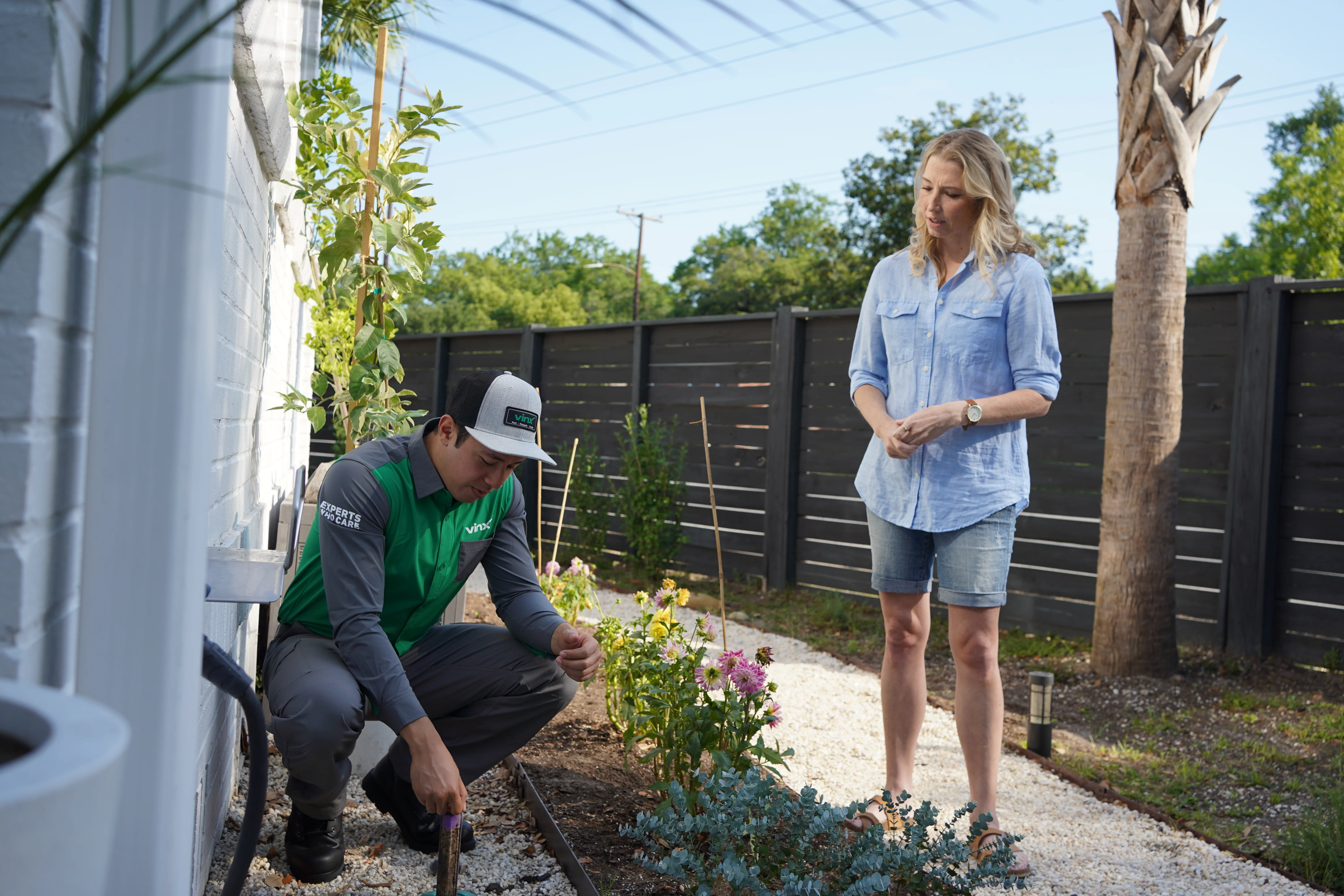
Species Identification
Fire ants, nuisance indoor ants and carpenter ants need three different responses, and the third is a moisture finding as much as a pest one.
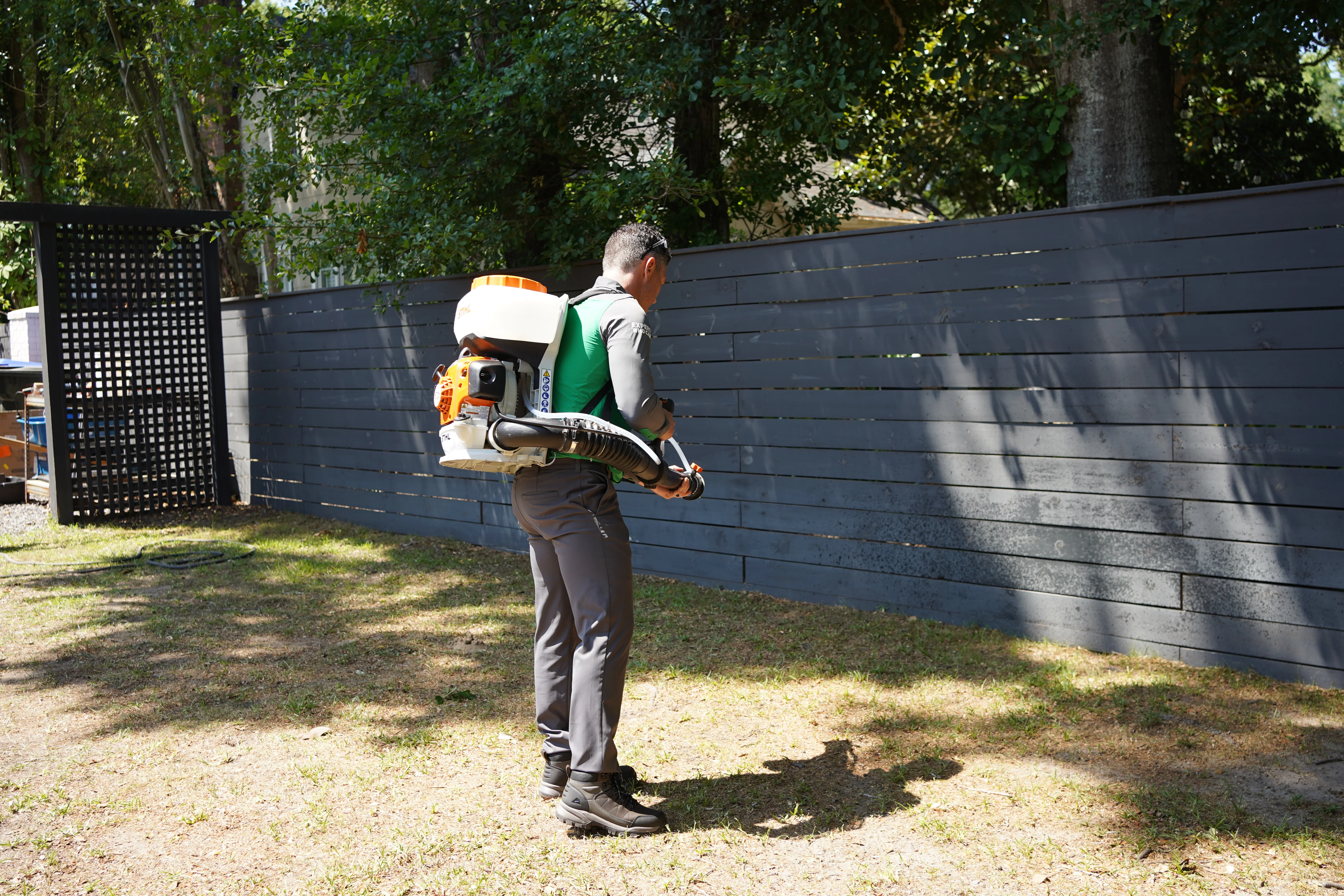
Whole-Area Treatment Where It Is Warranted
Timed to the post-rain flight window rather than applied mound by mound after the fact, because spot-treating mounds leaves the population that produced them.
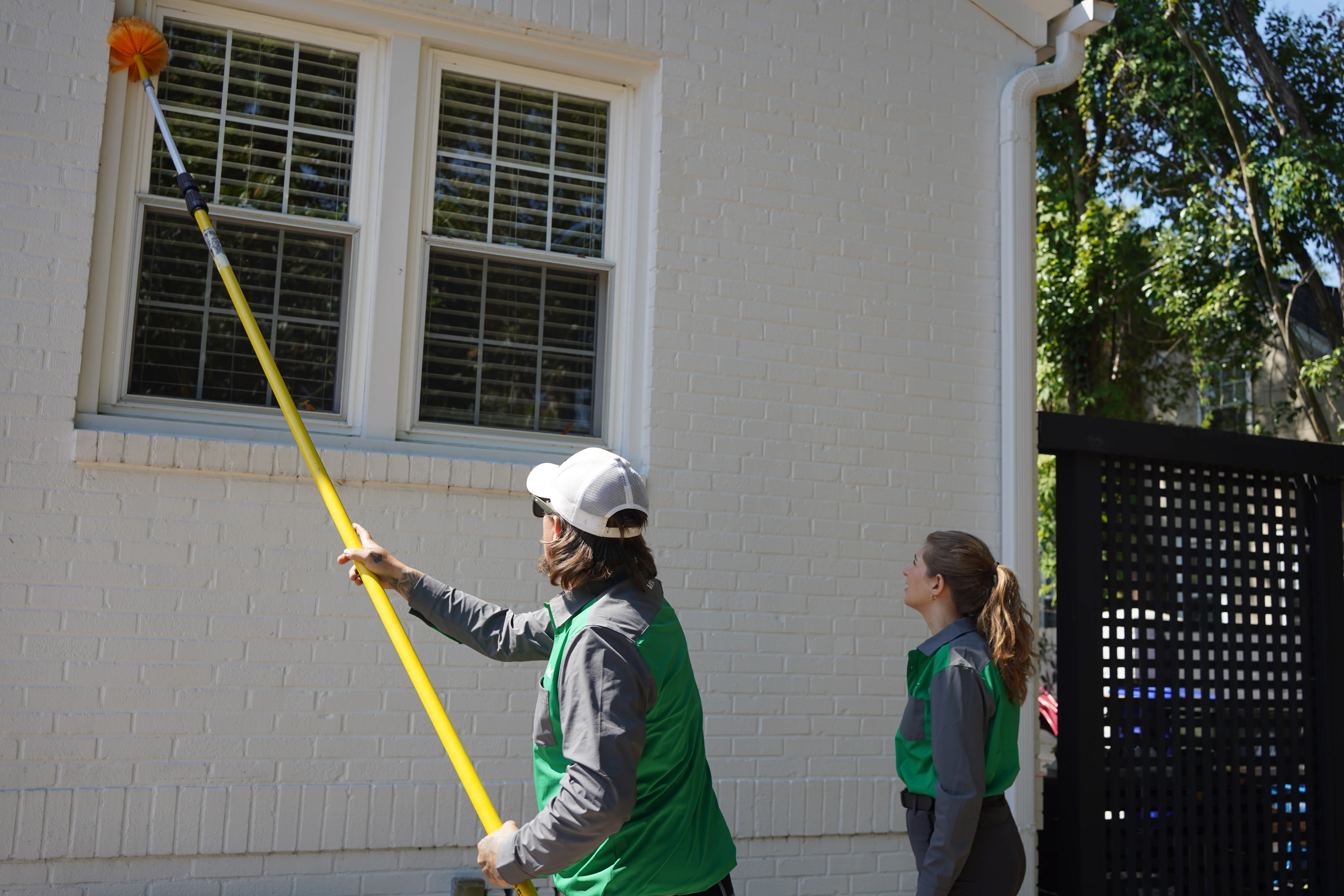
Overlay-Aware Application
Nothing on the dune face or inside the marsh buffer. A quote priced on total lot size is quoting work it cannot perform.
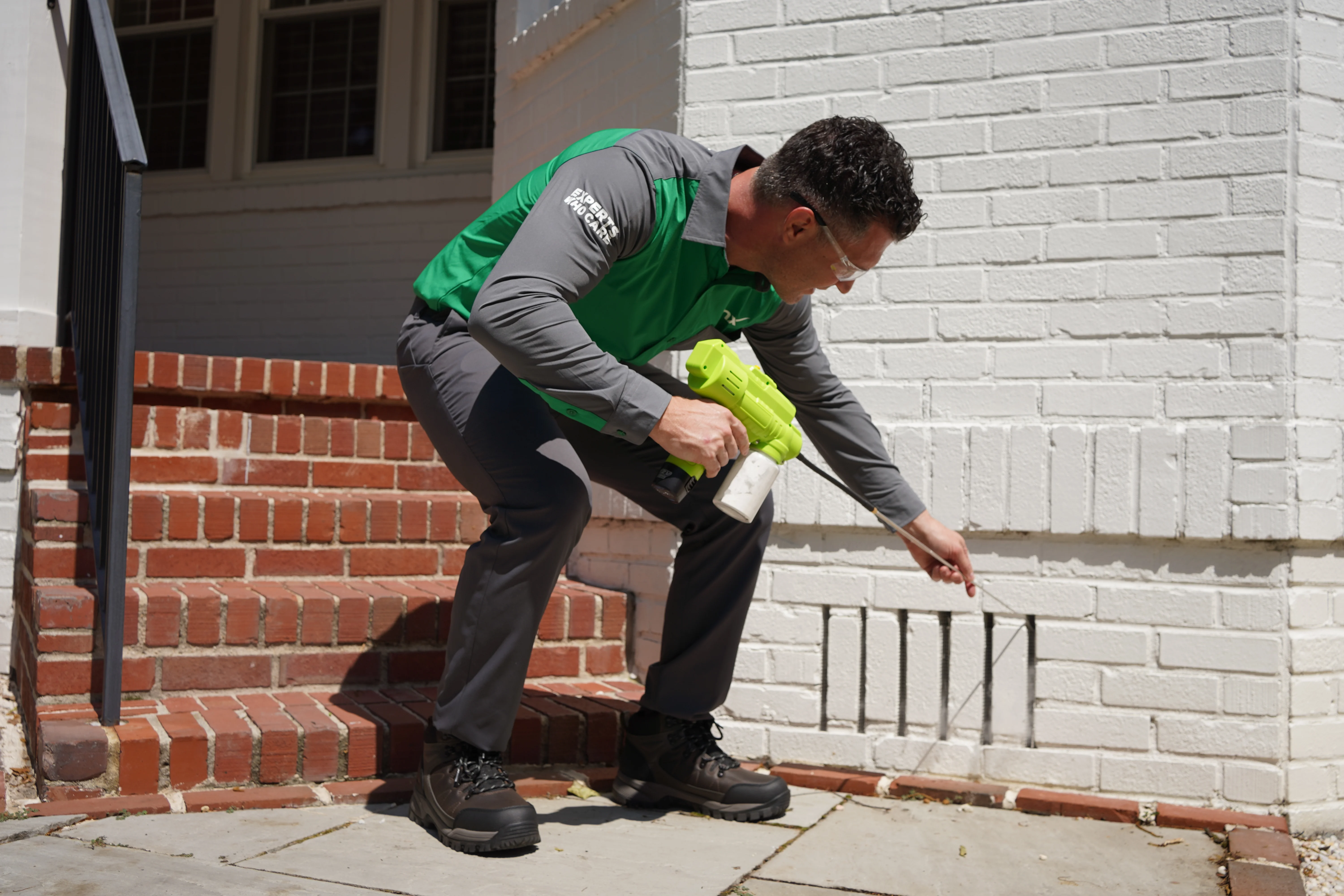
Scheduled Visits With Written Reports
On rentals a trail can run for weeks before a cleaner notices, so the schedule has to do the detecting.
Customer Reviews
Real Reviews from Isle of Palms Homeowners
Leon was great! He arrived early and was very professional throughout the visit. He actually listened to my specific concerns and walked me through exactly how he was going to handle them. Very thorough service
Austin is the best tech: excellenr, professional ant just very nice and considerate!!!
It’s that time of year for pests in the Low Country and along with all the bugs comes termite swarms. Austin made time at the end of his busy 90 degree day to get us taken care of. He explained the swarming and type of termite, along with spiders, fire ant hills and general extermination. We really appreciate his professional hard work!!! Thank you Austin and Vinx for getting us scheduled asap!
Vinx comes whenever I call…in addition to the quarterly service schedule. This time it was ants - treated and getting them outta here!
Always pleasant, helpful, and provides a good service. I feel satisfied after Austin has left my house and I watch his video of the service.
Local Knowledge
Irrigated Turf Is the Habitat, Not the Island
Fire ants need open sun, moisture and disturbed soil. Raw dune sand supplies the sun and almost nothing else — it drains instantly, holds little organic matter and gets scoured by salt spray and wind. Maintained landscape supplies all three, reliably, on a timer.
Wild Dunes is the clearest illustration. Approved in 1975, it covers about 900 acres, is gated and private, and held roughly 2,067 units as of 2012, occupying about 3.4 of the island’s roughly seven miles of shoreline. Golf and resort landscape means irrigation, fertilizer and regularly worked soil across a large contiguous area. That is close to ideal fire ant habitat, and it sits on a barrier island where the surrounding substrate is not.
6 Reasons Isle of Palms Calls an Exterminator
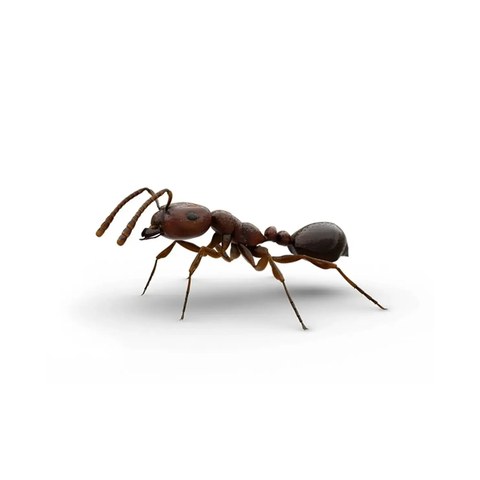
Imported Fire Ant (Solenopsis invicta)
What you are seeing: raised mounds in maintained turf, aggressive when disturbed. What resolves it: whole-area treatment on the flight calendar rather than mound by mound — and the medical risk is why it should not wait. Activity tracks the irrigated, fertilized ground, so on a lot that is mostly sand and scrub there is usually far less of it than the island’s reputation suggests.
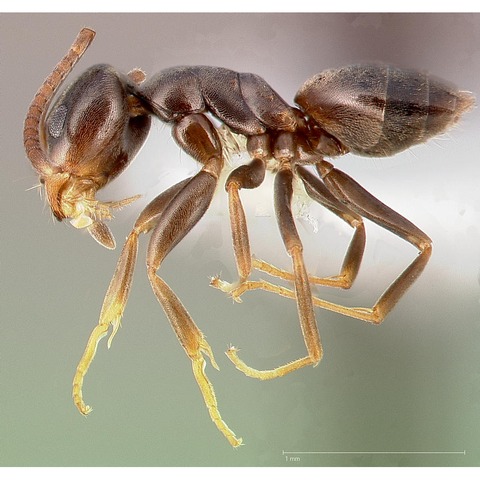
Nuisance Indoor Ants (Tapinoma and related species)
What you are seeing: fine trails on counters and around sinks, typically after rain. What resolves it: moisture correction and exclusion — not a repellent spray, which scatters them into wall voids and hides the trail. These follow moisture and food access rather than nesting in your walls, and in an unoccupied rental a trail can run for weeks before anyone interrupts it.
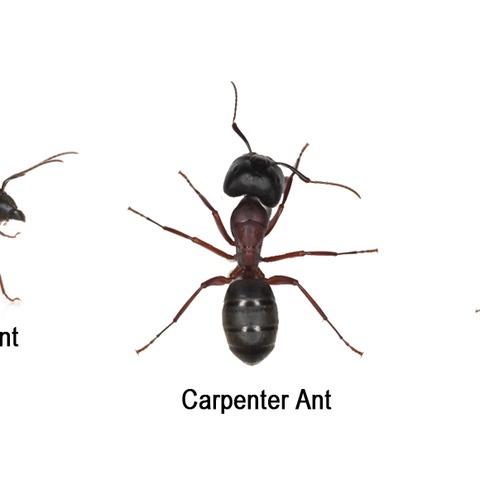
Carpenter Ant (Camponotus species)
What you are seeing: large ants indoors with coarse shavings beneath. What resolves it: finding the wet timber. Carpenter ants do not eat sound wood; they excavate galleries in timber that is already damp or decaying. On a raised island house, finding them in a band board, a deck ledger or a stair stringer is a moisture finding as much as a pest one — treat the ants and leave the wet wood, and they return.
The practical consequence is that fire ant treatment here should follow the irrigation, not the address. Irrigated, fertilized turf is high-suitability ground and needs treating as a system. Ornamental beds and mulch are moderate — moisture and disturbance without much open sun — and want targeted treatment plus attention to what the irrigation is doing. Raw dune sand and scrub is low-suitability and largely a waste of broadcast product. The dune face and its vegetation is not the point at all: it is prohibited ground.
Clemson HGIC 2501 also supplies the timing that most homeowners never hear: fire ants mate between 70°F and 95°F, usually within twenty-four hours of rain, in high humidity and low wind. So new queens land after summer storms regardless of what you did in June, and visible mounds are a lagging indicator rather than a live count.
There is also a hard boundary on ant treatment here, worth knowing before someone quotes you for the whole lot. the City of Isle of Palms’ own planning documents record a Conservation District Overlay along all ocean, inlet and marsh shoreline since 1989, Preservation Overlays added in 1990 and 2006, and a City code prohibition on dune alteration, with sand fencing and dune vegetation governed by state coastal standards. Neither is the marsh margin treatable, where Clemson advises a buffer of roughly ten to thirty feet kept clear of fertilizer and pesticide. On a beachfront or marsh-front lot that can remove a meaningful share of the property from the treatable area — which is fine, because it is also the part fire ants are least interested in.
The ants people actually find in a kitchen here usually are not fire ants at all. Clemson HGIC separates them properly: small ants trailing along counters and around sinks, typically after rain, following moisture and food access rather than nesting in your walls. A repellent spray scatters them into voids and hides the trail without resolving anything. On this island that has an extra wrinkle — in a unit that sits unoccupied between guests, a trail has weeks to establish without anyone interrupting it, and the first person to see it is a cleaner working a turnover with twenty minutes to spare. So the finding gets wiped rather than reported, and the same trail is there next month.
It is worth being concrete about how much of that turf there is, because it is not a stray lawn or two. The resort at the north-east end began in 1975, when Sea Pines established itself on 900 acres of the island; it took the Wild Dunes name in 1984 and now runs two courses, the Harbor Course and the Links Course. Nine hundred acres of irrigated, fertilized, mown ground is a fire ant habitat built to specification, and it sits at one end of an island whose other end is dune sand and salt spray. Two properties a mile apart genuinely do not have the same ant problem, and the treatment that suits one is wasted on the other.
Pest Pressure by Neighborhood
Where Isle of Palms Exterminator Calls Come From
Wild Dunes: Gated Access, Same Work
Approved in 1975 and gated, Wild Dunes holds about 12 of the island’s 35 road miles, so access is arranged through the community rather than turning up — but the work itself is no different. Resort-area units turn over constantly, which is why service here runs on a standing schedule with agreed access and written per-visit records.
Condos: Shared Walls & Service Runs
Sixty-seven percent of the island’s condominiums are licensed short-term rentals, and shared walls and service runs connect unit to unit. Treating a single unit relocates a roach or ant population rather than resolving it, so condo work here means treating adjacent units together, with reports going to both the owner and the management company.
Rental Blocks: Turnover-Driven Calls
About 40 percent of dwellings held a City short-term rental license as of October 2023. Frequent guests mean luggage, goods and beds moving in and out — the vector for bed bugs and a good route for roaches — while cleaners between turnovers are not inspecting. The required 24-hour contact number is often the fastest way to get a technician inside.
Seasonal Homes: What Vacancy Hides
Sixty-four percent of dwellings are taxed at the non-primary-residence rate, and a house occupied a few weeks a year hides its problems: a leak runs for weeks, standing water sits, a rodent goes unheard. These calls get quarterly service with a moisture and exclusion focus, and written reports sent to the owner off-island.
Post-Hugo Stock: Expired Treatments
Hurricane Hugo destroyed more than two hundred structures in September 1989, and 36 percent of today’s housing dates to the 1980s. That stock is now thirty-five to forty years old — original plumbing penetrations, aging flashing, and pre-construction soil treatments long past their service life — so inspection concentrates on the routes that age has opened.
Complete Coverage
What Else a Standard Plan Covers Here
Ant work sits inside the recurring plan, alongside more than fifty other pests with interior, exterior and yard treatment and unlimited free re-services.

Ants
Ants, Argentine ants, carpenter ants, and odorous house ants. Perimeter bait, mound treatment, crack and crevice application.
All Plans
Cockroaches & Palmetto Bugs
American, Asian, and German cockroaches. Gel bait in harborage areas, exterior perimeter spray, drain treatment.
All Plans
Spiders
Web removal from eaves, exterior perimeter targeting harborage. Black widow identification and targeted treatment.
All Plans
Wasps & Hornets
Nest removal from eaves, soffits, structural voids. Preventative treatment of common nesting sites on each quarterly visit.
All Plans
Fleas & Ticks
Yard treatment targeting grassy and shaded areas. Interior treatment of active infestation areas.
Plus & Platinum
Bed Bugs
Inspection, heat treatment assessment, and targeted chemical treatment. Charleston’s tourism industry creates consistent exposure risk.
Platinum (12mo)
Rodents
Exterior bait station monitoring included in Plus and Platinum. Active infestation and full exclusion quoted separately after inspection.
Plus & Platinum
Mosquitoes
Monthly barrier spray and larvicide. Year-round service adjusted seasonally. Up to 90% population reduction per visit.
Platinum Only
Occasional Invaders
Silverfish, earwigs, centipedes, stink bugs, ladybugs, pillbugs. Crack and crevice treatment, perimeter spray, entry point ID.
All PlansKid & Pet Safe
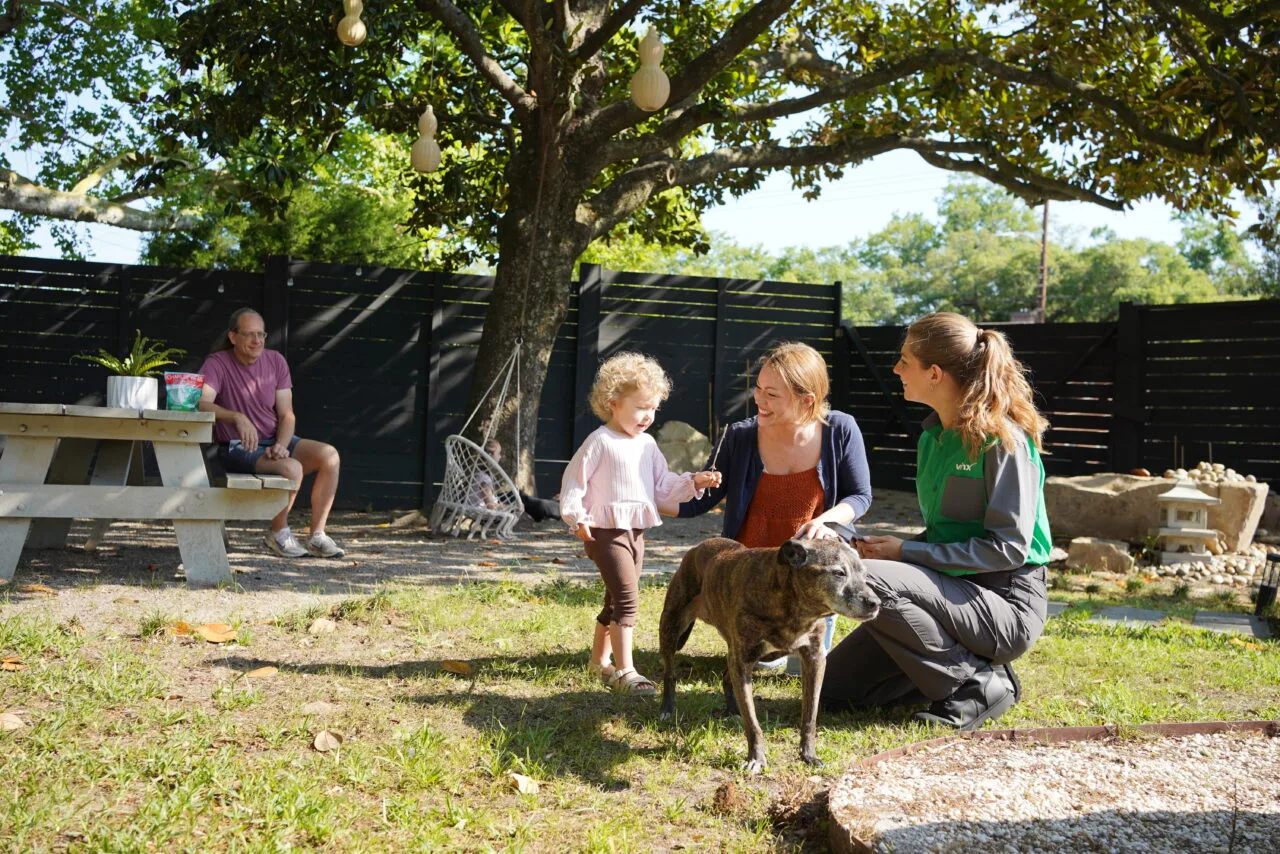
Our Treatments Are Safe for Your Whole Family: Including the Furry Members
Every product we use is EPA-registered and applied strictly at labeled rates by licensed technicians. We take the guesswork out of safety so you can feel confident letting kids and pets back into treated areas quickly.
EPA-Registered Products Only
All products we apply are EPA-registered and used strictly per label requirements. Our licensed technicians are trained to apply the right product in the right place at the right rate, every time.
Dry Time Before Re-Entry
Exterior spray treatments dry in 30–60 minutes. Once dry, treated surfaces are safe for children and pets to contact. Your technician will confirm the all-clear before leaving your property.
Interior Treatment On Request
We treat only what’s needed, where it’s needed. Gel baits in cabinets and crack-and-crevice applications keep products away from areas pets and children frequent most.
Botanical Options Available
Have specific sensitivities? Ask your technician about our plant-derived treatment options. We offer botanical alternatives for households that prefer a more natural approach.
Have a concern about products used near your pets or children? Call 855-800-8469 and we’ll walk you through exactly what we use and why it’s safe.
Explore More
More Pest Control Services in Charleston
Ant Control Isle of Palms
Household ants & others
Bed Bug Control Isle of Palms
Heat & liquid treatments
Cockroach Control Isle of Palms
Palmetto bug & roach removal
Mosquito Control Isle of Palms
Monthly barrier treatments
Rodent Control Isle of Palms
All rodents covered
Spider Control Isle of Palms
All spider species covered

Termite Control Isle of Palms
Bait systems & liquid treatment
Wasp Control Mount Pleasant
Nest removal & prevention

Tick & Flea Control Isle of Palms
Yard & pet protection

Pest Control Isle of Palms
Year-round protection plans
Frequently Asked Questions
Isle of Palms Ant Questions
Recurring plans start at $49 a month and cover ants among more than fifty pests. Fire ants in maintained landscape are handled as a whole-area program rather than per mound, so the irrigated acreage drives the price more than house size. Inspection is free. Call 855-800-8469.
In the landscaped parts, yes. They need sun, moisture and disturbed soil, which is what irrigated and fertilized turf provides. Raw dune sand supplies almost none of it. That is why activity here tracks maintained landscape rather than the island as a whole.
New queens keep arriving. Clemson HGIC 2501 notes fire ants mate between 70°F and 95°F, usually within twenty-four hours of rain, so any warm summer shower can seed new colonies. Treating only visible mounds always runs behind the population.
No. City code prohibits dune alteration, and a Conservation District Overlay has covered the ocean, inlet and marsh shoreline since 1989. It is also poor fire ant habitat, so little is lost — but a company quoting your whole lot is quoting ground it cannot legally treat.
Those are almost certainly nuisance indoor ants rather than fire ants. Clemson treats them as a moisture and food-access problem, which is why sealing entry points and fixing damp does more than spraying — a repellent just scatters them into the wall voids.
Likely carpenter ants, and worth acting on for two reasons. Clemson explains they excavate galleries in wood that is already damp or decaying rather than eating sound timber, so on a raised house they are flagging a moisture problem as well as being one.
Because a trail in an unoccupied unit has weeks without interruption, and the first person to see it is usually a cleaner mid-turnover who wipes it rather than reports it. Briefing cleaners to report insects is genuinely one of the highest-value things an owner can do.
We cover the whole island including Wild Dunes, plus Sullivan’s Island and Mount Pleasant. Most calls get a next-day appointment, and an active sting problem gets moved up. Call 855-800-8469.
Service Coverage
Ant Control Across Isle of Palms & Mount Pleasant
Serving every neighborhood on Isle of Palms and across the Mount Pleasant area