Ant Control on Sullivan's Island, SC
Sullivan’s Island’s sandy soil, saltwater proximity and warm winters keep fire ants, ghost ants and carpenter ants active year-round, so ant control here means treating the species actually present, on an island that keeps growing. Carpenter ants work the damp, aging timber of the pre-war cottages — 27.3% of the island’s housing predates 1940 — while the accreted land behind the lots, three-foot sea oats in 1991 and thickly wooded today, gives ground-nesting species a fresh edge to work. Vinx identifies the species first, then treats the colony at source with non-repellent bait and colony-elimination protocols adapted for coastal island properties. Free re-treatment guarantee.
Get Started in 60 Seconds
Choose what’s easiest for you
Request a Quote
We usually respond in 2 minutes
Call 855-800-8469
Get a Live Person (no AI agents here!)
Sign Up Online
Get pricing and schedule now





Welcome to Vinx Pest Control
A Company That Actually Backs What It Says
At Vinx, we combine professional-grade treatments with a level of service most pest control companies don't offer. Local technicians, fast response times, and a guarantee that actually means something.
Get a Free Quote"I'm not passionate about killing bugs. I'm passionate about customer service. At Vinx, you get experts who show up, do the job right, and stand behind every visit. No runaround, no fine print."
WELCOME TO VINX PEST CONTROL
Ant Control Plans for Sullivan’s Island Homeowners
Standard Residential Protection
- 4 Seasonal Treatments Per Year
- 50+ Covered Pests
- Interior, Exterior & Yard Treatment
- Unlimited Free Re-Services
- 100% Money-Back Guarantee

Upgraded Yard Protection
- 6 Home & Yard Treatments Per Year
- 50+ Covered Pests
- Yard Ant Elimination Guarantee
- Flea & Tick Elimination Guarantee
- 100% Money-Back Guarantee

Most Comprehensive Protection
- 9 Treatments Per Year
- 50+ Covered Pests
- 8 Mosquito Treatments (Mar–Nov)
- Flea, Tick & Ant Coverage
- Free Bed Bug Treatments if Needed*
*Starting rates vary by home size and area. All plans billed monthly.
Request Your Free Pest Control Quote
Fill out the form below and a Vinx team member will reach out within 2 minutes during business hours.
Prefer to talk? Call 855-800-8469 for a live person, no AI agents.
Our Approach
How Vinx Eliminates Ants on Your Sullivan’s Island Property

Ant Inspection & Colony Identification
Your technician inspects the full property (foundation, entry points, kitchen, bathrooms, and yard) to identify the ant species and locate colonies, trails, and nesting sites. Different species require different treatment, so correct identification is where lasting control begins.
Exterior Perimeter Treatment
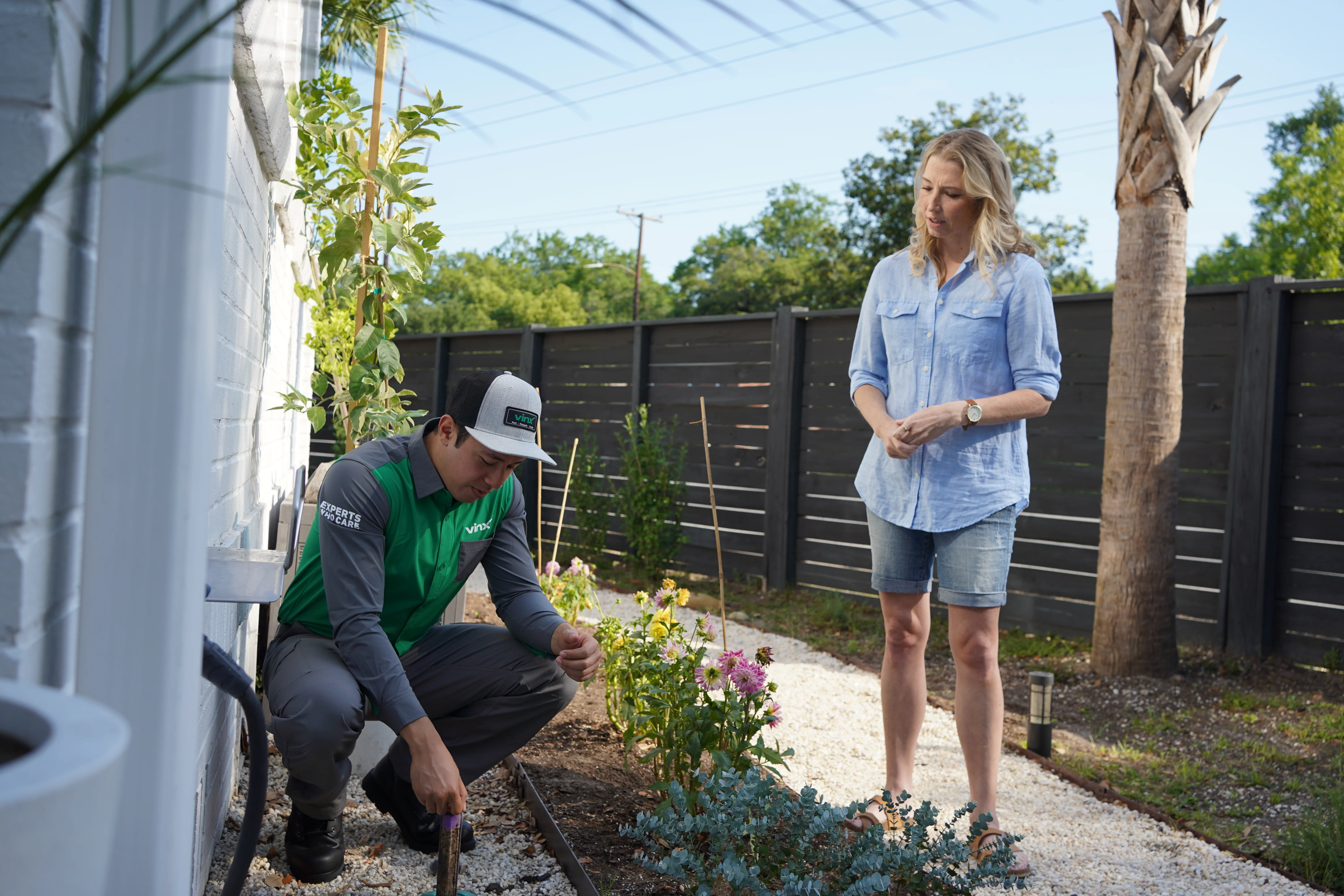
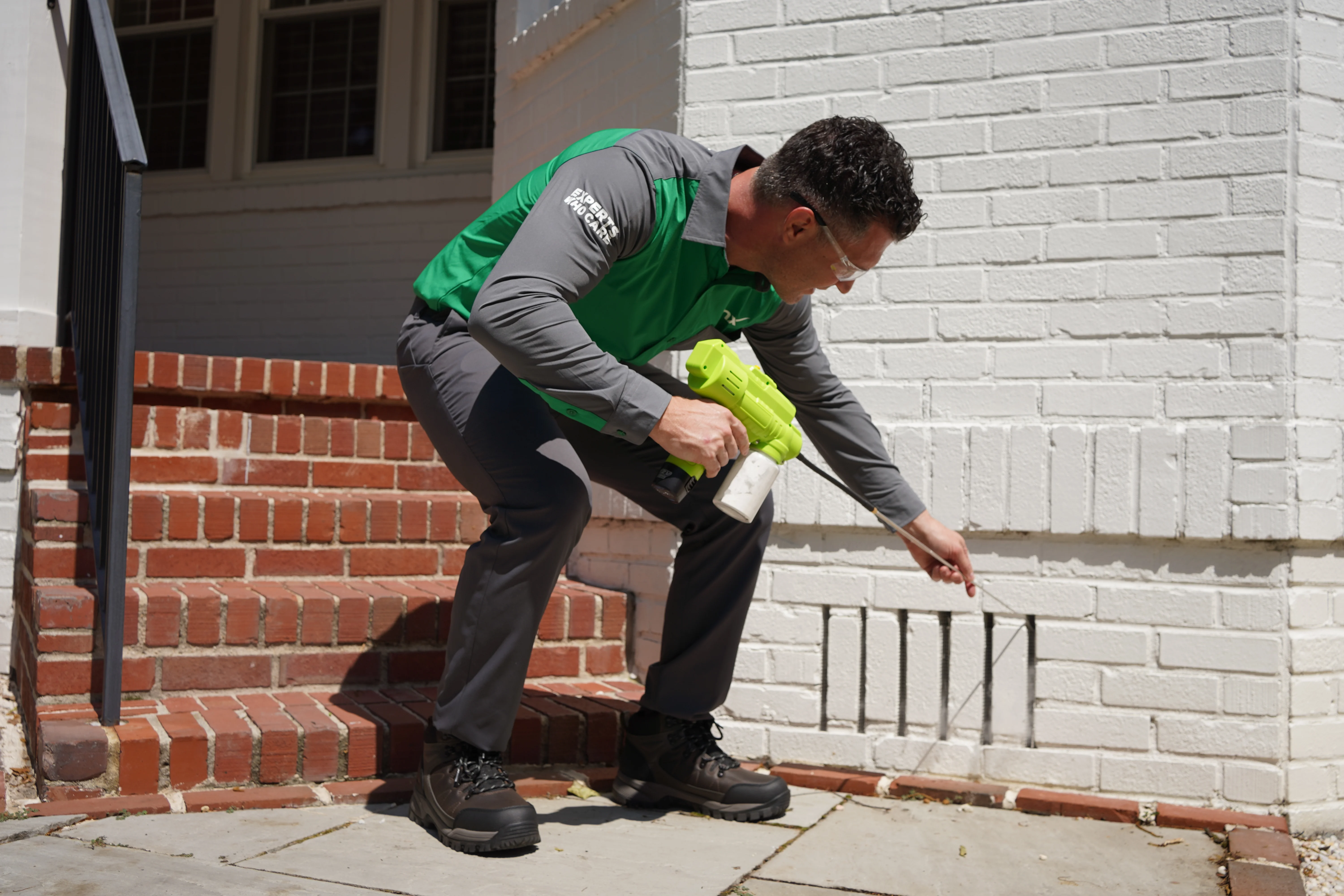
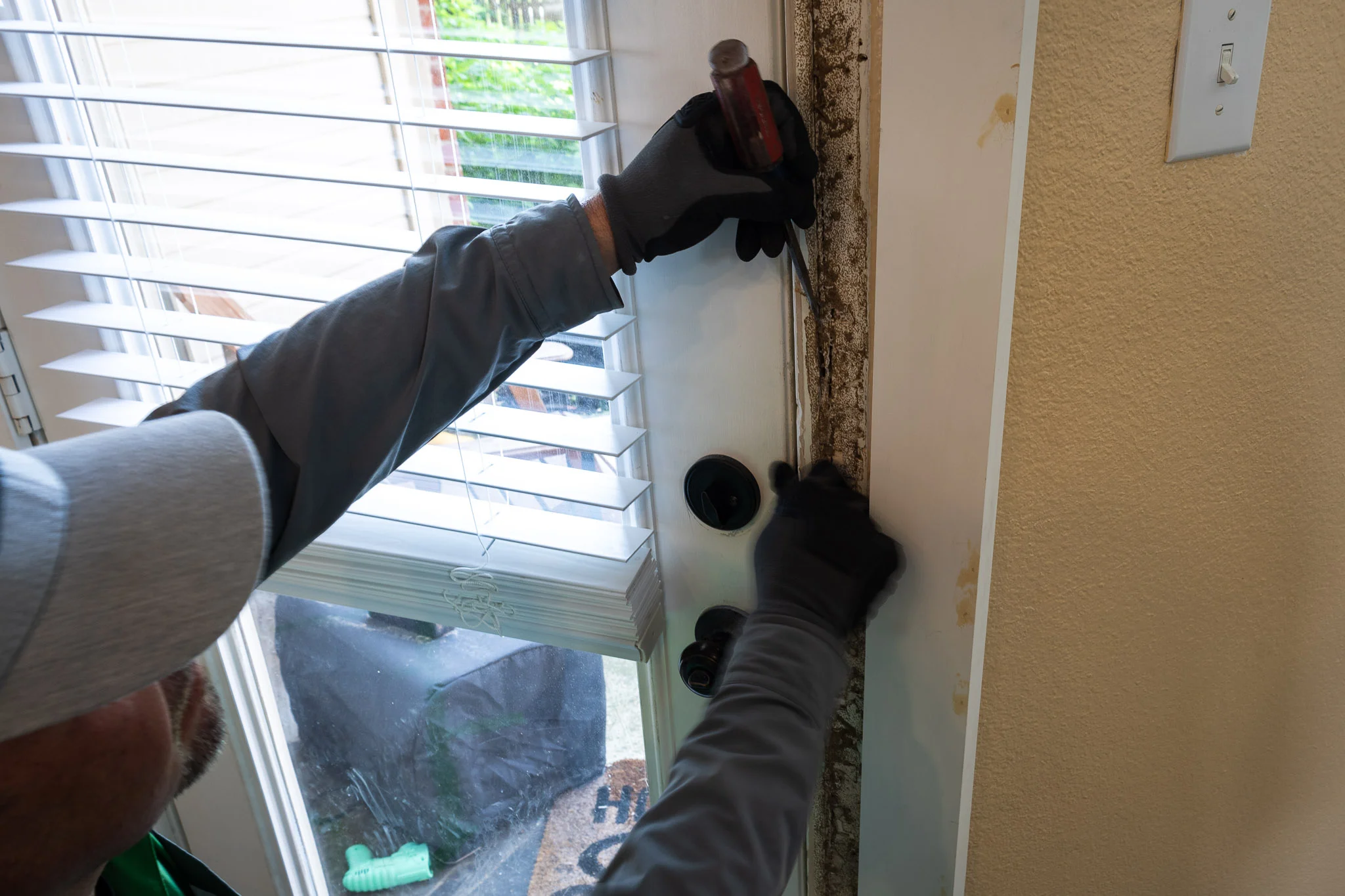
A residual insecticide barrier is applied around the full foundation, entry points, window and door frames, and utility penetrations. Ants crossing the treated zone die and carry the product back to the colony. The barrier is maintained between quarterly visits by the time-release formula.
Bait & Interior Treatment
Slow-acting bait is placed along active trails and near nest sites so foragers carry it back and eliminate the colony from the inside out. Interior cracks, wall voids and problem areas receive targeted work wherever ants enter or nest inside the structure.
Quarterly Maintenance & Free Re-Treatments
Quarterly visits keep the perimeter barrier fresh and catch any new colonies before they establish indoors. If ants return between scheduled visits, we come back at no charge. Your technician also advises on conducive conditions (moisture, food storage, and landscaping) that attract ants to your property.
What Customers Say
Real Reviews from Sullivan’s Island Homeowners
Cameron was great! He was quick but efficient! He answered all of my questions with strong knowledge. Thanks again!
Devin was efficient and informative. I’d love to have him back next time!
Anthony was as friendly as he was thorough. Vinx has been an absolute wonderful company. Have been serviced by them for about half a decade and hopefully many more years to come!!!!!
My tech was Jack he was very polite and personable. He was quick and thorough with his service and was very open and concerned about any issues i might be having regarding pest.
Leon was great! He arrived early and was very professional throughout the visit. He actually listened to my specific concerns and walked me through exactly how he was going to handle them. Very thorough service
Austin is the best tech: excellenr, professional ant just very nice and considerate!!!
Pest Pressure by Neighborhood
Ant Pressure Across Sullivan’s Island
Middle Street Corridor: Ghost & Odorous Ant Pressure
- Dense lots with short distances between kitchens drive indoor ghost ant trails
- Restaurant proximity increases food-odor attractant for foraging odorous house ants
- Older slab foundations crack seasonally, prime entry points for multiple ant species
Beach-Side Cottages: Fire Ant & Carpenter Ant Risk
- Sandy beach-side soils host large fire ant mounds that re-establish quickly after treatment, and a newly mated queen can arrive on the wind from two or three miles away
- Moisture from salt air softens fascia and sills, carpenter ants excavate galleries in weeks
- Elevated cottages with open crawl spaces need sub-structure ant inspection quarterly
Breach Inlet & North End: Fire Ant Surge Zone
- Organic tidal deposits near the inlet attract foraging fire ant columns, and fire ants forage up to 100 yards from the mound, so the nest is often nowhere near the bites
- Spring warm-up triggers mound proliferation, treat before April for best results
- Low winter traffic does not reduce ant activity in mild island winters
6 Species. One Island.
Why Sullivan's Island Has Persistent Ant Pressure
Sullivan’s Island faces ant pressure from six species simultaneously, not one. Each species is driven by different conditions, established in different locations, and requires a different treatment approach. Treating all ants the same way is the single most common reason DIY ant control fails.
The island’s tree canopy is protected by ordinance, and that quietly shapes ant work. Since the early 1990s — a response to the trees lost in Hurricane Hugo — a Tree Commission has administered the Town’s tree preservation rules, so mature live oaks, their deadwood and their root systems stay standing where an inland subdivision would have cleared them. Mature and declining hardwood close to houses is carpenter ant country, and the colony is usually in the tree or a limb rather than in your wall. The Town even lists one by name: the Gold Bug Tree on Goldbug Avenue, protected under that ordinance and named for the Poe story set on this island while he was stationed at Fort Moultrie. Identifying the nest, not just the trail, is the whole job here.
Most over-the-counter ant sprays are repellents. When you spray a repellent on a forager trail, you kill the visible ants, but you trigger a survival response in the colony. The colony splits into multiple satellite nests. Instead of one manageable colony, you now have three or four smaller ones spread across your property. This is why island homeowners experience revolving door infestations.
Professional ant control uses non-repellent products, including fipronil-based treatments, that worker ants unknowingly carry back to the nest. The active ingredient reaches the queen. The colony is eliminated at the source.
Sullivan’s Island Ant Species
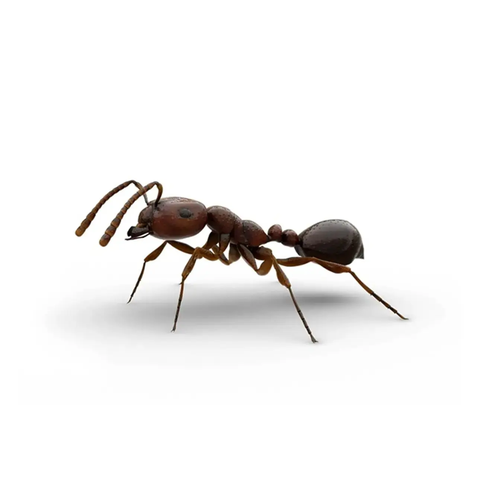
Fire Ant (Red Imported)
The red imported fire ant, Solenopsis invicta, is the most medically significant pest in South Carolina. Roughly 0.5–2% of people who are stung develop a systemic allergic reaction. One fire ant mound can hold 200,000 workers and multiple queens. Fire ants are fiercely territorial, and disturbing a mound brings an immediate mass attack within seconds. Highest risk falls on children, elderly adults and pets.
On Sullivan’s Island the ground itself is the reason: founding queens actively choose open, sunny, well-drained sandy soil, which is a fair description of most of this island. Clemson notes that fresh disturbance is the strongest draw of all, so a regraded lot, a utility trench or new landscape fill sprouts mounds before an established lawn does. Mounds go up from March through November, and the colony stays viable underground right through winter. Treat a property in September and neighboring colonies can have new mounds established by April.
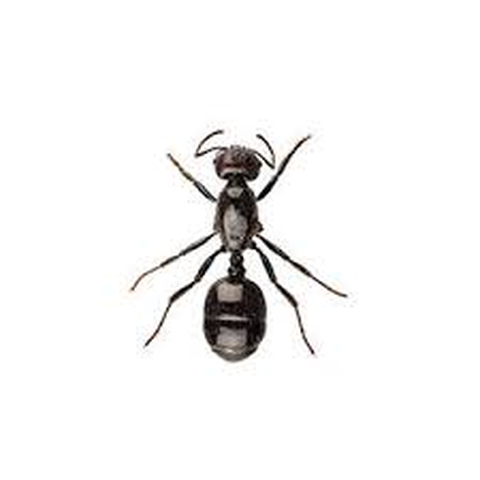
Argentine Ant
The Argentine ant is arguably more difficult to control than ants, not because of its sting (Argentine ants do not sting) but because of its colony structure. Where most ant species keep one queen to a colony, Argentine ants form multi-queen networks linked across adjoining underground nest sites. One Argentine ant colony network can run across several adjoining properties. Sampling across the Carolinas and Georgia put colonies under roughly two-thirds of an acre, not the city-block supercolonies reported out of California.
Argentine ants are responsible for the majority of persistent kitchen ant infestations on the island. Pheromone trails take them to food and moisture with remarkable precision. Because that network runs well past a single property line, they require sustained bait treatment across the full trail system rather than a single mound treatment.
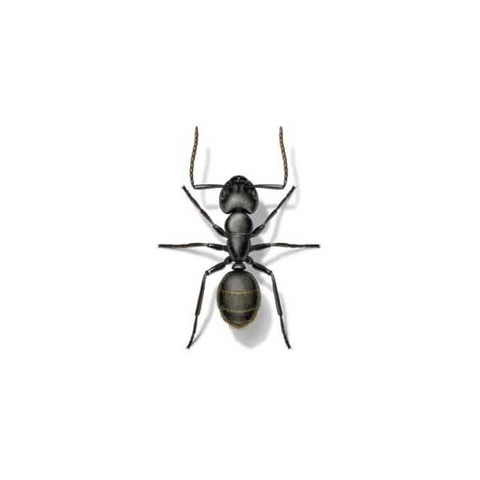
Carpenter Ant
Carpenter ants are the most structurally destructive ant species on the island. They do not eat the wood; they excavate it into nesting galleries. Here the pressure is highest on the back side of the island, where lots face marsh and tidal creek, and in the pre-war cottages — 27.3% of the island’s housing predates 1940 — because moisture-damaged wood is their primary nesting material.
A mature carpenter ant colony holds 2,000 to 3,000 workers and needs three to six years to establish fully. Carpenter ant activity usually announces itself as frass piles resembling coarse sawdust mixed with insect parts, by which point significant structural damage may already have happened.
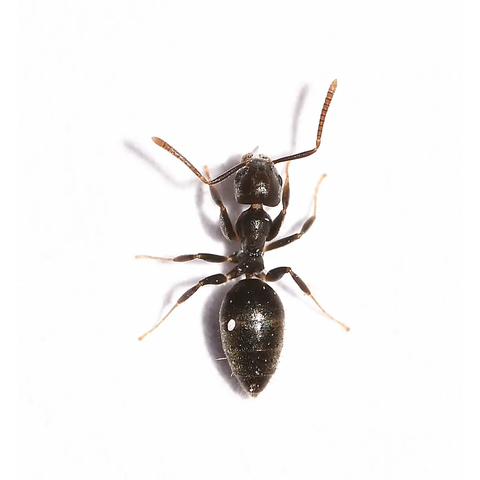
Odorous House Ant
The odorous house ant is the most common kitchen ant in the United States. Crushed, it gives off a smell people describe as rotten coconuts — the most reliable field identification there is. Colonies run to 100,000 workers across multiple queens, nesting inside wall voids, under flooring, beneath mulch and in potted plants. They follow long foraging trails and remain active year-round in the island’s mild, maritime climate.
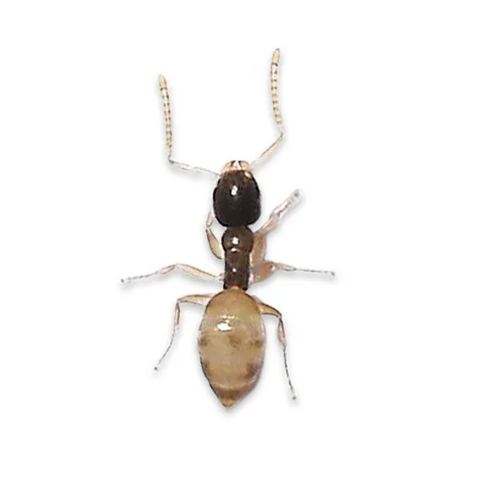
Pharaoh & Ghost Ant
The pharaoh ant is unique among ant species in its ability to survive and reproduce entirely indoors. Pharaoh ants are minute at 1/16 of an inch, yellow with red and black markings. Pharaoh ant colonies, like Argentine ones, hold multiple queens and split when a repellent product threatens them. Never put a repellent spray on a pharaoh ant infestation; it makes the problem significantly worse.
Ghost ants are a small pale species increasingly common in the Lowcountry’s coastal neighborhoods. Wall voids near moisture are their nesting sites, and they get mistaken for pharaoh ants. Both need the same slow-acting bait approach.
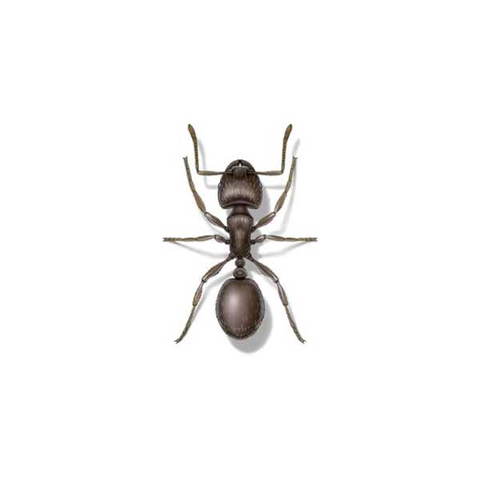
Pavement Ant
Pavement ants build nests in and under concrete, sidewalks, driveways, slab foundations, and patios. You recognize them by the fine soil and sand they push up through cracks in concrete while excavating. A pavement ant colony can hold up to 30,000 workers and wars with its neighbors often, leaving trails of dead ants across concrete afterwards.
What to Look For
Signs Your Sullivan's Island Home Has an Ant Problem
Forager Trails
Single file trails along baseboards, countertops, or window sills
Ant Mounds
Dome-shaped mounds in lawn or garden areas, can reach 18 inches in height
Frass Piles
Coarse sawdust mixed with dead insect parts near wood structures, carpenter ant activity
Soil Through Concrete
Small piles of soil pushed up through cracks in concrete or slab, pavement ant activity
Tiny Yellow Ants
Visible trail near food preparation areas, pharaoh or Argentine ant activity
Activity After Rain
Ant activity increases after rain, and on a barrier island that matters more than most places: floodwater does not drown a fire ant colony. Texas A&M AgriLife Extension describes the colony leaving the soil, balling up and floating until it reaches dry ground, and a 2023 study of flood-related rafting confirmed the rafts are a real stinging hazard to anyone walking or wading through. Never push through one.
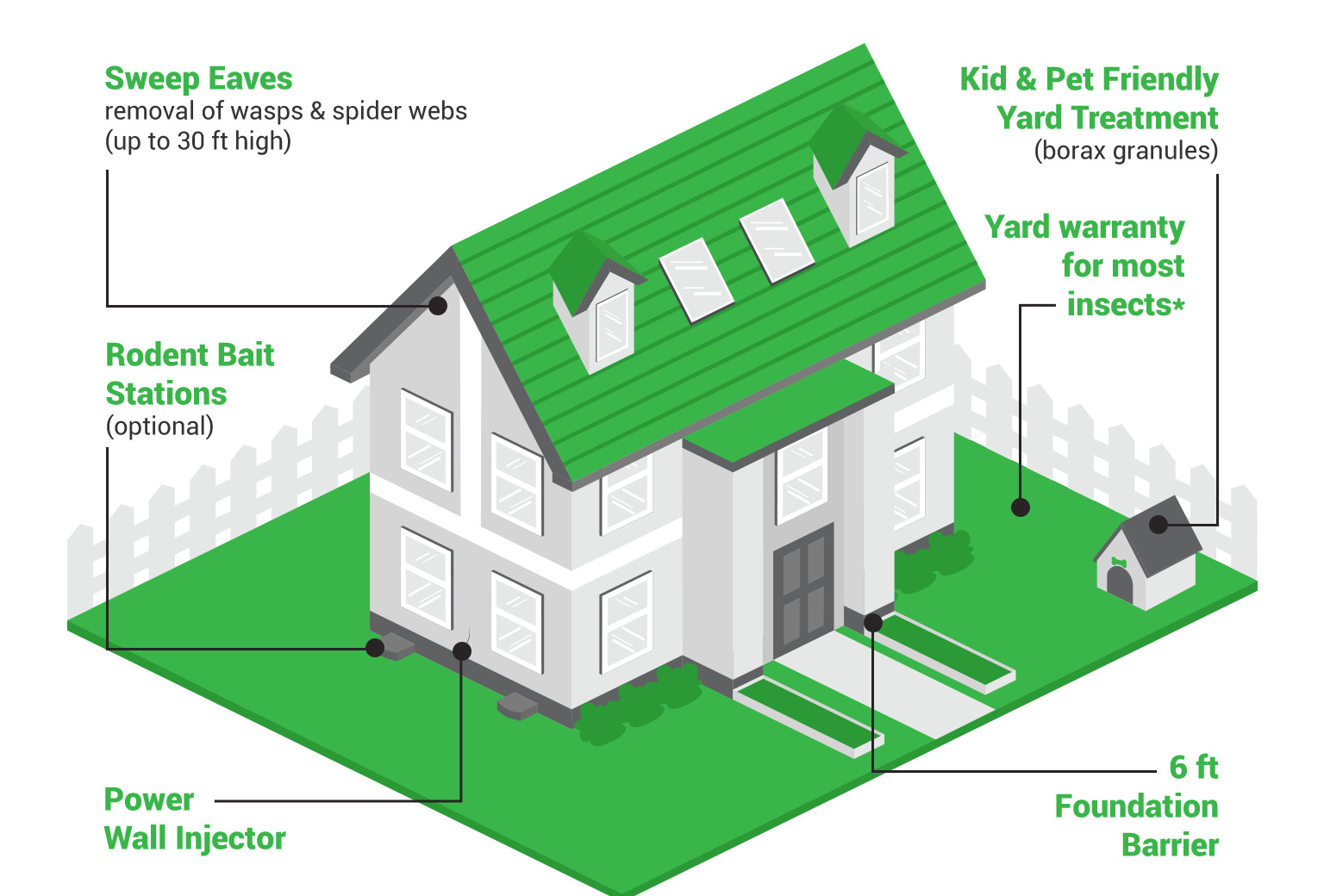
Vinx HomeGuard Plan
What Happens at Every Visit
Our technicians don't just spray and leave. Every quarterly service covers your full exterior and interior, done right, backed by a written guarantee.
- Sweep Eaves: Wasp nests & spider webs removed up to 30 ft
- Power Wall Injector: Treats wall voids where pests hide
- 6 ft Foundation Barrier: Full perimeter treatment every visit
- Yard Warranty: Free retreatment for most insects
- Kid & Pet Safe Yard Treatment: Borax granules, safe after dry
Homeowner Tips
6 Ways to Reduce Ant Pressure on Sullivan's Island
Kid & Pet Safe
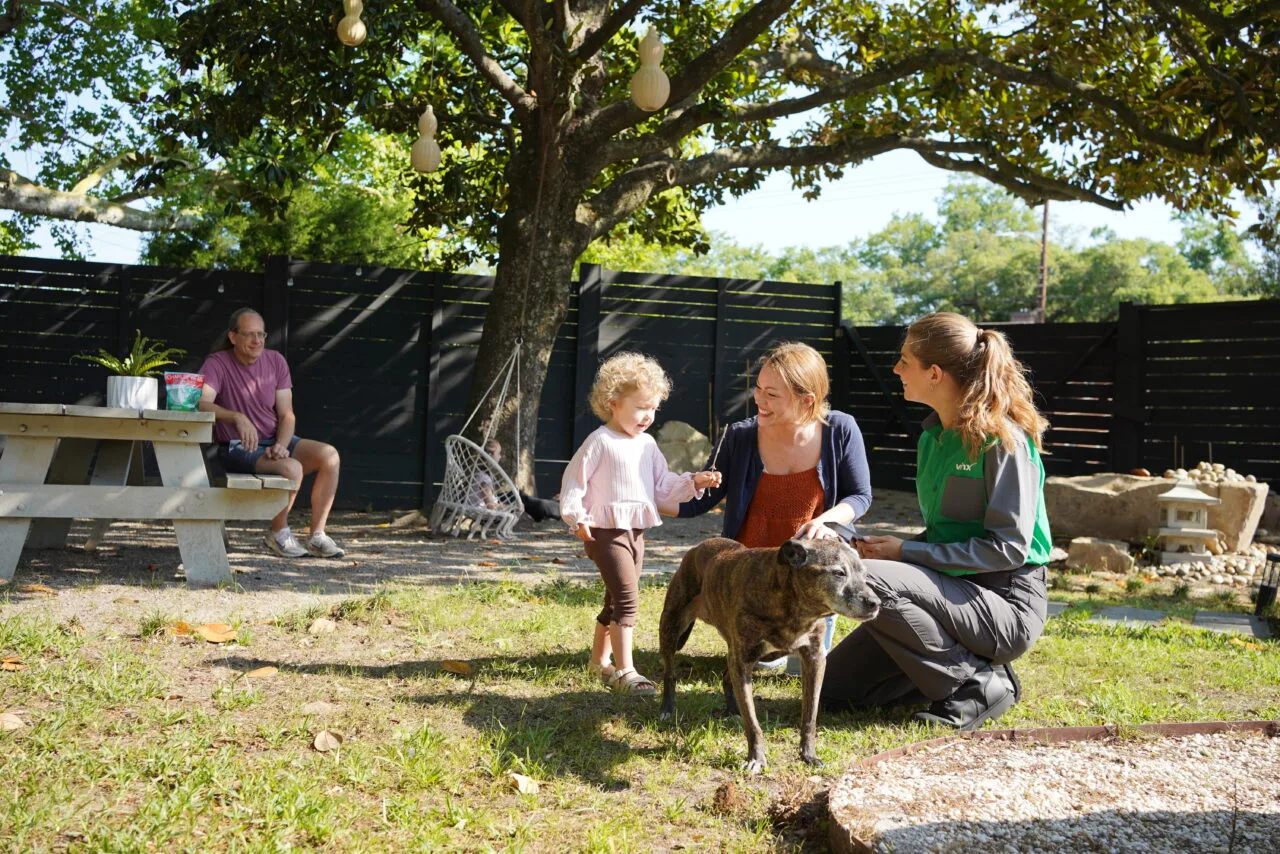
Our Treatments Are Safe for Your Whole Family: Including the Furry Members
Every product we use is EPA-registered and applied strictly at labeled rates by licensed technicians. We take the guesswork out of safety so you can feel confident letting kids and pets back into treated areas quickly.
EPA-Registered Products Only
All products we apply are EPA-registered and used strictly per label requirements. Our licensed technicians are trained to apply the right product in the right place at the right rate, every time.
Dry Time Before Re-Entry
Exterior spray treatments dry in 30–60 minutes. Once dry, treated surfaces are safe for children and pets to contact. Your technician will confirm the all-clear before leaving your property.
Interior Treatment On Request
We treat only what’s needed, where it’s needed. Gel baits in cabinets and crack-and-crevice applications keep products away from areas pets and children frequent most.
Botanical Options Available
Have specific sensitivities? Ask your technician about our plant-derived treatment options. We offer botanical alternatives for households that prefer a more natural approach.
Have a concern about products used near your pets or children? Call 855-800-8469 and we’ll walk you through exactly what we use and why it’s safe.
Explore More
More Pest Control Services on Sullivan’s Island

Pest Control Sullivan’s Island
General pest protection

Bed Bug Control Sullivan’s Island
Heat & liquid treatments
Cockroach Control Sullivan’s Island
Palmetto bug & roach removal

Mosquito Control Sullivan’s Island
Monthly barrier treatments

Rodent Control Sullivan’s Island
All rodents covered

Spider Control Sullivan’s Island
All spider species covered
Termite Control Sullivan’s Island
Bait systems & liquid treatment

Tick & Flea Control Sullivan’s Island
Yard & pet protection

Exterminator Sullivan's Island
Same-day local exterminators
Frequently Asked Questions
Ant Control FAQ for Sullivan's Island Homeowners
Ant control is included in the HomeGuard quarterly plan, which starts at $49/mo. Island homes with fire ant pressure often benefit from monthly summer visits, call 855-800-8469 for a site-specific quote.
Ghost ants build multiple sub-colonies indoors, spraying one trail rarely kills the queen. A professional non-repellent bait placed at active trails is carried back and eliminates the entire colony, including queens living in wall voids.
Yes, sandy soil, warm winters, and minimal freeze events mean fire ant colonies survive year-round and re-colonize treated areas faster than inland properties. Quarterly mound treatment plus broadcast bait is the most effective protocol for island lots.
They survive it, which surprises most people. Texas A&M AgriLife Extension is blunt that floodwaters will not drown fire ants: the colony leaves the soil, forms a loose floating ball and drifts with the water until it reaches something dry. A 2023 study of flood-related rafting confirmed those rafts are a genuine envenomation hazard to anyone walking, wading or boating through them, because a disturbed raft swarms. On Sullivan’s Island the practical consequences are two. Do not wade through or push aside a floating mat of ants after a storm or a high-water event — go around it. And expect mound locations to have changed once the water drops, because the colony that rafted off your neighbor’s lot may have landed on yours, which is why we re-inspect rather than re-treat last season’s map.
Yes. Salt-air humidity softens wood faster on the island, giving carpenter ants easier access to galleries. Homes with untreated fascia, window sills, or crawl-space sills are particularly vulnerable. Early treatment prevents structural damage.
Once the product dries, typically 2–4 hours after treatment. All Vinx products are EPA-registered and applied per strict label requirements by technicians working under South Carolina Pest Control Operator license B3623, regulated by Clemson University’s Department of Pesticide Regulation. We never apply while pets or children are present outdoors.
Perimeter products bind to soil and surfaces once cured (4–6 hours after application). Island rain after that window doesn't remove the barrier. If it rains within 2 hours of treatment, we will re-treat at no charge.
It can, and on an island where almost every landscaping job imports material it is worth knowing the rule. Every one of South Carolina’s 46 counties sits inside the USDA imported fire ant quarantine, which restricts moving soil, sod, potted nursery stock, baled hay and soil-moving equipment out of the zone. Within the quarantine there is nothing stopping material arriving on your lot, so new fill, new turf and new container plants are a common way a colony turns up somewhere it was not before. Combine that with fresh disturbance — which is exactly what a founding queen is looking for — and a newly landscaped bed is one of the likeliest places on the property to find a mound in its first season. Tell your technician where new material went in and it gets checked.
Service Coverage
Ant Control Across Sullivan's Island & Mount Pleasant
Serving every neighborhood on Sullivan's Island and across the Mount Pleasant area
Serving the Greater Charleston Area