
Tick & Flea Control in Hampton, VA
Lone Star Tick, Blacklegged Tick & Flea Experts
Tick and flea pressure in Hampton concentrates around the city’s preserves, shaded yards, and shoreline. The Virginia Department of Health calls the lone star the most common tick to bite people in Virginia, and it’s active along Hampton’s preserve edges with the Lyme-carrying blacklegged tick.
Get Started in 60 Seconds
Choose what’s easiest for you
Request a Quote
We usually respond in 2 minutes
Call 855-800-8469
Get a live person (no AI agents here!)
Sign Up Online
Get pricing and schedule now





Welcome to Vinx Pest Control
A Company That Actually Backs What It Says
At Vinx, we pair professional-grade treatment with a level of follow-through most pest control companies skip. Local technicians, fast response, and a guarantee that holds up after the invoice is paid.
Get a Free Quote"I'm not passionate about killing bugs. I'm passionate about customer service. At Vinx, you get experts who show up, do the job right, and stand behind every visit. No runaround, no fine print."
WELCOME TO VINX PEST CONTROL
Tick & Flea Control Plans for Hampton Homeowners

Standard Residential Protection
- 4 Seasonal Treatments Per Year
- Yard & Perimeter Tick Treatment
- 50+ Covered Pests
- Unlimited Free Re-Services
- $329 Initial Treatment · 12-Month Agreement

Upgraded Yard Protection
- Everything in HomeGuard
- 6 Home & Yard Treatments Per Year
- Flea & Tick Elimination Guarantee
- Expanded Perimeter Treatment
- $329 Initial Treatment · 12-Month Agreement

Most Comprehensive Protection
- Everything in Plus
- 9 Treatments Per Year
- Interior AND Exterior Flea Treatment
- Priority Scheduling
- $329 Initial Treatment · 12-Month Agreement
Live near Grandview, Sandy Bottom, or the Fox Hill preserve edges? Ask about our expanded yard barrier treatment for higher tick-exposure properties.
Get Your Free Hampton Tick & Flea Inspection
Fill out the form below and a Vinx team member will reach out within 2 minutes during business hours.
Prefer to talk? Call 855-800-8469 for a live person, no AI agents.
Our Approach
How Vinx Controls Ticks & Fleas in Hampton

Inspection & Species Identification
Your technician inspects brushy preserve-adjacent yards near Back River and Fox Hill, shaded older lots in Phoebus and Downtown, and multi-pet households in Wythe and near Hampton University, identifying which tick or flea species is actually present.
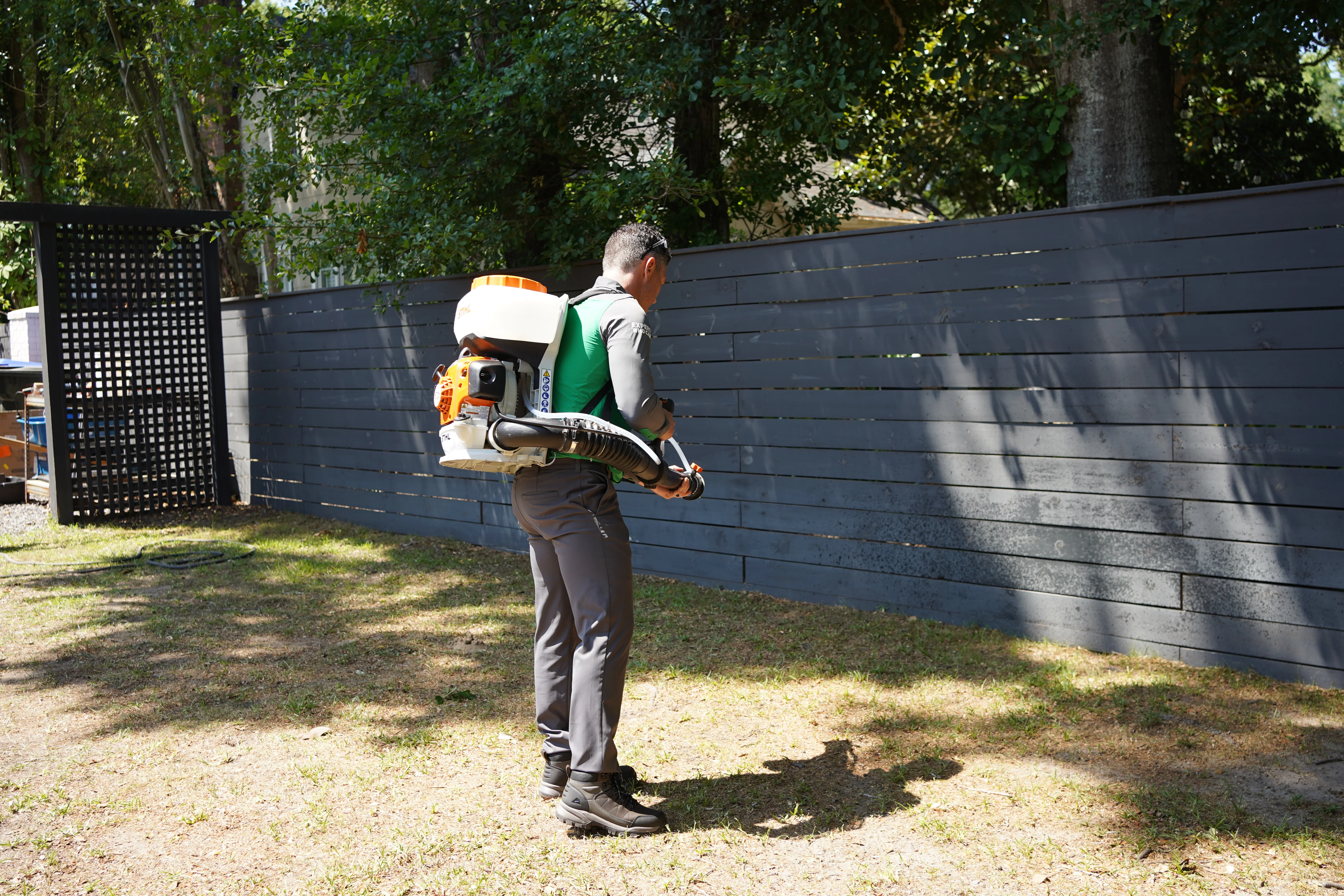
Yard Barrier Treatment
Treatment is applied to leaf litter, brushy borders, fence lines, and shaded edges where ticks quest for a host and fleas develop in outdoor stages.
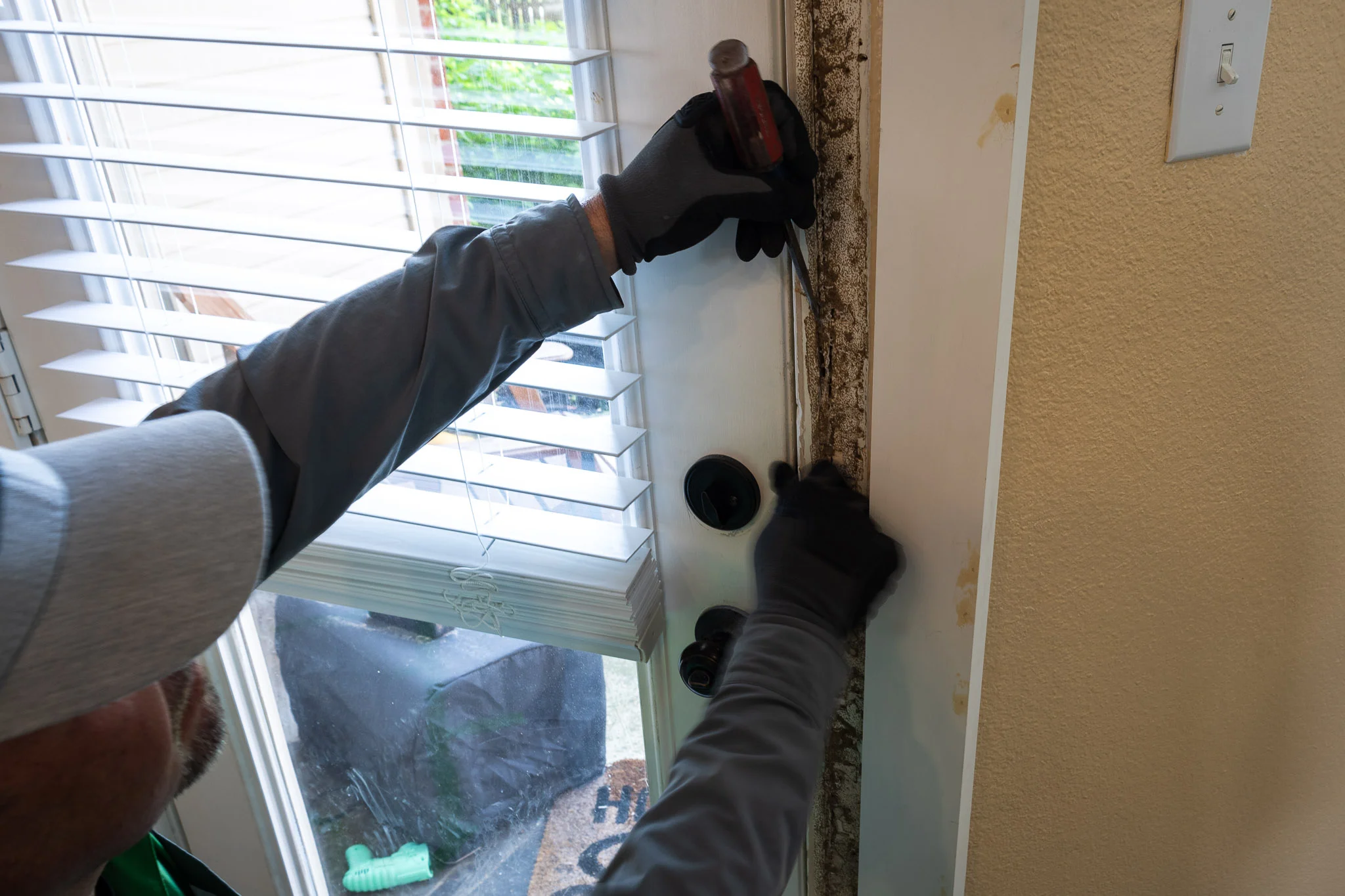
Indoor Flea Life-Cycle Treatment
Since most of a flea population lives indoors as eggs and larvae in carpet and bedding, interior treatment targets that hidden reservoir alongside the yard.

Ongoing Seasonal Protection
Ticks can be active on any warm day of the year, the Virginia Department of Health notes, and flea numbers climb through spring before peaking in mid-to-late summer, so ongoing treatment prevents the cycle restarting.
What Customers Say
Real Reviews from Hampton Customers
Daniel was thorough, friendly and answered any questions I had with thorough knowledge of how the Vinx treatment for ticks would work and what to expect in the next few days. Also, I was assured that if in a few weeks we saw no improvement we could expect Vinx to come out and reapply at no extra charge. He is a good employee working for a good company.
Service was amazing! Tristin informed me of everything he did, answered my questions, and even made sure to lock my gate back up before he left since I have dogs. Great experiences so far with Vinx!
Cameron from Vinx pest control is a true professional, I really believe he loves his job, always goes above and beyond on every service visit. I wish the world was full of more people with his attitude and work ethic. I highly recommend this gentleman and Vinx pest control.
I’ve been using Vinx for over a year and I couldn’t be happier. The mosquitos are all gone which was my main concern because they seem to love me, lol. Daniel is the tech who’s sprayed my house a few times and he’s always polite and professional, so I wanted to give a compliment here.
Ready to Keep Family and Pets Safe? Call Vinx Today.
Free inspection. Next-day service available. With our unlimited free re-service guarantee behind it. Call (855) 800-8469.
Call (855) 800-8469Hampton Tick & Flea Pressure
Why Tick & Flea Control in Hampton Isn’t One-Size-Fits-All
Most tick and flea content for the Hampton Roads region describes a generic misting schedule with no real distinction between neighborhoods. That undersells a city where the actual risk varies sharply depending on proximity to Hampton’s preserves, shaded older housing stock, and pet density.
Back River, Fox Hill, and the Langley area sit closest to Grandview Nature Preserve, where brush, leaf litter, and passing wildlife give ticks ideal questing conditions. The Virginia Department of Health calls the lone star the most common tick to bite people in Virginia, and VDH associates alpha-gal syndrome, a red-meat allergy, primarily with its bite. It’s active throughout these preserve-adjacent zones alongside the blacklegged tick that carries Lyme disease. Over on the other side of the city, Sandy Bottom Nature Park’s 456 acres of lake, wetland, and woodland off Big Bethel Road create the same brushy edge habitat for northwest Hampton.
Tick & Flea Species Relevant to Hampton, VA

Lone Star Tick (Amblyomma americanum)
Called the most common tick to bite people in Virginia by the Virginia Department of Health, which associates alpha-gal syndrome, a red-meat allergy, primarily with its bite. Common near Grandview Nature Preserve and throughout Back River, Fox Hill, and Langley.
Blacklegged Tick (Ixodes scapularis)
The species responsible for transmitting Lyme disease. Favors the same brushy, preserve-adjacent habitat as the lone star tick near Back River, Fox Hill, and Langley.
American Dog Tick (Dermacentor variabilis)
One of the ticks the Virginia Department of Health lists as able to carry Rocky Mountain spotted fever. Comfortable in parks, yard margins, and grassy edges, and listed by the City of Hampton among the ticks found here, including out toward Buckroe and the bayfront.
Brown Dog Tick (Rhipicephalus sanguineus)
Unique among local ticks for completing its entire life cycle indoors once introduced by a pet. The Virginia Department of Health considers it uncommon in Virginia and mostly confined to doghouses, kennels and the walls of structures dogs occupy — though VDH does list it among the ticks that can carry Rocky Mountain spotted fever.
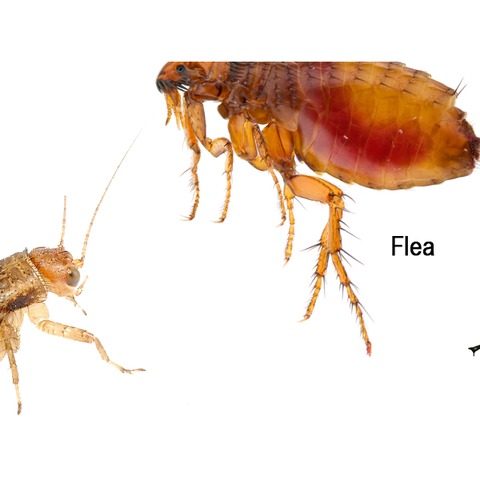
Cat Flea (Ctenocephalides felis)
The most common flea infesting dogs and cats. The pet carries only adults; eggs, larvae and pupae drop into indoor carpet, bedding and furniture and into shaded outdoor spots where pets rest. Common wherever multiple pets or strays are present, including Wythe and the Hampton University area.
Downtown and Phoebus’s older, tree-shaded yards see a different pattern: brown dog ticks, which can complete their entire life cycle indoors once they hitch a ride in on a pet, making indoor treatment just as important as yard work in these neighborhoods. Buckroe and the bayfront’s grassy margins, and the interior shorelines the City describes along Salt Ponds and Mill Creek, bring American dog ticks, tied to Rocky Mountain spotted fever, in on passing wildlife. Wythe’s commercial corridor and Hampton University’s dense rental housing see comparatively less tick pressure and more of a flea problem, driven by multi-pet households and strays that keep the flea reservoir constantly restocked.
Hampton’s flood history is quietly part of the tick and flea picture too. The City has run three rounds of watershed resilience planning — the citywide Living with Water plan in 2017, the Newmarket Creek Water Plan and Atlas in 2020, and in October 2023 a Downtown Hampton, Phoebus and Buckroe water plan — because water sits in these neighborhoods after storms. Ground that stays damp keeps leaf litter and mulch beds humid, and humidity is what flea pupae and questing ticks need to survive at the yard edge. That is why the treatment worth paying for is aimed at the shaded margin and the harborage rather than broadcast across open lawn.
What to Look For
Signs of Tick & Flea Activity in Your Hampton Home or Business
Ticks Found on Pets or People After Yard Time or Preserve Walks
Especially common near Grandview, Sandy Bottom, and the Fox Hill preserve edges.
Ticks Found Indoors Even With Minimal Outdoor Exposure
A sign of brown dog ticks, which can complete their life cycle entirely indoors.
Pets Scratching, Biting, or Losing Fur in Patches
A common sign of flea activity, particularly in multi-pet households.
Small Dark Specks in Pet Bedding or Carpet
Flea dirt is a direct sign of an active infestation, not just a passing nuisance.
Bites Appearing in Clusters Around the Ankles or Lower Legs
A common pattern for flea bites picked up in the yard or home.
If a tick is embedded, or a rash, fever or flu-like symptoms follow a bite, contact a healthcare provider and try to keep the tick for identification.
Flea & Tick Risk by Neighborhood
Tick & Flea Risk Across Hampton
Back River, Fox Hill & Langley — Lone Star & Blacklegged Tick Risk
Proximity to Grandview Nature Preserve gives ticks brushy, wildlife-rich habitat to quest from.
Downtown & Phoebus — Brown Dog Tick Risk
Older, tree-shaded yards see brown dog ticks that can establish an entirely indoor life cycle once introduced by a pet.
Buckroe & the Bayfront — American Dog Tick Risk
Grassy margins behind the beachfront, and the interior shorelines along Salt Ponds and Mill Creek, carry American dog ticks in on passing wildlife.
Wythe & the Mercury Boulevard Corridor — Flea Risk
Commercial areas and nearby multi-pet households keep a steady flea reservoir active.
Hampton University & the Campus District — Flea Risk
Dense rental housing with pets and occasional strays creates ideal conditions for a persistent flea population.
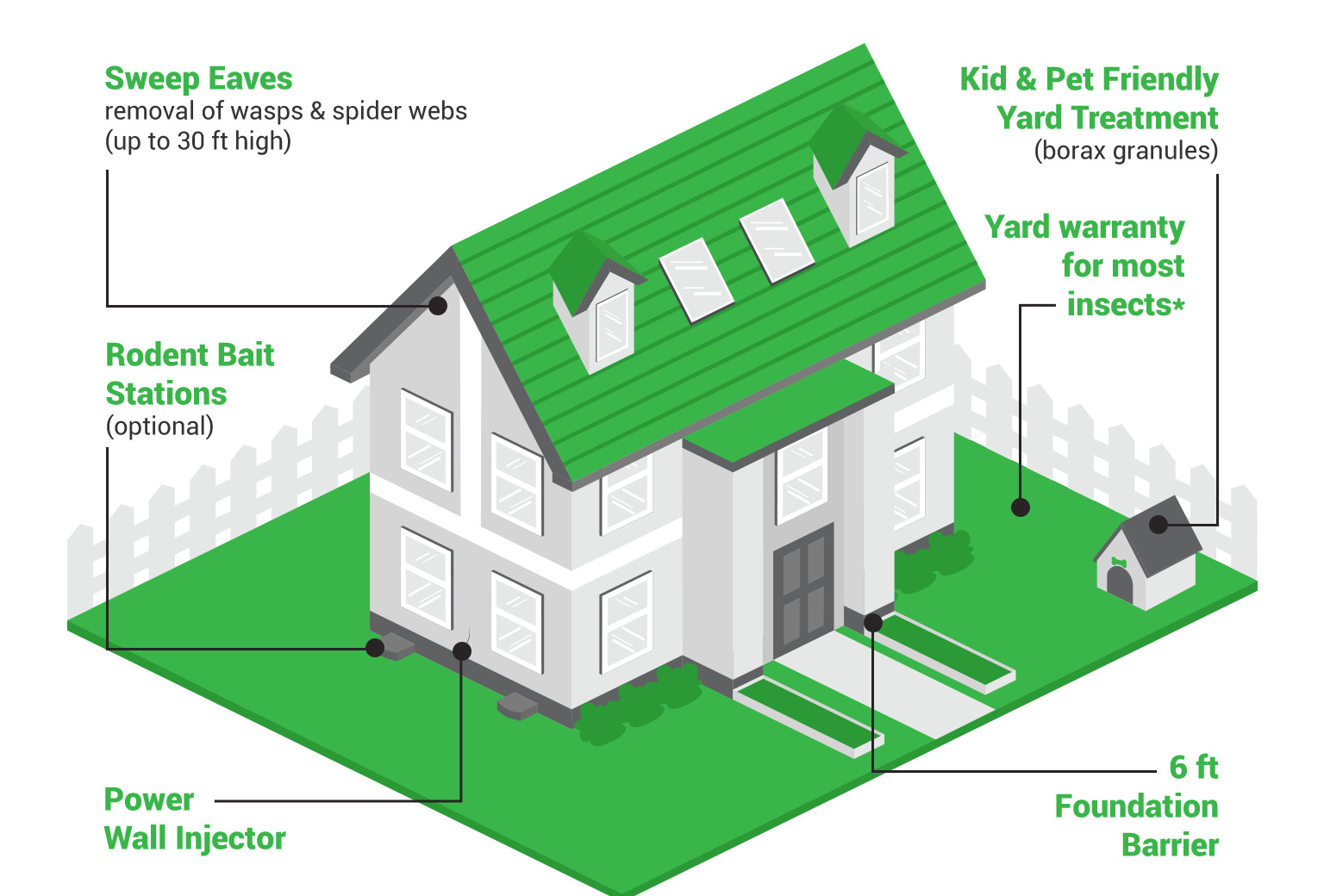
Vinx HomeGuard Plan
What Happens at Every Visit
Our technicians don’t just spray and leave. Every quarterly service covers your full exterior and interior, done right, backed by a written guarantee.
- Yard & Margin Treatment: Ground cover, mulch beds, and vegetation borders treated every visit
- Power Wall Injector: Treats wall voids where pests hide
- 6 ft Foundation Barrier: Full perimeter treatment every visit
- Yard Warranty: Free retreatment for most insects
- Kid & Pet Safe Yard Treatment: Borax granules, safe after dry
Homeowner Tips
6 Ways to Reduce Ticks & Fleas Around Your Hampton Home
Kid & Pet Safe
Our Treatments Are Safe for Your Whole Family: Including the Furry Members
Every product we use is EPA-registered and applied strictly at labeled rates by licensed technicians. We take the guesswork out of safety so you can feel confident letting kids and pets back into treated areas quickly.

EPA-Registered Products Only
Applied strictly at labeled rates by technicians registered with the Virginia Department of Agriculture and Consumer Services (VDACS).
Family & Pet-Safe Treatments
Treated areas are safe for children and pets once dry.
Documented Disease Risk
The Virginia Department of Health confirms lone star ticks, blacklegged ticks, and American dog ticks are all active in this region, carrying risks including alpha-gal syndrome, Lyme disease, and Rocky Mountain spotted fever.
Questions About What We Use?
Have a concern about products used near pets or kids? Call (855) 800-8469 and we’ll walk you through exactly what we use.
Explore More
More Pest Control Services in Hampton

Pest Control Hampton
Year-round protection plan
Termite Control Hampton
Bait systems & liquid treatment
Ant Control Hampton
Fire ants & all ant species

Mosquito Control Hampton
Monthly barrier treatments
Spider Control Hampton
All spider species covered

Rodent Control Hampton
All rodents covered
Cockroach Control Hampton
American & German roaches
Bed Bug Control Hampton
Heat & liquid treatments
Exterminator Hampton
Same-day local exterminators
Frequently Asked Questions
Tick & Flea Control FAQ for Hampton Homeowners & Businesses
Tick and flea coverage is part of the general pest plans: $49/mo HomeGuard, $75/mo Plus, $109/mo Platinum (interior coverage included), all with a $329 initial treatment on a 12-month agreement. Call 855-800-8469 for a free quote.
Yes. It’s a red-meat allergy triggered by a lone star tick bite, and the Virginia Department of Health calls the lone star the most common tick to bite people in Virginia, and associates alpha-gal primarily with its bite. It’s active throughout Hampton’s preserve-adjacent areas.
Because adults alone live on the pet. Carpet, bedding, furniture and the shaded outdoor spots where pets rest hold the eggs, larvae and pupae, so treating the animal alone leaves that reservoir ready to bounce back.
Yes, where the brown dog tick is concerned: it can finish its whole life cycle indoors once brought in by a pet. This is more common in Phoebus and Downtown’s older housing.
Most tick bites on people in Virginia come from lone star ticks, associated with alpha-gal syndrome; blacklegged ticks carry Lyme disease and American dog ticks can carry Rocky Mountain spotted fever. The City of Hampton lists all three among the ticks found here, along with the Gulf Coast tick. The brown dog tick is different: uncommon in Virginia, and chiefly an indoor and kennel problem.
There is no real off switch. Ticks can be active on a warm day at any point in the year per the Virginia Department of Health, and Virginia Cooperative Extension has flea numbers building slowly through spring and exploding in mid-to-late summer.
Yes. We work with EPA-registered products at labeled rates through technicians registered with the Virginia Department of Agriculture and Consumer Services (VDACS); treated areas are safe once dry.
Yes. Vinx services all of Hampton, including Downtown, Phoebus, Wythe, Hampton University, Buckroe, Back River, Fox Hill, and every neighborhood in between.
Yes. Vinx Pest Control is licensed and insured to operate in Virginia, with technicians registered with VDACS and trained to identify and treat lone star, blacklegged, American dog, and brown dog tick populations, along with fleas, throughout Hampton and the greater Hampton Roads area.
Service Coverage
Tick & Flea Control Across Hampton & the Greater Hampton Roads Area
Serving every neighborhood and business in and around Hampton.
Serving the Greater Hampton Roads Area