
Flea & Tick Control in Norfolk, VA
Blacklegged, Lone Star, American Dog & Gulf Coast Tick Experts
Tick pressure in Norfolk depends on more than just the usual suspects, and there’s a coastal risk factor most homeowners have never heard of. Cat fleas remain the most common flea affecting pets and homes throughout Ghent’s dense, pet-heavy housing. Blacklegged ticks, the Lyme disease vector, favor the wooded suburban lots around Wards Corner and Military Highway. American dog ticks turn up in the grassy vacant lots and yards common throughout Berkley. Lone star ticks, aggressive and common in mixed wooded and grassy terrain, are frequent around the mowed grounds and tree lines of Naval Station Norfolk. And Gulf Coast ticks, a species that researchers at Old Dominion University confirmed established permanent populations along the southeastern Virginia coastline starting in 2010, are a genuine and often overlooked risk in Ocean View’s coastal grasses and dune edges. Vinx treats the species actually present on your property, not a generic regional checklist.
Get Started in 60 Seconds
Choose what’s easiest for you
Request a Quote
We usually respond in 2 minutes
Call 855-800-8469
Get a live person (no AI agents here!)
Sign Up Online
Get pricing and schedule now





Last updated: August 25, 2026
Welcome to Vinx Pest Control
A Company That Actually Backs What It Says
At Vinx, we pair professional-grade treatment with a level of follow-through most pest control companies skip. Local technicians, fast response, and a guarantee that holds up after the invoice is paid.
Get a Free Quote"I'm not passionate about killing bugs. I'm passionate about customer service. At Vinx, you get experts who show up, do the job right, and stand behind every visit. No runaround, no fine print."
WELCOME TO VINX PEST CONTROL
Flea & Tick Control Plans for Norfolk Homeowners
Standard Residential Protection
- 4 Seasonal Treatments Per Year
- Yard & Perimeter Tick Treatment
- 50+ Covered Pests
- Unlimited Free Re-Services
- $329 Initial Treatment · 12-Month Agreement

Upgraded Yard Protection
- Everything in HomeGuard
- 6 Home & Yard Treatments Per Year
- Flea & Tick Elimination Guarantee
- Expanded Perimeter Treatment
- $329 Initial Treatment · 12-Month Agreement

Most Comprehensive Protection
- Everything in Plus
- 9 Treatments Per Year
- Interior AND Exterior Flea Treatment
- Priority Scheduling
- $329 Initial Treatment · 12-Month Agreement
Have pets that spend a lot of time outdoors near Ocean View’s coastal grasses or the wooded areas around Wards Corner? Ask about our expanded yard treatment options.
Get Your Free Norfolk Flea & Tick Inspection
Fill out the form below and a Vinx team member will reach out within 2 minutes during business hours.
Prefer to talk? Call 855-800-8469 for a live person, no AI agents.
Our Approach
How Vinx Controls Fleas & Ticks in Norfolk

Inspection & Species Identification
Your technician inspects pet areas and indoor spaces throughout Ghent, coastal grasses and dune edges in Ocean View, grassy lots and yards in Berkley, mowed grounds and tree lines near Naval Station Norfolk, and wooded suburban lots out toward Wards Corner, identifying which fleas or ticks are actually present.
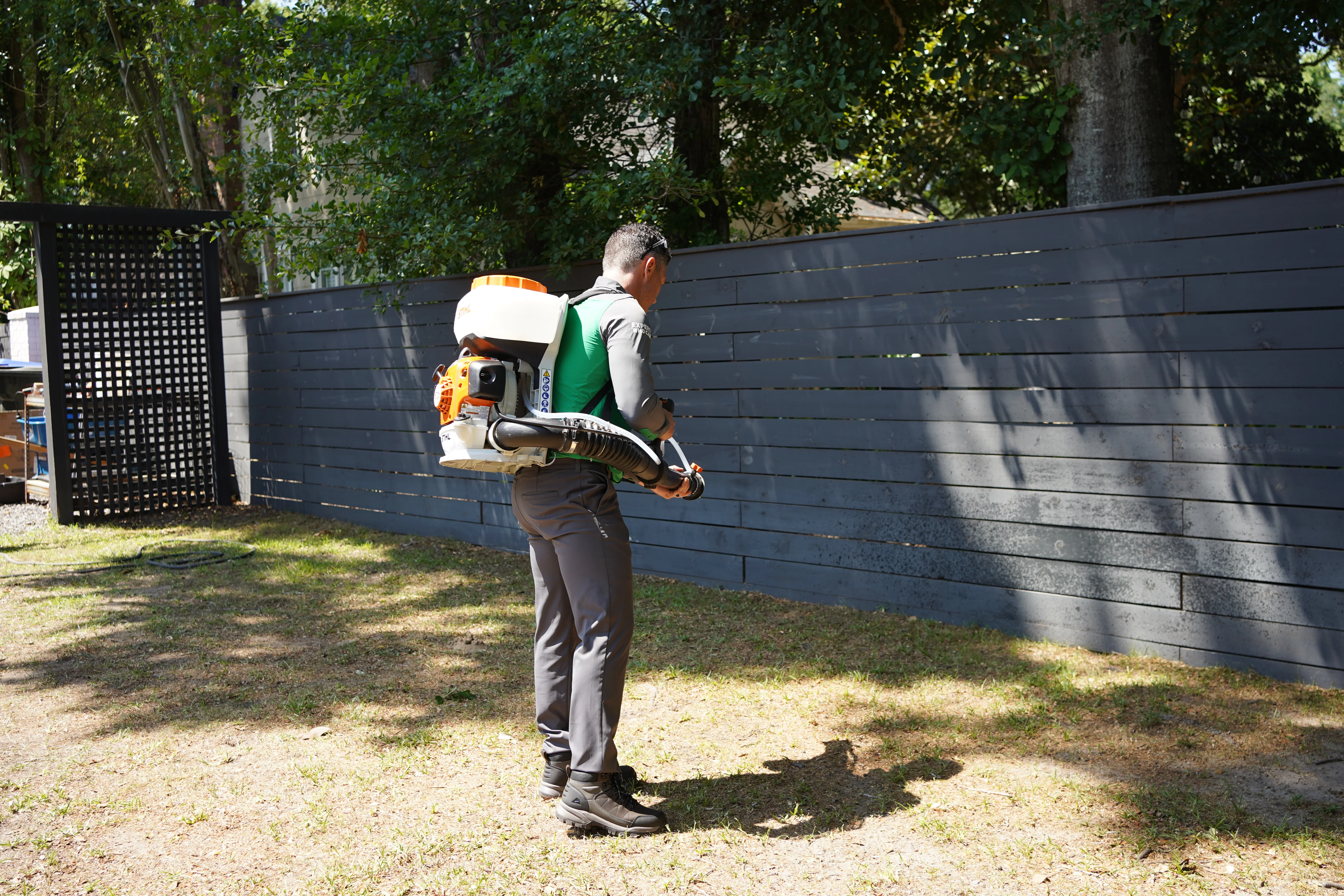
Yard & Perimeter Barrier Treatment
A barrier treatment is applied to yard perimeters, tree lines, and other harborage areas where ticks wait for a host and fleas breed.
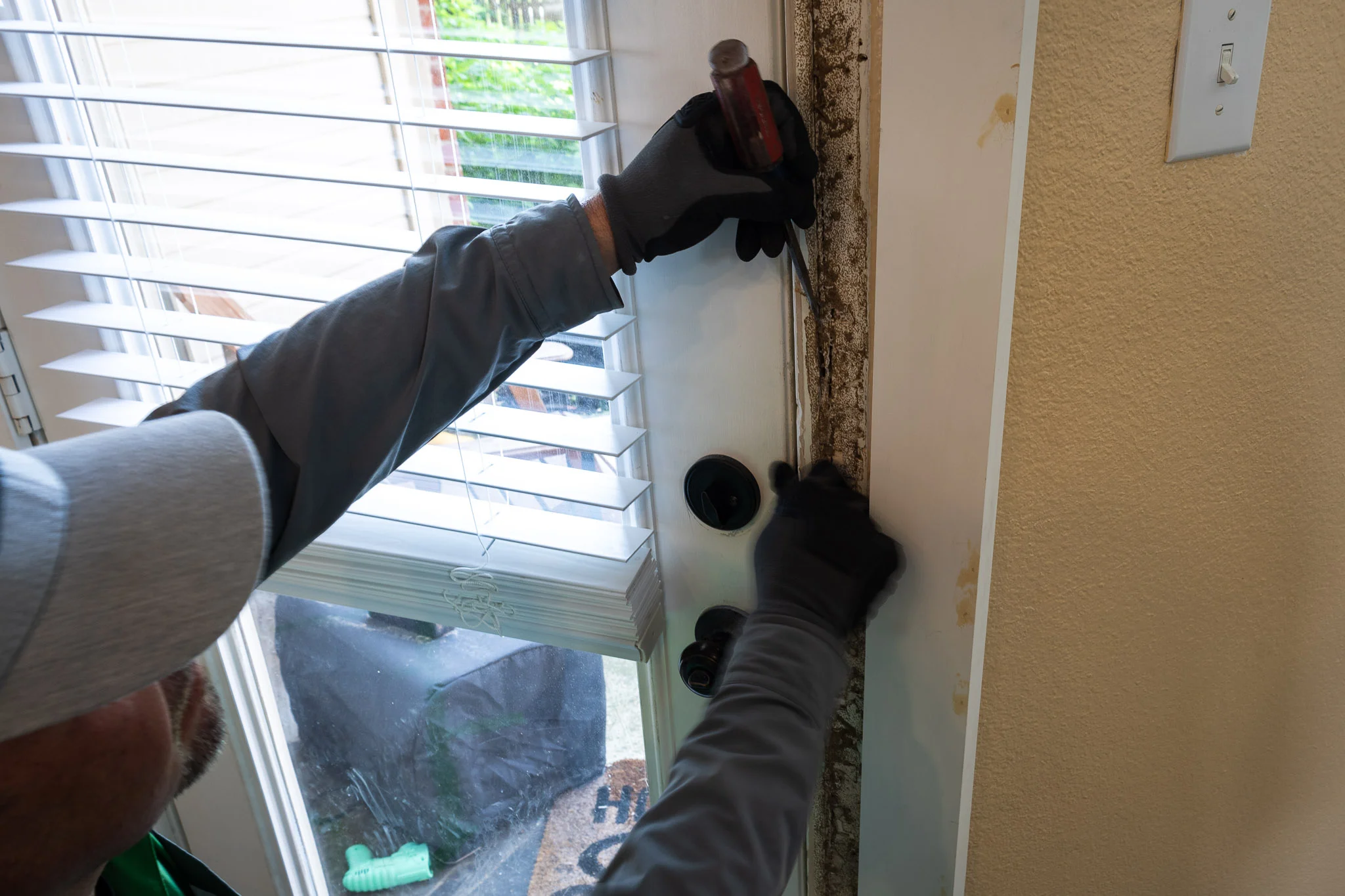
Interior Flea Treatment
For active flea infestations, interior treatment targets carpets, pet bedding, and other areas where flea eggs and larvae develop.

Ongoing Seasonal Treatment
Regular treatments continue through Norfolk’s active flea and tick season, with free re-service between visits if activity returns.
What Customers Say
Real Reviews from Norfolk Customers
Mackensey was beyond good. Not only did she arrive early, she waited for me, she adhered everything I said and did as I needed. She was quick and very thorough with everything. They said id see an increase once treated but she killed it cause I haven't had a problem since she came. I highly recomment vinx and mackensey as your technician. Solid 5 star with 6 thumbs up
Daniel was thorough, friendly and answered any questions I had with thorough knowledge of how the Vinx treatment for ticks would work and what to expect in the next few days. Also, I was assured that if in a few weeks we saw no improvement we could expect Vinx to come out and reapply at no extra charge. He is a good employee working for a good company.
Service was amazing! Tristin informed me of everything he did, answered my questions, and even made sure to lock my gate back up before he left since I have dogs. Great experiences so far with Vinx!
Cameron from Vinx pest control is a true professional, I really believe he loves his job, always goes above and beyond on every service visit. I wish the world was full of more people with his attitude and work ethic. I highly recommend this gentleman and Vinx pest control.
I’ve been using Vinx for over a year and I couldn’t be happier. The mosquitos are all gone which was my main concern because they seem to love me, lol. Daniel is the tech who’s sprayed my house a few times and he’s always polite and professional, so I wanted to give a compliment here.
Our tech today was Cameron, he was so polite, patient and helpful. He answer all our questions and concerns.
Worried About Fleas or Ticks on Your Property? Call Vinx Today.
Free inspection. Next-day service available. Our unlimited free re-service guarantee stands behind it.
Call (855) 800-8469Tick & Flea Risk by Neighborhood
Flea & Tick Pressure Across Norfolk
Ghent & Downtown — Cat Flea Risk
The dense, pet-heavy housing throughout Ghent and downtown gives cat fleas, the most common flea species nationwide, ample opportunity to establish indoors.
Ocean View — Gulf Coast Tick Risk
The coastal grasses and dune edges along this bayfront community’s shoreline are documented habitat for Gulf Coast ticks, a species confirmed to have established permanent populations along the southeastern Virginia coastline since 2010.
Berkley — American Dog Tick Risk
The grassy vacant lots and yards tied to Berkley’s history as an older industrial town give American dog ticks, a Rocky Mountain spotted fever vector, common habitat.
Wards Corner, Military Highway & Outer Norfolk — Blacklegged Tick Risk
The wooded suburban lots common to this corridor are where blacklegged ticks, the primary Lyme disease vector, are most often encountered.
Norfolk Tick & Flea Pressure
Why Flea & Tick Control in Norfolk Isn’t One-Size-Fits-All
A lot of pest control companies default to the same three-tick checklist everywhere: blacklegged, lone star, and American dog. That checklist misses something specific to Norfolk and the rest of the Tidewater coastline. That’s a disservice in a city where a dense 19th-century streetcar suburb, a bayfront coastal community, a former independent industrial town, the world’s largest naval base, and a suburban commercial corridor each create genuinely different flea and tick exposure.
Flea & Tick Species Relevant to Norfolk, VA
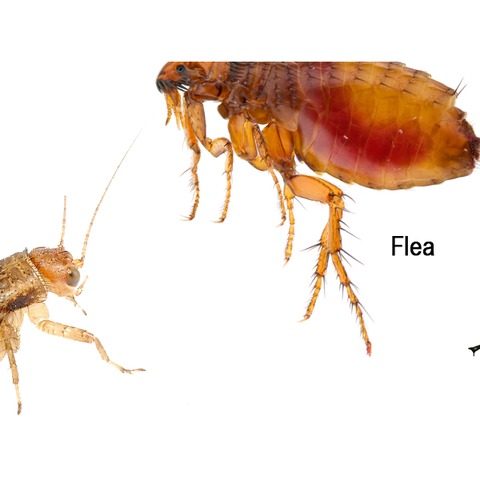
Cat Flea (Ctenocephalides felis)
The most common flea species affecting pets and homes nationwide, capable of rapid indoor infestations once established. Common throughout Ghent and downtown’s dense, pet-heavy housing.

Blacklegged Tick (Ixodes scapularis)
The primary vector for Lyme disease in the eastern United States, typically found in wooded areas and leaf litter. Common in the wooded suburban lots around Wards Corner and Military Highway.
Lone Star Tick (Amblyomma americanum)
An aggressive tick that actively pursues hosts rather than waiting passively, associated with Southern tick-associated rash illness and alpha-gal syndrome. Common around the mowed grounds and tree lines connected to Naval Station Norfolk.
American Dog Tick (Dermacentor variabilis)
A common tick species responsible for transmitting Rocky Mountain spotted fever, typically found in grassy fields and along trails. Common throughout Berkley’s grassy vacant lots and yards.
Gulf Coast Tick (Amblyomma maculatum)
A coastal species confirmed by Old Dominion University researchers to have established permanent breeding populations in southeastern Virginia starting in 2010, and documented by the Virginia Department of Health as more common along the state’s coastline. A vector for Rickettsia parkeri, sometimes referred to as Tidewater spotted fever. Common in the coastal grasses and dune edges of Ocean View.
Throughout Ghent and downtown, the dense, pet-heavy housing gives cat fleas, the most common flea species affecting homes and pets nationwide, plenty of opportunity to hitch a ride indoors. Berkley’s grassy vacant lots and yards, tied to its history as an older, less densely maintained industrial town, are common American dog tick habitat, a species responsible for transmitting Rocky Mountain spotted fever. Around Naval Station Norfolk, Willoughby Spit, and Larchmont, the mowed grounds and tree lines connected to the base give lone star ticks, an aggressive species that will actively pursue a host rather than waiting passively, the mixed terrain they favor. Out toward Wards Corner and the Military Highway corridor, the wooded suburban lots common to this area are where blacklegged ticks, the primary vector for Lyme disease, are most likely to be encountered. And in Ocean View, the coastal grasses and dune edges along the Chesapeake Bay are genuine Gulf Coast tick territory — researchers at Old Dominion University documented that this species established permanent breeding populations specifically in southeastern Virginia’s coastal areas starting in 2010, and the Virginia Department of Health confirms it’s more commonly found along Virginia’s coastline than inland. This species is a documented vector for Rickettsia parkeri, and it’s a genuine gap in most generic Hampton Roads tick content.
There is a piece of city infrastructure worth knowing about here, because it runs through a lot of Norfolk back gardens. Vector Control’s remit includes the management of the city’s tidal ditches, cut generations ago to drain low ground and still threading between properties. A tidal ditch is a vegetated, damp, sheltered corridor, and that is useful cover for the rodents and small mammals that keep immature ticks fed, as well as a humid refuge where flea pupae survive. If your boundary runs along one, the tick and flea work that actually pays is treating that margin and keeping the vegetation on your side of it cut back, rather than broadcasting across the lawn.
What to Look For
Signs of Flea & Tick Activity Around Your Norfolk Home or Business
Pets Scratching Excessively or Small Bites Around the Ankles
A hallmark sign of cat flea activity, common throughout Ghent and downtown
Ticks Found After Time in Wooded Yards or Trails
Often a sign of blacklegged tick activity, common near Wards Corner and Military Highway
Ticks That Actively Crawl Toward You in Grassy or Wooded Areas
A hallmark sign of lone star tick activity, common near Naval Station Norfolk
Ticks Found in Grassy Vacant Lots or Yards
Often a sign of American dog tick activity, common throughout Berkley
Unfamiliar Ticks with Mottled or Patterned Markings Near the Water
Can indicate Gulf Coast tick activity, worth flagging in Ocean View given documented coastal populations
If you find an embedded tick or develop a rash, fever, or flu-like symptoms after a tick bite, contact a healthcare provider and try to save the tick for identification.
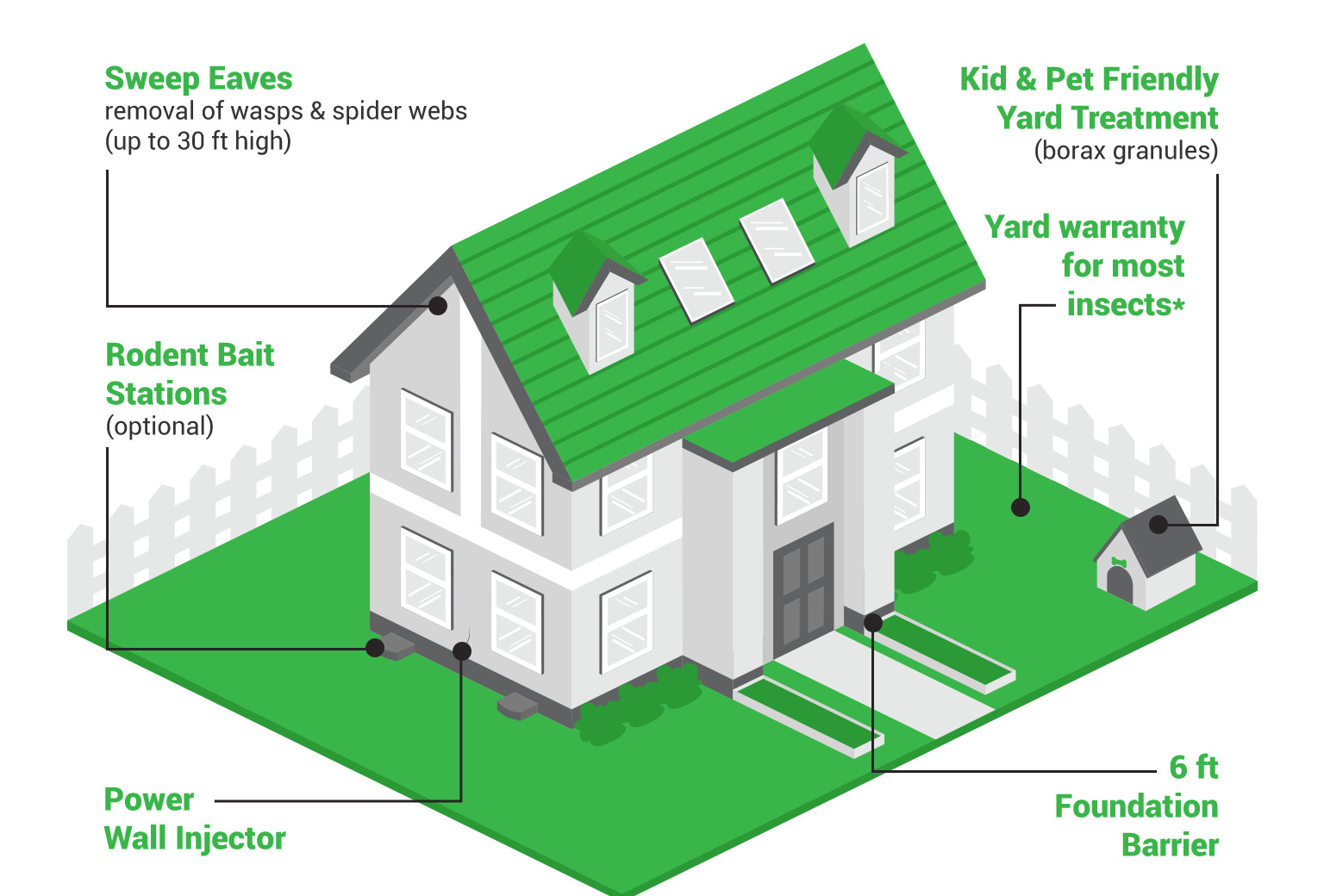
Vinx HomeGuard Plan
What Happens at Every Visit
Our technicians don’t just spray and leave. Every quarterly service covers your full exterior and interior, done right, backed by a written guarantee.
- Yard & Margin Treatment: Ground cover, mulch beds, and vegetation borders treated every visit
- Power Wall Injector: Treats wall voids where pests hide
- 6 ft Foundation Barrier: Full perimeter treatment every visit
- Yard Warranty: Free retreatment for most insects
- Kid & Pet Safe Yard Treatment: Borax granules, safe after dry
Homeowner Tips
6 Ways to Reduce Flea & Tick Activity Around Your Norfolk Home or Business
Kid & Pet Safe
Our Treatments Are Safe for Your Whole Family: Including the Furry Members
Every product we use is EPA-registered and applied strictly at labeled rates by technicians registered with the Virginia Department of Agriculture and Consumer Services (VDACS).

EPA-Registered Products Only
Applied strictly at labeled rates by technicians registered with the Virginia Department of Agriculture and Consumer Services (VDACS).
Yard-Focused Barrier Treatment
Targets the areas fleas and ticks actually inhabit rather than broad interior spraying.
Pet-Safe Application
Products are applied and allowed to dry before pets and family are permitted back into treated areas.
Questions About What We Use?
Have a concern about products used near pets or kids? Call (855) 800-8469 and we’ll walk you through exactly what we use.
Explore More
More Pest Control Services in Norfolk

Pest Control Norfolk
Year-round protection plan
Ant Control Norfolk
Fire ants & all ant species

Mosquito Control Norfolk
Monthly barrier treatments
Termite Control Norfolk
Bait systems & liquid treatment

Rodent Control Norfolk
All rodents covered
Cockroach Control Norfolk
American & German roaches

Bed Bug Control Norfolk
Heat & liquid treatments

Spider Control Norfolk
All spider species covered
Exterminator Norfolk
Same-day local exterminators
Frequently Asked Questions
Flea & Tick Control FAQ for Norfolk Homeowners & Businesses
Flea and tick control is included in Vinx's general pest plans: HomeGuard at $49/mo, Plus at $75/mo, and Platinum at $109/mo, each with a $329 initial treatment and 12-month agreement. Call 855-800-8469 for a free quote.
Yes, more than most homeowners realize. Researchers at Old Dominion University documented that Gulf Coast ticks established permanent breeding populations in southeastern Virginia's coastal areas starting in 2010, and the Virginia Department of Health confirms this species is more commonly found along Virginia's coastline, which includes Norfolk's waterfront neighborhoods like Ocean View.
The blacklegged tick, also called the deer tick, is the primary vector for Lyme disease in this region and is most commonly encountered in wooded suburban areas like those around Wards Corner and Military Highway.
It depends on the disease, and the two figures are far enough apart to change what you do. Virginia Cooperative Extension puts Rocky Mountain spotted fever at four to six hours of attachment before transmission, while Lyme disease is rarely transmitted in the first 24 hours — which is exactly why frequent checking and prompt removal matter so much. The Virginia Department of Health’s advice is to check children and pets every four hours while you are outside, not just at the end of the day. Removal technique matters too, and most of the folklore is wrong. Use tweezers, or wrap the tick in tissue, grasp it as close to the skin as you can and pull slowly with even pressure. Do not twist or jerk, which leaves the mouthparts behind. Do not use nail polish, petroleum jelly, alcohol or a hot match on an attached tick. Wash the bite with antiseptic afterwards. One step people skip and later wish they had not: kill the tick in rubbing alcohol and keep it in a small vial for a few months, so that if symptoms appear it can be identified rather than guessed at.
That's classic lone star tick behavior. Unlike most ticks that wait passively on vegetation, lone star ticks actively pursue hosts, and this species is common around the mowed grounds and tree lines connected to Naval Station Norfolk.
Not necessarily, but cat fleas can multiply quickly indoors once established, especially in dense multi-unit housing. Treating carpets, pet bedding, and baseboards early prevents a larger problem.
American dog ticks are a documented vector for Rocky Mountain spotted fever and are commonly found in grassy fields and yards, including throughout Berkley.
Yes. We use EPA-registered products applied at labeled rates by technicians registered with the Virginia Department of Agriculture and Consumer Services (VDACS), with a yard-focused approach that targets actual harborage areas.
Yes. Vinx services all of Norfolk, including Ghent, Downtown, Ocean View, Berkley, Naval Station Norfolk, Willoughby Spit, Larchmont, Wards Corner, and every neighborhood in between.
Yes. Vinx Pest Control is licensed and insured to operate in Virginia, with technicians registered with VDACS and trained to identify and treat all five flea and tick species documented throughout Norfolk and the greater Hampton Roads area.
Statistically, the lone star tick — and the reason is geography. Virginia Cooperative Extension places the lone star as very common in the Piedmont and Coastal Plain regions, and Norfolk sits in the Coastal Plain. Adult females carry a single white spot on the back; males have several white markings; the immature ’seed ticks’ have no markings at all, which is why people do not recognize them. Lone star ticks transmit ehrlichiosis, can transmit Rocky Mountain spotted fever, and are the species linked to alpha-gal syndrome, because they carry the alpha-gal sugar in their saliva. The American dog tick has a bigger reputation than its local presence deserves here: Extension describes it as found mostly in the western regions of Virginia and west of the Blue Ridge Mountains. The deer tick, or blacklegged tick, is the Lyme carrier — smaller at two to three millimeters, with long mouthparts and dark legs — and one detail is worth holding onto: the bulls-eye rash appears in only about 70% of Lyme patients, so its absence does not rule the disease out. There is also the Asian longhorned tick, first found in Virginia in 2018 and able to reproduce asexually so numbers build fast in one spot, but so far it is largely confined to western and northern Virginia rather than here.
Service Coverage
Flea & Tick Control Across Norfolk & the Greater Hampton Roads Area
Serving every neighborhood and business in and around Norfolk.