
Termite Control in Hampton, VA
Eastern Subterranean Termite Experts for the Hampton Peninsula
Termite pressure in Hampton comes down to one fact: this peninsula almost never dries out. Bordered by the Chesapeake Bay and threaded by the Hampton and Back rivers, it holds a high water table under aging crawlspaces — feeding the eastern subterranean termite, Virginia’s most common subterranean species.
Get Started in 60 Seconds
Choose what’s easiest for you
Request a Quote
We usually respond in 2 minutes
Call 855-800-8469
Get a Live Person (no AI agents here!)
Sign Up Online
Get pricing and schedule now





Welcome to Vinx Pest Control
A Company That Actually Backs What It Says
At Vinx, we pair professional-grade treatment with a level of follow-through most pest control companies skip. Local technicians, fast response, and service that holds up after the invoice is paid.
Get a Free Quote"I'm not passionate about killing bugs. I'm passionate about customer service. At Vinx, you get experts who show up, do the job right, and stand behind every visit. No runaround."
WELCOME TO VINX PEST CONTROL
Termite Protection Plans for Hampton Homeowners

Standard Residential Protection
- 4 Seasonal Treatments Per Year
- 40+ Covered Pests
- Interior, Exterior & Yard Treatment
- Unlimited Free Re-Services
- Guaranteed Coverage for Common Household Pests

Upgraded Yard Protection
- 6 Home & Yard Treatments Per Year
- 40+ Covered Pests
- Fire Ant Warranty
- Exterior Flea & Tick Warranty
- Guaranteed Coverage for Common Household Pests

Most Comprehensive Protection
- 9 Treatments Per Year
- 40+ Covered Pests
- 8 Mosquito Treatments (Apr–Nov)
- Flea, Tick & Ant Coverage
- Free Bed Bug Treatment After 12 Months on Platinum
Termite protection is priced separately from general pest plans and varies based on home size, foundation type, and existing conducive conditions. Termite TotalDefense standalone protection starts at $35/mo, and is also available bundled with any general pest plan. Buying a home in Phoebus, Downtown, or anywhere else in Hampton? Have your lender or agent line up a licensed WDI inspector early; if the report turns up termite activity, we can treat it and protect the home going forward.
Get Your Free Hampton Termite Inspection
Fill out the form below and a Vinx team member will reach out within 2 minutes during business hours.
Prefer to talk? Call 855-800-8469 for a live person, no AI agents.
Our Approach
How Vinx Controls Termites in Hampton

Full Inspection & Species Confirmation
Your technician inspects crawlspaces, piers, and foundations in Phoebus and Downtown’s older homes, marsh-edge cottages near Buckroe, and chronically damp lots near Back River and Fox Hill, confirming eastern subterranean termite activity and the extent of any existing damage.
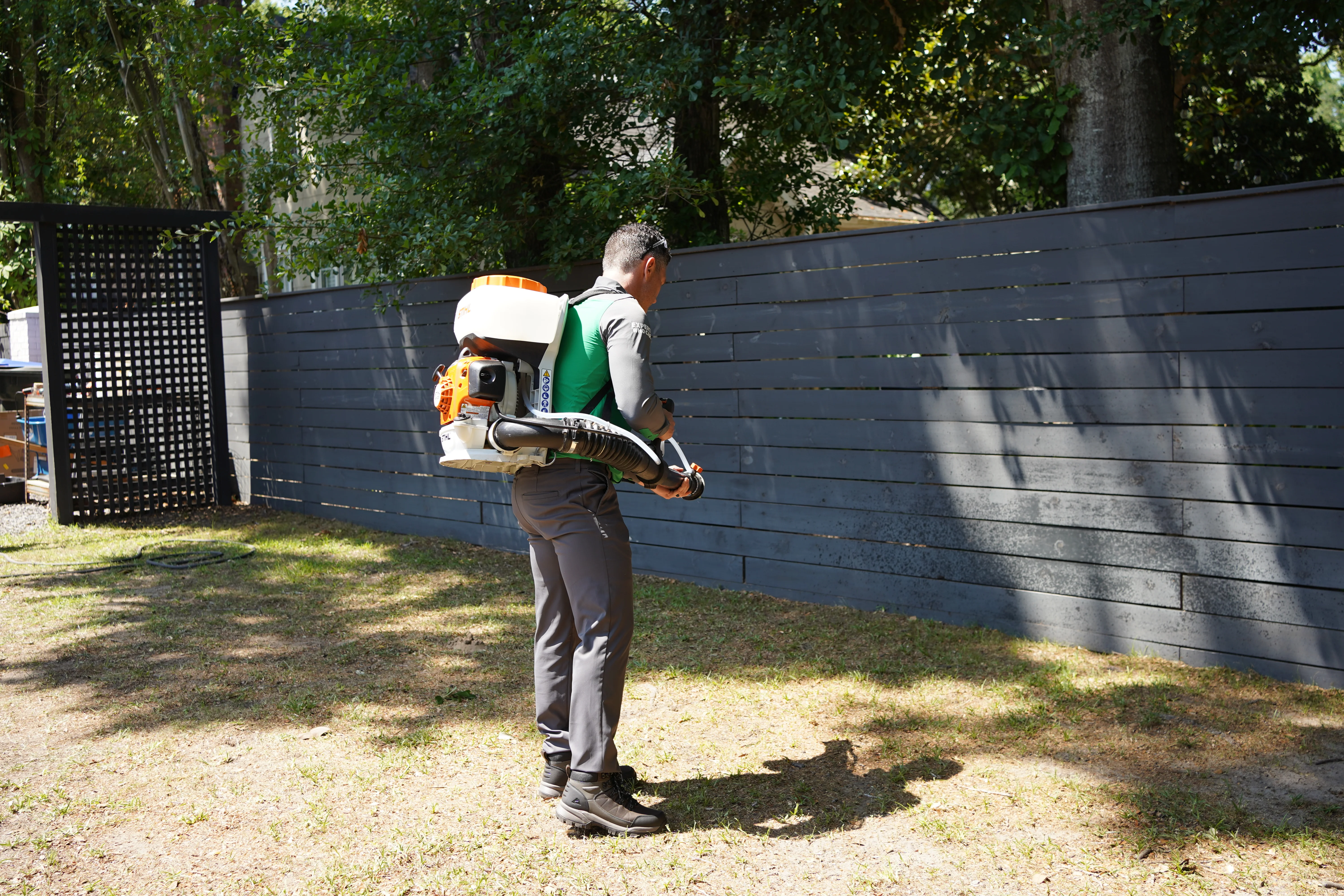
Targeted Colony Treatment
Treatment targets the soil-to-structure path subterranean termites travel through mud tubes, cutting off the colony’s connection between the ground and your home’s wood.
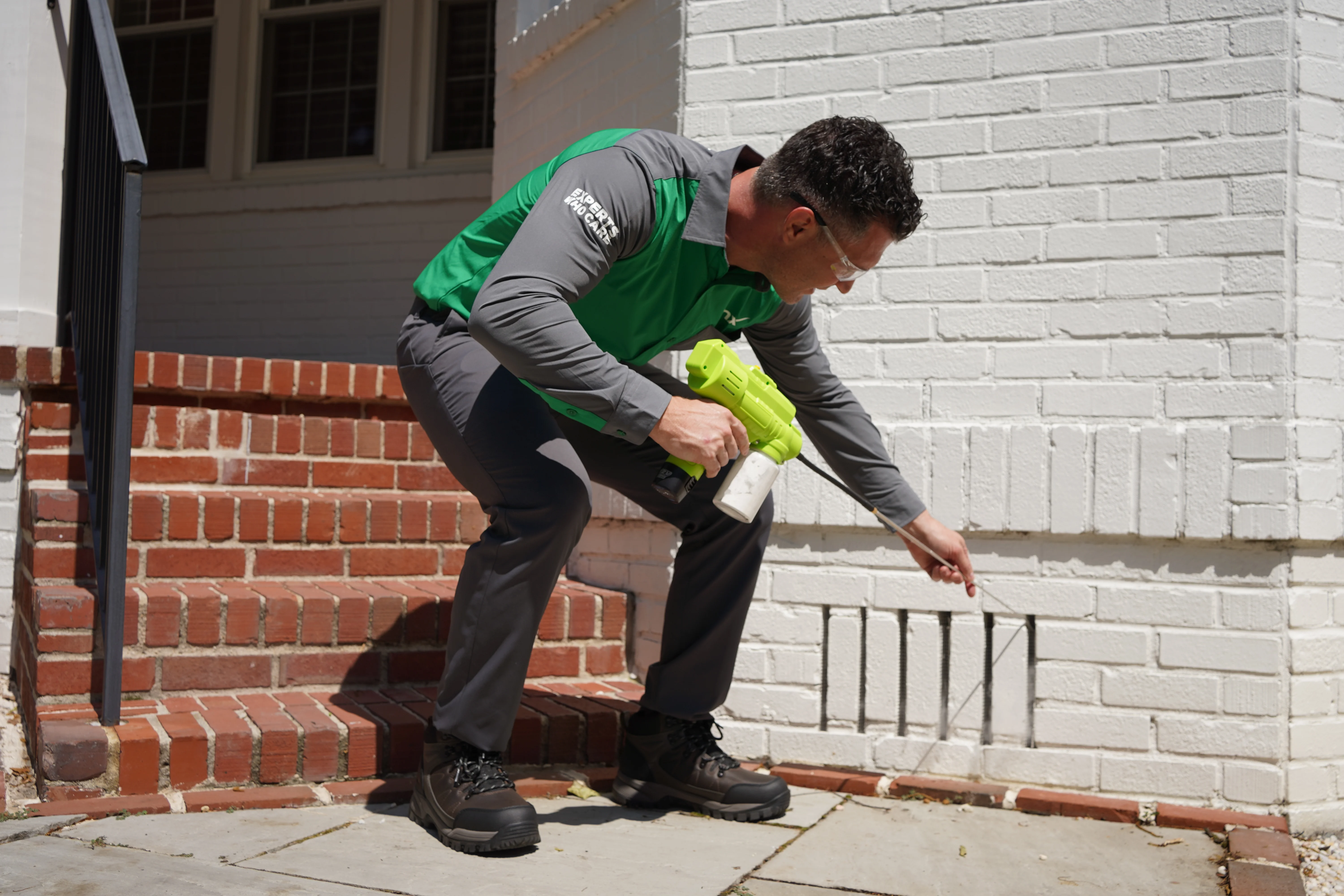
Moisture & Conducive-Condition Check
We flag the wood-to-soil contact, leaking downspouts, and damp crawlspace conditions that draw termites back, so they can be corrected before the next swarm season.
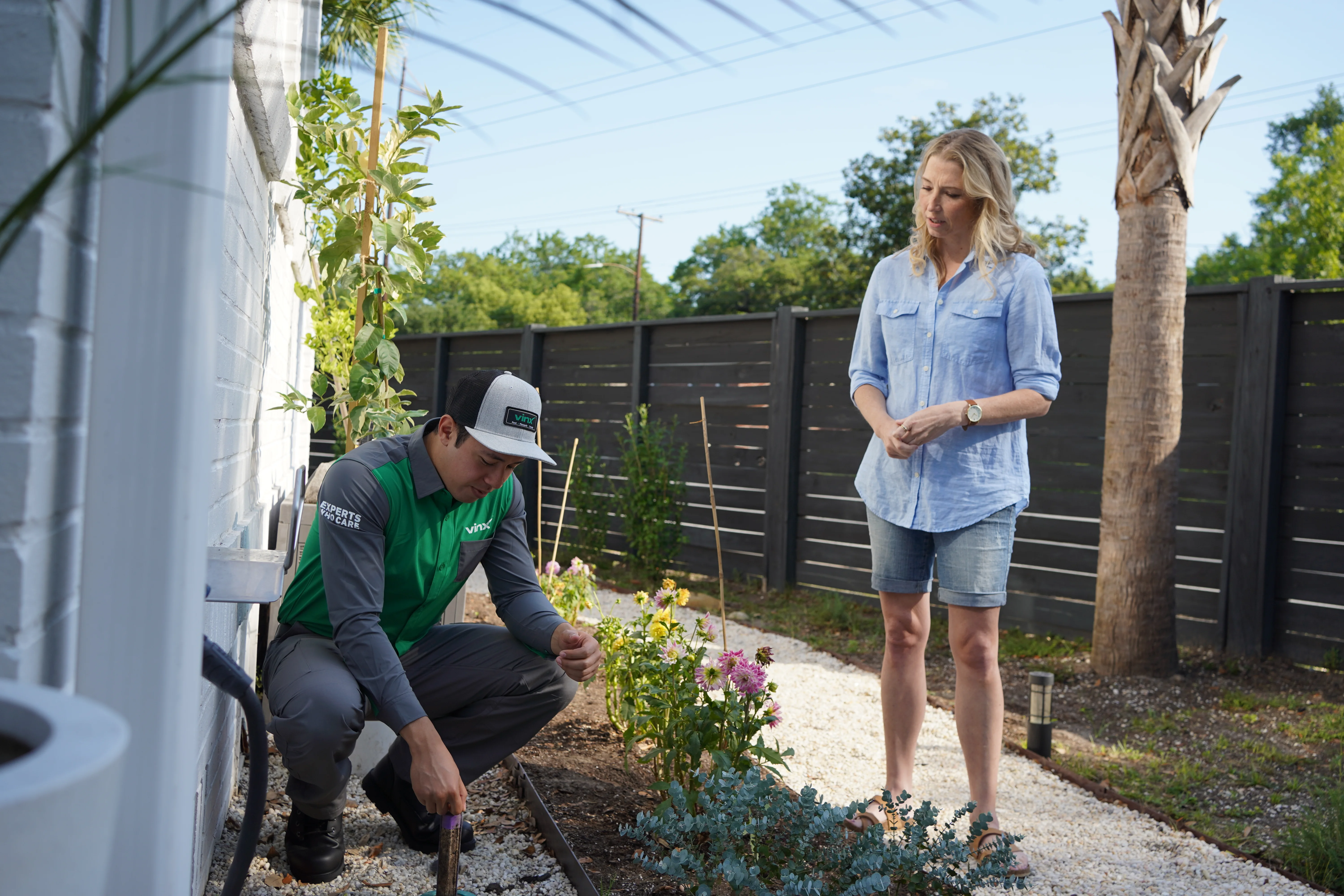
Ongoing Monitoring
Given how consistently damp Hampton’s soil stays, annual re-inspection is the standard recommendation, particularly for homes near the water or in the older core.
What Our Customers Say
Real Reviews from Hampton Customers
Mitch (Mitchell) was my technician and had a thorough explanation for any and every question I had. I genuinely appreciated the expertise and have had zero issue since my first treatment last month.
Outstanding service! Mitchell came out to perform an initial termite inspection. The detailed video was great and instilled a lot of confidence in moving forward with a termite protection plan.
Kennard was on time, professional and knowledgeable. Definitely will use this company again in the future.
Great services at VINX. And an affordable price. Whenever I have a problem I know Vinx will come through for me. Loyal customer for a year and counting!
Ready to Protect Your Home? Call Vinx Today.
Free inspection. Next-day service available. Warranty terms are set out in your termite service agreement. Call (855) 800-8469.
Call (855) 800-8469The Local Threat
Why Termite Control in Hampton Isn’t One-Size-Fits-All
Hampton’s vulnerability starts with its geography: a peninsula bordered by the Chesapeake Bay and threaded by the Hampton and Back rivers. NOAA’s Sewells Point gauge across the harbor, the longest-running of NOAA’s Virginia sea-level trend stations, with data back to 1927, and the benchmark the City of Hampton uses in its own planning documents, puts relative sea level rise at 4.84 mm a year across 1927 to 2025 — equivalent to 1.59 feet per century, roughly a foot and a half over the life of the record.
Phoebus, Downtown, and Old Point Comfort’s 19th- and early 20th-century blocks near Fort Monroe carry a specific risk: heritage timber and settled piers that colonies have had generations to work into. That’s a different problem from Back River, Fox Hill, and the Langley area, where the risk isn’t the age of the wood but the chronic soil saturation from repeated tidal flooding, conditions that keep subterranean colonies fed and active nearly year-round.
Buckroe and the bayfront’s marsh-edge cottages sit on damp, sandy ground that never fully dries, a third distinct pattern. Wythe’s older commercial buildings and the aging housing stock around Hampton University round things out with foundations that hold onto moisture longer than newer construction found elsewhere in the region. The culprit is the eastern subterranean termite every time, but moisture source and entry pattern genuinely vary by zone.
Building era is the other half of the risk, and Hampton’s is unusually concentrated. The 2024 one-year ACS estimates show the single largest slice of the city’s housing went up in the 1960s, about 17% of it, with the 1950s close behind at about 16%, so nearly a third of Hampton dates from those two decades and roughly 56% predates 1980 altogether. That matters for termites more than age alone suggests: any soil treatment applied when these houses were built lapsed decades ago, and fifty- to seventy-year-old crawl spaces have had time for grade to creep up the foundation, for porches to be rebuilt, and for utility trenches to cut through whatever barrier was once there. The inspection is about what protects the house now, not what did in 1963.
The Termite Species Behind Hampton’s Damage
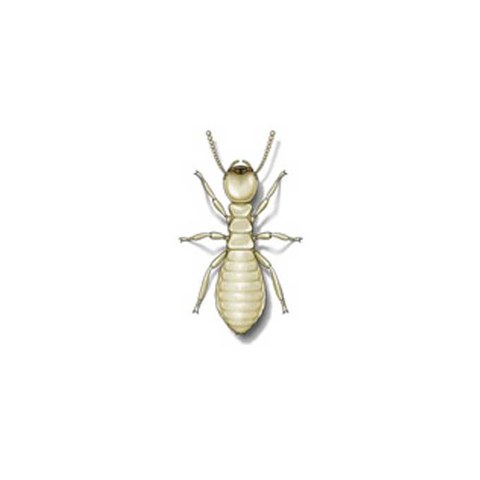
Eastern Subterranean Termite (Reticulitermes flavipes)
The subterranean termite most commonly found in Virginia, according to Virginia Cooperative Extension, and the species behind termite damage on the Peninsula. It lives in the soil, running flattened pencil-width mud tubes across foundations to reach wood. Winged swarmers showing up inside on a warm spring day, usually soon after rain, are a strong sign of a colony already established nearby.
A note on drywood termites: across the harbor in the Norfolk area, Virginia Cooperative Extension’s Category 7b manual records them. Because they live in dry wood with no soil connection and leave no mud tubes, an inspection can tell them apart from Hampton’s eastern subterranean termites.
Termite Risk by Neighborhood
Termite Risk Across Hampton
Downtown, Phoebus & Old Point Comfort — Heritage Timber Risk
19th- and early 20th-century blocks near Fort Monroe pair heritage wood with settled piers that colonies have had generations to exploit.
Wythe & the Mercury Boulevard Corridor — Older Foundation Risk
Aging commercial buildings hold onto moisture around foundations longer than newer construction elsewhere in the city.
Hampton University & the Campus District — Older Foundation Risk
Aging housing stock near campus sees similar moisture retention issues around older foundations.
Buckroe & the Bayfront — Marsh-Edge Moisture Risk
Damp, sandy ground near the marsh edge rarely fully dries, sustaining colonies through the year.
Back River, Fox Hill & Langley — Chronic Flooding Risk
Repeated tidal flooding creates the most chronically saturated soil conditions of anywhere in the city.
Warning Signs
Signs of Termite Activity in Your Hampton Home or Business
Thin Mud Tubes Climbing Piers or Foundation Walls
About pencil-width, these are the tunnels subterranean termites build to travel between soil and wood.
Swarmers or Shed Wings on Sills and in Spiderwebs Each Spring
Virginia Cooperative Extension notes that a swarm, indoors or out, is usually the first clue a homeowner gets, typically on a warm spring day after rain.
Timber That Rings Hollow Under a Knock
A sign that wood has been hollowed out from the inside by an active colony.
Paint That Ripples or Blisters
Often a sign of moisture and termite activity working beneath the surface.
Windows or Doors That Begin Binding
Can indicate weakened structural wood settling out of shape.
Homeowner Tips
6 Ways to Lower Your Termite Risk in Hampton
Kids & Pets
Treating Around Your Whole Family: Including the Furry Members
Every product we use is EPA-registered and applied strictly at labeled rates by licensed technicians. Your technician tells you exactly when kids and pets can go back into treated areas.

EPA-Registered Products Only
Applied strictly at labeled rates by technicians registered with the Virginia Department of Agriculture and Consumer Services (VDACS).
Family & Pet Precautions
Termite treatment is applied to soil and structural areas, and your technician will tell you when treated areas can be used again.
Insurance Rarely Covers Termite Damage
Which makes prevention and an active termite protection program the more affordable path for most Hampton homeowners.
Questions About What We Use?
Have a concern about treatment near a crawlspace your kids or pets access? Call (855) 800-8469 and we’ll walk you through exactly what we use.
Explore More
More Pest Control Services in Hampton

Pest Control Hampton
Year-round protection plan

Spider Control Hampton
All spider species covered

Ant Control Hampton
Fire ants & all ant species

Mosquito Control Hampton
Monthly barrier treatments
Tick & Flea Control Hampton
Yard & interior treatments

Rodent Control Hampton
Rats, mice & exclusion

Cockroach Control Hampton
American & German roaches

Bed Bug Control Hampton
Heat & liquid treatments
Exterminator Hampton
Same-day local exterminators
Frequently Asked Questions
Termite Control FAQ for Hampton Homeowners & Businesses
Standalone protection starts at $35/mo through Termite TotalDefense, which takes in inspection, treatment and ongoing monitoring. It can be added to any general pest plan as well. Call 855-800-8469 for a free quote.
Unlikely, though not impossible. Extension recorded drywood termites over in the Norfolk area in its 1980 applicator manual, and they need no soil contact. The soil-dwelling eastern subterranean termite remains the one Hampton inspections focus on.
Virginia does not make sellers provide one, but buyers’ lenders usually ask for it, and Virginia Tech’s extension guide notes most mortgage firms require that inspection in writing. Vinx does not issue WDI reports, so your lender, agent or closing attorney can point you to a licensed inspector; if the report turns up termite activity, we can treat it and protect the home going forward.
The waist and wings tell you: termite swarmers are straight-sided with equal-length wings, flying ants pinched at the waist with mismatched wings. Either way, swarmers indoors warrant a professional inspection.
Wet ground and older houses. Sea level at NOAA’s Sewells Point station, across the harbor, has risen about 1.9 inches a decade since 1927, and roughly 56% of Hampton’s housing predates 1980, per the 2024 one-year ACS.
Rarely. Termite damage is excluded by most policies, which leaves prevention and an active termite protection plan the cheaper option over time.
All treatment is applied strictly at labeled rates by VDACS-registered technicians, the Virginia Department of Agriculture and Consumer Services, and your technician will tell you when treated areas can be used again.
Yes. Vinx services all of Hampton, including Downtown, Phoebus, Wythe, Hampton University, Buckroe, Back River, Fox Hill, and every neighborhood in between.
Yes. Vinx Pest Control is insured and licensed in Virginia (license #16029), and its technicians, registered with VDACS, inspect, treat, and document eastern subterranean termite activity throughout Hampton and the greater Hampton Roads area.
Service Coverage
Termite Control Across Hampton & the Greater Hampton Roads Area
Serving every neighborhood and business in and around Hampton.
Serving the Greater Hampton Roads Area