Ant Control in Johns Island, SC
Fire, Carpenter, Argentine & Odorous House Ant Experts: Species-Specific Treatment
Not every ant on Johns Island wants the same thing, and treating them all the same way is why most DIY ant control here fails. Fire ants mound in pastures and tilled fields, Argentine ants trail the new subdivisions, odorous house ants flood Maybank Highway kitchens after rain, and carpenter ants work the framing under the live oaks and in barns. Spraying a trail only splits the colony in two. Identification of the species comes first at Vinx, every time.
Get Started in 60 Seconds
Choose what’s easiest for you
Request a Quote
We usually respond in 2 minutes
Call (855) 800-8469
Get a Live Person (no AI agents here!)
Sign Up Online
Get pricing and schedule now




Welcome to Vinx Pest Control
A Company That Actually Backs What It Says
At Vinx, we combine professional-grade treatments with a level of service most pest control companies don’t offer. Local technicians, fast response times, and a guarantee that actually means something.
“I’m not passionate about killing bugs. I’m passionate about customer service. At Vinx, you get experts who show up, do the job right, and stand behind every visit. No runaround, no fine print.”

Founder & Owner, Vinx Pest Control
WELCOME TO VINX PEST CONTROL
Protection Plans for Johns Island Homeowners
Standard Residential Protection
- 4 Seasonal Treatments Per Year
- All household ant species covered
- Interior bait + exterior perimeter barrier
- Species identification every visit
- Unlimited Free Re-Services
- Fire ant mound treatment not included

Fire Ant Treatment Included
- 6 Home & Yard Treatments Per Year
- All household ant species covered
- Fire ant mound direct treatment
- Full-lawn broadcast granular
- Flea & Tick Elimination Guarantee
- 100% Money-Back Guarantee
Most Comprehensive Protection
- 9 Treatments Per Year
- All ant species + fire ant treatment
- Monthly Mosquito (Mar–Nov)
- Flea, Tick & Fire Ant Coverage
- Free Bed Bug Treatments if Needed*
*All household ant species on all plans. Fire ant mound treatment in Plus & Platinum. Starting rates vary by home size.
Stop Guessing: Get the Right Ant Treatment
The wrong treatment doesn’t just fail, for several common ant species in Johns Island, it makes the problem worse. Call (855) 800-8469 or fill out the form below.
Our Process
How Vinx Treats Ants in Johns Island
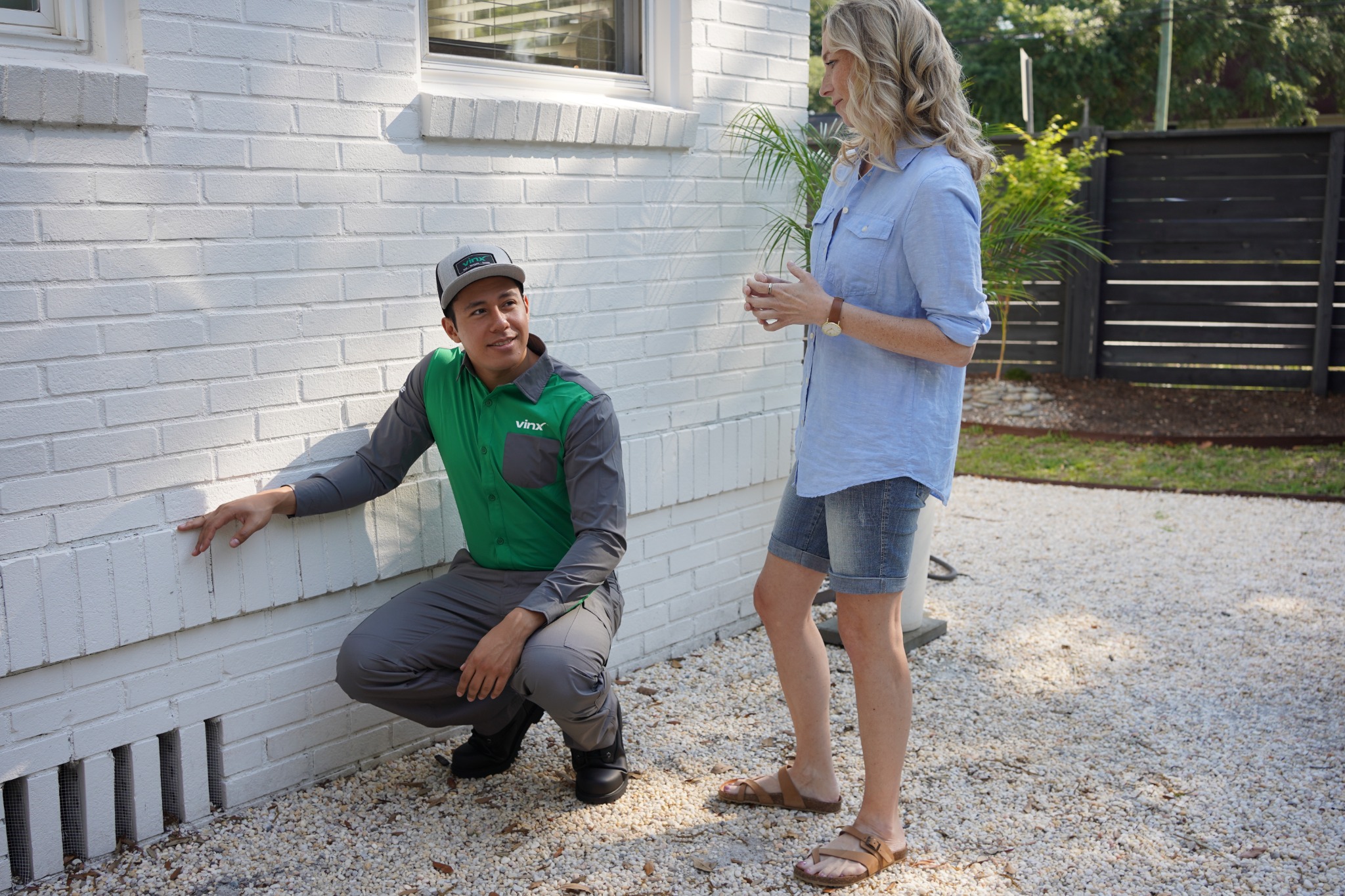
Species Identification First
Before any product goes down, your technician identifies the species indoors and out, and on a Johns Island lot that includes the barn and feed room: size, color, trail behavior and outdoor colony evidence. A contact spray on an Argentine or odorous house ant trail splits the colony rather than killing it.
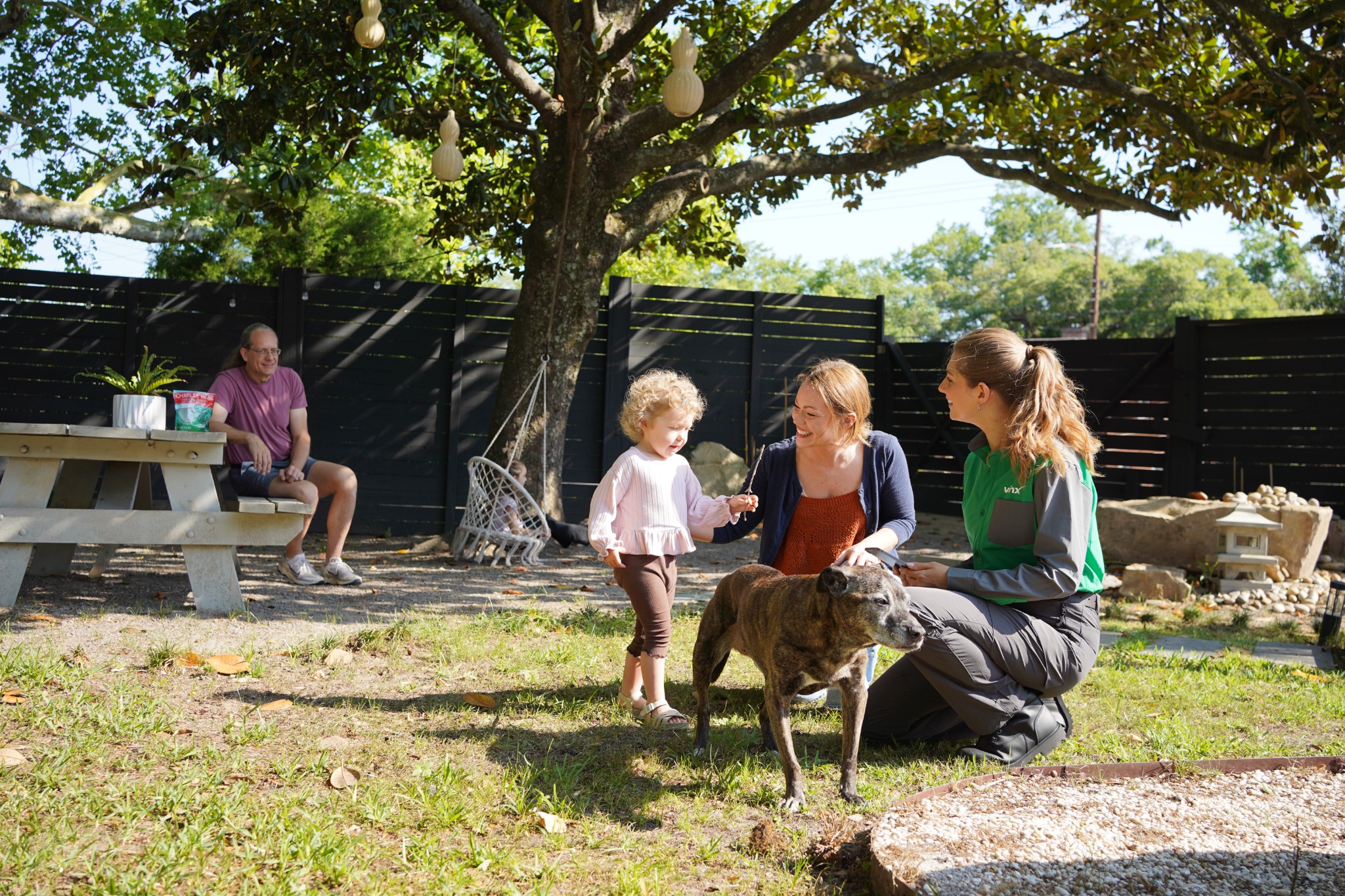
Interior Bait Placement
Slow-acting bait is placed along active trails and in protected spots close to foraging, behind appliances and under toe-kicks, never anywhere accessible to a child or a pet. Workers take it back and share it with the queen, so the colony fails internally over one to two weeks.
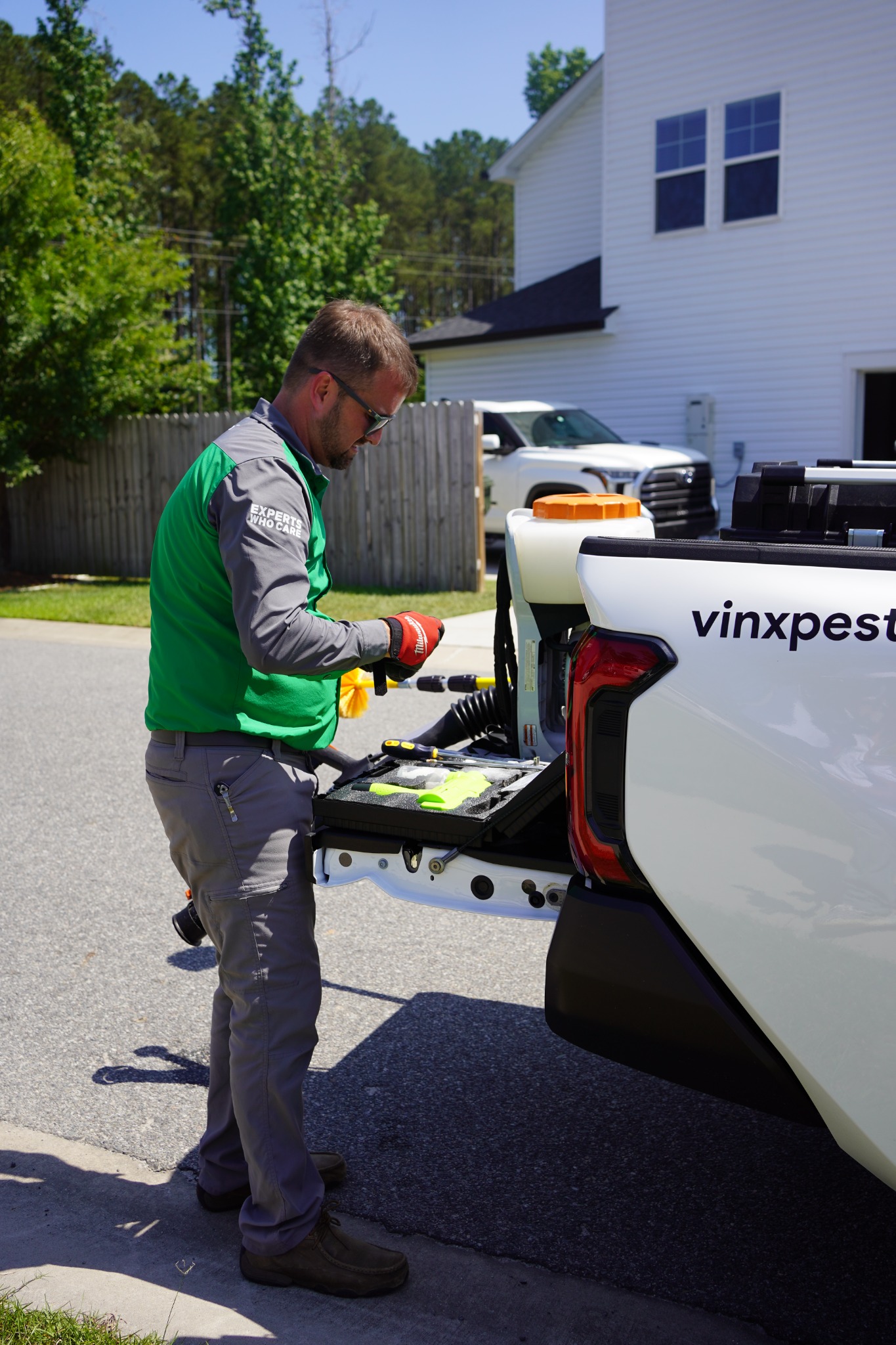
Exterior Perimeter Barrier Treatment
A liquid barrier is applied to the full foundation perimeter, three feet up and three feet out, with utility penetrations, door and window frames treated specifically, and to the outbuildings on request. Buffers around the septic drain field, the wellhead and any Stono marsh frontage are respected. Reapplied every visit.
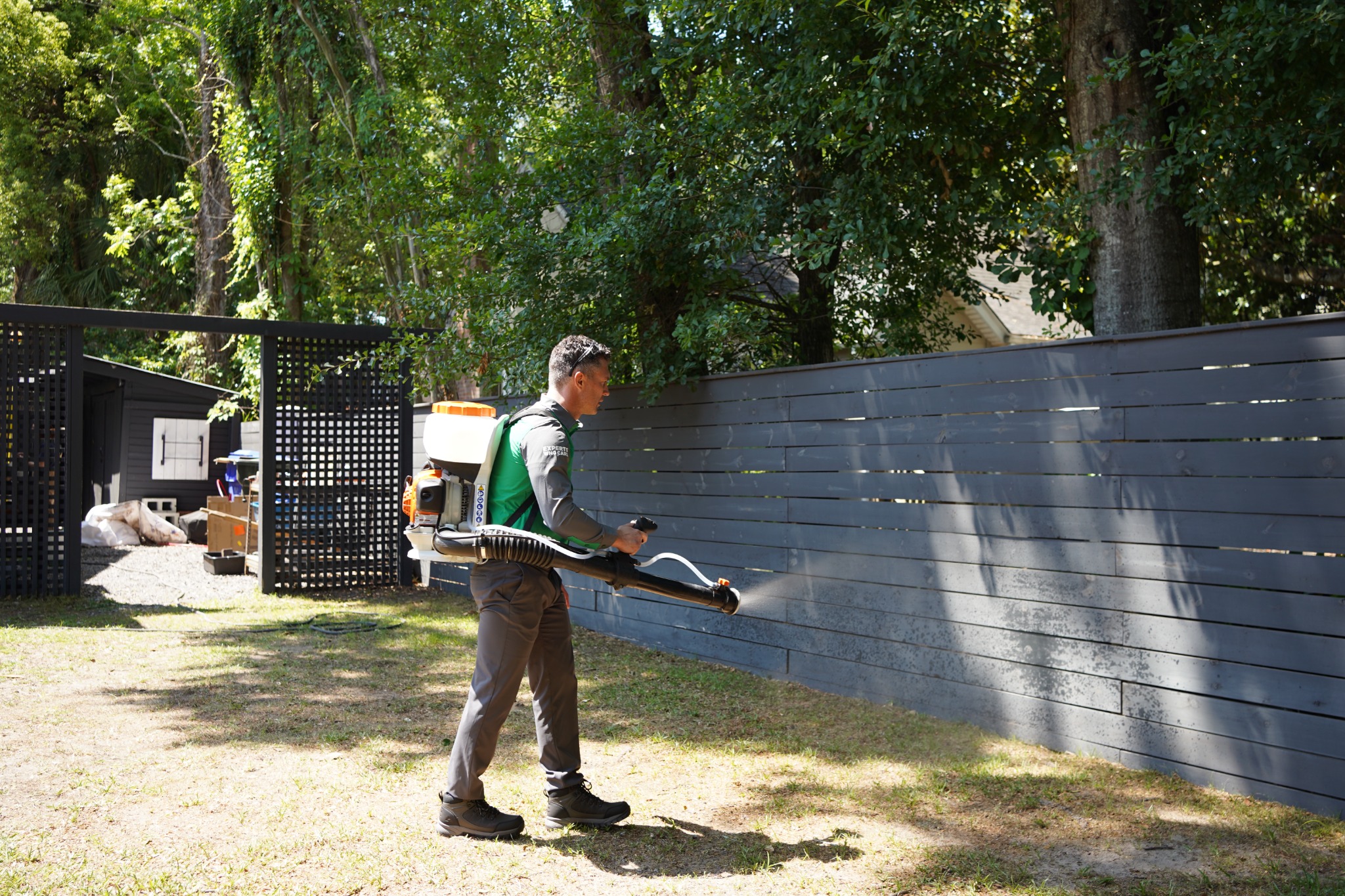
Fire Ant Mound Treatment & Broadcast Granular (Plus & Platinum)
Individual fire ant mounds get a fast-acting drench or granular, then the lawn, and on a working lot the paddock and pasture edge, gets broadcast granular for the satellite mounds not yet visible. Highest priority for the open pastures and hayfields around Mullet Hall and the tilled fields off River Road, where sun and disturbed soil meet.
Conducive Condition Report & Free Re-Treatment
After every service visit, your technician documents conditions increasing ant pressure, mulch too heavily against the foundation, vegetation touching the structure, moisture intrusion attracting carpenter ants. Free re-treatment applies whenever ants return between scheduled visits.
Customer Reviews
Trusted by Johns Island Families: 4.8 Stars on Google
My dad had several ant bites while sleeping last night. Vinx was the only company that made time to go to his house to exterminate for the ants as he is disabled. I would strongly recommend this company as they show compassion and professionalism.
I was less than thrilled when I was first informed that my husband decided to switch pest control companies, but after almost 2 years of using Vinx we have had a great experience. I do need to give a shout out to Leon, one of the techs that services our home. Leon is Professional, friendly, efficient, well spoken and overall gives fantastic customer service!
Our pest control technician Anthony was great on yesterday, he listened and responded proactively to the call and our needs. He did an awesome job and we haven’t seen any bugs or ants and we haven’t had any more problems, we will be sure to contact him back if any issues arise as he was very professional and got the job done in a reasonable timeframe. Thanks
Anthony of Vinx Pest Control has done a great job and it is measured in what one does not see anymore. No roaches, ants, or pests in existence any longer. Get on a monthly plan and aspects happen and no issues.👍
They did a great job gave inspection of the exterior area and the crawl space gave me estimated statement. Brush off the spider pods and spray ant hill mound.the service manager was very helpful and Brandon.. Leonard has returns knock out any issue if the gate is lock he reach out informed me and comes back.
Great company! Christian Came out and took care of our house and yard and was very punctual and got down to business as soon as he got here. Was a pleasant experience all the way from talking with the salesman for the service to the tech coming out to perform the service. Will be using them in the future!
Ant Pressure in Johns Island
Why Johns Island Homeowners Deal With Ants Year-Round
Winter never slows things here, thanks to coastal humidity. Inland South Carolina gets a December-to-February lull in ant activity; on Johns Island mild temperatures keep odorous house ants and Argentine ants foraging through winter, and the poorly drained Meggett clay the USDA maps across the island holds moisture through the dry weeks of summer as well. A colony on this ground never has a bad month.
Open, disturbed soil is prime fire ant ground. Red imported fire ants require loose, well-drained, warm soil in open sun, exactly what the open pastures, paddocks, and hayfields around Mullet Hall Equestrian Center and River Road’s working farms provide. University extension research documents permanent pastures carrying 50 to more than 200 mounds per acre. Grading and groundskeeping around newer developments continuously displaces fire ant populations into adjacent residential yards.
4 Ant Species in Johns Island
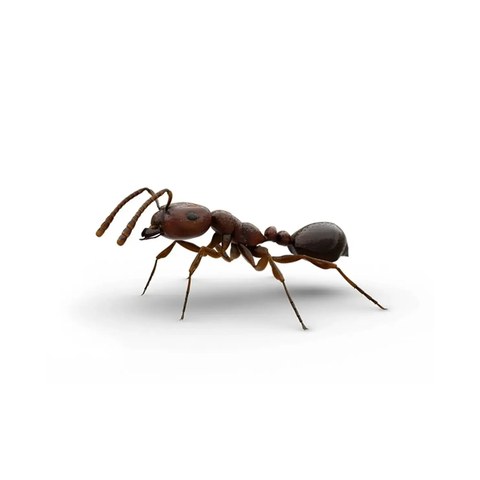
Fire Ant (Solenopsis invicta)
Open lawn areas, disturbed soil, sunny ground. Highest mound density in the open pastures, paddocks, and hayfields around Mullet Hall Equestrian Center and River Road’s working farms, university extension research documents permanent pastures carrying 50 to more than 200 mounds per acre. Aggressive stinging, multiple stings in seconds. Anaphylaxis risk for sensitive individuals. Children and pets at highest risk. Direct mound treatment plus full-lawn broadcast granular. Plus and Platinum only.
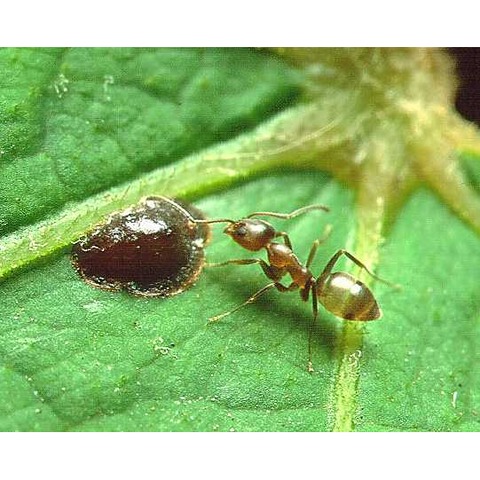
Argentine Ant (Linepithema humile)
Long trailing lines across kitchen counters and baseboards. The well-irrigated turf of Johns Island’s newer growth-corridor subdivisions most active. Multi-queen colony networks that can extend across several adjoining properties. CRITICAL: Do not spray, budding will worsen the infestation. Slow-acting bait only. All plans.
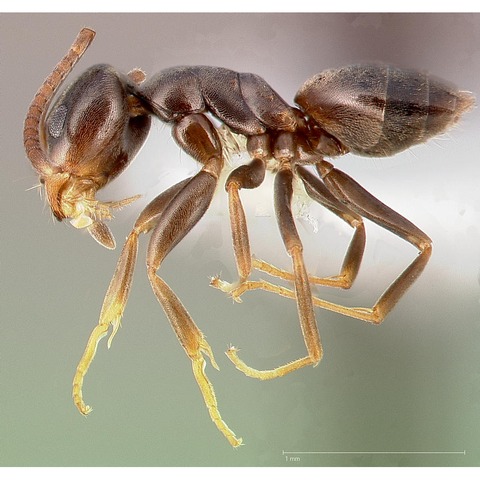
Odorous House Ant (Tapinoma sessile)
Indoors after rain events, a steady, year-round nuisance, especially persistent along the Maybank Highway corridor where restaurants and shops offer a nearby food source. Named for the rotten coconut smell when crushed. Colonies of up to 100,000 workers. CRITICAL: Do not spray, budding. Bait treatment only.
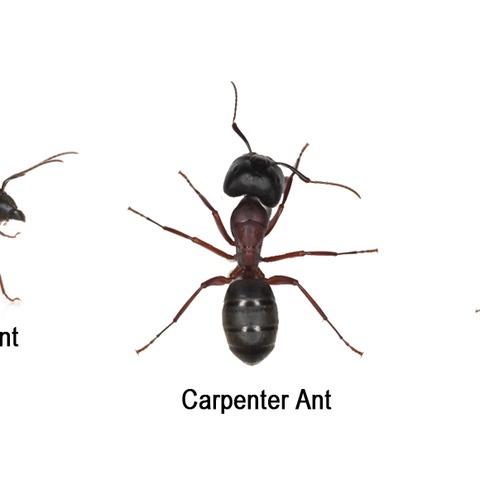
Carpenter Ant (Camponotus spp.)
Moisture-damaged wood, crawlspace framing, subfloor joists, window frames with water intrusion. The older, oak-canopied homes near Angel Oak and Main Road, with generations of accumulated wood moisture, at highest risk. Structural damage, excavate wood to create nesting galleries. Large black ants (0.5–1 inch) seen indoors in spring are often carpenter ants. Interior targeted treatment to wall voids plus exterior perimeter.
Heavy rain drives the indoor invasions, and on poorly drained clay it takes less rain than most places. When a summer storm saturates the soil around a foundation, established odorous house ant colonies flood indoors through the smallest gaps to escape the water, and on a working lot the same happens at the barn. It comes back through the humid season, is not a sign of a dirty house, and is what a perimeter barrier is designed for.
Ant Activity by Season
Spring (Mar–May)
The fire ant mounds surface, carpenter ants leave wall voids, and Argentine ants forage harder.
Summer (Jun–Aug)
Foraging peaks for Argentine and odorous house ants, fire ant mounds hit maximum activity, and thunderstorms push them indoors.
Fall (Sep–Nov)
Fire ants hit a second peak through September and October, carpenter ants look for somewhere to overwinter, and odorous house ants keep flooding.
Winter (Dec–Feb)
Ant activity never truly halts on Johns Island, with odorous house ants and Argentine ants active indoors year-round.
The open ground this page describes has been kept open for a century. Charleston County’s historical survey records that by 1939 South Carolina led the nation in early fall cabbage and ranked among the leaders in tomatoes and early Irish potatoes, and that in the truck-farming district around Meggett two crops were being raised annually on the same land. Fire ants are a disturbed-ground specialist: they want loose, warm, sunlit soil that is regularly turned. Ground that has been cropped twice a year for generations is not incidental habitat for them, it is close to purpose-built, which is why the mound counts on an old field edge run so far ahead of a wooded lot nearby.
Ant Risk by Neighborhood
Ant Risk Across Johns Island Neighborhoods
New Growth Corridor: HIGHEST ARGENTINE ANT PRESSURE
Well-irrigated lawns and fresh landscaping typical of Johns Island’s newer subdivisions keep outdoor soil moisture elevated, sustaining massive Argentine ant supercolonies that spread easily between adjacent properties. Here the leading complaint is Argentine ants trailing through kitchens. Bait treatment on the interior trails with an exterior barrier is right; spraying causes budding and makes it worse.
Angel Oak & Main Road Corridor: HIGHEST CARPENTER ANT PRESSURE
Century-old oaks and older homes throughout this historic area give carpenter ants moisture-damaged wood to exploit near rooflines, porches, and foundations. Big black ants appearing indoors in spring are often carpenter ants. Annual inspection for carpenter ants plus perimeter barrier maintenance is strongly recommended.
Maybank Highway Corridor: HIGHEST ODOROUS HOUSE ANT PRESSURE
Restaurants, shops, and steady delivery traffic along Johns Island’s busiest commercial corridor offer a reliable food source that draws odorous house ants, which also flood nearby homes indoors after rain through the smallest foundation gaps. Bait treatment alongside an exterior barrier is essential, as spraying causes budding and worsens it. Do not spray a trail.
Mullet Hall & Equestrian Corridor: HIGHEST FIRE ANT PRESSURE
Open pastures and horse paddocks throughout this equestrian corridor create exactly the kind of disturbed, sunny ground fire ants favor, consistent with university extension research on pasture infestations. Direct mound treatment plus full-lawn broadcast granular on Plus or Platinum is essential here, especially near paddocks and play areas.
River Road & Stono River Corridor: HIGHEST FIRE ANT PRESSURE
Working farms and large open lots throughout this rural corridor create the open, disturbed-soil conditions that are prime fire ant mound territory. Direct mound treatment plus full-lawn broadcast granular on Plus or Platinum is essential for homes in this corridor, especially near play areas.
Kid & Pet Safe
Our Treatments Are Safe for Your Whole Family: Including the Furry Members
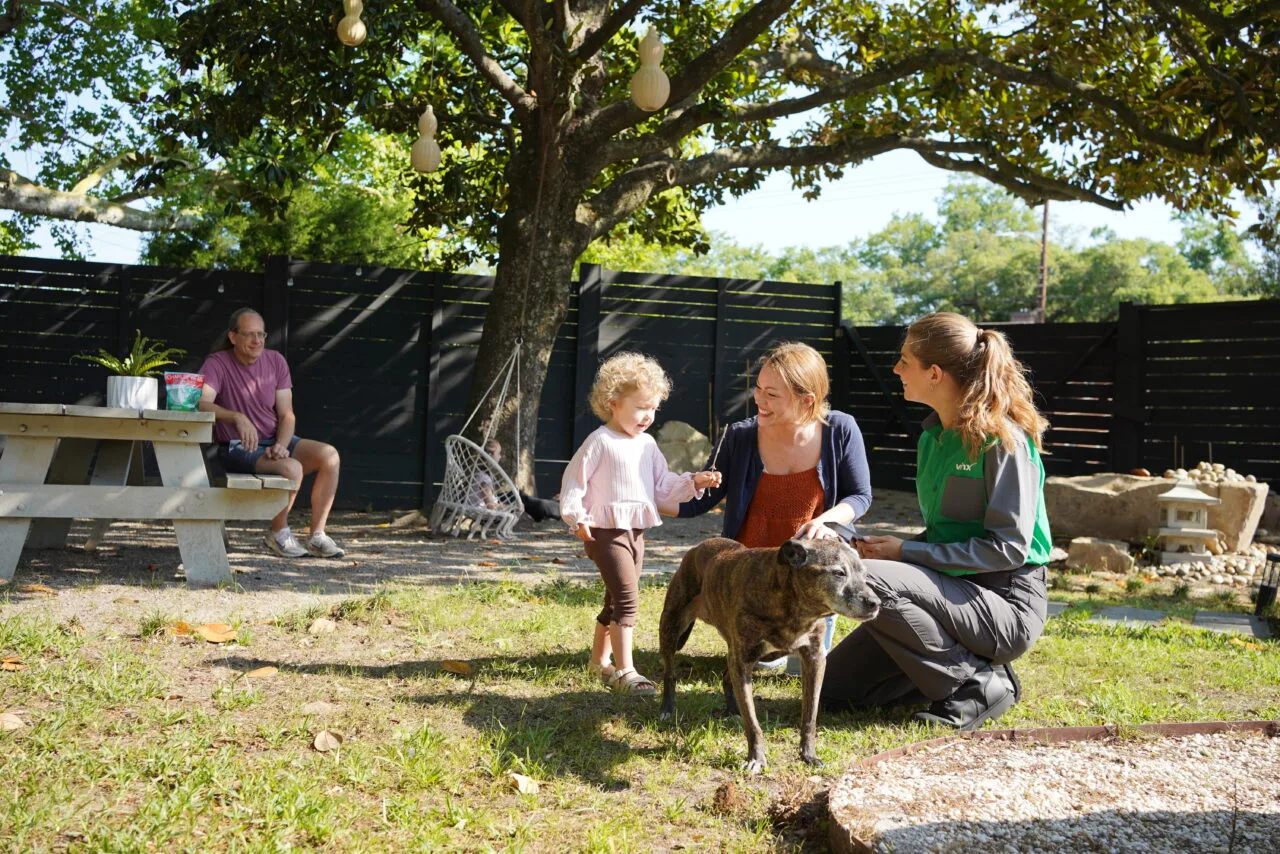
Every product we use is EPA-registered and applied strictly at labeled rates by licensed technicians. We take the guesswork out of safety so you can feel confident letting kids and pets back into treated areas quickly.
EPA-Registered Products Only
All products we apply are EPA-registered and used strictly per label requirements. Our licensed technicians are trained to apply the right product in the right place at the right rate, every time.
Dry Time Before Re-Entry
Exterior spray treatments dry in 30–60 minutes. Once dry, treated surfaces are safe for children and pets to contact. Your technician will confirm the all-clear before leaving your property.
Interior Treatment On Request
We treat only what’s needed, where it’s needed. Gel baits in cabinets and crack-and-crevice applications keep products away from areas pets and children frequent most.
Botanical Options Available
Have specific sensitivities? Ask your technician about our plant-derived treatment options. We offer botanical alternatives for households that prefer a more natural approach.
Have a concern about products used near your pets or children? Call (855) 800-8469 and we’ll walk you through exactly what we use and why it’s safe.
Explore More
More Pest Control Services in Johns Island

Pest Control Johns Island
Year-round protection plan
Termite Control Johns Island
Sentricon bait system

Mosquito Control Johns Island
Monthly barrier treatments

Spider Control Johns Island
All spider species covered
Cockroach Control Johns Island
Palmetto bugs & German roaches

Rodent Control Johns Island
All rodents covered

Bed Bug Treatment Johns Island
Heat & liquid treatments

Tick & Flea Control Johns Island
Yard & pet protection

Exterminator Johns Island
Same-day local exterminators
Frequently Asked Questions
Ant Control in Johns Island: Your Questions Answered
Every Vinx plan covers all household ant species, starting at $49/month on the quarterly HomeGuard. Mound treatment and broadcast granular across the lawn come with Plus ($75/mo) and Platinum ($109/mo). All of it is published online, and a quote for a Johns Island property takes one call to (855) 800-8469.
The ants on a Johns Island kitchen counter are nearly always Argentine or odorous house ants, and spraying them causes budding: the queen shifts deeper into the structure with part of the colony. Only bait slow enough for the workers to carry home will collapse the full colony.
Because Johns Island is fire ant country by land use. Fire ants are a disturbed-ground specialist that selects open, sunny, newly turned soil, and the pastures, paddocks and hayfields around Mullet Hall, the tilled fields off River Road and every new subdivision lot supply it. Removing the visible mounds still leaves the satellites rebuilding, which broadcast granular on Plus or Platinum addresses.
Yes. Fire ants are covered on Plus ($75/month) and Platinum ($109/month): direct treatment of every mound you can see, plus lawn-wide broadcast granular for the ones you cannot. The broadcast granular is what keeps a Johns Island lawn clear in the gaps between visits.
This is the odorous house ant flooding pattern, one of the most common indoor ant complaints on Johns Island, and the island’s poorly drained clay saturates fast. Saturated foundation soil sends established outdoor colonies indoors via foundation gaps and utility penetrations. Stopping it takes a perimeter barrier three feet up and three feet out.
Half-inch to inch-long black ants indoors in spring point to carpenter ants emerging from wall voids or moisture-damaged wood. On Johns Island that points to the older homes under the live oak canopy near Angel Oak and Main Road, and to barns and outbuildings with wood on damp ground. They dig galleries in wood rather than feeding on it, and the decay comes first.
Treat the mound directly and then treat the lawn, and on a working lot treat the paddock edge too. A drench or granular applied directly kills the visible mound, and full-lawn broadcast granular reaches the satellites underground. Around Mullet Hall and the new growth corridor that broadcast step has to repeat on a bi-monthly or quarterly schedule.
Vinx services all of Johns Island: the Maybank Highway corridor, River Road, Main Road, the Angel Oak area, the Mullet Hall equestrian corridor and the newer subdivisions, throughout Charleston County, plus nearby Charleston, Folly Beach, West Ashley and James Island.
Service Coverage
Ant Control Across Johns Island & the Lowcountry
Species-specific ant treatment across all of Johns Island, included on every Vinx plan from $49/mo.
Serving the Greater Johns Island Area