Flea & Tick Control in Johns Island, SC
Lone Star Tick, Gulf Coast Tick & Cat Flea Experts: Nine-Month Lowcountry Season
Johns Island’s flea and tick pressure includes a genuine coastal specialty, the Gulf Coast tick, which favors the marsh-edge grassy habitat along River Road and the tidal Stono River and carries Rickettsia parkeri. Alongside it, lone star ticks thrive in the brushy pastures around Mullet Hall, American dog ticks in the oak canopy near Angel Oak, and cat fleas ride in on a pet. Vinx works the yard, the home and the species actually involved.
Get Started in 60 Seconds
Choose what’s easiest for you
Request a Quote
We usually respond in 2 minutes
Call (855) 800-8469
Get a Live Person (no AI agents here!)
Sign Up Online
Get pricing and schedule now


Welcome to Vinx Pest Control
A Company That Actually Backs What It Says
At Vinx, we combine professional-grade treatments with a level of service most pest control companies don't offer. Local technicians, fast response times, and a guarantee that actually means something.
Get a Free Quote"I'm not passionate about killing bugs. I'm passionate about customer service. At Vinx, you get experts who show up, do the job right, and stand behind every visit. No runaround, no fine print."
WELCOME TO VINX PEST CONTROL
Flea & Tick Control Plans for Johns Island Homeowners
Standard Residential Protection
- 4 Seasonal Treatments Per Year
- 50+ Covered Pests
- Interior, Exterior & Yard Treatment
- Unlimited Free Re-Services
- 100% Money-Back Guarantee

Upgraded Yard Protection
- 6 Home & Yard Treatments Per Year
- 50+ Covered Pests
- Yard Ant Elimination Guarantee
- Flea & Tick Elimination Guarantee
- 100% Money-Back Guarantee

Most Comprehensive Protection
- 9 Treatments Per Year
- 50+ Covered Pests
- 8 Mosquito Treatments (Mar–Nov)
- Flea, Tick & Ant Coverage
- Free Bed Bug Treatments if Needed*
*Starting rates vary by home size and area. All plans billed monthly.
Request Your Free Pest Control Quote
Fill out the form below and a Vinx team member will reach out within 2 minutes during business hours.
Prefer to talk? Call (855) 800-8469 for a live person, no AI agents.
Our Approach
How Vinx Treats Fleas & Ticks in Your Johns Island Home: Step by Step

Full Property Inspection
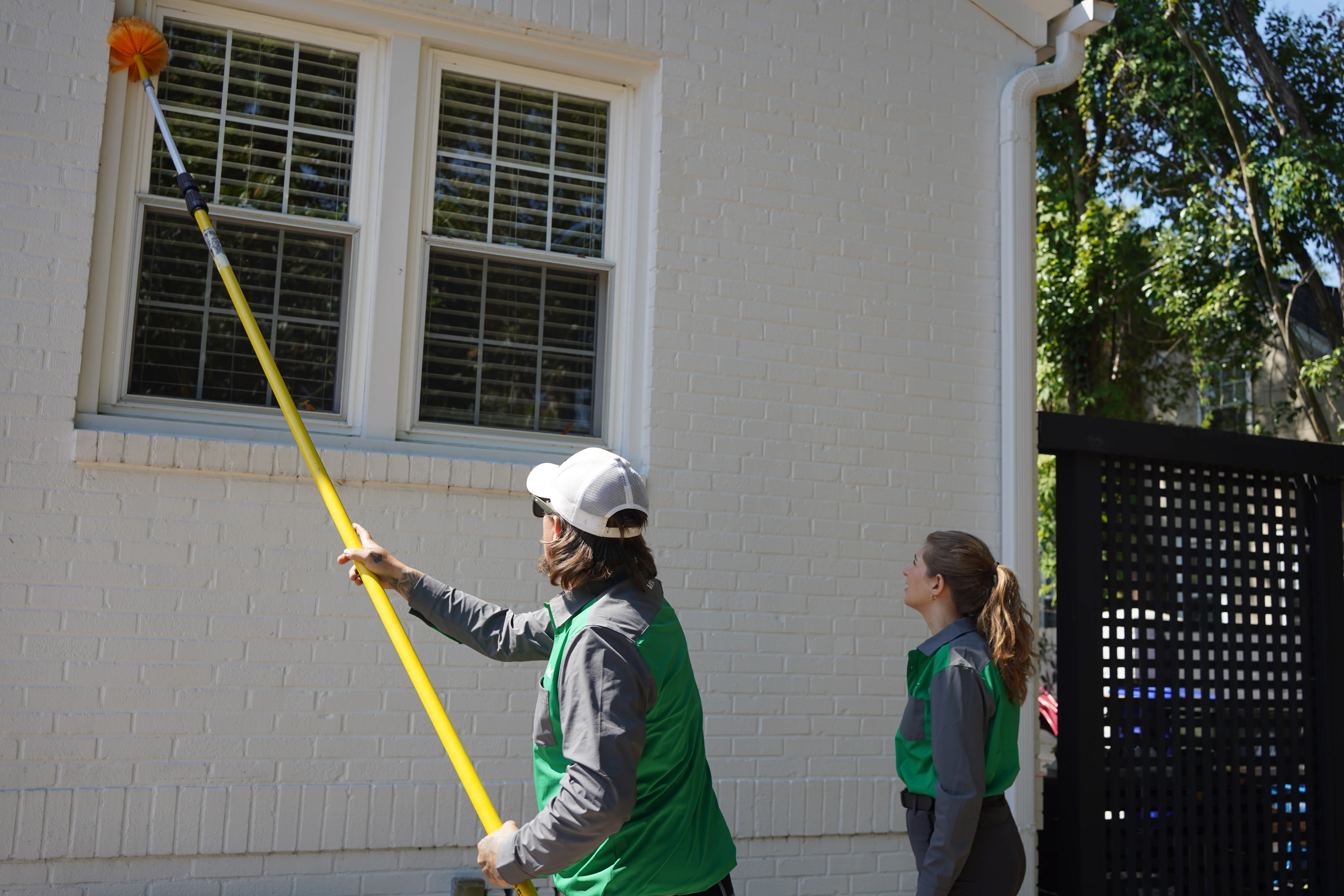
Your technician checks the pasture and paddock edges, the barn and tack room, the shaded ground under the Main Road oaks, the Stono marsh margin, pet resting areas, carpet and bedding to identify whether ticks, fleas or both are present and which species is driving it. On a working lot the survey covers the outbuildings, not just the house.
Species-Specific Treatment
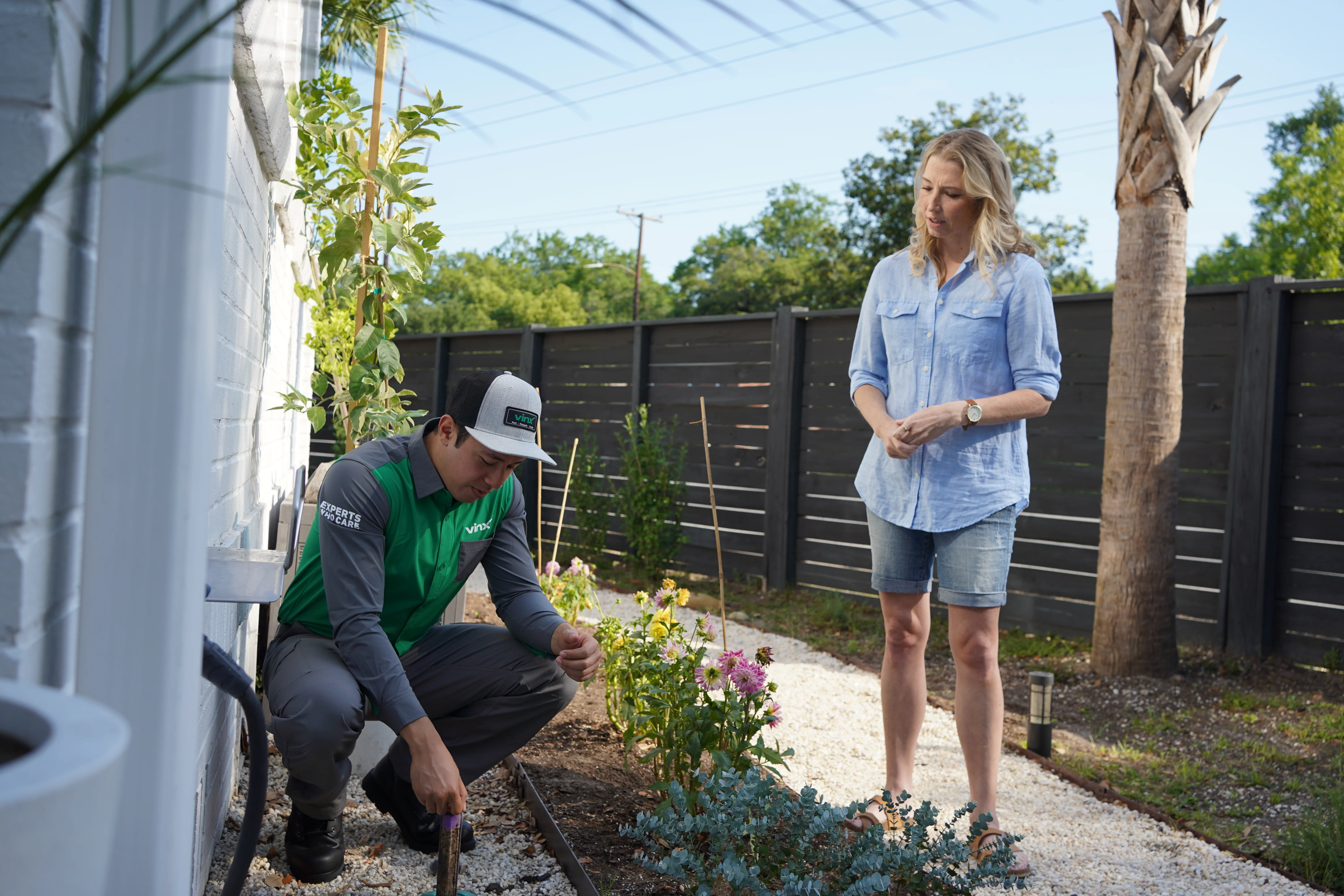
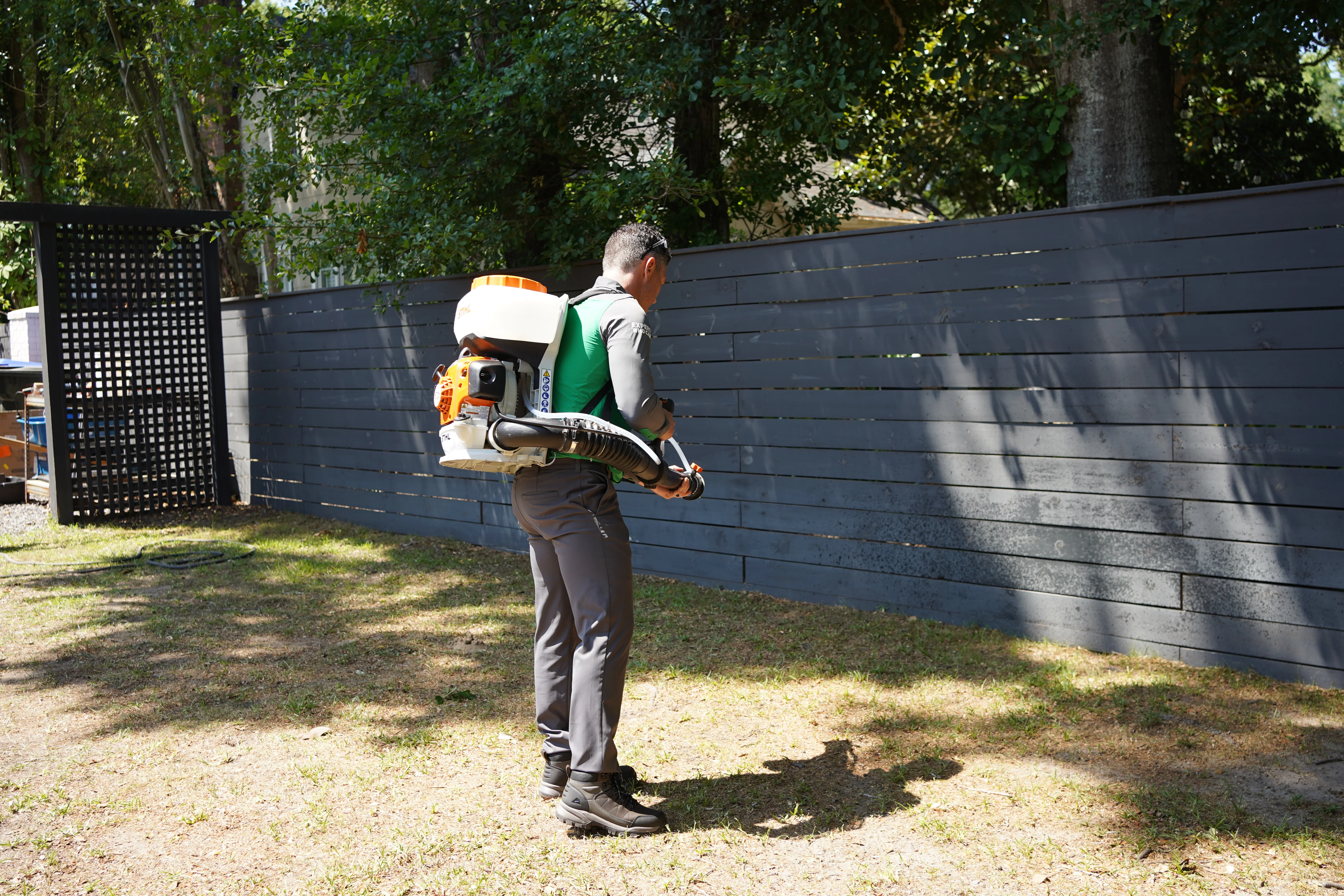
Exterior flea and tick treatment is applied to all ground cover, mulch beds, vegetated areas, under-deck spaces and pasture or marsh-edge margins on every Plus and Platinum visit through the island’s nine-month season.
Interior Flea Treatment: Platinum Plan
Interior flea treatment with growth regulator on the Platinum plan reaches the 95% of the flea population in carpet fibers, pet bedding and upholstery that veterinary prevention cannot, and stops larvae becoming biting adults. Along the densely built Maybank Highway corridor that indoor reservoir is often the whole problem.
Free Return If Activity Persists
If fleas or ticks return between scheduled visits, we come back at no charge. Call (855) 800-8469 any time in the season; no service fees, no arguing about coverage.
Johns Island’s Nine-Month Flea & Tick Season: Covered
Nine months of flea and tick pressure in one of South Carolina's most wildlife-dense coastal markets. When they return between visits, we come out again at no cost. No service charges, no waiting around, no fine print.
What Customers Say
Real Reviews from Johns Island Homeowners
They were very personal, willing to give good advice. Heather and her partner came on time with smiles. Saw a great improvement with the first treatment looking forward to see with the second treatment done, how much more stress free l will become.
Austin did a fantastic job and was very quick and communicated very well. He made me feel a sense of security for my animals and that I was taken care of
Not only are their technicians thorough and friendly. Their product really works. Great prices as well. I highly recommend anyone to give them a shot and switch to Vinx Pest Control you will not regret the decision!
Austin was great, Punctual and very detail oriented with service!
John came to treat our place and he was the absolute best. He understood and sympathized with our situation and was very kind the whole time. We’re moving out and he even helped us move our dresser down a flight of stairs. He was so kind, professional, and fun to talk with. If we ever need a pest control service we will always choose Vinx. Thank you again John!
We had a great experience with Vinx pest control. Needed our rental house treated for fleas. They were able to fit me in quick and the service was great.
9-Month Season. 4 Species.
Why Flea & Tick Control in Johns Island Isn’t One-Size-Fits-All
Fleas and ticks are not the same pest with two names; they behave completely differently, and Johns Island’s mix of open pasture, working farms, centuries-old oak canopy and tidal salt marsh along the Stono gives each of three species its own habitat, including a genuine coastal specialist. The Mullet Hall Equestrian Center alone runs to 738 acres with about 20 miles of trails, and horses, trail edges and deer are the hosts that keep adult ticks supplied.
Ticks station themselves in vegetation and wait for a host to brush past. Lone star ticks are the most commonly collected tick species in South Carolina overall, favor wooded, brushy areas, and are aggressive biters linked to alpha-gal syndrome. American dog ticks prefer grassy, sunnier open areas. The Gulf Coast tick is the genuine coastal specialist, it favors grassy coastal uplands and marsh-edge habitat along the tidal creeks and salt marsh, and Clemson University specifically identifies it as an important South Carolina tick species carrying Rickettsia parkeri, a distinct spotted-fever illness. Fleas, by contrast, almost always arrive via a pet and reproduce indoors within days.
Johns Island Flea & Tick Species
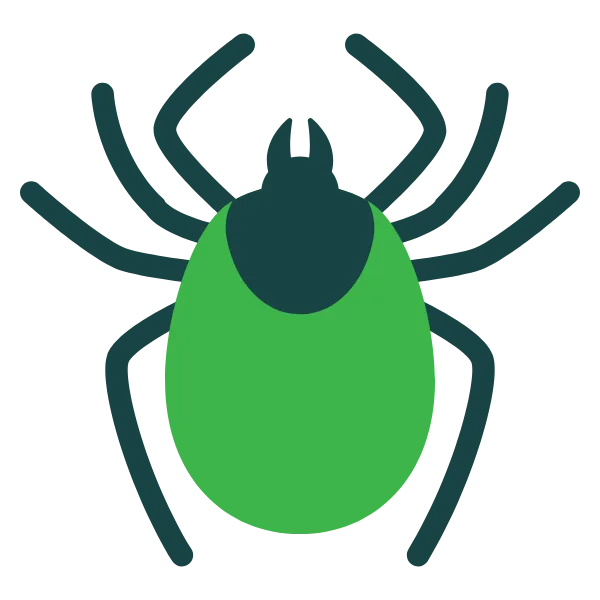
Lone Star Tick
The most commonly collected tick species in South Carolina overall, identifiable by the single white dot on adult females. Lone star ticks actively quest for hosts, extending their front legs toward passing movement, and are most common in the brushy pastures and wooded edges around Mullet Hall’s equestrian properties and along the wooded edges of the island’s newer developments. There is a documented link from its bites to alpha-gal syndrome, a delayed allergic reaction to red meat. Larval “seed tick” clusters are a common summer encounter on wooded or overgrown lots.
Gulf Coast Tick
A genuine coastal specialty, favoring grassy coastal uplands and the marsh-edge habitat found along the tidal Stono River near River Road, terrain most of Johns Island’s more inland, agricultural interior doesn’t share. Clemson University identifies it as an important South Carolina tick species carrying Rickettsia parkeri, a distinct spotted-fever illness. It’s most active as an adult from roughly June through October.
American Dog Tick
Larger than the lone star tick, with mottled white markings on a brown body, the American dog tick prefers grassy, sunnier open areas rather than dense woods or marsh edges, a good match for the mature oak canopy and wooded grounds near Angel Oak and the Main Road corridor. It is a known Rocky Mountain spotted fever vector, making prompt removal important no matter the species.
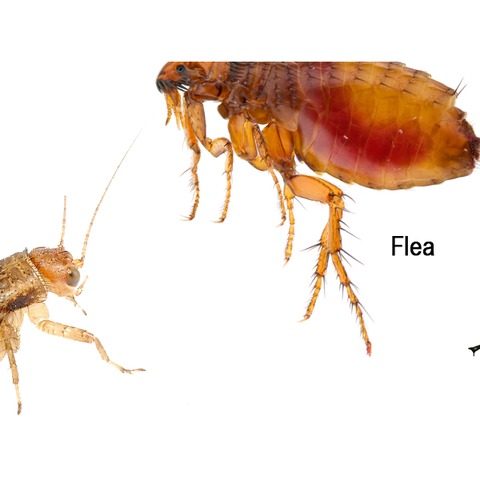
Cat Flea
Despite the name, the cat flea is responsible for the vast majority of flea infestations affecting both cats and dogs throughout Johns Island. It normally gets in on a pet, then lays eggs in carpet, bedding and upholstery, where about two weeks turns a small population into a full infestation. Only around 5% of the total population is the biting adults on the pet, with eggs, larvae and pupae in yard vegetation and carpet making up the rest. Together, yard treatment, interior IGR on Platinum and veterinary prevention deliver complete control.
The marsh-adjacent geography along River Road and the tidal Stono River gives Gulf Coast ticks the grassy coastal habitat they favor, while the brushy pastures around Mullet Hall sustain lone star ticks. The oak canopy near Angel Oak favors American dog ticks, and the densely built Maybank Highway corridor sees cat fleas as the most consistent concern.
There is one property on this island that concentrates tick exposure more than any other. The Mullet Hall Equestrian Center on Mullet Hall Road runs to 738 acres with about 20 miles of trails and hosts competitions and festivals through the year. Horses, trail edges and the deer that use the same cover are the maintenance hosts that keep adult ticks supplied, and 20 miles of trail is a great deal of vegetated margin being walked and ridden repeatedly. For a household that rides or walks there, the check on the animal afterwards is doing as much work as anything applied to the yard.
What to Look For
Signs of a Flea or Tick Problem at Your Johns Island Property
Pets Scratching Constantly
Scratching, biting or licking around the head, neck and base of the tail is the first sign of fleas on a Johns Island pet.
Flea Dirt on Pets
Tiny dark specks in the coat that turn red when wet, flea droppings, confirming an active infestation on the animal.
Jumping Insects on Socks
Adult fleas visible on white socks after walking through carpet, a barn aisle or the shaded ground under the oaks.
Tick on a Horse, Dog or Person
A tick attached or crawling after time on the Mullet Hall trails, a pasture edge or the Stono marsh margin; remove it promptly.
Deer Trails Through Pasture Edges
Worn paths through brushy pasture margins and wooded lot lines mark the deer movement that carries lone star ticks onto Johns Island properties.
Red Bites in Clusters
Small itchy bites clustered on ankles and lower legs, flea bites where skin meets infested carpet or ground cover.
By Neighborhood
Flea & Tick Pressure Across Johns Island
Lone Star Ticks. Brushy pastures and wooded edges around this equestrian corridor give the lone star tick ample harborage and host access from horses, dogs, and wildlife. Aggressive questing behavior and summer “seed tick” clusters make yard-edge treatment and tick checks after outdoor time especially important here.
Gulf Coast Ticks. Marsh-adjacent grassy grounds along the genuinely tidal Stono River give this coastal specialist habitat that Johns Island’s more inland interior doesn’t offer. The boundary between maintained lawn and marsh-adjacent vegetation is the primary treatment emphasis zone for these waterfront properties.
American Dog Ticks. Mature live oak canopy and wooded grounds throughout this historic corridor support steady American dog tick activity in yards and along walking trails. Yard-perimeter barrier treatment together with post-outdoor pet checks keeps encounters down.
Lone Star Ticks. New-construction neighborhoods bordering undeveloped, brushy land often see elevated lone star tick activity at the edge where cleared yards meet uncleared woods. Yard-edge treatment and tick checks after outdoor time are especially important here.
Cat Fleas. Denser residential and commercial development along Johns Island’s commercial spine is especially prone to recurring flea activity in pet-owning households, typically introduced via a family dog or cat. Yard treatment plus veterinary prevention is the reliable combination here.
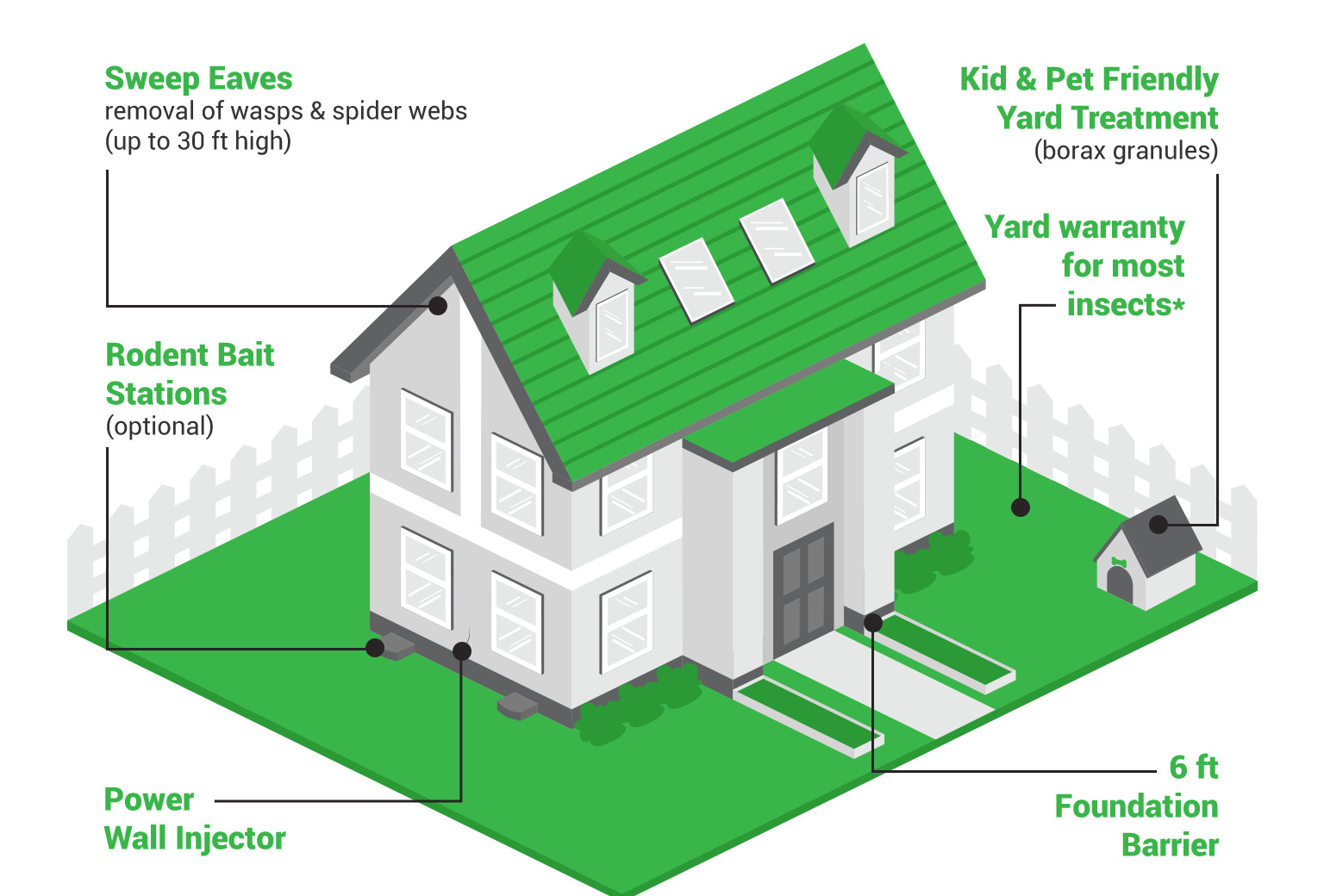
Vinx HomeGuard Plan
What Happens at Every Visit
Our technicians don't just spray and leave. Every quarterly service covers your full exterior and interior, done right, backed by a written guarantee.
- Yard & Eave Treatment: Flea & tick yard treatment plus cobweb removal up to 30 ft
- Power Wall Injector: Treats wall voids where pests hide
- 6 ft Foundation Barrier: Full perimeter treatment every visit
- Yard Warranty: Free retreatment for most insects
- Kid & Pet Safe Yard Treatment: Borax granules, safe after dry
Homeowner Tips
6 Ways to Reduce Flea & Tick Pressure Around Your Johns Island Property
Kid & Pet Safe
Our Treatments Are Safe for Your Whole Family: Including the Furry Members
Every product we use is EPA-registered and applied strictly at labeled rates by licensed technicians. We take the guesswork out of safety so you can feel confident letting kids and pets back into treated areas quickly.
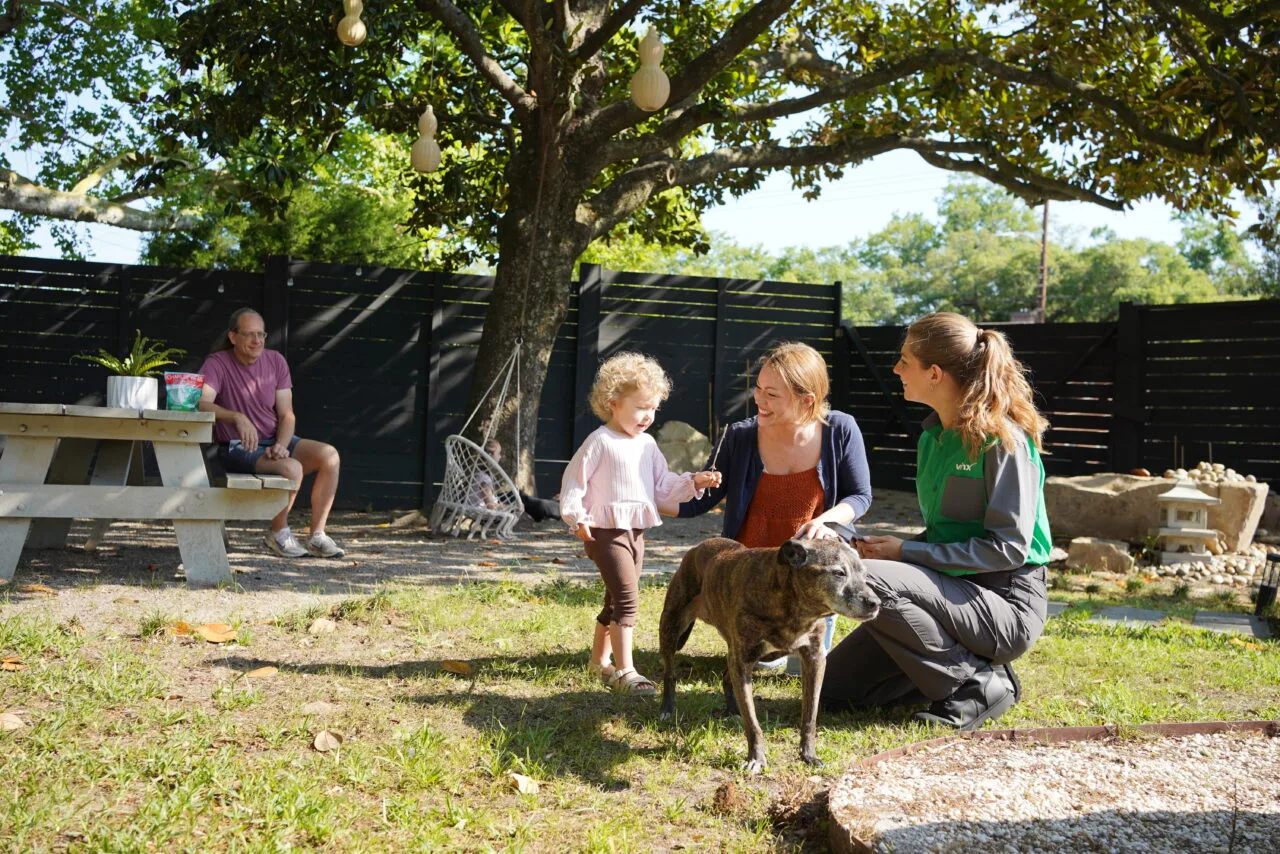
EPA-Registered Products Only
All products we apply are EPA-registered and used strictly per label requirements. Our licensed technicians are trained to apply the right product in the right place at the right rate, every time.
Dry Time Before Re-Entry
Exterior spray treatments dry in 30–60 minutes. Once dry, treated surfaces are safe for children and pets to contact. Your technician will confirm the all-clear before leaving your property.
Interior Treatment On Request
We treat only what’s needed, where it’s needed. Gel baits in cabinets and crack-and-crevice applications keep products away from areas pets and children frequent most.
Botanical Options Available
Have specific sensitivities? Ask your technician about our plant-derived treatment options. We offer botanical alternatives for households that prefer a more natural approach.
Have a concern about products used near your pets or children? Call (855) 800-8469 and we’ll walk you through exactly what we use and why it’s safe.
Explore More
More Pest Control Services in Johns Island

Pest Control Johns Island
General pest protection
Termite Control Johns Island
Sentricon bait system
Mosquito Control Johns Island
Monthly barrier treatments
Ant Control Johns Island
Household ants & others
Spider Control Johns Island
All spider species covered
Cockroach Control Johns Island
Palmetto bug & roach removal
Rodent Control Johns Island
All rodents covered
Bed Bug Treatment Johns Island
Heat & liquid treatments
Exterminator Johns Island
Same-day local exterminators
FAQ
Flea & Tick Control in Johns Island, Your Questions Answered
Yes. The Gulf Coast tick is a genuine coastal specialist that favors grassy coastal uplands and marsh-edge habitat like the tidal salt marsh surrounding Johns Island, habitat most inland Carolina cities don’t have. Clemson University identifies it as an important South Carolina tick species, carrying Rickettsia parkeri, a distinct spotted-fever illness.
Lone star ticks are the most commonly collected tick species statewide, aggressive biters found in wooded, brushy areas like the pastures around Mullet Hall, and linked to alpha-gal syndrome. Gulf Coast ticks are a coastal specialist found in grassy uplands and marsh-edge terrain near the tidal creeks and salt marsh, and carry a different disease risk, Rickettsia parkeri.
Yes. Alpha-gal syndrome is the delayed red-meat allergy triggered by lone star bites, and the lone star is the most collected tick in South Carolina. The brushy pastures around Mullet Hall and the island’s wooded lot lines are exactly its habitat, and South Carolina added alpha-gal to its reportable conditions list in 2026, so cases are now counted. Call (855) 800-8469 for a free inspection.
Exterior flea and tick yard treatment is included with the Plus plan at $75 per month and the Platinum plan at $109 per month for homes up to 3,000 sq ft; interior flea treatment with growth regulator is Platinum only. Both cover full pest control and fire ant treatment besides. Call (855) 800-8469 for a quote specific to your Johns Island lot.
Because the product on the pet reaches just the biting adults, and Clemson's arithmetic fills in the rest: four to eight eggs after every blood meal, over 400 in a female's lifetime, falling wherever the pet walks. Around 95% of the population is egg, larva or pupa, lodged in carpet, bedding and shaded yard soil. The 95% is reached by yard treatment and interior growth regulator; the product on the pet never gets there.
Vinx serves all of Johns Island: the Maybank Highway corridor, River Road, Main Road, the Angel Oak area and the Mullet Hall equestrian corridor, plus nearby Charleston, Folly Beach, West Ashley and James Island. Call (855) 800-8469 to confirm scheduling for your address.
Service Coverage
Flea & Tick Control Across Johns Island & the Tri-County Area
Serving every neighborhood in and around Johns Island
Serving the Greater Charleston Area