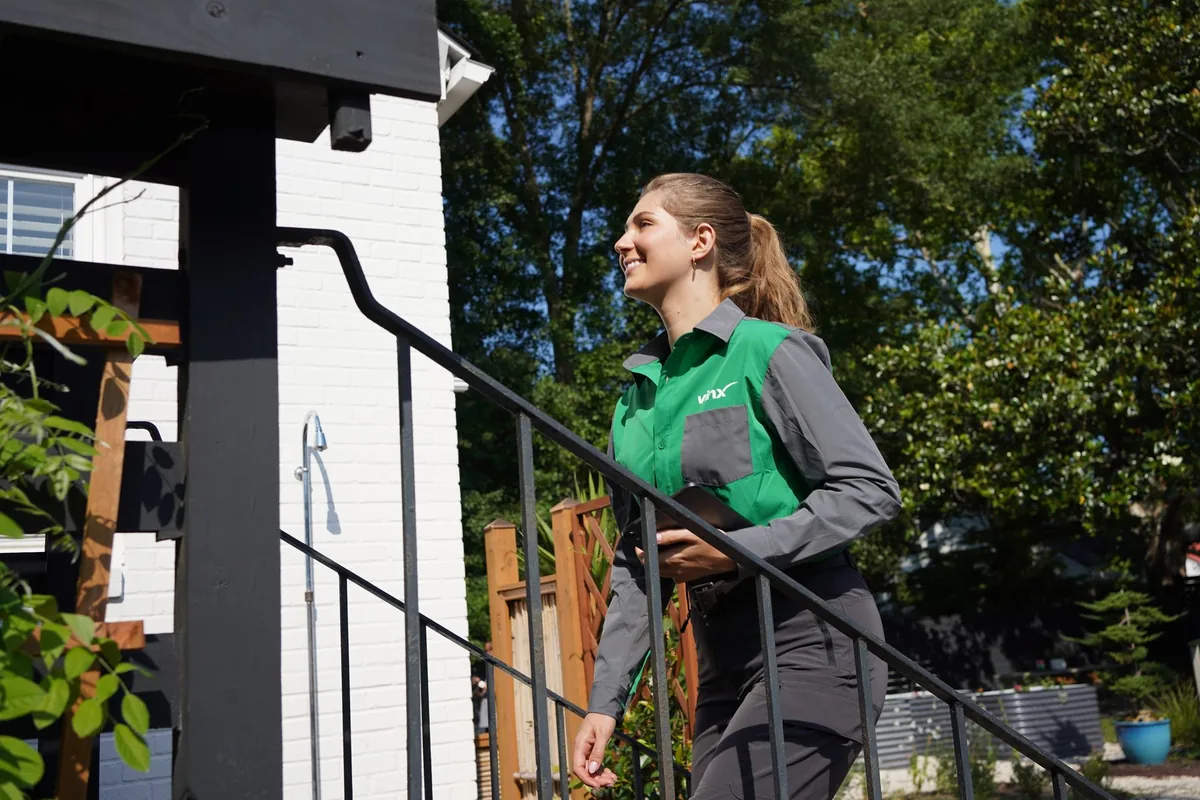
Rodent Control in Cane Bay, SC
Norway Rat, Roof Rat & House Mouse Experts, Exclusion + Trapping, Same-Day Appointments
Three rodents drive nearly every call in Cane Bay. Norway rats burrow the banks of the retention ponds and the 300-acre lake system, on ground the USDA Soil Survey of Berkeley County says holds excess water across 95% of the county. House mice slip through the still-settling gaps of new construction as phases are cleared from the 2,031-acre Wildcat timber tract the developer bought in 2016. Roof rats follow the preserved tree corridors and trail overpasses to the roofline. Vinx inspects entry points, seals gaps, and traps, not just bait and hope. Free re-treatment guarantee.
Get Started in 60 Seconds
Choose what’s easiest for you
Request a Quote
We usually respond in 2 minutes
Call (855) 800-8469
Get a Live Person (no AI agents here!)
Sign Up Online
Get pricing and schedule now





Welcome to Vinx Pest Control
A Company That Actually Backs What It Says
At Vinx, we combine professional-grade treatments with a level of service most pest control companies don't offer. Local technicians, fast response times, and a guarantee that actually means something.
Get a Free Quote"I'm not passionate about killing bugs. I'm passionate about customer service. At Vinx, you get experts who show up, do the job right, and stand behind every visit. No runaround, no fine print."
WELCOME TO VINX PEST CONTROL
Protection Plans for Cane Bay Homeowners

Standard Residential Protection
- 4 Seasonal Treatments Per Year
- 50+ Covered Pests
- Interior, Exterior & Yard Treatment
- Unlimited Free Re-Services
- 100% Money-Back Guarantee

Upgraded Yard Protection
- 6 Home & Yard Treatments Per Year
- 50+ Covered Pests
- Yard Ant Elimination Guarantee
- Flea & Tick Elimination Guarantee
- 100% Money-Back Guarantee

Most Comprehensive Protection
- 9 Treatments Per Year
- 50+ Covered Pests
- 8 Mosquito Treatments (Mar–Nov)
- Flea, Tick & Ant Coverage
- Free Bed Bug Treatments if Needed*
*Starting rates vary by home size and area. All plans billed monthly.
Request Your Free Rodent Control Quote
Fill out the form below and a Vinx team member will reach out within 2 minutes during business hours.
Prefer to talk? Call (855) 800-8469 for a live person, no AI agents.
Our Approach
How Vinx Eliminates Rodents in Your Cane Bay Home

Rodent Inspection & Entry Point Identification
Your technician inspects the full structure, attic, crawl space or slab edge, garage and exterior, for runs, droppings, gnaw marks and nesting. In Cane Bay the exterior walk is a new-construction walk: still-settling gaps around the foundation and utility penetrations, the retention-pond or lake bank behind the lot, and any preserved tree with a limb over the roof. Every gap over a quarter inch is documented.
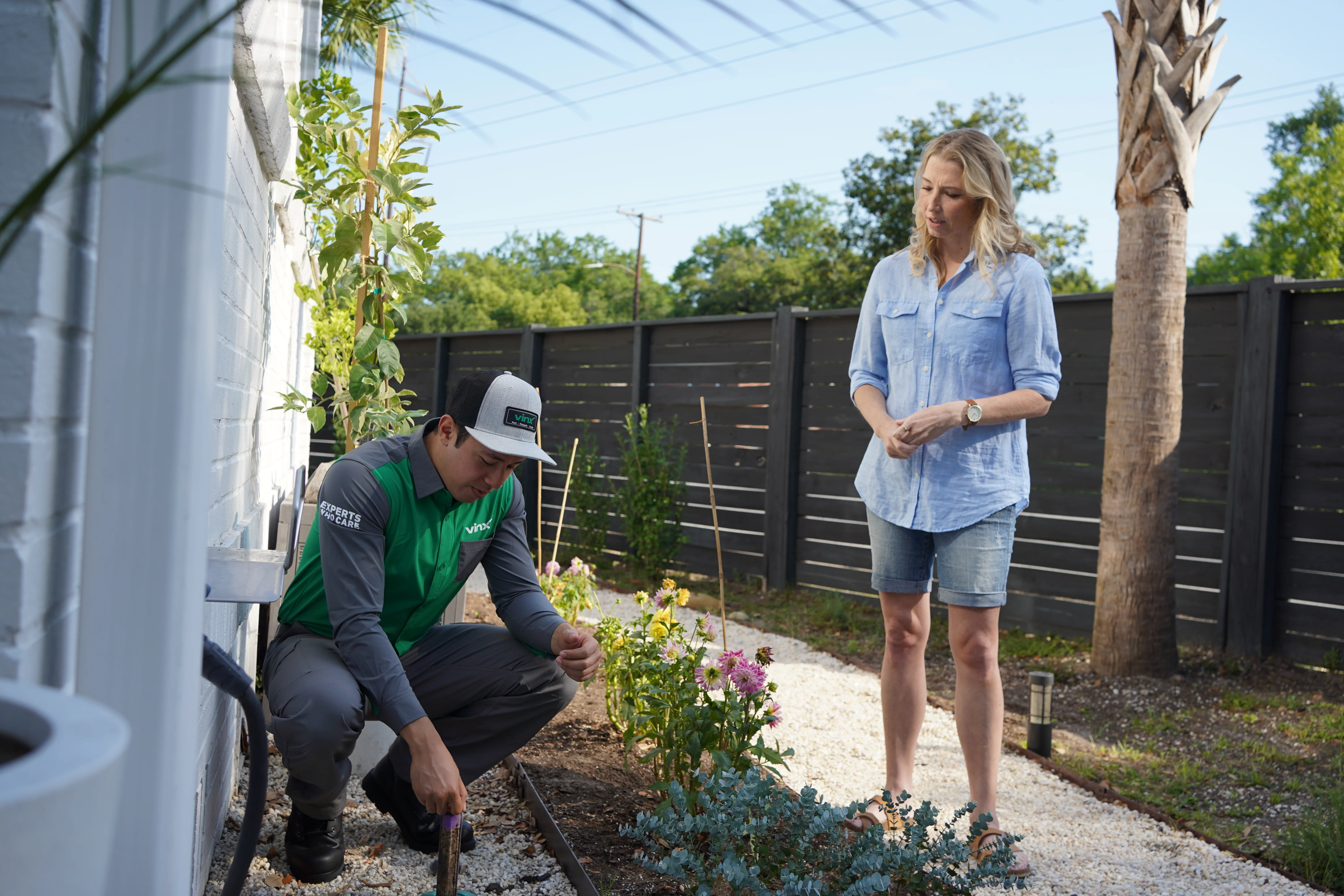
Exterior Bait Station Placement
Tamper-resistant bait stations go along the foundation, garage walls and the runways the inspection found, with the side of the lot facing a pond bank, the Highway 176 corridor or freshly cleared ground as the priority. Stations are secured, labeled and mapped so follow-up visits can read what is feeding.
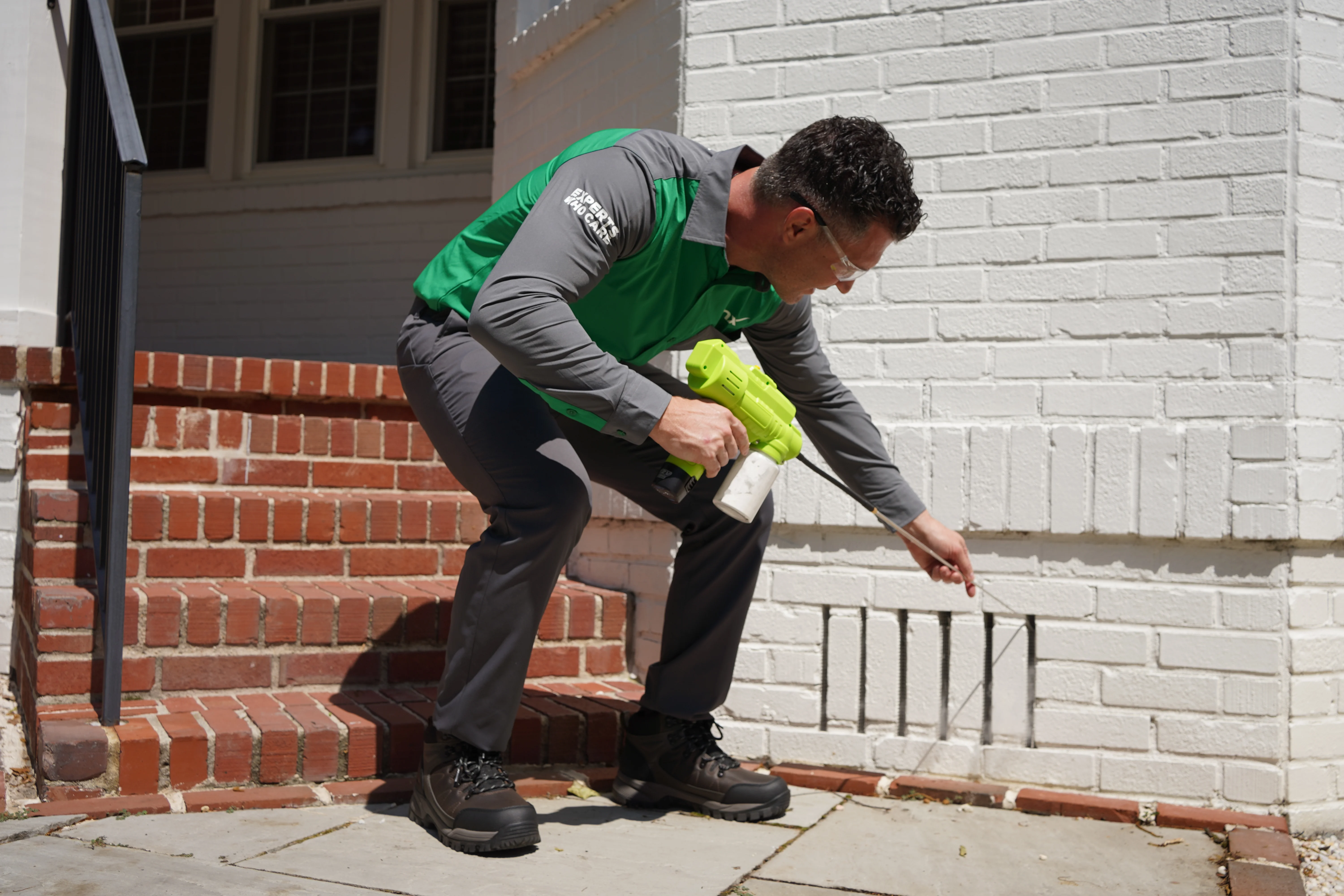
Interior Trapping
Snap traps and glue boards are placed on the interior runs the evidence points to: attic rafters under a preserved pine, the garage wall beside a utility penetration, kitchen walls in a new Cane Bay home. Placement follows the evidence, and traps are checked and reset on every visit.
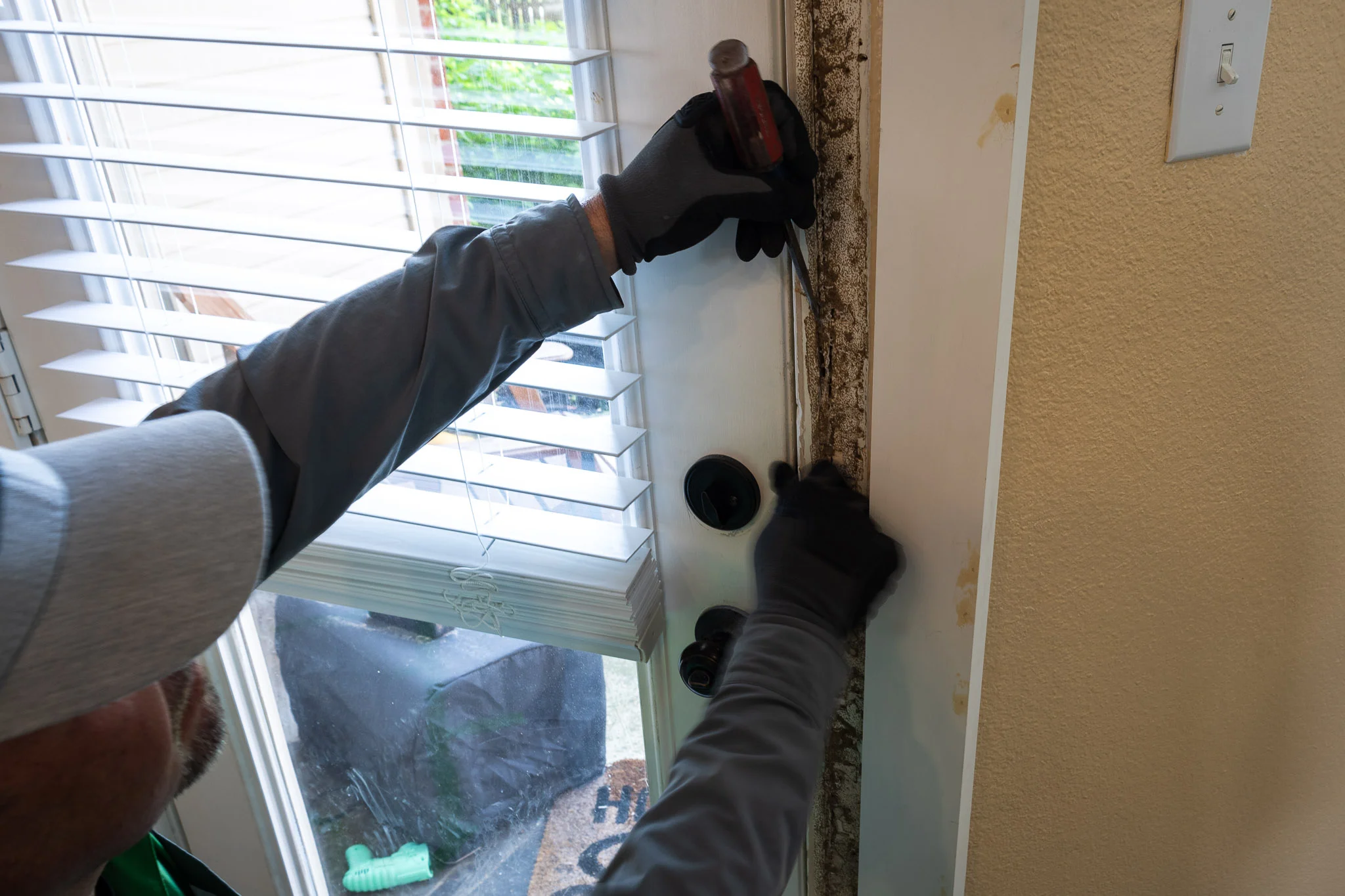
Exclusion & Follow-Up
Steel wool, hardware cloth and sealant close the entry points the inspection found. On a Cane Bay house built since 2007 that is usually a short list, but it changes as the foundation settles, so we walk it again at follow-up. Follow-up confirms the population is gone and the exclusion is holding.
What Our Customers Say
What Cane Bay Homeowners Say About Vinx Rodent Control
The tec, Johnathan, knows how to do his job. It was comforting to observe someone that knows how to get things well done. He is a good service technician and a great worker bee.good job, well done.
We have used Vinx for a few years now and have never had a problem. Our tech today was Jack and he was great!
Vinx is wonderful! Ryan came out to my house to check my attic, ducts, & crawlspace for rodents. He found a lot of evidence of having roof rats in our attic. He then told me how they can fix this, what they will do to eliminate these rodents from my attic, & how they will fix my house so they can’t come back. I really appreciate Vinx helping me take care of my home! A+++
Great job by Jonathan today! He did my rodent control. He was on time. Had great communication and did a wonderful job. He explained everything he did. I would highly recommend Jonathan at Vinx pest control. Tracy
Vinx has always gone above and beyond to keep our house protected against pest. They are highly professional and offer services from termite to mosquitos, rodents even bees. They not only work at getting rid of these issues but also have the ability for preventative measures. I strongly recommend
Nicholas did a great job with the rat exclusion. He knew the information and explained it well. He had a good work ethic & a pleasant attitude. It was a pleasure to work with Nicholas.
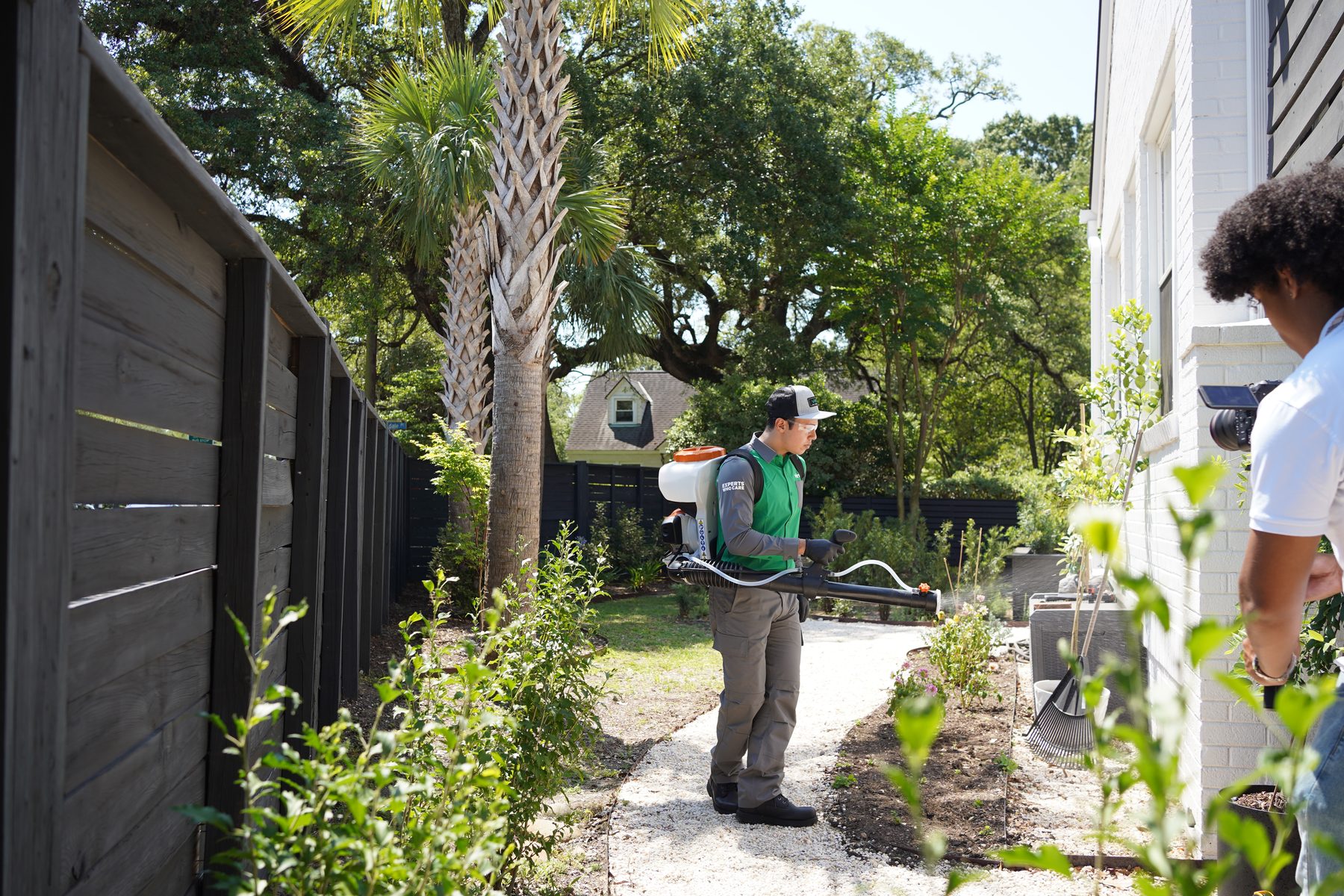
Hearing Scratching in Your Walls?
Cane Bay’s rodents follow the clearing crews: the 2,031-acre Wildcat Tract next door was approved for 5,700-plus homes, and every phase cut from those pines pushes mice and rats toward the finished homes beside it. Get a free inspection, same-day availability. We seal first, remove second.
The Local Threat
Why Rodent Control in Cane Bay Isn’t One-Size-Fits-All
Cane Bay is still being built. Plans were approved in 2005 and home sales began in 2007, and the Post and Courier put the population at roughly 4,300 at the start of 2015 and more than 13,000 in 2026. The land was industrial timberland, and in December 2016 the developer bought the adjoining 2,031-acre Wildcat Tract from Plum Creek Timberlands and Georgia-Pacific with approval for 5,700-plus homes, so the sequence of woodland, cleared lot, finished house will keep repeating. That sequence is the rodent story here: house mice in the fresh gaps of the newest phases, Norway rats in the banks of the retention ponds and the 300-acre lake system, roof rats in the preserved tree corridors that the trails and overpasses follow.
Norway rats, the larger and more common of the two rat species, burrow at ground level where irrigation or poor drainage keeps soil damp, and here that is most of the ground: the USDA Soil Survey of Berkeley County says 95% of the county’s soils have excess water in the profile. The soils survey run for the Cane Bay transmission-line corridor rated roughly 80% of it poorly to somewhat poorly drained. A retention-pond or lake bank behind a Lakes of Cane Bay lot puts standing water on top of that.
The tree corridors preserved along the walking and biking trails, and the overpasses that carry those trails over the main thoroughfare, are what remains of the pine forest the Post and Courier says Highway 176 cut through as a two-lane road, and they give roof rats an elevated route straight to a roofline or attic vent that most other pests don’t have.
And the ongoing construction disturbs existing rodent burrows on cleared lots, pushing displaced house mice toward the nearest standing structure. Census figures for ZIP 29486 put 22.8% of the housing built in 2020 or later, so the nearest structure is usually a home whose foundation and utility penetrations are still settling and still opening gaps.
The Highway 176 corridor adds a standing food source. The Publix-anchored shopping center and the YMCA sit on the road the whole community feeds onto, and commercial dumpsters, delivery bays and the apartments along the same corridor concentrate exactly what rodents need. Turnover feeds it too: Census Reporter shows 17.1% of ZIP 29486 residents moved in within the last year, which means garages full of moving boxes and homes sitting vacant between owners on nearly every street. Exclusion here has to be maintained rather than done once.
Cane Bay Rodent Species
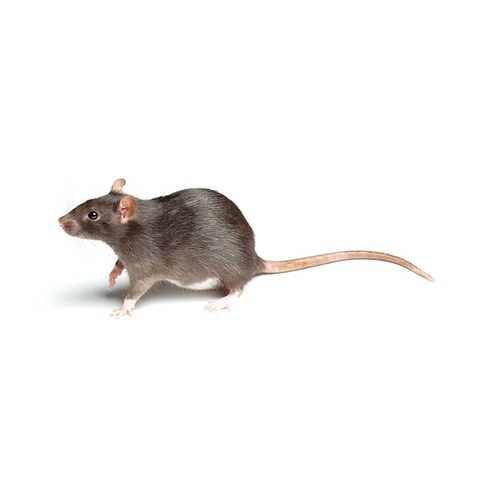
Norway Rats
Ground-dwelling burrowers. They dig beside the foundation and enter at ground level through sewer lines and utility penetrations.
An opening the size of a quarter is sufficient; the body compresses.
Heaviest pressure on lots backing the retention ponds and the 300-acre lake system, and any property with consistently damp, low-lying ground.
They are strong swimmers and cut through wood and thin siding, making exterior exclusion as critical as interior trapping.
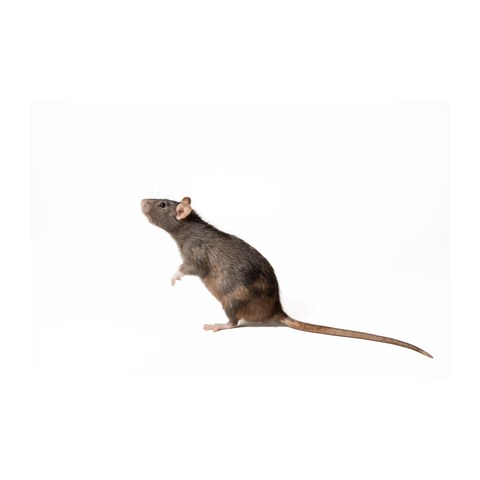
Roof Rats
A climbing species that comes in high, by roofline gap, failing soffit or a branch on the roof.
A nickel-sized opening is all that is required.
More common along the preserved tree corridors the trails and overpasses follow, and on any lot where a kept pine leans over the roof.
Lowcountry humidity deteriorates soffit faster than inland climates, even on the oldest Cane Bay houses, sold from 2007, entry points invisible from the ground.

House Mice
Smallest of the three and the most common indoors, needing only an opening the size of a dime.
They are usually in kitchen walls, behind appliances or in attic insulation.
Months often pass before a mouse problem shows itself at all.
Known carriers of salmonellosis and leptospirosis.
Know Your Risk
Rodent Pressure Across Cane Bay
Lakes of Cane Bay & Four Seasons: Norway Rats
- The 300-acre lake system and the retention ponds keep their banks consistently damp, ideal Norway rat burrowing ground.
- When those ponds flood, the rats move up: the Post and Courier reported Cane Bay’s retention ponds “overflowed their banks” in the October 2015 rain, and the NWS measured 17.27 in at Summerville during Tropical Storm Debby in August 2024.
- Shoreline landscaping and fence lines give cover from the bank to the back of the house.
- Burrows along foundations, in mulch beds, and near irrigation and water features.
- Stations outside plus foundation exclusion stop them short of the structure.
Lindera Preserve: House Mice
- Built out by Lennar and sold out, so the whole neighborhood is in the first years after construction, when foundations settle and gaps open; across ZIP 29486, Census figures put 36.1% of homes built in 2010–2019 and 22.8% in 2020 or later.
- A house mouse fits through any pencil-width gap.
- Utility penetrations for irrigation, HVAC and cable are the usual entry points.
- Close the gaps early and a new build stays clear of an established infestation.
Pine Hills & Pine Crest: Roof Rats
- Lots cut from industrial timberland, the same pine that made up the 2,031-acre Wildcat Tract bought from Plum Creek Timberlands and Georgia-Pacific in 2016, with preserved trees and trail corridors close to the rooflines.
- Roof rats come in over branches more than by any other route here.
- NOAA’s 1991–2020 normals for the Summerville 4W station put 52.70 in of rain on these soffits a year, so roofline gaps open faster than a young house suggests.
- The reliable combination here is limbs off the roofline and soffit gaps closed.
Sanctuary Cove, Westpark & Pender Woods: House Mice
- Each new phase is cleared from woodland beside a finished one, and grading displaces mice and rats toward the nearest standing structure; the Wildcat Tract alone was approved for 5,700-plus homes.
- The transmission-corridor soil survey rated roughly 80% of this ground poorly to somewhat poorly drained, so graded lots hold water and the mice head for the dry side, which is the house.
- Still-settling foundations open fresh gaps in the first years after construction.
- Seal early and the displaced population moves on instead of moving in.
Highway 176 Corridor & Apartments: Norway Rats
- The Publix-anchored shopping center and the YMCA put commercial dumpsters on the road the whole community feeds onto.
- Apartment Living puts shared bins and dozens of utility penetrations on one footprint, and with 17.1% of ZIP 29486 residents having moved in within the last year (Census Reporter), units, boxes and bins turn over constantly.
- Norway rats work the ground level of a commercial strip by night and probe the nearest residential foundation.
- Stations outdoors plus a sealed foundation cut the pressure moving toward homes.
Warning Signs
Signs of Rodents in Your Cane Bay Home
Droppings Along Baseboards
Dark pellets around food, along baseboards and in cabinets, usually the first evidence to appear.
Gnaw Marks on Wood or Wiring
New gnawing shows light against the wood and darkens over time. Damaged wiring is a leading cause of house fires.
Scratching Overhead at Night
Roof rats that came in along a preserved pine or hardwood limb work the attic after dark.
Grease Marks Along Framing
One route, used every night, and greasy fur leaves dark marks at every tight passage.
Nesting in Attic Insulation
Insulation, paper and fabric pulled together into a nest indicates an established population.
Burrows in an Irrigated Bed
Norway rats dig where the ground stays damp: the retention-pond or lake bank behind a Lakes of Cane Bay lot, or a sprinkler-fed foundation bed on soil the USDA survey of Berkeley County already rates as holding excess water; fresh holes have clean, packed edges.
Ammonia Smell in the Crawl Space
Confined space plus accumulated urine gives a strong ammonia odor, often noticed ahead of any other evidence.
Chewed Packaging in a New Pantry
Torn bags and debris strewn through a cabinet are textbook rodent feeding signs.
Homeowner Tips
6 Ways to Reduce Rodent Risk Right Now
Kid & Pet Safe
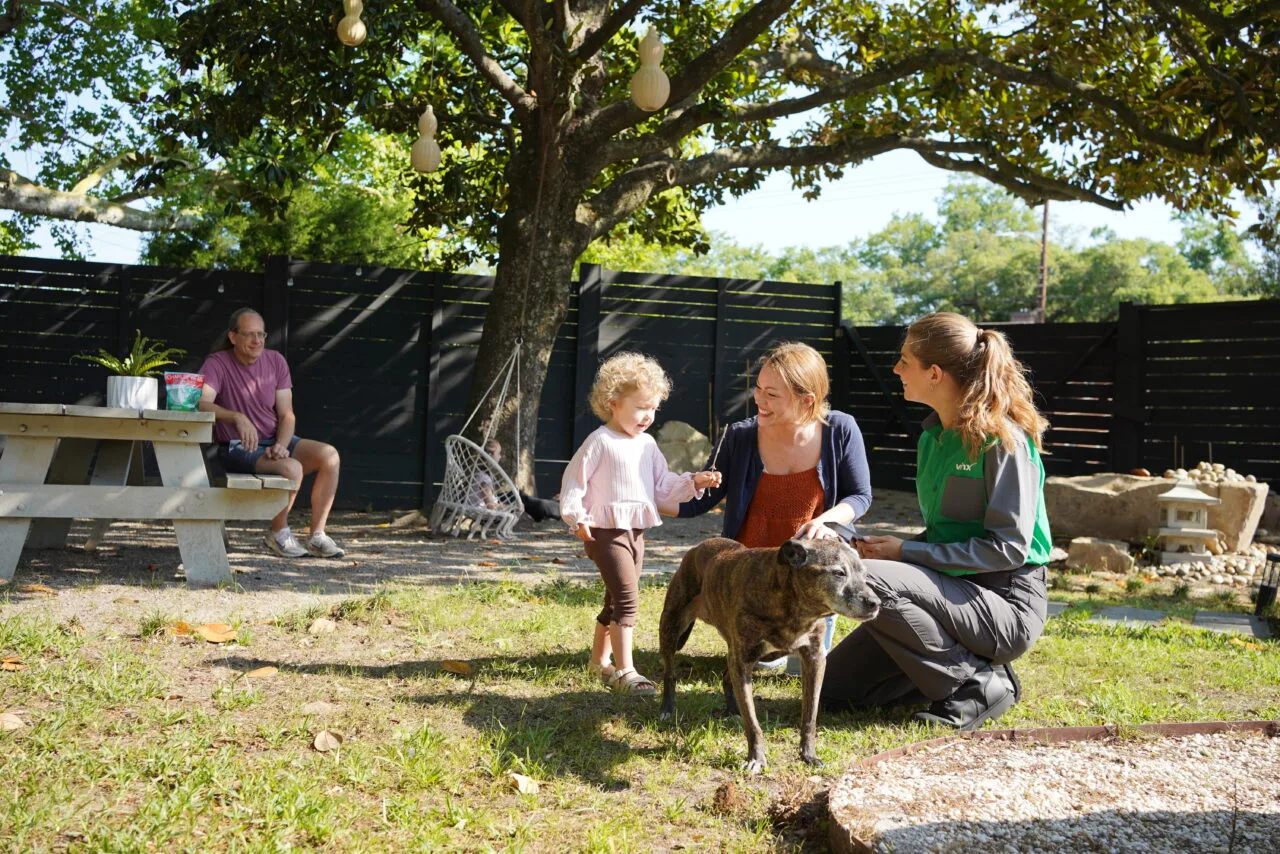
Our Treatments Are Safe for Your Whole Family: Including the Furry Members
Every product we use is EPA-registered and applied strictly at labeled rates by licensed technicians. We take the guesswork out of safety so you can feel confident letting kids and pets back into treated areas quickly.
EPA-Registered Products Only
All products we apply are EPA-registered and used strictly per label requirements. Our licensed technicians are trained to apply the right product in the right place at the right rate, every time.
Dry Time Before Re-Entry
Exterior spray treatments dry in 30–60 minutes. Once dry, treated surfaces are safe for children and pets to contact. Your technician will confirm the all-clear before leaving your property.
Interior Treatment On Request
We treat only what’s needed, where it’s needed. Gel baits in cabinets and crack-and-crevice applications keep products away from areas pets and children frequent most.
Botanical Options Available
Have specific sensitivities? Ask your technician about our plant-derived treatment options. We offer botanical alternatives for households that prefer a more natural approach.
Have a concern about products used near your pets or children? Call (855) 800-8469 and we’ll walk you through exactly what we use and why it’s safe.
Explore More
More Pest Control Services in Cane Bay

Pest Control Cane Bay
General pest protection

Termite Control Cane Bay
Sentricon bait system

Mosquito Control Cane Bay
Monthly barrier treatments

Ant Control Cane Bay
Household ants & others

Spider Control Cane Bay
All spider species covered

Cockroach Control Cane Bay
Palmetto bug & roach removal

Bed Bug Treatment Cane Bay
Heat & liquid treatments

Tick & Flea Control Cane Bay
Yard & pet protection
Exterminator Cane Bay
Same-day local exterminators
Frequently Asked Questions
Rodent Control FAQ for Cane Bay Homeowners
Monitoring for mice and rats outside comes with HomeGuard at $49/mo; Plus at $75/mo covers bi-monthly visits and extended coverage. Exclusion is priced separately once the free inspection is done.
Yes. The bait stations outdoors are tamper-resistant and inaccessible to pets and children, and living areas never receive rodenticide. Inside, snap traps go in attics, crawl spaces and wall voids.
Inspection takes 45–90 minutes. Exclusion on a typical Cane Bay home runs 2–4 hours; with essentially every house built since 2007 the entry list is usually shorter than the Lowcountry average, but it changes as the foundation settles, so we walk it again at follow-up. Removal begins after exclusion and is confirmed at a follow-up 7–14 days later.
A minimum of three: inspection, exclusion and treatment, then follow-up confirmation. Homes backing a retention pond, the 300-acre lake system or an active phase of the 2,031-acre Wildcat Tract sometimes need a second follow-up because the outdoor pressure is constant.
Yes. We come back at no charge if rodents return after exclusion and treatment. Unsatisfied within 30 days means a free return visit, and a problem that persists past 30 days means your last payment is refunded.
No. The technician inspects attic, crawl space, kitchen walls and garage manually, then sweeps 10 feet out from the structure. That finds what a K9 would find.
Same-day or next-day for most Cane Bay homes. Call (855) 800-8469. If we cannot service you by the next business day, the initial visit is free of charge.
Yes, and they follow the water. The retention ponds that dot the subdivisions and the 300-acre lake system keep their banks consistently damp, exactly the burrowing ground Norway rats want, and irrigated foundation beds carry that damp ground right up to the house. They move toward houses ahead of the average first freeze, which NWS Charleston puts at Nov 12 for the Summerville 4W station.
Roof rats. The trees preserved along the trail corridors and overpasses give them a route to the roofline, and 52.70 in of rain a year (NOAA normals, Summerville 4W) opens soffit gaps and vents faster than a young house suggests. Scratching in the ceiling at night is almost always roof rats.
Yes. NWS Charleston’s 1991–2020 freeze dates give the Summerville 4W station a first freeze of Nov 12 and a last freeze of Mar 22, roughly eight frost-free months, and NOAA’s January mean low there is 35.0°F, so the outdoor population never collapses and rodents breed and expand range continuously. With new phases still being cleared and pond banks at hand, monitoring is the only approach that keeps up.
That is Norway rat activity. The USDA Soil Survey of Berkeley County says 95% of the county’s soils hold excess water, and a sprinkler-fed foundation bed is the softest, dampest digging on the lot, right against the house. Fixing the overwatering, sealing crawl-space vents and setting exterior stations along the bed is the reliable fix.
Yes. They use the same limb-to-roofline routes as roof rats, so squirrel exclusion is the same service and the same materials. The technician notes squirrel activity during the inspection. Call (855) 800-8469.
Service Coverage
Rodent Control Across Cane Bay & Berkeley County
Serving the 20,146 households Census Reporter counts in ZIP 29486, in and around Cane Bay Plantation
Serving the Greater Charleston Area