Termite Control in Williamsburg, VA
Eastern Subterranean Termite & Wood-Destroying Insect Experts
Few cities put more historic wood at risk than Williamsburg. The Historic Area and Merchants Square hold original 18th-century framing and reproductions built the same way, on crawlspaces and brick piers that need close watching, while Kingsmill and Ford’s Colony’s wooded lots keep the soil damp year-round — the biggest driver of termite pressure.
Get Started in 60 Seconds
Choose what’s easiest for you
Request a Quote
We usually respond in 2 minutes
Call 855-800-8469
Get a Live Person (no AI agents here!)
Sign Up Online
Get pricing and schedule now




Welcome to Vinx Pest Control
A Company That Actually Backs What It Says
At Vinx, we pair professional-grade treatment with a level of follow-through most pest control companies skip. Local technicians, fast response, and a guarantee that holds up after the invoice is paid.
Get a Free Quote"I'm not passionate about killing bugs. I'm passionate about customer service. At Vinx, you get experts who show up, do the job right, and stand behind every visit. No runaround, no fine print."
WELCOME TO VINX PEST CONTROL
Termite Control Plans for Williamsburg Homeowners

Standard Residential Protection
- 4 Seasonal Treatments Per Year
- 50+ Covered Pests
- Interior, Exterior & Yard Treatment
- Unlimited Free Re-Services
- 100% Money-Back Guarantee

Upgraded Yard Protection
- 6 Home & Yard Treatments Per Year
- 50+ Covered Pests
- Yard Ant Elimination Guarantee
- Flea & Tick Elimination Guarantee
- 100% Money-Back Guarantee

Most Comprehensive Protection
- 9 Treatments Per Year
- 50+ Covered Pests
- 8 Mosquito Treatments (Mar–Nov)
- Flea, Tick & Ant Coverage
- Free Bed Bug Treatments if Needed*
Termite protection and the wood-destroying-insect (WDI) inspection are priced separately after we assess the home, since a termite bond depends on size, foundation, and any active infestation, which matters most in older and reproduction-colonial construction. Call (855) 800-8469 for a free Williamsburg quote.
Get Your Free Williamsburg Termite Inspection
Fill out the form below and a Vinx team member will reach out within 2 minutes during business hours.
Prefer to talk? Call 855-800-8469 for a live person, no AI agents.
Our Approach
How Vinx Controls Termites in Williamsburg

Full Inspection & Wood-Destroyer Identification
Your technician inspects crawlspaces and piers in the Historic Area, Wren-era wood near William & Mary, foundations in New Town, and damp, wooded lots at Kingsmill and Ford’s Colony to confirm which wood-destroying insect is actually present.
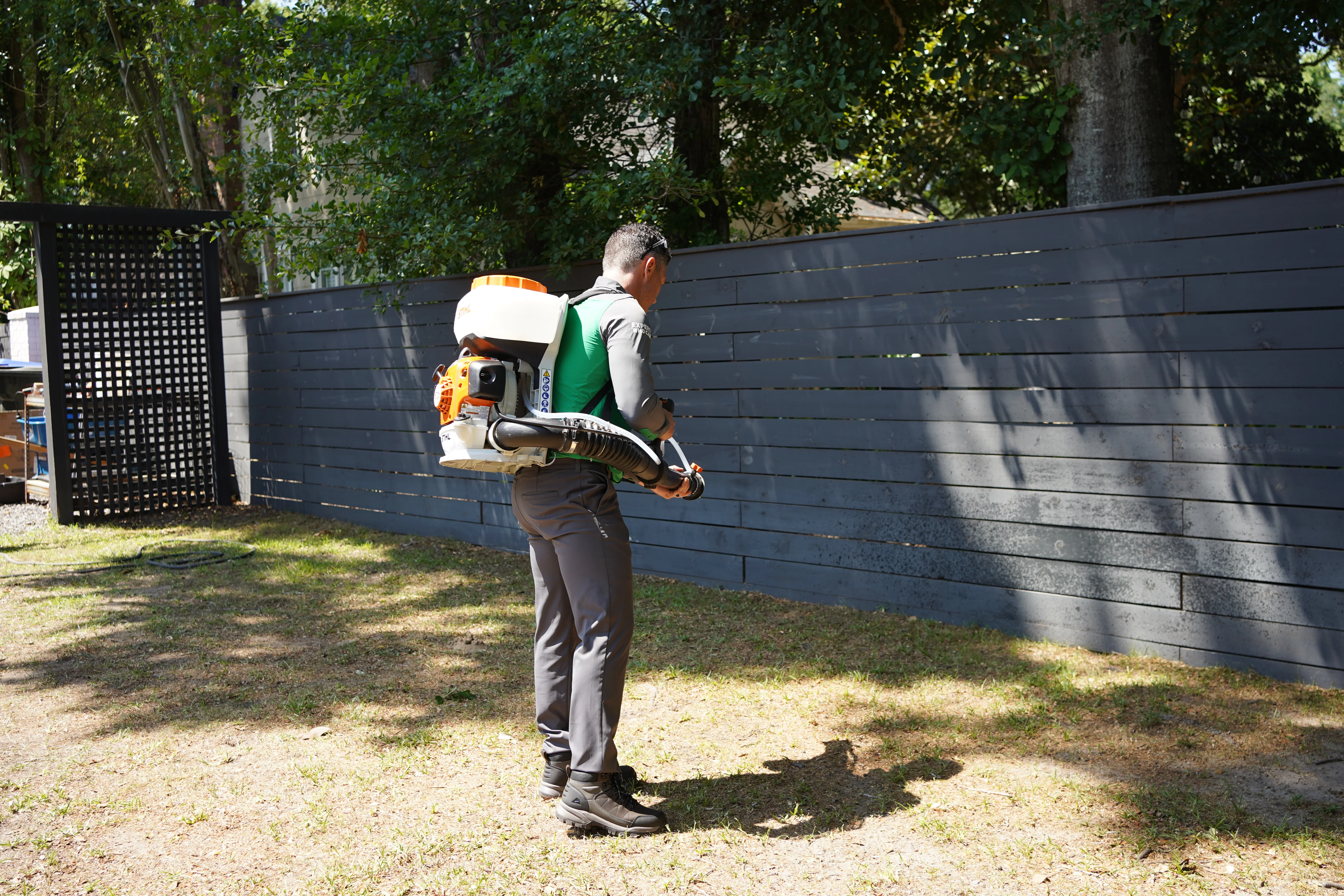
Treatment Plan Built for the Structure
Heritage framing, reproduction-colonial construction, and standard modern homes each call for a different approach, and the plan reflects the age and construction of the specific property.
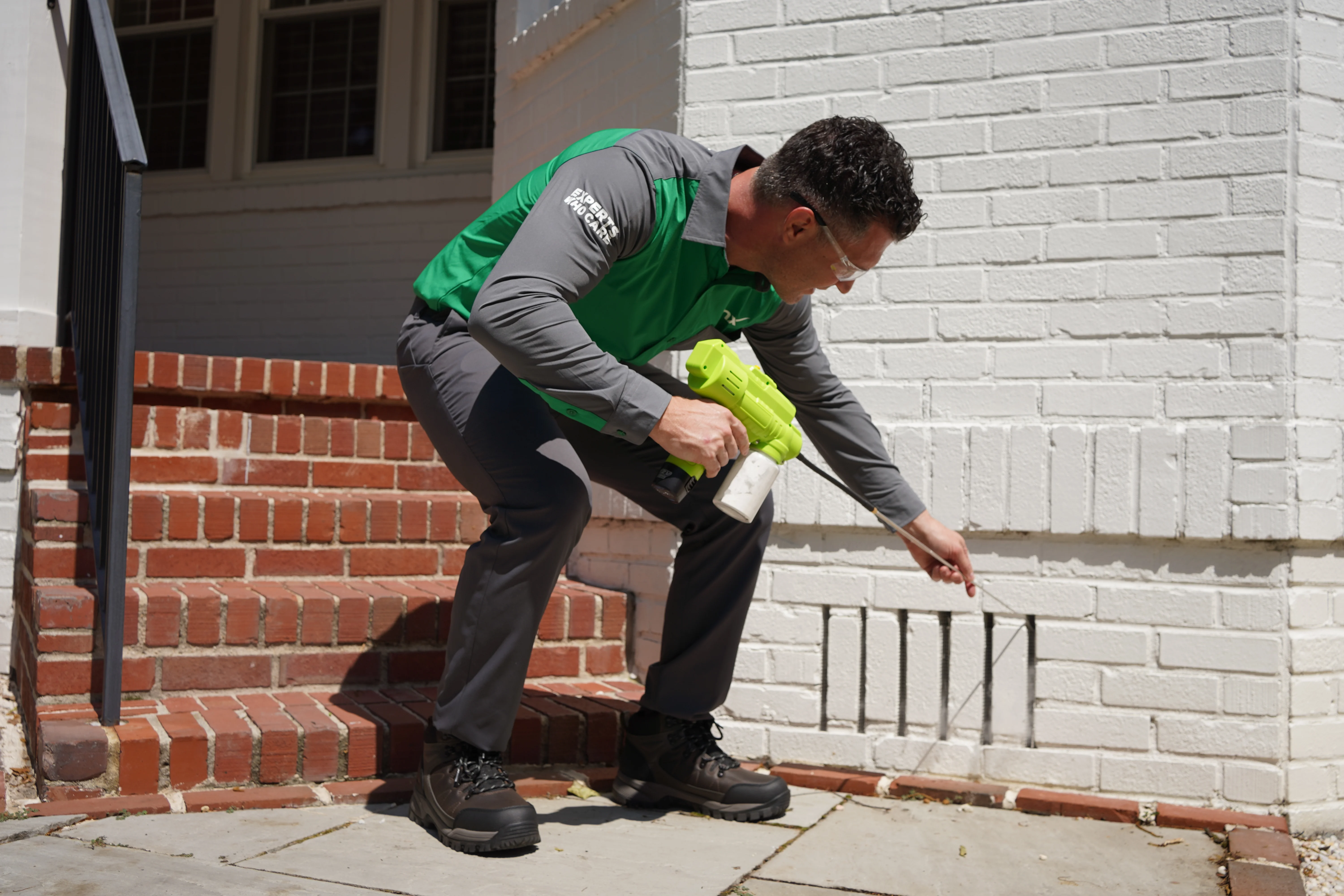
Targeted Soil & Structural Treatment
Subterranean termite colonies are addressed at the soil line where they nest, while carpenter bees, powderpost beetles, and old-house borers are treated directly in the affected wood.
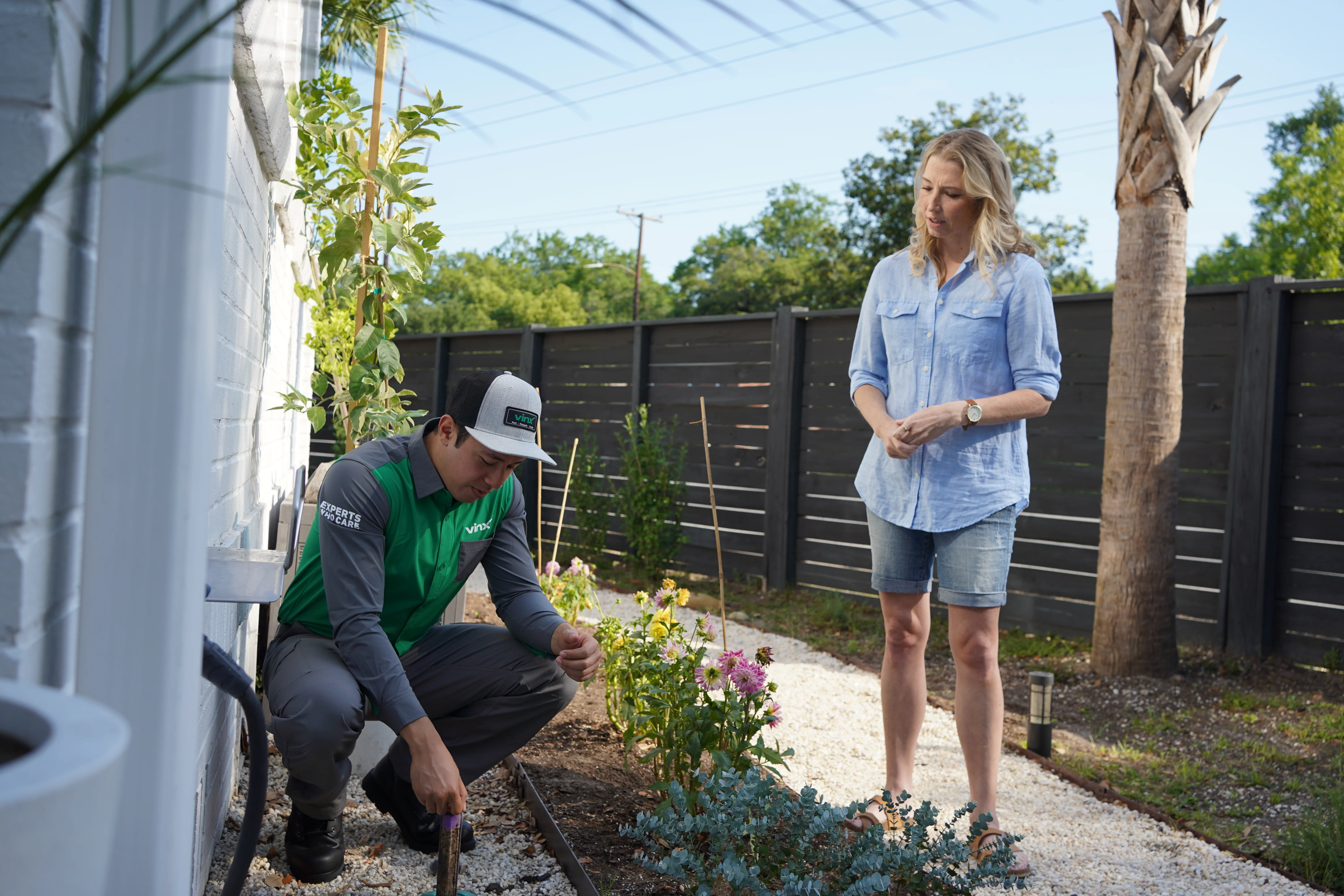
Wood-Destroying Insect Report & Ongoing Monitoring
We provide the WDI report Williamsburg sales and most lenders require, and ongoing monitoring catches new activity before it reaches structural wood.
What Our Customers Say
Real Reviews from Williamsburg Customers
Kennard was on time, professional and knowledgeable. Definitely will use this company again in the future.
Great services at VINX. And an affordable price. Whenever I have a problem I know Vinx will come through for me. Loyal customer for a year and counting!
Mitch and Johnathan were amazing! They were friendly,informative and efficient with their time. They also were great with scheduling
Cameron was professional, and extremely expeditious. Thank you again, awesome as usual!
Ready to Protect Your Home? Call Vinx Today.
Free inspection. Next-day service available. Backed by an unlimited free re-service guarantee. Call (855) 800-8469.
Call (855) 800-8469Williamsburg Termite Pressure
A City Built of Vulnerable Old Wood
Colonial Williamsburg preserves roughly 88 original 18th- and early-19th-century buildings alongside hundreds of period reproductions, much of it heart-pine framing set on crawlspaces and brick piers. Williamsburg sits several miles inland on the ridge between the James and York rivers, so unlike the tidal cities nearby, the moisture that feeds termites here comes less from flooding than from humid crawlspaces, heavy tree shade, and the ravines cut by College and Queens creeks.
That combination of aging wood and localized damp also invites other wood-destroyers: powderpost beetles, the old-house borer, and carpenter bees drilling into eaves and trim. The eastern subterranean termite still does nearly all the structural damage, nesting in the soil and reaching wood through mud tubes, and it swarms in spring, typically March through May on warm days after rain.
Several national termite pages built specifically for Williamsburg simply don’t load, and the generic ones treat the whole Historic Triangle as a single problem. That misses how differently the pressure plays out between the Historic Area’s original framing, William & Mary’s centuries-old campus buildings, New Town’s newer construction, and the damp wooded lots at Kingsmill and Ford’s Colony.
There is a local constraint worth planning around before any repair work starts. Williamsburg’s zoning ordinance established an Architectural Preservation District and a Corridor Protection District, and the Architectural Review Board’s remit covers all new construction and alterations to existing buildings within them. Replacing sills or siding, changing vents, altering a foundation or reworking a crawl space entrance on a building inside those districts is an alteration, so the repair that follows a termite finding may need design review as well as a contractor. It is not an obstacle so much as a sequence: on a protected building the inspection should identify what needs doing early enough that the approvals and the treatment can run together rather than one after the other.
The Termite That Threatens Williamsburg
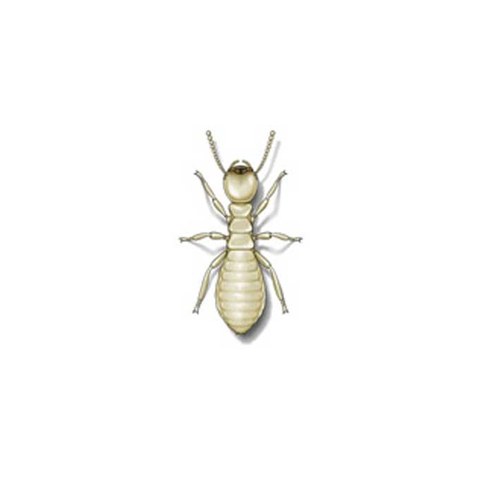
Eastern Subterranean Termite (Reticulitermes flavipes)
Does nearly all the structural damage here, nesting in the soil and reaching wood through pencil-thin mud tubes, per Virginia Cooperative Extension research on the species. It swarms in spring, typically March through May on warm days after rain, and winged termites appearing indoors are treated as a sign of an active colony nearby.
Which Williamsburg wood-destroyers matter: the eastern subterranean termite eats structural wood from within, entering through the soil, and shows itself as pencil-thin mud tubes on piers. The carpenter bee bores round tunnels into eaves, trim, and rails, leaving finger-sized holes and coarse sawdust. Powderpost beetle larvae riddle seasoned hardwood over years, leaving tiny exit holes and flour-fine dust. Old-house borer larvae tunnel softwood framing in older homes, leaving oval exit holes and an audible rasping sound in the walls. Each needs different treatment, and in heritage wood identifying the right one first matters.
A note on drywood termites: a number of national chains advertise drywood treatment, though Virginia Tech's Insect Identification Lab reports drywood termites are very uncommon in Virginia, seen in only a few locations. Essentially every genuine termite concern in Williamsburg traces back to the soil-dwelling eastern subterranean termite.
Termite Risk by Neighborhood
Where Termite Risk Runs Highest
Colonial Williamsburg Historic Area & Merchants Square
Original 18th-century framing and reproductions on crawlspaces and brick piers, closely watched for wood pests.
The College of William & Mary & Downtown Corridor
Centuries-old campus buildings and nearby older homes where damp timber invites colonies.
New Town & the Monticello Avenue Corridor
Newer construction runs a lower baseline risk, though a wood-destroying insect report is still standard before any sale.
Kingsmill, Ford’s Colony & the James River Corridor
Wooded, waterfront lots that keep the soil damp year-round, the single biggest driver of subterranean termite pressure.
Warning Signs
Signs to Watch For
Pencil-Thin Mud Tubes on Piers, Foundation Walls, or Crawlspace Beams
The clearest sign of active subterranean termite activity.
Spring Swarmers Indoors, or Shed Wings on Windowsills
The most common reason Williamsburg homeowners call, typically March through May.
Round Exit Holes and Fine Sawdust in Trim and Eaves
Usually carpenter bees or powderpost beetles rather than termites, but still worth identifying.
Wood That Sounds Hollow, or Doors and Windows That Begin to Stick
A sign structural wood may already be compromised.
Why Owners Act Fast
A Home Sale
A WDI report is routine in Williamsburg closings and often something the lender requires.
A Spring Swarm
Winged termites appearing indoors are the most common reason homeowners phone us.
An Older or Reproduction Home Worth Protecting
Where the wood itself is irreplaceable, owners want protection they can document.
No Insurance Coverage
Termite damage is almost never covered by homeowners insurance, and prevention is consistently cheaper than the repair bill.
Homeowner Tips
6 Ways to Lower Termite Risk at Your Williamsburg Home
Kid & Pet Safe
Our Treatments Are Safe for Your Whole Family: Including the Furry Members
Every product we use is EPA-registered and applied strictly at labeled rates by licensed technicians. We take the guesswork out of safety so you can feel confident letting kids and pets back into treated areas quickly.
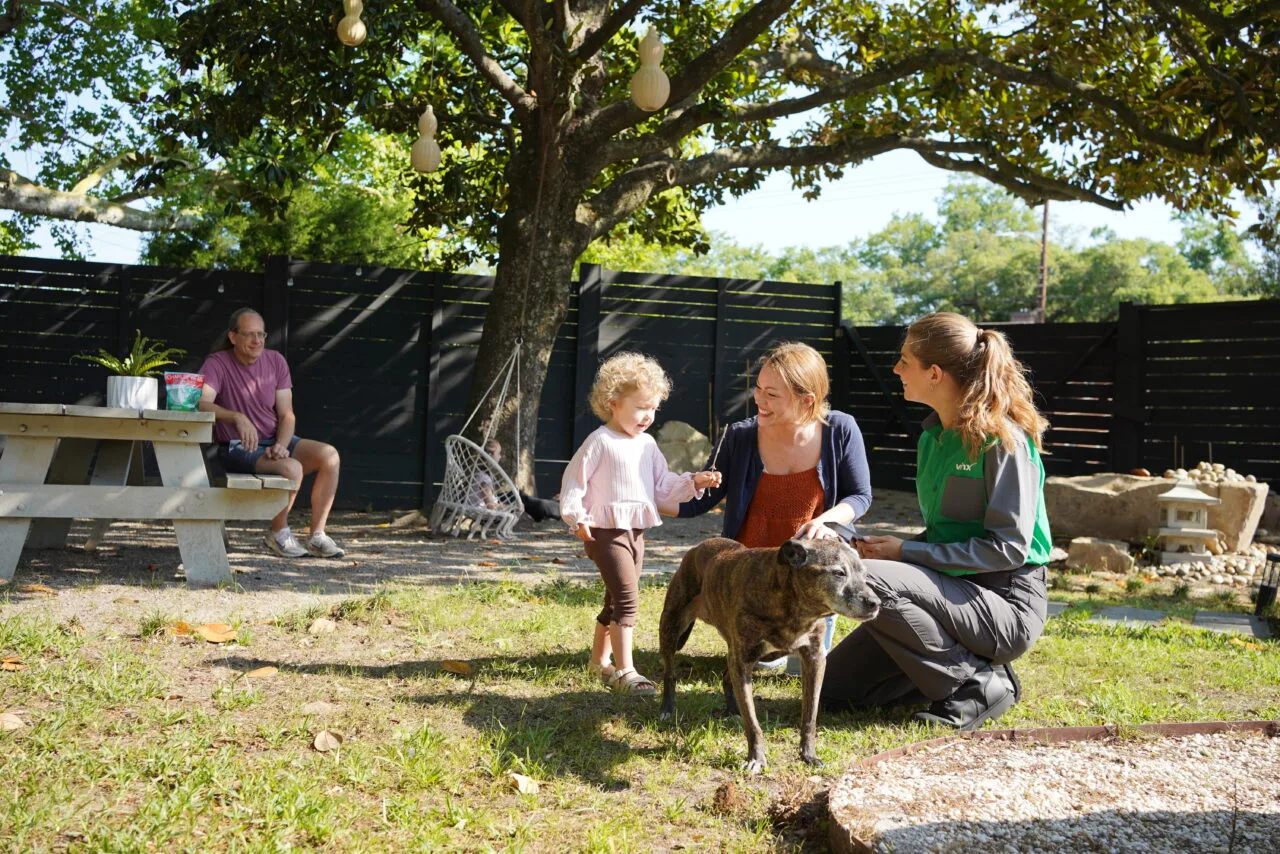
EPA-Registered Products Only
Applied strictly at labeled rates by technicians registered with the Virginia Department of Agriculture and Consumer Services (VDACS).
Family & Pet-Safe Once Dry
Treated areas are safe for children and pets to use again once the application has dried.
Extra Care Around Historic Materials
Treatments near original framing and heritage finishes are applied with the property’s age and construction in mind.
Questions About What We Use?
Have a concern about products used near a historic building or original framing? Call (855) 800-8469 and we’ll walk you through exactly what we use.
Explore More
More Pest Control Services in Williamsburg

Pest Control Williamsburg
Year-round protection plan

Spider Control Williamsburg
All spider species covered
Ant Control Williamsburg
Fire ants & all ant species

Mosquito Control Williamsburg
Monthly barrier treatments
Tick & Flea Control Williamsburg
Yard & interior treatments

Rodent Control Williamsburg
All rodents covered
Cockroach Control Williamsburg
American & German roaches

Bed Bug Control Williamsburg
Heat & liquid treatments
Exterminator Williamsburg
Same-day local exterminators
Frequently Asked Questions
Termite Control FAQ for Williamsburg Homeowners
Our recurring general pest plans run $49/mo (HomeGuard), $75/mo (Plus), and $109/mo (Platinum), each with a $329 initial treatment. Termite protection and the wood-destroying-insect (WDI) inspection are priced separately after we assess the home, since a termite bond depends on size, foundation, and any active infestation. Call 855-800-8469 for a free Williamsburg quote.
Almost certainly not. Virginia Tech’s Insect Identification Lab reports drywood termites are very uncommon in Virginia and have been found in only a few locations. In Williamsburg the soil-dwelling eastern subterranean termite, which enters through mud tubes, is the real structural threat, alongside wood beetles in older timber.
In heritage and reproduction homes those are usually carpenter bees or powderpost beetles rather than termites. We identify the wood-destroyer before treating, which matters when the wood is historic.
A wood-destroying insect (WDI) report is routine in Williamsburg home sales and often required by lenders. We provide both the inspection and the report.
Centuries-old heart-pine wood sitting over damp, wooded, high-water-table ground gives subterranean termites and wood beetles ideal conditions across the Historic Triangle.
Yes. Vinx services all of Williamsburg, including Colonial Williamsburg and Merchants Square, the William & Mary and downtown corridor, New Town, and Kingsmill and Ford’s Colony.
Yes. Vinx Pest Control is licensed and insured to operate in Virginia, with technicians registered with VDACS and trained to identify and treat eastern subterranean termites and other wood-destroying insects throughout Williamsburg and the greater Hampton Roads area.
Service Coverage
Termite Control Across Williamsburg, James City County & the Greater Hampton Roads Area
Serving every neighborhood and business in and around Williamsburg.
Serving the Greater Hampton Roads Area