Termite Control in Suffolk, VA
Eastern Subterranean & Drywood Termite Experts
Termite risk in Suffolk depends on construction type and moisture exposure as much as anything else, and Suffolk’s size and geography mean that risk varies widely across the city. Eastern subterranean termites, the dominant species statewide, are the primary concern in the older soil-contact foundations downtown, the modern slab construction of North Suffolk and Harbor View, the moisture-prone crawl spaces along the Nansemond River in Chuckatuck and Driver, and the elevated water table around Sleepy Hole and the Great Dismal Swamp corridor. Drywood termites, which don’t need soil contact and can infest wood well above ground, are more likely to turn up in the older barns, sheds, and farmhouses common to Whaleyville and Holy Neck. Vinx treats the species and construction type actually on your property, not a one-size-fits-all subterranean-only plan.
Get Started in 60 Seconds
Choose what’s easiest for you
Request a Quote
We usually respond in 2 minutes
Call 855-800-8469
Get a Live Person (no AI agents here!)
Sign Up Online
Get pricing and schedule now



Last updated: August 26, 2026
Welcome to Vinx Pest Control
A Company That Actually Backs What It Says
At Vinx, we pair professional-grade treatment with a level of follow-through most pest control companies skip. Local technicians, fast response, and a guarantee that holds up after the invoice is paid.
Get a Free Quote"I'm not passionate about killing bugs. I'm passionate about customer service. At Vinx, you get experts who show up, do the job right, and stand behind every visit. No runaround, no fine print."
WELCOME TO VINX PEST CONTROL
Termite Protection Plans for Suffolk Homeowners
Termite TotalDefense
Standalone Termite Protection
- Full Property Termite Inspection
- Species-Specific Treatment Plan
- Ongoing Monitoring & Prevention
- Damage Protection Options Available
- Available as a Standalone Plan or Added to Any General Pest Plan
Available as a standalone plan or added to any general pest plan.
Standard Residential Protection
- 4 Seasonal Treatments Per Year
- 50+ Covered Pests
- Interior, Exterior & Yard Treatment
- Unlimited Free Re-Services
- 100% Money-Back Guarantee

Upgraded Yard Protection
- 6 Home & Yard Treatments Per Year
- 50+ Covered Pests
- Yard Ant Elimination Guarantee
- Flea & Tick Elimination Guarantee
- 100% Money-Back Guarantee

Most Comprehensive Protection
- 9 Treatments Per Year
- 50+ Covered Pests
- 8 Mosquito Treatments (Mar–Nov)
- Flea, Tick & Ant Coverage
- Free Bed Bug Treatments if Needed*
Termite protection is priced separately from general pest plans and varies based on home size, foundation type, and existing conducive conditions. Termite TotalDefense standalone protection starts at $35/mo and can also be added to any HomeGuard, Plus, or Platinum plan. Call (855) 800-8469 for a property-specific quote.
Get Your Free Suffolk Termite Inspection
Fill out the form below and a Vinx team member will reach out within 2 minutes during business hours.
Prefer to talk? Call 855-800-8469 for a live person, no AI agents.
Our Approach
How Vinx Controls Termites in Suffolk

Full Inspection & Species Identification
Your technician inspects soil-contact foundations downtown, slab construction throughout North Suffolk and Harbor View, crawl spaces along the Nansemond River in Chuckatuck, barns and older farm structures near Whaleyville, and moisture-prone foundations around Sleepy Hole, identifying which termite species and entry points are actually present.
Liquid Soil Treatment or Bait System
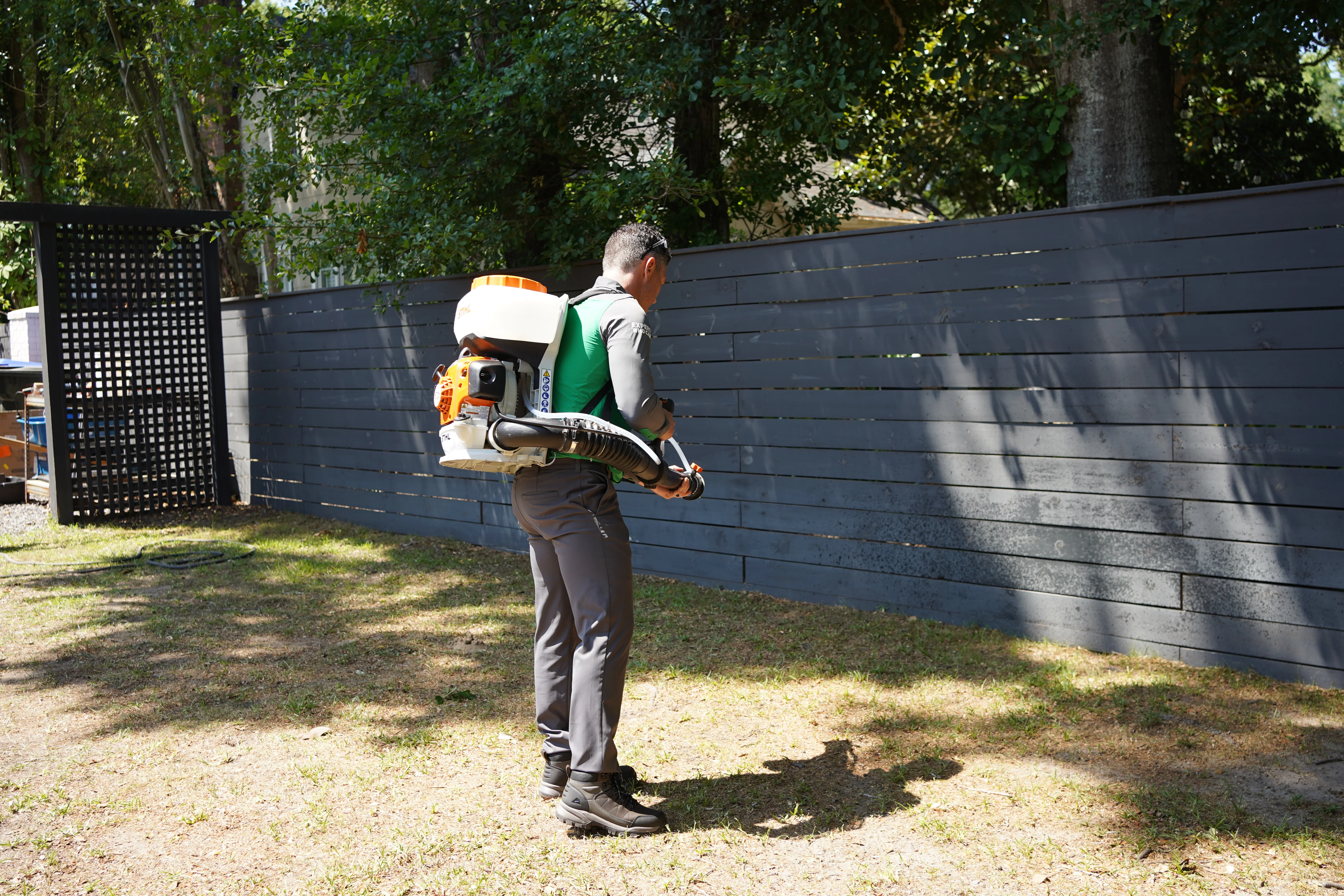
Depending on the species and construction type, treatment includes a liquid termiticide barrier applied around the foundation or a bait station system installed around the property perimeter.
Above-Grade Treatment for Drywood Activity
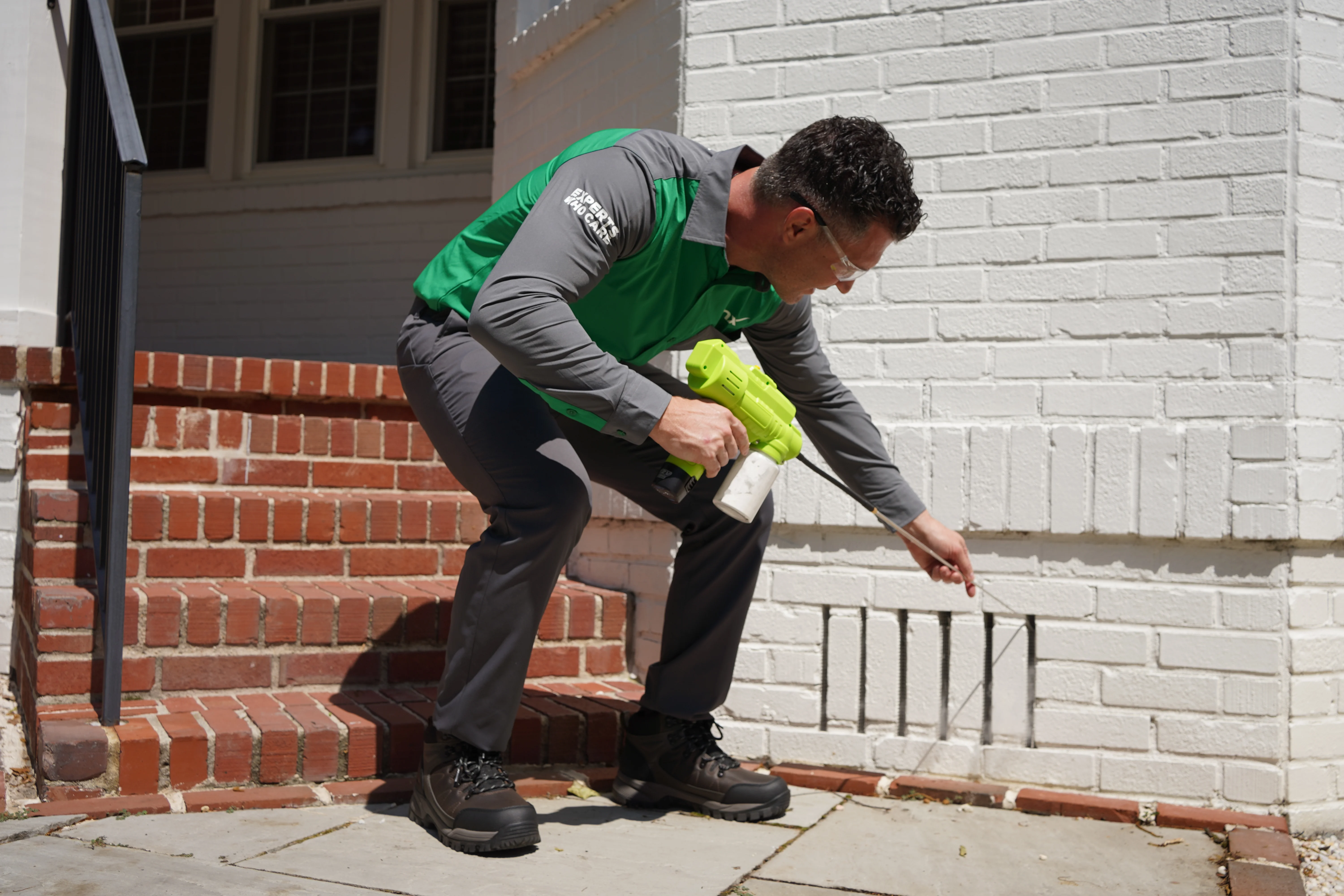
Since drywood termites don’t require soil contact, active galleries and infested wood in barns, sheds, and older farm structures are treated directly rather than relying on a soil barrier alone.
Ongoing Monitoring & Re-Inspection
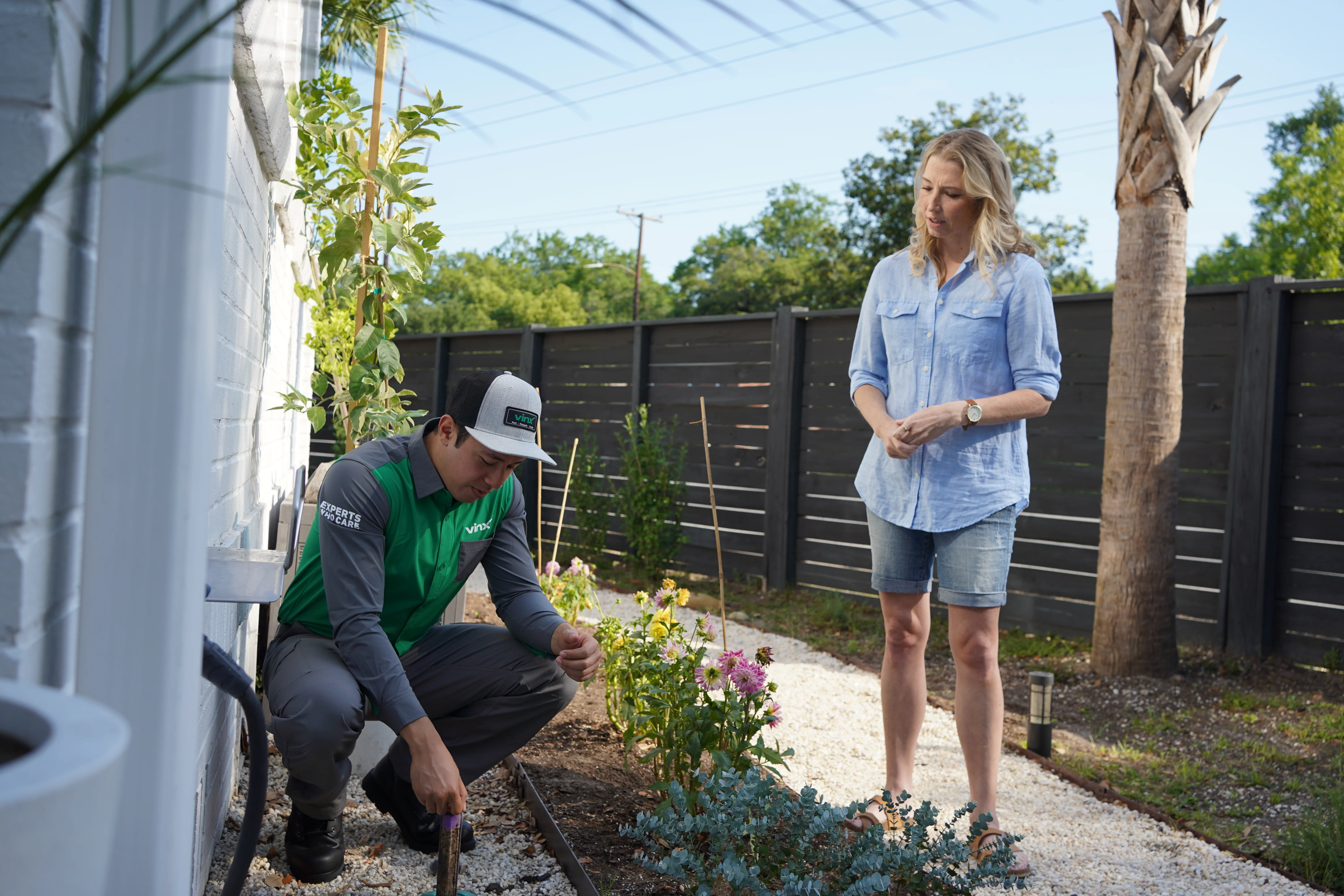
Regular monitoring visits check bait stations and treated areas for new activity, since termite colonies can rebuild over time without ongoing prevention.
What Our Customers Say
Real Reviews from Suffolk Customers
Jeff was an absolute delight! He was very informative, answered all of our questions, loved our dog to pieces and even gave us advice on things that we weren't familiar with on our property. 10/10 highly recommend!
Cameron from Vinx pest control is a true professional, I really believe he loves his job, always goes above and beyond on every service visit. I wish the world was full of more people with his attitude and work ethic. I highly recommend this gentleman and Vinx pest control.
Had Vinx since last summer. Great customer service, friendly techs, totally effective and the price can't be beat. They even send you a short video when they are done to recap what they did. 100 percent recommend
Brad was fantastic and worked with us around our dogs and handled our property with care. Very happy to be with Vinx
Worried About Termite Damage? Call Vinx Today.
Free inspection. Next-day service available. Guaranteed by unlimited free re-service.
Call (855) 800-8469The Local Threat
Why Termite Control in Suffolk Isn’t One-Size-Fits-All
A lot of pest control companies default to a single subterranean-only termite plan regardless of construction type or moisture exposure. That’s a disservice in Suffolk, the largest city by land area in Virginia, where a historic downtown, a newer suburban tech corridor, a wooded river borough, genuine farmland, and a freshwater swamp corridor all create different termite exposure.
Downtown Suffolk’s older wood-frame construction and soil-contact foundations give Eastern subterranean termites, the dominant species across Virginia, direct access into structural wood. North Suffolk and Harbor View’s modern slab-on-grade construction, built out largely since the late 1990s, is still genuine subterranean termite territory, since this species doesn’t require old construction, just soil-to-wood contact somewhere in the structure. Chuckatuck and Driver’s low-lying, moisture-prone crawl spaces along the Nansemond River give subterranean termites the damp conditions this species is drawn to. Whaleyville and Holy Neck’s older barns, sheds, and farm structures, often built with untreated wood well above ground level, are where drywood termites are more likely to establish, since this species doesn’t need soil contact at all. And Sleepy Hole and the Great Dismal Swamp corridor’s elevated water table gives subterranean termites some of the most consistently moist soil conditions anywhere in the city.
Vinx’s own older Suffolk content, in line with a lot of generic regional pest control copy, has also listed Formosan termites as a local concern. That claim doesn’t hold up well: a University of Massachusetts Amherst entomology fact sheet notes the Formosan termite isn’t known to survive above roughly 35 degrees latitude in the U.S. due to cold winters, and Suffolk sits north of that line. Norfolk, a major shipping port, has documented Formosan activity tied specifically to cargo and naval traffic, but Suffolk doesn’t share that same exposure pathway. Eastern subterranean and drywood termites are the two species actually worth planning around here.
Suffolk’s building age sets it apart from every other city we cover in Hampton Roads, and it cuts both ways. Only about 32% of the housing here predates 1980 and nearly a quarter of it has been built since 2010 — the newest stock in the region, and the mirror image of Norfolk, where two-thirds predates 1980. Newer construction means slab foundations and, usually, a pre-construction soil treatment that was actually applied. The catch is what that slab sits on: much of this growth has gone onto former cropland and woodland edge, where soil has been newly disturbed and drainage newly re-cut. A termite inspection on a 2015 Suffolk house is looking at slab penetrations, expansion joints and grade against the foundation — not the crawl-space questions that dominate an older city.
Termite Species Relevant to Suffolk, VA
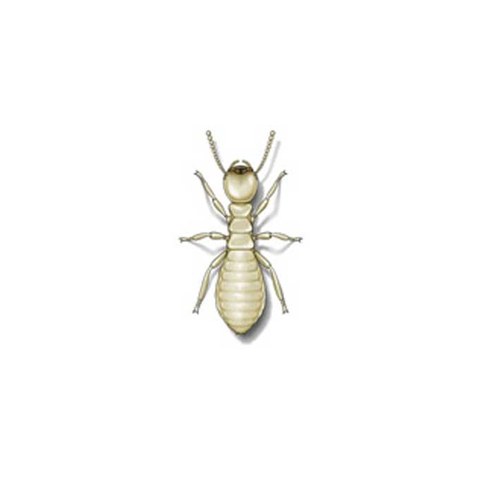
Eastern Subterranean Termite (Reticulitermes flavipes)
The most common and widespread termite species in Virginia, building colonies in soil and entering structures through foundation cracks and wood-to-soil contact. Common throughout downtown Suffolk, North Suffolk and Harbor View’s slab construction, and the moisture-prone soil around Chuckatuck, Driver, and Sleepy Hole.

Drywood Termite (Kalotermitidae family)
A species that doesn’t require soil contact and can infest dry wood well above ground level, typically found at lower density than subterranean species in Virginia. More likely to turn up in the older barns, sheds, and farm structures common to Whaleyville and Holy Neck.
Termite Risk by Neighborhood
Termite Risk Across Suffolk
Downtown & the Suffolk Historic District: Eastern Subterranean Termite Risk
Older wood-frame construction and soil-contact foundations throughout downtown give Eastern subterranean termites direct access into structural wood.
North Suffolk & Harbor View: Eastern Subterranean Termite Risk
Modern slab-on-grade construction is still genuine subterranean termite territory, since this species only needs soil-to-wood contact, not old construction.
Chuckatuck & Driver: Eastern Subterranean Termite Risk
Low-lying, moisture-prone crawl spaces along the Nansemond River give subterranean termites the damp conditions this species favors.
Whaleyville & Holy Neck: Drywood Termite Risk
Older barns, sheds, and farm structures built with untreated wood well above ground level are where drywood termites, which don’t need soil contact, are more likely to establish.
Sleepy Hole & the Great Dismal Swamp Corridor: Eastern Subterranean Termite Risk
The elevated water table in this swamp-adjacent corridor gives subterranean termites some of the most consistently moist soil conditions anywhere in Suffolk.
Warning Signs
Signs of Termite Activity in Your Suffolk Home or Business
Mud Tubes on Foundation Walls or Crawl Spaces
A hallmark sign of Eastern subterranean termite activity, common throughout downtown, North Suffolk, and Chuckatuck.
Small Pellet-Like Droppings (Frass) Near Wood Trim or Barn Framing
A hallmark sign of drywood termite activity, common in the older farm structures around Whaleyville and Holy Neck.
Hollow-Sounding or Damaged Wood Trim and Framing
Can indicate either termite species and should be inspected regardless of location.
Discarded Wings Near Windowsills or Light Fixtures
A sign of a recent termite swarm, the reproductive stage of an established colony.
Persistently Damp Foundation Soil or Crawl Spaces
Elevates subterranean termite risk, particularly common around Sleepy Hole and the Great Dismal Swamp corridor’s high water table.
Homeowner Tips
6 Ways to Reduce Termite Risk Around Your Suffolk Home or Business
Kid & Pet Safe
Our Treatments Are Safe for Your Whole Family: Including the Furry Members
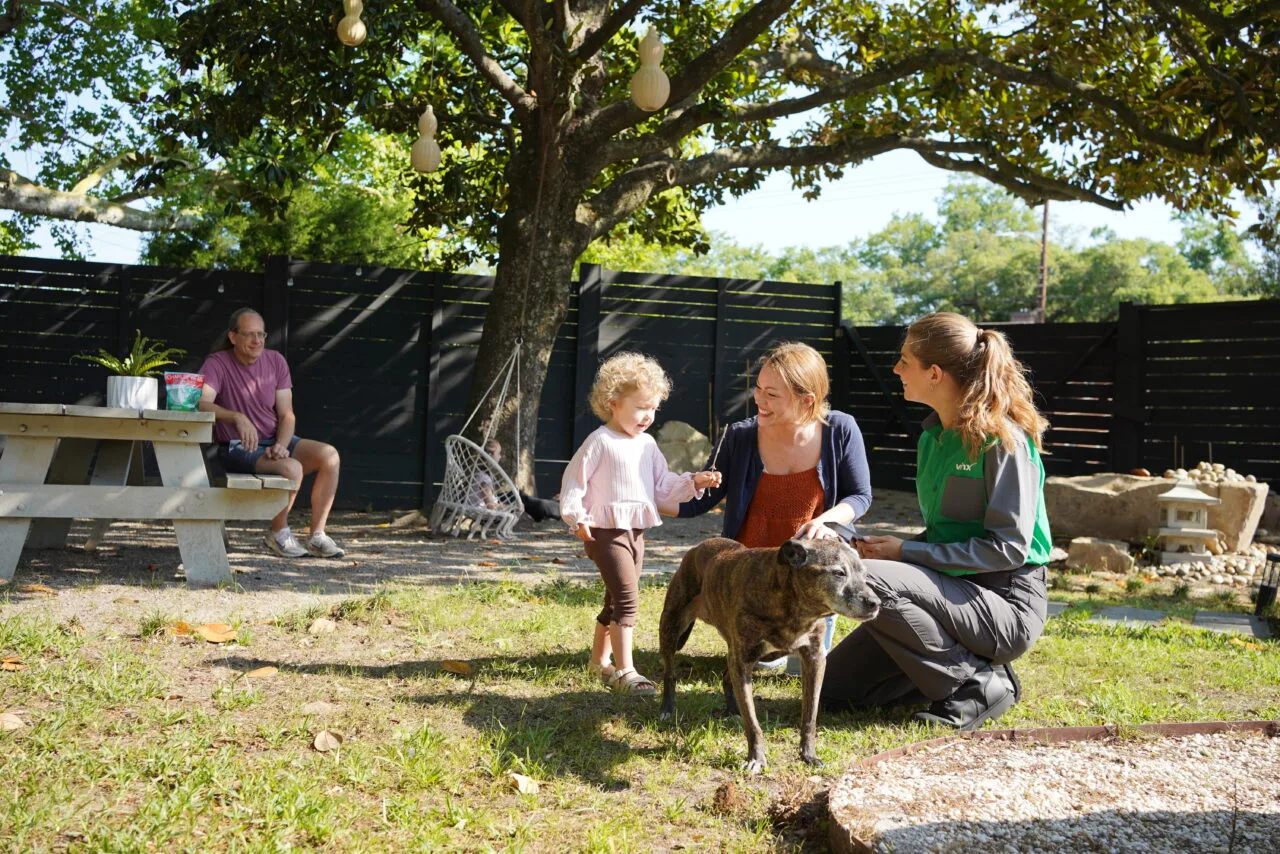
Every product we use is EPA-registered and applied strictly at labeled rates by licensed technicians. We take the guesswork out of safety so you can feel confident letting kids and pets back into treated areas quickly.
EPA-Registered Products Only
Applied strictly at labeled rates by technicians registered with the Virginia Department of Agriculture and Consumer Services (VDACS).
Bait Station Options Available
Reduces the amount of liquid termiticide needed around the foundation.
Licensed Wood-Destroying Insect Inspections
Required for most Virginia real estate transactions and performed to state standards.
Questions About What We Use?
Have a concern about products used near pets, kids, or farm animals? Call (855) 800-8469 and we’ll walk you through exactly what we use.
Explore More
More Pest Control Services in Suffolk

Pest Control Suffolk
Year-round protection plan
Spider Control Suffolk
All spider species covered
Ant Control Suffolk
Fire ants & all ant species
Mosquito Control Suffolk
Monthly barrier treatments
Tick & Flea Control Suffolk
Yard & interior treatments

Rodent Control Suffolk
All rodents covered
Cockroach Control Suffolk
American & German roaches

Bed Bug Control Suffolk
Heat & liquid treatments
Exterminator Suffolk
Same-day local exterminators
Frequently Asked Questions
Termite Control FAQ for Suffolk Homeowners & Businesses
Vinx’s Termite TotalDefense plan starts at $35/mo as a standalone plan, or can be bundled with any general pest plan. Pricing depends on property size and termite species involved. Call 855-800-8469 for a free inspection and quote.
No, not meaningfully. A University of Massachusetts Amherst entomology fact sheet notes the Formosan termite isn’t known to survive above roughly 35 degrees latitude in the U.S. due to cold winters, and Suffolk sits north of that line. Unlike Norfolk, which has documented Formosan activity tied to shipping and naval traffic, Suffolk doesn’t share that same exposure pathway.
Eastern subterranean termites are the most common and widespread termite species throughout Virginia, including Suffolk, and are the primary concern for soil-contact foundations across the city, from downtown to the modern construction in Harbor View.
Yes, though at lower density than subterranean species. Drywood termites don’t need soil contact and can infest wood well above ground level, making them more relevant in the older barns, sheds, and farm structures common around Whaleyville and Holy Neck.
Yes. Eastern subterranean termites don’t care how new a home is, only whether wood makes contact with soil somewhere in the structure. Modern slab-on-grade construction is still genuine subterranean termite territory.
Most real estate transactions in Virginia require a wood-destroying insect (WDI) inspection report. Vinx performs these inspections to state standards. Call 855-800-8469 to schedule one.
Termite swarmers have straight antennae, a broad waist, and wings of equal length, while flying ants have bent antennae, a pinched waist, and wings of unequal length. If you’re unsure, a technician can identify the species during a free inspection.
Yes. We use EPA-registered products applied at labeled rates by technicians registered with the Virginia Department of Agriculture and Consumer Services (VDACS), with bait station options available to minimize liquid treatment near the home.
Yes. Vinx services all of Suffolk, including Downtown, North Suffolk, Harbor View, Chuckatuck, Driver, Whaleyville, Holy Neck, Sleepy Hole, and every neighborhood and farm property in between.
Yes. Vinx Pest Control is licensed and insured to operate in Virginia, with technicians registered with VDACS and trained to identify and treat the Eastern subterranean and drywood termites actually found throughout Suffolk and the greater Hampton Roads area.
Service Coverage
Termite Control Across Suffolk & the Greater Hampton Roads Area
Serving every neighborhood and business in and around Suffolk.
Serving the Greater Hampton Roads Area