Termite Control in Chesapeake, VA
Eastern Subterranean Termite Experts for the City of Chesapeake
Termite pressure in Chesapeake comes down to one fact, and the City has measured it: between 80 and 90 percent of Chesapeake’s soils are classed as hydric — saturated ground, the indicator planners use to flag potential wetland. That is the eastern subterranean termite’s ideal condition, and it sits under crawlspaces across a city its own planners describe as low elevation, low relief and abundant wetland.
Get Started in 60 Seconds
Choose what’s easiest for you
Request a Quote
We usually respond in 2 minutes
Call 855-800-8469
Get a Live Person (no AI agents here!)
Sign Up Online
Get pricing and schedule now




Welcome to Vinx Pest Control
A Company That Actually Backs What It Says
At Vinx, we pair professional-grade treatment with a level of follow-through most pest control companies skip. Local technicians, fast response, and a guarantee that holds up after the invoice is paid.
Get a Free Quote"I'm not passionate about killing bugs. I'm passionate about customer service. At Vinx, you get experts who show up, do the job right, and stand behind every visit. No runaround, no fine print."
WELCOME TO VINX PEST CONTROL
Termite Protection Plans for Chesapeake Homeowners
Standard Residential Protection
- 4 Seasonal Treatments Per Year
- 50+ Covered Pests
- Interior, Exterior & Yard Treatment
- Unlimited Free Re-Services
- 100% Money-Back Guarantee

Upgraded Yard Protection
- 6 Home & Yard Treatments Per Year
- 50+ Covered Pests
- Yard Ant Elimination Guarantee
- Flea & Tick Elimination Guarantee
- 100% Money-Back Guarantee

Most Comprehensive Protection
- 9 Treatments Per Year
- 50+ Covered Pests
- 8 Mosquito Treatments (Mar–Nov)
- Flea, Tick & Ant Coverage
- Free Bed Bug Treatments if Needed*
Termite protection is priced separately from general pest plans and varies based on home size, foundation type, and existing conducive conditions. Termite TotalDefense standalone protection starts at $35/mo, and is also available bundled with any general pest plan. Need a WDI report for a home sale or purchase in Great Bridge, South Norfolk, or anywhere else in Chesapeake? In Virginia the buyer, not the seller, carries the inspection burden, so book early. Ask about scheduling the inspection and report together, since most closings need both.
Get Your Free Chesapeake Termite Inspection
Fill out the form below and a Vinx team member will reach out within 2 minutes during business hours.
Prefer to talk? Call 855-800-8469 for a live person, no AI agents.
Our Approach
How Vinx Controls Termites in Chesapeake

Full Inspection & Species Confirmation
Your technician inspects crawlspaces, piers, and foundations in South Norfolk and Great Bridge’s older homes, wetland-edge lots around Deep Creek, and farm outbuildings out toward Hickory, confirming eastern subterranean termite activity and the extent of any existing damage.
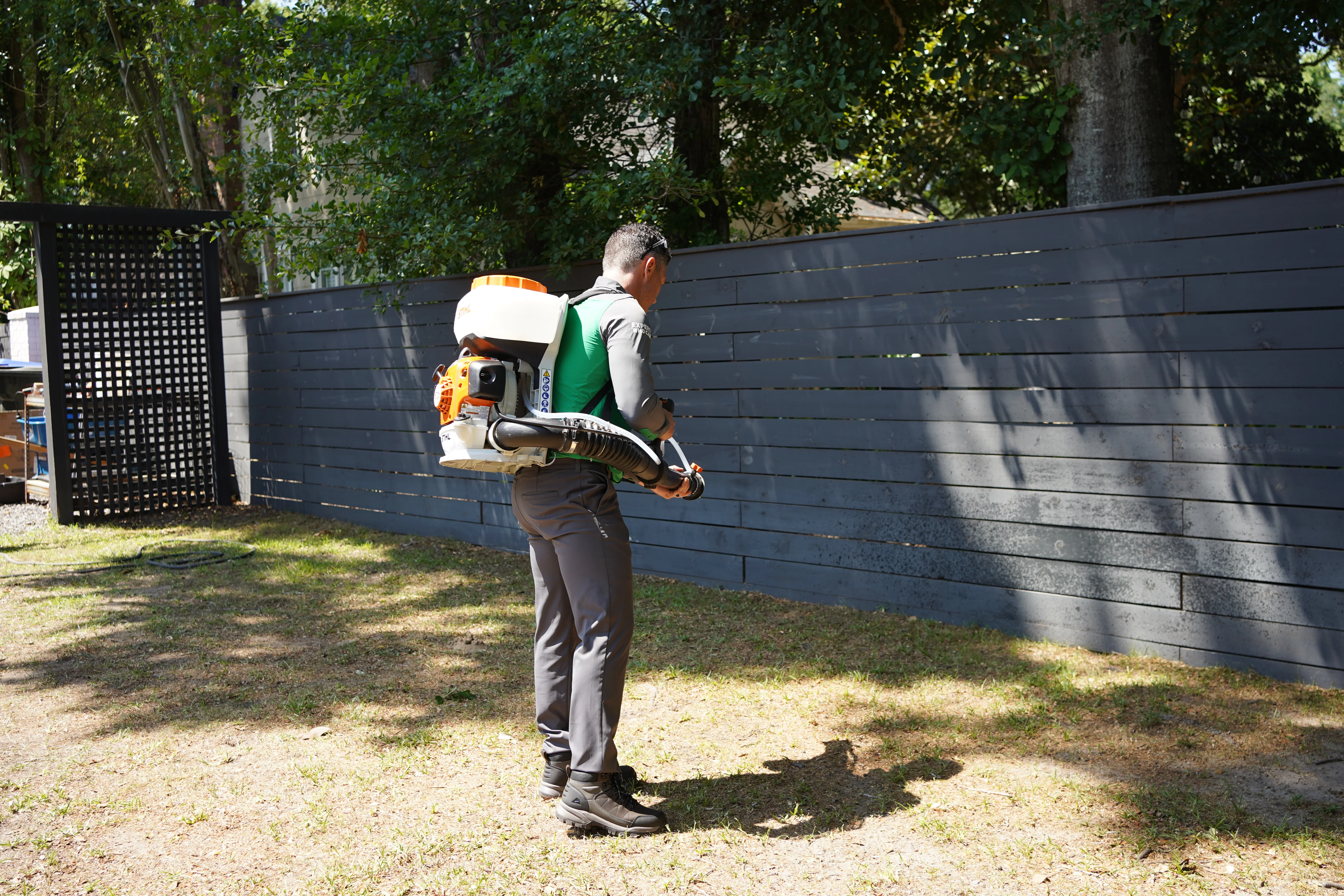
Targeted Colony Treatment
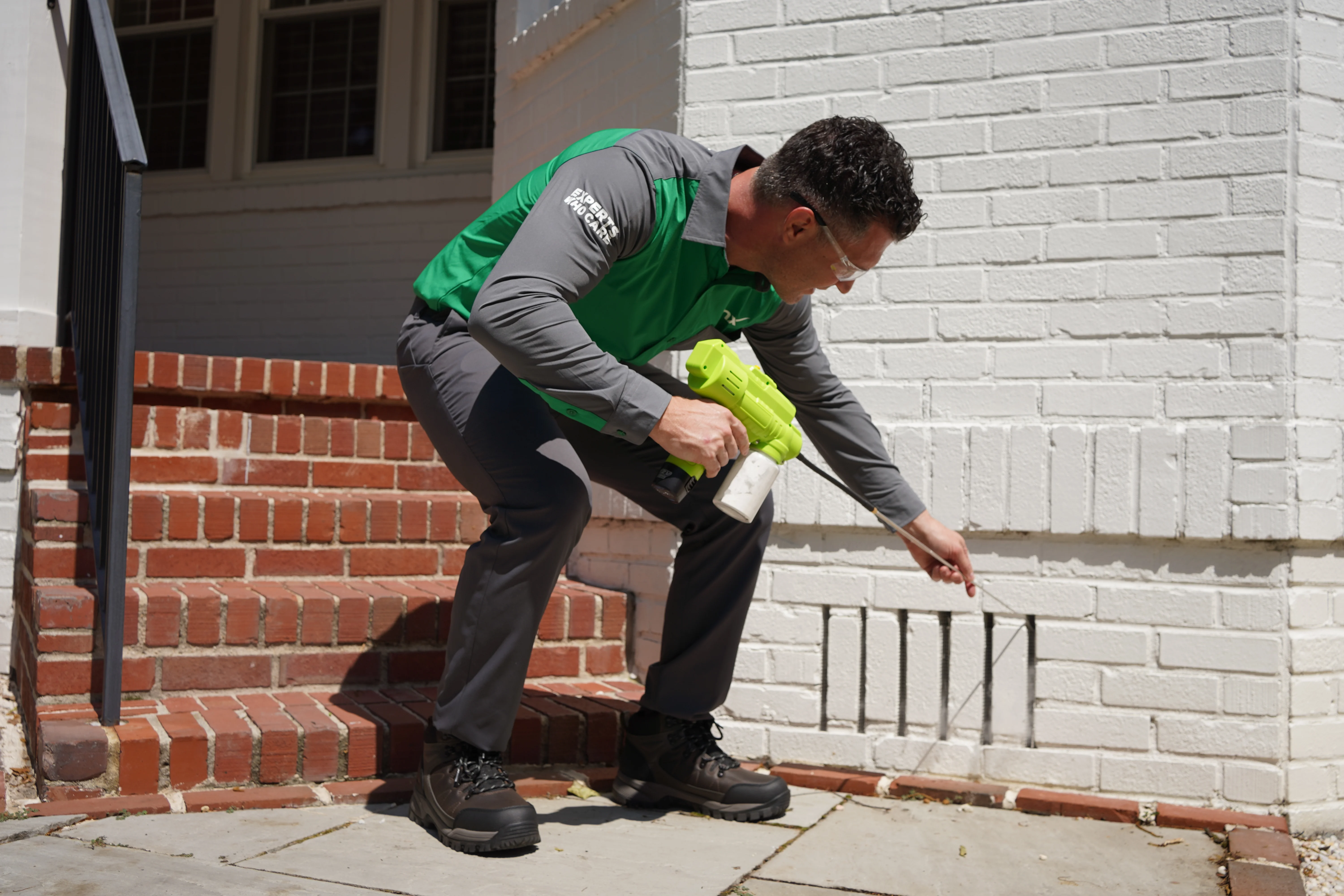
Treatment targets the soil-to-structure path subterranean termites travel through mud tubes, cutting off the colony’s connection between the ground and your home’s wood.
WDI Report & Documentation
For home sales, purchases, or lender requirements, we provide a complete wood-destroying insect report alongside the inspection findings.
Ongoing Monitoring
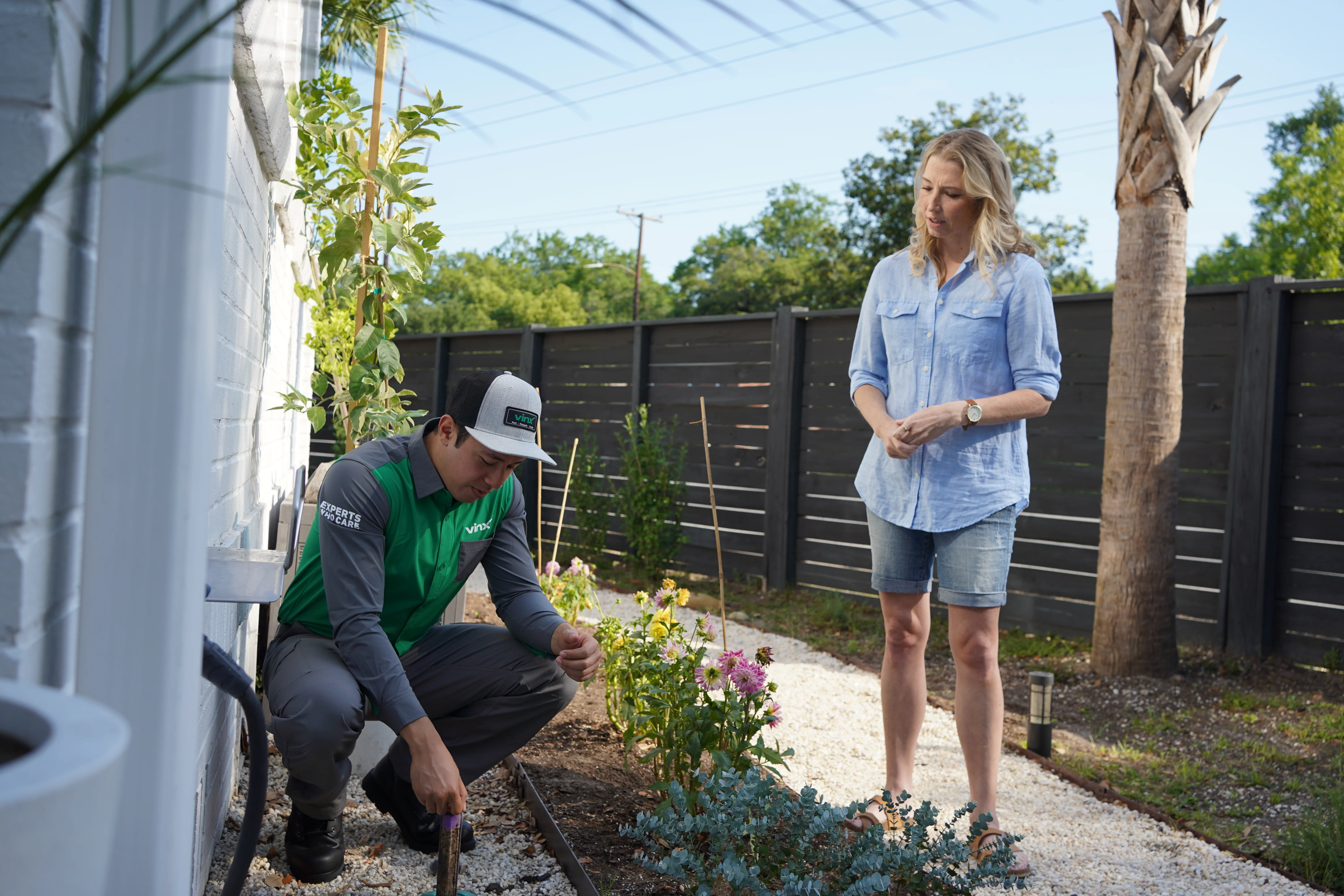
Given how consistently damp Chesapeake’s soil stays, annual re-inspection is the standard recommendation, particularly for homes near the water or in the older core.
What Our Customers Say
Real Reviews from Chesapeake Customers
Cameron was professional, and extremely expeditious. Thank you again, awesome as usual!
Always on time, always courteous, if we see critters (which we haven't yet, except for ants) they are prompt to come out.
Jonathan was the friendliest technician we’ve ever had! He was super patient and knowledgeable and was willing to truly explain everything to me when it came to our termite inspection. Great experience!
Cameron was great, best tech I’ve had out so far. Noticed termites on the property and text me about it. Left a video explaining the service too.
Ready to Protect Your Home? Call Vinx Today.
Free inspection. Next-day service available. Backed by our retreatment guarantee. Call (855) 800-8469.
Call (855) 800-8469The Local Threat
Why Termite Control in Chesapeake Isn’t One-Size-Fits-All
Most termite content for the Hampton Roads region is built around a treatment product name rather than the actual geography driving termite pressure. That skips over what makes Chesapeake specifically vulnerable: a low, wet city that borders a substantial portion of the Great Dismal Swamp National Wildlife Refuge and is threaded by the Southern Branch of the Elizabeth River, the Intracoastal Waterway and the historic Dismal Swamp Canal. Subterranean termites need contact with moisture, and this is ground that never fully dries. The City’s own soil survey puts 80 to 90 percent of Chesapeake’s soils in the hydric class, and its planners describe the city’s relief as low elevations, low relief and abundant wetland areas — which is what keeps soil moisture high right across the city.
South Norfolk’s dense, closely-built blocks — the footprint left behind by its century as its own separate municipality — and Great Bridge’s older construction near the Intracoastal Waterway locks carry a specific risk: settled foundations and aging entry points that colonies have had generations to work into. That’s a different problem from Deep Creek and the Dismal Swamp corridor, where the risk isn’t the age of the wood but chronic soil saturation from year-round wetland humidity, conditions that keep subterranean colonies fed and active nearly year-round.
Hickory and rural south Chesapeake add a third distinct pattern: working farmland toward the North Carolina line where barns, sheds and fencing put wood in direct contact with soil, and well and septic systems keep patches of ground permanently damp. Greenbrier’s commercial slabs and irrigated office-park landscaping round things out with foundations that hold onto moisture longer than the drier, more built-out parts of the city. The termite responsible is always the same one, the eastern subterranean, but the moisture source and entry pattern genuinely differ from zone to zone.
There is a second soil property here that decides where termites actually get in, and it has nothing to do with water table. The City’s assessment singles out soils with a high shrink-swell potential as “unstable and thus poorly suited for foundations, roadways, and septic drainfields”, noting the ratio tracks a soil’s clay content and responds to changes in moisture. Clay that swells wet and shrinks dry moves whatever is built on it, season after season, and what it opens is exactly what a subterranean colony needs: a hairline separation at a slab edge, a settled pier, a gap where a drainfield line passes through. On this ground the inspection is as much about movement as about moisture.
The Termite Species Behind Chesapeake’s Damage
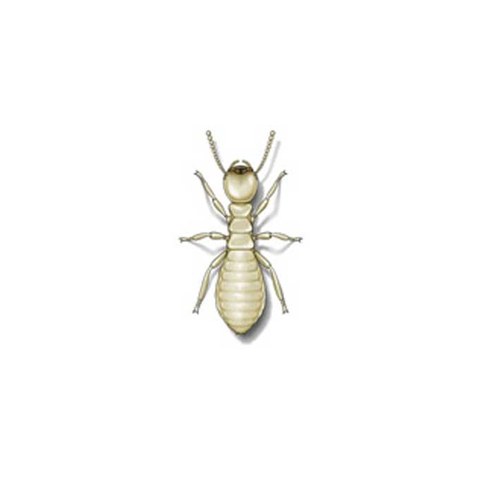
Eastern Subterranean Termite (Reticulitermes flavipes)
The subterranean termite most commonly found in Virginia, according to Virginia Cooperative Extension, and the species behind termite damage across Hampton Roads. Lives in the soil and builds flattened, pencil-width mud tubes to bridge foundations and reach wood. Winged swarmers turning up indoors on a warm spring day, often right after rain, strongly suggest an established colony nearby.
A note on drywood termites: several national chains advertise drywood treatment, yet Virginia Tech's Insect Identification Lab reports drywood termites are very uncommon in Virginia, found in only a few locations. Essentially every genuine termite concern in Chesapeake traces back to the soil-dwelling eastern subterranean termite.
Termite Risk by Neighborhood
Termite Risk Across Chesapeake Neighborhoods
Great Bridge — SETTLED-FOUNDATION RISK
Older, established construction near the Intracoastal Waterway locks and the site of the 1775 Battle of Great Bridge, carrying the aging entry points and waterside moisture that setting tends to create. Settled piers and decades-old crawlspaces give colonies routes they have had generations to work into.
South Norfolk — SETTLED-FOUNDATION RISK
The dense, closely-built urban footprint left behind by South Norfolk’s century as its own separate municipality. Closely spaced older housing means shared moisture problems and aging foundations, and the eastern subterranean termite finds a house through the points where treated soil has been bridged or disturbed.
Greenbrier Commercial Corridor — OLDER FOUNDATION & IRRIGATION RISK
Malls, office parks and apartment communities around Greenbrier. Large commercial slabs mean more penetrations, and irrigated landscaping keeps ground damp against foundations longer than the drier, more built-out parts of the city.
Deep Creek & the Great Dismal Swamp Corridor — HIGHEST MOISTURE PRESSURE
Bordering a substantial portion of the Great Dismal Swamp National Wildlife Refuge and the historic Dismal Swamp Canal, this part of Chesapeake deals with wetland humidity as a daily, year-round factor. Subterranean termites need contact with moisture, and soil that never fully dries against a foundation is exactly the condition they exploit.
Hickory & Rural South Chesapeake — WOOD-TO-SOIL CONTACT RISK
The working farmland stretching south toward the North Carolina line, where barns, sheds and fencing put wood in direct contact with soil and well and septic systems keep patches of ground permanently damp. Any wood-to-soil contact point is a potential entry point, so outbuildings are inspected alongside the house.
Warning Signs
Signs of Termite Activity in Your Chesapeake Home or Business
Thin Mud Tubes Climbing Piers or Foundation Walls
About pencil-width, these are the tunnels subterranean termites build to travel between soil and wood.
Swarmers or Shed Wings on Sills and in Spiderwebs Each Spring
A flurry of winged termites indoors is the single most common reason Chesapeake homeowners first call.
Timber That Rings Hollow Under a Knock
A sign that wood has been hollowed out from the inside by an active colony.
Paint That Ripples or Blisters
Often a sign of moisture and termite activity working beneath the surface.
Windows or Doors That Begin Binding
Can indicate weakened structural wood settling out of shape.
Homeowner Tips
6 Ways to Lower Your Termite Risk in Chesapeake
Kid & Pet Safe
Our Treatments Are Safe for Your Whole Family: Including the Furry Members
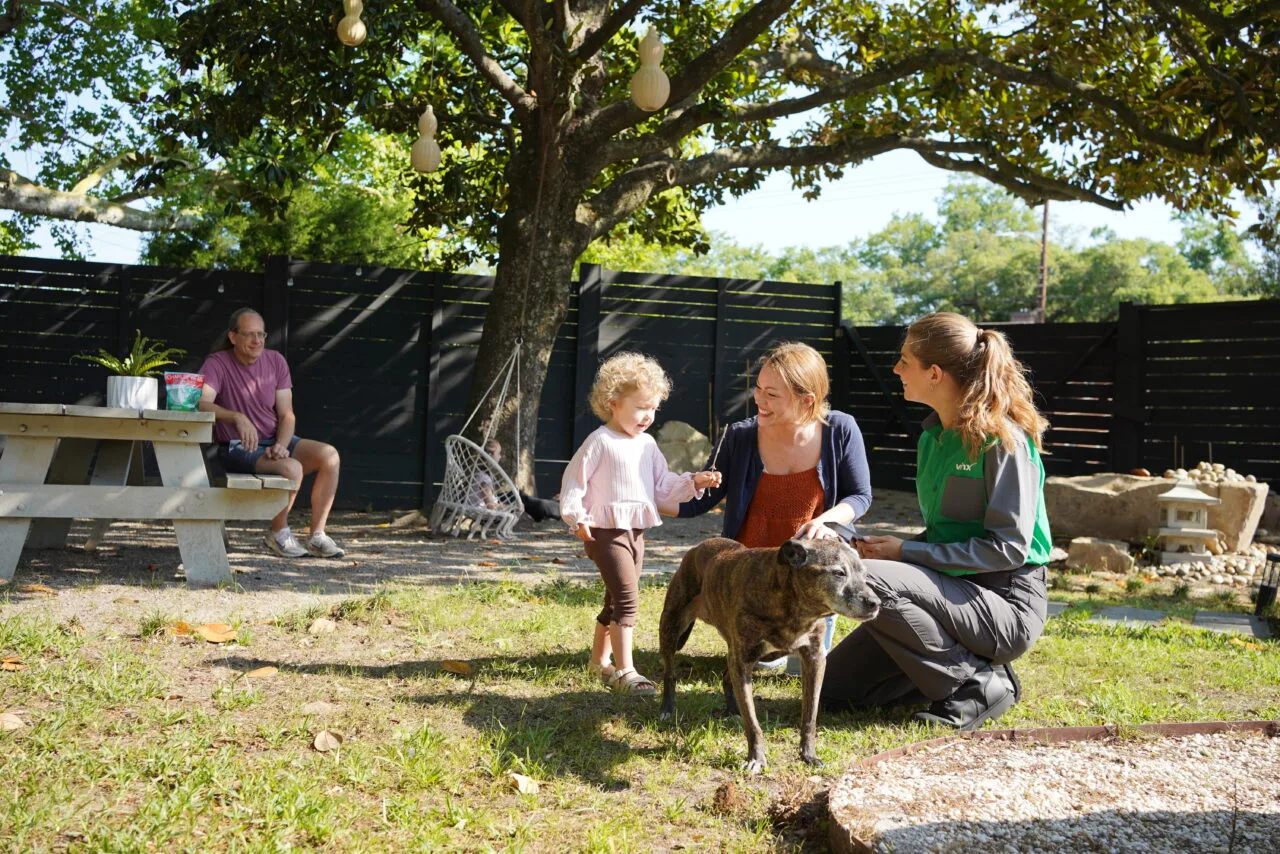
Every product we use is EPA-registered and applied strictly at labeled rates by licensed technicians. We take the guesswork out of safety so you can feel confident letting kids and pets back into treated areas quickly.
EPA-Registered Products Only
Applied strictly at labeled rates by technicians registered with the Virginia Department of Agriculture and Consumer Services (VDACS).
Family & Pet-Safe Treatments
Termite treatment is applied to soil and structural areas and is safe for households once complete.
Insurance Rarely Covers Termite Damage
Which makes prevention and an active retreatment guarantee the more affordable path for most Chesapeake homeowners.
Questions About What We Use?
Have a concern about treatment near a crawlspace your kids or pets access? Call (855) 800-8469 and we’ll walk you through exactly what we use.
Explore More
More Pest Control Services in Chesapeake

Pest Control Chesapeake
Year-round protection plan

Spider Control Chesapeake
All spider species covered

Ant Control Chesapeake
Fire ants & all ant species

Mosquito Control Chesapeake
Monthly barrier treatments
Tick & Flea Control Chesapeake
Yard & interior treatments

Rodent Control Chesapeake
All rodents covered
Cockroach Control Chesapeake
American & German roaches

Bed Bug Control Chesapeake
Heat & liquid treatments
Exterminator Chesapeake
Same-day local exterminators
Frequently Asked Questions
Termite Control FAQ for Chesapeake Homeowners & Businesses
Standalone termite protection begins at $35/mo on our Termite TotalDefense plan, covering inspection, treatment and ongoing monitoring. It can also be added to any general pest plan. Call 855-800-8469 for a free quote.
Almost certainly not. Virginia Tech reports drywood termites are very uncommon in Virginia and have been found in only a few locations. Essentially every genuine termite concern in Chesapeake traces back to the soil-dwelling eastern subterranean termite.
In practice, yes. A wood-destroying insect (WDI) report is a standard part of most Chesapeake closings and is commonly a lender requirement. We provide both the inspection and the report.
Check waist and wings: a termite swarmer is straight-sided with wings of equal length, while a flying ant is pinched at the waist with mismatched wings. Either way, swarmers indoors are worth a professional inspection.
Constant soil moisture from tidal flooding, a high water table, and humid crawlspaces keeps subterranean termite colonies fed and active nearly year-round across Chesapeake.
Rarely. Most policies exclude termite damage, which makes prevention and an active termite protection plan the more affordable long-term option.
Yes. Technicians registered with the Virginia Department of Agriculture and Consumer Services (VDACS) apply treatments strictly at labeled rates, and treated areas are safe for the household once the work is done.
Yes. Vinx services all of Chesapeake, including Great Bridge, South Norfolk, Greenbrier, Deep Creek, Western Branch, Hickory, and every neighborhood in between.
Yes. Vinx Pest Control is licensed and insured to operate in Virginia, with technicians registered with VDACS and trained to inspect, treat, and document eastern subterranean termite activity throughout Chesapeake and the greater Hampton Roads area.
Service Coverage
Termite Control Across Chesapeake & Hampton Roads
Serving every neighborhood in and around Chesapeake
Serving the Greater Hampton Roads Area