
Termite Control in Gloucester, VA
Eastern Subterranean Termite & Wood-Destroying Insect Experts
Gloucester has been building in wood since the 1600s, from Ware Church to the farmhouses of Guinea Neck, and its damp, low-country soil has been feeding subterranean termites the whole time. Waterfront homes sit closest to the high water table, and every crawlspace that traps humidity shortens the trip from soil to sill.
Get Started in 60 Seconds
Choose what’s easiest for you
Request a Quote
We usually respond in 2 minutes
Call 855-800-8469
Get a Live Person (no AI agents here!)
Sign Up Online
Get pricing and schedule now





Welcome to Vinx Pest Control
A Company That Actually Backs What It Says
At Vinx, we pair professional-grade treatment with a level of follow-through most pest control companies skip. Local technicians, fast response, and a guarantee that holds up after the invoice is paid.
Get a Free Quote"I'm not passionate about killing bugs. I'm passionate about customer service. At Vinx, you get experts who show up, do the job right, and stand behind every visit. No runaround, no fine print."
WELCOME TO VINX PEST CONTROL
Termite & Home-Protection Pricing in Gloucester

Standard Residential Protection
- 4 Seasonal Treatments Per Year
- 50+ Covered Pests
- Interior, Exterior & Yard Treatment
- Unlimited Free Re-Services
- 100% Money-Back Guarantee

Upgraded Yard Protection
- 6 Home & Yard Treatments Per Year
- 50+ Covered Pests
- Yard Ant Elimination Guarantee
- Flea & Tick Elimination Guarantee
- 100% Money-Back Guarantee

Most Comprehensive Protection
- 9 Treatments Per Year
- 50+ Covered Pests
- 8 Mosquito Treatments (Mar–Nov)
- Flea, Tick & Ant Coverage
- Free Bed Bug Treatments if Needed*
Termite work is quoted after inspection; general pest plans run $49, $75, and $109 a month with a $329 initial treatment, and the termite bond, soil treatment, and WDI inspection are quoted separately. Call (855) 800-8469 for a free Gloucester termite quote.
Get Your Free Gloucester Termite Inspection
Fill out the form below and a Vinx team member will reach out within 2 minutes during business hours.
Prefer to talk? Call 855-800-8469 for a live person, no AI agents.
Our Approach
How Our Gloucester Termite Treatment Works

Full WDI Inspection
We start with a complete wood-destroying-insect inspection across crawlspaces, piers, and wood-to-soil contact points, from waterfront homes at Gloucester Point to the barns and older farmhouses up north.
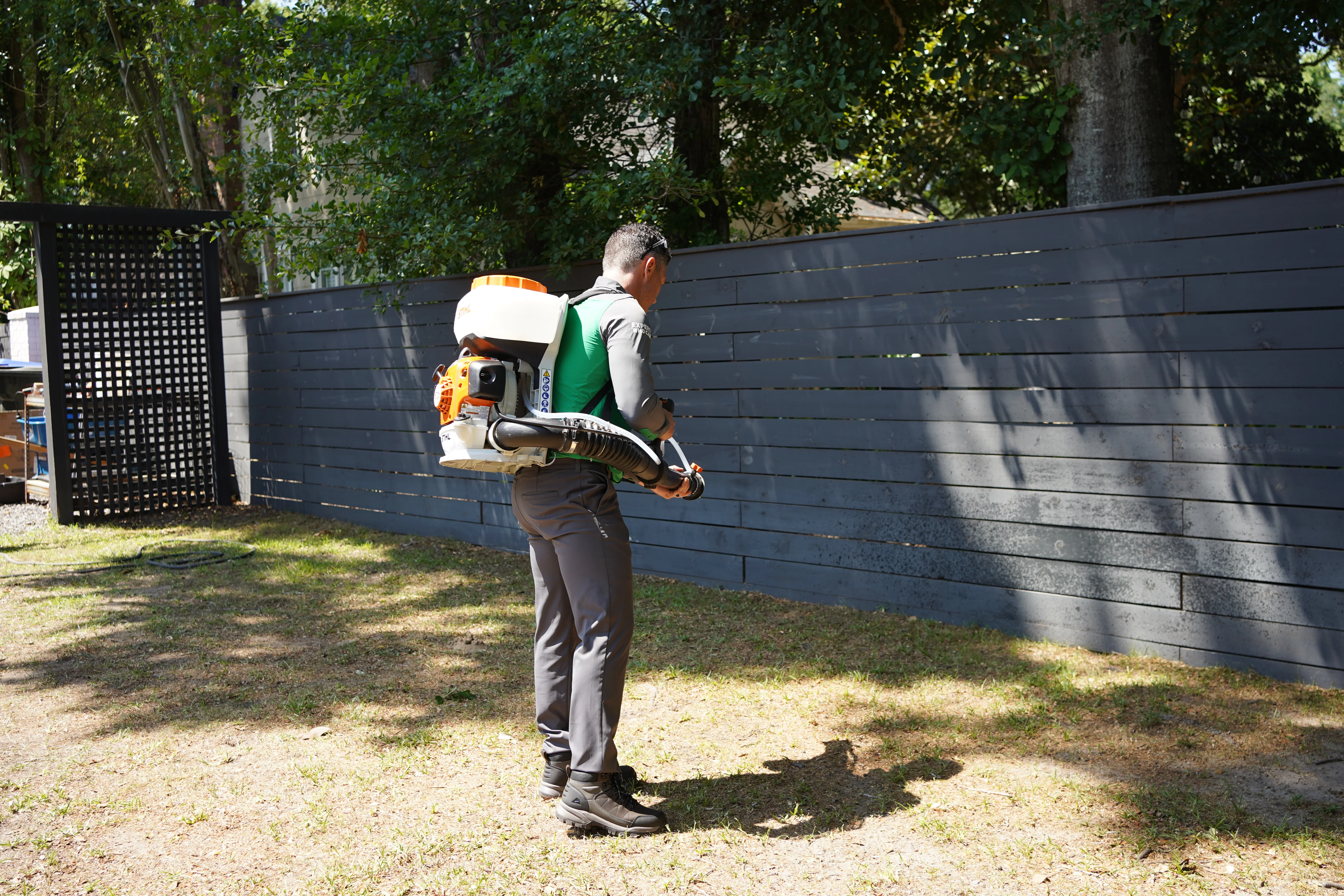
Liquid Termiticide Soil Barrier
Getting rid of subterranean termites means treating the soil they travel through, so a liquid termiticide barrier goes in around the foundation rather than a spot treatment on visible damage.
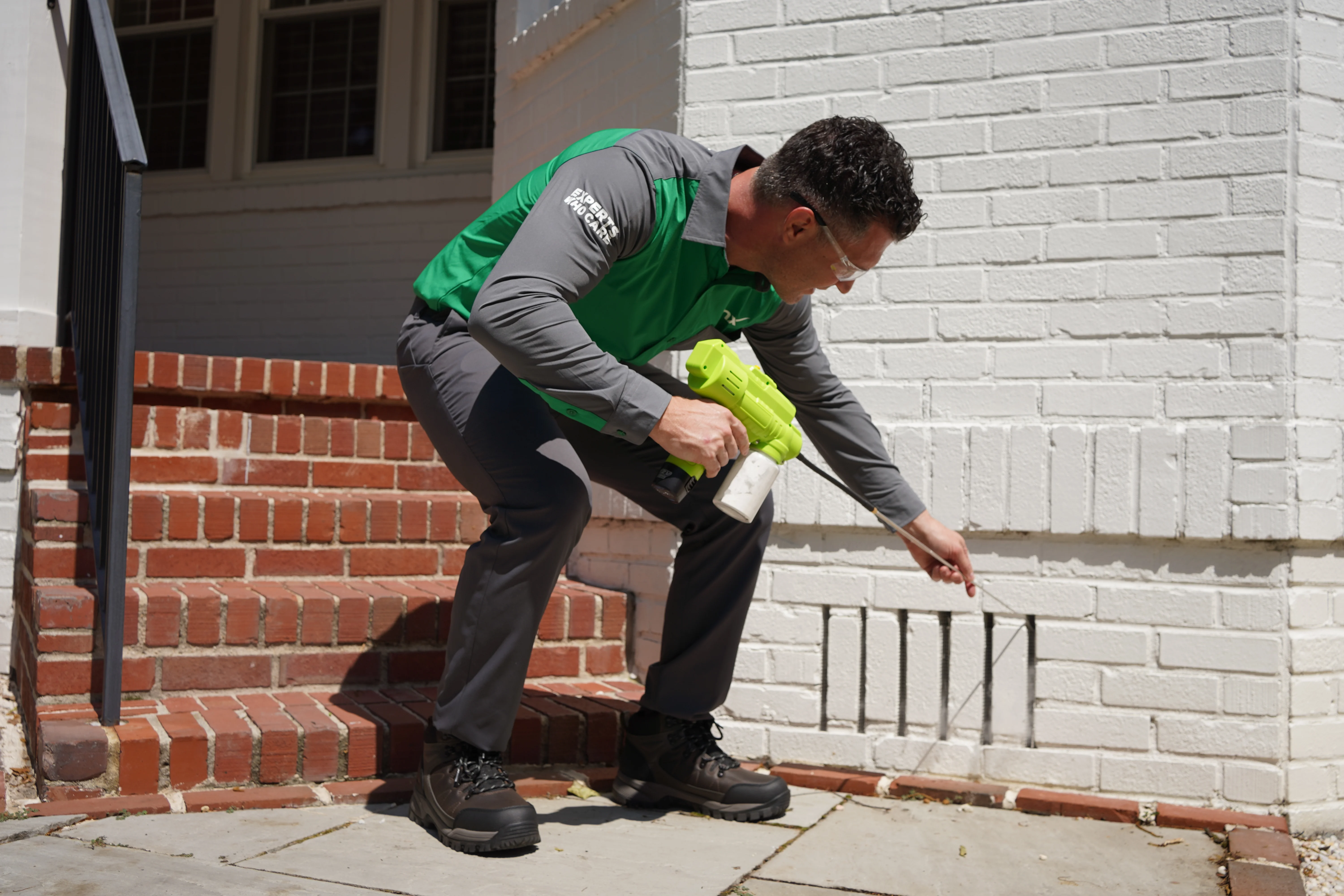
In-Ground Bait Stations Where They Fit
Where the home suits it, in-ground bait stations let the colony carry the treatment back to the nest.
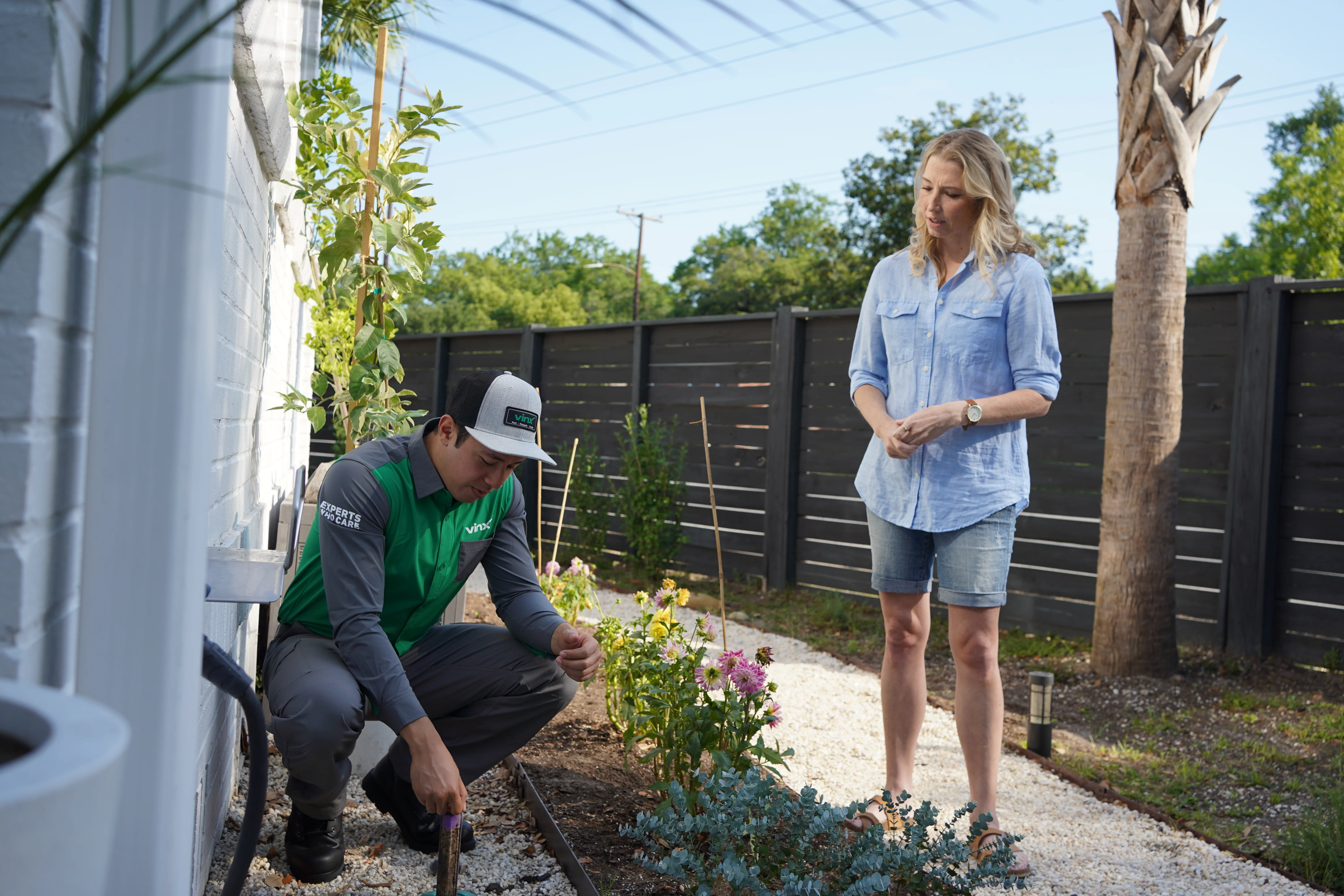
A Termite Bond That Keeps It Monitored
A bond means we re-inspect and re-treat on a schedule so a colony can’t re-establish and the protection doesn’t lapse.
What Our Customers Say
Real Reviews from Gloucester Customers
The tech, Mitch, is a true professional. Patiently answers all my questions, friendly & polite. If you have a pest problem, mine are ants & termites, this is an invaluable investment!!
Mitchell was very informative, professional and polite. He was very knowledgeable in his field and took his time explaining each service to us. 10/10
Never have had a problem. They've always had good communication and are prompt.
Jeremiah from Vinx Pest Patrol was professional and courteous. He called me when he arrived on my property to let me know he was at my home and ready to start the job. He arrived early and he did a great job.
Ready to Protect Your Home? Call Vinx Today.
Free inspection. Next-day service available. Backed by our money-back guarantee. Call (855) 800-8469.
Call (855) 800-8469Gloucester Termite Pressure
Why Gloucester Ground Stays Termite-Friendly
Subterranean termites live in the soil and need it damp, and a rural county laced with the Ware, North, Severn, and Poropotank rivers keeps the water table high and the ground moist. Add the crawlspaces common under older Gloucester homes, which trap humidity, and the trip from soil to sill is short. The wetter the wood, the faster a colony works.
Virginia Cooperative Extension describes this species as cryptobiotic — a hidden lifestyle, spent entirely beneath the soil, inside the wood, or within mud tunnels — which is the reason infestations here are usually found late rather than early. They come in from the soil along the foundation, through cracks in a slab, utility conduits, expansion joints and plumbing connections. Above-ground infestations with no soil connection are rare in most of Virginia, because they need extremely moist conditions year round; where they do turn up it tends to be a house with a flat roof or a chronic leak, and in those cases the moisture problem can be doing as much damage as the termites.
The eastern subterranean termite is the main structural threat, coming up from the soil through mud tubes, while the old-house borer attacks the aged softwood common in the county’s older homes and barns. Carpenter bees bore the eaves and rails of farmhouses and outbuildings, and powderpost beetles riddle seasoned hardwood in floors, trim, and antique framing.
One national franchise’s Gloucester termite page 404s, and the generic listings treat the whole county as a single problem. That misses how differently the pressure plays out between Gloucester Point’s waterfront homes, the Courthouse’s colonial-era buildings, Guinea’s farmhouses and outbuildings, and the barns of the rural north end.
The Census puts a number on how much old wood that actually is, and the comparison one bridge away is startling. About 7.5% of Gloucester County’s housing predates 1940 — against 1.0% in York County, directly across the York River. Seven times the share of pre-war building, in a county whose soil the same page describes as damp year-round. Roughly 36% of the stock predates 1980 altogether. Original sills, hand-framed crawl spaces and outbuildings added piece by piece over decades are not a small minority of the housing here; they are a third of it, and they are what a Gloucester termite inspection is mostly looking at.
The Termite That Threatens Gloucester
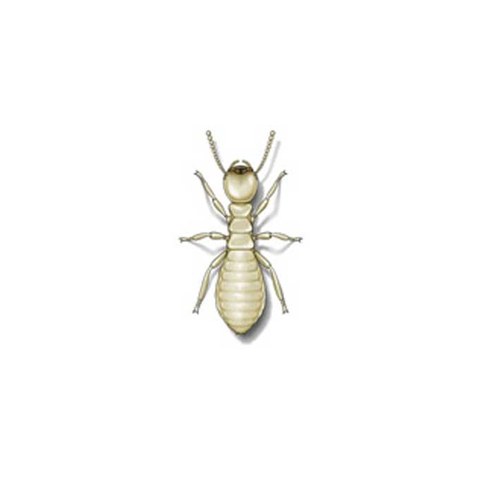
Eastern Subterranean Termite (Reticulitermes flavipes)
Eats structural wood from the soil up, reaching it through pencil-thin mud tubes on piers and foundation walls, and is the main structural threat across the Middle Peninsula. Swarms in spring, generally March through May, and winged termites appearing indoors are treated as a sign of an active colony nearby.
Wood-destroying insects in Gloucester homes: the eastern subterranean termite eats structural wood from the soil up, showing pencil-thin mud tubes on piers and walls. The old-house borer tunnels aged softwood framing, leaving oval exit holes and an audible rasping sound in the walls. The carpenter bee bores round galleries in trim, leaving finger-width holes with sawdust below. Powderpost beetle larvae honeycomb hardwood, leaving tiny holes and fine, flour-like dust. Each needs different treatment, and in aged wood identifying the right one first matters.
A note on drywood termites: national pest control chains market drywood treatment, but Virginia Tech's Insect Identification Lab records drywood termites as very uncommon in Virginia, known from only a few locations. Essentially every genuine termite concern in Gloucester traces back to the soil-dwelling eastern subterranean termite.
Termite Risk by Neighborhood
Where Termite Pressure Concentrates Across Gloucester
Gloucester Point & the York River Waterfront
Older waterfront homes sit closest to the high water table subterranean termites need, with crawlspaces that trap humidity.
Gloucester Courthouse & the Route 17 Corridor
Colonial-era and historic buildings carry generations of aged wood close to damp ground, a favorite target for both termites and old-house borers.
Guinea Neck & the Mobjack Bay Shore
Farmhouses and seafood-house outbuildings near the rivers see steady subterranean termite pressure from the high local water table.
Hayes, Petsworth & the Rural North End
Barns and older farmhouses face the same soil-moisture pressure further inland, wherever a crawlspace or low corner stays damp.
Warning Signs
Signs Worth a Closer Look
Pencil-Thin Mud Tubes Climbing a Pier, Foundation Wall, or Crawlspace Beam
The clearest sign of active subterranean termite activity.
Swarmers or a Scatter of Dropped Wings Near Windows in Spring
The most common way Gloucester homeowners first notice a colony.
Small Round or Oval Exit Holes With Sawdust or Fine Powder Beneath
A sign of borer or beetle activity.
Floor or Trim That Sounds Hollow, or a Door That Has Begun to Stick
Often the first hint of structural damage underway.
Why It Pays to Move Early
A Sale and Its WDI Report
Lenders on VA and FHA loans typically require the wood-destroying-insect report at closing.
A Spring Swarm Indoors
The most common trigger for a call across the county.
Aged or Low-Lying Wood Worth Documenting
Owners of older and waterfront homes want protection they can show.
A Remodel That Opens a Wall or Crawlspace
Old, quiet damage often turns up the moment something gets opened.
Homeowner Tips
6 Ways to Keep Termites Away From Your Gloucester Home
Kid & Pet Safe
Our Treatments Are Safe for Your Whole Family: Including the Furry Members
Every product we use is EPA-registered and applied strictly at labeled rates by licensed technicians. We take the guesswork out of safety so you can feel confident letting kids and pets back into treated areas quickly.

EPA-Registered Products Only
Applied strictly at labeled rates by technicians registered with the Virginia Department of Agriculture and Consumer Services (VDACS).
Family & Pet-Safe Once Applied
Soil-applied termiticide is safe for kids, pets, and livestock once treatment is complete.
Historic-Building Aware
We treat colonial-era structures and older farmhouses with their age and construction in mind.
Questions About What We Use?
Have a concern about products used near your historic home or farm? Call (855) 800-8469 and we’ll walk you through exactly what we use.
Explore More
More Pest Control Services in Gloucester

Pest Control Gloucester
Year-round protection plan

Spider Control Gloucester
All spider species covered

Ant Control Gloucester
Fire ants & all ant species

Mosquito Control Gloucester
Monthly barrier treatments
Tick & Flea Control Gloucester
Yard & interior treatments

Rodent Control Gloucester
All rodents covered

Cockroach Control Gloucester
American & German roaches

Bed Bug Control Gloucester
Heat & liquid treatments
Exterminator Gloucester
Same-day local exterminators
Frequently Asked Questions
Termite Control FAQ for Gloucester Homeowners
General pest plans run $49, $75, and $109 a month with a $329 initial treatment; the termite bond, soil treatment, and wood-destroying-insect (WDI) inspection are quoted separately after we look at the home. Call 855-800-8469 for a free Gloucester termite quote.
Watch for pencil-thin mud tubes on the foundation, spring swarmers or shed wings by the windows, hollow-sounding trim, and sticking doors. A professional termite inspection confirms whether it’s an active infestation and which wood-destroying insect is involved.
Yes, and Virginia Cooperative Extension sets out three indicators worth knowing. Mud tubes: flattened, muddy, usually about the width of a pencil, most obvious where they run over a concrete foundation, but often far less visible tracking along cracks, under flooring, or behind siding and baseboards. Swarmers: winged termites are frequently the first sign anyone sees, and because they are attracted to light they turn up indoors around light fixtures, windows, doors and vents — while large numbers of discarded wings on windowsills, on the floor, or caught in spider webs are described as a sure sign of infestation. Wood damage: look for dark areas or blisters in wood flooring, and test suspect timber by tapping it every few inches with the handle of a screwdriver. The reason damage hides so well is that these termites eat only the spring wood, leaving the grain and the outer surface intact, so a board can look sound and sound hollow. If the screwdriver breaks through into the galleries and the colony is active, you will see the workers inside. Any of the three is worth a call rather than a wait.
A termite bond is an ongoing service agreement: we treat, then re-inspect and re-treat on a schedule so a colony can’t re-establish. On low, damp Middle Peninsula lots and older homes it’s worthwhile, and lenders often like to see continuing protection.
Almost certainly not. Virginia Tech’s Insect Identification Lab reports drywood termites are very uncommon in Virginia and have been found in only a few locations. On the Middle Peninsula the damage comes from the soil-dwelling eastern subterranean termite, which reaches wood through mud tubes.
Often, yes. A county with colonial-era churches and generations of farmhouses has a lot of aged, untreated wood close to damp ground, which is exactly what subterranean termites and old-house borers exploit.
They can, and Virginia Cooperative Extension singles this out as a common problem in Virginia specifically. Where brick veneer, stucco or rigid foam insulation continues below the grade line, it gives subterranean termites a concealed route up into the structure — behind the veneer, out of sight. The consequence is the part that matters: there is no external evidence of termite presence, so the infestation typically goes undiscovered until the damage itself becomes obvious. No mud tubes on the foundation face, nothing to notice on a walk round the house. It is worth knowing which you have. On a home where the veneer or stucco runs below grade, inspection has to work from the inside and from the crawlspace, and monitoring stations around the perimeter earn their keep, because you are not going to get the early visual warning that an exposed block foundation would give you. This is also a good question to put to your inspector directly rather than waiting for it to appear on a report.
Usually. Lenders on VA and FHA loans typically require the wood-destroying-insect report, and it is routine in Gloucester closings. Two points of Virginia-specific advice from Virginia Cooperative Extension are worth following. First, have the inspection done by a pest control operator certified by the Virginia Pest Management Association for wood-destroying-organism inspections, rather than assuming any licensed company is equivalent. Second, schedule it for a time when you can be present, so the inspector can walk you round the outside and point out the conditions that are conducive to infestation and what to do about them — which is the part of the visit with the most value in it and the part most buyers miss by staying away. Note also that the requirement comes from the lender rather than from Virginia: the state does not oblige a seller to produce one. We inspect and issue the report, and Vinx holds Virginia license 16029.
Yes. The products are EPA-registered and applied by a licensed technician, and the treated area is safe once it has dried.
Usually water, and usually something fixable. Virginia Cooperative Extension lists the landscape and construction conditions that invite subterranean termites, and most of them are about moisture collecting at the base of the foundation. Short downspouts and insufficiently extended eaves both dump roof water straight against the wall; a house sitting in a natural depression collects it. Mulch or gravel spread against the foundation holds it there, and the guidance is direct — keep the ground immediately next to the foundation as dry as you can, so termites prefer to forage somewhere else. The construction-side items are worth asking about too, because they are invisible once a house is finished: form boards, grade stakes and spacers left in place after a slab is poured, construction debris buried under a porch or stoop, and wood scraps used to fill the cavities of concrete blocks, which let termites forage up through the voids. On a low, damp Middle Peninsula lot these details decide how hard a property is to protect. Fixing drainage will not clear an active colony, but it changes the odds considerably.
Service Coverage
Termite Control Across Gloucester County & the Middle Peninsula
Serving every neighborhood and business in and around Gloucester.
Serving the Greater Hampton Roads Area