Termite Control in Inman, SC
Eastern Subterranean Termite Experts
Roughly one home in seven in Inman predates 1940, and more than half the town predates 1980 — by a distance the oldest housing stock in this part of Spartanburg County. For termites that is the whole brief. Old framing is not inherently at risk, but a century of porch rebuilds, added steps, settled grade and replaced sills creates wood-to-soil contact the original builder never left, and any soil treatment applied decades ago has long since lapsed. Vinx inspects for the native Eastern subterranean termite, which is what is actually documented in this county.
Get Started in 60 Seconds
Choose what’s easiest for you
Request a Quote
We usually respond in 2 minutes
Call 855-800-8469
Get a Live Person (no AI agents here!)
Sign Up Online
Get pricing and schedule now




Welcome to Vinx Pest Control
A Company That Actually Backs What It Says
At Vinx, we pair professional-grade treatment with a level of follow-through most pest control companies skip. Local technicians, fast response, and a guarantee that holds up after the invoice is paid.
Get a Free Quote"I'm not passionate about killing bugs. I'm passionate about customer service. At Vinx, you get experts who show up, do the job right, and stand behind every visit. No runaround, no fine print."
WELCOME TO VINX PEST CONTROL
Termite Control Plans for Inman Homeowners
Standard Residential Protection
- 4 Seasonal Treatments Per Year
- 50+ Covered Pests
- Interior, Exterior & Yard Treatment
- Unlimited Free Re-Services
- 100% Money-Back Guarantee

Upgraded Yard Protection
- 6 Home & Yard Treatments Per Year
- 50+ Covered Pests
- Yard Ant Elimination Guarantee
- Flea & Tick Elimination Guarantee
- 100% Money-Back Guarantee

Most Comprehensive Protection
- 9 Treatments Per Year
- 50+ Covered Pests
- 8 Mosquito Treatments (Mar–Nov)
- Flea, Tick & Ant Coverage
- Free Bed Bug Treatments if Needed*
Termite protection is priced separately from general pest plans and varies based on home size, foundation type, and existing conducive conditions. Termite TotalDefense standalone protection starts at $35/mo — in-ground bait stations around the full perimeter, quarterly monitoring visits, a free termite inspection, and a renewable annual warranty. Termite protection can also be added to any Vinx HomeGuard, Plus, or Platinum general pest plan. General pest plans start at $49/mo and include a $329 initial treatment and 12-month agreement; termite protection is quoted separately after a free inspection since pricing depends on foundation type, square footage, and any existing conducive conditions found on-site.
Get Your Free Inman Termite Inspection
Fill out the form below and a Vinx team member will reach out within 2 minutes during business hours.
Prefer to talk? Call 855-800-8469 for a live person, no AI agents.
Our Approach
How Vinx Controls Termites in Inman

Full Inspection & Risk Assessment
Your technician inspects the foundation, crawlspace, wood-to-soil contact points, and any wood structures like outbuildings, fencing, or barns, looking for mud tubes, damaged wood, and conducive conditions.
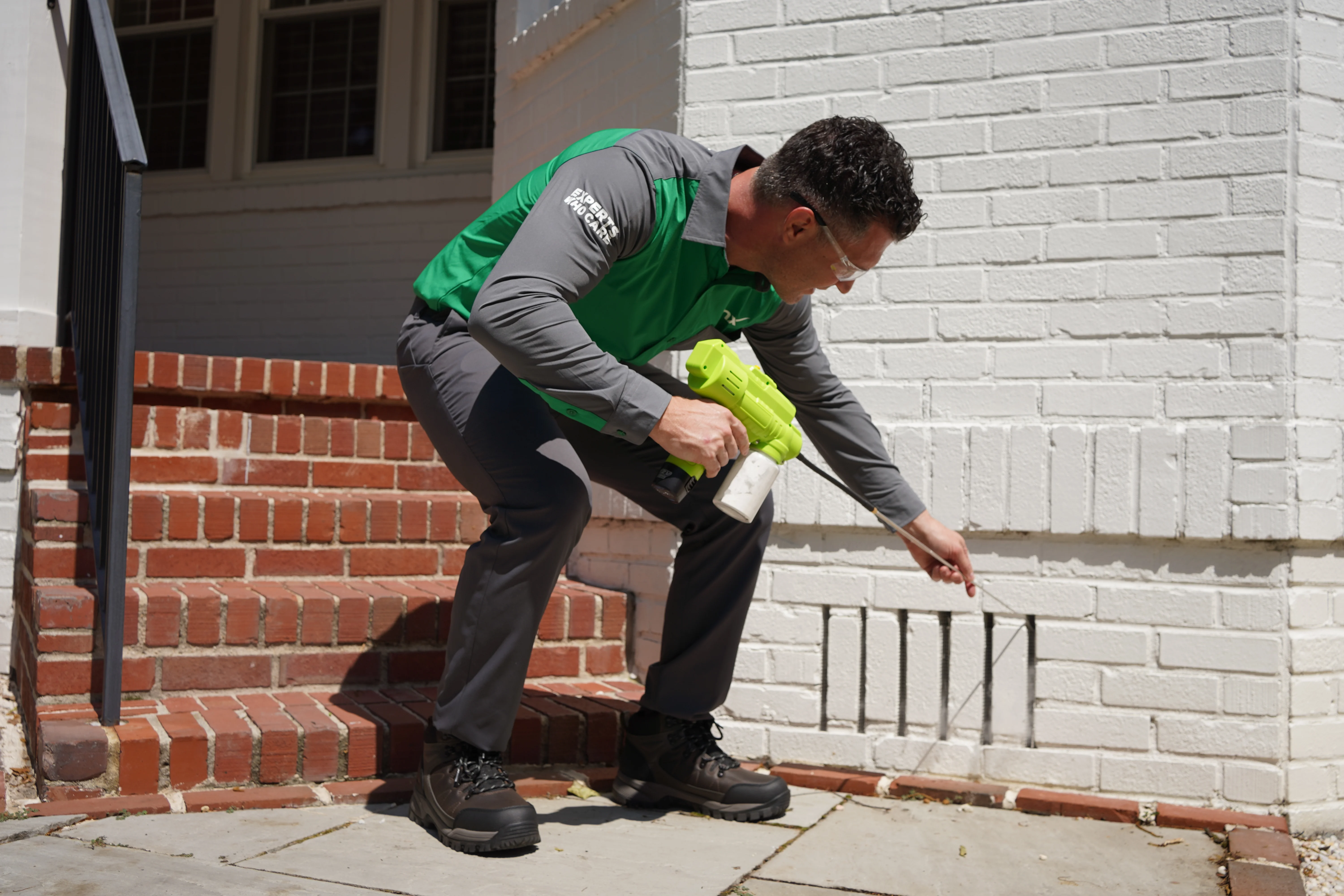
Liquid Barrier or Bait System Treatment
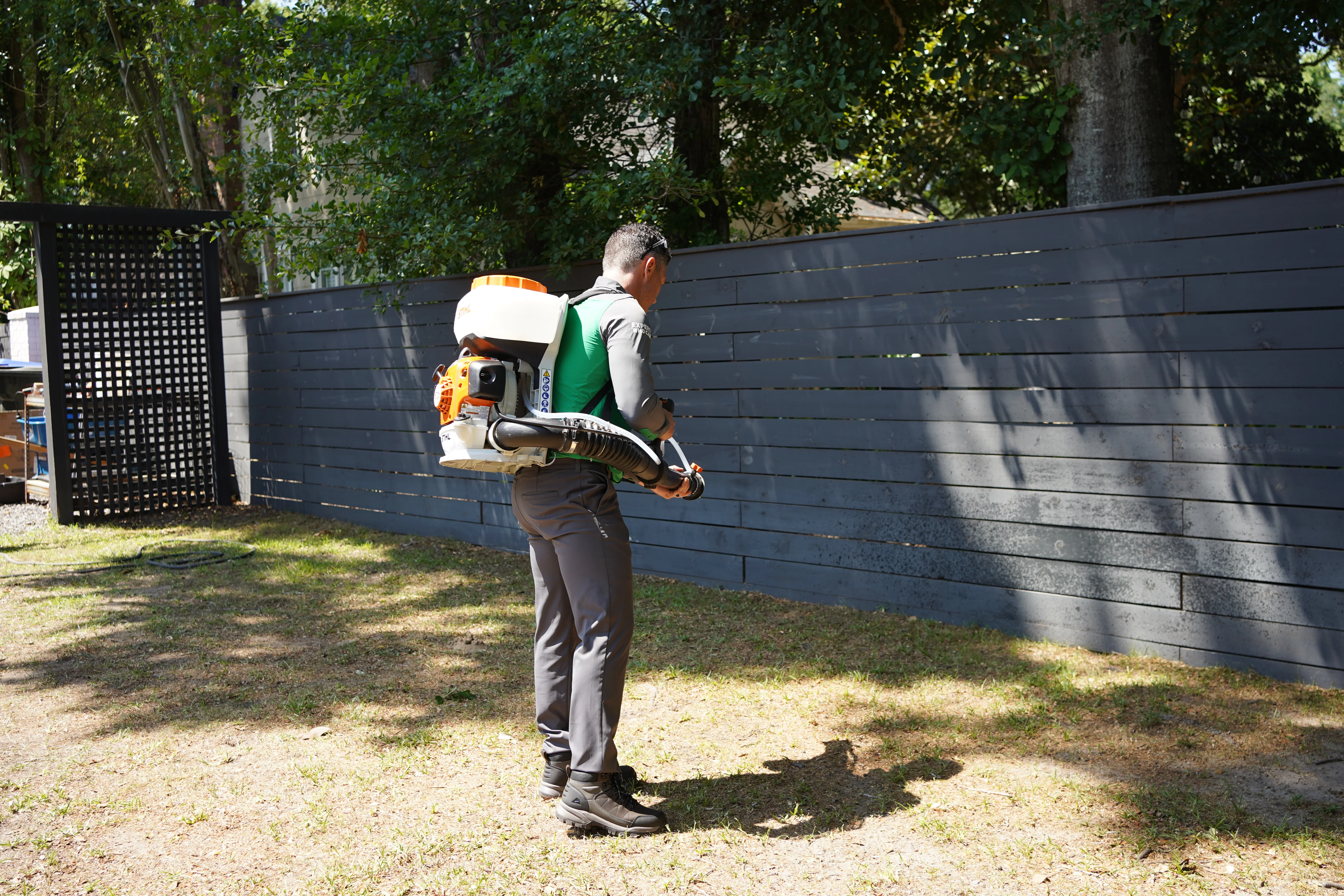
Depending on the property and level of activity, we apply a liquid termiticide barrier around the foundation or install a bait station system to intercept foraging colonies before they reach the structure.
Wood Structure & Outbuilding Treatment
Sheds, fencing, barns, and outbuildings with direct wood-to-soil contact receive targeted treatment, particularly important around the older, established housing near the historic crossroads, the surviving peach sheds and their ghost-signed timber framing, and the farm structures of the rural Spartanburg County fringe.
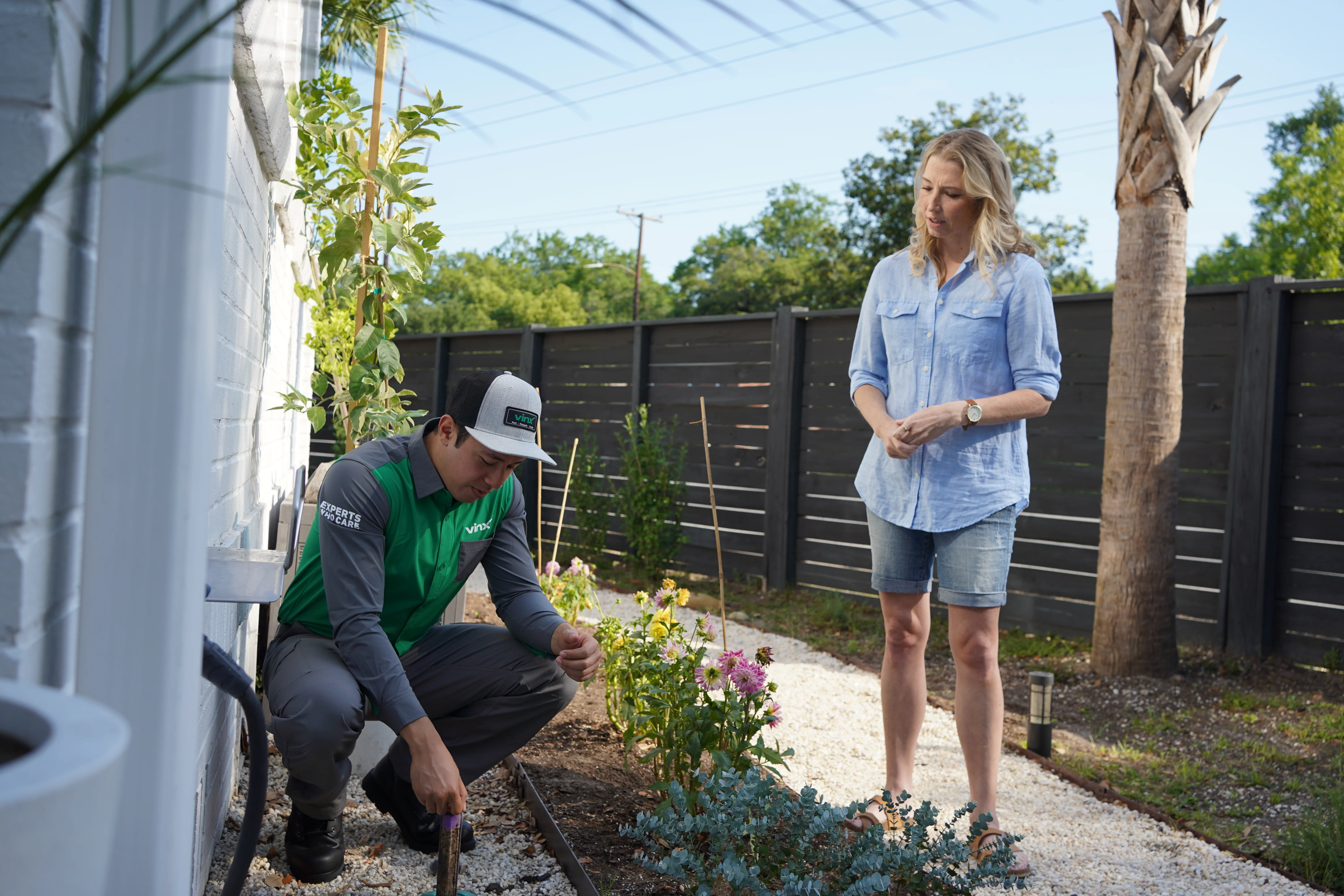
Ongoing Monitoring & Re-Inspection
Regular monitoring visits catch new activity early, with free re-service between visits if termite activity returns under an active plan.
What Our Customers Say
Real Reviews from Inman Customers
“Jonathan is very thorough, friendly and professional. He kept me informed about finding the termites, showing pictures and video.”
“Tony’s inspection highlighted several issues. With a good explanation of solutions, he’s getting my house back on track.”
“Our unit in the old mill building had some wood contact right at the foundation. Vinx explained the real risk was subterranean termites, not the ‘super termites’ another company tried to sell us on, and treated accordingly.”
“I called at 1pm on a Friday and they squeezed me in the same day — amazing. Mike and Jonathan did a fantastic job explaining the treatment plan.”
“Found mud tubes in my crawl space during a renovation. Called Vinx and they had a technician out the same day. Eastern Subterranean confirmed. The bait station system was installed the same week.”
“Termite swarmers inside our home in April. Called Vinx on a Saturday morning and they came out the same day. Established colony found in the floor joists. Treatment was completed quickly.”
The Local Threat
Why Termite Control in Inman Isn’t One-Size-Fits-All
Upstate homeowners are routinely quoted for Formosan termite protection. Before paying for it, it is worth checking where that species has actually been found. Clemson University’s Home & Garden Information Center, which tracks Formosan termite distribution based on direct research, documents established colonies in sixteen counties — Aiken, Bamberg, Beaufort, Berkeley, Charleston, Colleton, Dorchester, Georgetown, Horry, Jasper, Lexington, Orangeburg, Pickens, Richland, Sumter and York — concentrated in the coastal counties from Charleston south to Beaufort. Spartanburg County, where Inman sits, does not appear on that list. Clemson is careful to add that a county on the list does not mean the species is spread evenly through it, and that Formosan could expand into counties adjacent to those already named. Likewise, Clemson’s statewide termite research places drywood termite species almost exclusively along the humid coastal counties, not the Upstate. There is one Upstate pathway worth knowing about, and it is specific to a railroad town like Inman: the two inland Formosan finds Clemson has documented, in York and Pickens counties, both appeared to be isolated infestations carried in on old railroad ties reused as retaining walls. Both were treated, and follow-up surveys have not found Formosans in either county since. Reclaimed crossties are easy to come by along an old line like the Saluda Grade, so if you have edged a bed or built a wall with them, that is the one thing on your property genuinely worth a look.
What is genuinely well documented across Inman is the native Eastern subterranean termite, and two local conditions extend its reach. The first is the Isothermal Belt, whose inversions keep this higher ground warmer overnight and push the first hard freeze later. The second is the ground: Piedmont subsoil near 5% porosity against better than 10% on the coast, so rain lingers rather than drains, with no month at GSP averaging below 3.59 inches to let it reset. That plays out differently by zone — former orchard land holding buried stumps on the rural fringe, saturated shoreline ground at Lake Bowen, low mill-era timber framing in the village, and a century of accumulated soil contact at the old crossroads.
Termite Species Relevant to Inman
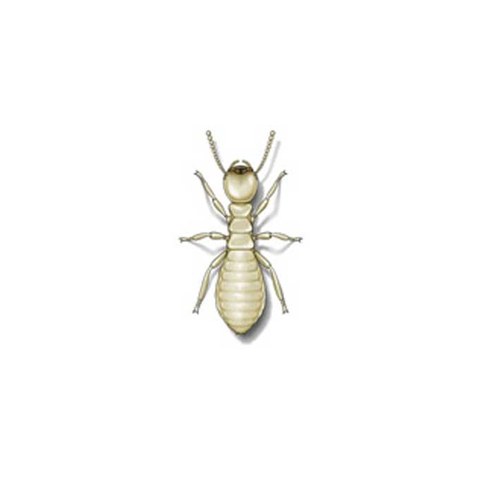
Eastern Subterranean Termite (Reticulitermes flavipes)
The native termite species responsible for the vast majority of termite damage in South Carolina, including Spartanburg County. Colonies live in the soil and travel through mud tubes to reach wood, making any wood-to-soil contact point — foundations, fence posts, the old mill building sills — a potential entry point across every zone of Inman.
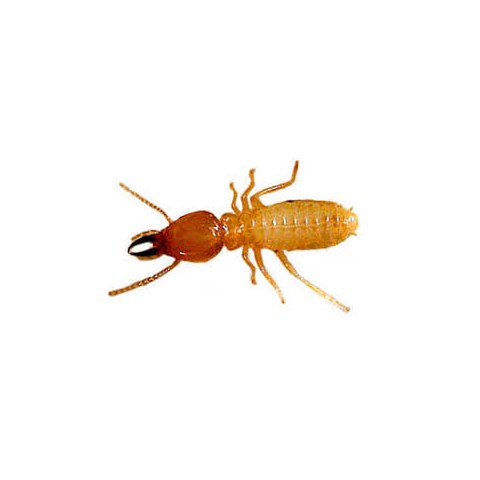
Formosan Subterranean Termite (Coptotermes formosanus)
Formosan subterranean termites, sometimes marketed as “super termites,” have documented established colonies in sixteen South Carolina counties on Clemson HGIC’s current tracking, concentrated in the coastal counties running from Horry south through Charleston to Beaufort and Jasper. Spartanburg County is not on that list. This species is not currently a documented concern anywhere in Inman, though your technician can confirm what’s actually present during a free inspection. Clemson is blunt about the nickname, too: side by side you cannot tell a Formosan worker from a native one, they eat wood at about the same rate, and the same termiticides and baits kill both. The real differences are colony size — natives run to roughly 100,000 workers, Formosans to a million or more — and a greater tendency to build aerial nests, which is why a Formosan job calls for an inspection from foundation to roof rather than just at ground level.
Drywood Termite (Incisitermes snyderi)
Drywood termites are documented almost exclusively in the state’s humid coastal counties. South Carolina has eight termite species in all — four drywood and four subterranean, three of the subterranean native and one, the Formosan, introduced in the 1950s — and it is the subterranean group that does nearly all the damage and drives nearly all the treatment. This species is not currently a documented concern anywhere in Inman, though your technician can confirm what’s actually present during a free inspection.
Termite Risk by Neighborhood
Termite Risk Across Inman
Historic Inman Crossroads — SC-292 & US-176: Eastern Subterranean Termite Risk
Inman was incorporated in 1882 at the crossing of Howard Gap and Blackstock roads, and that housing has had well over a century to accumulate wood-to-soil contact — rebuilt porches, added steps, settled grade. Those are the contact points inspections keep finding.
Inman Mills Village: Eastern Subterranean Termite Risk
Inman Mills ran from 1901 to 2001 and its buildings are now apartments. Mill-era heavy timber framing sits low and close to the ground, and converted industrial buildings often have original sills still in contact with slab or soil behind newer interior finishes.
Lake Bowen Vicinity: Eastern Subterranean Termite Risk
Lake Bowen is impounded on the South Pacolet and serves as the county’s drinking water supply. Ground near its 33 miles of shoreline stays saturated well after rain, and on Piedmont clay that water sits against foundations instead of draining through.
I-26 & I-85 Interstate Corridor: Eastern Subterranean Termite Risk
Commercial frontage where I-26 and I-85 pass the town runs irrigation on a schedule and holds mulch tight to slab edges. Mulch over a slab edge conceals the mud tube an inspection depends on seeing.
Rural Spartanburg County Fringe: Eastern Subterranean Termite Risk
Spartanburg County still keeps 2,555 acres in peaches, its third-largest crop, and Inman was calling itself the fresh peach capital of the world in the 1930s. Orchard ground that has been cleared leaves stumps and root systems in the soil, and buried decaying wood is precisely what Reticulitermes feeds on.
Warning Signs
Signs of Termite Activity in Your Inman Home or Business
Mud Tubes on Foundation Walls or Piers
Subterranean termites build these pencil-width tubes to travel between soil and wood.
Discarded Wings Near Windows or Doors
Left behind after a spring termite swarm.
Hollow-Sounding or Damaged Wood
Tap suspect wood; termite-damaged wood often sounds papery or hollow.
Buckling Paint or Small Holes in Drywall
Can indicate termite activity or moisture damage behind the wall.
Wood Damage on Sheds, Fencing, Barns, or Outbuildings
Especially where wood contacts soil directly, common around both the historic crossroads and the rural Spartanburg County fringe.
Homeowner Tips
6 Ways to Reduce Termite Risk Around Your Inman Home or Business
Kid & Pet Safe
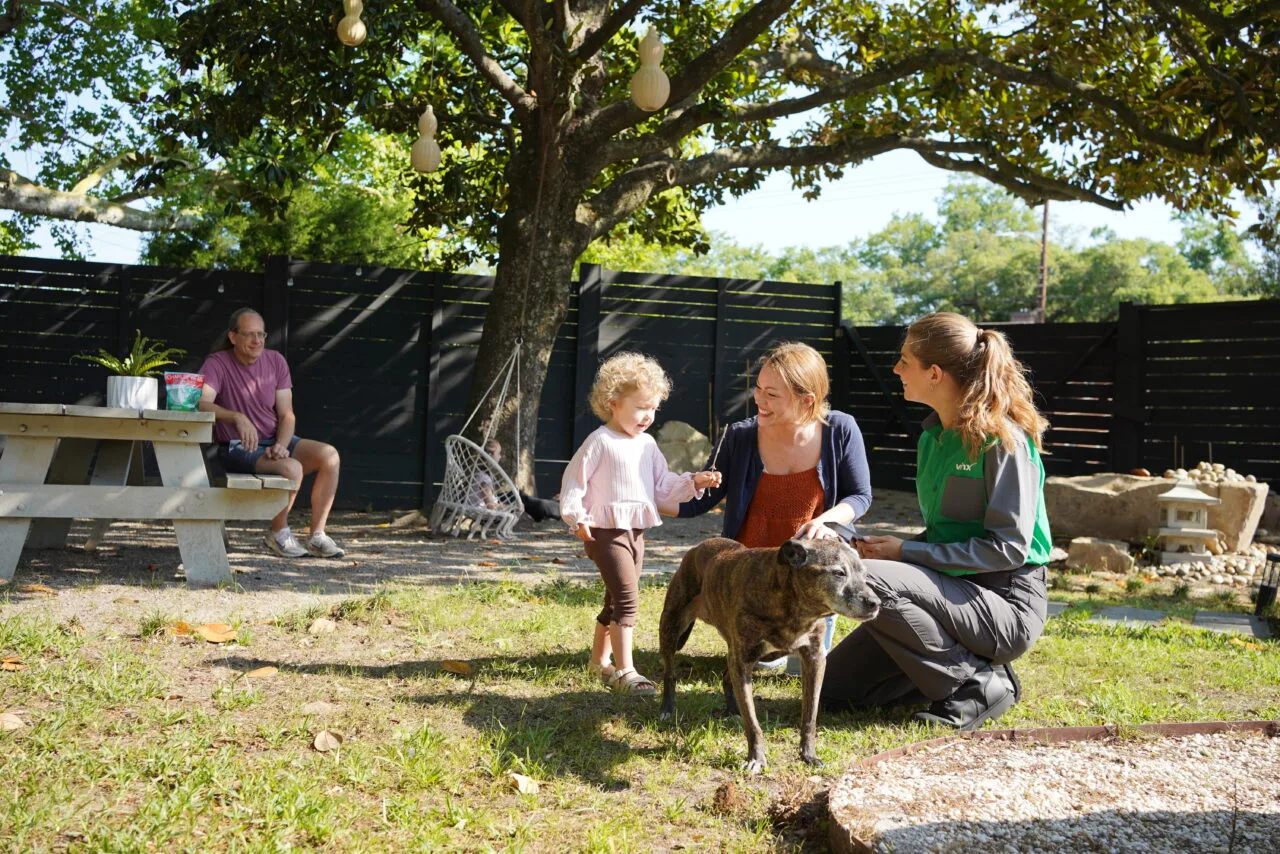
Our Treatments Are Safe for Your Whole Family: Including the Furry Members
Every product we use is EPA-registered and applied strictly at labeled rates by licensed technicians. We take the guesswork out of safety so you can feel confident letting kids and pets back into treated areas quickly.
EPA-Registered Products Only
Applied strictly at labeled rates by licensed South Carolina technicians trained to use the right product in the right place, every time.
In-Ground Bait Stations
TotalDefense stations are installed below ground and locked, with no chemical exposure risk to kids or pets playing in the yard.
No Widespread Interior Spraying
Bait-based treatment eliminates the need for extensive interior chemical application in most cases.
Licensed SC Technicians
Every treatment is performed by a licensed technician trained on termite biology and safe application practices.
Have a concern about products used near your pets or children? Call 855-800-8469 and we’ll walk you through exactly what we use and why it’s safe.
Explore More
More Pest Control Services in Inman

Pest Control Inman
Year-round protection plan
Ant Control Inman
Fire ants & all ant species

Mosquito Control Inman
Monthly barrier treatments
Tick & Flea Control Inman
Yard & interior treatments

Rodent Control Inman
All rodents covered
Cockroach Control Inman
American & German roaches

Bed Bug Control Inman
Heat & liquid treatments
Spider Control Inman
All spider species covered
Exterminator Inman
Same-day local exterminators
Frequently Asked Questions
Termite Control FAQ for Inman Homeowners & Businesses
Standalone termite protection through Termite TotalDefense starts at $35+/mo. Termite coverage is also included as part of our general pest plans. Call 855-800-8469 for a free quote specific to your property.
Not based on current documented research. Clemson HGIC’s own tracking lists established Formosan termite colonies in sixteen South Carolina counties, and Spartanburg County is not among them. The native Eastern subterranean termite is by far the more common local threat. Ask your technician about a free inspection to confirm what’s actually present on your property.
Drywood termites are documented almost exclusively in South Carolina’s humid coastal counties. They are not currently a documented concern in Inman, though a professional inspection can rule them out for your specific property.
The Inman Mills building, which ran from 1901 until the mill closed in 2001 and was converted to apartments, and the village housing around it have accumulated wood-to-soil contact points over a century, giving Eastern subterranean termites far more potential entry points than newer construction — and conversion work that leaves form boards, stakes or scrap timber buried against a foundation quietly adds more.
Older, established construction near Inman’s historic downtown crossroads has accumulated wood-to-soil contact points over time, giving Eastern subterranean termites many more potential entry points than newer construction.
Almost certainly, if there is a mortgage involved. The CL-100 is South Carolina’s Official Wood Infestation Report, and most lenders and closings require one. It is not the same thing as a termite warranty: a licensed inspector reports on visible evidence of termites and other wood-destroying insects, on visible damage, and on moisture readings and conducive conditions in the crawl space — which in an older Inman house is often where the findings actually come from, not from live termites. Book it well before the closing date rather than the week of, because a moisture or damage finding usually needs a repair and a re-inspection.
Yes, we treat all of these. Liquid barrier and bait treatments can be applied around barns, sheds, fencing, and outbuildings as well as residential foundations, which is especially relevant for the farm structures common on the rural Spartanburg County fringe.
Watch for discarded wings near windows and doors and new mud tubes on foundation walls or piers — both common signs of an active spring termite swarm in the Upstate.
The underlying species is the same, but moisture-retentive shoreline ground near Lake Bowen keeps soil damp close to nearby foundations, while irrigated commercial landscaping along the I-26/I-85 interstate corridor retains similar moisture close to foundations — both drive comparable subterranean termite risk through different conditions.
Yes. We use EPA-registered products applied at labeled rates by licensed South Carolina technicians, with most application happening outside or below-grade.
Yes. Vinx Pest Control is licensed and insured to operate in South Carolina under Pest Control Operator license B3623, regulated by Clemson University’s Department of Pesticide Regulation, with technicians trained on the termite species actually documented throughout Inman and the greater Spartanburg County area.
They are the one risk on this page with a documented Upstate precedent. Clemson traced both of its inland Formosan finds — in York and in Pickens County — to old, infested railroad ties reused as retaining walls; both were treated and neither county has turned up Formosans since. Inman is a railroad town with an inactive line running north out of it, so reclaimed crossties are easy to come by here and show up regularly as bed edging and low walls. Set against a foundation they are also a straightforward native subterranean termite problem in their own right: untreated wood in direct soil contact is exactly what a foraging colony is looking for. Tell your technician where they are and they will be inspected.
Service Coverage
Termite Control Across Inman & the Greater Spartanburg County Area
Serving every neighborhood and business in and around Inman.