Termite Control in Isle of Palms, SC
Ground-contact audits, Formosan-aware identification and documented re-inspection for raised barrier-island construction.
Barrier-island construction gives termite inspection on Isle of Palms one large advantage and one specific blind spot. Most houses here are raised, so the substructure is visible instead of buried in a crawl space — but the ground beneath them is eight to ten feet above sea level, in a flood zone, with drainage that answers to the tide. That combination decides where a termite problem starts here. Age is the other half of it, and the islands differ sharply: barely 0.3% of Isle of Palms housing predates 1940, against 27.3% on Sullivan’s Island next door, while 36% of this island went up in the 1980s alone. That is a rebuilt island, and rebuilt in one decade — so the barriers, penetrations and flashing here are mostly the same age, and are reaching it together.
Get Started in 60 Seconds
Choose what’s easiest for you
Request a Quote
We usually respond in 2 minutes
Call 855-800-8469
Get a Live Person (no AI agents here!)
Sign Up Online
Get pricing and schedule now





Welcome to Vinx Pest Control
A Company That Actually Backs What It Says
At Vinx, we combine professional-grade treatments with a level of service most pest control companies don't offer. Local technicians, fast response times, and a guarantee that actually means something.
Get a Free Quote"I'm not passionate about killing bugs. I'm passionate about customer service. At Vinx, you get experts who show up, do the job right, and stand behind every visit. No runaround, no fine print."
PROTECTION PLANS
Isle of Palms Termite Control Pricing
100% money-back guarantee on every plan.

Standard Residential Protection
- 4 Seasonal Treatments Per Year
- 50+ Covered Pests
- Interior, Exterior & Yard Treatment
- Unlimited Free Re-Services
- 100% Money-Back Guarantee
- Fire Ant Yard Guarantee
- Flea & Tick Coverage
- Mosquito Treatments

Upgraded Yard Protection
- 6 Home & Yard Treatments Per Year
- 50+ Covered Pests
- Interior, Exterior & Yard Treatment
- Unlimited Free Re-Services
- 100% Money-Back Guarantee
- Fire Ant Yard Elimination Guarantee
- Flea & Tick Elimination Guarantee
- Mosquito Treatments

Most Comprehensive Protection
- 9 Treatments Per Year
- 50+ Covered Pests
- Interior, Exterior & Yard Treatment
- Unlimited Free Re-Services
- 100% Money-Back Guarantee
- Fire Ant Yard Elimination Guarantee
- Interior Flea & Tick Coverage
- 8 Mosquito Treatments (Mar–Nov)
- Free Bed Bug Treatments if Needed*
Termite work is quoted separately from general pest plans because it needs different products and a different schedule. On raised construction the variables are perimeter length, ground-contact elements and whether a bond is wanted for resale. Free inspection and a firm price first — call 855-800-8469.
Request Your Free Pest Control Quote
Fill out the form below and a Vinx team member will reach out within 2 minutes during business hours.
Prefer to talk? Call 855-800-8469 for a live person, no AI agents.
Our Process
How Our Isle of Palms Termite Control Works

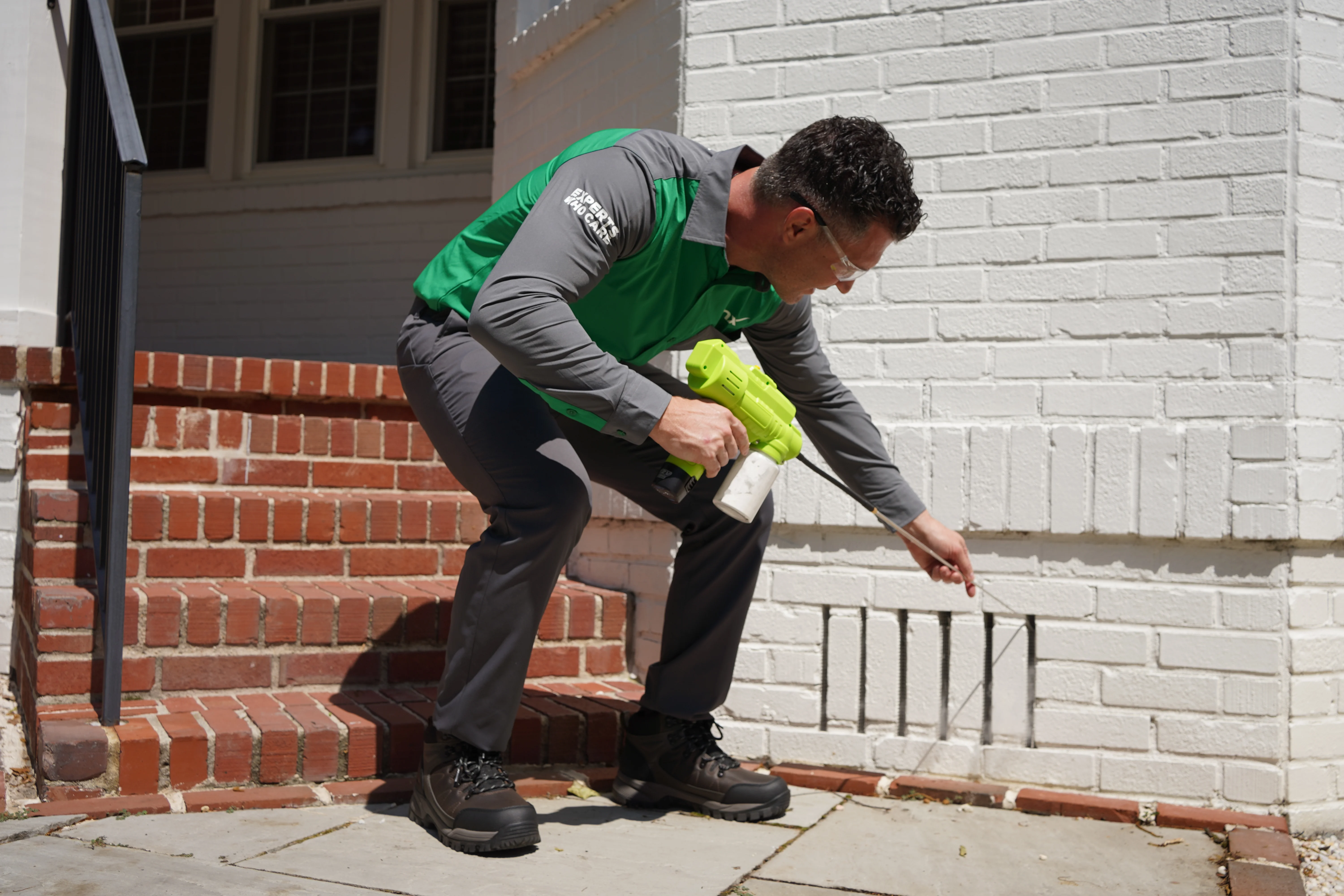
Free Inspection Under the House
On raised construction the girders, joists, band boards and pile caps are visible — we use that rather than working from assumption.
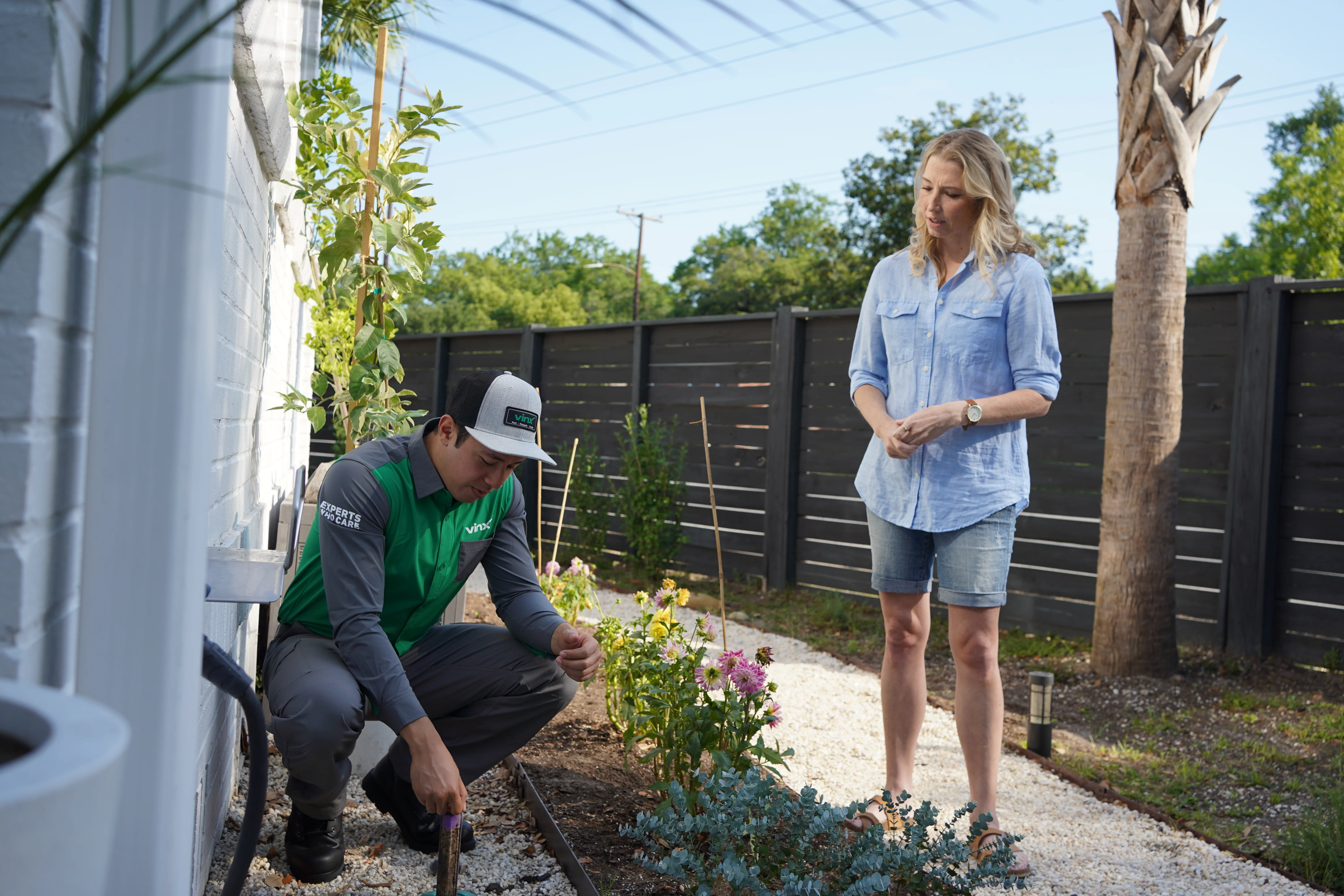
Ground-Contact Audit
Stairs, landings, enclosures, outdoor showers, deck posts and skirting: every place a rebuild may have set wood into sand. This is the single most common finding we make on this island, and it has nothing to do with the age of the house.
Species Confirmation
Charleston County is on Clemson’s Formosan list, so we identify rather than default — in either direction.
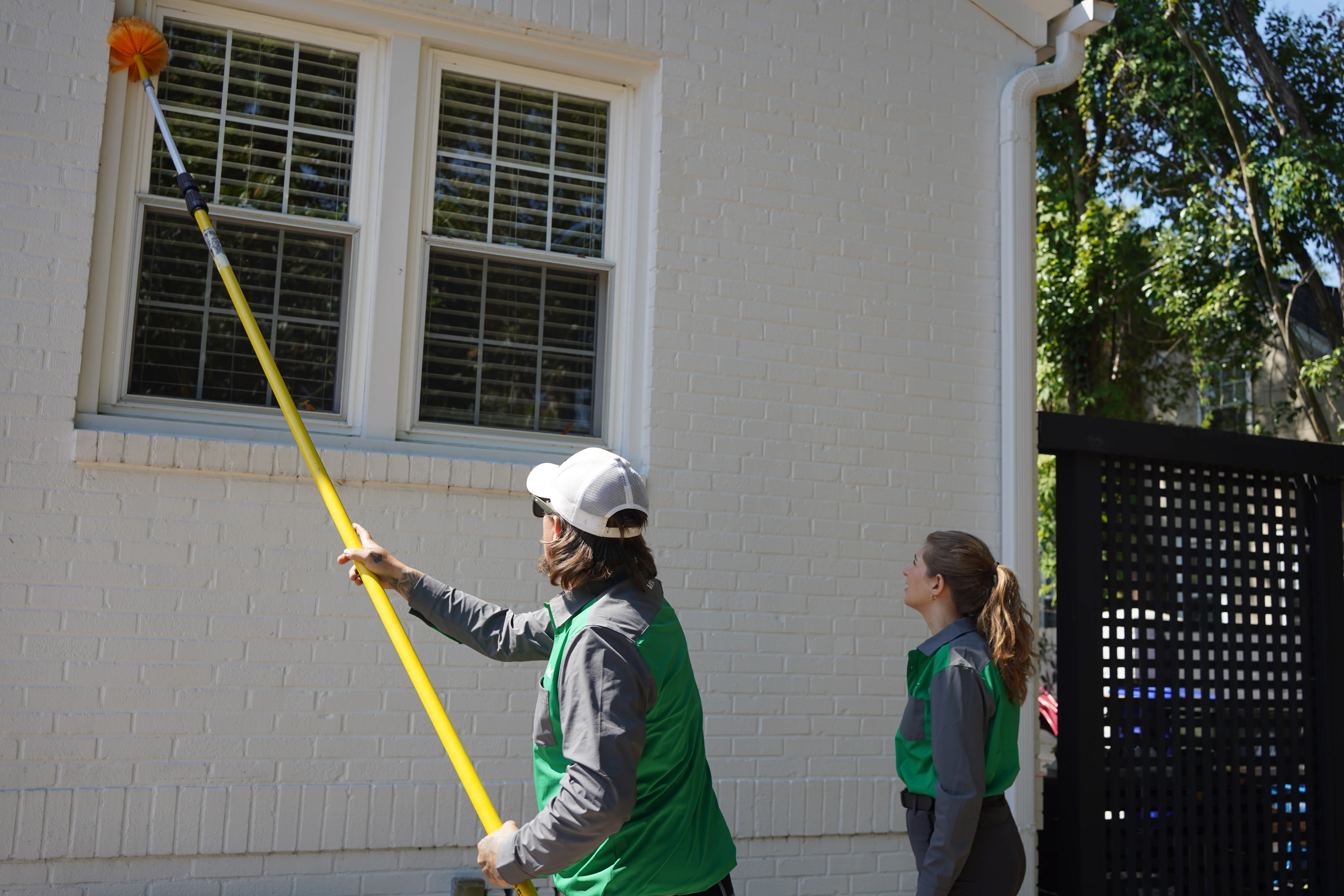
Moisture and Septic Review
Drain field condition, outdoor shower discharge and where water sits after a tide-influenced rain.
Treatment Plus Annual Re-Inspection, Documented
Written records that survive a change of owner or manager, which on a frequently sold island matters more than usual.
Customer Reviews
Real Reviews from Isle of Palms Homeowners
It’s that time of year for pests in the Low Country and along with all the bugs comes termite swarms. Austin made time at the end of his busy 90 degree day to get us taken care of. He explained the swarming and type of termite, along with spiders, fire ant hills and general extermination. We really appreciate his professional hard work!!! Thank you Austin and Vinx for getting us scheduled asap!
Leon is very knowledgeable. I felt comfortable with his suggestion on treating termite.
Dalon was great very nice and professional!!
Dalon did a great job with the inspection 🐜
Leon was excellent. Friendly, personable, and extremely thorough throughout the inspection process. Having dealt with termite damage in the past(Not a vinx home), I especially appreciated the care and attention he put into examining everything. His detailed approach gave me confidence that nothing was overlooked. I highly recommend Leon and Vinx for anyone looking for a knowledgeable and diligent inspector.
Local Knowledge
Elevated Construction Changes the Inspection
The island runs from sea level to about 17 feet, the City of Isle of Palms’ own planning documents note, averaging only eight to ten feet, with a mean tide range of 5.2 feet. Virtually all of it sits in a Special Flood Hazard Area — AE and VE zones — and flood regulations have applied since 1983. The practical result is that a great deal of the housing stock is elevated on pilings or a raised foundation.
For termite work that is genuinely helpful. On a raised structure you can walk under the house and look directly at girders, joists, band boards and pile caps, instead of crawling through a dark ventilated space and inferring. Problems get found earlier and cheaply, and treatment is easier to place accurately.
6 Reasons Isle of Palms Calls an Exterminator
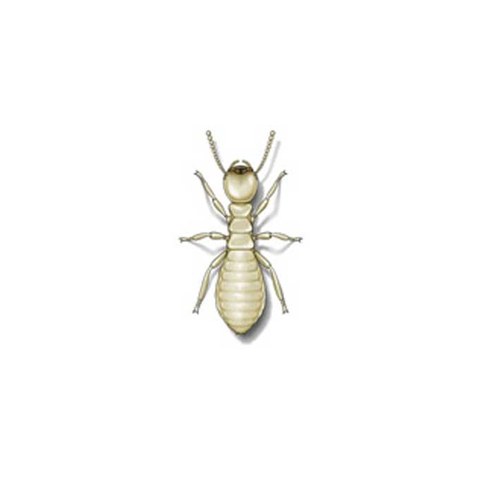
Eastern Subterranean Termite (Reticulitermes flavipes)
The species doing most of the damage statewide, and its requirements are simple: soil contact and moisture. On a raised island house the soil contact points are the rebuilt stairs, landings, storage enclosures, deck posts and skirting — and the moisture is supplied by the site itself, between tide-influenced drainage and septic still in service in the low areas.
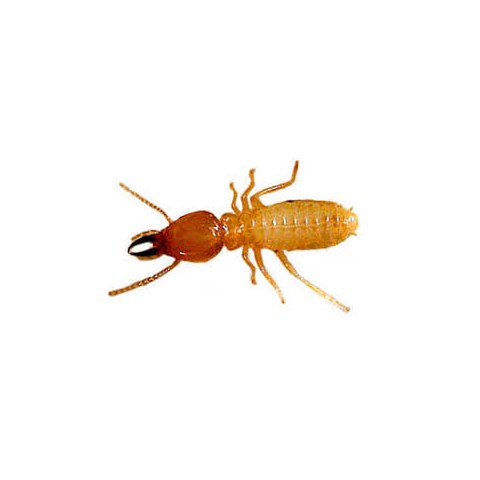
Formosan Subterranean Termite (Coptotermes formosanus)
Charleston County is on the documented list. Clemson’s county tracking places it among the sixteen South Carolina counties with documented Formosan colonies, and dates the introduction in Charleston to the mid-1950s, with the heaviest concentration running coastal from Charleston south to Beaufort. Clemson also cautions that a listed county does not mean uniform presence throughout it — which is an argument for inspecting your specific property rather than assuming in either direction.
The blind spot is everything that touches ground. Stairs and landings get rebuilt after storms and weather, often set straight into sand — we check the bottom stringer and any post bearing directly on grade. Storage enclosures and lattice skirting are added below the elevated floor, frequently in untreated lumber. Outdoor showers discharge permanent water at a structural point. Deck and walkover posts are set into the ground by design and replaced repeatedly here. Utility penetrations up through the deck leave a gap at every re-plumb or re-wire, and those double as rodent routes. Each rebuild is an opportunity for wood to be set into sand without a break, and that is the single most common finding we make on this island — with nothing to do with the age of the house.
Unlike the Upstate, the species answer here is not reassuring, and it should not be softened. Clemson’s county tracking lists Charleston County among the sixteen South Carolina counties with documented Formosan subterranean termite colonies, and Clemson HGIC dates the species’ introduction in Charleston to the mid-1950s. Clemson notes the heaviest concentration runs coastal, from Charleston south to Beaufort. It also cautions that a listed county “does not mean they are found uniformly throughout a county,” so an inspection is still the answer rather than an assumption. One species you can mostly set aside: Clemson’s statewide termite survey records the powderpost termite in seven South Carolina counties including Charleston, but states it has “never been recorded in natural habitats in S.C. and only occasionally in structures.”
Three site conditions compound the moisture side, and all three are documented in the City’s own planning record rather than inferred. Septic systems remain in service in low, flood-affected and seasonal-high-water areas — near the beach between 42nd and 53rd Avenue, around the Recreation Center between 26th and 29th, and in low parts of Forest Trail — and a struggling drain field is a permanent moisture source. Drainage is tide-influenced: the City states plainly that pockets of low elevation combined with storm drainage significantly influenced by the ebb and flow of the tides cause serious accumulations of storm water, and water that does not clear on a schedule keeps soil damp on a schedule. The housing cohort is now middle-aged: American Community Survey housing tables put the median year built at 1986, with 36 percent of the island built between 1980 and 1989, largely rebuilt after Hurricane Hugo. Any pre-construction soil treatment from that era is long past its service life.
Property changes hands often here, and the CL-100 is where people get a false sense of security. S.C. Code Regs. 27-1085 requires the inspector to report wood-destroying insects plus fungi and decay damage, but only below the level of the first main living-area floor. On a house raised on pilings that is a useful boundary — it covers exactly the substructure that matters. On a condominium it may cover very little of what you actually own. Two things it does not do: it is not a warranty, since the regulation states the report “is not a warranty against future infestation, nor does it place any obligation for the correction of reported damage or infestation”; and it carries no validity period at all, so any thirty-day rule comes from your lender or your contract rather than the regulation.
One pocket of the island breaks the pattern, and it is worth knowing whether you own part of it. The City’s own history records that when the bridge link arrived in 1946 and J.C. Long of The Beach Company bought most of the island, he built low-cost housing for veterans returning from the Second World War. Those houses predate the 1980s boom that produced 36% of the current stock by a generation, and they predate the raised, flood-zone construction that gives most Isle of Palms inspections their open substructure. Where that older post-war fabric survives, or survives underneath a later renovation, the inspection reverts to the ordinary Lowcountry questions — slab edges, low framing, wood close to grade — rather than the island’s usual elevated ones.
Pest Pressure by Neighborhood
Where Isle of Palms Exterminator Calls Come From
Wild Dunes: Gated Access, Same Work
Approved in 1975 and gated, Wild Dunes holds about 12 of the island’s 35 road miles, so access is arranged through the community rather than turning up — but the work itself is no different. Resort-area units turn over constantly, which is why service here runs on a standing schedule with agreed access and written per-visit records.
Condos: Shared Walls & Service Runs
Sixty-seven percent of the island’s condominiums are licensed short-term rentals, and shared walls and service runs connect unit to unit. Treating a single unit relocates a roach or ant population rather than resolving it, so condo work here means treating adjacent units together, with reports going to both the owner and the management company.
Rental Blocks: Turnover-Driven Calls
About 40 percent of dwellings held a City short-term rental license as of October 2023. Frequent guests mean luggage, goods and beds moving in and out — the vector for bed bugs and a good route for roaches — while cleaners between turnovers are not inspecting. The required 24-hour contact number is often the fastest way to get a technician inside.
Seasonal Homes: What Vacancy Hides
Sixty-four percent of dwellings are taxed at the non-primary-residence rate, and a house occupied a few weeks a year hides its problems: a leak runs for weeks, standing water sits, a rodent goes unheard. These calls get quarterly service with a moisture and exclusion focus, and written reports sent to the owner off-island.
Post-Hugo Stock: Expired Treatments
Hurricane Hugo destroyed more than two hundred structures in September 1989, and 36 percent of today’s housing dates to the 1980s. That stock is now thirty-five to forty years old — original plumbing penetrations, aging flashing, and pre-construction soil treatments long past their service life — so inspection concentrates on the routes that age has opened.
Complete Coverage
What Else a Standard Plan Covers Here
Termite work is quoted separately, but the recurring plan covers more than fifty other pests with interior, exterior and yard treatment and unlimited free re-services.

Ants
Ants, Argentine ants, carpenter ants, and odorous house ants. Perimeter bait, mound treatment, crack and crevice application.
All Plans
Cockroaches & Palmetto Bugs
American, Asian, and German cockroaches. Gel bait in harborage areas, exterior perimeter spray, drain treatment.
All Plans
Spiders
Web removal from eaves, exterior perimeter targeting harborage. Black widow identification and targeted treatment.
All Plans
Wasps & Hornets
Nest removal from eaves, soffits, structural voids. Preventative treatment of common nesting sites on each quarterly visit.
All Plans
Fleas & Ticks
Yard treatment targeting grassy and shaded areas. Interior treatment of active infestation areas.
Plus & Platinum
Bed Bugs
Inspection, heat treatment assessment, and targeted chemical treatment. Charleston’s tourism industry creates consistent exposure risk.
Platinum (12mo)
Rodents
Exterior bait station monitoring included in Plus and Platinum. Active infestation and full exclusion quoted separately after inspection.
Plus & Platinum
Mosquitoes
Monthly barrier spray and larvicide. Year-round service adjusted seasonally. Up to 90% population reduction per visit.
Platinum Only
Occasional Invaders
Silverfish, earwigs, centipedes, stink bugs, ladybugs, pillbugs. Crack and crevice treatment, perimeter spray, entry point ID.
All PlansWarning Signs
Signs Your Isle of Palms Home Has Termite Activity
Mud Tubes on Pilings & Piers
Pencil-width tunnels of soil running up pilings, piers, stair stringers or the inside of lattice skirting. On a raised island house they are usually visible from underneath, which is why we walk under the house instead of guessing.
Hollow-Sounding Framing
Tap girders, joists, band boards and pile caps with a screwdriver handle. A hollow or papery sound means termites have eaten the interior while leaving the surface intact.
Damage Where Wood Meets Sand
Soft or crumbling wood at the bottom of stairs, landings, deck and walkover posts, or storage enclosures. Each rebuild here is a chance for wood to be set into sand without a break, and it is the most common finding we make on this island.
Soft Wood by the Outdoor Shower
Outdoor showers discharge water at the same structural point every day. Darkened, swollen or bubbling wood around the shower enclosure is moisture damage termites follow, and worth probing on every visit.
Frass Near Sills & Baseboards
Tiny, sand-like pellets pushed out of kick-out holes are the sign of a drywood termite. Clemson’s statewide survey records the powderpost drywood termite in Charleston County but only occasionally in structures, so bag a sample for identification.
Discarded Wings Near Windows & Lights
Swarmers shed their wings once they find a nesting site. Small piles of wings on window sills, porch rails or under exterior light fixtures are a classic early warning sign.
Sticking Doors & Windows
Termite damage and the moisture that comes with it can warp door and window frames, so a door that suddenly binds on a raised house deserves a look at the framing below it.
Soft Spots in Floors & Decking
Floors or deck boards that feel spongy or bouncy underfoot can mean termites have reached the subfloor, floor joists or deck framing beneath them.
Homeowner Tips
6 Ways to Protect Your Isle of Palms Home From Termites
Kid & Pet Safe
Our Treatments Are Safe for Your Whole Family: Including the Furry Members
Every product we use is EPA-registered and applied strictly at labeled rates by licensed technicians. We take the guesswork out of safety so you can feel confident letting kids and pets back into treated areas quickly.
EPA-Registered Products Only
All products we apply are EPA-registered and used strictly per label requirements. Our licensed technicians are trained to apply the right product in the right place at the right rate, every time.
Dry Time Before Re-Entry
Exterior spray treatments dry in 30–60 minutes. Once dry, treated surfaces are safe for children and pets to contact. Your technician will confirm the all-clear before leaving your property.
Interior Treatment On Request
We treat only what’s needed, where it’s needed. Gel baits in cabinets and crack-and-crevice applications keep products away from areas pets and children frequent most.
Botanical Options Available
Have specific sensitivities? Ask your technician about our plant-derived treatment options. We offer botanical alternatives for households that prefer a more natural approach.
Have a concern about products used near your pets or children? Call 855-800-8469 and we’ll walk you through exactly what we use and why it’s safe.
Explore More
More Pest Control Services in Charleston
Ant Control Isle of Palms
Household ants & others
Bed Bug Control Isle of Palms
Heat & liquid treatments
Cockroach Control Isle of Palms
Palmetto bug & roach removal
Mosquito Control Isle of Palms
Monthly barrier treatments
Rodent Control Isle of Palms
All rodents covered
Spider Control Isle of Palms
All spider species covered

Termite Control Isle of Palms
Bait systems & liquid treatment
Wasp Control Mount Pleasant
Nest removal & prevention

Tick & Flea Control Isle of Palms
Yard & pet protection

Pest Control Isle of Palms
Year-round protection plans
Frequently Asked Questions
Isle of Palms Termite Questions
Termite work is quoted separately from general pest plans because it needs different products and a different schedule. On raised construction the variables are perimeter length, how many ground-contact elements there are, and whether a bond is wanted for resale. Inspection is free. Call 855-800-8469.
Yes, and this is not the place to soften it. Clemson's county tracking lists Charleston County among the sixteen with documented colonies, and Clemson dates the introduction in Charleston to the mid-1950s, with the heaviest concentration coastal. Clemson still notes a listed county does not mean uniform presence, so an inspection settles your property specifically.
It helps a great deal and it is not immunity. Raised construction removes the buried crawl space and makes the substructure visible, which is a real advantage. The risk moves to everything that still touches ground: stairs, landings, storage enclosures, deck posts, skirting and outdoor showers.
Wood set into sand at a rebuilt exterior stair or storage enclosure. Island structures get rebuilt often after weather, and each rebuild is a chance for untreated lumber to end up in direct ground contact. It is usually fixable in an afternoon once identified.
For termites, yes. A struggling or saturated drain field is a permanent moisture source, and moisture against a structure is the condition subterranean termites need. The City's own planning record confirms septic remains in service in the low areas near the beach, around the Rec Center and in parts of Forest Trail.
Identify them if found, but do not build a plan around them. Clemson's statewide termite survey records the powderpost termite in seven South Carolina counties including Charleston while stating it has never been recorded in natural habitats in the state and only occasionally in structures.
It is a useful snapshot and not a guarantee. S.C. Code Regs. 27-1085 confines it to below the first main living-area floor, states it is not a warranty against future infestation, places no repair obligation on anyone, and contains no thirty-day validity rule. On a condominium it may cover very little of what you are buying.
We cover the whole island including Wild Dunes, plus Sullivan’s Island and Mount Pleasant. Most calls get a next-day appointment and active termite activity gets moved up. Call 855-800-8469.
Service Coverage
Termite Control Across Isle of Palms & Mount Pleasant
Serving every neighborhood on Isle of Palms and across the Mount Pleasant area