Flea & Tick Control in Isle of Palms, SC
Standard flea advice assumes you have a pet and can treat it. On a pet-friendly Isle of Palms short-term rental that assumption collapses: a different animal arrives most weeks, none of them is yours, none is on your vet’s schedule, and each one leaves before anything it brought becomes visible. With no resident pet to treat, the property is the host and the schedule has to carry the whole job — a genuinely different problem, and it needs a different plan.
Get Started in 60 Seconds
Choose what’s easiest for you
Request a Quote
We usually respond in 2 minutes
Call 855-800-8469
Get a Live Person (no AI agents here!)
Sign Up Online
Get pricing and schedule now





Welcome to Vinx Pest Control
A Company That Actually Backs What It Says
At Vinx, we combine professional-grade treatments with a level of service most pest control companies don't offer. Local technicians, fast response times, and a guarantee that actually means something.
Get a Free Quote"I'm not passionate about killing bugs. I'm passionate about customer service. At Vinx, you get experts who show up, do the job right, and stand behind every visit. No runaround, no fine print."
PROTECTION PLANS
Isle of Palms Flea & Tick Control Pricing
100% money-back guarantee on every plan.
Standard Residential Protection
- 4 Seasonal Treatments Per Year
- 50+ Covered Pests
- Interior, Exterior & Yard Treatment
- Unlimited Free Re-Services
- 100% Money-Back Guarantee
- Fire Ant Yard Guarantee
- Flea & Tick Coverage
- Mosquito Treatments

Upgraded Yard Protection
- 6 Home & Yard Treatments Per Year
- 50+ Covered Pests
- Interior, Exterior & Yard Treatment
- Unlimited Free Re-Services
- 100% Money-Back Guarantee
- Fire Ant Yard Elimination Guarantee
- Flea & Tick Elimination Guarantee
- Mosquito Treatments

Most Comprehensive Protection
- 9 Treatments Per Year
- 50+ Covered Pests
- Interior, Exterior & Yard Treatment
- Unlimited Free Re-Services
- 100% Money-Back Guarantee
- Fire Ant Yard Elimination Guarantee
- Interior Flea & Tick Coverage
- 8 Mosquito Treatments (Mar–Nov)
- Free Bed Bug Treatments if Needed*
Flea and tick work is quoted separately from the general pest plan because it needs different products and a different rhythm. On a pet-friendly rental the drivers are indoor soft-furnishing area, shaded outdoor space and turnover frequency. Free inspection and a firm price first — call 855-800-8469.
Request Your Free Pest Control Quote
Fill out the form below and a Vinx team member will reach out within 2 minutes during business hours.
Prefer to talk? Call 855-800-8469 for a live person, no AI agents.
Our Process
How Our Isle of Palms Flea & Tick Control Works

Free Inspection Mapping Shade, Margins and Rest Spots
Where animals lie down, where the ground stays damp, and where landscape meets scrub or marsh.
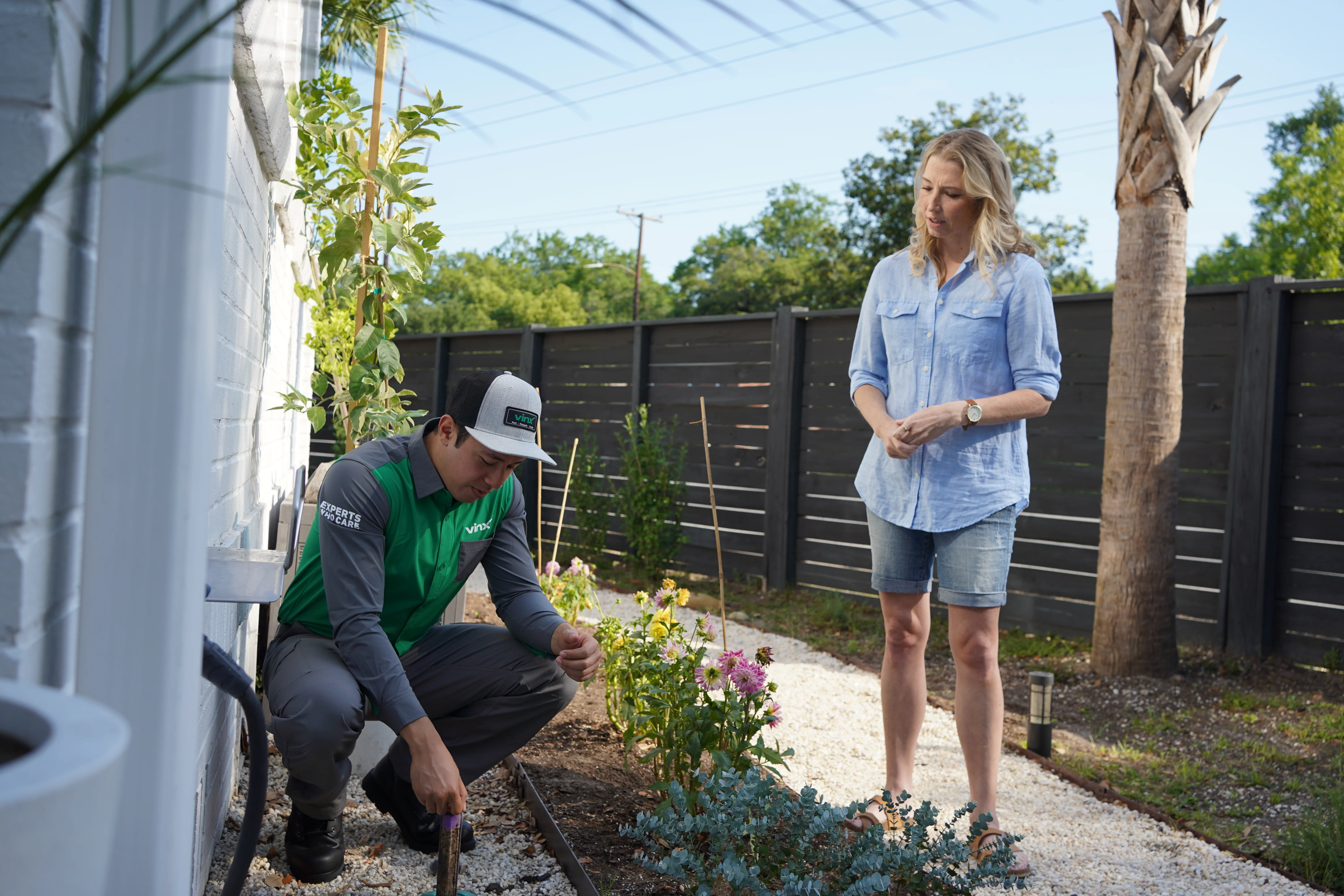
Environmental Flea Treatment
Indoor sites where eggs and larvae actually sit — rug pile, floor cracks, upholstery — plus the shaded outdoor rest spot, since there is no pet to treat.
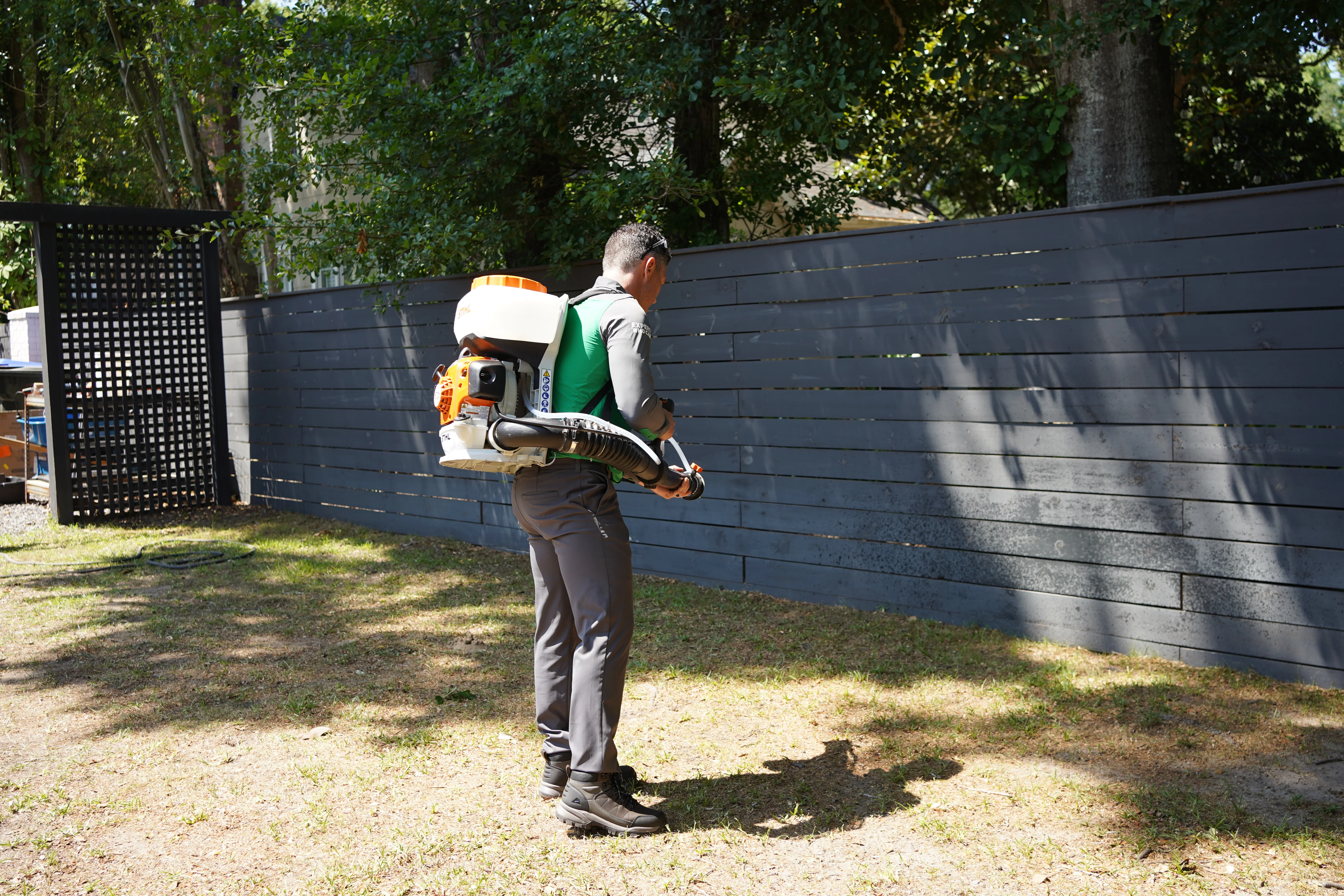
A Treated Tick Band at the Margins
Narrow, on the landscaped side, with the dune and marsh buffer left alone.
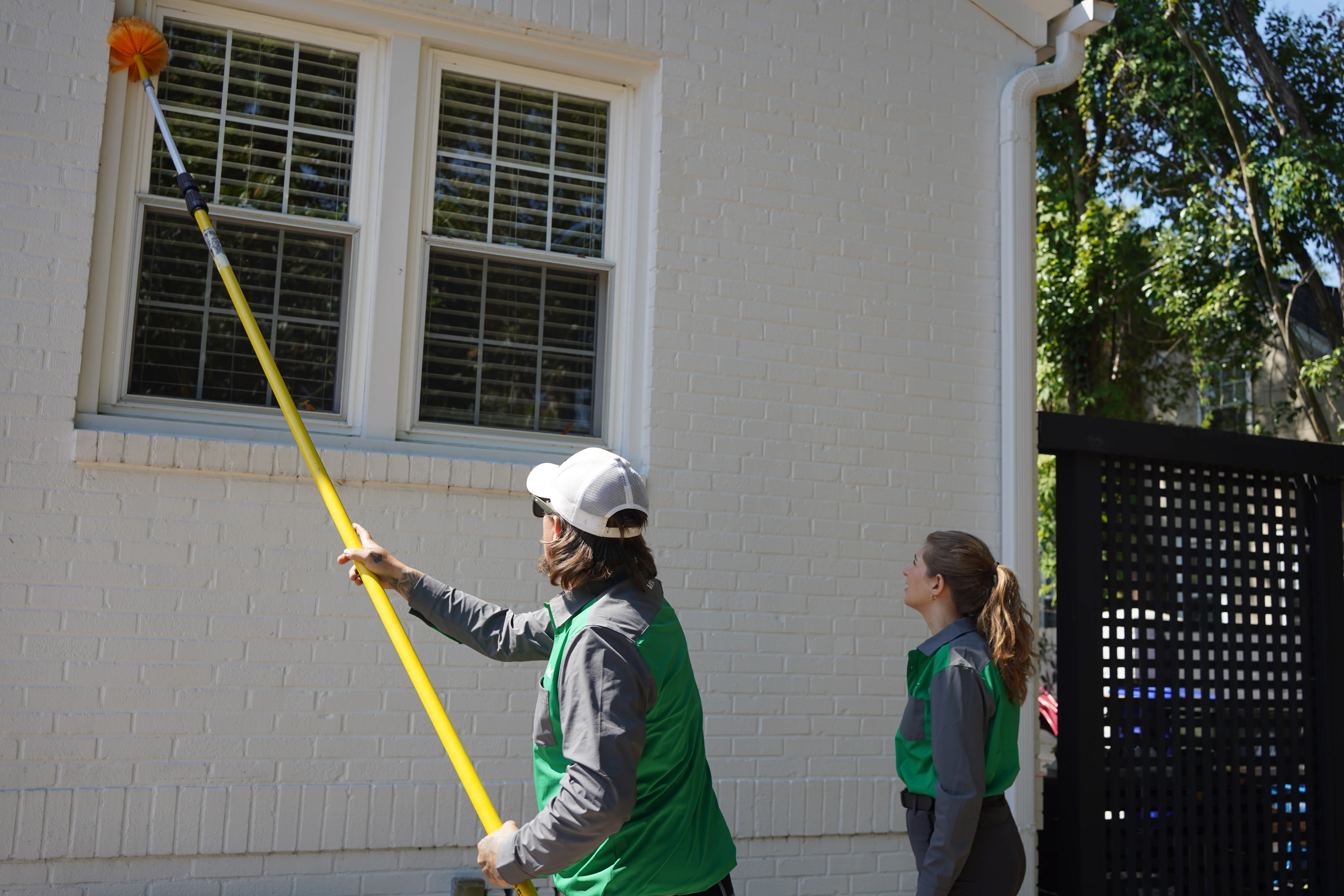
Repeat Visit Timed to Pupal Emergence
Scheduled up front rather than sold after a recurrence, and fitted around bookings.
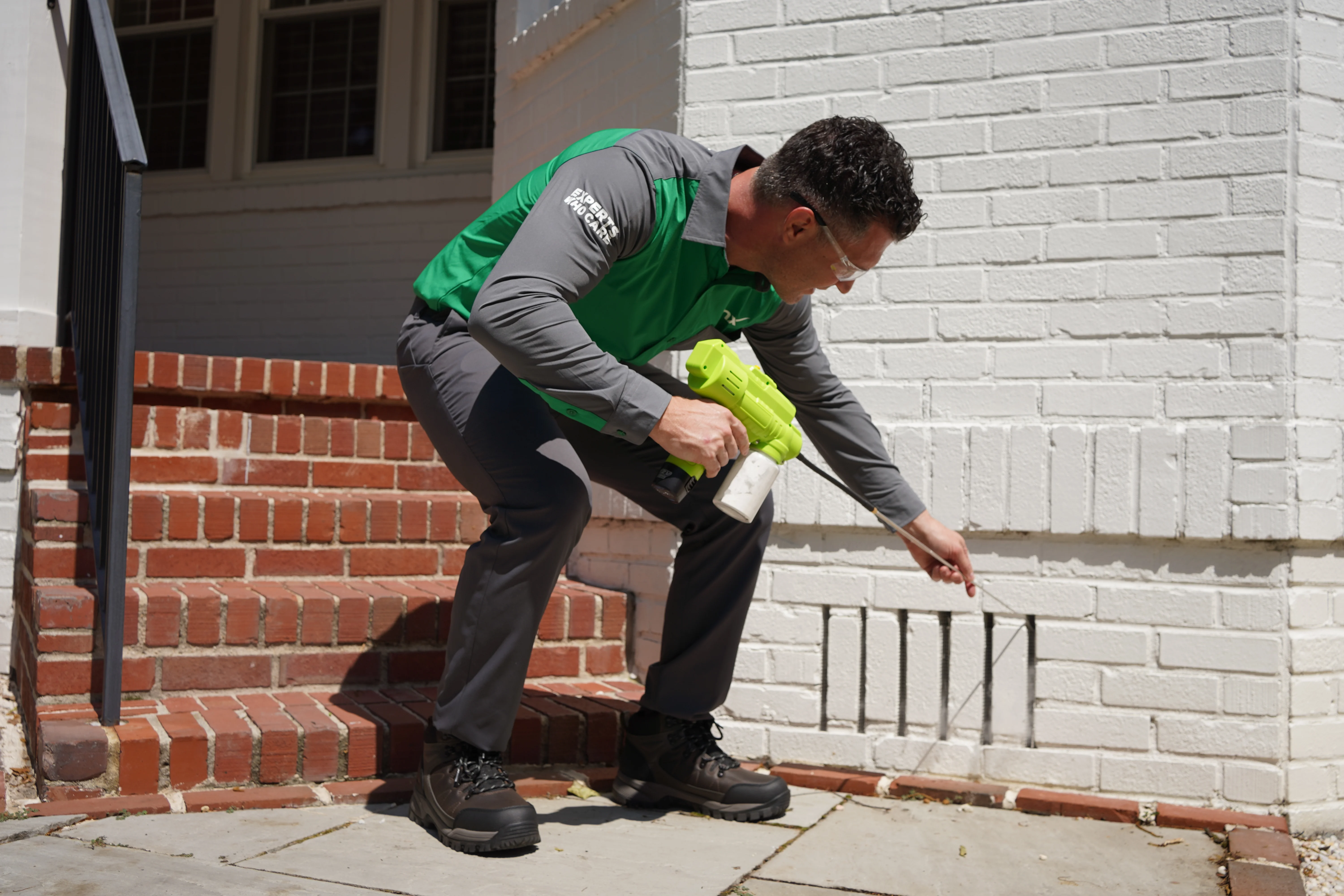
Written Per-Visit Records
On a pet-friendly rental the history is what resolves a guest complaint instead of arguing about it.
Customer Reviews
Real Reviews from Isle of Palms Homeowners
My tech was Jack he was very polite and personable. He was quick and thorough with his service and was very open and concerned about any issues i might be having regarding pest.
Leon was great! He arrived early and was very professional throughout the visit. He actually listened to my specific concerns and walked me through exactly how he was going to handle them. Very thorough service
Austin is professional, polite, and confident the treatment will do it’s job, which is helping me rest easy.
Jack is very knowledgeable, professional, and friendly. He made sure to inquire about issues we may have inside the house. That helped us remember that we needed service inside our house as well. Thank you Jack, so happy to have you as our technician!
Anthony was as friendly as he was thorough. Vinx has been an absolute wonderful company. Have been serviced by them for about half a decade and hopefully many more years to come!!!!!
Local Knowledge
Someone Else’s Dog, Every Week
With roughly 1,850 of 4,610 dwellings on a short-term rental license and lets defined as thirty days or less, a pet-friendly unit here can host dozens of different animals in a season. Every one of them may arrive carrying adult fleas, and Clemson HGIC 2423 explains what happens next: a female lays four to eight eggs after each blood meal and more than four hundred over her lifetime, and those eggs do not stay on the animal. They drop into carpet, rug pile, floor cracks, upholstery and the shaded ground where the dog lay outside.
So the population builds in the property rather than on any one visitor. By the time a guest complains of bites, the animal that started it checked out weeks ago and several hundred eggs have been developing since. There is no pet to treat, no owner to coordinate with, and no continuity of information — which is why the ordinary advice to “treat the pet and the house together” simply does not apply here.
6 Reasons Isle of Palms Calls an Exterminator
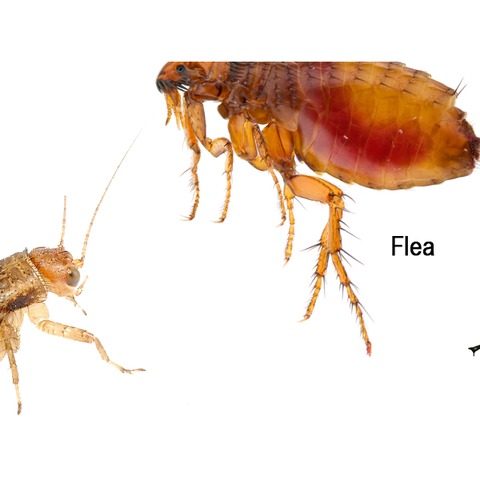
Cat Flea (Ctenocephalides felis)
Why the property is the target: a female lays four to eight eggs after each blood meal and more than four hundred over her lifetime, and those eggs drop off the animal into carpet, rug pile, floor cracks, upholstery and shaded ground. On a pet-friendly rental the animal that started it has usually checked out weeks before anyone reports a bite. Why one visit is not enough: pupae survive a single pass, which is why the repeat is timed to emergence rather than to a complaint.
What works instead is treating the property as the host. Treat the pet on your vet’s schedule fails because there is no resident pet, so the property carries it. Treat pet and house in the same window is impossible to coordinate with a guest who has left, so the answer is environmental treatment plus a repeat timed to pupal emergence rather than to a complaint. Wash the pet’s bedding misses the point when its bedding was a rug, a sofa and a patch of shaded ground. Watch for scratching assumes somebody is present between bookings. And expect it resolved in one visit ignores that pupae survive a single pass. Clemson HGIC 2423 is also honest about the ceiling — eradicating fleas from South Carolina is “only wishful thinking but flea control is possible” — and on a rental that framing matters, because the goal is a property that does not accumulate rather than one that is permanently sterile.
Ticks are the other half of the service and behave nothing like fleas. Clemson HGIC 2484 points out they are not insects at all — closer to scorpions, spiders and mites — that all life stages feed on blood, and that many species do not hunt but simply wait at a humid margin for a host to pass. On this island the margins are specific: the vegetated edge where maintained landscape meets dune scrub or marsh grass, the sheltered strip behind a fence line, and the planting along a walkover approach. Guests with dogs walk exactly those routes, several times a day, which is how a tick gets from the margin onto an animal and then into a bedroom.
That means tick work here is a narrow band rather than a broadcast, and it stops at protected ground. Maintained landscape meeting dune scrub is high pressure and takes a treated band on the landscaped side, kept cut back. Behind a fence line or an unmown strip is high and usually overlooked, and that is where the value is. The walkover approach planting gets targeted treatment — the planting, not the dune. The dune face and its vegetation is protected ground and gets nothing, because City code prohibits dune alteration. At the marsh margin Clemson advises a ten-to-thirty-foot buffer clear of pesticide, so we work the structure side. Clemson also offers proportion worth passing to a worried guest: most tick bites do not result in illness. The diseases that do occur here are documented in Clemson HGIC 2483, and the right response to a bite is prompt removal, a note of the date, and a doctor if symptoms follow.
Allowing pets is a commercial decision and often a good one. It also creates an obligation that is easy to under-resource. Choose surfaces you can treat and clean: deep carpet and heavy rugs in a pet-friendly unit are flea nursery bedding, and hard flooring with washable rugs changes the arithmetic more than any product does. Move the outdoor rest spot out of permanent shade: flea larvae dry out and die in sun and survive in damp shade, so the shaded patch under a deck or beside the outdoor shower where every visiting dog lies down is the single most productive patch of ground on the property — and it is treatable. Brief cleaners to report, not just clean: between guests they are the only people who will see a live flea or a tick on a floor, and they will report it if asked to and vacuum it away if not. Keep the record: if a guest reports bites, an inspection and treatment history is the difference between a resolved incident and a refund argument.
The visiting dogs are not the only hosts on the island now. Through 2024 the City’s own Council minutes record a marked increase in coyote sightings, with the Police Department deploying traps, a drone failing to locate dens, and SC DNR advising that hunting on public property is not permitted. A resident wild canid population is a tick reservoir that no guest’s vet schedule touches, and it moves along the same vegetated edges and under the same raised houses your dog does. It is another reason the yard is the unit of treatment here rather than the animal.
Pest Pressure by Neighborhood
Where Isle of Palms Exterminator Calls Come From
Wild Dunes: Gated Access, Same Work
Approved in 1975 and gated, Wild Dunes holds about 12 of the island’s 35 road miles, so access is arranged through the community rather than turning up — but the work itself is no different. Resort-area units turn over constantly, which is why service here runs on a standing schedule with agreed access and written per-visit records.
Condos: Shared Walls & Service Runs
Sixty-seven percent of the island’s condominiums are licensed short-term rentals, and shared walls and service runs connect unit to unit. Treating a single unit relocates a roach or ant population rather than resolving it, so condo work here means treating adjacent units together, with reports going to both the owner and the management company.
Rental Blocks: Turnover-Driven Calls
About 40 percent of dwellings held a City short-term rental license as of October 2023. Frequent guests mean luggage, goods and beds moving in and out — the vector for bed bugs and a good route for roaches — while cleaners between turnovers are not inspecting. The required 24-hour contact number is often the fastest way to get a technician inside.
Seasonal Homes: What Vacancy Hides
Sixty-four percent of dwellings are taxed at the non-primary-residence rate, and a house occupied a few weeks a year hides its problems: a leak runs for weeks, standing water sits, a rodent goes unheard. These calls get quarterly service with a moisture and exclusion focus, and written reports sent to the owner off-island.
Post-Hugo Stock: Expired Treatments
Hurricane Hugo destroyed more than two hundred structures in September 1989, and 36 percent of today’s housing dates to the 1980s. That stock is now thirty-five to forty years old — original plumbing penetrations, aging flashing, and pre-construction soil treatments long past their service life — so inspection concentrates on the routes that age has opened.
Complete Coverage
What Else a Standard Plan Covers Here
Flea and tick work is quoted separately, but the recurring plan covers more than fifty other pests with interior, exterior and yard treatment and unlimited free re-services.
Ants
Ants, Argentine ants, carpenter ants, and odorous house ants. Perimeter bait, mound treatment, crack and crevice application.
All Plans
Cockroaches & Palmetto Bugs
American, Asian, and German cockroaches. Gel bait in harborage areas, exterior perimeter spray, drain treatment.
All Plans
Spiders
Web removal from eaves, exterior perimeter targeting harborage. Black widow identification and targeted treatment.
All Plans
Wasps & Hornets
Nest removal from eaves, soffits, structural voids. Preventative treatment of common nesting sites on each quarterly visit.
All Plans
Fleas & Ticks
Yard treatment targeting grassy and shaded areas. Interior treatment of active infestation areas.
Plus & Platinum
Bed Bugs
Inspection, heat treatment assessment, and targeted chemical treatment. Charleston’s tourism industry creates consistent exposure risk.
Platinum (12mo)
Rodents
Exterior bait station monitoring included in Plus and Platinum. Active infestation and full exclusion quoted separately after inspection.
Plus & Platinum
Mosquitoes
Monthly barrier spray and larvicide. Year-round service adjusted seasonally. Up to 90% population reduction per visit.
Platinum Only
Occasional Invaders
Silverfish, earwigs, centipedes, stink bugs, ladybugs, pillbugs. Crack and crevice treatment, perimeter spray, entry point ID.
All PlansWhat to Look For
Signs Your Isle of Palms Property Has a Tick or Flea Problem
Ticks on Dogs After Walkover Walks
Finding ticks on a dog after walks along the walkover approach, the fence line or the edge where landscaping meets dune scrub or marsh grass, the humid margins where ticks wait for a host to pass
Fleas or Ticks Spotted by Cleaners
A live flea or tick on a floor or rug between guests, cleaners are often the only people who see one, and on a pet-friendly rental it is usually the first real evidence
Bite Complaints After a Pet-Friendly Stay
Guests reporting bites weeks after a dog stayed, flea eggs drop off the animal into carpet, rug pile, floor cracks and upholstery, so the population builds in the property after the pet has left
Activity in the Shaded Rest Spot
Fleas concentrated in the damp, shaded patch under a deck or beside the outdoor shower where visiting dogs lie down, flea larvae survive in damp shade and dry out in sun
Dark Specks in Rug Pile & Pet Bedding
Pepper-like specks of flea dirt in rugs, sofa seams or pet bedding that smear reddish on a damp paper towel, a sign adult fleas have been feeding in the unit
Wildlife Using the Yard Edges
Coyote sightings along vegetated edges or animals sheltering under the raised house, the City’s own Council record shows coyote sightings rising through 2024, and a resident wild canid is a tick host no pet prevention reaches
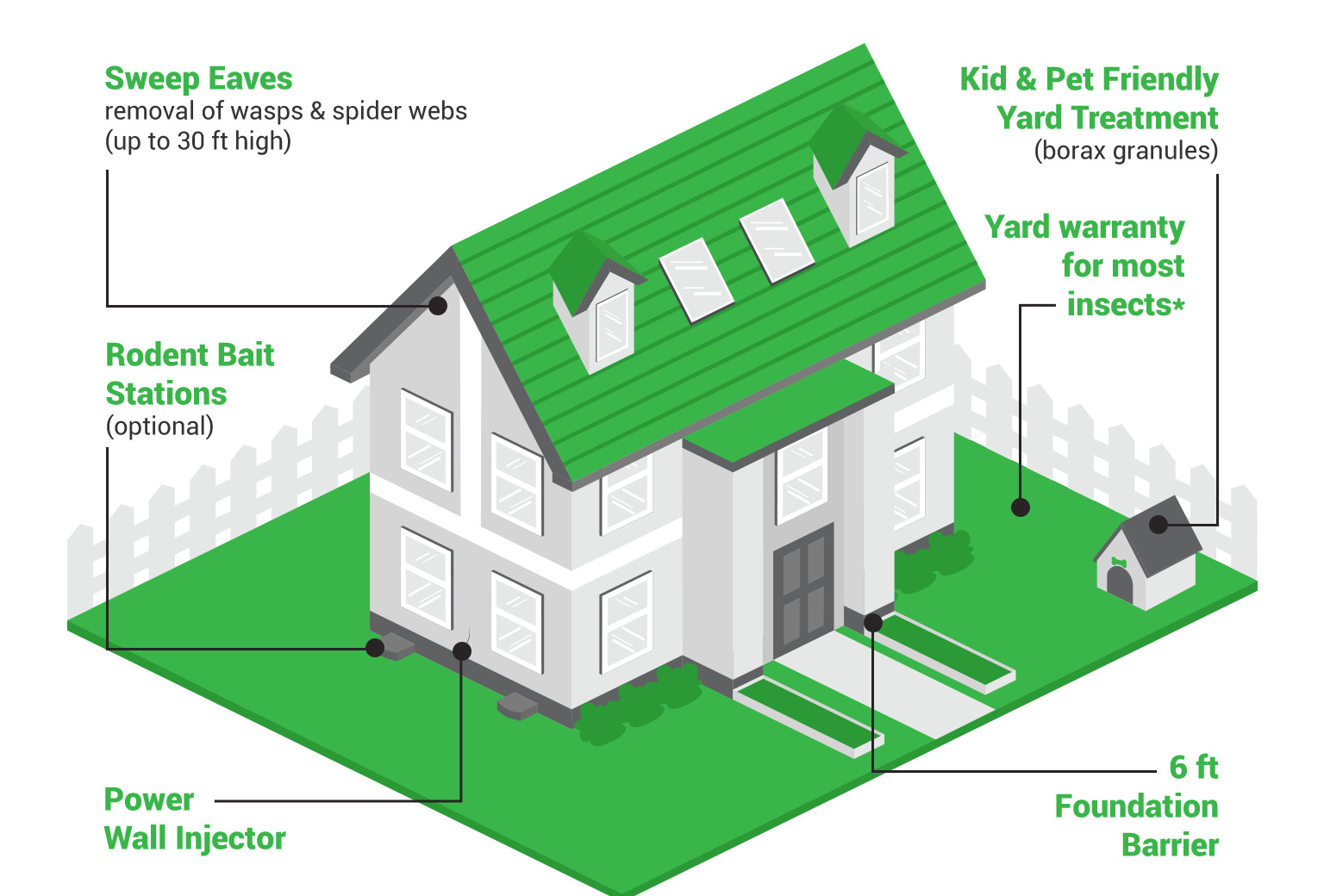
Vinx HomeGuard Plan
What Happens at Every Visit
Our technicians don’t just spray and leave. Every quarterly service covers your full exterior and interior, done right, backed by a written guarantee.
- Yard & Margin Treatment: Ground cover, mulch beds, and vegetation borders treated every visit
- Power Wall Injector: Treats wall voids where pests hide
- 6 ft Foundation Barrier: Full perimeter treatment every visit
- Yard Warranty: Free retreatment for most insects
- Kid & Pet Safe Yard Treatment: Borax granules, safe after dry
Homeowner Tips
6 Ways to Reduce Tick & Flea Pressure on Isle of Palms
Kid & Pet Safe
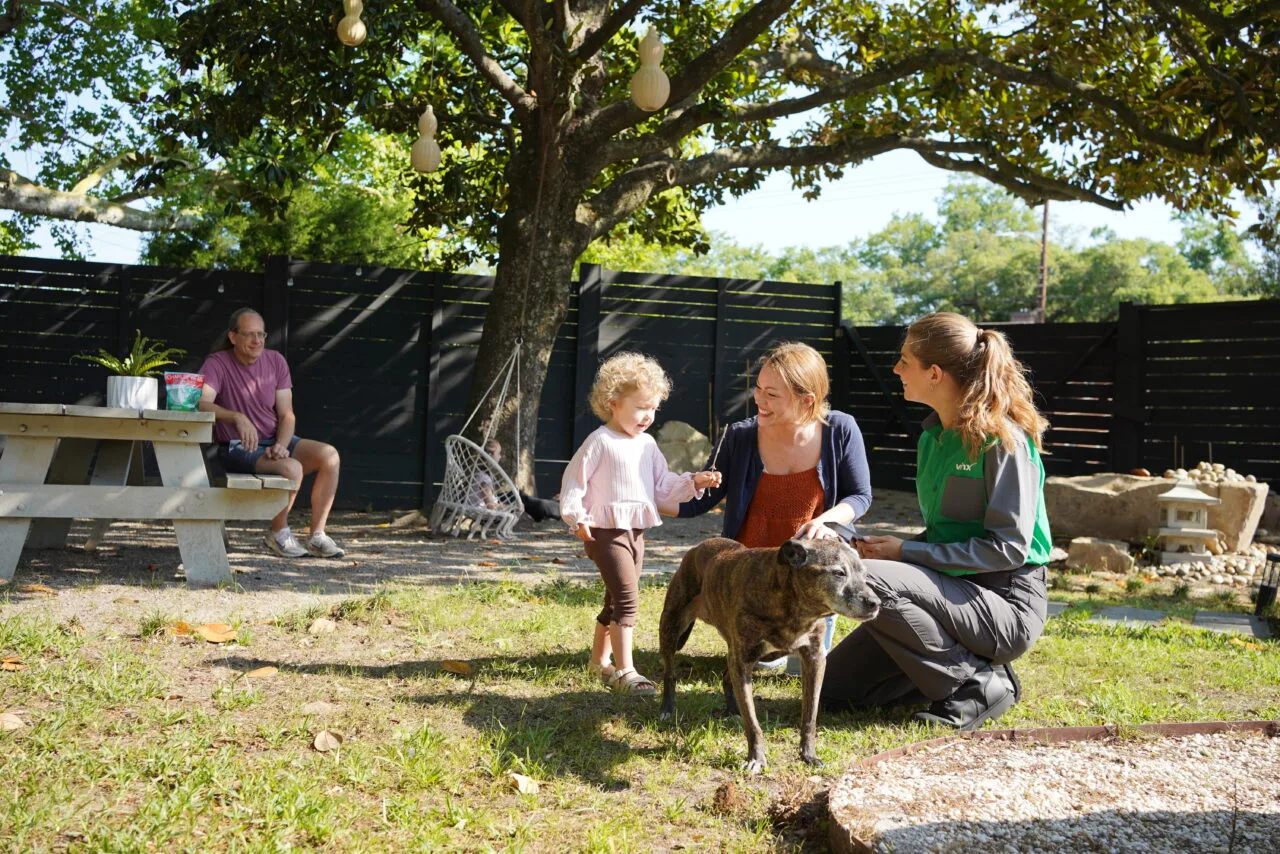
Our Treatments Are Safe for Your Whole Family: Including the Furry Members
Every product we use is EPA-registered and applied strictly at labeled rates by licensed technicians. We take the guesswork out of safety so you can feel confident letting kids and pets back into treated areas quickly.
EPA-Registered Products Only
All products we apply are EPA-registered and used strictly per label requirements. Our licensed technicians are trained to apply the right product in the right place at the right rate, every time.
Dry Time Before Re-Entry
Exterior spray treatments dry in 30–60 minutes. Once dry, treated surfaces are safe for children and pets to contact. Your technician will confirm the all-clear before leaving your property.
Interior Treatment On Request
We treat only what’s needed, where it’s needed. Gel baits in cabinets and crack-and-crevice applications keep products away from areas pets and children frequent most.
Botanical Options Available
Have specific sensitivities? Ask your technician about our plant-derived treatment options. We offer botanical alternatives for households that prefer a more natural approach.
Have a concern about products used near your pets or children? Call 855-800-8469 and we’ll walk you through exactly what we use and why it’s safe.
Explore More
More Pest Control Services in Charleston
Ant Control Isle of Palms
Household ants & others
Bed Bug Control Isle of Palms
Heat & liquid treatments
Cockroach Control Isle of Palms
Palmetto bug & roach removal
Mosquito Control Isle of Palms
Monthly barrier treatments
Rodent Control Isle of Palms
All rodents covered
Spider Control Isle of Palms
All spider species covered
Termite Control Isle of Palms
Bait systems & liquid treatment
Wasp Control Mount Pleasant
Nest removal & prevention

Tick & Flea Control Isle of Palms
Yard & pet protection

Pest Control Isle of Palms
Year-round protection plans
Frequently Asked Questions
Isle of Palms Tick & Flea Questions
It is quoted separately from the general pest plan because it needs different products and a different rhythm. On a pet-friendly rental the drivers are indoor soft-furnishing area, how much shaded outdoor space there is, and turnover frequency. Inspection is free. Call 855-800-8469.
By treating the property as the host, because it is the only constant. Clemson HGIC 2423 records four to eight eggs after each blood meal and more than four hundred over a lifetime, and those sit in rug pile, floor cracks and shaded ground rather than on any animal. The environment plus a timed repeat visit does the work a pet product normally would.
Inspect rather than assume, then treat and document. By the time bites are reported the animal has usually left and eggs have been developing for weeks, so a single reactive treatment tends to be followed by a recurrence. The written record is also what resolves the conversation.
Not from South Carolina, and Clemson says so plainly — statewide eradication is “only wishful thinking” while control is entirely possible. On a rental the realiztic goal is a property that does not accumulate a population between guests.
The margins. Clemson HGIC 2484 explains ticks are not insects, that all life stages feed on blood, and that many simply wait for a host to pass rather than hunting. Here that means the edge where landscape meets dune scrub or marsh, and the planting along walkover approaches — exactly the routes guests walk dogs along.
Take it seriously without alarming them. Clemson notes most tick bites do not result in illness, and Clemson HGIC 2483 documents the diseases that do occur in the southeast. Prompt removal, note the date, and see a doctor if symptoms follow.
No. City code prohibits dune alteration and the vegetation is protected, and Clemson advises a ten-to-thirty-foot buffer clear of pesticide where property meets marsh. We treat the landscaped side of the margin instead, which is where the useful reduction comes from anyway.
We cover the whole island including Wild Dunes, plus Sullivan’s Island and Mount Pleasant. Most calls get a next-day appointment, and an active flea problem in an occupied rental gets moved up. Call 855-800-8469.
Service Coverage
Flea & Tick Control Across Isle of Palms & Mount Pleasant
Serving every neighborhood on Isle of Palms and across the Mount Pleasant area