
Bed Bug Treatment in Isle of Palms, SC
Species confirmed first, harborage mapped where it actually is, and the return visit scheduled around your bookings rather than against them.
About two in five dwellings on this island are licensed short-term rentals, and two-thirds of the condominiums are. Bed bugs travel with people and luggage rather than with geography, which makes Isle of Palms one of the highest-exposure locations in the Charleston market — not because of anything about the island, but because of how often the beds change occupants.
Get Started in 60 Seconds
Choose what’s easiest for you
Request a Quote
We usually respond in 2 minutes
Call 855-800-8469
Get a Live Person (no AI agents here!)
Sign Up Online
Get pricing and schedule now




Welcome to Vinx Pest Control
A Company That Actually Backs What It Says
At Vinx, we combine professional-grade treatments with a level of service most pest control companies don't offer. Local technicians, fast response times, and a guarantee that actually means something.
Get a Free Quote"I'm not passionate about killing bugs. I'm passionate about customer service. At Vinx, you get experts who show up, do the job right, and stand behind every visit. No runaround, no fine print."
PROTECTION PLANS
Isle of Palms Bed Bug Treatment Pricing
100% money-back guarantee on every plan.

Standard Residential Protection
- 4 Seasonal Treatments Per Year
- 50+ Covered Pests
- Interior, Exterior & Yard Treatment
- Unlimited Free Re-Services
- 100% Money-Back Guarantee
- Fire Ant Yard Guarantee
- Flea & Tick Coverage
- Mosquito Treatments

Upgraded Yard Protection
- 6 Home & Yard Treatments Per Year
- 50+ Covered Pests
- Interior, Exterior & Yard Treatment
- Unlimited Free Re-Services
- 100% Money-Back Guarantee
- Fire Ant Yard Elimination Guarantee
- Flea & Tick Elimination Guarantee
- Mosquito Treatments

Most Comprehensive Protection
- 9 Treatments Per Year
- 50+ Covered Pests
- Interior, Exterior & Yard Treatment
- Unlimited Free Re-Services
- 100% Money-Back Guarantee
- Fire Ant Yard Elimination Guarantee
- Interior Flea & Tick Coverage
- 8 Mosquito Treatments (Mar–Nov)
- Free Bed Bug Treatments if Needed*
Bed bug work is quoted per property rather than on a plan, because room count, adjacent units and the booking window all change the work. Recurring plans from $49/mo cover more than fifty other pests. Free inspection and a firm price first — call 855-800-8469.
Request Your Free Pest Control Quote
Fill out the form below and a Vinx team member will reach out within 2 minutes during business hours.
Prefer to talk? Call 855-800-8469 for a live person, no AI agents.
Our Process
How Our Isle of Palms Bed Bug Treatment Works

Free Inspection and Species Confirmation
Bed bug, bat bug or swallow bug — this determines everything downstream, so it happens before any quote. Each has a different preferred host, and a bat bug problem is solved by finding the roost.

Harborage Mapping in the Right Places
Frame joints, slats, headboard fixings, seams and adjacent furniture rather than the mattress surface. On a rental with a tight turnover window, checking the right ten places beats a cursory look at the sheets.
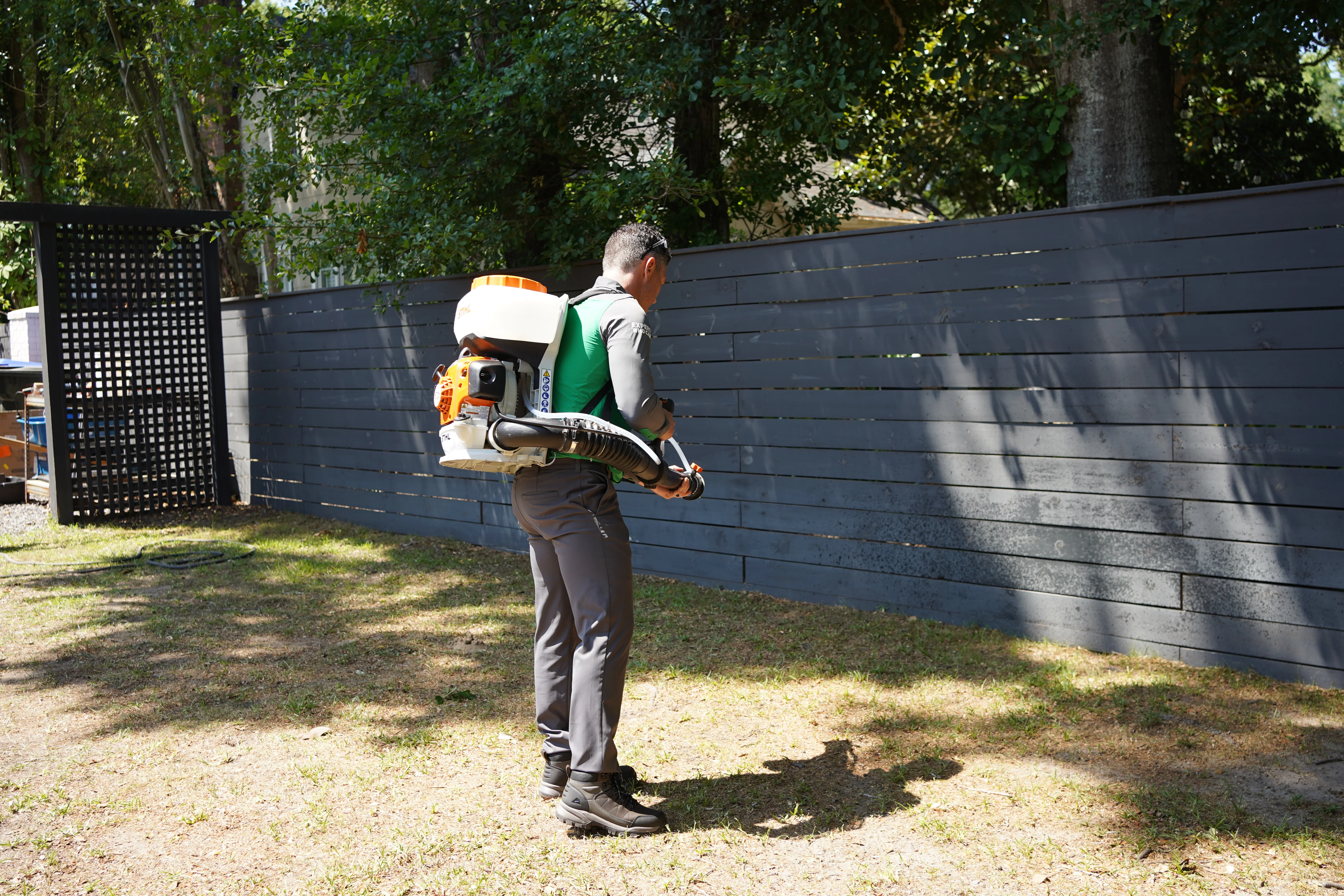
A Short, Specific Preparation List
Not wholesale bagging and discarding, which on a furnished rental risks moving the problem into a clean room.
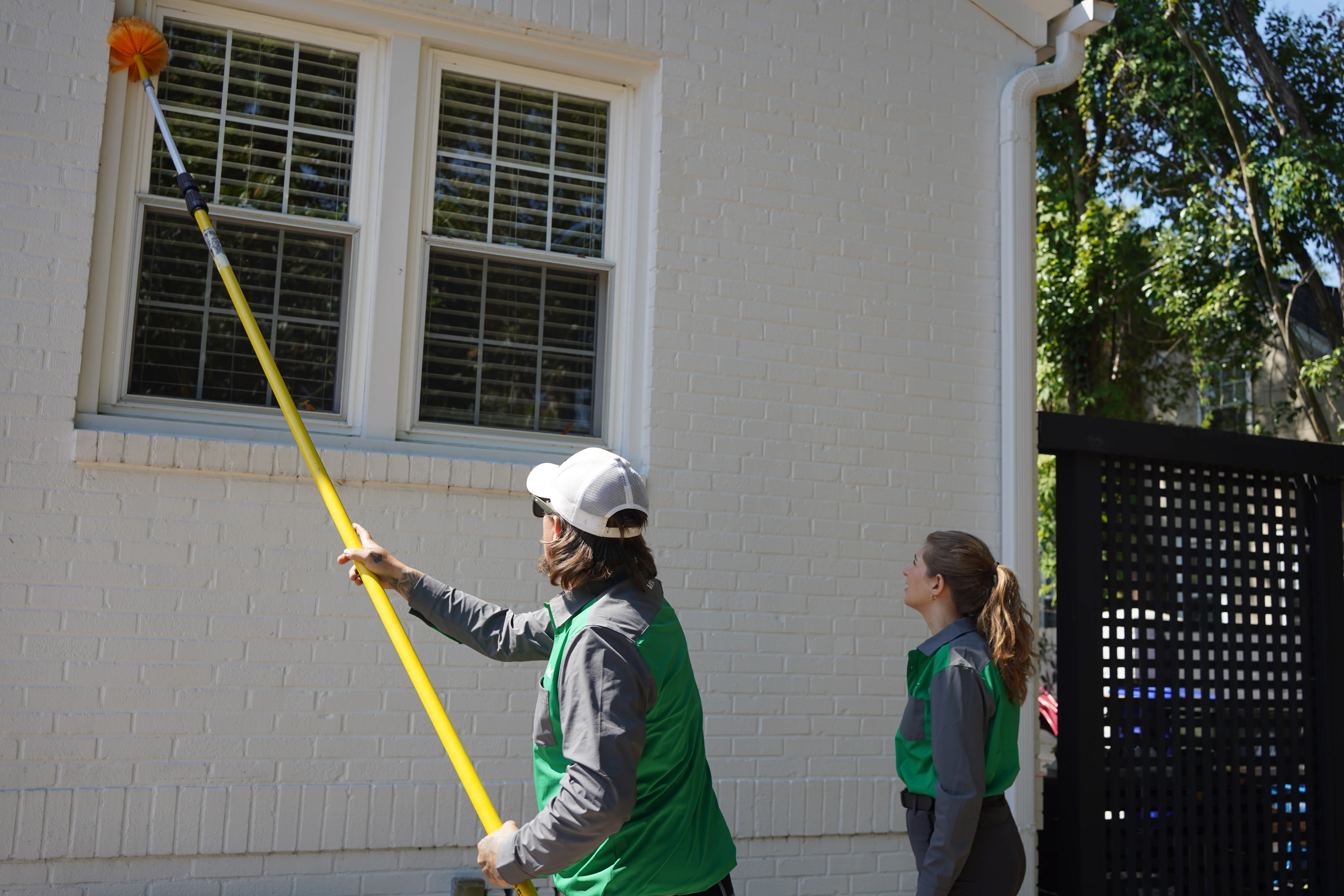
Treatment With the Return Visit Scheduled Up Front
Timed to eggs hatching after the first pass, and fitted around bookings rather than against them.
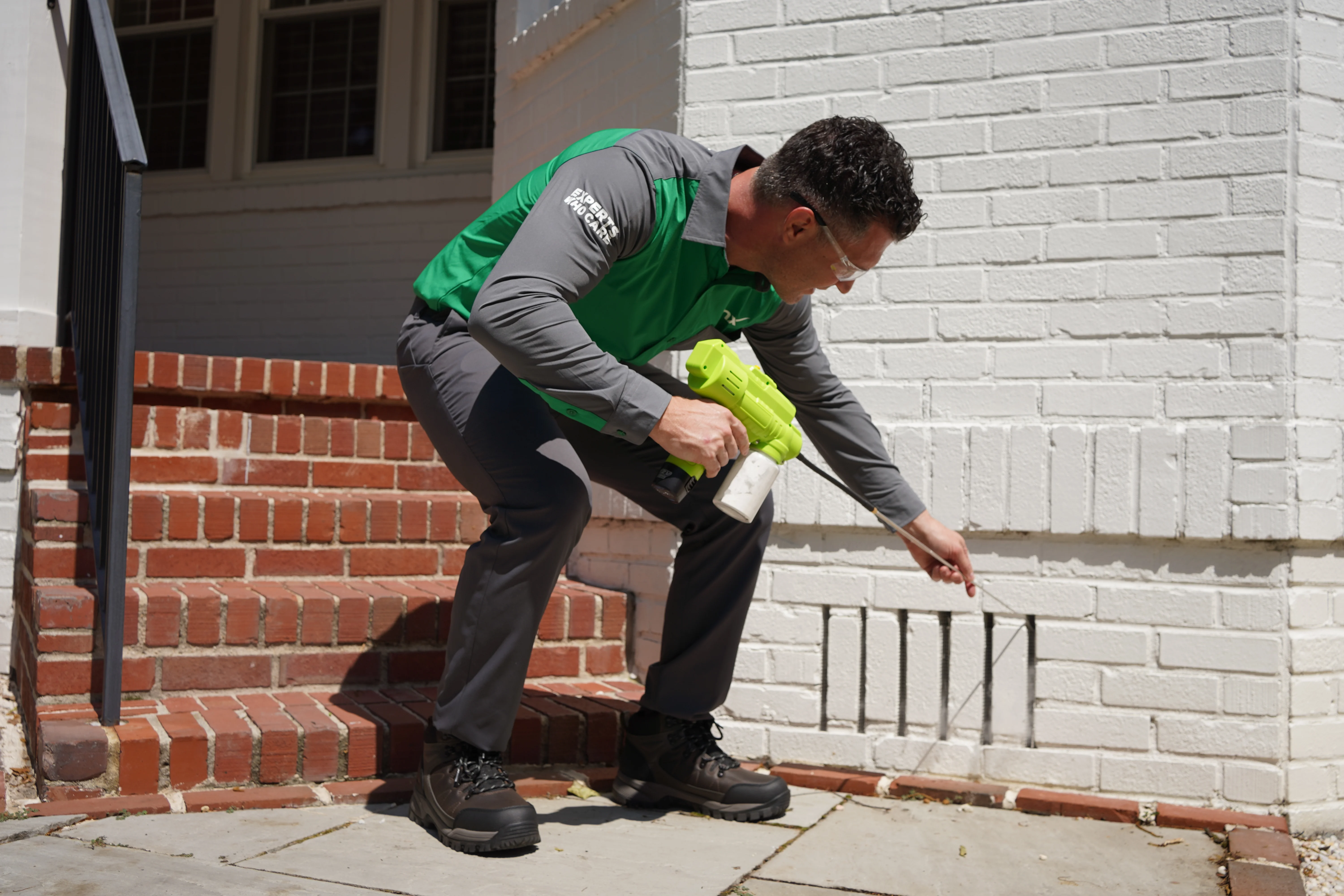
Written Per-Visit Documentation
An inspection history is what turns a guest complaint into a resolved incident instead of a dispute.
Customer Reviews
Real Reviews from Isle of Palms Homeowners
Very detailed about what was done. I have been with them for awhile and am satisfied
Austin did an excellent job I had problems with spiders he made sure he sprayed every inch of my home this is there second time coming out I love this company.
Austin has always been an awesome service technician, He is willing to listen to our concerns when we have any and can be trusted to do quality work weather we are at home or not. You can't go wrong with Vinx Pest Control
Austin is professional, polite, and confident the treatment will do it’s job, which is helping me rest easy.
Anthony always does a great job! 👏 dependable and professional.
Local Knowledge
Turnover Is the Whole Risk
The Town’s own licensing record, in the City of Isle of Palms’ own planning documents, is the number that matters: as of 31 October 2023, 1,850 of 4,610 dwellings — about 40 percent — held a City short-term rental license, covering 29 percent of single-family homes and 67 percent of condominiums. A short-term rental here means a let of thirty days or less. The Town reports a summer peak approaching 20,000 people against a year-round population just over four thousand.
Every one of those arrivals brings a bag that has been on a bed, a rack or a car boot somewhere else. That is the entire transmission mechanism, and it has nothing to do with cleanliness, coastal climate or the age of the building. It is arithmetic: more beds, more occupants per bed per year, more chances. None of that makes an infestation likely in any one property. It does mean that on this island a suspected bite deserves an inspection rather than a shrug, and that a rental operator who has never had the beds looked at is running an uninspected risk rather than a clean record.
6 Reasons Isle of Palms Calls an Exterminator
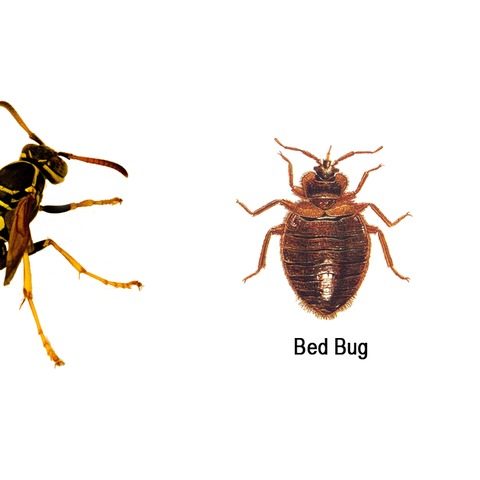
Bed Bug (Cimex lectularius)
Where it actually hides: frame joints, slats, headboard fixings, seams and adjacent furniture — not the mattress surface, which is where most self-inspections stop. Why one treatment is rarely enough: eggs survive the first pass, which is why the EPA describes retreatment as normal rather than a failure. The lookalikes that change the job: bat bugs and swallow bugs are routinely misidentified as bed bugs, and each has a different preferred host — if the insects are turning up near a soffit, attic or chimney, the answer is finding and excluding the roost, and repeat bedroom treatment will not resolve it.
Clemson HGIC makes a point that saves real money: many infestations reported as bed bugs turn out to be closely related species such as bat bugs or swallow bugs, and knowing which you have matters because each has a different preferred host. A bat bug problem is solved by finding and excluding the roost — treating the bedroom repeatedly will not touch it. That is why we will not quote a treatment down the phone. the EPA’s inspection guidance sets out where to actually look, and it is not the mattress surface: frame joints, slats, headboard fixings, seams and adjacent furniture.
On method, the EPA is blunt about why single treatments fail: you may have to repeat the process “more than once to kill all the bugs and their eggs,” and retreatment is often needed because “the initial cleanup missed some bugs or eggs have hatched.” So a return visit is part of the treatment here, not an upsell — and on a rental it has to be scheduled around bookings rather than squeezed in.
Reading a report matters too. A guest reports bites is suggestive only — reactions vary widely and many things bite — so inspect for physical evidence before treating and before conceding anything. Dark spotting on a mattress seam is fecal spotting, one of the more reliable signs. Shed skins or eggs in frame joints is active harborage, and wants treatment with a scheduled return because eggs survive a single pass. Insects near a soffit, attic or chimney may be bat bugs or swallow bugs, where the answer is excluding the roost. Recurrence in a condo after treatment is usually an untreated adjacent unit, or reintroduction by a later guest.
Short-term rental operators here have a specific set of problems owner-occupiers do not. Access is the first: the City requires license holders to keep a 24-hour contact number, and in practice that number plus a lockbox is what lets a technician work between guests. Documentation is the second, and it is underrated. The third is neighbors — two-thirds of condominiums here are licensed rentals, which means shared walls and service runs with other frequently turned-over units, and treating one unit while the adjacent ones go unexamined relocates a population for a few weeks and then returns it.
Prevention advice written for a household does not survive contact with a property that has fifty different occupants a year. A few things do. Encase the mattresses and box springs — the highest-value single measure, because it removes the largest harborage permanently and makes inspection dramatically faster. Choose frames you can inspect: simple metal or slatted frames with accessible joints take a fraction of the time that enclosed platform beds and upholstered headboards do. Brief the cleaners specifically — they are your inspection network, and they will only report what they have been asked to look for. Reduce clutter and soft storage, because decorative cushions and stacked linens are harborage nobody moves between guests. None of that prevents an introduction. What it does is make one findable early and treatable in one cycle rather than three.
The clearest proof that this is about turnover rather than about beaches is one bridge away. Sullivan’s Island prohibits vacation rentals outright — Article XIII of its zoning ordinance states that “Vacation Rentals are prohibited uses,” defined as any paid stay under twenty-eight continuous days — while roughly two in five dwellings here are licensed for exactly that. Same climate, same salt air, same architecture, opposite rules. The bed bug exposure follows the rules, not the weather, which is why a rental here needs a program built around changeover rather than around the calendar.
Pest Pressure by Neighborhood
Where Isle of Palms Exterminator Calls Come From
Wild Dunes: Gated Access, Same Work
Approved in 1975 and gated, Wild Dunes holds about 12 of the island’s 35 road miles, so access is arranged through the community rather than turning up — but the work itself is no different. Resort-area units turn over constantly, which is why service here runs on a standing schedule with agreed access and written per-visit records.
Condos: Shared Walls & Service Runs
Sixty-seven percent of the island’s condominiums are licensed short-term rentals, and shared walls and service runs connect unit to unit. Treating a single unit relocates a roach or ant population rather than resolving it, so condo work here means treating adjacent units together, with reports going to both the owner and the management company.
Rental Blocks: Turnover-Driven Calls
About 40 percent of dwellings held a City short-term rental license as of October 2023. Frequent guests mean luggage, goods and beds moving in and out — the vector for bed bugs and a good route for roaches — while cleaners between turnovers are not inspecting. The required 24-hour contact number is often the fastest way to get a technician inside.
Seasonal Homes: What Vacancy Hides
Sixty-four percent of dwellings are taxed at the non-primary-residence rate, and a house occupied a few weeks a year hides its problems: a leak runs for weeks, standing water sits, a rodent goes unheard. These calls get quarterly service with a moisture and exclusion focus, and written reports sent to the owner off-island.
Post-Hugo Stock: Expired Treatments
Hurricane Hugo destroyed more than two hundred structures in September 1989, and 36 percent of today’s housing dates to the 1980s. That stock is now thirty-five to forty years old — original plumbing penetrations, aging flashing, and pre-construction soil treatments long past their service life — so inspection concentrates on the routes that age has opened.
Complete Coverage
What Else a Standard Plan Covers Here
Bed bug work is quoted separately, but the recurring plan covers more than fifty other pests with interior, exterior and yard treatment and unlimited free re-services.

Ants
Ants, Argentine ants, carpenter ants, and odorous house ants. Perimeter bait, mound treatment, crack and crevice application.
All Plans
Cockroaches & Palmetto Bugs
American, Asian, and German cockroaches. Gel bait in harborage areas, exterior perimeter spray, drain treatment.
All Plans
Spiders
Web removal from eaves, exterior perimeter targeting harborage. Black widow identification and targeted treatment.
All Plans
Wasps & Hornets
Nest removal from eaves, soffits, structural voids. Preventative treatment of common nesting sites on each quarterly visit.
All Plans
Fleas & Ticks
Yard treatment targeting grassy and shaded areas. Interior treatment of active infestation areas.
Plus & Platinum
Bed Bugs
Inspection, heat treatment assessment, and targeted chemical treatment. Charleston’s tourism industry creates consistent exposure risk.
Platinum (12mo)
Rodents
Exterior bait station monitoring included in Plus and Platinum. Active infestation and full exclusion quoted separately after inspection.
Plus & Platinum
Mosquitoes
Monthly barrier spray and larvicide. Year-round service adjusted seasonally. Up to 90% population reduction per visit.
Platinum Only
Occasional Invaders
Silverfish, earwigs, centipedes, stink bugs, ladybugs, pillbugs. Crack and crevice treatment, perimeter spray, entry point ID.
All PlansKid & Pet Safe
Our Treatments Are Safe for Your Whole Family: Including the Furry Members
Every product we use is EPA-registered and applied strictly at labeled rates by licensed technicians. We take the guesswork out of safety so you can feel confident letting kids and pets back into treated areas quickly.

EPA-Registered Products Only
All products we apply are EPA-registered and used strictly per label requirements. Our licensed technicians are trained to apply the right product in the right place at the right rate, every time.
Dry Time Before Re-Entry
Exterior spray treatments dry in 30–60 minutes. Once dry, treated surfaces are safe for children and pets to contact. Your technician will confirm the all-clear before leaving your property.
Interior Treatment On Request
We treat only what’s needed, where it’s needed. Gel baits in cabinets and crack-and-crevice applications keep products away from areas pets and children frequent most.
Botanical Options Available
Have specific sensitivities? Ask your technician about our plant-derived treatment options. We offer botanical alternatives for households that prefer a more natural approach.
Have a concern about products used near your pets or children? Call 855-800-8469 and we’ll walk you through exactly what we use and why it’s safe.
Explore More
More Pest Control Services in Charleston
Ant Control Isle of Palms
Household ants & others
Bed Bug Control Isle of Palms
Heat & liquid treatments
Cockroach Control Isle of Palms
Palmetto bug & roach removal
Mosquito Control Isle of Palms
Monthly barrier treatments
Rodent Control Isle of Palms
All rodents covered
Spider Control Isle of Palms
All spider species covered

Termite Control Isle of Palms
Bait systems & liquid treatment
Wasp Control Mount Pleasant
Nest removal & prevention

Tick & Flea Control Isle of Palms
Yard & pet protection

Pest Control Isle of Palms
Year-round protection plans
Frequently Asked Questions
Isle of Palms Bed Bug Questions
It is quoted per property rather than on a plan, because room count, whether adjacent units need including, and the booking window all change the work. Inspection is free and the price is firm before anything starts. Call 855-800-8469.
For bed bugs specifically, yes — not because of anything local, but because of turnover. About 40 percent of dwellings held a City short-term rental license as of October 2023, 67 percent of condominiums did, and a short-term let here is thirty days or less. More occupants per bed per year is the entire mechanism.
Worth confirming first. Clemson notes many reported infestations turn out to be bat bugs or swallow bugs, which have different preferred hosts — a bat bug problem is solved by excluding the roost, not by treating the bedroom again.
Eggs. The EPA says plainly that you may need to repeat the process more than once to kill the bugs and their eggs, and that retreatment is often needed because eggs have hatched. A single pass that looks successful for ten days is the classic pattern.
Get an inspection rather than conceding or dismissing. Bites alone are not diagnostic, and physical evidence either exists or it does not. Either way you want the finding in writing, because that record is what resolves the conversation.
It depends on the method and the extent, and we will tell you at the inspection rather than after you have taken a booking. That is the point of inspecting before quoting — on a rental the schedule is part of the cost.
Usually not. A mattress can normally be treated and encased, and discarding furniture without treating the room leaves the population in the frame and the baseboards. On a furnished rental, hauling items through the building is also a good way to spread it.
We cover the whole island including Wild Dunes, plus Sullivan’s Island and Mount Pleasant. Most calls get a next-day appointment, and an occupied rental gets moved up. Call 855-800-8469.
Service Coverage
Bed Bug Treatment Across Isle of Palms & Mount Pleasant
Serving every neighborhood on Isle of Palms and across the Mount Pleasant area