Spider Control in Isle of Palms, SC
Widow spiders want one thing above all: to be left alone. A sheltered, low, undisturbed void is where they build, and a barrier island of raised houses that sit empty for months supplies that at scale — on Isle of Palms this is the one pest where the vacancy rate is not just a detection problem, it is the habitat. Widow harborage on a raised island house is a short, predictable list, which makes this one of the more contained jobs rather than an open-ended one.
Get Started in 60 Seconds
Choose what’s easiest for you
Request a Quote
We usually respond in 2 minutes
Call 855-800-8469
Get a Live Person (no AI agents here!)
Sign Up Online
Get pricing and schedule now





Welcome to Vinx Pest Control
A Company That Actually Backs What It Says
At Vinx, we combine professional-grade treatments with a level of service most pest control companies don't offer. Local technicians, fast response times, and a guarantee that actually means something.
Get a Free Quote"I'm not passionate about killing bugs. I'm passionate about customer service. At Vinx, you get experts who show up, do the job right, and stand behind every visit. No runaround, no fine print."
PROTECTION PLANS
Isle of Palms Spider Control Pricing
100% money-back guarantee on every plan.

Standard Residential Protection
- 4 Seasonal Treatments Per Year
- 50+ Covered Pests
- Interior, Exterior & Yard Treatment
- Unlimited Free Re-Services
- 100% Money-Back Guarantee
- Fire Ant Yard Guarantee
- Flea & Tick Coverage
- Mosquito Treatments

Upgraded Yard Protection
- 6 Home & Yard Treatments Per Year
- 50+ Covered Pests
- Interior, Exterior & Yard Treatment
- Unlimited Free Re-Services
- 100% Money-Back Guarantee
- Fire Ant Yard Elimination Guarantee
- Flea & Tick Elimination Guarantee
- Mosquito Treatments

Most Comprehensive Protection
- 9 Treatments Per Year
- 50+ Covered Pests
- Interior, Exterior & Yard Treatment
- Unlimited Free Re-Services
- 100% Money-Back Guarantee
- Fire Ant Yard Elimination Guarantee
- Interior Flea & Tick Coverage
- 8 Mosquito Treatments (Mar–Nov)
- Free Bed Bug Treatments if Needed*
One-off treatment priced by pest and property, or recurring plans from $49/mo, money-back guaranteed on every plan. Because widow harborage here is predictable, this is usually one of the more contained jobs. Free inspection and a firm price first — call 855-800-8469.
Request Your Free Pest Control Quote
Fill out the form below and a Vinx team member will reach out within 2 minutes during business hours.
Prefer to talk? Call 855-800-8469 for a live person, no AI agents.
Our Process
How Our Isle of Palms Spider Control Works

Free Inspection of the Eleven Places That Matter
Enclosure corners, storage, deck and stair undersides, walkover framing, meter boxes and stacked items — not a walk through the living room.
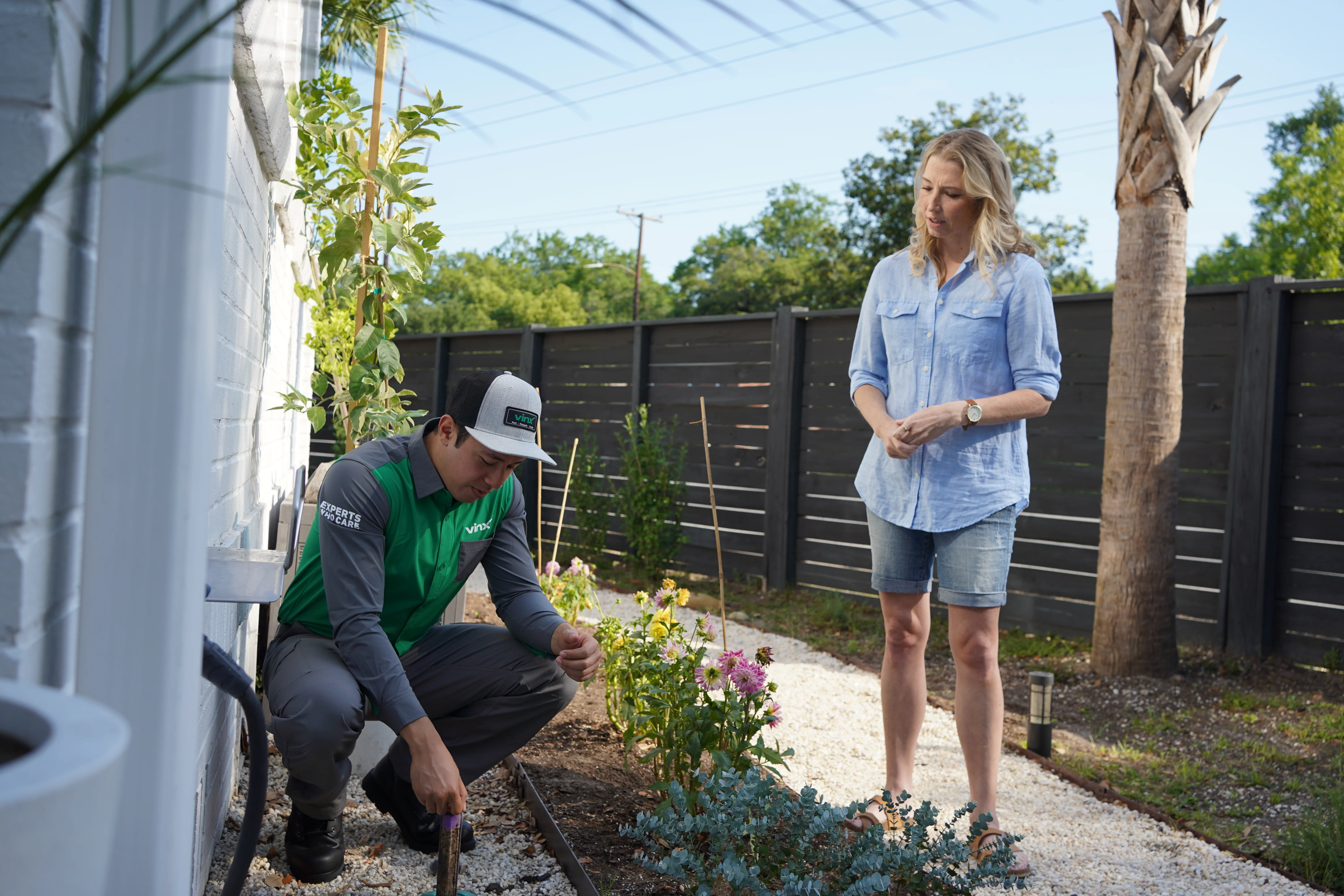
Identification Before Pricing
Widow, harmless orb weaver, humidity-indicator cellar spider or a misidentified recluse. Nothing gets quoted at recluse rates without a specimen.
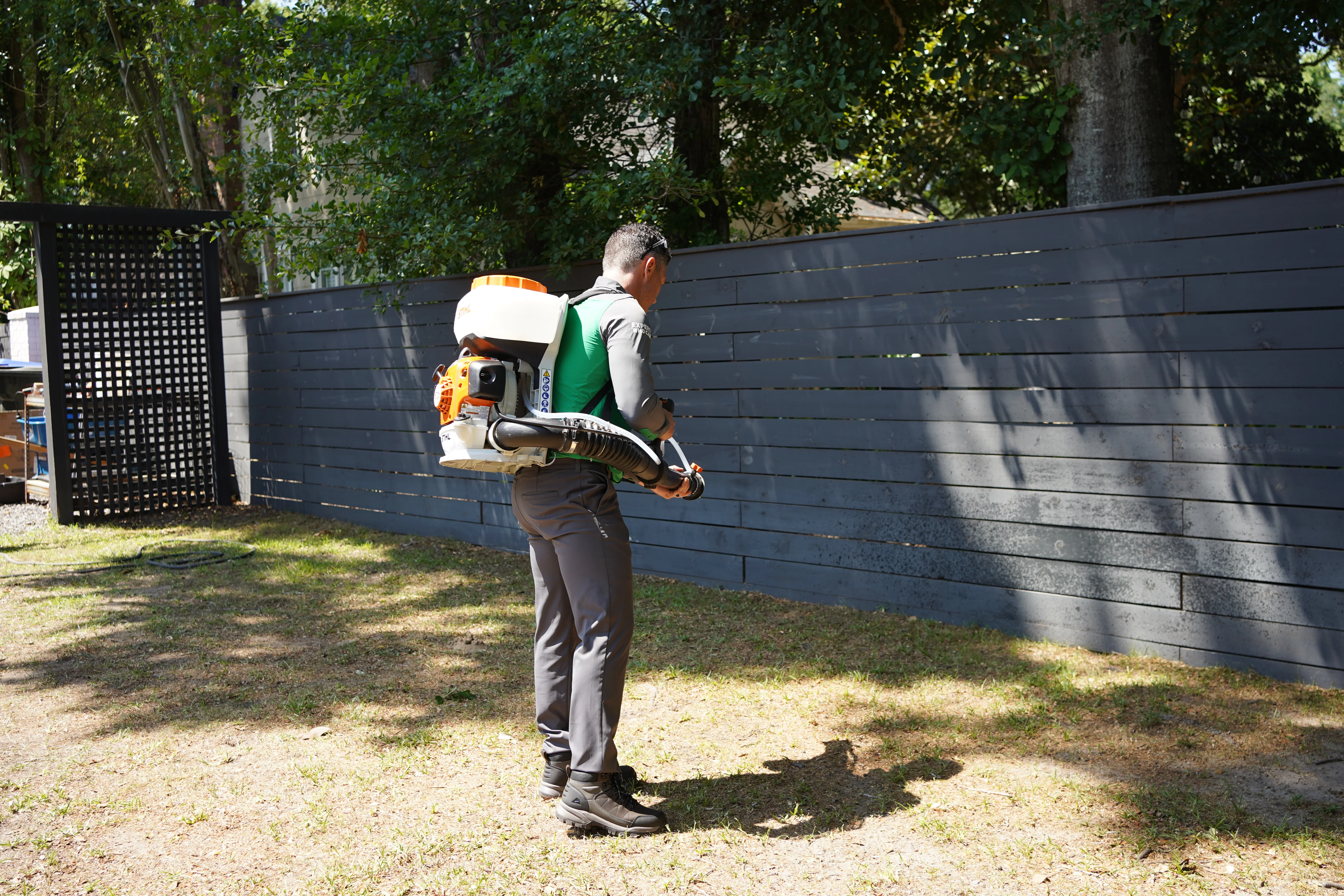
Harborage Treatment Plus Web Removal
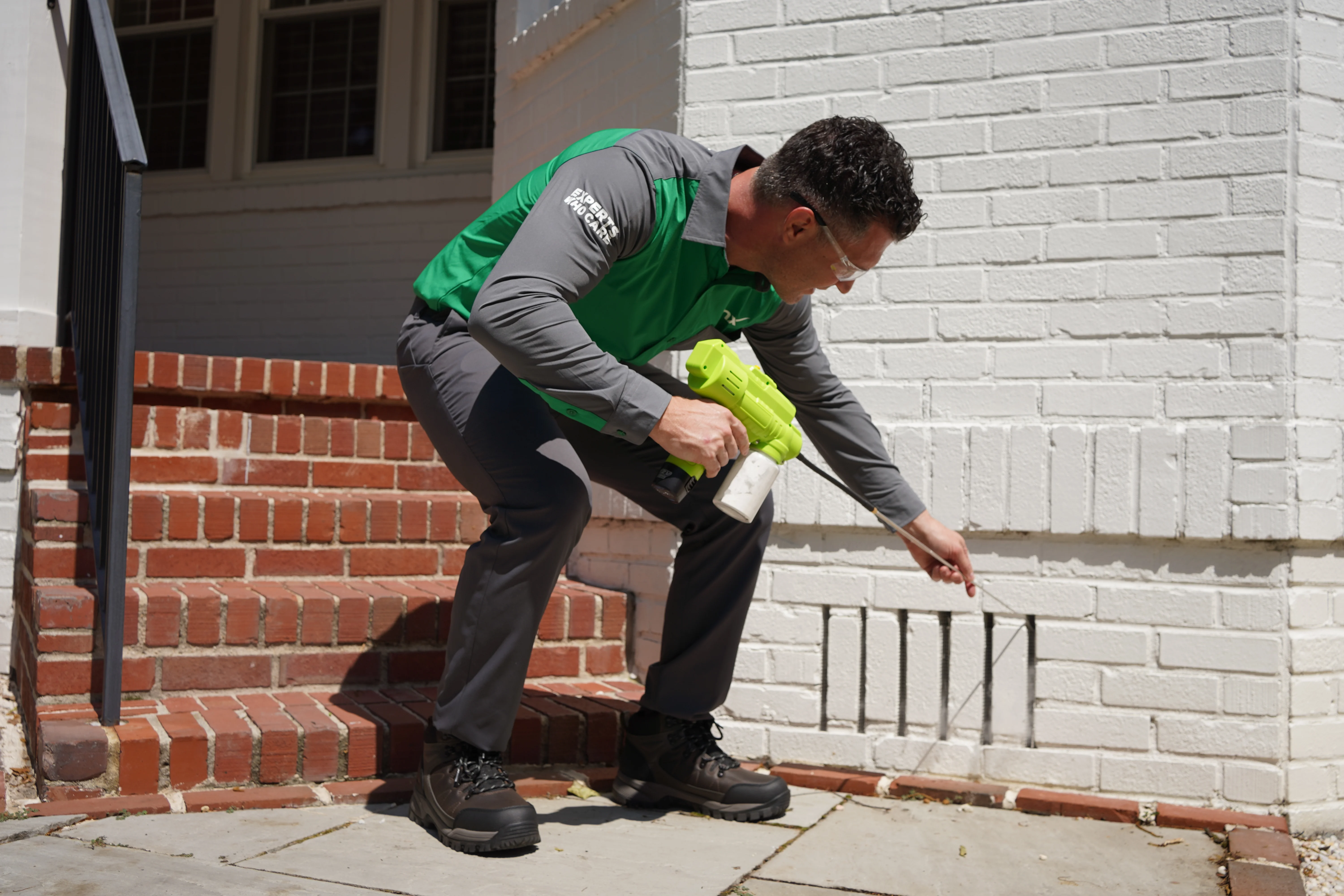
Direct treatment of the voids widows use, with webs cleared so you can see whether it worked.
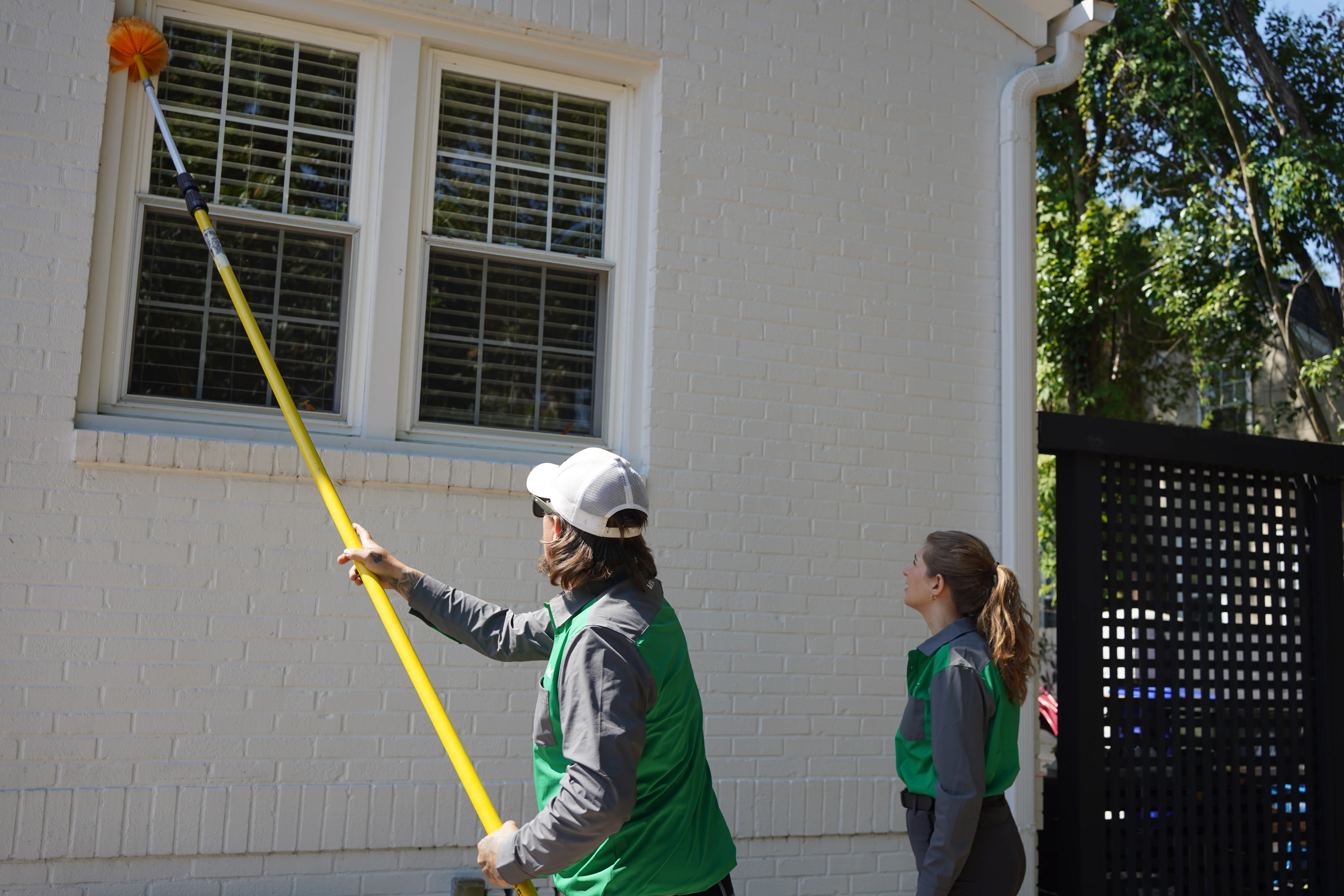
Moisture Correction Where Cellar Spiders Are the Finding
On an island averaging eight to ten feet of elevation with tide-influenced drainage, damp under-floor space is the actual problem.
Scheduled Re-Checks, Documented
Widows recolonize undisturbed voids, and on a property that sits empty the schedule is the only thing doing the checking.
Customer Reviews
Real Reviews from Isle of Palms Homeowners
Jack did a great job today! He was friendly and very professional. He made sure to ask if there were any concerns. He took care to spray for spiders on my back porch, which I appreciate. Thanks!
Anthony was knowledgeable amd kind. He shared what he thought would help our problem and even let us know about other services the company offered that we will be following up on! Thank you so much Anthony! It was a pleasure!
My tech was Jack he was very polite and personable. He was quick and thorough with his service and was very open and concerned about any issues i might be having regarding pest.
Jack from Vinx did outstanding job, above and beyond. He’s polite and professional and dedicated to his trade.
Anthony does a great job servicing our house. He is very thorough and always takes his time.
Local Knowledge
Undisturbed Is the Whole Requirement
American Community Survey housing tables put homeowner vacancy here at 0.9 percent against rental vacancy of 90.8 percent, with only 133 of 4,588 units conventionally renter-occupied. Add the Town’s count of roughly 1,850 dwellings on short-term rental licenses and the picture is thousands of structures where nobody moves the storage, sweeps the enclosure or opens the meter box for months at a time.
6 Reasons Isle of Palms Calls an Exterminator
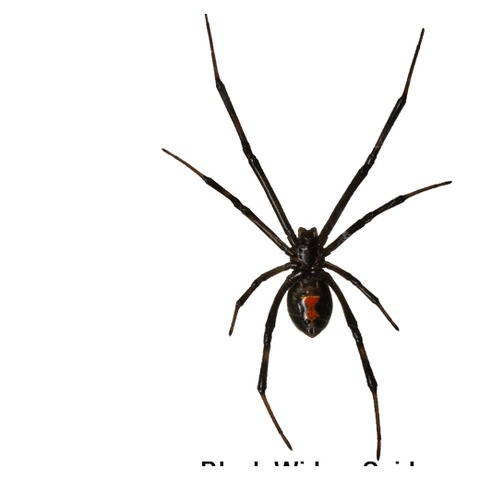
Southern Black Widow (Latrodectus mactans)
What you are seeing: a dark spider with a red marking underneath, in a low, sheltered void. Whether it needs treating: yes — targeted harborage treatment, and worth doing promptly. It does not hunt; it builds in dark, sheltered, low places and stays there, which is exactly why an unoccupied building suits it and exactly why it is straightforward to find.
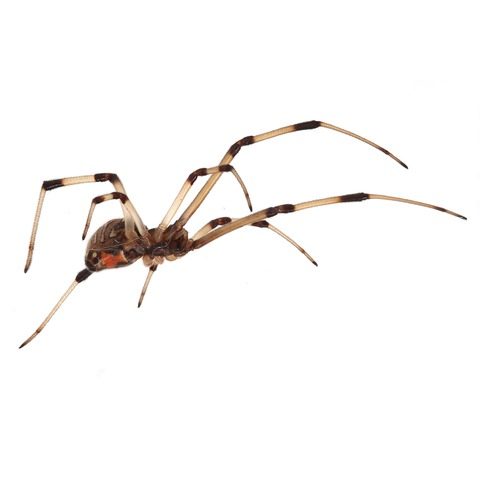
Brown Widow (Latrodectus geometricus)
The second widow species Clemson records in South Carolina, and one people miss because they are looking for a black spider. Same habits and the same short list of places: enclosure corners, stacked pots, meter boxes, the underside of deck boards and stair treads. Treat the harborage and clear the webs so you can see whether it worked.
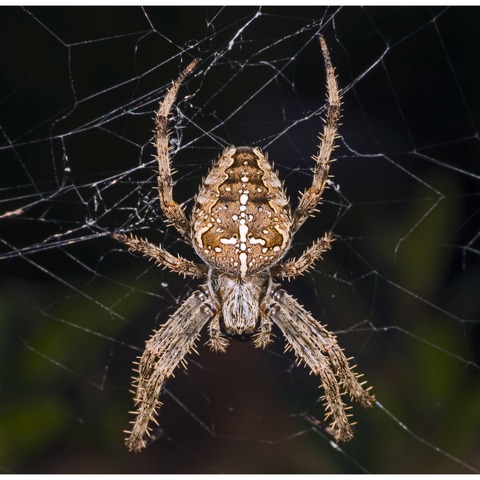
Seasonal Orb Weaver
What you are seeing: a large yellow-and-black spider in a big web across the porch, rails or between pilings from late summer. Whether it needs treating: not medically. They are harmless and rebuild nightly, so the honest service is web removal plus a barrier if you want the porch usable. On a rental it is a guest-experience issue rather than a safety one, which is a legitimate reason to deal with it.
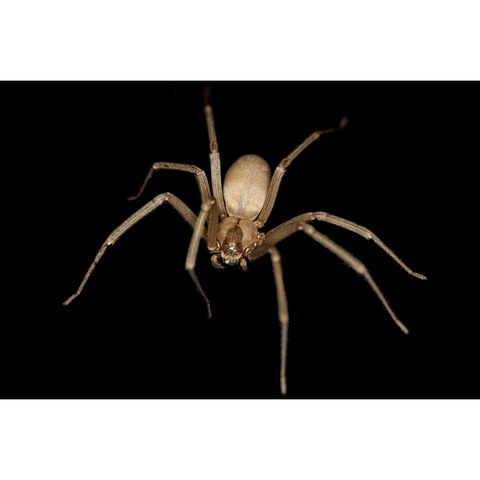
The Brown Recluse Question
What you are seeing: almost always a look-alike. South Carolina’s verified record is forty-four confirmed specimens in the entire state since 1953, from six of forty-six counties, every one taken from inside a structure rather than natural habitat — against 738 recluse bites diagnosed by SC physicians in 2004 alone. What should happen: identification before any treatment is quoted. If a company prices recluse work here, ask for the specimen.
Clemson HGIC records more than one widow species in South Carolina, the brown widow alongside the southern black widow. Neither hunts. Both build in dark, sheltered, low places and stay there, which is precisely why they are so manageable once you know where to look — and why an unoccupied building is such good habitat. On this island the reliable spots are a short and specific list: under the elevated floor, in the corners of a lattice-skirted enclosure; inside beach-gear storage that has not been opened since last September; under deck boards and stair treads; in the framing of a dune walkover, of which there are roughly 176 on the island, each a sheltered wooden structure nobody touches; stacked flowerpots, coiled hose, folded chairs; and meter boxes and utility housings. Every one of those is sheltered, low, and undisturbed by design.
The corollary is genuinely reassuring: because the habitat is predictable, so is the treatment. This is not a spray-the-house problem. It is a check-and-treat-the-eleven-places problem, and it responds well. Enclosure corners take direct treatment plus web removal and a re-check after four weeks. Beach-gear storage wants clearing and raising first, then treatment of the framing rather than the floor. Deck and stair undersides are the spot most often skipped. Dune walkover framing gets targeted structural treatment — the dune itself is protected and is not treated. Meter boxes and stacked pots are checked with the perimeter rather than left out of scope.
The recluse question comes up on nearly every call, so here is the short answer. Frithsen, Vetter & Stocks (J Am Board Fam Med 2007;20:483–488) examined South Carolina’s verified records and found forty-four confirmed brown recluse specimens in the entire state since 1953, from six of forty-six counties, every one collected from inside a man-made structure rather than from natural habitat — against 738 recluse bites diagnosed by South Carolina physicians in 2004 alone. The authors conclude the species is not established here and that loxoscelism is heavily overdiagnosed. So if a company quotes you for recluse treatment on this island, ask them to identify the specimen first. Usually there is not one.
Two harmless groups account for most of what people notice, and treating them chemically is largely wasted money. Clemson HGIC covers the large yellow-and-black orb weavers that build impressive webs across porches, rails and between pilings from late summer — seasonal, harmless and rebuilt nightly, so the honest service is web removal and a barrier treatment. On a rental with guests arriving they matter cosmetically rather than medically, which is a legitimate reason to deal with them. Clemson HGIC covers the long-legged spiders in a crawl space or under-floor area, and makes a point worth taking seriously: they are an indicator of humidity more than a pest in their own right. On this island — average elevation eight to ten feet, tide-influenced drainage, most of the island in a flood hazard area — that is worth acting on. Treat the damp and the population falls without much else being done.
Clemson on integrated pest management is the frame for all of this: identify first, change the conditions second, and apply product only where it is the right tool. On spiders specifically that ordering saves people the most money.
The island’s building rules have quietly started manufacturing exactly this habitat. Since May 2024 the City has required new construction to provide 0.3 cubic feet of stormwater detention for every square foot of new or altered impervious surfacing, held on the same lot and above the seasonal high groundwater level — and the code names detention vaults, rock wells and open basins as approved methods. A rock well is a sheltered, low, dark void that sits undisturbed for months between storms. That is the widow’s specification almost word for word. We are not arguing against the rule; the drainage problem it answers is real. We are saying that on a newer or recently altered property the inspection now has somewhere specific to go, and it is a place most homeowners never look into.
Pest Pressure by Neighborhood
Where Isle of Palms Exterminator Calls Come From
Wild Dunes: Gated Access, Same Work
Approved in 1975 and gated, Wild Dunes holds about 12 of the island’s 35 road miles, so access is arranged through the community rather than turning up — but the work itself is no different. Resort-area units turn over constantly, which is why service here runs on a standing schedule with agreed access and written per-visit records.
Condos: Shared Walls & Service Runs
Sixty-seven percent of the island’s condominiums are licensed short-term rentals, and shared walls and service runs connect unit to unit. Treating a single unit relocates a roach or ant population rather than resolving it, so condo work here means treating adjacent units together, with reports going to both the owner and the management company.
Rental Blocks: Turnover-Driven Calls
About 40 percent of dwellings held a City short-term rental license as of October 2023. Frequent guests mean luggage, goods and beds moving in and out — the vector for bed bugs and a good route for roaches — while cleaners between turnovers are not inspecting. The required 24-hour contact number is often the fastest way to get a technician inside.
Seasonal Homes: What Vacancy Hides
Sixty-four percent of dwellings are taxed at the non-primary-residence rate, and a house occupied a few weeks a year hides its problems: a leak runs for weeks, standing water sits, a rodent goes unheard. These calls get quarterly service with a moisture and exclusion focus, and written reports sent to the owner off-island.
Post-Hugo Stock: Expired Treatments
Hurricane Hugo destroyed more than two hundred structures in September 1989, and 36 percent of today’s housing dates to the 1980s. That stock is now thirty-five to forty years old — original plumbing penetrations, aging flashing, and pre-construction soil treatments long past their service life — so inspection concentrates on the routes that age has opened.
Complete Coverage
What Else a Standard Plan Covers Here
Spider work sits inside the recurring plan, alongside more than fifty other pests with interior, exterior and yard treatment and unlimited free re-services.

Ants
Ants, Argentine ants, carpenter ants, and odorous house ants. Perimeter bait, mound treatment, crack and crevice application.
All Plans
Cockroaches & Palmetto Bugs
American, Asian, and German cockroaches. Gel bait in harborage areas, exterior perimeter spray, drain treatment.
All Plans
Spiders
Web removal from eaves, exterior perimeter targeting harborage. Black widow identification and targeted treatment.
All Plans
Wasps & Hornets
Nest removal from eaves, soffits, structural voids. Preventative treatment of common nesting sites on each quarterly visit.
All Plans
Fleas & Ticks
Yard treatment targeting grassy and shaded areas. Interior treatment of active infestation areas.
Plus & Platinum
Bed Bugs
Inspection, heat treatment assessment, and targeted chemical treatment. Charleston’s tourism industry creates consistent exposure risk.
Platinum (12mo)
Rodents
Exterior bait station monitoring included in Plus and Platinum. Active infestation and full exclusion quoted separately after inspection.
Plus & Platinum
Mosquitoes
Monthly barrier spray and larvicide. Year-round service adjusted seasonally. Up to 90% population reduction per visit.
Platinum Only
Occasional Invaders
Silverfish, earwigs, centipedes, stink bugs, ladybugs, pillbugs. Crack and crevice treatment, perimeter spray, entry point ID.
All PlansHomeowner Tips
6 Ways to Reduce Spider Pressure on Isle of Palms
Kid & Pet Safe
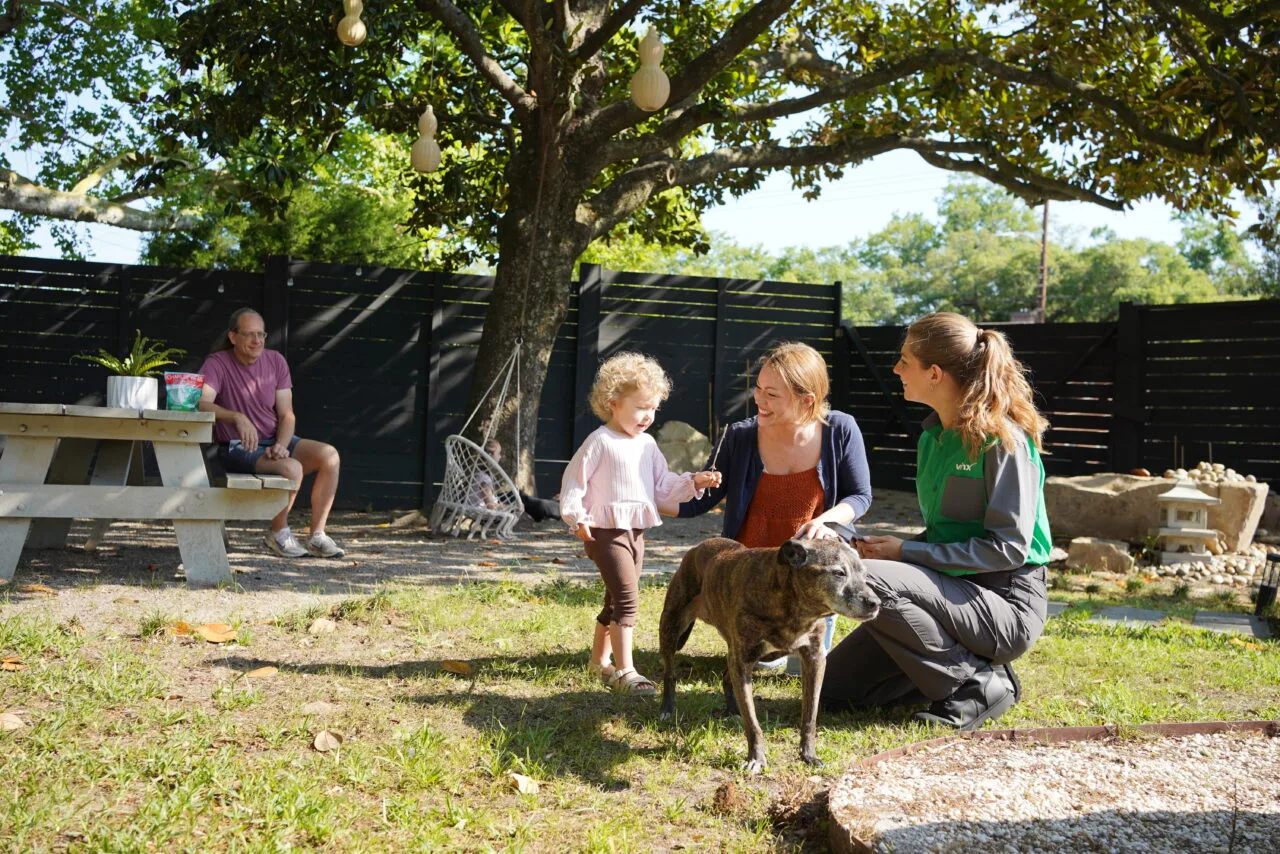
Our Treatments Are Safe for Your Whole Family: Including the Furry Members
Every product we use is EPA-registered and applied strictly at labeled rates by licensed technicians. We take the guesswork out of safety so you can feel confident letting kids and pets back into treated areas quickly.
EPA-Registered Products Only
All products we apply are EPA-registered and used strictly per label requirements. Our licensed technicians are trained to apply the right product in the right place at the right rate, every time.
Dry Time Before Re-Entry
Exterior spray treatments dry in 30–60 minutes. Once dry, treated surfaces are safe for children and pets to contact. Your technician will confirm the all-clear before leaving your property.
Interior Treatment On Request
We treat only what’s needed, where it’s needed. Gel baits in cabinets and crack-and-crevice applications keep products away from areas pets and children frequent most.
Botanical Options Available
Have specific sensitivities? Ask your technician about our plant-derived treatment options. We offer botanical alternatives for households that prefer a more natural approach.
Have a concern about products used near your pets or children? Call 855-800-8469 and we’ll walk you through exactly what we use and why it’s safe.
Explore More
More Pest Control Services in Charleston
Ant Control Isle of Palms
Household ants & others
Bed Bug Control Isle of Palms
Heat & liquid treatments
Cockroach Control Isle of Palms
Palmetto bug & roach removal
Mosquito Control Isle of Palms
Monthly barrier treatments
Rodent Control Isle of Palms
All rodents covered
Spider Control Isle of Palms
All spider species covered

Termite Control Isle of Palms
Bait systems & liquid treatment
Wasp Control Mount Pleasant
Nest removal & prevention

Tick & Flea Control Isle of Palms
Yard & pet protection

Pest Control Isle of Palms
Year-round protection plans
Frequently Asked Questions
Isle of Palms Spider Questions
Recurring plans start at $49 a month and cover spiders among more than fifty pests. Because widow harborage here is predictable, this is usually one of the more contained jobs rather than an open-ended one. Inspection is free and the price is firm first. Call 855-800-8469.
The widow group. Clemson records more than one widow species in South Carolina, brown widow alongside southern black widow. They build in dark, sheltered, low places and stay put, which makes them both worth treating and straightforward to find.
Very probably not. Frithsen, Vetter & Stocks found forty-four verified specimens in the whole state since 1953, from six of forty-six counties, all taken from inside structures rather than natural habitat — while South Carolina physicians diagnosed 738 recluse bites in 2004 alone. The authors conclude the species is not established here.
Because undisturbed is exactly what widows need. American Community Survey housing tables put rental vacancy here at 90.8 percent, and a structure nobody enters for months is ideal habitat rather than merely unmonitored. The first trip of the season is when people find them.
Seasonal orb weavers — large, conspicuous and harmless. They rebuild nightly, so web removal plus a barrier treatment is the honest service. On a rental it is a cosmetic and guest-experience issue rather than a safety one.
Cellar spiders, which Clemson treats as a humidity indicator rather than a pest in themselves. On this island — low elevation, tide-influenced drainage — the productive response is drying the space out, after which the population drops without much else.
The framing, yes — it is a sheltered wooden structure and widows do use it. The dune itself and its vegetation are protected ground under City code and are not treated.
We cover the whole island including Wild Dunes, plus Sullivan’s Island and Mount Pleasant. Most calls get a next-day appointment. Call 855-800-8469.
Service Coverage
Spider Control Across Isle of Palms & Mount Pleasant
Serving every neighborhood on Isle of Palms and across the Mount Pleasant area