Rodent Control in Isle of Palms, SC
Exclusion-led rodent work for raised island houses — because sealing the route in keeps working while the building sits empty.
A rodent in an occupied house gets heard within days. A rodent in a building that nobody enters between October and March gets a whole winter, and the first sign is damage rather than noise. On Isle of Palms, where rental vacancy runs above ninety percent, that is the defining rodent problem — and it changes the method, not just the timing.
Get Started in 60 Seconds
Choose what’s easiest for you
Request a Quote
We usually respond in 2 minutes
Call 855-800-8469
Get a Live Person (no AI agents here!)
Sign Up Online
Get pricing and schedule now





Welcome to Vinx Pest Control
A Company That Actually Backs What It Says
At Vinx, we combine professional-grade treatments with a level of service most pest control companies don't offer. Local technicians, fast response times, and a guarantee that actually means something.
Get a Free Quote"I'm not passionate about killing bugs. I'm passionate about customer service. At Vinx, you get experts who show up, do the job right, and stand behind every visit. No runaround, no fine print."
PROTECTION PLANS
Isle of Palms Rodent Control Pricing
100% money-back guarantee on every plan.

Standard Residential Protection
- 4 Seasonal Treatments Per Year
- 50+ Covered Pests
- Interior, Exterior & Yard Treatment
- Unlimited Free Re-Services
- 100% Money-Back Guarantee
- Fire Ant Yard Guarantee
- Flea & Tick Coverage
- Mosquito Treatments

Upgraded Yard Protection
- 6 Home & Yard Treatments Per Year
- 50+ Covered Pests
- Interior, Exterior & Yard Treatment
- Unlimited Free Re-Services
- 100% Money-Back Guarantee
- Fire Ant Yard Elimination Guarantee
- Flea & Tick Elimination Guarantee
- Mosquito Treatments

Most Comprehensive Protection
- 9 Treatments Per Year
- 50+ Covered Pests
- Interior, Exterior & Yard Treatment
- Unlimited Free Re-Services
- 100% Money-Back Guarantee
- Fire Ant Yard Elimination Guarantee
- Interior Flea & Tick Coverage
- 8 Mosquito Treatments (Mar–Nov)
- Free Bed Bug Treatments if Needed*
Recurring plans from $49/mo include rodent coverage. Exclusion is quoted separately because it depends how many openings a particular structure has, and on a raised house with a skirted enclosure that list can be long. Free inspection and a firm price first — call 855-800-8469.
Request Your Free Pest Control Quote
Fill out the form below and a Vinx team member will reach out within 2 minutes during business hours.
Prefer to talk? Call 855-800-8469 for a live person, no AI agents.
Our Process
How Our Isle of Palms Rodent Control Works

Free Inspection Above and Below
Roofline, soffit and risers as well as skirting, sand and storage enclosure — a raised house offers both species a route, and checking only one plane misses half the problem.
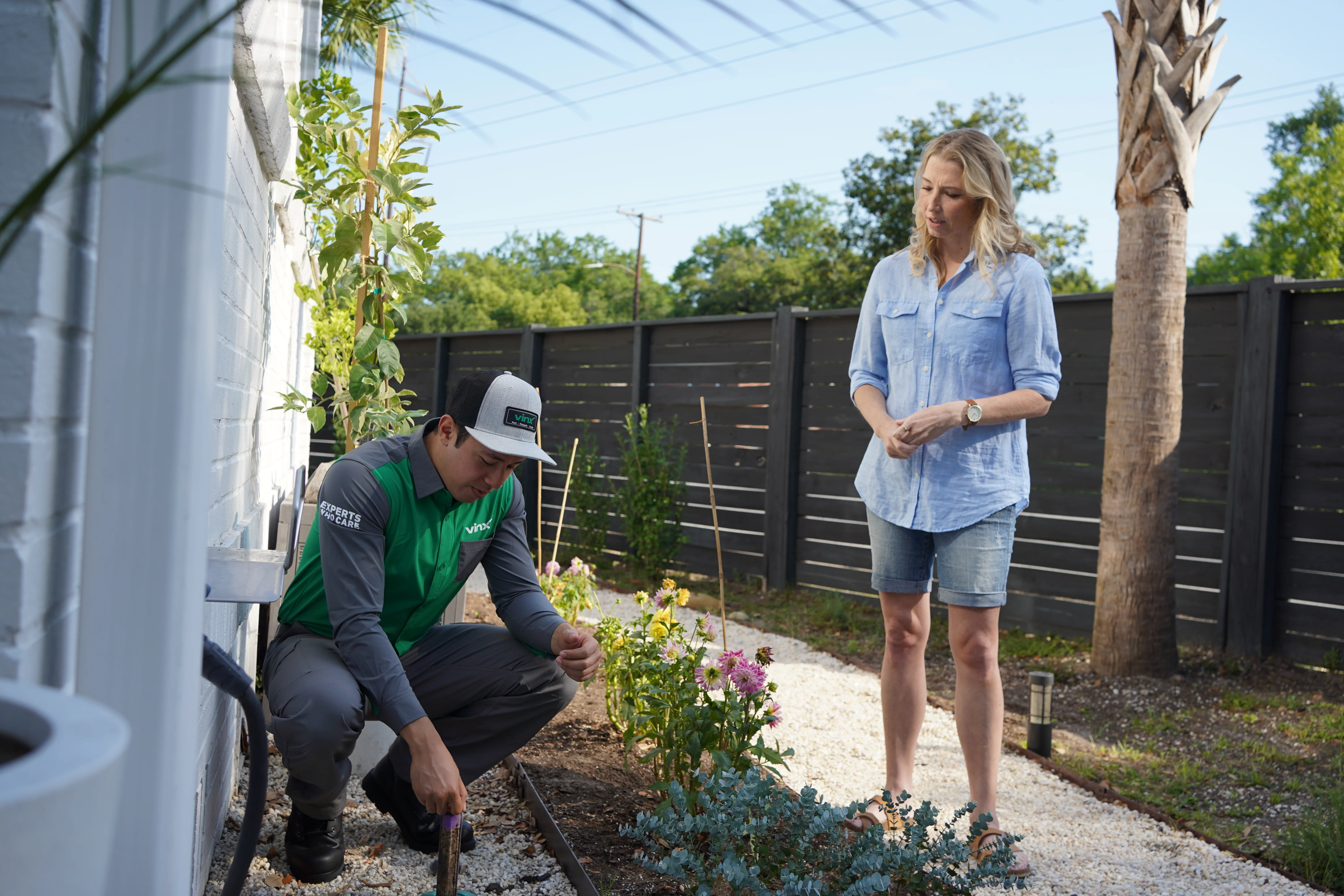
Entry-Point Survey Written Down
Every gap listed, because on an unoccupied building the list is the deliverable, not a verbal summary.
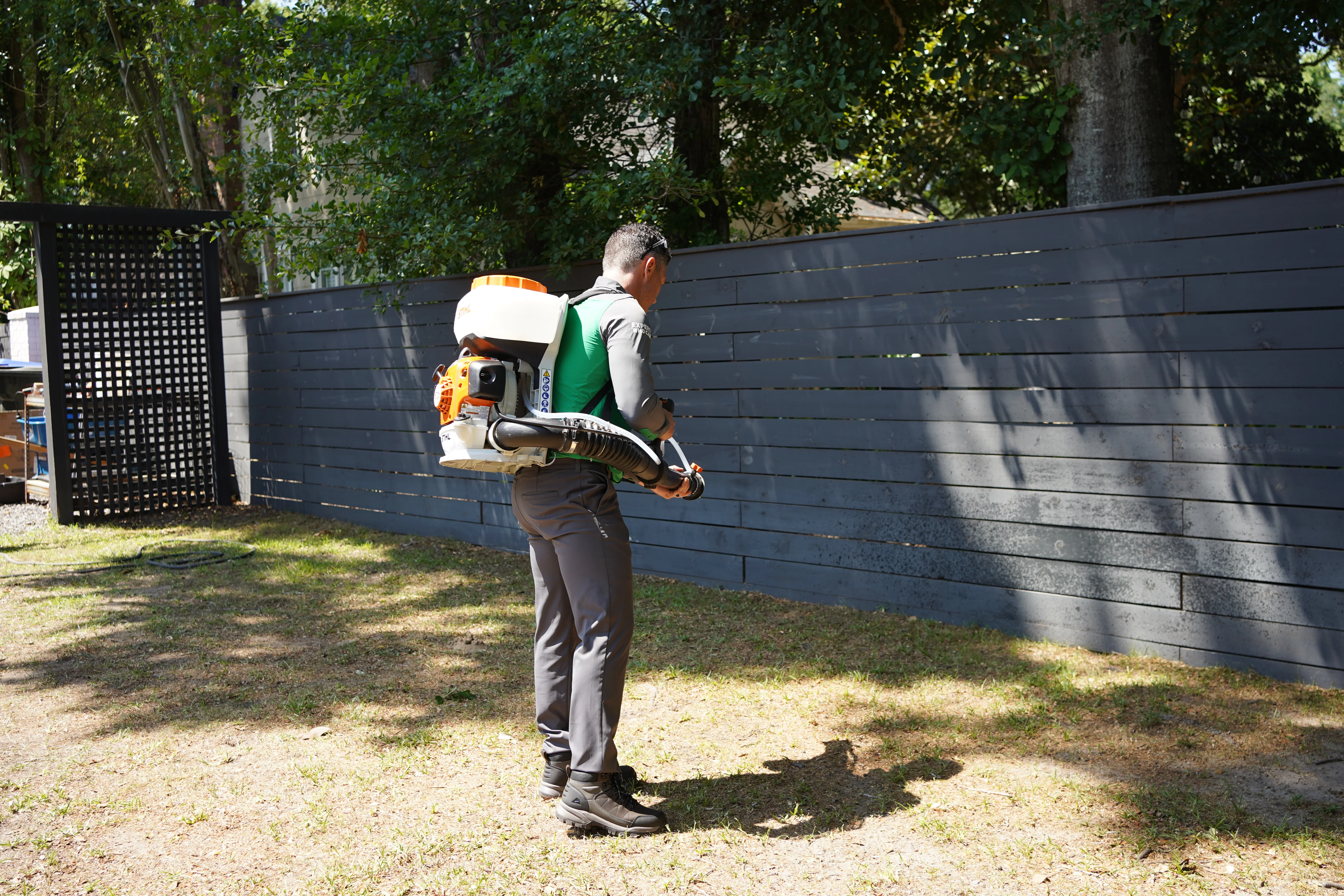
Exclusion First
Sealing and screening comes before baiting here, since it keeps working while the building is empty and nobody is monitoring anything.
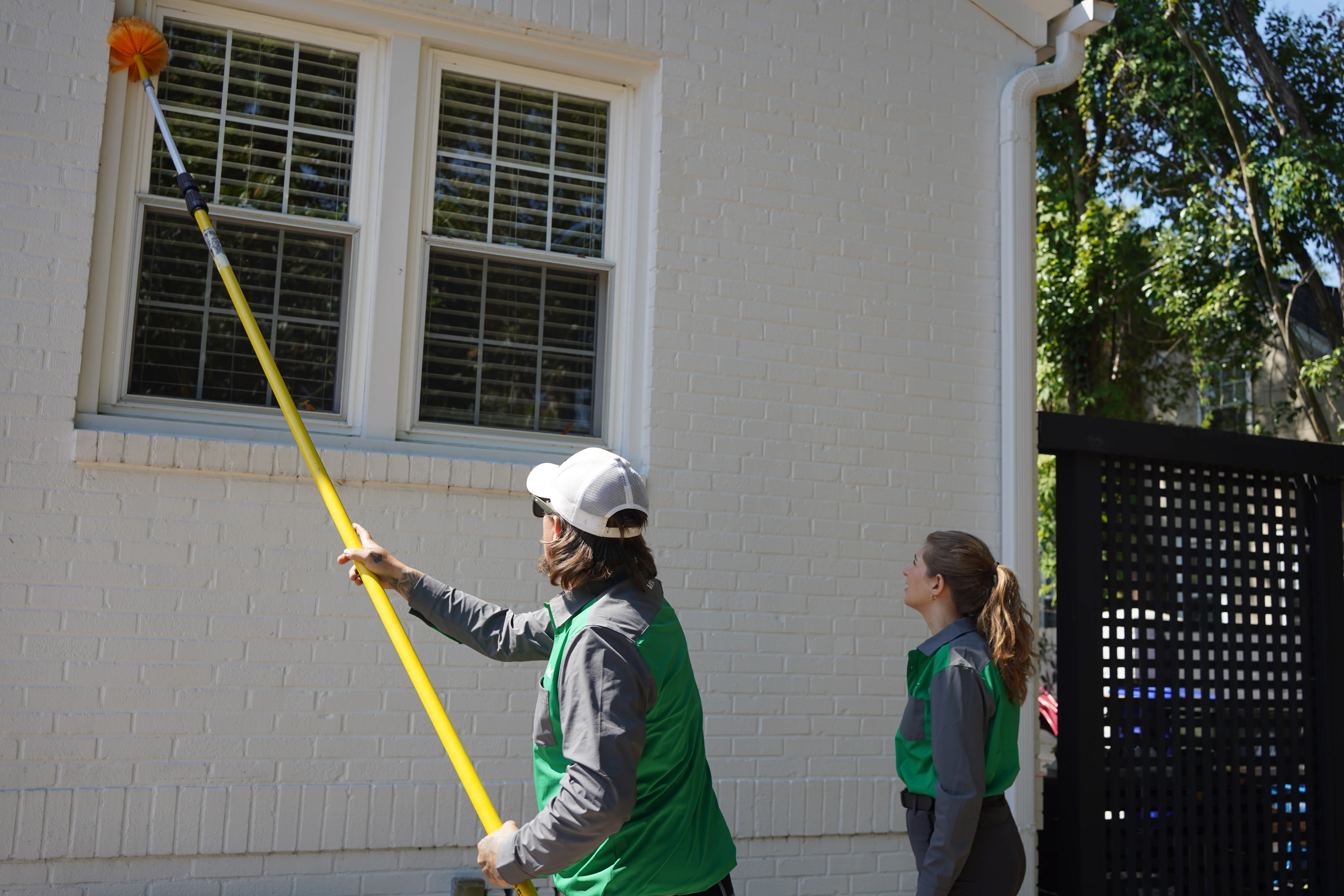
Targeted Trapping and Baiting in the Right Plane
Elevated placements for roof rats, ground and enclosure placements for Norway rats, with allowance for neophobia rather than a promise of overnight results.
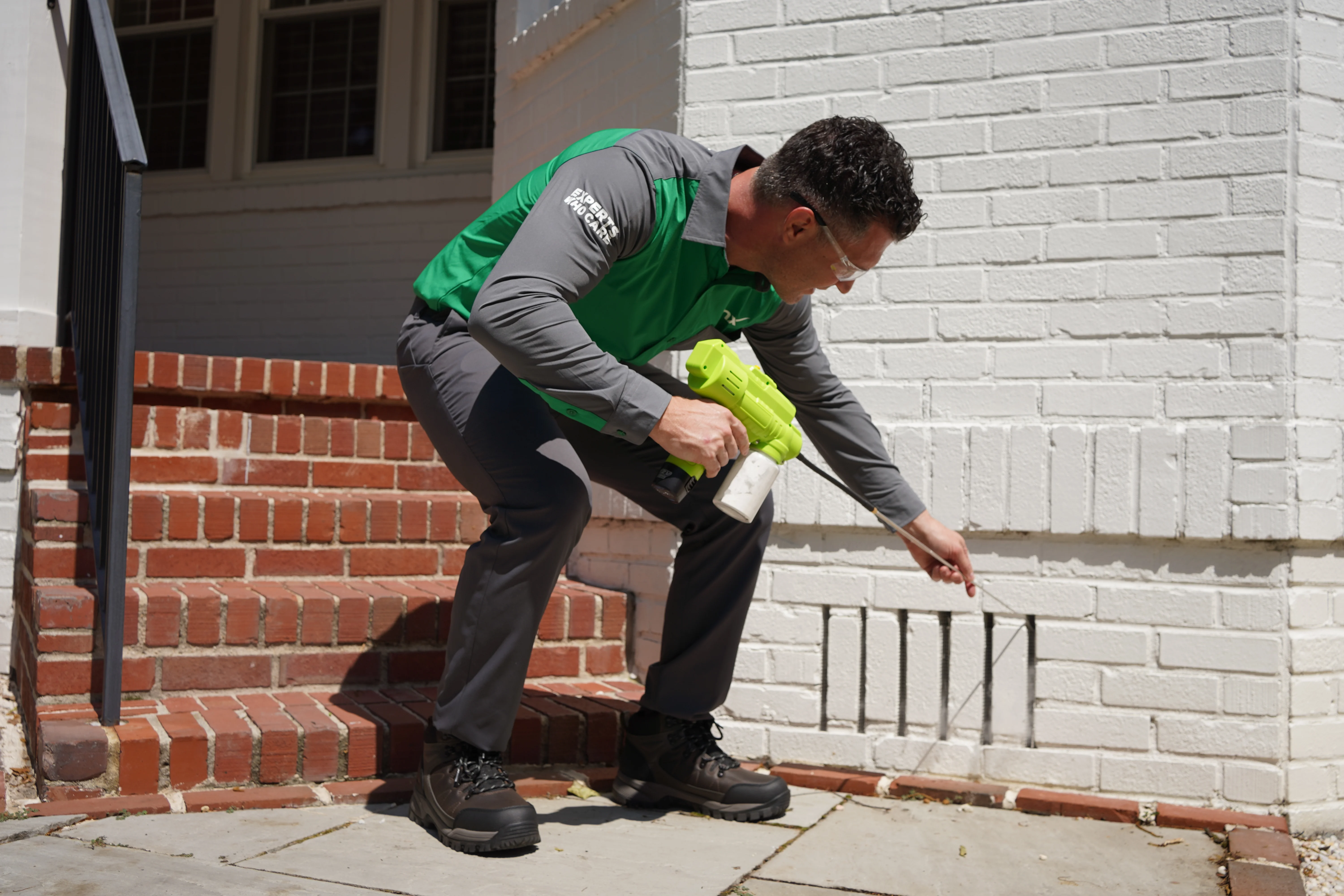
Storage and Contamination Review
Clearing or raising what is kept under the house, and being honest when stored items need replacing rather than treating.
Customer Reviews
Real Reviews from Isle of Palms Homeowners
Devin was extremely thorough and professional. Did a great job of trapping the rodents and the exclusion service.
Cameron was great! He was quick but efficient! He answered all of my questions with strong knowledge. Thanks again!
Leon was very helpful and knowledgeable. I appreciate him being a key member of the team.
Devin was tremendous and would highly recommend this company to anyone!
Austin was our technician, very professional and punctual.
Local Knowledge
Nobody Is Listening, So Exclusion Beats Baiting
American Community Survey housing tables put homeowner vacancy on this island at 0.9 percent against rental vacancy of 90.8 percent, with only 133 units conventionally renter-occupied out of 4,588. Combine that with the Town’s count of about 1,850 dwellings on short-term rental licenses and you have thousands of structures that are unoccupied for long stretches of the year.
That matters because baiting and trapping both assume somebody notices. A bait station needs checking and refilling; a trap needs emptying; a scratching noise needs hearing. In an empty building none of that happens, and a program built on it quietly stops working around November. Exclusion does not care whether anyone is home. Sealing the route in works the same in February as in July, which is why on this island we push the sequence toward exclusion first and treatment second, rather than the other way round. UGA Extension makes the same point in general terms: closing entry holes is among the most effective things a property owner can do.
6 Reasons Isle of Palms Calls an Exterminator

Roof Rat (Rattus rattus)
How it arrives: pilings, utility risers, deck framing, and any limb or cable touching the roof — NC State Extension notes roof rats prefer to travel along elevated areas. Where you find sign: droppings in insulation, rub marks along rafters and cable runs, noise overhead. What it damages: wiring and ductwork in the ceiling void. The fix that lasts: clear limbs and cables off the roof, then seal soffit and riser gaps.

Norway Rat (Rattus norvegicus)
How it arrives: across the sand to the skirting line and the storage enclosure — NC State Extension notes Norway rats spend large amounts of time underground. Where you find sign: burrows in sand near piers, runways in vegetation, droppings in the under-floor area. What it damages: stored soft goods, water lines and anything in the enclosure. The fix that lasts: close the skirting line, seal the enclosure, and get stored items off the ground.
Most housing here is raised, and that produces an under-floor space that is not quite a crawl space and not quite outdoors: open or lattice-skirted, shaded, sheltered from rain and wind, rarely entered, and often used for storage of exactly the sort of thing rodents like near them — beach chairs, coolers, cushions, pet food, bagged charcoal.
UC IPM explains why the species matters. The two rats that commonly invade structures behave oppositely: roof rats prefer to travel along elevated areas, while Norway rats spend large amounts of time underground. On a raised island house both routes exist at once. NC State also adds a detail that explains a lot of frustration: rats are neophobic, meaning they avoid new objects, so a freshly placed station in familiar territory may be ignored for days. That is normal rather than failure — and it is another argument for exclusion, which does not have to be trusted by the animal to work.
The noise is the cheapest part. Rats gnaw to keep their incisors worn down, which puts wiring insulation, water lines, ductwork and stored soft goods in scope. Chewed wiring in an elevated house is a fire risk nobody prices into a pest problem until it is found, and a punctured supply line under an unoccupied unit can run unnoticed for a long time on an island where the drainage does not clear quickly. There is a second cost specific to short-term rentals: an incident with a guest is not just a treatment, it is a review, a refund conversation and possibly a canceled booking. Contamination is the third — an established population in an under-floor storage area leaves droppings and urine in whatever is stored there, and that material does not leave when the animals do.
Exclusion on a raised structure is a different list from exclusion on a slab house, and it is worth knowing what a proper job includes so you can tell whether you got one. The skirting line: lattice is decorative, not a barrier — a rat passes through standard lattice without slowing down, so closing it properly means quarter-inch mesh behind or instead of the lattice, carried down to grade. Utility risers: water, electrical and HVAC penetrations are almost never sealed after fit-out, and they are also how roof rats reach the interior without touching the ground. The soffit and roof junctions: thirty-five years of movement opens joints invisible from the ground. Storage enclosure doors: warped or badly hung doors leave corner gaps that bait will never resolve. Dryer and bathroom vents: both need to exhaust while excluding. None of it is glamorous, and all of it keeps working while the house sits empty.
There is a second-order sign of how much prey this island carries, and it comes from the City’s own Council record rather than from us. Through 2024 the Police Chief reported a marked rise in coyote sightings, briefed Council that SC DNR does not permit hunting on public property and recommends trapping, and noted that the department had deployed traps and that a drone had failed to locate any dens. His advice to residents is worth reading as a rodent program, because that is effectively what it is: stop feeding small animals outside the house, keep pets leashed and in sight, and keep lids on the trash cans. Predators follow a food supply, and on a barrier island where most buildings stand unattended for months, the bins and the unattended structures are that supply. The same three measures cut rodent pressure directly.
Pest Pressure by Neighborhood
Where Isle of Palms Exterminator Calls Come From
Wild Dunes: Gated Access, Same Work
Approved in 1975 and gated, Wild Dunes holds about 12 of the island’s 35 road miles, so access is arranged through the community rather than turning up — but the work itself is no different. Resort-area units turn over constantly, which is why service here runs on a standing schedule with agreed access and written per-visit records.
Condos: Shared Walls & Service Runs
Sixty-seven percent of the island’s condominiums are licensed short-term rentals, and shared walls and service runs connect unit to unit. Treating a single unit relocates a roach or ant population rather than resolving it, so condo work here means treating adjacent units together, with reports going to both the owner and the management company.
Rental Blocks: Turnover-Driven Calls
About 40 percent of dwellings held a City short-term rental license as of October 2023. Frequent guests mean luggage, goods and beds moving in and out — the vector for bed bugs and a good route for roaches — while cleaners between turnovers are not inspecting. The required 24-hour contact number is often the fastest way to get a technician inside.
Seasonal Homes: What Vacancy Hides
Sixty-four percent of dwellings are taxed at the non-primary-residence rate, and a house occupied a few weeks a year hides its problems: a leak runs for weeks, standing water sits, a rodent goes unheard. These calls get quarterly service with a moisture and exclusion focus, and written reports sent to the owner off-island.
Post-Hugo Stock: Expired Treatments
Hurricane Hugo destroyed more than two hundred structures in September 1989, and 36 percent of today’s housing dates to the 1980s. That stock is now thirty-five to forty years old — original plumbing penetrations, aging flashing, and pre-construction soil treatments long past their service life — so inspection concentrates on the routes that age has opened.
Complete Coverage
What Else a Standard Plan Covers Here
Rodent coverage sits inside the recurring plan, alongside more than fifty other pests. Exclusion work is quoted separately by the number of openings a structure has.

Ants
Ants, Argentine ants, carpenter ants, and odorous house ants. Perimeter bait, mound treatment, crack and crevice application.
All Plans
Cockroaches & Palmetto Bugs
American, Asian, and German cockroaches. Gel bait in harborage areas, exterior perimeter spray, drain treatment.
All Plans
Spiders
Web removal from eaves, exterior perimeter targeting harborage. Black widow identification and targeted treatment.
All Plans
Wasps & Hornets
Nest removal from eaves, soffits, structural voids. Preventative treatment of common nesting sites on each quarterly visit.
All Plans
Fleas & Ticks
Yard treatment targeting grassy and shaded areas. Interior treatment of active infestation areas.
Plus & Platinum
Bed Bugs
Inspection, heat treatment assessment, and targeted chemical treatment. Charleston’s tourism industry creates consistent exposure risk.
Platinum (12mo)
Rodents
Exterior bait station monitoring included in Plus and Platinum. Active infestation and full exclusion quoted separately after inspection.
Plus & Platinum
Mosquitoes
Monthly barrier spray and larvicide. Year-round service adjusted seasonally. Up to 90% population reduction per visit.
Platinum Only
Occasional Invaders
Silverfish, earwigs, centipedes, stink bugs, ladybugs, pillbugs. Crack and crevice treatment, perimeter spray, entry point ID.
All PlansHomeowner Tips
6 Ways to Reduce Rodent Risk on Your Isle of Palms Property
Kid & Pet Safe
Our Treatments Are Safe for Your Whole Family: Including the Furry Members
Every product we use is EPA-registered and applied strictly at labeled rates by licensed technicians. We take the guesswork out of safety so you can feel confident letting kids and pets back into treated areas quickly.

EPA-Registered Products Only
All products we apply are EPA-registered and used strictly per label requirements. Our licensed technicians are trained to apply the right product in the right place at the right rate, every time.
Dry Time Before Re-Entry
Exterior spray treatments dry in 30–60 minutes. Once dry, treated surfaces are safe for children and pets to contact. Your technician will confirm the all-clear before leaving your property.
Interior Treatment On Request
We treat only what’s needed, where it’s needed. Gel baits in cabinets and crack-and-crevice applications keep products away from areas pets and children frequent most.
Botanical Options Available
Have specific sensitivities? Ask your technician about our plant-derived treatment options. We offer botanical alternatives for households that prefer a more natural approach.
Have a concern about products used near your pets or children? Call 855-800-8469 and we’ll walk you through exactly what we use and why it’s safe.
Explore More
More Pest Control Services in Charleston
Ant Control Isle of Palms
Household ants & others
Bed Bug Control Isle of Palms
Heat & liquid treatments
Cockroach Control Isle of Palms
Palmetto bug & roach removal
Mosquito Control Isle of Palms
Monthly barrier treatments
Rodent Control Isle of Palms
All rodents covered
Spider Control Isle of Palms
All spider species covered

Termite Control Isle of Palms
Bait systems & liquid treatment
Wasp Control Mount Pleasant
Nest removal & prevention

Tick & Flea Control Isle of Palms
Yard & pet protection

Pest Control Isle of Palms
Year-round protection plans
Frequently Asked Questions
Isle of Palms Rodent Questions
Recurring plans start at $49 a month and include rodent coverage. Exclusion is quoted separately because it depends how many openings a particular structure has, and on a raised house with a skirted enclosure that list can be long. Inspection is free. Call 855-800-8469.
It makes it later. In an occupied house a rodent is heard within days; in an empty one it gets a season, and you find damage instead of hearing noise. American Community Survey housing tables put rental vacancy here at 90.8 percent against 0.9 percent for homeowners, so this is the island's normal condition rather than an unusual case.
Because sealing works whether or not anyone is there. Bait needs checking and refilling and traps need emptying, and in a building nobody enters between October and March neither happens. UGA Extension makes the general point that closing entry holes is among the most effective measures available.
On a raised house it can be either, and the difference decides where the work goes. NC State Extension explains roof rats travel along elevated areas while Norway rats spend much of their time underground — so one uses your pilings and soffit, the other your sand and skirting.
Probably still settling. Rats are neophobic — they avoid new objects — so a freshly placed station in familiar territory can be ignored for days. That is expected. Anyone promising overnight results is not describing how this works.
Usually storage. Beach chairs, cushions, coolers, bagged charcoal and pet food in an open or lattice-skirted under-floor area is shelter plus provisions. Raising and clearing that space does more than any product.
Inspection and exclusion, then documentation. On a short-term rental the record is what turns an incident into something resolved rather than disputed, so we provide written per-visit reports for exactly that situation.
We cover the whole island including Wild Dunes, plus Sullivan’s Island and Mount Pleasant. Most calls get a next-day appointment. Call 855-800-8469.
Service Coverage
Rodent Control Across Isle of Palms & Mount Pleasant
Serving every neighborhood on Isle of Palms and across the Mount Pleasant area