Mosquito Control on Sullivan's Island, SC
Sullivan’s Island combines tidal wetlands, salt marsh edges and stagnant standing water in dune swales, creating some of the most intense mosquito pressure on the South Carolina coast — and an unusual legal backdrop: the 1991 deed that keeps the accreted land in its natural state expressly reserves the Town’s authority to trim and control vegetation for mosquito control and drainage. That covers the public edge. It does not cover your lot, and the dune swales and tidal margins behind the houses hold water a yard never does. Vinx targets both the saltmarsh Aedes species unique to barrier islands and the Culex populations that peak at dusk near any standing water, treating the full yard rather than just the edges.
Get Started in 60 Seconds
Choose what’s easiest for you
Request a Quote
We usually respond in 2 minutes
Call 855-800-8469
Get a Live Person (no AI agents here!)
Sign Up Online
Get pricing and schedule now





Welcome to Vinx Pest Control
A Company That Actually Backs What It Says
At Vinx, we combine professional-grade treatments with a level of service most pest control companies don't offer. Local technicians, fast response times, and a guarantee that actually means something.
Get a Free Quote"I'm not passionate about killing bugs. I'm passionate about customer service. At Vinx, you get experts who show up, do the job right, and stand behind every visit. No runaround, no fine print."
WELCOME TO VINX PEST CONTROL
Protection Plans for Sullivan’s Island Homeowners

Standard Residential Protection
- 4 Seasonal Treatments Per Year
- 50+ Covered Pests
- Interior, Exterior & Yard Treatment
- Unlimited Free Re-Services
- 100% Money-Back Guarantee

Upgraded Yard Protection
- 6 Home & Yard Treatments Per Year
- 50+ Covered Pests
- Yard Ant Elimination Guarantee
- Flea & Tick Elimination Guarantee
- 100% Money-Back Guarantee

Most Comprehensive Protection
- 9 Treatments Per Year
- 50+ Covered Pests
- 8 Mosquito Treatments (Mar–Nov)
- Flea, Tick & Ant Coverage
- Free Bed Bug Treatments if Needed*
*Starting rates vary by home size and area. All plans billed monthly.
Request Your Free Mosquito Control Quote
Fill out the form below and a Vinx team member will reach out within 2 minutes during business hours.
Prefer to talk? Call 855-800-8469 for a live person, no AI agents.
Our Approach
How Vinx Controls Mosquitoes in Your Island Yard

Property Inspection & Breeding Site Assessment
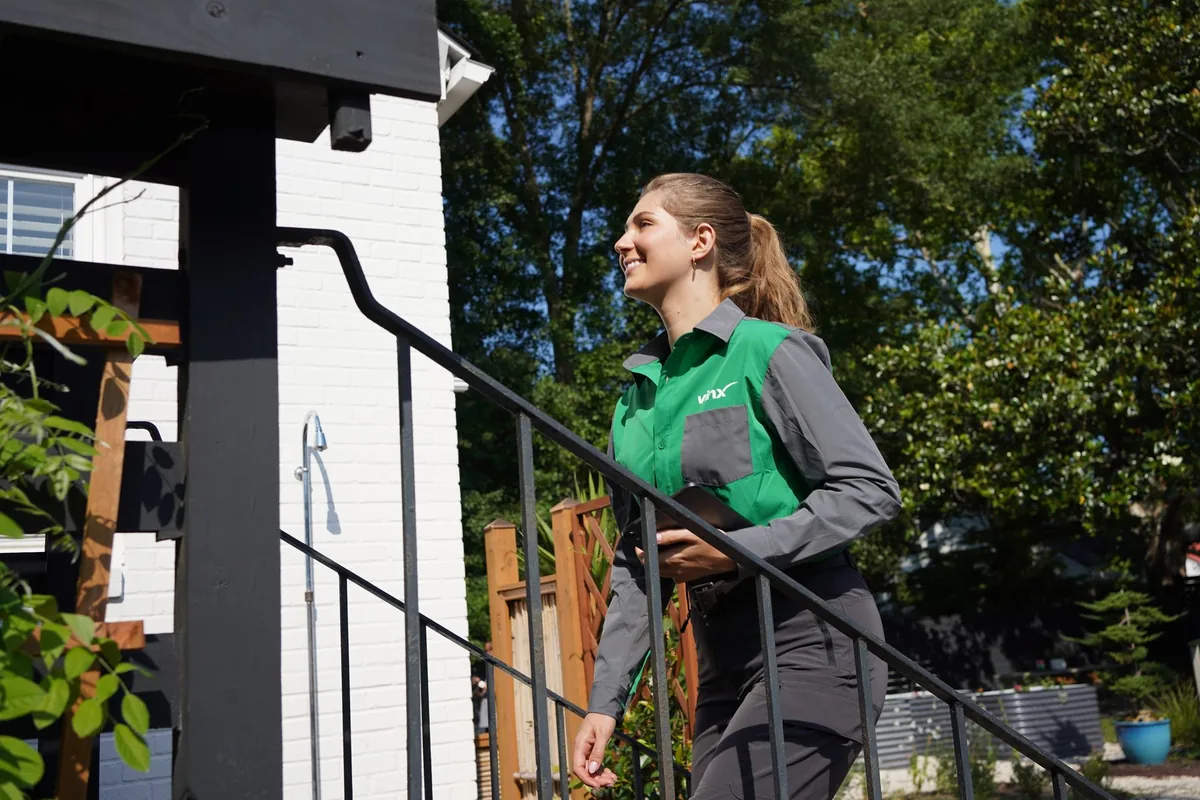
Your technician walks the full property to identify mosquito resting areas (dense vegetation, shaded shrubs, wood piles) and standing water breeding sites such as gutters, low spots, ornamental pots, and tarps. A targeted treatment plan is built around what is actually driving mosquito pressure on your property.
Yard Treatment
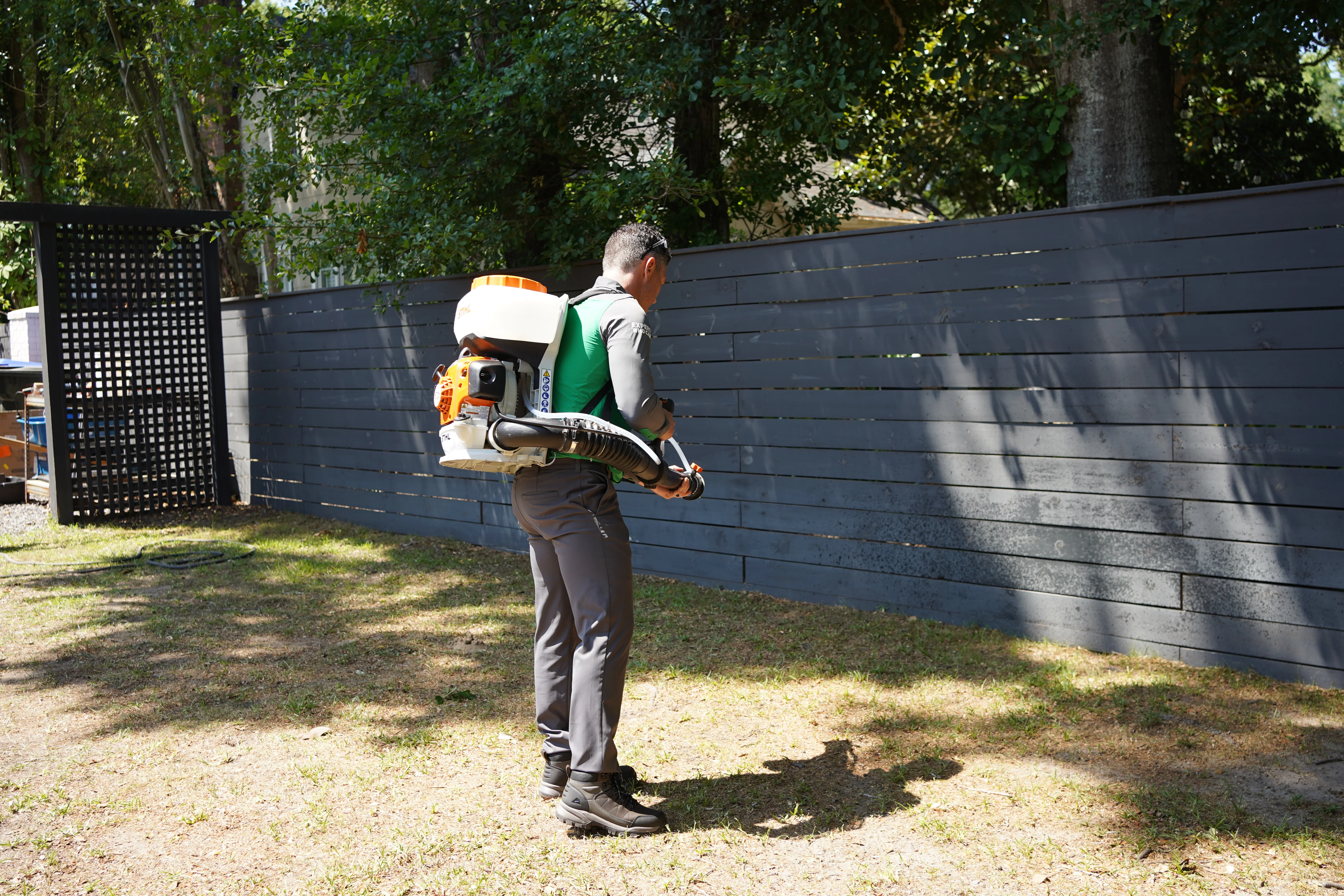
A fine-mist application of residual insecticide is applied to the underside of shrubs, lower tree canopies, tall grass, fence lines, and other resting areas. The treatment kills active mosquitoes on contact and provides a residual effect that continues working for 3–4 weeks between monthly service visits.
Larvicide Application
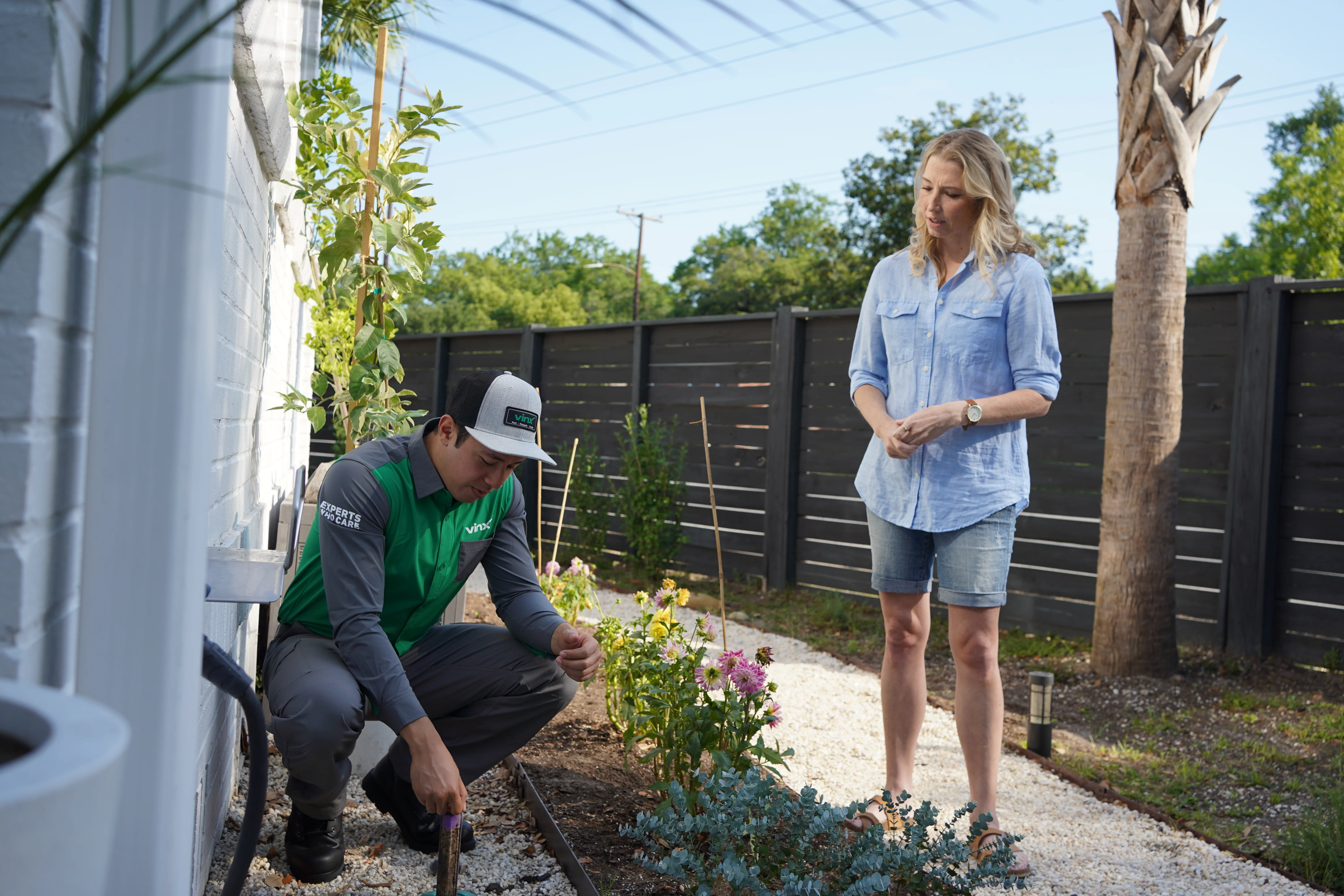
Larvicide tablets or liquid is applied to any standing water that cannot be eliminated, retention areas, drainage ditches, decorative ponds, and the dune swales on your own lot that hold water for days after rain. Larvicide prevents mosquito larvae from maturing into biting adults and continues working for 30 days, breaking the breeding cycle between visits.
Monthly Service & Free Re-Treatments
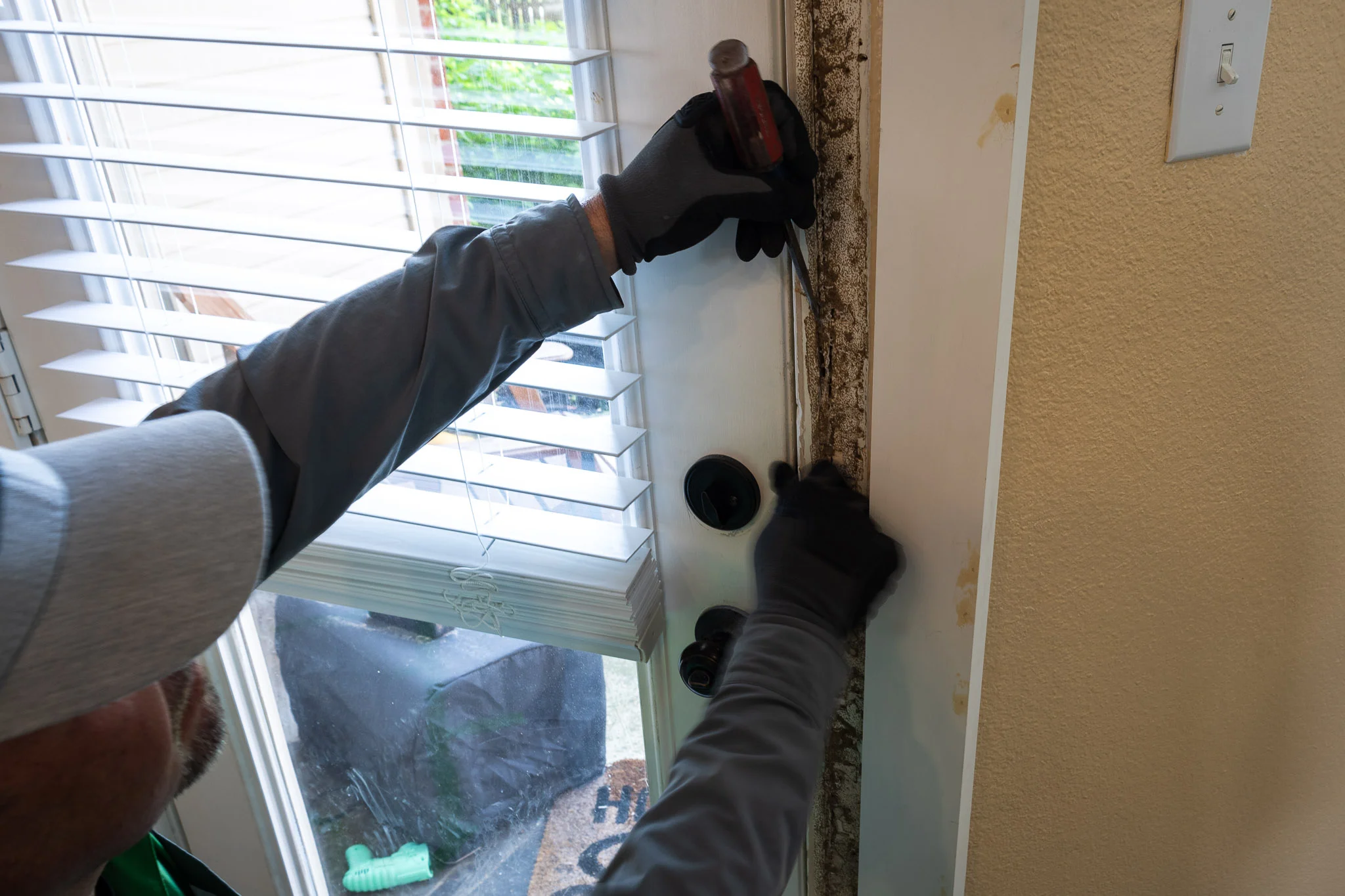
Monthly visits maintain continuous pressure on the mosquito population throughout the season. If mosquito activity returns within the service period, we come back and re-treat at no additional charge. Your technician also recommends property modifications (drainage corrections, vegetation management) that reduce long-term mosquito pressure.
What Our Customers Say
What Sullivan's Island Homeowners Say About Vinx
Anthony does a great job servicing our house. He is very thorough and always takes his time.
Anthony is the man. He takes great care of my house. He has great communication and goes the extra mile.
Devin was efficient and informative. I’d love to have him back next time!
Jack did a great job addressing all areas of concern. He was kind and professional
Jack is professional, thorough, polite, and efficient. Great service!
Leon was great! He arrived early and was very professional throughout the visit. He actually listened to my specific concerns and walked me through exactly how he was going to handle them. Very thorough service
The Local Threat
Why Sullivan's Island Has Intense Mosquito Pressure
Most companies treat May through October and call it done. On this coast that leaves a gap that costs you every spring. Average winter lows here rarely drop below the mid-30s, Culex slow down below 50°F but that window is short, and a warm January day brings them straight back.
Aedes eggs survive winter in diapause and hatch as soon as temperatures rise above 50°F, which on the Lowcountry coast can mean late February. Homeowners who stop in October and restart in May leave three or four months where eggs are hatching and populations build with no barrier in place.
Sullivan’s Island sits in one of the most mosquito-active regions on the East Coast. Tidal marsh wraps the back of the island and Breach Inlet, and the dune swales behind the houses hold shallow, warm water that never fully drains. Mosquitoes breed constantly.
Sullivan’s Island has a public-policy backdrop no inland town has. The Town owns roughly 190 acres of accreted land between the houses and the ocean, and the 1991 deed that keeps it in its natural state expressly reserves Town Council’s authority to trim and control vegetation for purposes including drainage and mosquito control. That ground was described in court as three-foot sea oats and wild flowers in 1991 and as thickly wooded today, so the resting habitat next to the houses has been thickening for 35 years.
The Town’s own Comprehensive Plan names the breeding habitat more precisely than any pest company does. Describing the 190 acres of protected accreted land, it lists what the acreage contains: beach, dunes, interdunal wetlands, shrublands, early successional maritime forest and maritime hardwood depression — and elsewhere notes plainly that freshwater wetlands are scattered throughout the maritime forest. Interdunal wetlands and hardwood depressions are, in plain language, low ground that holds fresh water. That is not marsh, and it does not drain on the tide. The same plan records the island’s average annual rainfall at 49.79 inches and observes that the heaviest rain falls in the hottest months — the two conditions a mosquito needs, arriving together. This is why a treatment aimed only at the salt marsh behind the island misses where much of the pressure actually breeds.
Mosquito Species on the Island
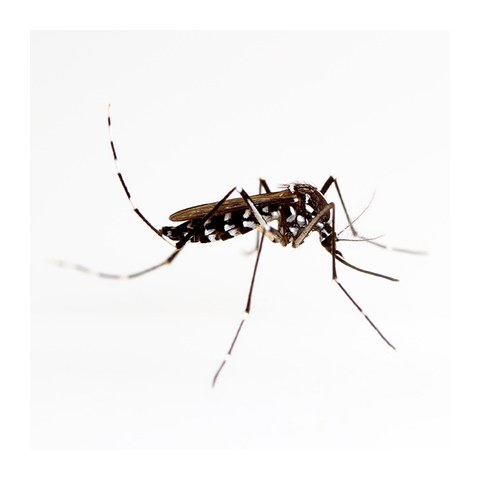
Aedes (Tiger) Mosquito
- Bite during the day, active while you're outdoors.
- Breed in small containers: gutters, plant saucers, birdbaths, outdoor furniture.
- Aedes albopictus, the Asian tiger mosquito, is the common container breeder here, and it is the species that bites while you are working in the yard.
- Eggs survive winter in diapause and hatch when temps exceed 50°F, as early as late February.
- Female lays up to 300 eggs per batch. Larvae develop to biting adults in as little as 7 days in peak summer.
- Waiting until you notice a problem is already too late.
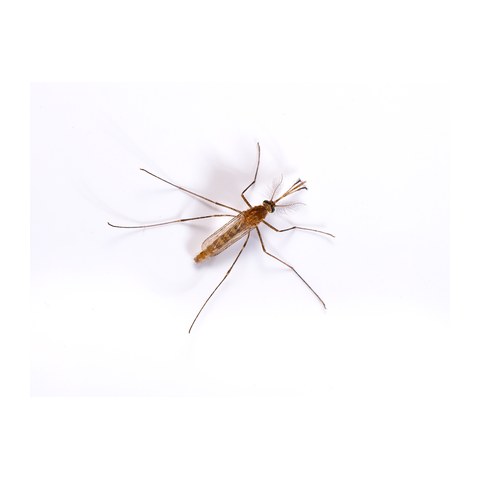
Culex (Common) Mosquito
- Bite at night, most active from dusk through dawn.
- Breed in larger water: drainage ditches, low spots, and the tidal marsh edges that wrap the back of the island.
- Culex pipiens and Culex quinquefasciatus carry West Nile virus and Eastern Equine Encephalitis in South Carolina.
- Slow down below 50°F but never fully stop in coastal winters this mild, and they are active on warm winter days year-round.
- On a 4.3-mile island with marsh on the harbor side and the Intracoastal beyond it, no lot here is far from Culex breeding water.
- Also transmit heartworm to dogs and cats through a single bite.
Mosquito Pressure by Area
Mosquito Risk Across Sullivan’s Island
Marsh-Edge Lots: Saltmarsh Mosquito Surge Zone
- Tidal cycles flood dune swales and marsh edges, producing Aedes sollicitans in massive numbers
- Saltmarsh mosquitoes are strong fliers that move several miles from where they hatched, so on an island 4.3 miles end to end every address is inside the flight range
- Larvicide in accessible tidal pools matters most after each significant tide event, and the Town’s protected accreted land means the breeding edge stays where it is rather than being cleared
Middle Street Corridor: Culex & Aedes Pressure
- Dense residential lots with ornamental planters and pot saucers breed Aedes near porches
- Street-level flooding after heavy rain creates temporary Culex breeding sites
- Mature palmetto and live oak provide dusk resting cover for Culex quinquefasciatus, and Middle Street’s station names are old trolley stops, so lots sit close together with little air movement between them
Beach-Side Stations: Dune Swale & Low-Spot Breeding
- Dune depressions retain fresh water for days after rain, which is prime Aedes albopictus breeding habitat
- Less tree canopy reduces resting site pressure but doesn't eliminate biting pressure near dusk
- Roughly one in six island housing units is held for seasonal or occasional use, and outdoor furniture at an empty house collects water in cushion gaps and table frames for weeks
Warning Signs
Signs Mosquito Pressure on Sullivan's Island Needs Professional Attention
Daytime Biters Present
Aedes active on your property, a sign of established breeding nearby.
Biting Pressure Before and After Dusk
Culex active in your yard, indicating population beyond tolerable level.
Standing Water Persisting 4+ Days
Active breeding sites on or adjacent to your property.
Mosquitoes Entering Home
Getting inside despite closed windows and screens, outdoor pressure is high.
Multiple Bites in Single Evening
Population exceeds any tolerable level, professional treatment needed.
Children/Pets Can't Use Outdoor Spaces
Quality-of-life impact signaling population is completely out of control.
Homeowner Tips
6 Ways to Reduce Mosquito Pressure on Sullivan's Island
Kid & Pet Safe
Our Treatments Are Safe for Your Whole Family: Including the Furry Members
Every product we use is EPA-registered and applied strictly at labeled rates by licensed technicians. We take the guesswork out of safety so you can feel confident letting kids and pets back into treated areas quickly.
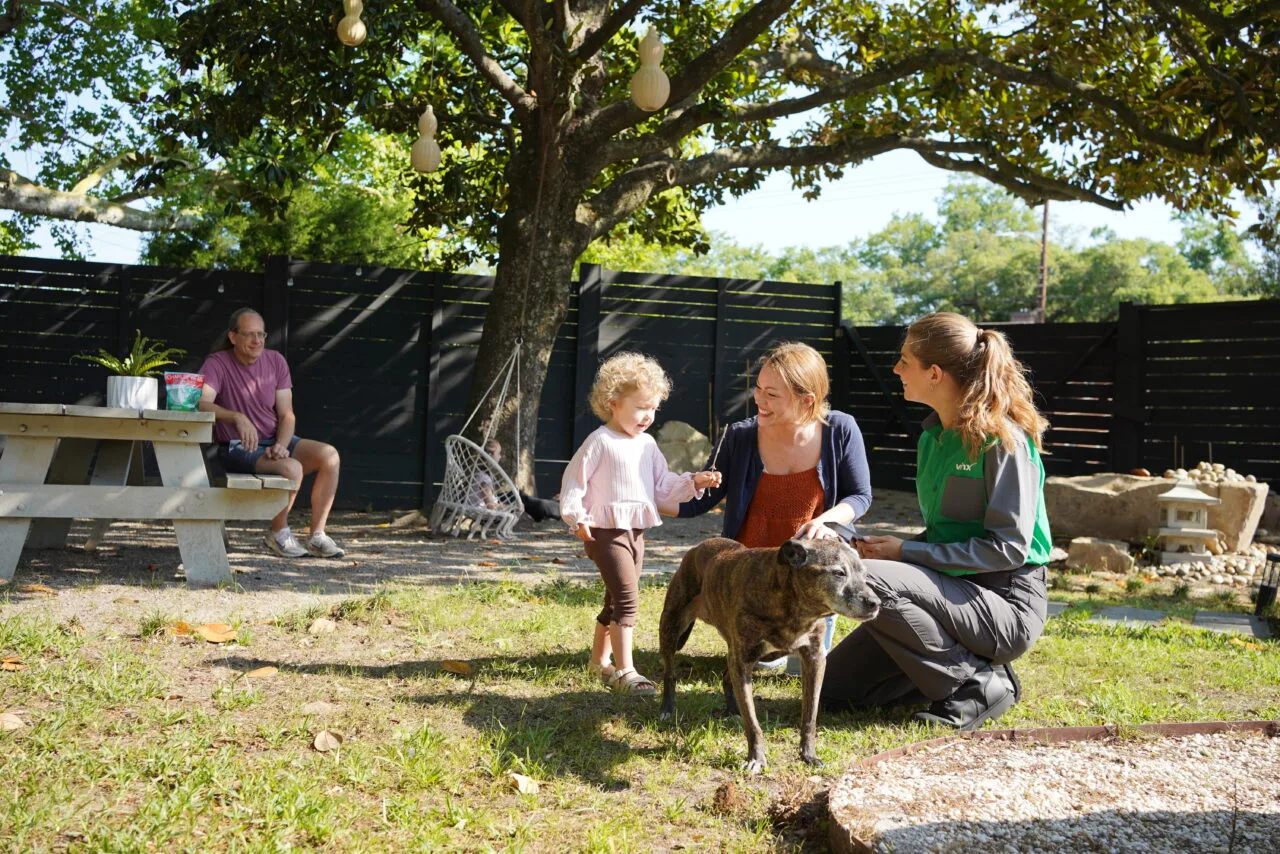
EPA-Registered Products Only
All products we apply are EPA-registered and used strictly per label requirements. Our licensed technicians are trained to apply the right product in the right place at the right rate, every time.
Dry Time Before Re-Entry
Exterior spray treatments dry in 30–60 minutes. Once dry, treated surfaces are safe for children and pets to contact. Your technician will confirm the all-clear before leaving your property.
Interior Treatment On Request
We treat only what’s needed, where it’s needed. Gel baits in cabinets and crack-and-crevice applications keep products away from areas pets and children frequent most.
Botanical Options Available
Have specific sensitivities? Ask your technician about our plant-derived treatment options. We offer botanical alternatives for households that prefer a more natural approach.
Have a concern about products used near your pets or children? Call 855-800-8469 and we’ll walk you through exactly what we use and why it’s safe.
Explore More
More Pest Control Services on Sullivan’s Island

Pest Control Sullivan’s Island
General pest protection
Ant Control Sullivan’s Island
Household ants & others

Bed Bug Control Sullivan’s Island
Heat & liquid treatments
Cockroach Control Sullivan’s Island
Palmetto bug & roach removal

Rodent Control Sullivan’s Island
All rodents covered

Spider Control Sullivan’s Island
All spider species covered
Termite Control Sullivan’s Island
Bait systems & liquid treatment

Tick & Flea Control Sullivan’s Island
Yard & pet protection
Exterminator Sullivan's Island
Same-day local exterminators
Frequently Asked Questions
Mosquito Control FAQ for Sullivan's Island Homeowners
Year-round mosquito treatment is included in Vinx Platinum at $109/mo. Mosquito-only service is also available, call 855-800-8469 for island property-specific pricing.
Yes: Aedes sollicitans, the saltmarsh mosquito, is larger, faster, and bites aggressively during the day. It breeds in ground flooded by the tide rather than in stagnant fresh water, and it is a strong flier that moves several miles from the marsh edge, which on a 4.3-mile island puts every address in range. Standard yard treatments don’t address saltmarsh breeding sites, so coordinated larvicide applications are required.
Yes, within applicable coastal buffer requirements. We target the yard perimeter, vegetation resting sites, and accessible standing water up to the dune buffer zone. We do not treat the Town’s accreted land, which a 1991 deed holds in its natural state with vegetation management reserved to Town Council. For marsh-edge breeding, we coordinate larvicide application schedules with tidal cycles.
The Town’s own authority is about vegetation, not fogging. The 1991 deed covering the roughly 190 acres of accreted land keeps that ground in its natural state while expressly reserving Town Council’s unrestricted authority to trim and control vegetation for purposes including drainage and mosquito control. Mosquito spraying in this part of the Lowcountry is run at county level rather than by the Town, and either way no public program treats the standing water on your lot. That is the gap a monthly larvicide and barrier plan fills.
All products are EPA-registered and applied per label, never within the dune buffer zone or on beach sand. Pyrethrin and bifenthrin products break down rapidly in UV light and salt air. Pets and children re-enter treated lawn areas after 2–4 hour dry time.
Monthly during the peak season, April through October, and at minimum quarterly in winter. Saltmarsh mosquito pressure peaks after high tides and heavy rain, so Sullivan’s Island sometimes needs additional applications after storm events, and because Aedes eggs can hatch on a warm week in late February the winter visits are what keep spring from starting behind.
Vinx uses targeted application methods that minimize exposure to non-target insects. We do not apply to flowering plants during bloom periods and avoid ponded or flowing water. All products are selected for lowest environmental impact consistent with effective control.
West Nile virus and Eastern equine encephalitis are the two South Carolina tracks every season. SC DPH declared West Nile outbreaks in the Midlands and Lowcountry in August 2026, and it reported 10 EEE-positive horses in the state during 2025. The Asian tiger mosquito is a competent vector for dengue and Zika, but South Carolina cases of those have been travel-associated rather than locally transmitted. Mosquitoes also transmit heartworm to dogs and cats, which is reason enough to keep a barrier in place through the winter here.
Service Coverage
Mosquito Control Across Sullivan's Island & Mount Pleasant
Serving every neighborhood on Sullivan's Island and across the Mount Pleasant area
Serving the Greater Charleston Area