Rodent Control on Sullivan's Island, SC
Sullivan’s Island’s historic cottages, elevated crawl spaces and dense palmetto cover create ideal conditions for roof rats and house mice: the older wood-frame homes give roof rats easy attic access through aging soffits and fascia, and the pressure comes off the accreted land behind the lots — three-foot sea oats in 1991, and on the court record now thickly wooded, a habitat for coyotes and other varmints — which supplies the food-rich harborage needed to sustain large colonies year-round. Rodent control here takes more than traps: Vinx inspects entry points, seals gaps, sets interior and attic traps, and sanitizes contaminated areas. Free re-treatment guarantee.
Get Started in 60 Seconds
Choose what’s easiest for you
Request a Quote
We usually respond in 2 minutes
Call 855-800-8469
Get a Live Person (no AI agents here!)
Sign Up Online
Get pricing and schedule now





Welcome to Vinx Pest Control
A Company That Actually Backs What It Says
At Vinx, we combine professional-grade treatments with a level of service most pest control companies don't offer. Local technicians, fast response times, and a guarantee that actually means something.
Get a Free Quote"I'm not passionate about killing bugs. I'm passionate about customer service. At Vinx, you get experts who show up, do the job right, and stand behind every visit. No runaround, no fine print."
WELCOME TO VINX PEST CONTROL
Protection Plans for Sullivan’s Island Homeowners

Standard Residential Protection
- 4 Seasonal Treatments Per Year
- 50+ Covered Pests
- Interior, Exterior & Yard Treatment
- Unlimited Free Re-Services
- 100% Money-Back Guarantee

Upgraded Yard Protection
- 6 Home & Yard Treatments Per Year
- 50+ Covered Pests
- Yard Ant Elimination Guarantee
- Flea & Tick Elimination Guarantee
- 100% Money-Back Guarantee

Most Comprehensive Protection
- 9 Treatments Per Year
- 50+ Covered Pests
- 8 Mosquito Treatments (Mar–Nov)
- Flea, Tick & Ant Coverage
- Free Bed Bug Treatments if Needed*
*Starting rates vary by home size and area. All plans billed monthly.
Request Your Free Rodent Control Quote
Fill out the form below and a Vinx team member will reach out within 2 minutes during business hours.
Prefer to talk? Call 855-800-8469 for a live person, no AI agents.
Our Approach
How Vinx Eliminates Rodents in Your Island Home

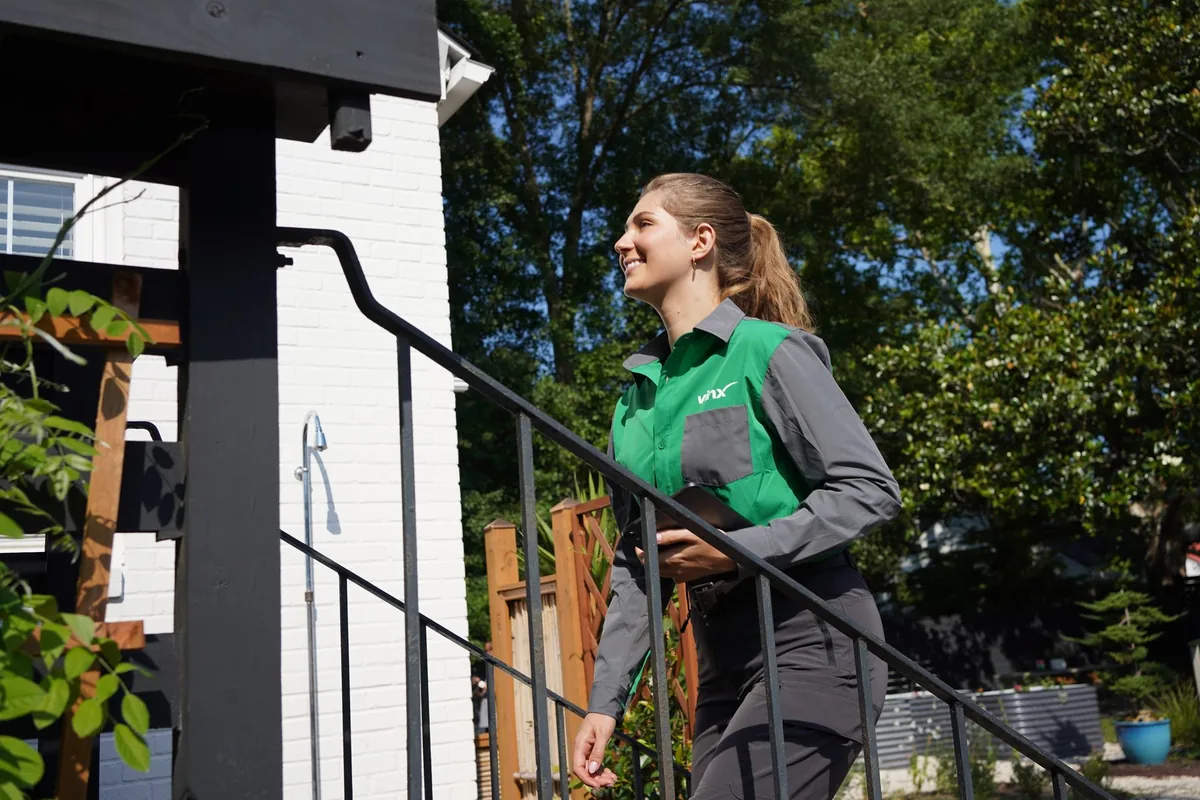
Rodent Inspection & Entry Point Identification
Your technician inspects the full structure (attic, crawlspace, basement, garage, and exterior) to locate active rodent runs, droppings, gnaw marks, and nesting sites. Every gap, crack, and utility penetration larger than a quarter inch is documented as a potential entry point for mice, while rats need only a half-inch opening. Droppings settle the species question: mouse droppings are rice-grain sized with pointed ends, rat droppings capsule-shaped and up to three-quarters of an inch long.
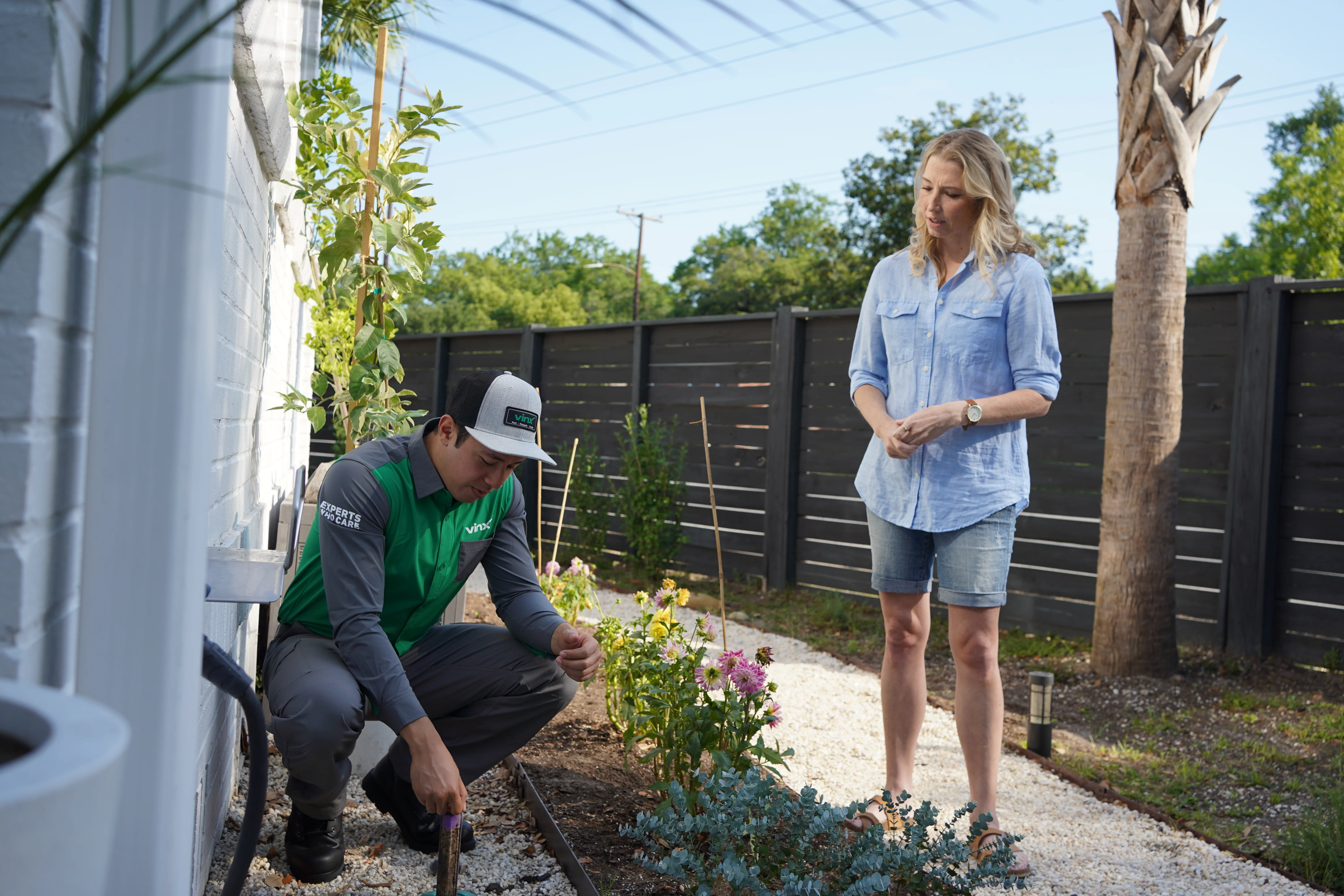
Exterior Bait Station Placement
Tamper-resistant bait stations are placed along the foundation perimeter, garage walls, and other exterior runways where rodent activity is highest. Stations are secured and labeled, safe for use around children and pets when properly deployed. Your technician maps station locations for tracking on follow-up visits, and on island properties they are kept back from the accreted land and the dune line so bait is never left where wildlife forages.
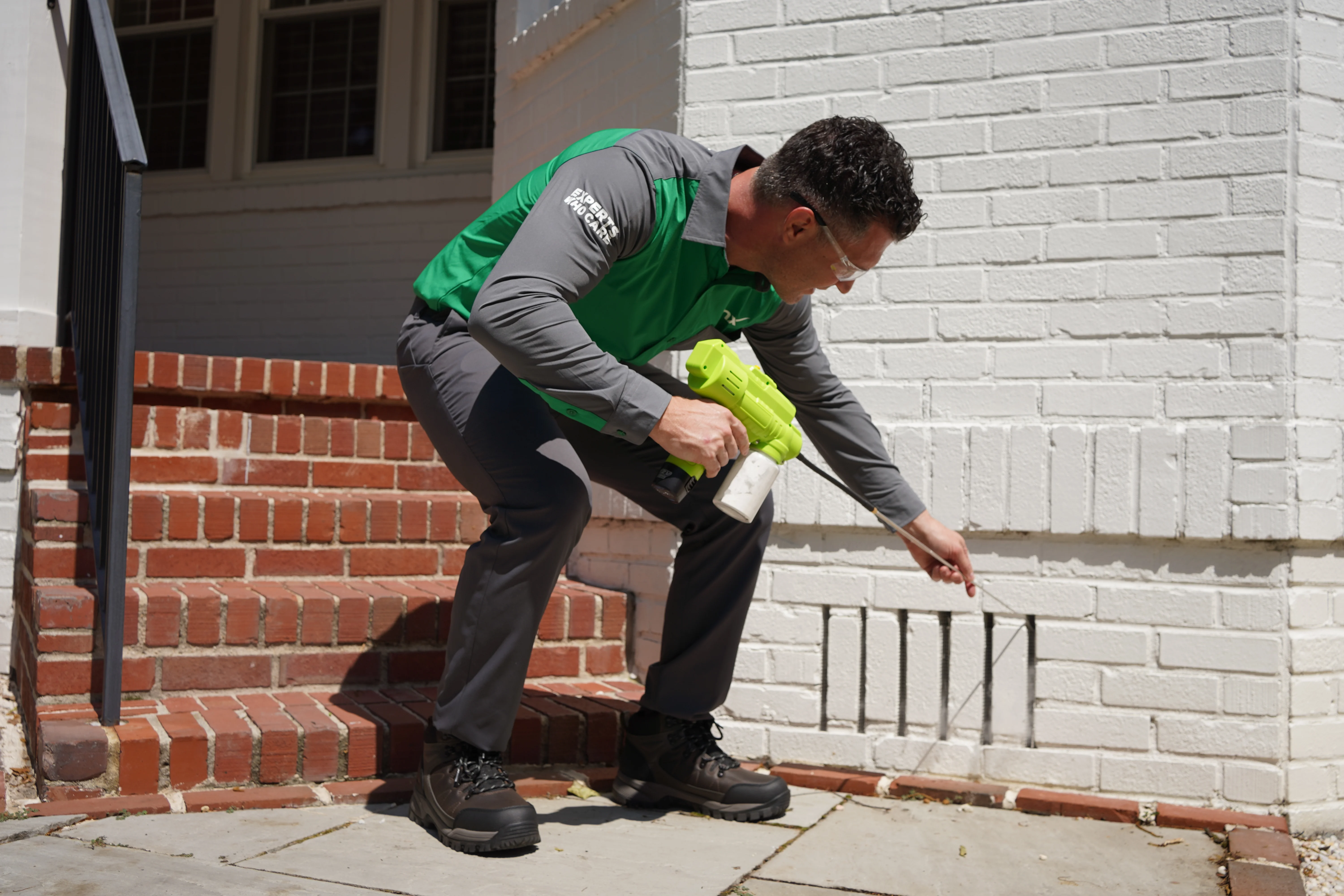
Interior Trapping
Snap traps and/or glue boards are placed along active interior runways, behind appliances, inside cabinets, along walls in the attic and crawlspace. Trap placement is based on the actual evidence found during inspection, not guesswork. Traps are checked and reset on every service visit.
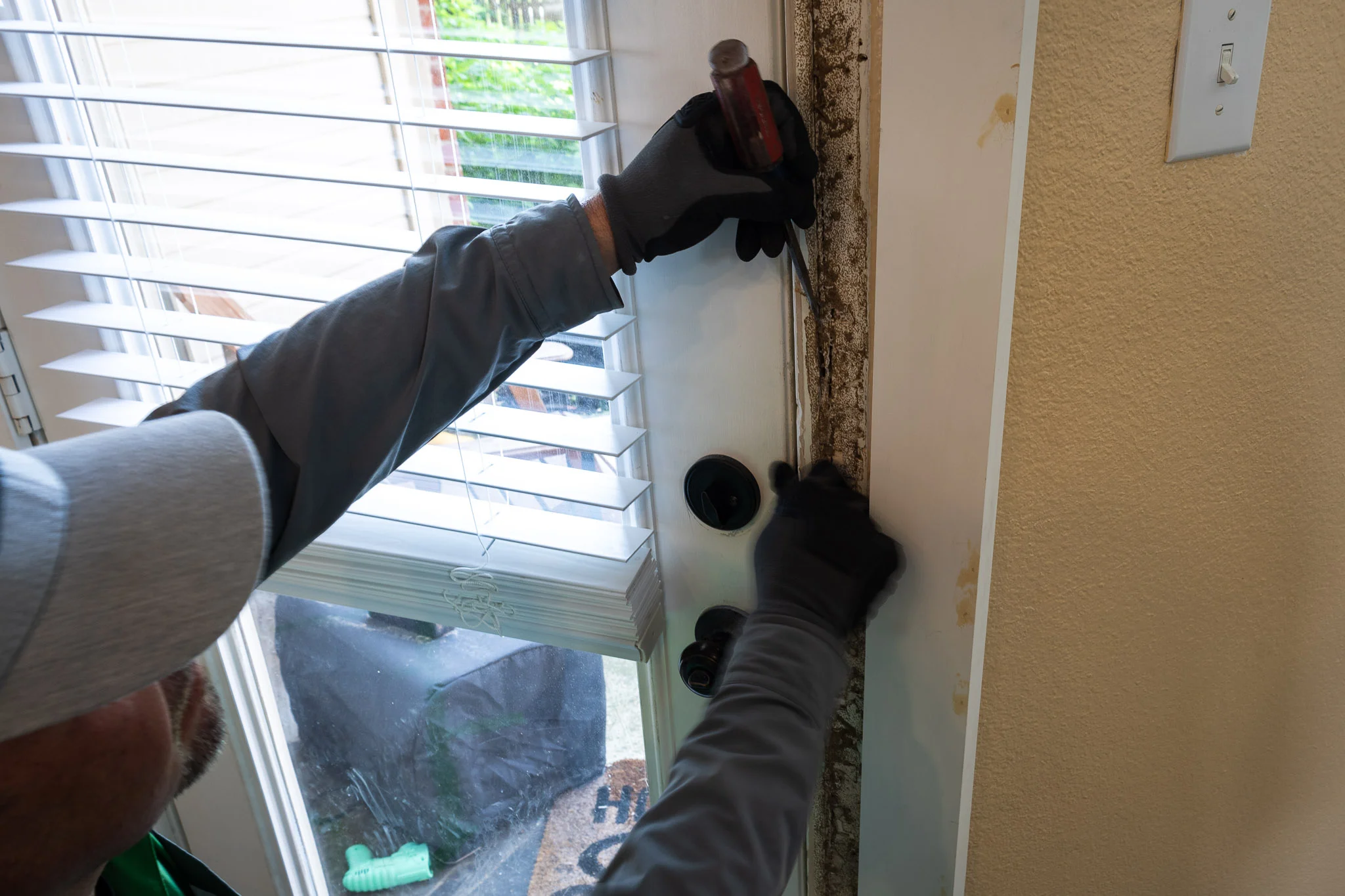
Exclusion & Follow-Up
Steel wool, hardware cloth, and sealant are used to close the entry points identified during inspection. Exclusion is what prevents re-infestation, without it, new rodents move in as fast as existing ones are removed. That is doubly true here, because the wooded accreted land behind the lots is protected ground that will keep producing rodents no matter how many are trapped indoors. Follow-up visits confirm the infestation has been resolved and the exclusion is holding.
What Our Customers Say
What Sullivan's Island Homeowners Say About Vinx
Leon was very helpful and knowledgeable. I appreciate him being a key member of the team.
Devin was tremendous and would highly recommend this company to anyone!
Austin was our technician, very professional and punctual.
Always pleasant, helpful, and provides a good service. I feel satisfied after Austin has left my house and I watch his video of the service.
Devin was extremely thorough and professional. Did a great job of trapping the rodents and the exclusion service.
Cameron was great! He was quick but efficient! He answered all of my questions with strong knowledge. Thanks again!
The Local Threat
Why Sullivan's Island Has Persistent Rodent Pressure
Sullivan’s Island is 4.3 miles long and about two and a half square miles, with the Atlantic on one side, Charleston Harbor on the other, and marsh and tidal creek along the back. Almost every lot is within a short walk of cover, water, and food.
The island’s defining feature is that it is growing. It accretes at roughly 17 feet a year, and the Town now owns about 190 acres of accreted land between the houses and the beach. In 1991 that ground was described in court as no taller than three feet, mostly sea oats and wild flowers. Today parts of it are, on the same court record, thickly wooded and a habitat for coyotes and other varmints.
That matters for rodent work because the cover now runs right up to the back of the lots. A 1991 deed keeps the accreted land in its natural state, while expressly reserving Town Council’s authority to trim vegetation for drainage and mosquito control, so the maritime forest beside your fence is not going anywhere. Exclusion at the structure, not habitat removal, is what protects an island house.
Coastal winters here never deliver the freeze-off northern states get, so populations do not crash between seasons, and a pair of Norway rats can produce dozens of offspring in a year. Add a housing stock where 297 units, about 27% of the island, were built before 1940, and roughly one home in six is held for seasonal or occasional use, and you have old buildings that are often empty when activity starts.
House age decides the way in, and on this island it decides it physically. The Town’s plan notes that historic homes were raised only two to four feet above natural grade, while FEMA now requires six to ten — so the older stock offers a low, enclosed, rarely entered crawl space of exactly the kind rats colonise, and the newer stock mostly does not. The other route is public rather than private: Charleston County maintains the island’s inlets, conduits, manholes, channels and ditches under a 2007 agreement, because the Town runs no stormwater utility of its own. A conduit system is a rodent highway that stops at nobody’s property line, which is why sealing your own structure matters more here than baiting inside it.
Rodent Species on the Island
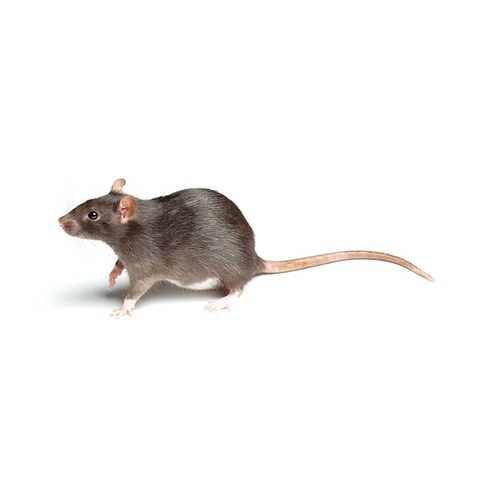
Norway Rats
Ground dwellers. Burrow along foundations, enter through ground-level gaps, sewer lines, utility penetrations.
Can compress body to fit through a gap the size of a quarter.
Heaviest pressure around the island’s older cottage foundations, along the edge of the accreted land, and around any structure left closed up between seasons.
Most active October–February as marsh corridor populations move toward residential warmth.
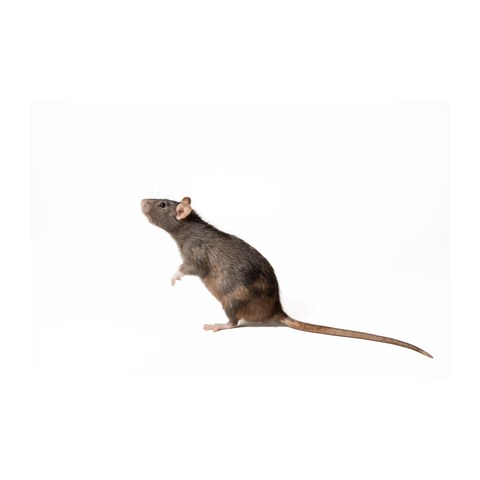
Roof Rats
Climbers. Enter through roofline gaps, deteriorated soffit, and tree branches touching the roofline.
Can fit through a gap the size of a nickel.
More common in the island’s older cottages, where aging soffits and fascia meet dense palmetto cover.
Salt air and coastal humidity deteriorate soffit and fascia faster than inland climates, opening entry points that are invisible from the ground.
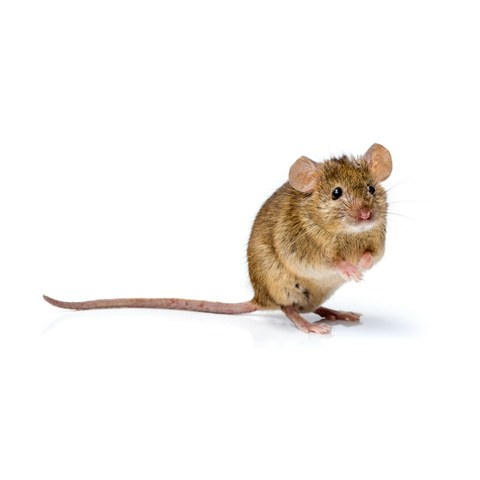
House Mice
Smallest and most common interior rodent. Can enter through a gap the size of a dime.
Most commonly found in kitchen walls, behind appliances, and in attic insulation.
A mouse problem can go undetected for months before visible signs appear.
The CDC ties house mice to lymphocytic choriomeningitis, salmonellosis, and leptospirosis; Seoul virus is the hantavirus carried by Norway rats rather than by mice.
Know Your Risk
Rodent Risk Across Sullivan’s Island
Middle Street Historic Area: Roof Rat High-Risk Zone
- Pre-1970 wood-frame homes with aging soffits have multiple roof-line entry points, and about 27% of island housing predates 1940
- Mature live oaks provide canopy bridges directly to rooflines
- Restaurant dumpsters along Middle Street sustain rat populations within a block of houses, and the street names here are old trolley stops, so commercial and residential sit closer together than in a planned subdivision
Beach-Side Cottages: Mouse Entry & Attic Rat Pressure
- Elevated cottage foundations create open crawl spaces, primary mouse-entry zone
- Salt-air expansion/contraction opens gaps in siding and fascia seasonally
- Roughly one in six island housing units is held for seasonal or occasional use, and a house nobody enters for weeks is where an infestation gets established unnoticed
Cove Inlet & Breach Inlet: Waterfront Rodent Pressure
- Boat docks and fishing equipment provide harborage close to home foundations
- Organic debris from tidal edges feeds rat populations year-round, and the maritime forest on the accreted land gives them permanent cover the Town is required to leave in place
- North-end properties with less foot traffic develop undetected colony expansions
Warning Signs
Signs Your Sullivan's Island Home Has a Rodent Problem
Droppings Near Food & Baseboards
Small, dark pellets near food sources, along baseboards, or in cabinets are one of the earliest and most reliable signs of rodent activity.
Gnaw Marks on Wood & Wiring
Fresh gnaw marks appear light-colored and become darker over time. Gnawed electrical wiring is a leading cause of house fires.
Scratching Sounds in Walls at Night
Rodents are most active after dark. Scratching, scurrying, or squeaking sounds in walls or ceilings at night indicate active presence.
Grease Marks Along Baseboards
Rodents follow the same routes repeatedly. Oily smears and dark rub marks along walls and baseboards are caused by their greasy fur.
Nesting Material in Attic & Walls
Shredded insulation, fabric, paper, and other soft materials gathered into a nest indicate an established rodent population.
Burrow Holes Near Foundation
Norway rats burrow into soil along foundation walls, under slabs, and near compost or brush piles. Fresh burrows have clean-edged, compacted soil.
Ammonia Smell in Attic or Crawl Space
A strong ammonia or musty odor in enclosed spaces signals accumulated rodent urine, often before other signs become visible.
Unexplained Food & Pantry Damage
Gnawed packaging, holes in food bags, and scattered food debris in pantries or cabinets are classic indicators of mouse or rat activity.
Homeowner Tips
6 Ways to Reduce Rodent Risk on Your Sullivan's Island Property
Kid & Pet Safe
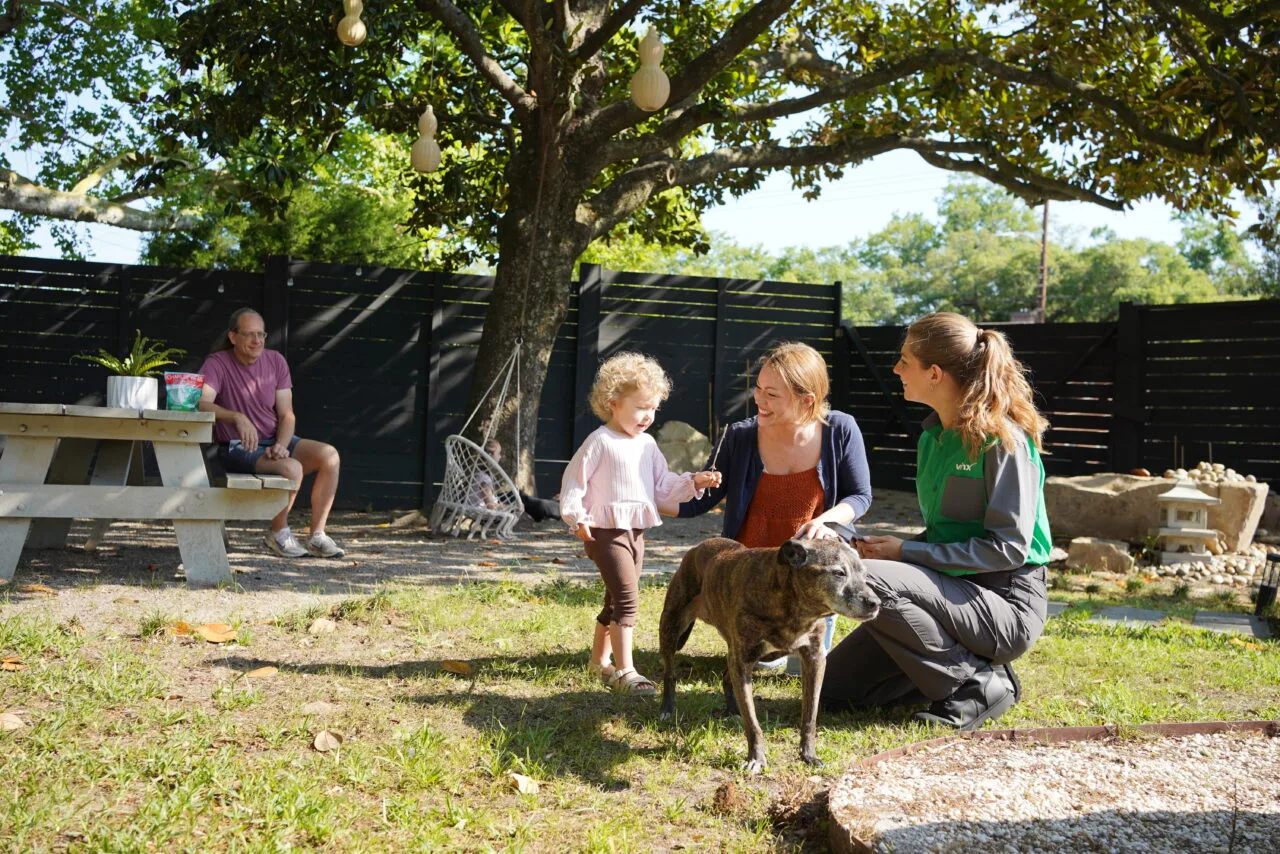
Our Treatments Are Safe for Your Whole Family: Including the Furry Members
Every product we use is EPA-registered and applied strictly at labeled rates by licensed technicians. We take the guesswork out of safety so you can feel confident letting kids and pets back into treated areas quickly.
EPA-Registered Products Only
All products we apply are EPA-registered and used strictly per label requirements. Our licensed technicians are trained to apply the right product in the right place at the right rate, every time.
Dry Time Before Re-Entry
Exterior spray treatments dry in 30–60 minutes. Once dry, treated surfaces are safe for children and pets to contact. Your technician will confirm the all-clear before leaving your property.
Interior Treatment On Request
We treat only what’s needed, where it’s needed. Gel baits in cabinets and crack-and-crevice applications keep products away from areas pets and children frequent most.
Botanical Options Available
Have specific sensitivities? Ask your technician about our plant-derived treatment options. We offer botanical alternatives for households that prefer a more natural approach.
Have a concern about products used near your pets or children? Call 855-800-8469 and we’ll walk you through exactly what we use and why it’s safe.
Explore More
More Pest Control Services on Sullivan’s Island

Pest Control Sullivan’s Island
General pest protection

Ant Control Sullivan’s Island
Household ants & others

Bed Bug Control Sullivan’s Island
Heat & liquid treatments

Cockroach Control Sullivan’s Island
Palmetto bug & roach removal

Mosquito Control Sullivan’s Island
Monthly barrier treatments

Spider Control Sullivan’s Island
All spider species covered

Termite Control Sullivan’s Island
Bait systems & liquid treatment

Tick & Flea Control Sullivan’s Island
Yard & pet protection
Exterminator Sullivan's Island
Same-day local exterminators
Frequently Asked Questions
Rodent Control FAQ for Sullivan's Island Homeowners
Rodent monitoring is included in the HomeGuard quarterly plan, which starts at $49/mo. Exclusion work (permanently sealing entry points) is priced by scope, call 855-800-8469 for a property walk-through and quote. Most island cottage exclusions run $300–$800 depending on access points found.
Roof rats access attics through gaps in fascia, soffit vents, plumbing stacks, and where utility lines enter the home. On island cottages, tree-canopy bridges are the most common route, a branch within 2 feet of the roofline is enough. Trimming trees back 4 feet from the roof eliminates this entry vector on your own lot, and the pre-1940 cottages that make up about 27% of island housing tend to have the softest fascia to work with.
Yes, mild winters on Sullivan’s Island mean rat populations don’t naturally crash between seasons, and the 190 acres of protected accreted land behind the houses is permanent habitat rather than something that gets cleared. Quarterly inspection and trap-check visits catch new activity before populations establish. One missed inspection is often the difference between a manageable situation and a full attic infestation.
Yes. The CDC lists salmonellosis, leptospirosis, rat-bite fever, and hantavirus among the diseases rodents spread directly, through contact with droppings, urine, or saliva, through contaminated food, or by breathing dust from nesting areas. Seoul virus is the hantavirus carried by Norway rats. Never sweep or vacuum droppings: ventilate the space, wet them down with a disinfectant, wipe them up with gloves, and bag the waste, which is the method the CDC recommends.
Vinx uses tamper-resistant bait stations that prevent wildlife access. We do not use second-generation anticoagulants (SGARs) on island properties due to raptor and owl exposure risk. All bait choices follow EPA coastal application guidelines, and stations are kept back from the accreted land, which the Town holds as protected natural habitat.
Trapping reduces the existing population. Exclusion, permanently sealing entry points, prevents re-entry. On island properties, exclusion is always required for lasting control; trapping alone allows neighboring populations to move in as soon as traps are removed.
Yes, roof rats gnaw wiring insulation for nesting material. In attics, this creates fire hazard within weeks of establishing. Island homes with undetected attic infestations sometimes discover damaged wiring during renovations. Early treatment prevents this risk entirely.
It changes what works. The Town owns roughly 190 acres of accreted land between the houses and the ocean, and a 1991 deed requires it to stay in its natural state, reserving to Town Council only the authority to trim vegetation for purposes such as drainage and mosquito control. Court filings describe that ground going from three-foot sea oats in 1991 to thickly wooded today, habitat for coyotes and other varmints. You cannot clear it, so lasting control comes from sealing the structure and keeping food and harborage off your own lot rather than from pushing back the treeline.
Service Coverage
Rodent Control Across Sullivan's Island & Mount Pleasant
Serving every neighborhood on Sullivan's Island and across the Mount Pleasant area
Serving the Greater Charleston Area