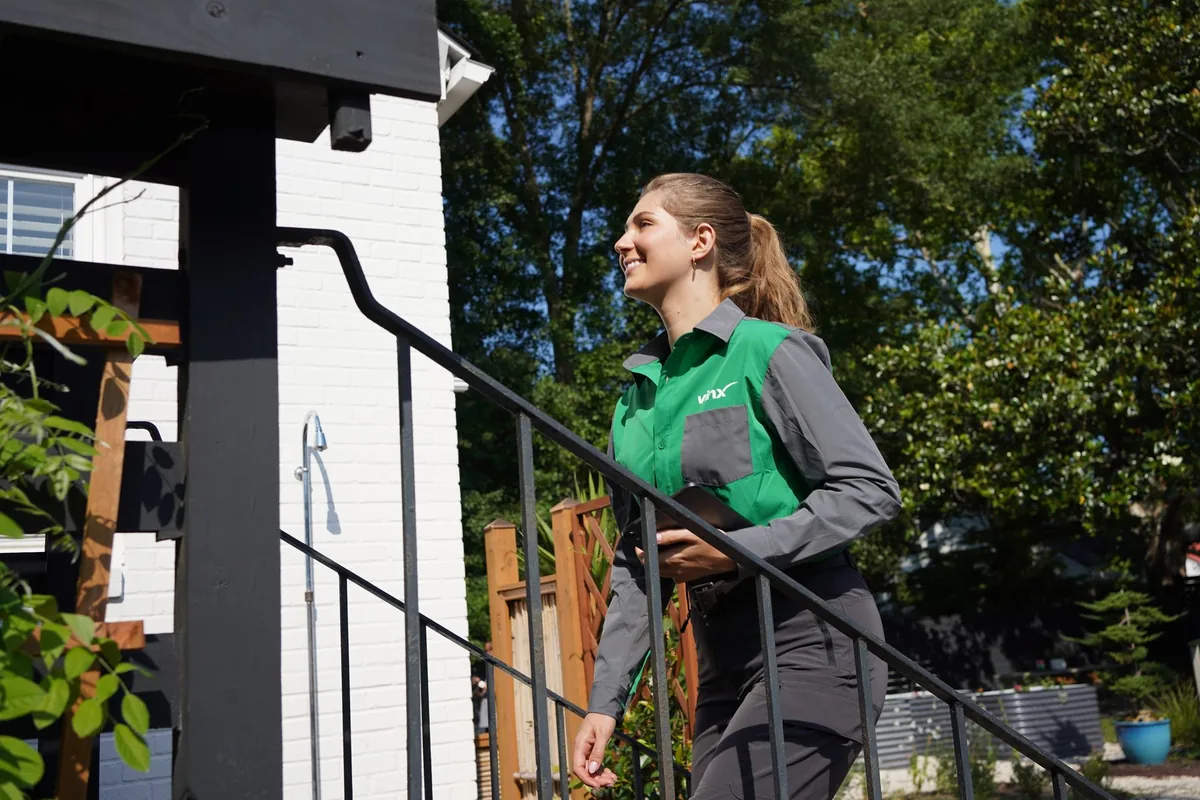
Termite Control on Sullivan's Island, SC
Sandy coastal soil, warm winters, high humidity and aging wood-frame cottage construction give Sullivan’s Island some of the highest Formosan termite pressure in South Carolina, and termite control here addresses both species that matter on this coast: the native eastern subterranean termite, and the Formosan, established across Charleston County since it first reached the US mainland here in the 1950s. Drywood termites are a genuine coastal concern as well, and on an island where 27.3% of the housing predates 1940 that distinction changes the treatment. Without a termite bond, island homeowners accept significant structural risk. Vinx uses the Sentricon bait system. Free re-treatment guarantee.
Get Started in 60 Seconds
Choose what’s easiest for you
Request a Quote
We usually respond in 2 minutes
Call 855-800-8469
Get a Live Person (no AI agents here!)
Sign Up Online
Get pricing and schedule now





Welcome to Vinx Pest Control
A Company That Actually Backs What It Says
At Vinx, we combine professional-grade treatments with a level of service most pest control companies don't offer. Local technicians, fast response times, and a guarantee that actually means something.
Get a Free Quote"I'm not passionate about killing bugs. I'm passionate about customer service. At Vinx, you get experts who show up, do the job right, and stand behind every visit. No runaround, no fine print."
WELCOME TO VINX PEST CONTROL
Protection Plans for Sullivan’s Island Homeowners

Standard Residential Protection
- 4 Seasonal Treatments Per Year
- 50+ Covered Pests
- Interior, Exterior & Yard Treatment
- Unlimited Free Re-Services
- 100% Money-Back Guarantee

Upgraded Yard Protection
- 6 Home & Yard Treatments Per Year
- 50+ Covered Pests
- Yard Ant Elimination Guarantee
- Flea & Tick Elimination Guarantee
- 100% Money-Back Guarantee

Most Comprehensive Protection
- 9 Treatments Per Year
- 50+ Covered Pests
- 8 Mosquito Treatments (Mar–Nov)
- Flea, Tick & Ant Coverage
- Free Bed Bug Treatments if Needed*
*Starting rates vary by home size and area. All plans billed monthly.
Request Your Free Termite Inspection
Fill out the form below and a Vinx team member will reach out within 2 minutes during business hours.
Prefer to talk? Call 855-800-8469 for a live person, no AI agents.
Our Approach
How Vinx Protects Your Island Home from Termites

Thorough Termite Inspection
Your technician inspects the full structure, foundation, crawlspace, attic, interior walls, window and door frames, and all wood-to-soil contact points. We identify mud tubes, frass, hollow-sounding wood, swarm evidence, and conducive conditions like moisture intrusion or improper drainage. The inspection report documents all findings and informs your treatment plan.
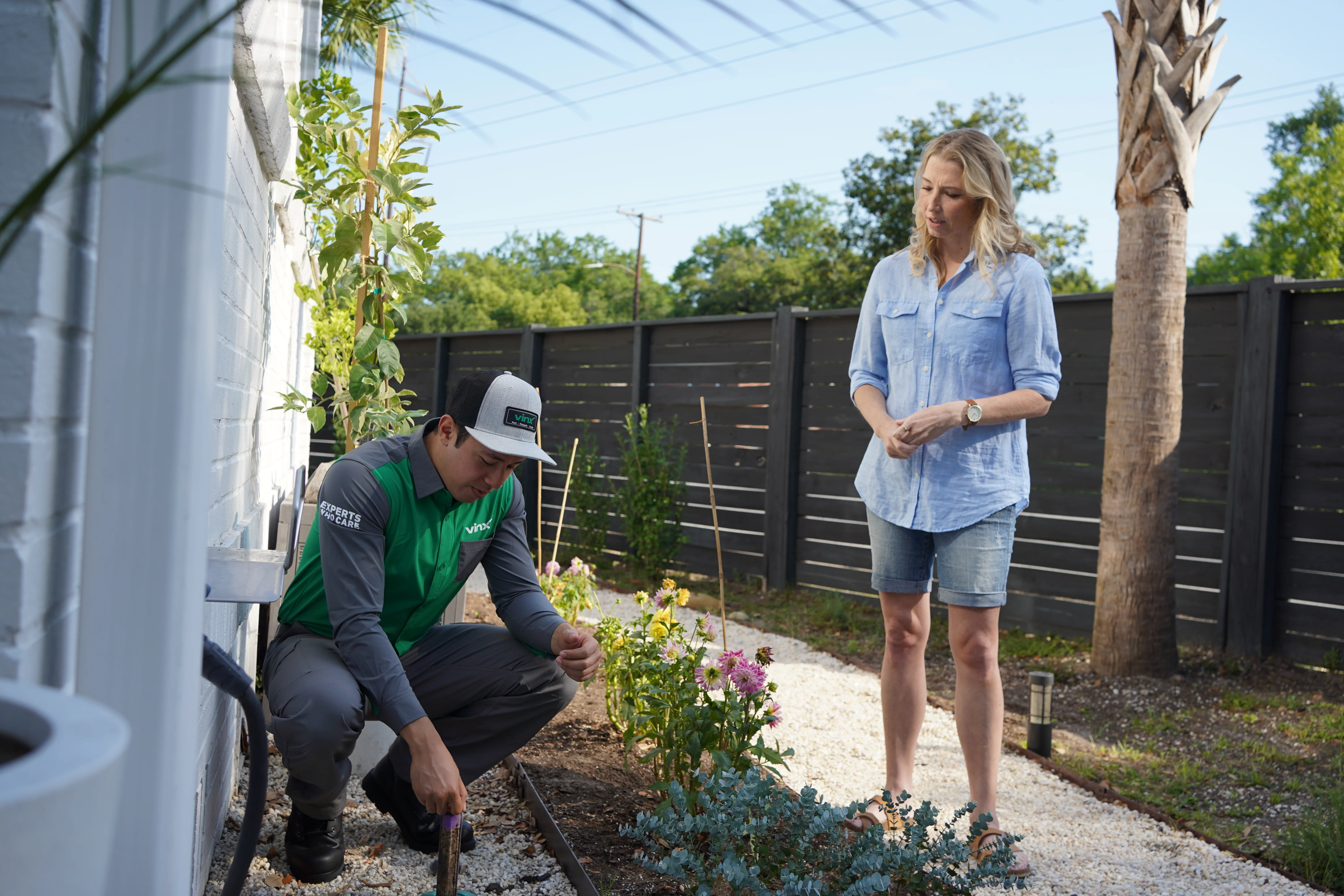
Foundation & Perimeter Treatment
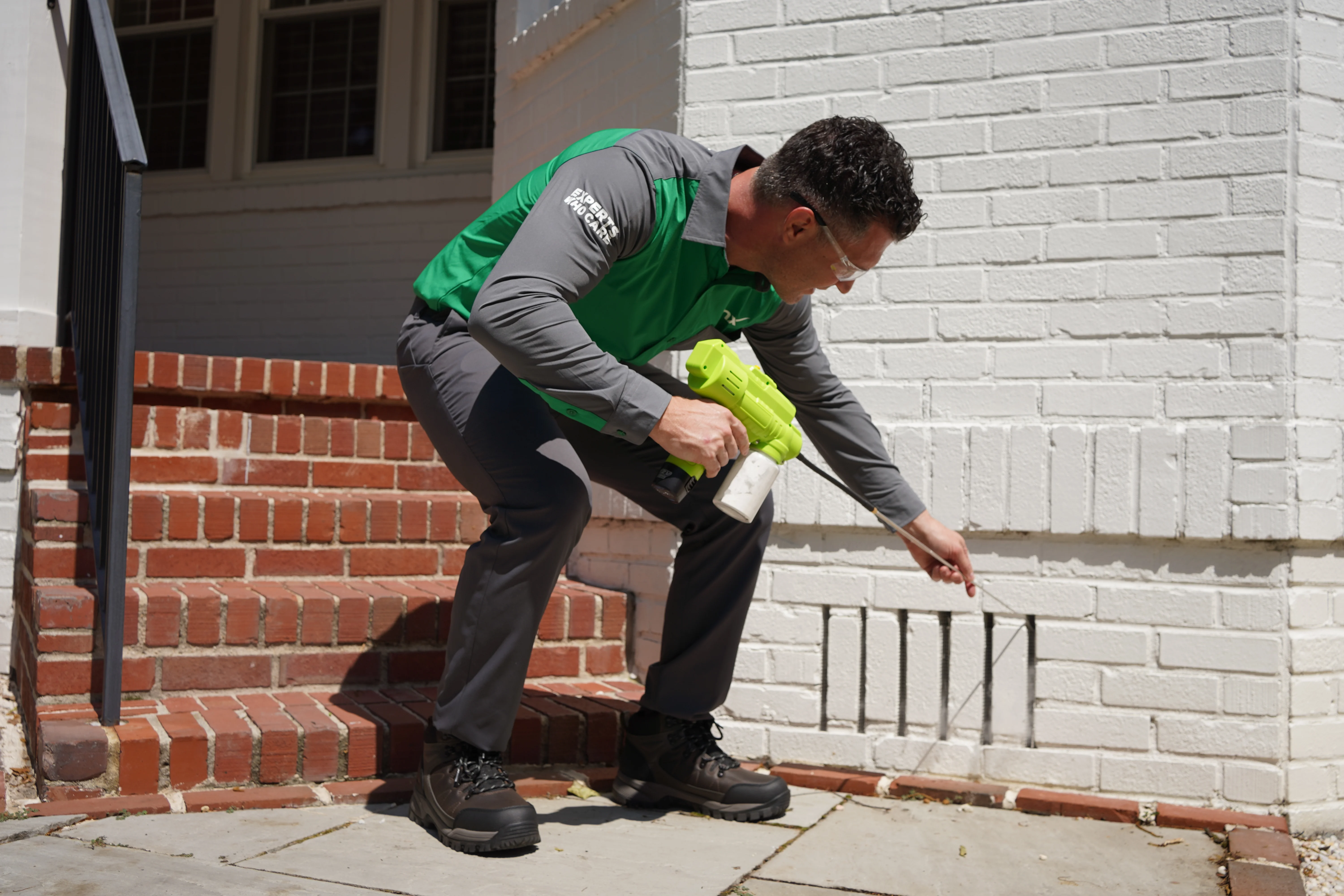
A liquid termiticide barrier is applied around the full foundation perimeter, including beneath slabs and around utility penetrations. This creates a continuous treated zone that eliminates termites on contact and prevents new colonies from entering. Treatment is applied to both interior and exterior foundation walls for complete protection.
Direct Colony Treatment
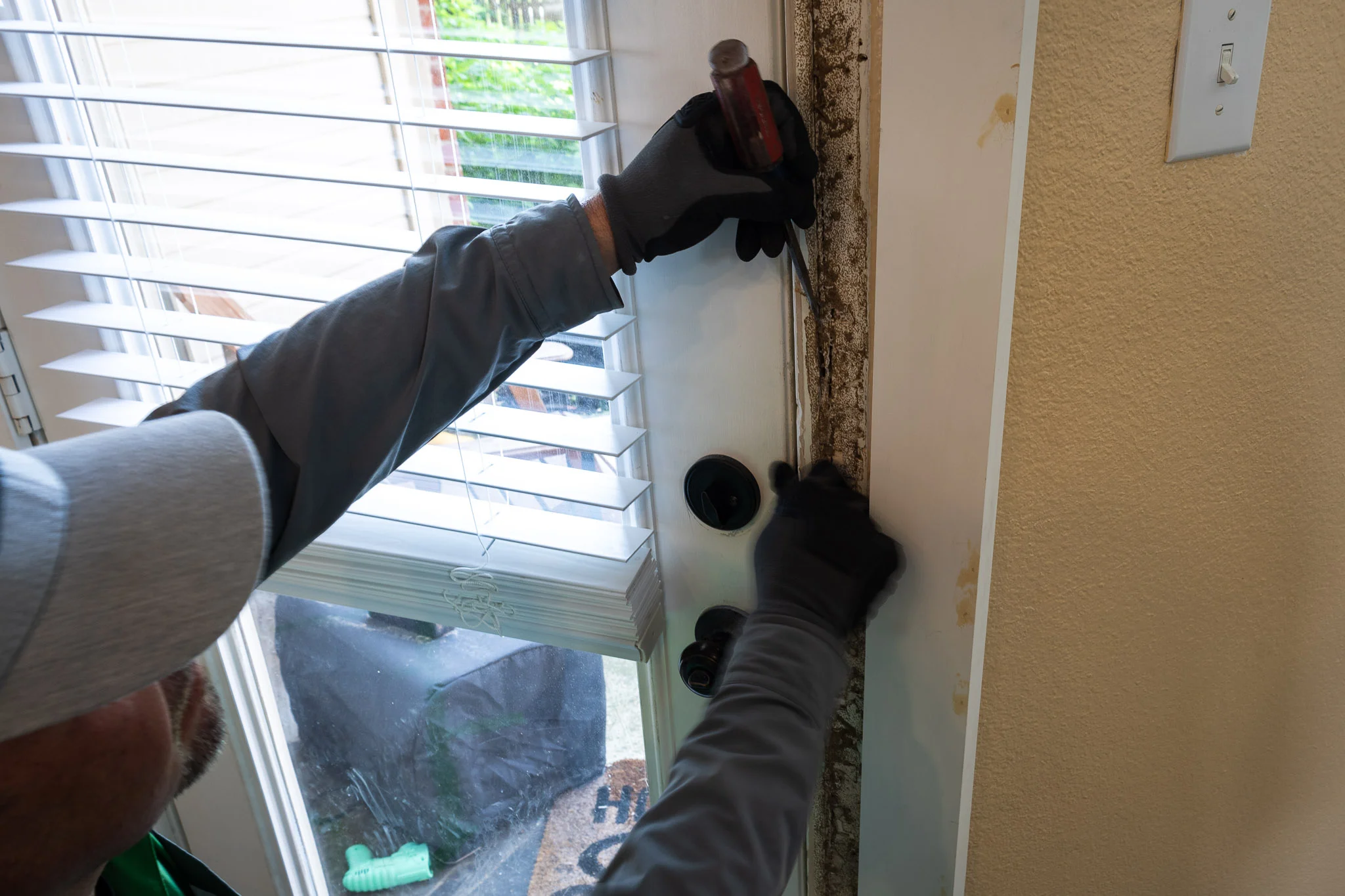
Active termite galleries and mud tubes are treated directly with termiticide foam or dust, reaching deep into the colony tunneling network. This targeted approach eliminates the existing colony quickly while the perimeter barrier prevents re-infestation. Affected wood members are documented and repair recommendations are provided.
Annual Inspection & Re-Treatment Guarantee
Annual termite inspections keep your protection current and catch any new activity early. If termites return between scheduled visits, we re-treat at no additional charge, that is our guarantee. Your technician also advises on moisture control, wood contact elimination, and landscaping adjustments that reduce long-term termite pressure.
What Our Customers Say
What Sullivan's Island Homeowners Say About Vinx
Thank you for a smooth operation. All baits were inspected and replaced the needed ones. Very professional and always friendly. I recommend Vinx to anyone.
It’s that time of year for pests in the Low Country and along with all the bugs comes termite swarms. Austin made time at the end of his busy 90 degree day to get us taken care of. He explained the swarming and type of termite, along with spiders, fire ant hills and general extermination. We really appreciate his professional hard work!!! Thank you Austin and Vinx for getting us scheduled asap!
Leon is very knowledgeable. I felt comfortable with his suggestion on treating termite.
Dalon was great very nice and professional!!
Dalon did a great job with the inspection 🐜
Leon was excellent. Friendly, personable, and extremely thorough throughout the inspection process. Having dealt with termite damage in the past(Not a vinx home), I especially appreciated the care and attention he put into examining everything. His detailed approach gave me confidence that nothing was overlooked. I highly recommend Leon and Vinx for anyone looking for a knowledgeable and diligent inspector.
Austin was very thorough and knowledgeable. He took the time to explain everything clearly. Really appreciated his professionalism.
Jack did a great job addressing all areas of concern. He was kind and professional
Vinx pest control is fantastic. The techs are friendly, polite, and knowledgeable, especially Clint! The annual plans are affordable and I’m really happy with their customer service
The Local Threat
Why Sullivan's Island Homes Face Extreme Termite Risk
The Lowcountry's combination of humidity, mild winters, and sandy soil creates near-perfect conditions for termites year-round. While most of the country sees a four-to-six-month termite season, colonies on this coast stay active for eleven or twelve months of the year. According to Clemson University Cooperative Extension, South Carolina consistently ranks among the highest-risk states in the nation for structural termite damage.
Pier-and-beam and crawl space foundations, which is most of what stands on Sullivan’s Island, give subterranean termites direct access to structural wood with little chance of early detection. About 297 island housing units, roughly 27% of the stock, were built before 1940, a far higher share than neighboring Isle of Palms, where the figure is under 1%. Those pre-war cottages carry original heart pine sills over open crawl spaces. Mature oak and palmetto root systems create soil channels colonies travel unseen, and salt-air moisture keeps wood primed for infestation, so island homeowners face an above-average risk every year they go unprotected.
There is a second, physical split in the housing that decides how an inspection actually goes. The Town’s plan records that the island’s average upland elevation is 7.9 feet above mean high water, and that historic homes adapted to king tides by raising their first stories only two to four feet from natural grade — where FEMA mapping now requires new homes to sit, on average, six to ten feet up. A pre-war cottage therefore gives you a low, dark, poorly ventilated crawl space close to damp sand; a post-Hugo rebuild gives you an open substructure you can walk under and read at a glance. Same street, same termites, two entirely different inspections — and the older one is where the soil contact, the trapped moisture and the concealed tubing are.
Termite Species on the Island
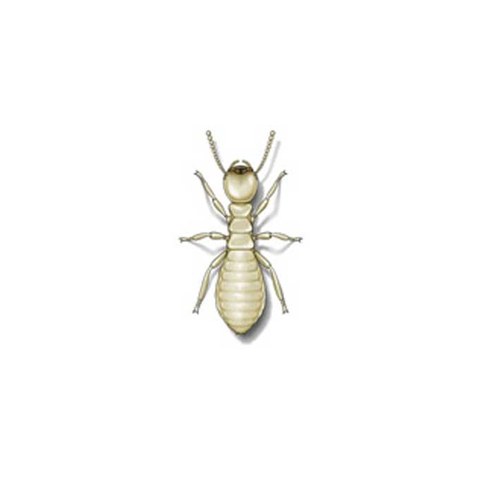
Eastern Subterranean Termite
The most common termite species in South Carolina, Eastern Subterranean termites live in colonies 20 to 30 feet underground. They travel upward through soil and mud tubes to reach the wood in your home's foundation, floor joists, and wall studs, all without breaking the surface of the paint or drywall above.
Colonies can contain hundreds of thousands of workers and cause thousands of dollars in structural damage before a single sign is visible from inside the home. A native colony also needs three to four years in the ground before it swarms, so wings on an island windowsill are confirmation rather than an early warning. Quarterly inspections and bait station monitoring are the most reliable way to detect activity before it becomes a major repair.
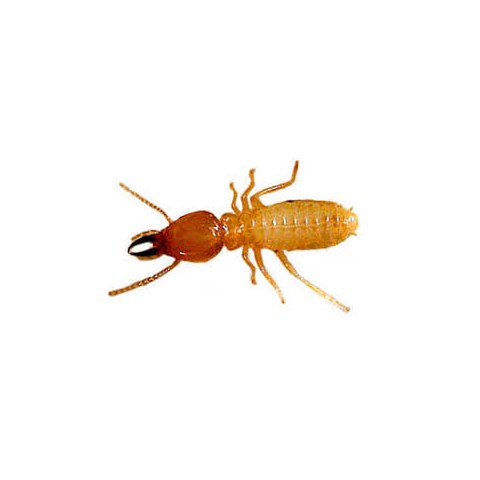
Formosan Subterranean Termite
Far more destructive than the Eastern species, Formosan termites form colonies of several million individuals and are uniquely capable of storing water within their carton nests, allowing them to infest wood above ground without a direct soil connection. They consume wood at a rate several times faster than Eastern Subterranean termites.
Charleston County carries one of the oldest Formosan footholds in the country: Clemson dates the species’ introduction here to the mid-1950s, which makes this one of the longest-established urban populations in the United States. Sullivan’s Island sits inside that range, and its four National Register historic districts, listed in 2007 with periods of significance running from about 1830 to 1950, mark exactly the concentrations of old wooden construction the species does best in. Formosan termites are not a hypothetical risk here.
Know Your Risk
Termite Risk Across Sullivan’s Island
Historic Cottage District: Formosan Termite High-Risk Zone
- Pre-1970 wood construction with untreated sills is the primary Formosan target on the island, and about 27% of island housing predates 1940
- Live oak tree root zones provide moisture corridors for termite tubes to reach foundations
- Landscaping beds along Middle Street sustain termite pressure right at property lines, and the four historic districts listed in 2007 concentrate the oldest framing in these blocks
Beach-Side Stations: Subterranean & Drywood Risk
- Elevated cottages with salt-air-exposed sills develop moisture damage rapidly, termite entry points
- Drywood termites infest exposed fascia and window frames and swarm in spring and fall; the West Indian powderpost drywood termite is known worldwide only from structural lumber and furniture, so it lives in the building rather than in the soil and an inspection has to look at framing and furniture, not just the crawl space
- Sandy soil allows termite tubes to travel invisibly from adjacent lots
Cove Inlet & Dock Properties: Constant Moisture Exposure
- Dock pilings and timber decking in constant tidal contact sustain termite activity
- Moisture from tidal flooding creates permanent soil conditions ideal for Formosan colonies, and Formosan carton nests store their own water, which lets them work wood above ground without a soil connection
- Adjacent tidal-wood harborage means re-infestation pressure is continuous
Warning Signs
Signs Your Sullivan's Island Home Has Termite Activity
Mud Tubes on Foundation
Pencil-width tunnels of soil along foundation walls or piers, the primary travel route for subterranean termites from soil to wood.
Hollow-Sounding Wood
Tap structural wood with a screwdriver handle. A hollow or papery sound indicates termites have consumed the interior while leaving the surface intact.
Sticking Doors & Windows
Termite damage and the moisture they introduce can warp door and window frames, making them difficult to open or close properly.
Bubbling or Peeling Paint
Paint that bubbles, blisters, or peels in unusual patterns, especially near baseboards or window frames, can indicate moisture from termite activity below the surface.
Frass Near Baseboards
Drywood termites push fecal pellets (frass) out of small kick-out holes. These tiny, sand-like piles accumulate near baseboards and window sills.
Discarded Wings Near Windows
Termite swarmers shed their wings after finding a new nesting site. Piles of discarded wings on window sills or near light fixtures are a classic early warning sign.
Soft Spots in Floors
Floors that feel spongy, bouncy, or soft underfoot, particularly in crawl space homes, can indicate termites have damaged the subfloor or floor joists below.
Pinholes in Drywall
Small, round entry or exit holes in drywall, sometimes accompanied by faint clicking or rustling sounds inside walls, can signal an active termite infestation.
Homeowner Tips
6 Ways to Protect Your Sullivan's Island Home From Termites
Kid & Pet Safe
Our Treatments Are Safe for Your Whole Family: Including the Furry Members
Every product we use is EPA-registered and applied strictly at labeled rates by licensed technicians. We take the guesswork out of safety so you can feel confident letting kids and pets back into treated areas quickly.
EPA-Registered Products Only
All products we apply are EPA-registered and used strictly per label requirements. Our licensed technicians are trained to apply the right product in the right place at the right rate, every time.
Dry Time Before Re-Entry
Exterior spray treatments dry in 30–60 minutes. Once dry, treated surfaces are safe for children and pets to contact. Your technician will confirm the all-clear before leaving your property.
Interior Treatment On Request
We treat only what’s needed, where it’s needed. Gel baits in cabinets and crack-and-crevice applications keep products away from areas pets and children frequent most.
Botanical Options Available
Have specific sensitivities? Ask your technician about our plant-derived treatment options. We offer botanical alternatives for households that prefer a more natural approach.
Have a concern about products used near your pets or children? Call 855-800-8469 and we’ll walk you through exactly what we use and why it’s safe.
Explore More
More Pest Control Services on Sullivan’s Island

Pest Control Sullivan’s Island
General pest protection

Ant Control Sullivan’s Island
Household ants & others

Bed Bug Control Sullivan’s Island
Heat & liquid treatments
Cockroach Control Sullivan’s Island
Palmetto bug & roach removal

Mosquito Control Sullivan’s Island
Monthly barrier treatments

Rodent Control Sullivan’s Island
All rodents covered

Spider Control Sullivan’s Island
All spider species covered

Tick & Flea Control Sullivan’s Island
Yard & pet protection
Exterminator Sullivan's Island
Same-day local exterminators
Frequently Asked Questions
Termite Control FAQ for Sullivan's Island Homeowners
Termite bonds on Sullivan's Island typically run $400–$900/year for a standard cottage, including annual inspection and retreatment guarantee. Active infestation treatment is priced separately by scope. Call 855-800-8469 for a property-specific quote.
Significantly. A native subterranean colony runs to several hundred thousand workers; a mature Formosan colony can reach millions and consumes wood far faster. Formosan carton nests also hold their own moisture, so the colony can work an upper floor or a roofline without keeping a soil connection, which matters in an elevated island cottage.
Yes, unconditionally. Most South Carolina transactions involve a CL-100 Official Wood Infestation Report, which most lenders require and which only an inspector licensed in category 7A may issue. Two things about it are widely misstated: it covers wood-destroying fungi as well as insects but only below the first main living-area floor, and the regulation says the report places no obligation on anyone to correct what it finds, so any repair duty comes from the contract or the lender. A pre-purchase bond with a transferable guarantee is what protects you after closing.
They are the coastal species worth knowing about, and they behave differently from everything else on this page. Clemson places drywood termites almost exclusively in South Carolina’s humid coastal counties, and the West Indian powderpost drywood termite is documented worldwide only from structural lumber and furniture rather than from soil or living trees. That means a soil barrier does nothing for them: they arrive as swarmers through an attic vent or a gap in trim and set up inside the wood itself. On a cottage where the framing is original, the inspection has to include fascia, window frames, attic members and even furniture.
Vinx installs a liquid treatment barrier around the foundation perimeter and crawl-space sills at the start of the bond. Annual inspections check for activity. If termites are found between inspections, Vinx retreats at no charge. The bond transfers to new owners at sale.
Yes: Formosan colonies are large enough to extend their foraging territory across multiple lots. A neighbor's untreated property can sustain a colony that continuously pressures your foundation. A perimeter barrier at your property line intercepts this foraging before it reaches your structure.
Yes. Termidor (fipronil) and other liquid barrier products are applied as soil injections at the foundation, not broadcast sprayed. They bind tightly to soil particles and do not migrate to groundwater or tidal areas when applied per label. All Vinx technicians are SC-licensed applicators.
Because what is at risk is not replaceable. About 27% of Sullivan’s Island housing was built before 1940, against under 1% on Isle of Palms, and the stock is bimodal: a large pre-war core alongside a wave of newer construction, partly because Hurricane Hugo destroyed many older houses in 1989. On a pre-war cottage the vulnerable wood is original heart pine sills, joists and framing over an open crawl space, so we treat the perimeter and the sills, keep the crawl space dry, and inspect the framing itself for drywood activity. On a post-Hugo rebuild the slab or pier detail and the pre-treatment history drive the plan instead.
Service Coverage
Termite Control Across Sullivan's Island & Mount Pleasant
Serving every neighborhood on Sullivan's Island and across the Mount Pleasant area
Serving the Greater Charleston Area